When installing subway tiles, understanding the right time to walk on them is crucial to prevent damage and ensure long-lasting results. Walking on tiles too soon can cause cracks, uneven placement, or premature wear, leading to costly repairs. One common question is whether it’s safe to walk on subway tiles just two hours after installation.
In this guide, we’ll explore the factors that impact drying times for newly installed subway tiles and how to ensure your tiles remain in excellent condition. From tile type to installation methods, environmental conditions, and care tips, you’ll learn how to protect your investment and avoid mistakes. If you’re looking for high-quality tiles and expert advice, consider checking out our tile collection for a wide range of subway tile options.

Factors Affecting Drying Times
Several factors influence how long subway tiles take to dry and cure after installation. While the exact timeline depends on materials, mortar type, and environmental conditions, most tile installations require 24 to 48 hours before they are safe for light use, with full curing sometimes taking several days. Understanding these factors ensures a smoother installation process and better results in the long run.
Tile Thickness
The thickness of the subway tile directly affects its drying time. Thicker tiles retain more moisture, which means they require longer drying periods compared to thinner tiles. This is especially true for commercial or outdoor installations where larger, thicker tiles are common. For residential projects, thinner subway tiles are more popular because they dry faster and allow for quicker completion of the installation.
A good example of a well-balanced tile profile, as featured in the photo above, is Edward Martin’s Juliet 2.5x10 Matte Porcelain Tile in Rust, which features a 9 mm thickness that provides both structural stability and everyday durability. Made from dense porcelain, this tile is designed to withstand regular use while maintaining a slim, refined subway tile appearance. Its matte surface and 0.42 DCOF slip resistance rating also help improve traction, making it a practical choice for spaces where both safety and long-term performance are important.
Environmental Factors
Environmental conditions also play a major role in the drying process:
Temperature
Higher temperatures can speed up the drying process, but be cautious—too much heat can cause uneven drying, leading to cracks. Conversely, lower temperatures slow the process, particularly for denser materials such as porcelain.
Humidity
High humidity levels can extend drying times as moisture in the air slows evaporation. Using a dehumidifier in humid climates helps maintain ideal moisture levels, enabling faster drying.
Ventilation
Good airflow is essential for proper drying. Poorly ventilated areas trap moisture, which can prolong the drying period. Using fans or ensuring good ventilation will optimize the process.
These factors affect not only the drying times but also the quality of the installation. Before diving into the specifics of subway tile types and installation methods, it's important to account for these environmental conditions during your project planning.

Types of Subway Tiles
The type of subway tile you choose greatly affects how long it takes to dry after installation. Each tile material has its own characteristics that determine its performance during curing.
Ceramic Tiles
Ceramic tiles are a popular choice for homeowners because of their affordability, versatility, and easy maintenance. Made from kiln-fired clay and typically finished with a protective glaze, ceramic subway tiles offer reliable moisture resistance and a smooth surface that’s simple to clean. These qualities also make them especially suitable for interior applications such as kitchen backsplashes, bathroom walls, and decorative accent areas.
For example, the Reagan 2x10 Matte Ceramic Tile in Teal introduces a bold yet refined color that can instantly elevate a space while maintaining the practicality ceramic tiles are known for. Its matte finish softens reflections while adding subtle texture, allowing the rich teal tone to stand out without overwhelming the design. With proper installation and adequate ventilation during the setting process, ceramic tiles like this can deliver long-lasting style and dependable performance in everyday living spaces.
Porcelain Tiles
Porcelain tiles, a refined type of ceramic tile, are known for their exceptional durability and dense composition. Their low porosity makes them highly resistant to moisture, stains, and daily wear, which is why they’re frequently used in kitchens, bathrooms, and other busy areas. Because porcelain is fired at higher temperatures during manufacturing, it forms a harder surface that delivers reliable long-term performance in both residential and commercial spaces.
A great example of this, as displayed in the photo above, is our Catalina 2x16 Matte Porcelain Tile in Mushroom, which showcases porcelain’s strength while bringing a warm, earthy tone to modern interiors. Its elongated format also adds subtle visual movement to walls and floors, while the matte finish enhances traction and durability for everyday use. As with most dense porcelain tiles, giving the setting materials adequate time to stabilize helps ensure the tiles remain properly aligned and securely bonded for lasting results.
Natural Stone Tiles
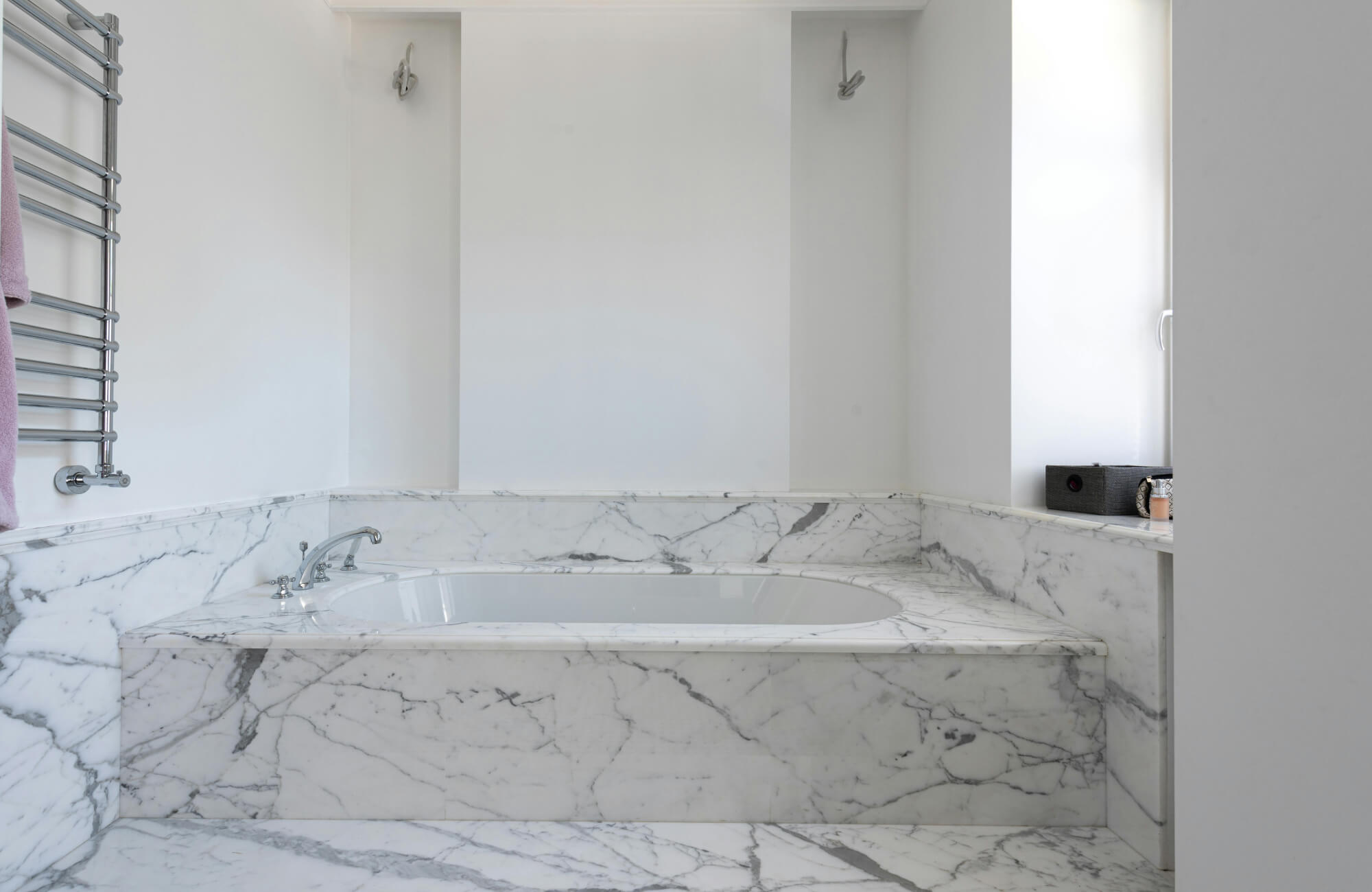
Natural stone tiles, such as marble, granite, and slate, bring a luxurious finish to any space. However, these tiles take longer to cure due to their porous nature, which absorbs more moisture. Sealing is critical during installation to protect the tiles from moisture and staining, especially in high-moisture areas like bathrooms and kitchens.
For a more durable and lower-maintenance alternative to natural stone, consider the Chantel 3x12 Matte Porcelain Tile in Apuano. This porcelain tile offers a luxurious marble look without the need for extensive sealing or longer curing times. It's a great option for those who desire the elegance of natural stone but prefer a more practical solution.

Installation Methods
The method used to install subway tiles can significantly impact drying times. Choosing the right installation method ensures that your tiles are set properly and remain stable for years to come. Always refer to the manufacturer’s instructions for specific guidance, especially for larger installations or in challenging environments like colder or more humid climates. In some cases, waiting up to a week may be necessary to ensure the tiles are fully cured, particularly in high-moisture areas.
Surface Preparation
Proper surface preparation plays a major role in how well subway tiles adhere and how quickly the installation stabilizes. Before applying mortar or adhesive, the subfloor or wall surface should be clean, level, and free of dust, grease, or debris. Uneven or contaminated surfaces can also prevent the bonding materials from curing correctly, which may lead to loose tiles or extended drying times.
Installers often use cement backer boards or leveling compounds to create a stable foundation for tile installation. Preparing the surface correctly further helps the mortar set evenly beneath each tile, ensuring strong adhesion and reducing the risk of movement when the tiles are eventually walked on.
Tile Layout and Spacing
Planning the tile layout and maintaining consistent spacing are essential parts of a successful subway tile installation. Tile spacers help create uniform grout lines and keep each tile aligned while the mortar or adhesive begins to set. Without proper spacing tools, tiles may shift slightly during installation, which can affect both the final appearance and the stability of the surface.
Taking the time to carefully position each tile also minimizes the risk of disturbing the installation later. Once tiles are laid and aligned, it’s important to avoid stepping on them until the bonding material has had enough time to cure and firmly secure the tiles in place.
Thin-Set Mortar
Using thin-set mortar is one of the most common methods for installing ceramic and porcelain subway tiles. It creates a strong bond and typically cures within 24-48 hours, provided that the area is well-ventilated. The drying time can vary depending on environmental factors such as humidity and temperature.
In most installations using thin-set mortar, it’s safest to wait at least 24 hours after laying tile before walking on it, although cooler temperatures or high humidity may extend this curing period. Installers also avoid stepping on freshly set tiles because even slight pressure can shift their position before the mortar cures. Professionals typically work outward from the starting point or use boards to distribute weight if access is necessary.
To achieve the best results with thin-set mortar, make sure the tiles are laid in a well-ventilated space, and allow the recommended curing time before walking on the tiles.
Adhesive
Adhesive is another installation option, though it’s less commonly used than thin-set mortar. Adhesive drying times can be longer depending on the tile type and the thickness of the adhesive applied. Like mortar, proper ventilation plays a key role in the drying process, so always follow the manufacturer’s guidelines for the best results.
While drying times vary by product, most tile adhesives require 24 hours before light use and up to 48 hours for full curing, especially in areas with limited ventilation.
To visualize how subway tiles will look in your space before making a decision, consider using an augmented reality (AR) tool. This innovative technology allows you to experiment with different tile layouts and designs, making the planning process more interactive and enjoyable.

Grouting
Grouting is essential not only for securing tiles but also for protecting them from moisture infiltration. The drying time for grout, much like tile adhesive, depends on the type used and the environmental conditions in the space.
Traditional Grout
In most cases, you should wait at least 24 hours after using traditional grout before walking on the surface, allowing the grout to properly harden and stabilize the tile installation. During this time, it's important to avoid walking on the subway tiles or placing furniture and heavy objects on them. Properly cured grout ensures that the tiles remain in place and reduces the risk of future issues such as water damage or loose tiles.
Epoxy Grout
Epoxy grout offers superior durability and resistance to stains and moisture, making it ideal for busy areas or high-moisture areas like bathrooms. While it takes longer to cure, usually up to 72 hours, its strength makes it a worthwhile investment for areas that need extra protection. Always allow the grout to fully cure before using the subway tiled space to avoid damage.

General Guidelines for Walking on Freshly Installed Subway Tiles
Understanding when it’s safe to walk on newly installed subway tiles can make a big difference in preserving the quality and appearance of your tile installation. In most cases, walking on tile after only 6 hours is not recommended, as the mortar or adhesive has not fully set, and movement can shift the tiles out of alignment. While some installations may feel firm after 12 hours, professionals still advise waiting at least 24 hours before walking on tile to prevent cracks, uneven surfaces, or weakened bonding. Here are some key factors to keep in mind:
Waiting Periods
Regardless of the tile type, it's best to wait 24-48 hours before walking on newly installed subway tiles. This period allows the mortar or adhesive to set properly and prevents damage to the installation. For natural stone tiles, you may need to wait 48-72 hours due to their porous nature.In some cases, particularly with larger tiles or in high-moisture environments, you may need to wait up to a week to ensure that the tiles are fully cured.
Signs of Curing
Before walking on your subway tiles, check for signs that they are fully cured. The grout should be firm to the touch, and the tiles should feel stable and free from movement. Any visible moisture beneath or around the tiles indicates that the curing process is still ongoing. Walking on tile too soon can cause several problems, including tiles shifting out of place, cracked grout lines, weakened bonding, or uneven surfaces. These issues may not appear immediately, but can lead to costly repairs later if the installation is disturbed before it fully cures.

Caring for Your New Subway Tile Floors
Once your subway tiles have fully cured, ongoing care is essential to maintain their appearance and durability. As a reminder, always follow the manufacturer’s recommendations for both tiles and grout to ensure optimal results. Here are a few tips to keep your tiles looking pristine for years to come:
Regular Cleaning
To keep your porcelain subway floor tiles looking their best, regular sweeping or vacuuming is essential to remove dirt and debris that could scratch the surface. For routine cleaning, use a mild detergent and warm water, avoiding harsh chemicals that might damage the tile finish or weaken grout lines. This regular maintenance helps prevent grime buildup, especially in the grout, ensuring that your subway tiles retain their pristine appearance.
Avoiding Scratches
To protect your subway tiles from scratches, place protective pads or felt protectors under furniture legs, particularly for heavy items like tables and chairs. When moving furniture, lift items instead of dragging them across the tile surface to prevent abrasion. Using doormats at entryways is also effective in reducing dirt and debris, which can scratch the tiles over time.
Protecting Against Stains
For natural stone subway tiles, regular sealing is crucial to prevent stains and moisture absorption. To maintain their appearance and durability, reseal them as recommended, and clean up spills immediately to avoid permanent staining. Avoid acidic cleaners like vinegar or lemon juice, as these can erode natural stone surfaces, leading to long-term damage.
Ensuring A Long-Lasting Floor with Proper Tile Care and Installation
Understanding the factors that impact drying times, such as tile type, installation methods, and environmental conditions, is key to ensuring the durability and longevity of your subway tile floors. By following recommended drying times, using high-quality materials, and applying proper care, you can keep your tiles looking great for years to come.
If you're unsure about any aspect of your tile installation or need expert advice, we offer personalized design services to help you make the right decisions. You can also request 4" x 4" tile samples to visualize how different tiles will look in your space before committing to a full installation.