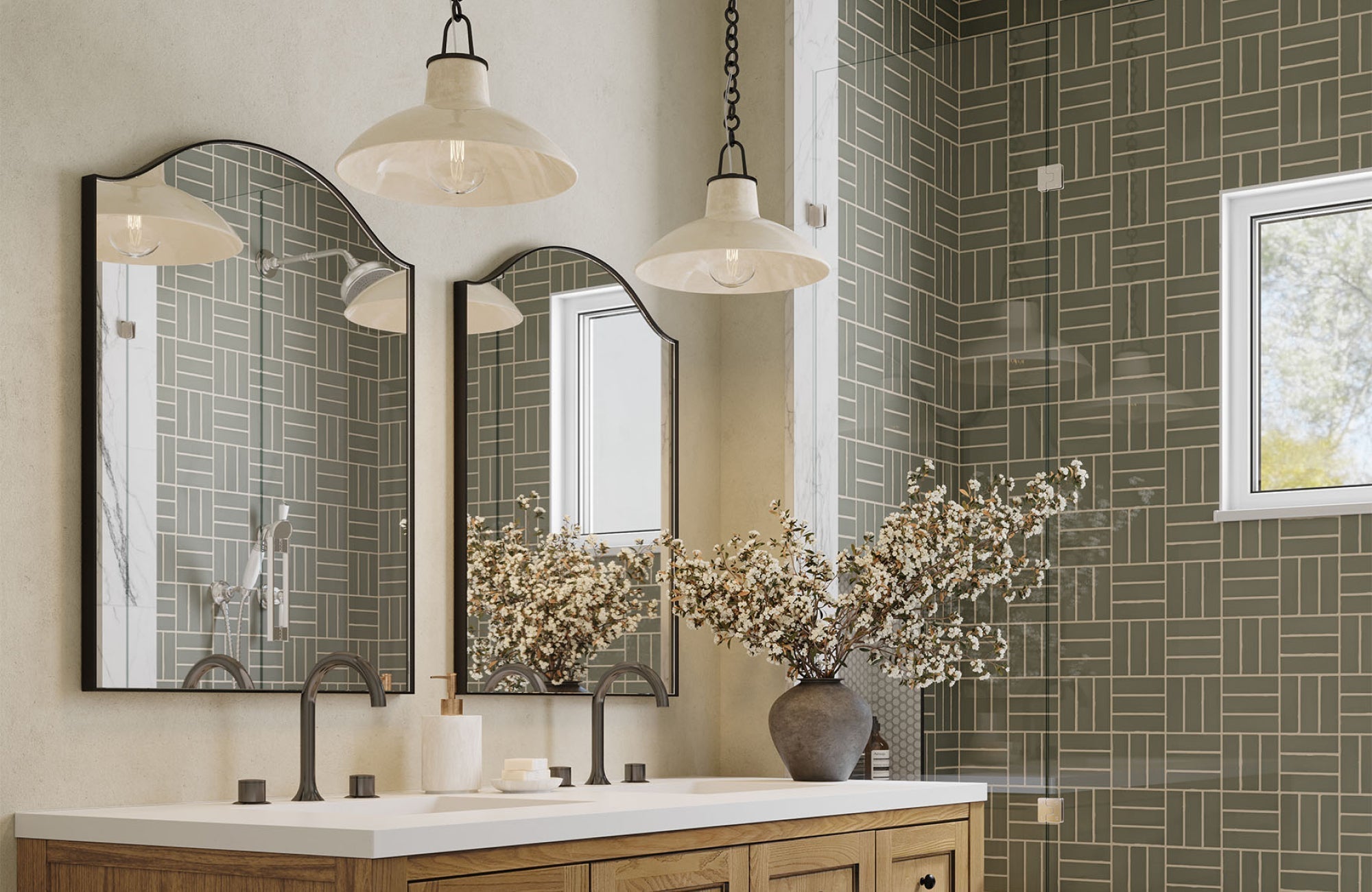
In the heart of every well-designed bathroom, the mirror is more than a reflective surface—it is a statement piece that blends function with style. Yet in an environment filled with rising steam, fluctuating temperatures, and lingering humidity, not every mirror is crafted to withstand the test of time.
Choosing between a standard household mirror and a premium moisture-resistant bathroom mirror requires an understanding of materials, protective coatings, and installation techniques that safeguard beauty and clarity. The right mirror can resist desilvering, maintain its brilliance, and complement the overall design for years without compromise. By selecting a mirror engineered for high-humidity bathrooms, you invest not only in aesthetics but in long-term durability and enduring elegance.

Environmental Factors in Bathroom Mirror Placement
Moisture levels in bathrooms can reach intensities that quickly compromise a mirror’s surface when it is not designed for high-humidity conditions. The combined effects of humidity, condensation, and wall exposure work together over time, influencing how well a mirror retains both its appearance and structural stability.
Humidity and Oxidation
Bathrooms often maintain relative humidity levels above 70%, especially after hot showers or baths, creating an atmosphere where standard mirrors struggle to remain intact. In the absence of a moisture-resistant backing, water vapor gradually seeps through microscopic openings in the protective paint.
As this moisture reaches the silvering layer, a slow process of oxidation begins, steadily reducing reflectivity and weakening the mirror’s clarity. Over months and years, this damage reveals itself as desilvering, with dark spots spreading from the edges inward. Bathroom-grade mirrors help counter this by using copper-free silvering and reinforced backings that block vapor penetration.
A prime example, as displayed in the photo above, is Edward Martin’s Fitz Mirror in Antique Silver, which brings a modern sensibility to the classic round form with a minimal, durable iron frame finished in a cool, gray-toned patina. Scaled to fit tighter bath layouts and complete with installation-ready hardware, its sturdy construction and vintage-industrial detailing offer both style and resilience, making it a fitting choice for high-humidity environments.
Condensation Cycles
When warm steam meets the cooler glass surface of a mirror, condensation forms almost instantly, setting the stage for gradual deterioration. Each time this moisture collects and then evaporates, the protective coatings weaken, leaving the reflective layer more vulnerable. As droplets run toward the edges, they often carry moisture into areas where the backing is least protected. Bathroom-rated mirrors address this by incorporating hydrophilic anti-fog coatings or heated demister pads that prevent condensation from forming in the first place. When paired with effective ventilation, these features not only preserve day-to-day clarity but also protect the underlying materials. This synergy between smart design and environmental control helps mirrors perform reliably in even the steamiest conditions.
Wall Surface Impact
The surfaces behind a mirror face their own risks in high-humidity environments, and these are often overlooked. When moisture becomes trapped between the wall and the mirror, it creates an ideal environment for mold growth while also weakening drywall or plaster. Paint can begin to bubble or peel, leaving visible damage that may spread over time. Adhesive-only installations, which hold the mirror flush against the wall, allow little to no air circulation and make this problem worse. Mechanical mounting systems, by contrast, create space for airflow and help moisture dissipate naturally. When combined with moisture-resistant wall finishes, this approach safeguards both the mirror and the wall, maintaining the bathroom’s overall condition for years to come.

Material Composition and Protective Coatings
The way a mirror is built, down to its materials and protective layers, determines how well it can withstand years of steam and humidity. Bathroom-grade designs are purpose-built to resist moisture intrusion, giving them a clear advantage over standard household models in both performance and lifespan.
Reflective Backing Materials
Most household mirrors rely on a silver or aluminum coating applied to annealed glass, which offers excellent clarity but only limited protection against moisture. Silver, in particular, is prone to oxidation, which dulls the reflection and alters color over time. Bathroom mirrors address this weakness with copper-free silvering, a process that resists tarnishing and maintains brightness. This also prevents the yellowish tint often seen in aging silver-backed mirrors. Additionally, premium backing paints used in moisture-resistant mirrors act as a second barrier, further slowing the chemical breakdown caused by humidity. The combined effect is a reflection that remains crisp and color-true even after years of daily steam exposure.
This balance of material strength and design refinement, as featured in the photo above, can be seen in Edward Martin’s Clancy Small Mirror in Antique Brass, which pairs a sharp square silhouette with an earthy, vintage-style iron frame. Thoughtfully sized for compact walls or layered arrangements, it features a signature linear overhead bar that lends a sense of suspension and lightness while reinforcing structural stability. The durable iron edging not only adds an elegant, minimalist appeal but also helps protect the mirror’s reflective backing from edge damage in humid conditions.
Protective Sealants
Sealants are the first line of defense against steam and splashes that could otherwise reach the mirror’s reflective layer. Bathroom-grade mirrors are often finished with epoxy paint, PVC moisture seals, and multi-layer barrier systems designed to stop moisture in its tracks. These dense, protective layers ensure that even repeated exposure to hot, damp air won’t quickly degrade the mirror’s backing. By contrast, standard mirrors usually rely on a single thin coat of paint, which wears away much faster in damp conditions. Over the long term, a mirror with a robust sealant system maintains both its appearance and its structural integrity. This level of protection is what allows high-quality mirrors to endure the rigors of a bathroom environment.
Anti-Fog Technologies
In a steamy bathroom, fogging is more than a minor inconvenience—it also prolongs moisture contact with the glass and edges, encouraging deterioration. Heated demister pads prevent this by keeping the glass surface slightly warmer than the surrounding air, while hydrophilic coatings disperse water into an even, transparent layer that doesn’t obstruct the view. By preventing condensation from lingering, these features limit the amount of moisture that can migrate to vulnerable areas. This not only keeps the mirror functional but also extends its life by reducing the frequency of moisture exposure. For busy households, these systems make a noticeable difference in daily usability. Over time, they prove their worth in preserving a mirror’s long-term performance.

Installation Techniques to Enhance Moisture Resistance
Even the best mirror can suffer in a bathroom if it is installed without considering moisture control. Strategic mounting, proper sealing, and thoughtful placement can greatly extend the lifespan of both standard and bathroom-grade mirrors.
Mechanical Fixing Systems
Mounting a mirror with clips, brackets, or concealed hardware creates a small gap between the wall and the glass, allowing air to circulate freely. This airflow prevents moisture from becoming trapped, reducing the risk of backing damage over time. Mechanical systems also make it easier to remove the mirror for maintenance, resealing, or wall repairs without causing damage. Since they don’t depend on full adhesive coverage, they protect the wall finish and allow for easier repositioning if needed. Additionally, they provide sturdy support for heavier safety-glass mirrors, which is important in high-use spaces. In bathrooms where steam is frequent, this installation approach offers both durability and flexibility.
Edge Sealing Methods
The edges of a mirror are often where damage begins, making them a critical point for moisture defense. Applying a neutral-cure silicone sealant forms a flexible, waterproof barrier without reacting chemically with the mirror’s silvering. Clear polyurethane sealants also offer additional reinforcement, creating a tough, transparent shield. This kind of edge protection is especially important for mirrors located near sinks, showers, or bathtubs, where splashing is unavoidable. By inspecting and resealing edges periodically, you can prevent moisture infiltration before it becomes visible damage. This proactive measure significantly slows the onset of desilvering and corrosion.
Ventilation Considerations
A well-ventilated bathroom is one of the most effective defenses against mirror damage. High-capacity extractor fans can quickly clear steam, while passive vents or windows help maintain steady airflow. Positioning mirrors away from direct steam sources, such as showerheads, further reduces the frequency of condensation. When humidity is kept under control, protective coatings and backings remain intact for much longer. This approach not only helps mirrors but also benefits other bathroom fixtures and finishes. In the long run, good ventilation supports a cleaner, healthier, and more durable bathroom environment.

Building Codes, Safety Standards, and Compliance
Safety standards exist to ensure that mirrors in wet environments can withstand impact and reduce injury risks. Meeting these requirements is not only a matter of legal compliance but also a critical step in protecting everyone who uses the bathroom.
Safety Glass Requirements
Safety glass changes the way it breaks, reducing the chance of serious injury in case of impact. Tempered glass shatters into small, blunt fragments that are less likely to cut, while laminated glass remains intact even when cracked. These properties are also invaluable in bathrooms, where slippery floors and hard surfaces increase accident risks. Many building codes mandate safety-rated mirrors in areas close to showers, tubs, and sinks. Installing such mirrors ensures compliance and enhances peace of mind. For households with children, older adults, or heavy use, this added safety is especially important.
Applicable Standards
Countries and regions maintain their own standards for mirror safety and durability. In the UK, for example, BS EN 1036-2 outlines the requirements for moisture resistance and impact performance. On the other hand, in the United States, ANSI Z97.1 and CPSC 16 CFR 1201 provide detailed criteria for safety glazing in residential spaces. These certifications indicate that a mirror has been rigorously tested for breakage resistance and performance in damp environments. Meeting these standards also reflects higher manufacturing quality, which can add value when selling a home. Verifying certifications before purchase ensures both compliance and lasting performance.
Insurance and Compliance Implications
Installing a mirror that does not meet safety standards can have costly consequences if an accident occurs. Insurance providers may reject claims related to injuries from non-compliant fixtures. This puts both homeowners and contractors at legal and financial risk. Choosing a safety-certified mirror eliminates these concerns while also protecting the property’s value. Compliance ensures that every aspect of the installation meets recognized safety benchmarks. Ultimately, it’s a safeguard that benefits both the user and the home over the long term.

Cost-Benefit Analysis: Standard Mirror vs. Bathroom-Grade Mirror
Although a regular mirror may appear to be the more economical choice at first glance, bathroom-grade models deliver greater value over time. By lasting longer, requiring less maintenance, and offering superior safety, they often prove to be the more cost-effective investment.
Initial Purchase Price
Standard mirrors are typically priced 20–40% lower than bathroom-specific models, which can be appealing for budget-conscious buyers. However, this short-term saving often comes at the cost of early deterioration in high-humidity environments. Bathroom-grade mirrors justify their higher price through advanced materials, moisture-blocking backings, and built-in safety features. These enhancements also allow them to perform consistently even under daily steam exposure. Over time, the reduced need for replacements offsets the initial investment. For bathrooms that see frequent use, the better-quality option often makes more financial sense.
Longevity and Maintenance
In humid conditions, a regular mirror can begin to show signs of desilvering within two to three years. A moisture-resistant mirror, on the other hand, can maintain its clarity for a decade or more with only basic care. This usually involves routine cleaning and occasional inspection of seals to ensure they remain intact. By avoiding frequent replacements, homeowners save not only on new mirrors but also on labor and potential wall repairs. Moreover, the extended lifespan reduces waste, making it the more environmentally responsible choice. In the end, durability becomes just as valuable as appearance.
Long-Term Value
The real cost of a mirror includes not just its purchase price but also the expenses of removal, installation, and any necessary wall restoration. Damaged surfaces from repeated adhesive applications can require additional repairs, further increasing costs. Bathroom-grade mirrors, with their superior resistance to moisture damage, avoid many of these issues altogether. Their enhanced safety features also help prevent injury-related expenses. Investing in a high-quality mirror once can mean years of reliable performance without the recurring costs of cheaper alternatives.
A prime example of a mirror that offers both enduring performance and timeless style is our Tristan Square Mirror in Rustic Black, as shown in the photo above. Wrapped in a subtly textured dark finish, its thin, durable iron frame outlines a classic, rounded silhouette with a modern edge, blending sophistication with strength. The large format also enhances natural light distribution, making it ideal for spacious bathrooms and open-plan interiors, while its minimalist profile allows it to adapt to a variety of design schemes over time. This durable construction helps protect the reflective surface from edge deterioration in moisture-rich environments, ensuring it stays as striking as the day it was installed.
Choosing the Perfect Mirror for Your Bathroom
A bathroom mirror should do more than reflect—it should endure, retaining its clarity and beauty despite the daily challenges of steam and moisture. By selecting a design tailored for high-humidity spaces, you ensure a surface that remains free from corrosion, distortion, and unsightly edge damage. The right choice blends technical durability with timeless style, complementing your space for years to come. In the end, a well-chosen bathroom mirror becomes both a practical necessity and a lasting centerpiece of design.
To bring this balance of form and function into your own home, Edward Martin’s design services offer personalized guidance in selecting mirrors and décor that harmonize with your style while meeting the specific demands of your space. From material expertise to layout recommendations, our team ensures each piece is both visually compelling and built to last. Contact us to discuss your vision, and let us help you create a bathroom that reflects not just your image, but your taste, lifestyle, and commitment to enduring quality!