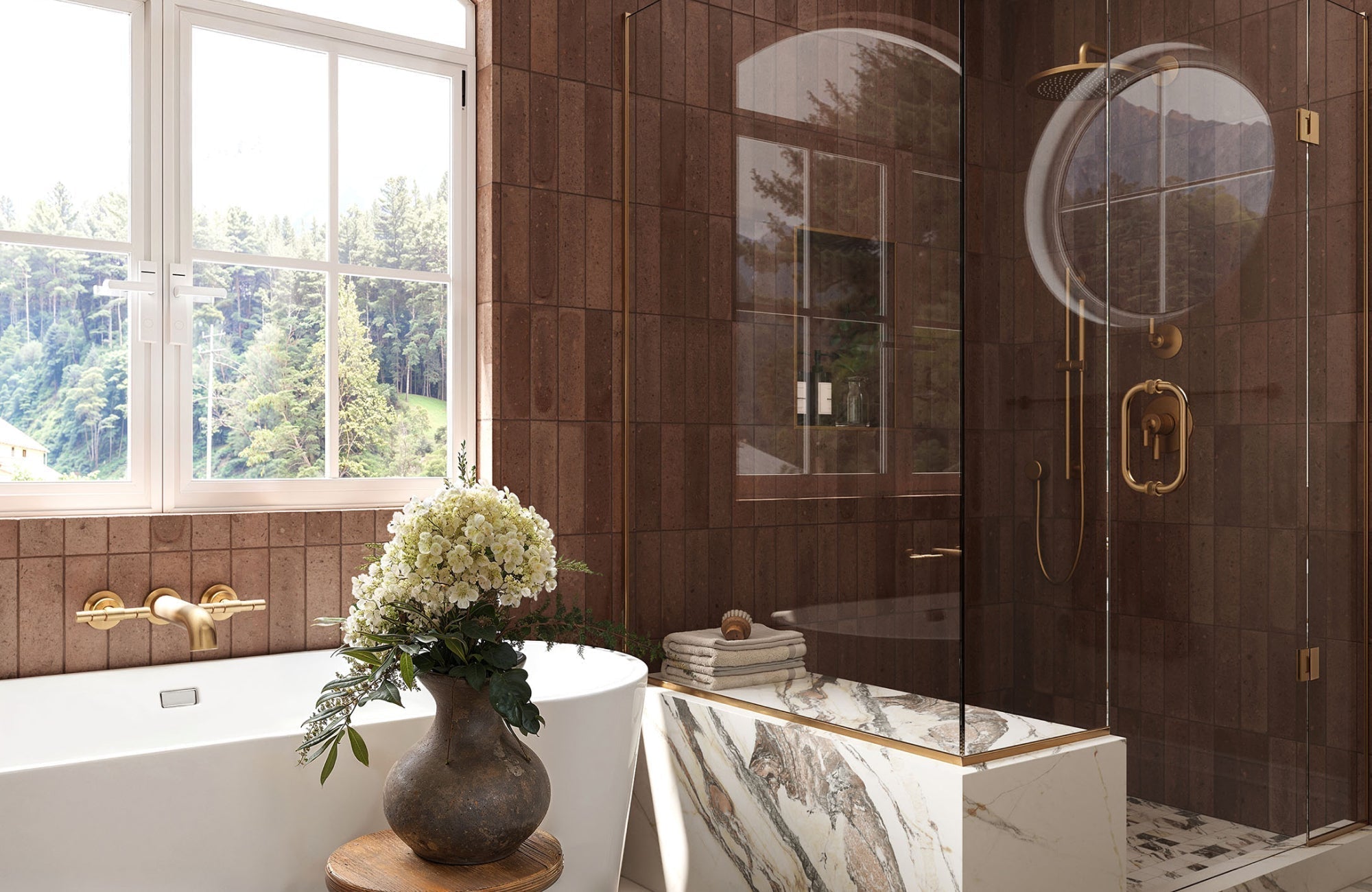
Blue backsplash tiles do more than add color; they shape the atmosphere of a space, especially when aiming for a coastal aesthetic. In kitchens and bathrooms, their ocean-inspired tones evoke clarity, calm, and connection to nature, while offering durable, moisture-resistant surfaces.
What sets them apart is their ability to play with light and texture. Finishes like crackle glaze, hand-painted motifs, and glossy surfaces introduce depth and movement, echoing the dynamic qualities of the sea. In this article, we’ll explore how to strategically use blue backsplash tiles to craft interiors that feel effortlessly coastal and intentionally curated.

Understanding the Essence of Coastal Design
To design a space that truly feels coastal, it helps to start with what defines the style at its core and how it shifts depending on where you are. From foundational design elements to regional interpretations, coastal style is more layered and location-specific than it might seem at first glance.
Key Elements and Color Palettes
At the heart of coastal interiors is a sense of openness, natural light, and effortlessness. Signature features include wide-plank wood flooring in whitewashed or driftwood tones, beadboard paneling, and woven furnishings such as rattan or cane, all of which contribute to an organic, tactile aesthetic. Complementing these textures are materials like linen, jute, and weathered wood that help establish a relaxed and inviting atmosphere.
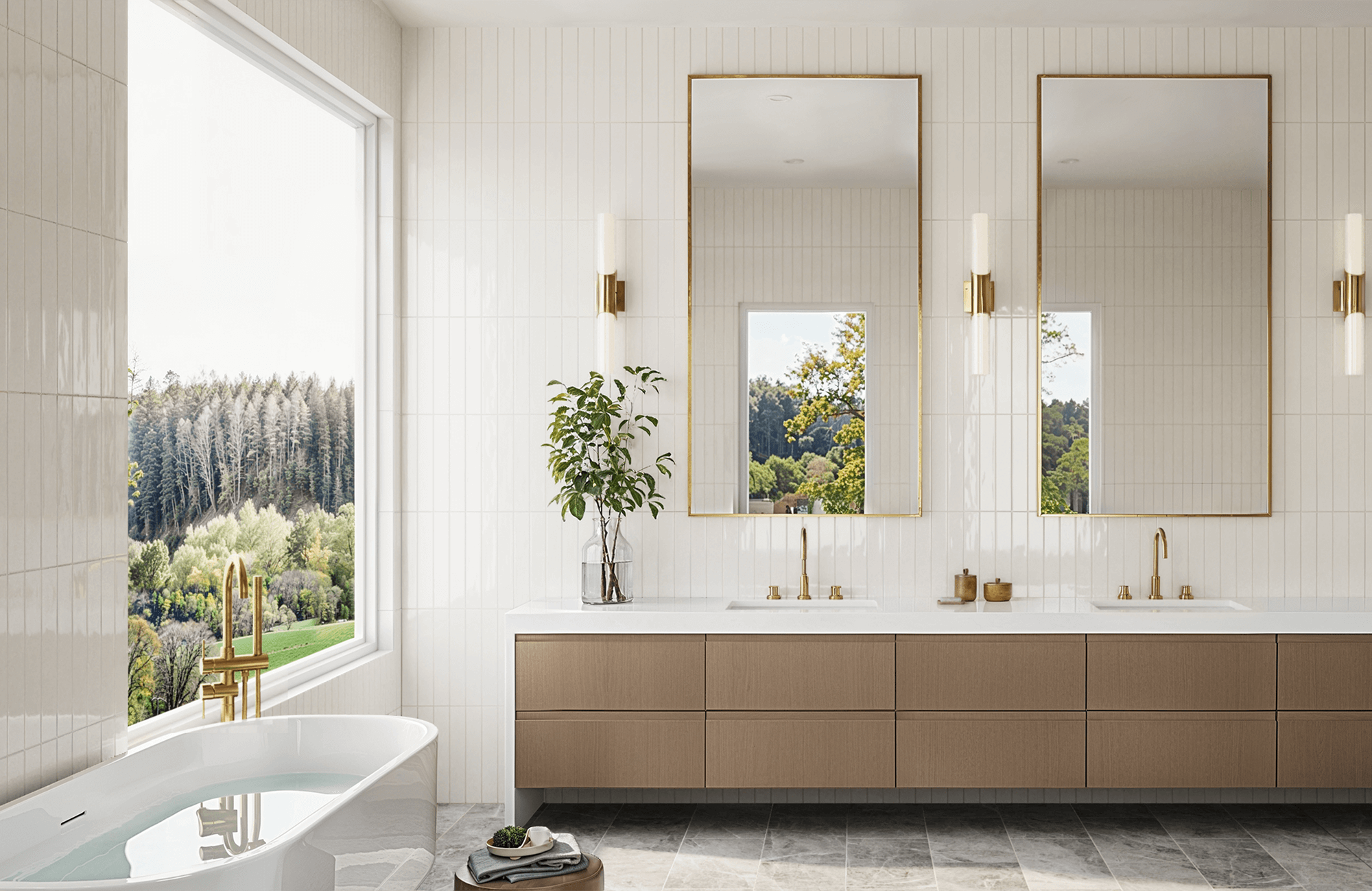
In addition, surfaces such as glass and glazed ceramic tile are frequently used in wet areas, thanks to their light-reflective qualities and low-maintenance appeal. A standout example of this application is Edward Martin’s Miley 4.5x9.1 Glossy Porcelain Tile in Ice. As shown in the picture above, its soft, watery glaze and vertical orientation enhance height and movement, pairing seamlessly with warm wood and brass finishes to reinforce a cohesive, light-filled palette.
Equally important is the role of color. A traditional coastal scheme draws from a base of whites, creams, sandy beiges, and driftwood grays. These neutrals are accented by a spectrum of blues, from pale sky to deep navy, echoing the hues of sea glass, waves, and coastal vegetation. Muted greens and sun-bleached corals may also be introduced for warmth and balance. Typically, these more saturated tones are reserved for focal points such as tile backsplashes or standout decor, allowing the space to maintain an overall sense of serenity.
Regional Coastal Variations
While coastal design is unified by core principles, its expression varies by location. For example, New England interiors tend to adopt a more structured, nautical approach. Here, deep navy blues, crisp whites, and metallic accents in chrome or polished brass evoke maritime tradition. Shiplap walls and detailed millwork further emphasize the region’s historic, seafaring roots.
On the other side of the country, California Coastal style embraces a relaxed, modern sensibility. This interpretation blends Scandinavian influences with neutral palettes, blonde woods, and an emphasis on indoor-outdoor flow achieved through wide patios, sliding doors, and generous glazing.
Moving south, the Carolinas and Florida lean into a more tropical variation. Brighter hues like turquoise, coral, and seafoam appear more prominently, often paired with white-painted rattan furniture, ceiling fans, and tile surfaces designed to withstand humid climates.
Ultimately, while regional styles may differ in palette or formality, they remain grounded in the same core tenets, lightness, simplicity, and a strong visual and emotional connection to the natural world.

The Psychology of Blue in Interior Design
To understand why blue backsplash tiles work so well in coastal interiors, it’s important to look beyond aesthetics and consider how this color influences mood and perception. From its calming presence to its deep ties to natural elements, blue exerts a strong emotional influence on how a space is perceived.
Evoking Calm and Serenity
One of the most defining attributes of blue is its calming and restorative quality. Thanks to its shorter wavelength, it is perceived by the eye as less intrusive than warmer hues, giving it a naturally cooling presence. As a result, blue is particularly effective in spaces designed for rest and relaxation, such as bathrooms, bedrooms, and transitional zones like reading nooks or foyers.
To further support this atmosphere, lighter shades, including powder blue, periwinkle, and pale aqua, foster a sense of openness and airiness. These tones help smaller spaces feel more expansive and are especially well-suited for warm climates, where their cooling visual effect can be both practical and psychological.
On the other hand, deeper tones like navy or indigo introduce a sense of sophistication and depth. However, they should be used thoughtfully. Paired with adequate lighting and lighter accents, these shades can ground a room without making it feel enclosed.
Moreover, blue has been shown in psychological studies to lower heart rate and cortisol levels, factors that contribute to its popularity in wellness-oriented spaces. From a design perspective, its classification as a “receding color” adds visual depth, which is particularly advantageous for backsplashes where layered surfaces and reflective finishes are in play.
Associating Blue with Water and Nature
Beyond its emotional impact, blue is also deeply symbolic in nature-inspired design. It evokes the sky and the sea, two of the most expansive, calming elements in our environment. This biophilic quality makes blue especially valuable in coastal interiors, where the goal is often to blur the boundaries between indoors and out.
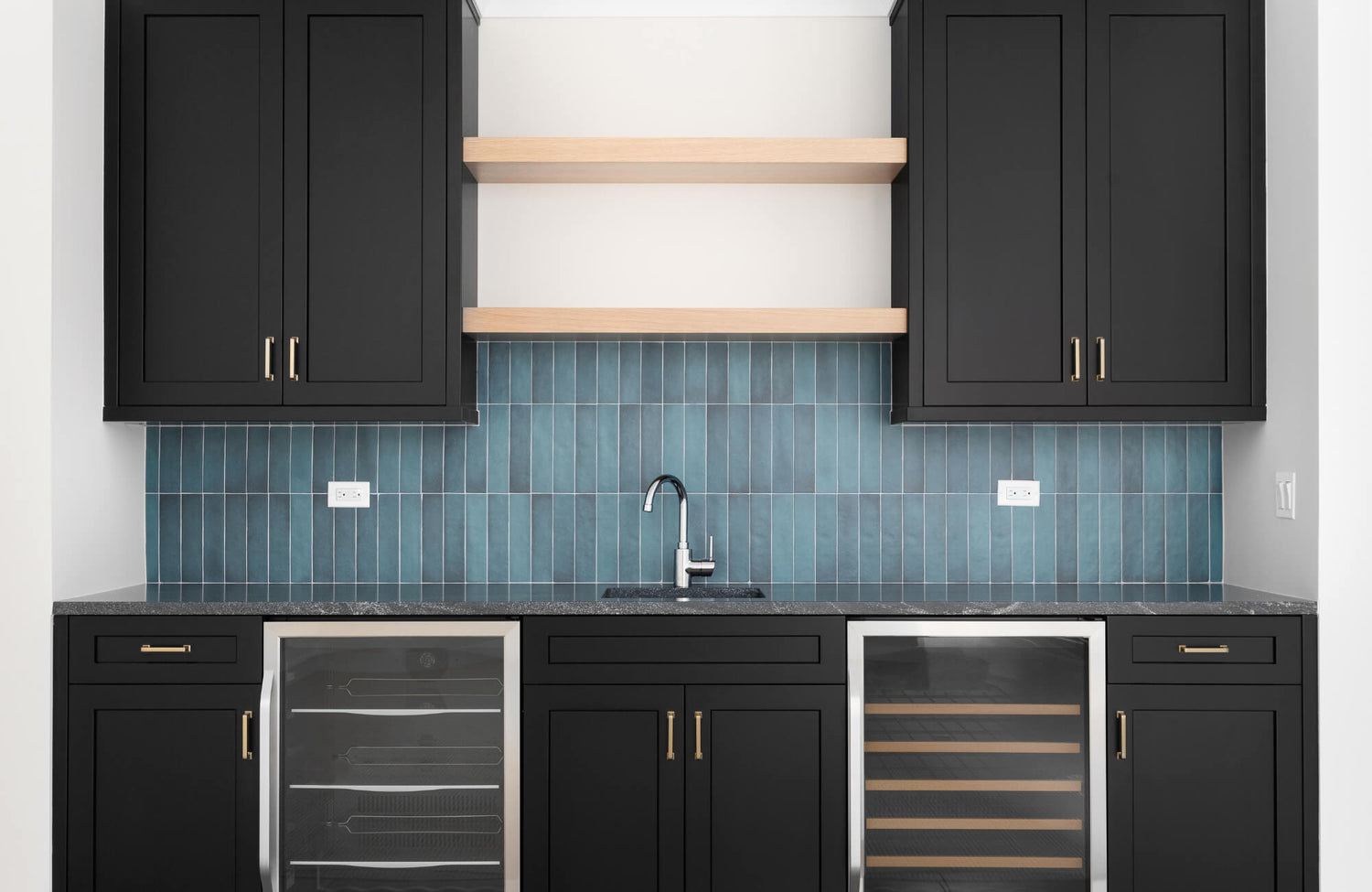
In this context, materials matter. Glazed ceramic and glass tiles, in particular, echo the shimmer and movement of water, enriching the surface with light and depth. A standout example is Edward Martin’s Josie 4x10 Glossy Ceramic Tile in Ocean, as displayed in the picture above, whose reflective glaze and tonal variations emulate the shifting quality of the sea, creating a visually immersive backdrop.
What’s more, blue's emotional appeal is deeply rooted in human evolution. Because we instinctively associate blue with essential natural elements, like clean water and open skies, it signals clarity, safety, and reassurance. When combined with textures like weathered wood, natural stone, or woven materials, blue serves as a sensory anchor that not only reinforces the coastal aesthetic but also deepens its emotional resonance.

Selecting the Perfect Blue Backsplash Tile
Selecting the perfect blue backsplash tile isn’t just about picking a favorite color; it’s about balancing visual impact with texture, finish, and form to bring your coastal vision to life. With the right combination, even a small backsplash can become a defining feature that anchors the entire space.
Shades of Blue and Their Coastal Impact
Color selection lays the foundation for a cohesive and intentional design. In coastal interiors, blue spans a wide spectrum, from airy sky blues to deep navies, each evoking distinct marine elements. Lighter shades like seafoam and mist reflect light beautifully and make smaller spaces feel more expansive.
Meanwhile, mid-tones such as cerulean and turquoise inject energy reminiscent of tropical waters and beachy palettes. These hues also pair effortlessly with white cabinetry, brushed brass fixtures, and light wood accents, adding a fresh and vibrant layer to the space.
For more dramatic depth, darker blues like navy or indigo lend sophistication, particularly in larger, well-lit areas. A prime example is Edward Martin’s Lilah 6x6 Glossy Ceramic Tile in Marine, as featured in the photo above. Its moody tonal variation and hand-glazed finish create rich dimension and fluidity, capturing the movement of ocean water. The square format adds a modern twist while reinforcing a classic, artisanal feel, ideal for spaces seeking both character and coastal calm.
Additionally, undertones significantly influence the overall effect. For instance, cooler shades with hints of green or gray evoke a tranquil, spa-like mood, while warmer tones add richness and energy. For a cohesive palette, ensure your chosen blue harmonizes with nearby finishes like crisp whites, weathered woods, or sandy neutrals.
Tile Materials and Textures
Beyond color, the material of your tile greatly influences both appearance and performance. Ceramic and porcelain are perennial favorites in coastal interiors due to their durability, low porosity, and ease of maintenance, ideal for kitchens and bathrooms exposed to humidity and frequent cleaning. Porcelain, in particular, offers added density, which allows for more intricate glazing and pattern variation.
In addition, glass tile is a standout choice for its luminous, light-catching quality. Its translucent surface mimics the shimmer of water, making it especially effective in small or dimly lit areas that benefit from extra brightness.
For those looking to introduce a more natural or rustic element, natural stones such as blue limestone or marble with blue veining provide organic texture and depth. However, they require additional care and sealing, making them better suited to decorative rather than high-splash areas.
Surface finish also impacts the look and feel of your backsplash. Glossy tiles heighten reflectivity for a crisp, polished look, while matte or honed finishes create a more subdued, beach-worn aesthetic. For a unique, handcrafted feel, crackle-glazed tiles add subtle visual interest through their fine surface texture.
Tile Shapes and Patterns
Finally, tile shape and layout determine the visual rhythm of your backsplash and help define the style. Classic subway tiles remain a go-to for coastal interiors, particularly when finished in soft blues with artisan glazing or slight beveling to catch the light.
For a more fluid, ocean-inspired feel, patterns like fish scale, arabesque, or ogee shapes evoke the curves of waves and seashells, bringing a playful yet elegant dynamic to the space. Alternatively, hexagonal and elongated hex tiles offer modern geometry while still nodding to natural forms found in coral and sea life.
To introduce detail and texture, mosaic tiles, such as penny rounds, stacked glass squares, or pebble shapes, offer a smaller scale and tactile surface. These are perfect for accent niches or backsplashes where added intricacy is desired.
Large-format tiles and slab-style panels are also gaining popularity in coastal minimalism. With fewer grout lines and bold tonal movement, they deliver a seamless, high-impact look, especially when rendered in watery blues with subtle veining.
When finalizing your design, don’t overlook grout. For example, lighter grout blends seamlessly and enhances brightness, while darker or contrasting grout highlights tile shapes and adds graphic structure to the overall layout.

Integrating Blue Backsplash Tiles for a Cohesive Look
Creating a cohesive coastal look means making sure your blue backsplash tiles feel like a natural extension of the entire space, not an afterthought. By thoughtfully coordinating with surrounding finishes, décor, and lighting, you can tie everything together in a way that feels both effortless and intentional.
Pairing with Countertops and Cabinetry
As a first step in achieving cohesion, blue tiles should work in visual harmony with countertops and cabinetry, which anchor the room in both kitchen and bath design. White and off-white quartz remain go-to options in coastal palettes, offering a clean, neutral foundation that allows blue tiles to take center stage. Subtly veined surfaces, such as Calacatta or Carrara quartz, enhance the soft elegance of pale to mid-tone blues.
In addition, warm wood surfaces, like butcher block or white oak, introduce texture and contrast, helping to soften the cooler tones of blue. However, it's important to consider undertones; warmer wood hues should be carefully selected to complement, rather than clash with, your tile’s specific shade.
When it comes to cabinetry, light finishes such as white, gray, or greige maintain the airy, sunlit feel typical of coastal interiors. Conversely, for a bolder, more dramatic look, deep navy cabinetry paired with a light blue or patterned tile backsplash can create a sophisticated, layered monochromatic scheme, especially effective in spacious, open-concept layouts.
Complementary Decor and Accessories
Once the foundational surfaces are set, the next step is bringing in accents that reinforce the design’s visual story. Textiles in soft whites, sandy beiges, or muted seafoam greens can enhance the calming effect of blue tile while adding warmth and dimension to the space. Meanwhile, incorporating woven elements, like rattan stools, jute rugs, or cane-front cabinetry, adds texture and supports the natural material palette central to coastal aesthetics.
As for hardware and lighting fixtures, metallic finishes can subtly shift the room’s overall tone. Brushed nickel pairs beautifully with cooler blue hues, offering a clean, modern edge. On the other hand, satin or antique brass introduces warmth and contrast, ideal for deeper blues like navy or teal. It's worth noting that chrome, while sleek, can appear too harsh in more relaxed, matte-finished spaces and is best used sparingly.
To further integrate the backsplash tile into the room, choose decor items that echo its tone or finish. Accessories such as ceramic vessels, sea glass bowls, or driftwood art help build a cohesive coastal theme. Open shelving, in particular, offers an ideal canvas to repeat these accents and draw the eye upward, strengthening the overall design continuity.
Lighting Considerations
Finally, lighting is essential in enhancing both the appearance and mood of blue backsplash tile. Under-cabinet lighting is especially useful for bringing out the texture and finish of the tile, whether it’s a glossy glaze, a handcrafted crackle, or a smooth glass surface. Directional task lighting can also add dimension, casting subtle shadows that accentuate the tile’s surface variations.
A perfect example of this dynamic interplay is Edward Martin’s Maisie 2.5x16 Glossy Ceramic Tile in Ocean. With its elongated silhouette and lustrous glaze, this tile reflects light in ways that elevate its oceanic hue. As seen in the photo above, paired with warm white wall sconces and abundant natural light, this Maisie tile creates a space that feels bright, serene, and visually cohesive.
Moreover, the color temperature of your bulbs can dramatically change how blue appears. Cool white lighting (4000–5000K) sharpens light blue shades and emphasizes clarity, while warm white lighting (2700–3000K) adds a cozy glow that softens deeper tones. In naturally lit spaces, glossy tiles will further amplify light and color, bringing added nuance throughout the day.
To streamline your decision-making process, Edward Martin’s AR Visualization Tool offers an immersive way to preview how different tiles will look in your actual space. By tapping “View in Your Space,” you can project your selected tile onto walls, countertops, or backsplashes using your mobile device, allowing you to assess lighting interaction and design cohesion in real time. Once you’ve found a tile that fits seamlessly into your vision, you can easily request a physical sample to confirm the texture, tone, and overall feel before finalizing your choice.
Anchoring Coastal Style with the Power of Blue
Hence, blue backsplash tiles do more than add color; they define the atmosphere. With their light-reflective surfaces, low-porosity durability, and ability to visually expand a space, these tiles bring both form and function to coastal-inspired interiors. When thoughtfully paired with complementary textures, finishes, and lighting, they also help create a space that feels cohesive, natural, and enduring.
Whether you’re elevating a kitchen, reimagining a bathroom, or enhancing a utility space, blue tile offers a grounded yet expressive way to capture a coastal aesthetic. For design insight and curated tile options, Edward Martin is here to help you bring that vision to life!