White ceramic tiles have long held a trusted place in bathroom design, loved for their crisp appearance and classic appeal. But when it comes to real-world performance like durability, maintenance, and cost, are they actually a smart investment, or just a safe default?
To answer that, this article takes a deep dive into distinct angles of white ceramic tile usage. From how well they hold up in wet environments to their impact on resale value, you’ll find everything you need to know before making a decision. Whether you're planning a complete renovation or a simple refresh, this breakdown will also help you evaluate whether white ceramic tiles are the right choice for your space, style, and long-term goals.

Understanding the Durability of White Ceramic Tiles
In bathrooms, materials must stand up to constant moisture, frequent use, and occasional impact. This section explores how well white ceramic tiles perform under these daily pressures, helping you decide whether they offer the lasting strength you need.
Assessing Water Resistance and Wear
When it comes to handling moisture, white ceramic tiles are naturally suited for the job. Because they're fired at extremely high temperatures, they develop a dense, vitrified structure that resists water absorption. This means you don’t have to worry about the tile itself absorbing moisture that can lead to swelling or mold. In addition, most ceramic tiles have a water absorption rate between 0.5% and 20%, depending on quality, which makes them a reliable choice in humid and wet environments like bathrooms.
Moreover, the glazed coating that sits on the tile surface adds a layer of protection. This glaze not only boosts the tile’s resistance to staining and chemicals but also helps it stand up to daily wear from constant use, spills, and regular cleaning. A great example of this performance is the Madilyn 3x12 Matte Ceramic Tile in Pearl, as shown in the image above. The soft, off-white tone offers a subtle warmth while maintaining the reflective clarity that white tiles are known for. Even though ceramic isn't as hard as porcelain, it can still retain its appearance and function over time, as long as you're using it within the typical demands of a bathroom, such as walls.
Comparing Surface Strength to Other Tile Types
Although ceramic tiles may not be the toughest option on the market, they offer more than enough strength for the average bathroom setting. The surface hardness of ceramic is measured using the PEI (Porcelain Enamel Institute) rating, which typically falls in the Class 3 to 4 range for most white ceramic tiles. This also makes them well-suited for light to moderate foot use in areas like master baths, guest bathrooms, or powder rooms, especially where shoes are rarely worn.
Because they are lighter and less dense than porcelain, ceramic tiles are much easier to cut and handle, making them particularly ideal for bathroom walls. Their reduced weight puts less stress on vertical surfaces, while still delivering a smooth, durable finish. Although they may fall short in raw durability compared to porcelain, especially under heavy impact, they perform well in spaces where you're walking barefoot or in soft-soled footwear. If you're seeking a balance of affordability, ease of installation, and reliable surface strength, ceramic tiles deliver practical performance without sacrificing style.
Evaluating the Risk of Chipping and Cracking
Despite their overall resilience, ceramic tiles can be vulnerable to chipping and cracking, especially if something heavy is dropped on them or if they’re installed poorly. The corners and edges are particularly susceptible to impact damage, which is why tile thickness matters. Choosing ceramic tiles that are at least 8mm thick can provide better resistance against these types of incidents.
Proper installation also plays an equally important role in preventing long-term issues. If tiles are set on an uneven surface or bonded with insufficient mortar, hollow spots can form underneath. These weak points can make tiles more prone to cracking under pressure or even from regular footfall over time. To minimize risk, it’s highly recommended to hire a qualified professional who understands substrate preparation, uses the correct adhesive, applies consistent pressure, and ensures there are no gaps beneath the tile. With the right combination of material quality and expert installation, white ceramic bathroom tiles can remain strong, stable, and visually appealing for many years.

Maintenance Realities and Cleaning Requirements
White ceramic tiles are admired for their clean and polished appearance, but this brightness comes with a trade-off: they show every speck of dirt, smudge, or soap residue. Although this might prompt more frequent cleaning, it also ensures a consistently hygienic bathroom space. Fortunately, their glazed surface makes everyday maintenance manageable. A simple wipe-down with mild soap and water is typically enough to restore their shine, allowing you to maintain their visual appeal without resorting to abrasive cleaners or time-consuming routines.
However, grout presents a different challenge. Light-colored grout is prone to discoloration due to moisture and dirt buildup, especially in high-splash zones like around sinks and showers. To preserve a clean look, sealing grout annually or opting for epoxy or mold-resistant formulas can significantly reduce upkeep. Proper ventilation also plays a crucial role in minimizing mold and mildew growth in humid areas. By keeping the bathroom well-aired and cleaning with fungicidal solutions when needed, you can keep both your tiles and grout looking fresh and healthy with relatively low effort. As with tile maintenance, it’s important to consult the manufacturer’s recommendations before applying any sealants or cleaners, as certain products may require specific care to avoid damage or compromised performance.

Aesthetic Flexibility and Visual Impact
White ceramic bathroom tiles do more than cover a surface; they shape the overall look and feel of your bathroom. Their reflective quality and neutral tone offer a surprising range of design possibilities that go far beyond basic functionality.
Enhancing Brightness and Light Reflection
If your bathroom lacks natural light or feels cramped, white ceramic tiles can dramatically change that. Their high Light Reflectance Value (LRV) helps bounce light around the room, whether it's from a window or overhead fixtures. This increased reflectivity doesn’t just improve visibility. It also makes the entire space feel more open and airy.
By brightening the room, white tiles contribute to a sense of cleanliness and calm. Even in small or windowless bathrooms, they can reduce the need for harsh artificial lighting and make the environment more inviting. Their ability to reflect both natural and artificial light means your bathroom stays visually fresh throughout the day.
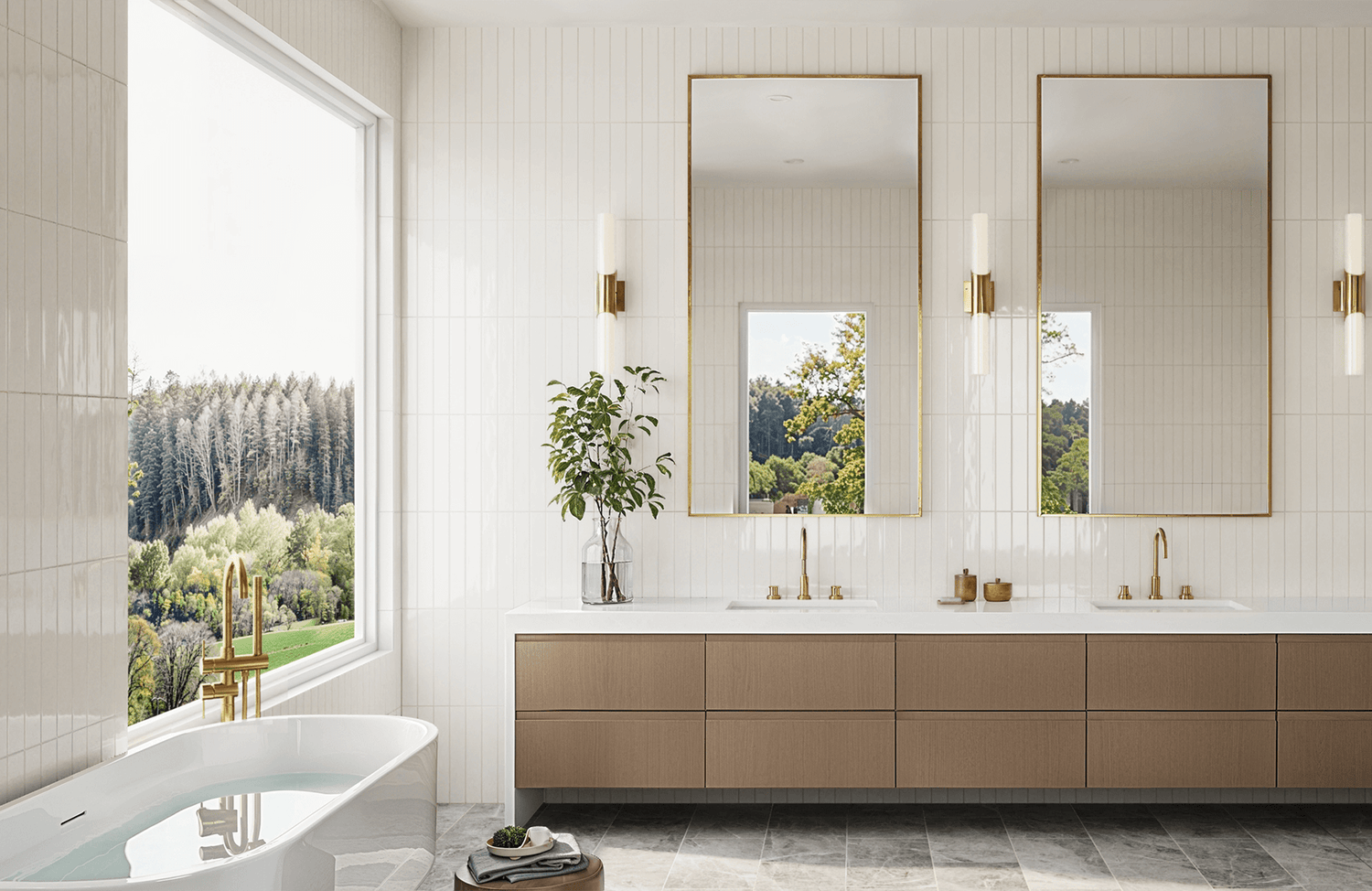
The bathroom shown in the photo above demonstrates this effect beautifully, featuring the Teagan 3x12 Glossy Ceramic Tile in Pearl. Its glossy finish and soft off-white hue enhance the room’s natural light, creating a clean and luminous backdrop that instantly brightens the space. This tile adds both visual clarity and a refined, modern touch.
Matching with Various Interior Styles
Whether your bathroom leans modern, rustic, vintage, or somewhere in between, white ceramic tiles easily fit the aesthetic. Their neutrality gives you a blank canvas to work with, allowing your choice of hardware, paint, or décor to set the tone. This adaptability also means you can update the space over time, without ever needing to replace the tile.
One example of this versatility is Edward Martin’s Kinsley 4x16 Glossy Ceramic Tile in Fog Deco, which brings a soft, misty white tone with subtle surface movement that pairs well with both warm and cool palettes. Its elongated shape and refined finish make it ideal for contemporary spaces, yet it still complements traditional and transitional styles with ease.
To help you visualize how different tile styles and layouts will look in your actual space, our augmented reality (AR) tool lets you preview your chosen tile directly in your bathroom before you commit. This makes it easier to experiment with finishes, patterns, and layouts while ensuring that every design decision feels right for your space. Whether you're pairing white subway tiles with brass fixtures or opting for bold contrasts, the flexibility of ceramic and the power to see it in context bring your vision to life with confidence.
Creating Texture and Depth Through Tile Layout
Even if you stick to one color, layout patterns can bring your bathroom design to life. Arranging white tiles in a herringbone, chevron, or stack bond pattern adds subtle texture and visual rhythm to the space. These layouts introduce depth and movement, making flat surfaces feel more dynamic.
Because the color remains simple, these design techniques don’t overwhelm the room; they enhance it. You can also achieve a striking effect without resorting to bold hues or busy materials. Instead, the interest comes from geometry and craftsmanship, turning white ceramic tile into an understated yet powerful design feature.
One example of how texture and finish can elevate a neutral palette is the Josie 3x12 Crackled Ceramic Tile in Pearl. With its soft off-white hue and intricate crackled glaze, this tile adds layers of visual interest that go beyond just color. Whether laid in a classic running bond or a more decorative pattern, it offers a charm that turns simple geometry into an artisanal focal point.

Cost-Effectiveness and Long-Term Value
Budget plays a central role in bathroom renovations, but choosing the cheapest material isn’t always the most economical decision in the long run. This section breaks down how white ceramic tiles perform in terms of both initial cost and their ability to deliver lasting value.
Upfront Installation Costs and Options
If you're working within a budget, white ceramic tiles offer an accessible entry point into bathroom remodeling. They’re generally more affordable than porcelain or natural stone and are widely available in various shapes and finishes. Because ceramic is easier to cut and install, it often lowers labor expenses as well, especially in straightforward layouts or smaller spaces.
Despite the lower price tag, ceramic tiles can still achieve a high-end look. Whether you're aiming for a minimalist aesthetic or a more decorative approach, white ceramic provides plenty of style flexibility without stretching your budget. This makes it ideal if you're looking for reliable materials that won’t compromise the overall design.
Value Retention in Resale
Bathrooms are a major selling point in real estate, and the right tile choice can make a noticeable difference. White ceramic tiles tend to increase buyer appeal thanks to their clean, neutral palette. They visually enlarge the space, reflect more light, and project a sense of freshness—all qualities that leave a strong impression during space showings.
You also won't need to invest in a trendy or risky finish that may fall out of favor over time. White ceramic tiles offer a timeless backdrop that makes it easier for buyers to imagine the area as their own. As a result, you may find your space sells faster, with fewer cosmetic updates required during staging.
Comparing Lifecycle Costs to Other Surfaces
Although ceramic tiles may not have the same impact resistance as porcelain or luxury stone, they offer excellent value when considering total lifecycle cost. With basic care such as occasional regrouting and regular cleaning, they can last for decades without significant degradation in appearance or performance.
Unlike budget options like vinyl or laminate, which may need replacing after 10–15 years, ceramic tiles maintain their structural integrity far longer. When you factor in both the low upfront cost and long-term durability, white ceramic tiles provide a cost-effective solution that pays off well beyond the initial investment.
Should You Choose White Ceramic Tiles?
After exploring the key factors, from durability and maintenance to visual impact and long-term value, it’s clear that white ceramic tiles offer a thoughtful balance of style and practicality. They perform reliably in wet environments, are easy to maintain, and offer remarkable flexibility in design, whether you're working with traditional, modern, or transitional aesthetics. For those seeking a surface that complements a variety of looks while holding up over time, white ceramic tiles continue to be a trusted and rewarding choice.
If you’re ready to take the next step in your design journey, requesting samples from Edward Martin is a great way to bring your vision into focus. Being able to see and touch the tile in your own space can help you assess its color, texture, and finish under real lighting conditions, something that digital images alone can’t fully capture. Request your samples now and move forward with confidence, knowing your choice is not only beautiful but also perfectly suited to your bathroom!