
)
)
)
)
)
)
)
)
Can A Wood Vanity Handle Bathroom Moisture?
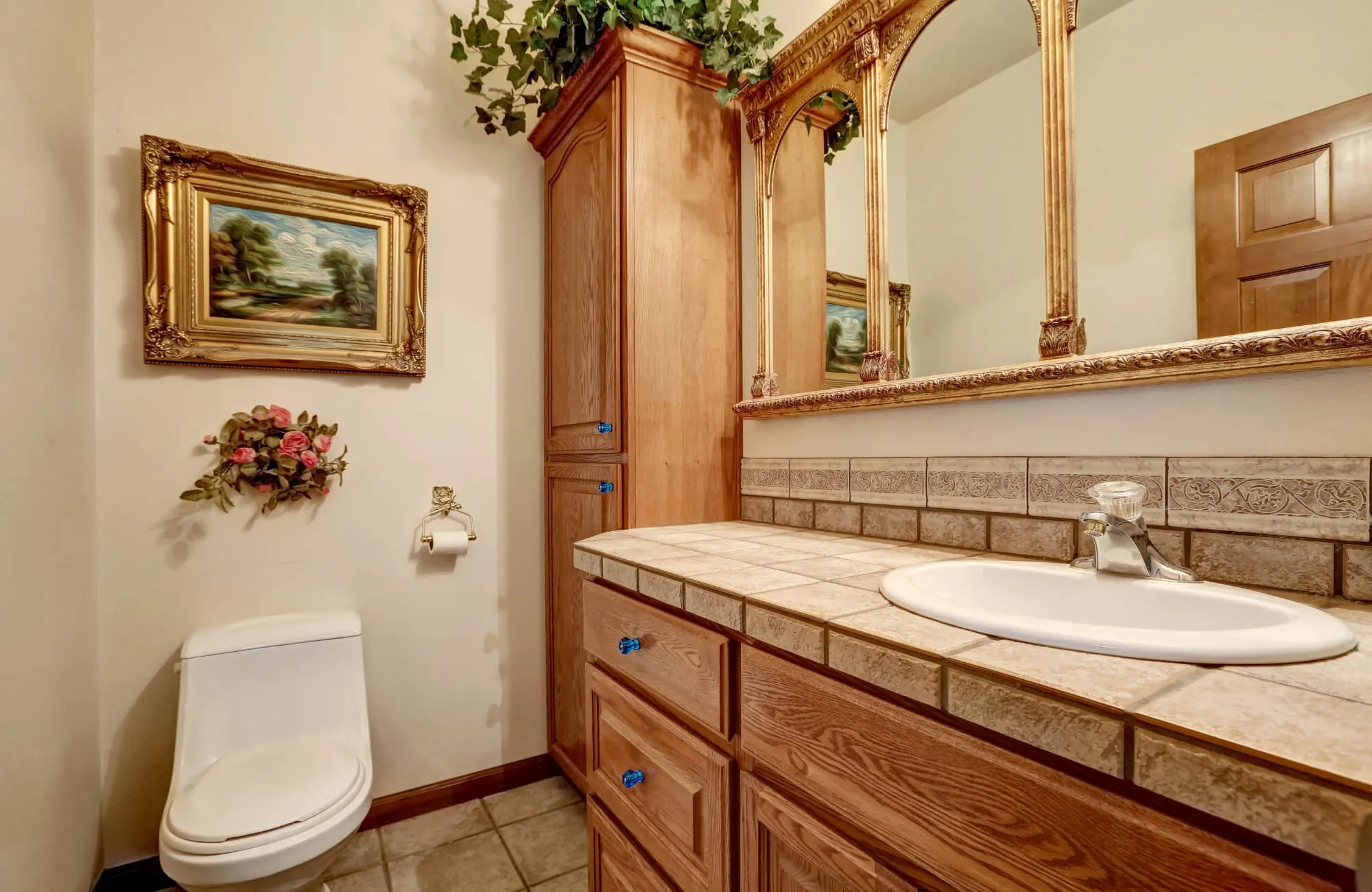
A beautiful wood vanity can transform a bathroom into a warm, inviting retreat, but a common question arises: can wood truly withstand the humid, wet environment of a bathroom? Homeowners often worry about their investment warping, swelling, or molding due to moisture exposure.
This comprehensive guide from Edward Martin explores the science behind wood and water. It offers practical advice, debunks common myths, and outlines the key factors that determine durability, helping you make informed choices to keep your bathroom both beautiful and functional for years to come.
Understanding Wood and Water
Before selecting a vanity for a moisture-rich environment, it’s essential to understand how wood naturally reacts to water. This foundation helps explain why certain construction methods and treatments make such a difference in long-term performance.
The Science of Swelling and Warping
When wood fibers absorb water vapor, they expand perpendicular to the grain, leading to dimensional changes. This process, known as hygroscopic expansion, can cause swelling, cupping, or even warping if moisture content is uneven across the board. Conversely, rapid drying can result in shrinkage and cracks. The equilibrium moisture content (EMC), the point at which wood’s internal moisture balances with ambient humidity, varies depending on the species, density, and grain orientation. Managing EMC is key to minimizing structural deformation in moisture-prone spaces like bathrooms.
Solid Wood vs Engineered Wood
Solid wood, while prized for its natural beauty, is more susceptible to dimensional instability under changing humidity. Engineered wood products, such as plywood or medium-density fiberboard (MDF) with a veneer surface, are manufactured with cross-laminated layers that counteract wood’s natural expansion and contraction. This construction increases dimensional stability and reduces the likelihood of warping.
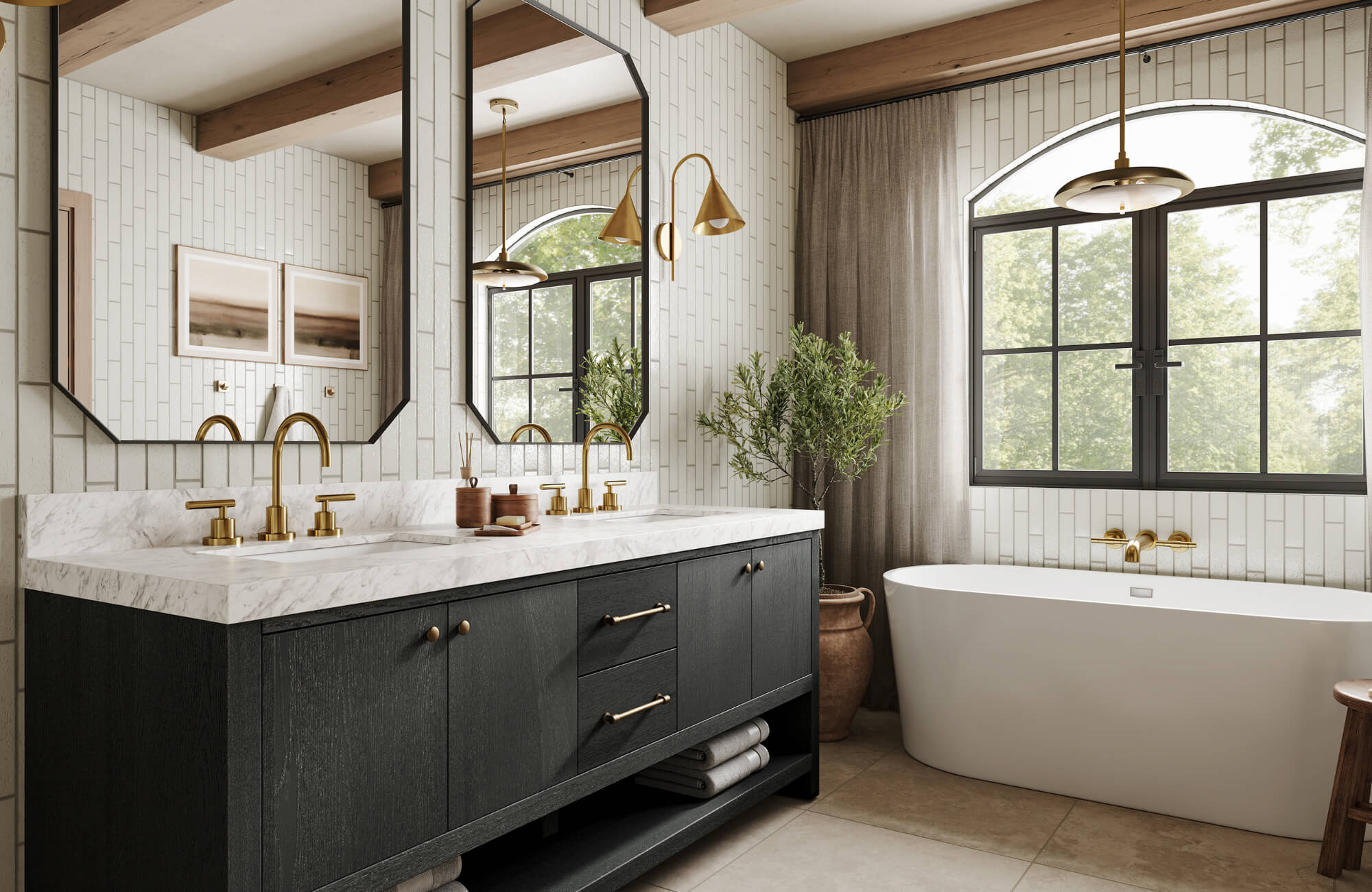
Showcasing this balance of style and strength, Edward Martin’s Maxine 72" Double Vanity in Black Wash Oak Veneer with Carrara Marble Top, as seen above, combines the elegance of natural grain with the reliability of engineered craftsmanship, making it a smart choice for bathrooms where moisture is a concern.
The Role of Kiln Drying
Kiln drying is a controlled process in which lumber is exposed to regulated heat and airflow to lower its internal moisture content before fabrication. Unlike air-drying, which can leave wood vulnerable to uneven moisture distribution, kiln drying ensures a more uniform EMC that closely matches indoor conditions. Properly kiln-dried wood is less likely to experience dramatic dimensional shifts when installed in bathrooms, making it a preferred choice for vanities and cabinetry. Additionally, kiln drying helps reduce the risk of microbial growth, such as mold, that thrives in high-moisture environments.
Choosing the Right Wood Species
Once the science behind wood and water is clear, the next step is selecting a species that can stand up to bathroom conditions. Different grains, densities, and natural properties give some woods an edge in durability.
Naturally Moisture Resistant Hardwoods
Certain hardwoods are inherently more resilient in damp settings due to their cellular structure and natural oils. Teak, for example, has a dense grain and high silica content that repels water and resists decay, making it a top choice for marine and bathroom applications.
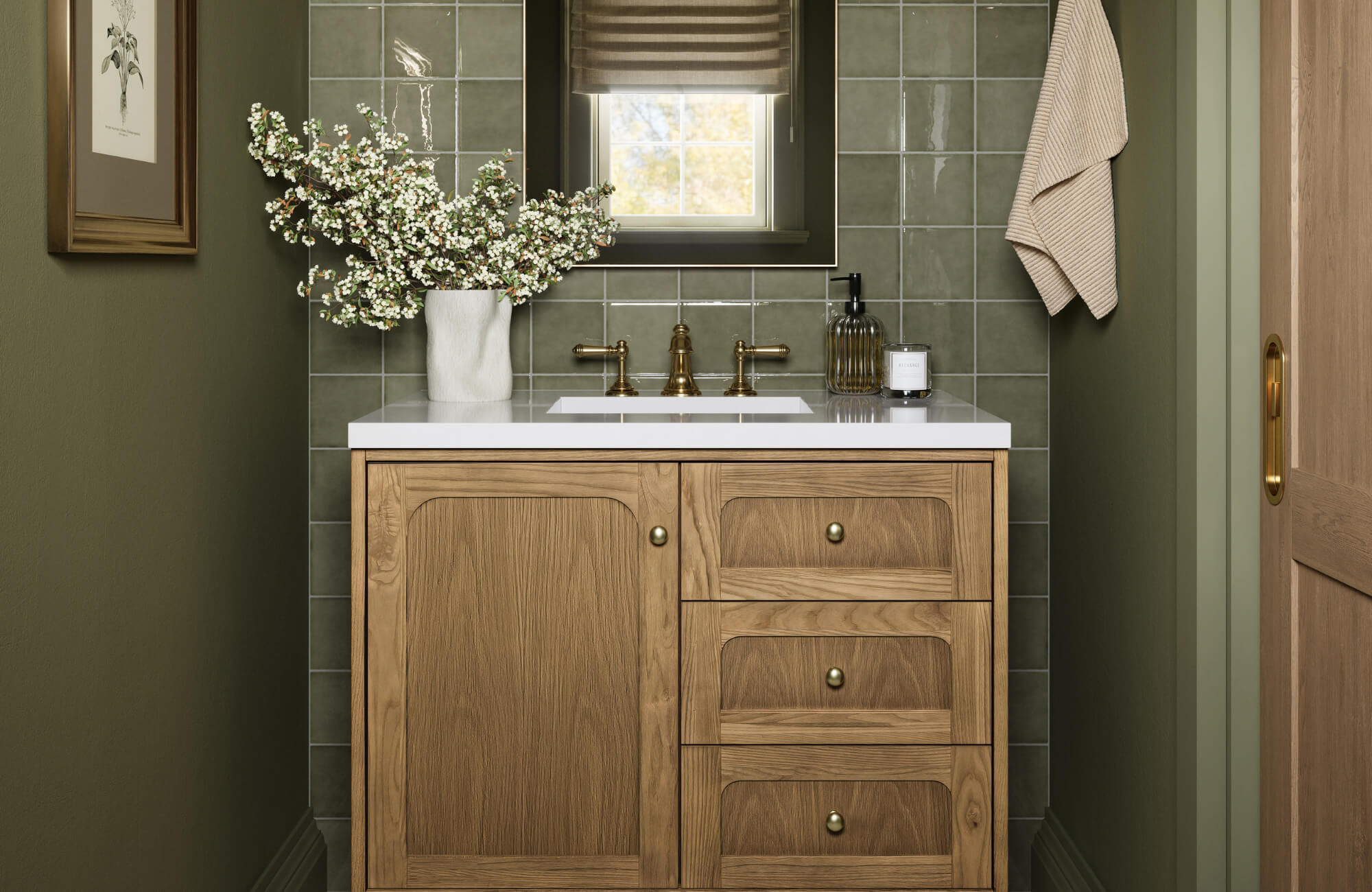
Oak, particularly white oak, features tyloses, blockages within the wood’s vessels, that limit water penetration. Maple and cherry, while less oil-rich than teak, offer fine, closed grains that reduce moisture absorption. Reflecting these qualities in practice, Edward Martin’s Abigail 36" Single Vanity in Light Natural Oak with 3 cm White Zeus Quartz Top, pictured above, highlights oak’s natural durability while pairing it with a clean, modern design ideal for high-humidity interiors.
Woods to Approach with Caution
Not all woods perform well in bathrooms, especially species with open pores or lower density. Red oak, for instance, lacks tyloses, making it far more prone to water intrusion and staining. Softwoods like pine or fir absorb moisture quickly and are susceptible to swelling, dents, and fungal growth if not properly sealed. Exotic species such as mahogany may look luxurious but can vary widely in quality, with some cuts being less stable than others. When using these woods, advanced sealing techniques and regular maintenance are essential to extend their lifespan.
The Importance of Wood Grade
Beyond species selection, wood grade is a critical factor in moisture performance. Higher-grade lumber, free from knots, sap pockets, or irregular grain, is less likely to harbor weaknesses where moisture can infiltrate. Cabinet-grade or furniture-grade cuts are milled for both strength and consistency, reducing risks of localized warping or cracking. Lower-grade materials, while more affordable, often require additional surface treatments and careful installation to compensate for their structural variability. For bathroom vanities, specifying premium-grade lumber ensures a stronger foundation against the challenges of a humid environment.
The Power of Protective Finishes and Sealants
Even the most resilient wood species benefit from an added layer of protection. Finishes and sealants act as barriers against humidity and wear, helping extend the lifespan of a vanity in a demanding space.
Polyurethane and Lacquer Finishes
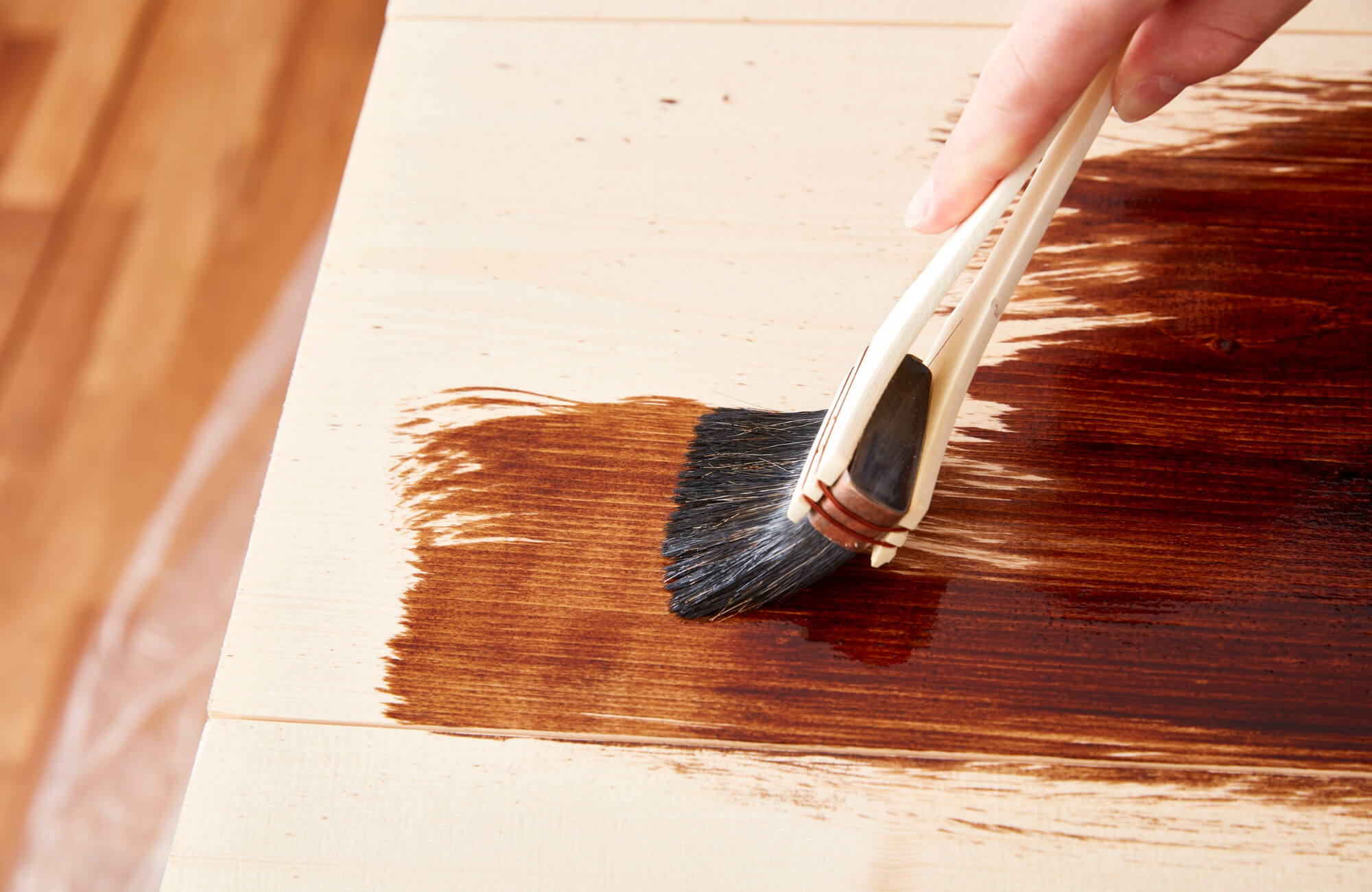
Polyurethane is one of the most durable protective coatings available, forming a hard, water-resistant film on the wood’s surface. Available in oil-based and water-based formulas, it offers excellent abrasion resistance, making it well suited for vanities exposed to frequent splashes and cleaning. Lacquer, on the other hand, creates a thinner but equally glossy layer that dries quickly and can be easily repaired with additional coats. Both finishes provide a strong defense against surface moisture, though they require careful ventilation during application due to high VOC content.
Oil and Wax Treatments
Unlike film-forming finishes, penetrating oils such as tung oil or Danish oil soak into the wood fibers, hardening within the cell structure to create water resistance from within. These treatments enhance the natural grain and produce a warm, low-sheen finish, but they generally require periodic reapplication to remain effective. Wax, often used in combination with oil, adds a soft surface layer that repels water and improves tactile smoothness. However, wax is less durable than polyurethane or lacquer, making it best suited for vanities in powder rooms or less-used bathrooms.
Proper Application Matters Most
The longevity of any finish depends heavily on preparation and technique. Surfaces should be sanded smooth, cleaned of dust, and sealed with even, well-cured coats to prevent weak points where moisture can penetrate. Edges, joints, and cutouts for sinks or faucets are especially vulnerable and should receive extra attention.
Multiple thin layers are generally more effective than a single heavy application, ensuring uniform coverage and durability. Ultimately, while some homeowners may attempt these steps themselves, it’s always best to hire experienced professionals to ensure proper application and lasting results.
Key Strategies for Moisture Control
While finishes provide crucial defense, maintaining the bathroom environment itself is equally important. Ventilation, spill management, and climate control all work together to protect wood surfaces and preserve their beauty over time.
Ensuring Adequate Ventilation
Ventilation is the first line of defense against excess humidity. Exhaust fans rated for bathroom use should be sized correctly to the square footage, typically providing 1 cubic foot per minute (CFM) per square foot of floor area. Positioning the fan near the shower or tub maximizes moisture extraction, while operating it for at least 20 minutes after bathing prevents condensation from lingering on surfaces. Supplemental measures, such as opening windows or using transom vents, further promote air circulation, an especially important step when protecting larger installations like 72-inch bathroom vanities.
Managing Spills and Splashes
Direct water exposure is one of the leading causes of surface damage to vanities. Frequent splashes around the sink basin or countertop edges should be wiped promptly with absorbent, non-abrasive cloths to prevent penetration into seams or finish cracks. Silicone caulking around sink cutouts and backsplashes creates a watertight seal, reducing the risk of water wicking into vulnerable joints.
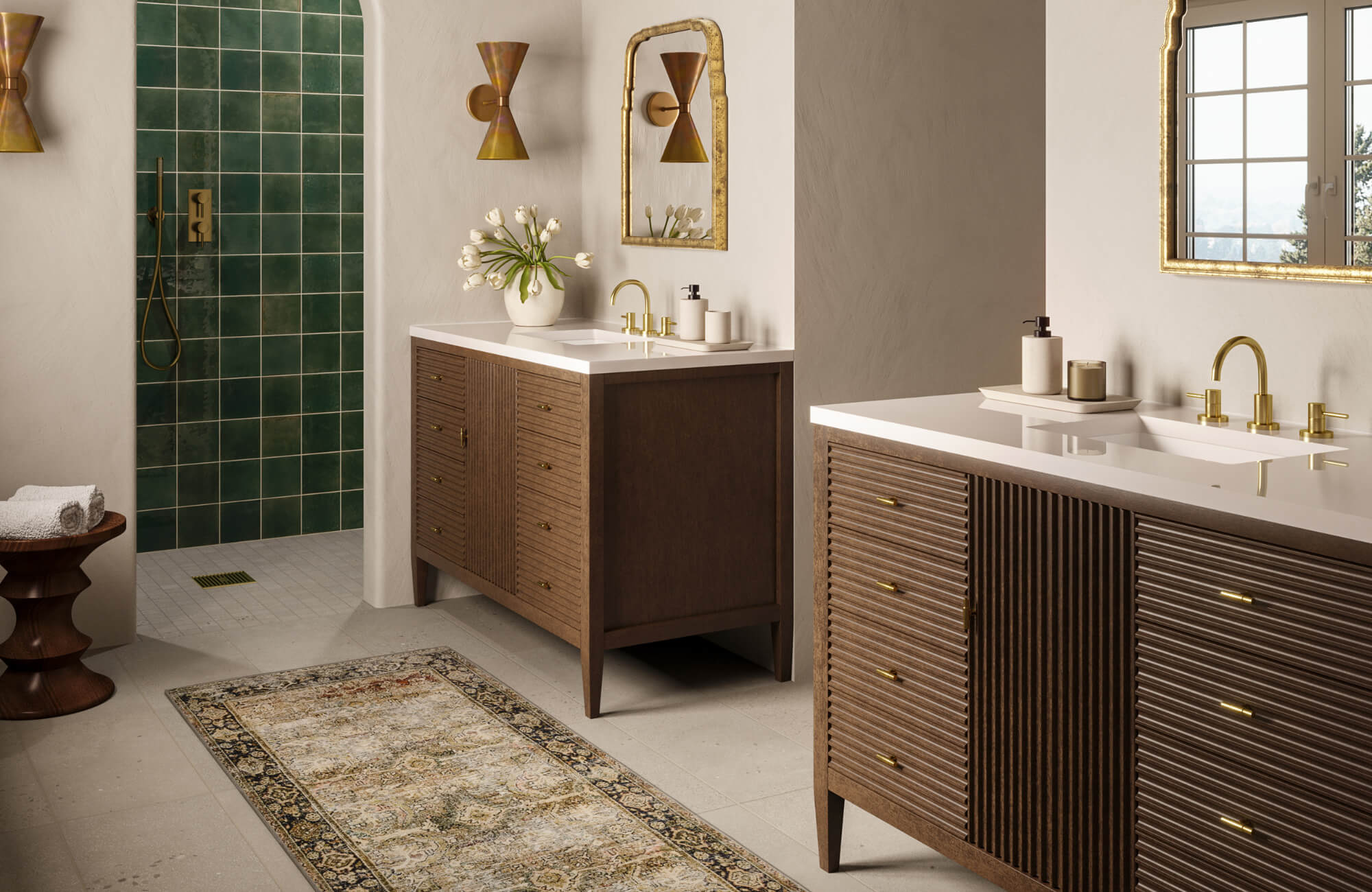
Demonstrating how protective design meets enduring style, Edward Martin’s Sasha 48" Single Vanity in Mid Century Walnut with 3 cm White Zeus Quartz Top, displayed above, shows how thoughtful construction, combined with attentive care, can maintain both performance and beauty in moisture-prone spaces. As with any vanity, following the manufacturer’s care and maintenance guidelines ensures lasting results.
Using Dehumidifiers and Climate Control
In bathrooms with poor natural airflow or in regions with consistently high humidity, mechanical climate control can make a significant difference. Portable dehumidifiers or integrated HVAC systems help maintain relative humidity between 40–60%, the optimal range for wood stability. Some modern models feature built-in hygrometers for precise monitoring, ensuring conditions stay within the safe threshold. Radiant heating or underfloor systems can also reduce localized condensation, further protecting wood cabinetry. By maintaining consistent indoor conditions, these technologies support both the longevity of finishes and the structural integrity of the vanity.
Balancing Beauty and Performance
So, can a wood vanity handle bathroom moisture? The answer is yes, when thoughtful choices and proper care come together. Durability depends on selecting the right wood species, applying professional-grade finishes, and maintaining consistent humidity control.
To help you navigate these decisions, Edward Martin offers a design consultation service, giving you expert guidance tailored to your project so you can make confident style choices. For personalized recommendations, product questions, or assistance with tile, rug, or furniture selections, simply contact Edward Martin to ensure your bathroom remains both beautiful and functional for years.
Follow us on Instagram
@EDWARD.MARTIN
)
)
)
)
)
)
)
)
)
)
)
)
)
)
)
)