A full length mirror is often credited with making a room feel larger, but its true impact runs much deeper than a simple visual trick. When placed with intention, a mirror interacts with light, proportion, and perspective in ways that can fundamentally change how a space is experienced. Rather than acting as décor alone, it becomes a quiet architectural element that reshapes boundaries and softens limitations.
As you look closer, the effect is not accidental. The way a mirror reflects light, extends sightlines, and redirects attention plays a measurable role in how open or confined a room feels. By understanding the principles behind reflection and placement, you can use a full length mirror to enhance spaciousness, balance, and flow without altering the room’s physical structure.

Reflected Light and Depth Perception
Mirrors reshape how a room is experienced by amplifying light and redefining visual boundaries. At the most basic level, this effect begins with reflection. Unlike painted or textured surfaces that absorb and diffuse light, mirrors redirect light with minimal loss, effectively multiplying available brightness. When a full length mirror is positioned near or perpendicular to a natural light source, it captures daylight and disperses it into darker areas of the room. As these shadowed zones brighten, the space feels more balanced and less confined, since dark corners often signal where a room visually ends.
At the same time, mirrors influence how depth is perceived by creating the illusion of additional space. The reflected image appears to extend behind the mirror, prompting the eye to move beyond the physical wall rather than stopping at it. This visual continuation also forms a virtual corridor that subtly lengthens the room’s sightline. As a result, narrow or compact spaces feel more open and breathable, even though their actual dimensions remain unchanged. By combining increased brightness with expanded visual depth, mirrors become powerful tools for transforming how space is perceived and experienced.
A refined example of this effect is our Esmeralda Floor Mirror in Iron Matte Black. Its tall, full length profile maximizes reflected light while the slim matte black iron frame provides definition without visually interrupting the reflection. When placed near a window or along a darker wall, the mirror enhances brightness and depth simultaneously, demonstrating how thoughtful design and material choice can amplify the spatial impact of reflected light.

Strategic Placement for Structural Correction
A mirror only expands a room when it responds to the space it occupies. By positioning a full length mirror in direct relationship to architectural limitations, you can visually correct narrow layouts, low ceilings, and proportions that otherwise feel uncomfortable.
Expanding the Narrow Hallway
Long, narrow hallways often feel restrictive because the eye is forced to travel straight ahead with no visual relief. Placing a mirror at the very end of the corridor tends to exaggerate this tunnel effect, making the distance feel even longer. Instead, installing a full length mirror along one of the longer side walls introduces lateral expansion, allowing the space to visually open outward rather than stretch forward.
When the mirror reflects a clean, uncluttered surface or a simple focal element, the hallway also begins to read as wider and more intentional. The reflected floor and ceiling appear to extend sideways, softening the rigid edges of the corridor. This shift transforms the hallway from a purely transitional passage into a space that feels curated and architecturally considered.
A standout example of this approach is our Sorellia Floor Mirror in Natural. Its light, natural wood frame adds warmth without visual heaviness, while the tall, full length design enhances side-to-side depth when positioned along a hallway wall. The organic finish also complements neutral finishes and reinforces a sense of openness, demonstrating how thoughtful mirror placement can ease narrow proportions and create a more welcoming passage.
The Statement Leaner in Squat Spaces
Rooms with low ceilings often feel compressed because the eye is drawn horizontally instead of upward. A tall, full length leaner mirror counteracts this by introducing a strong vertical line that naturally lifts the gaze. When you angle the mirror slightly against the wall, it reflects more of the upper wall and ceiling, creating a vanishing point that visually increases height.
An arched leaner also enhances this effect by echoing the form of windows or doorways, which the brain associates with openness and passage. This subtle architectural suggestion makes the room feel as though it extends beyond its physical limits. In spaces with standard or low ceilings, the mirror replaces a sense of compression with vertical movement and a lighter, more open atmosphere.

Aesthetic Integration and Frame
A mirror influences a room not only through reflection, but through its physical presence. The way it is framed and finished determines whether it enhances the architecture or interrupts the visual flow of the space.
Minimalist Frames and the Invisible Edge
In smaller rooms, the frame acts as the visual boundary between reality and reflection. Thin metal frames or frameless designs minimize this boundary, allowing the mirror to read as an extension of the wall rather than a standalone object. Beveled edges further soften the transition, helping the reflected space blend seamlessly into the room and reinforcing the illusion of depth.
When frames become thick, dark, or heavily ornamented, they introduce visual weight that competes with the mirror’s purpose. Instead of dissolving the wall, the frame highlights it, reminding your eye of the room’s physical limits. By choosing a minimal frame, you allow the reflection to take visual priority, making the space feel lighter and more open.
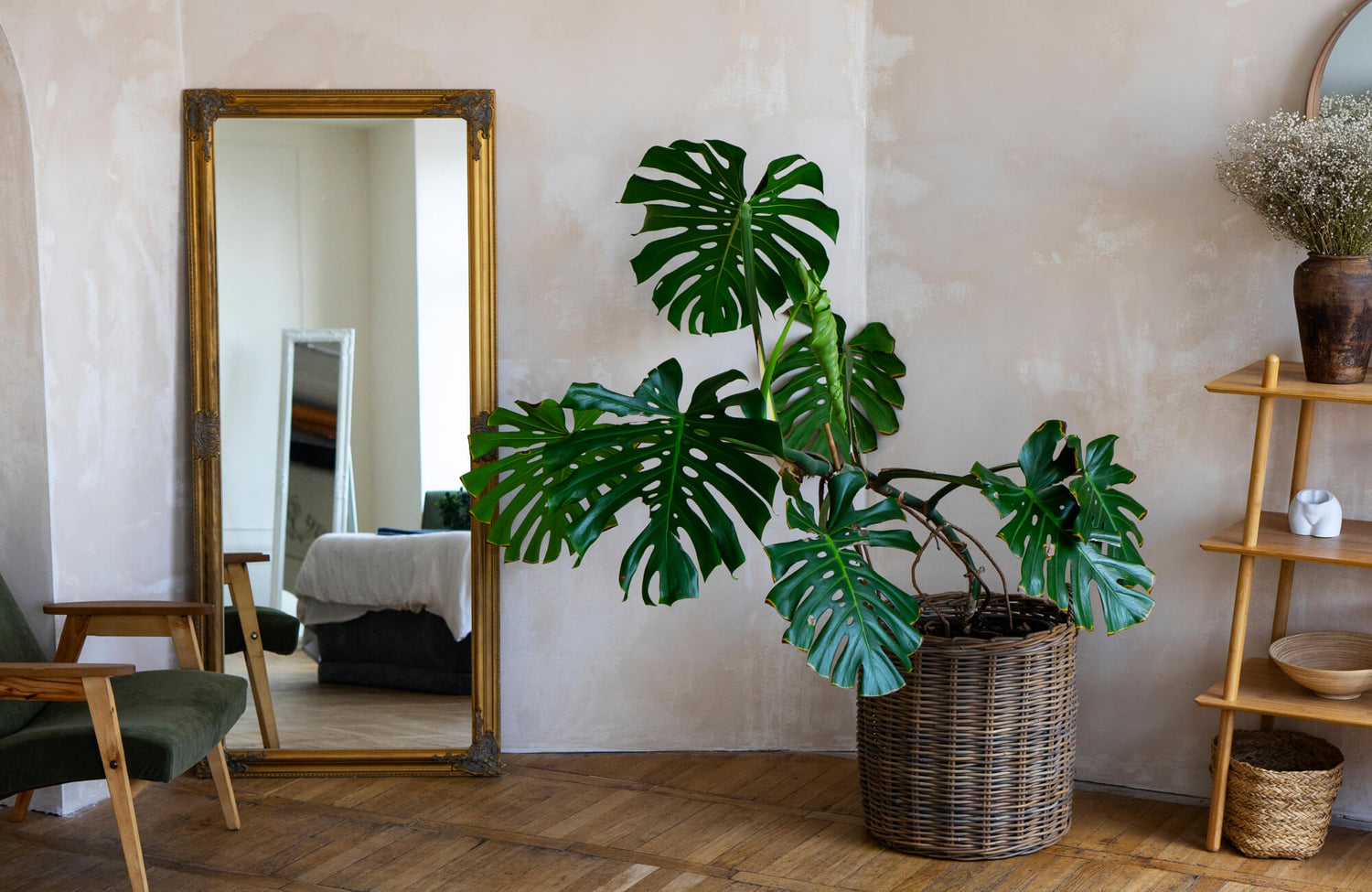
A refined example of this approach is our Esmeralda Floor Mirror in Polished Brass, shown in the image above. Its slim, warm, polished brass frame provides subtle definition without interrupting the reflection, allowing light and depth to remain the focal point. The understated profile also demonstrates how a minimal frame can add warmth and sophistication while preserving the illusion of expanded space.
The Impact of Tint and Glass Quality
The clarity of the glass plays a subtle but powerful role in how expansive a room feels. Low-iron glass reduces color distortion, ensuring the reflection matches the brightness and tone of the surrounding space. This consistency strengthens the illusion that the reflected area is part of the room itself rather than a separate surface.
In more intimate settings, lightly tinted glass can introduce a different kind of depth. Soft bronze or grey tones slightly mute the reflection, creating a sense of distance that feels calm rather than stark. This softened reflection allows you to expand the space visually while maintaining a relaxed atmosphere, making the mirror feel integrated rather than overpowering.

Doubling Your Interior Landscape
A mirror’s impact depends entirely on what it reflects, which makes thoughtful placement essential. When positioned to capture greenery, outdoor views, or even a well-placed indoor plant, a mirror visually extends nature into the room. This reflection creates the impression that the space opens beyond its physical boundaries, softening architectural edges and adding organic depth. Especially in compact or urban interiors, these natural reflections replace a boxed-in feeling with openness, making the room feel lighter, calmer, and more connected to its surroundings.
However, the same principle works in reverse if the reflection lacks intention. Mirrors that face cluttered shelves, busy furniture groupings, or busy zones can amplify disorder and overwhelm the eye. For this reason, directing mirrors toward clean lines and simple focal points is key. When the reflected view is serene and uncluttered, the mirror enhances visual breathing room rather than visual noise. In this way, mirrors become tools for reinforcing balance and clarity, doubling not just the space you see but the sense of calm you feel within it.

Functional Versatility Beyond the Bedroom
Full length mirrors are often confined to dressing areas, yet their ability to expand space is far more impactful in shared rooms. When placed thoughtfully, they enhance light, movement, and scale in areas where openness and flow matter most.
The Dining Room Focal Point
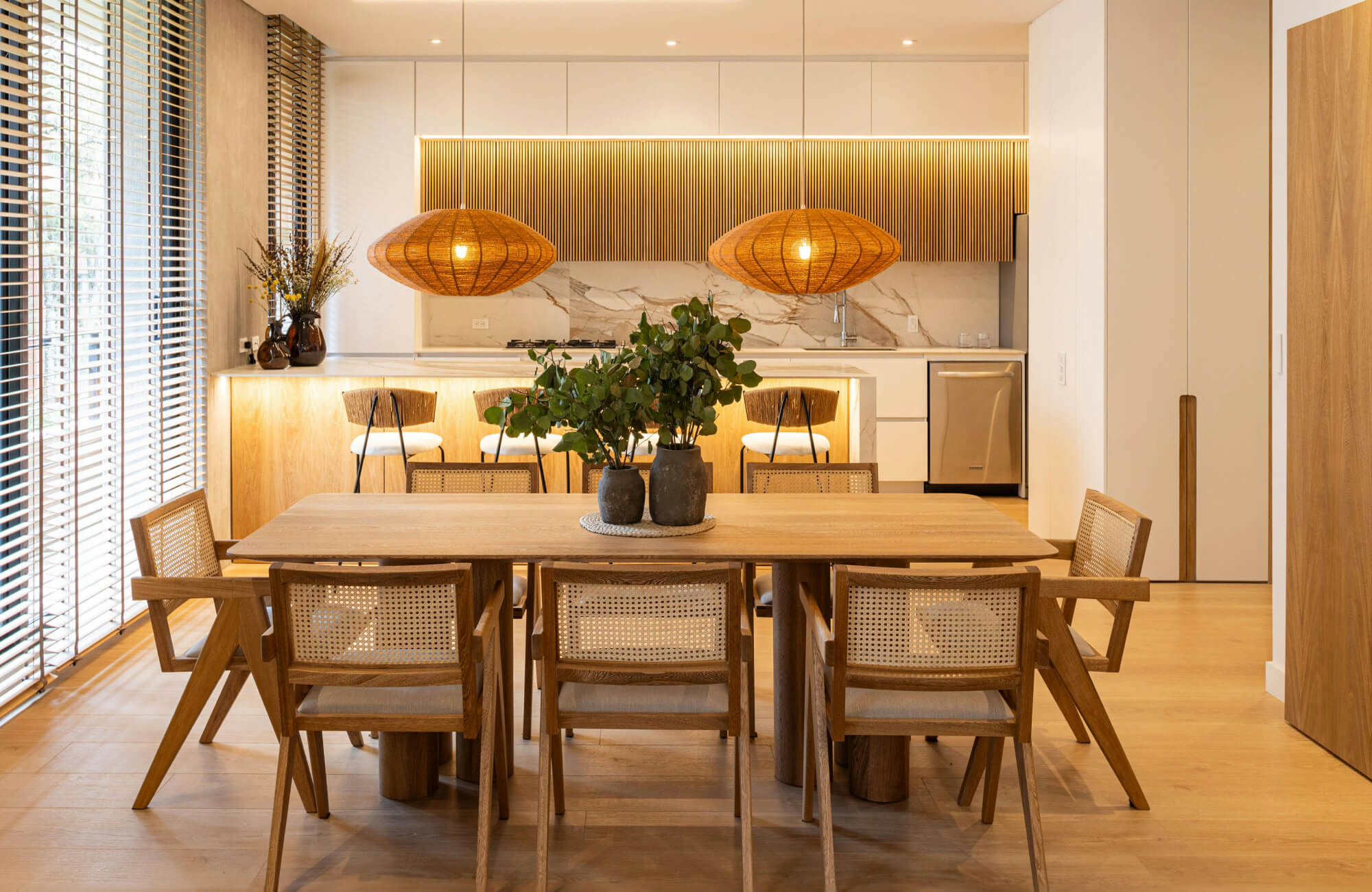
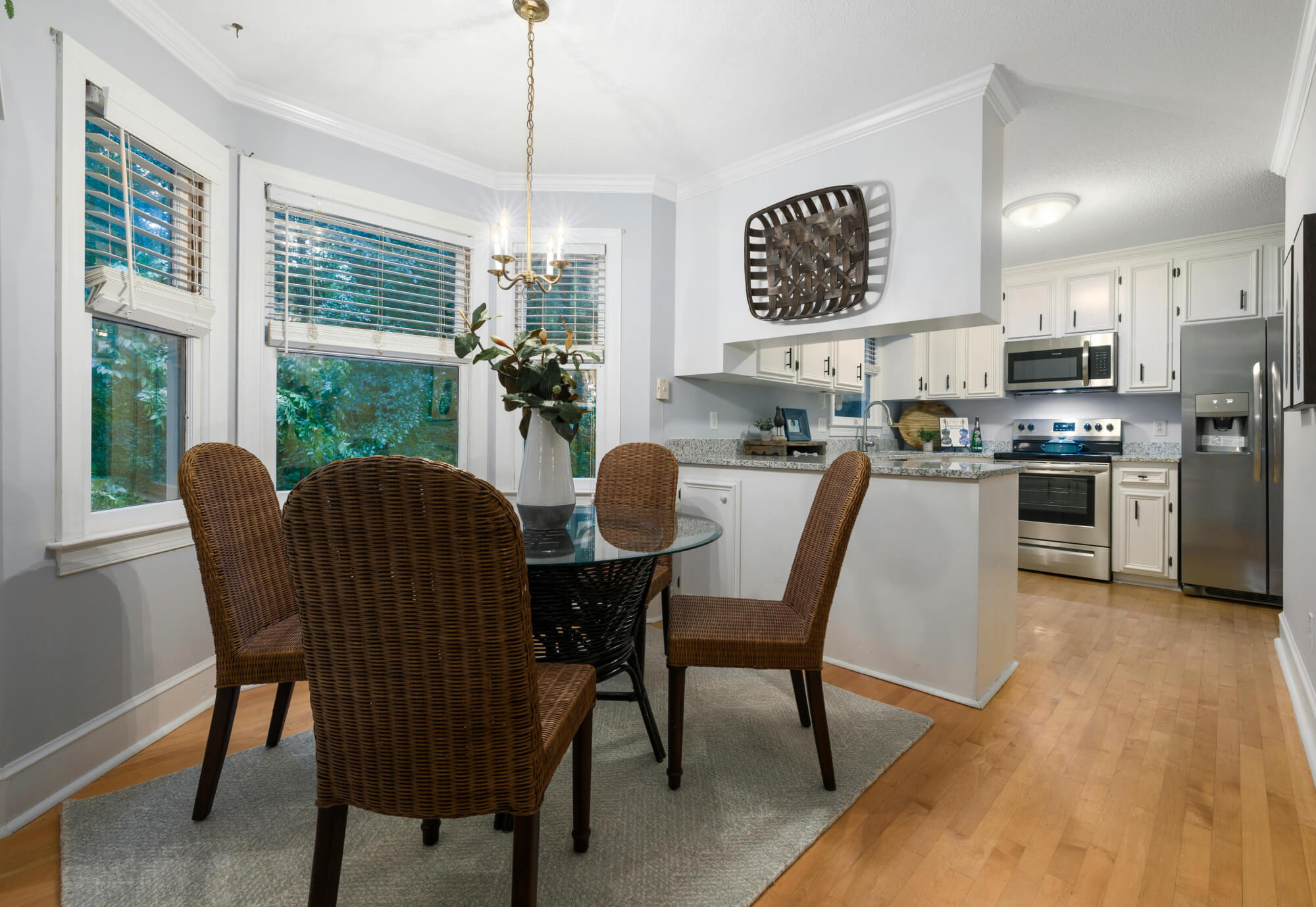
In a dining room, a full length or oversized mirror introduces a sense of theatrical depth that transforms how the space is experienced. When positioned behind the table or along a main wall, the mirror reflects candlelight, glassware, and subtle movement, layering the room with visual energy. This reflection creates the impression of a larger gathering space, making the room feel animated and expansive rather than enclosed.
Beyond visual size, the mirror changes the atmosphere of the dining experience itself. By eliminating the hard stop of a solid wall, it replaces visual finality with continuity. Even a modest dining area gains a sense of occasion, as the reflected scene adds richness and dimension that elevate everyday meals into something more immersive.
A warm example of this effect is our Fioren Floor Mirror in Natural. Its frame, made from corn straw, softens the dining space while the full length scale enhances depth behind the table. By reflecting both light and movement, the mirror reinforces a sense of openness and warmth, demonstrating how thoughtful mirror placement can elevate the dining experience without overwhelming the room.
Entryway Expansion and Transition Zones
Entryways are often among the smallest and darkest areas of a space, which makes them ideal candidates for a full length mirror. Placing one near the entrance reflects available light back into the space, immediately softening the sense of compression. This visual expansion creates a more relaxed transition as you enter, preventing the foyer from feeling tight or utilitarian.
The mirror’s vertical presence also plays a key role in shaping perception. When paired with a slim bench or floating console, it visually stretches the entry upward and outward, making the area feel taller and more open. At the same time, it adds everyday functionality, allowing the entryway to serve as both a welcoming introduction and a practical pause point before moving further into the space.
Bathroom Expansion and Visual Breathing Room
In bathrooms, especially powder rooms and narrow layouts, a full length or vertically oriented mirror can dramatically reduce the feeling of enclosure. By reflecting light across tiled surfaces and extending sightlines beyond the vanity wall, the mirror softens hard boundaries that often make bathrooms feel confined.
When positioned to capture natural light or a calm focal point, such as a textured wall or greenery, the mirror creates visual breathing room without adding physical bulk. The vertical scale also lifts the eye upward, making ceilings feel higher and the room more open. In compact bathrooms, this thoughtful use of reflection transforms a purely functional space into one that feels lighter, more balanced, and intentionally designed.
Designing With Reflection in Mind
A full length mirror can indeed make a room look bigger when it is used with purpose and awareness. By amplifying light, extending visual depth, and reinforcing clean focal points, it reshapes how space is perceived rather than simply how it looks. When placement, framing, and reflection are thoughtfully considered, the mirror transforms solid walls into visual openings and compressed rooms into environments that feel lighter, calmer, and more expansive. In this way, a full length mirror becomes not just a styling choice but also a powerful design tool that elevates the entire spatial experience.
If you are ready to apply these ideas to your own space, having a clear point of contact can help turn inspiration into confident decisions. Asking questions, reviewing layout considerations, and discussing placement options allows you to refine how reflection works within your room’s unique proportions and lighting conditions. With thoughtful guidance and planning, you can move forward knowing each mirror placement supports both visual expansion and a cohesive, intentional design.