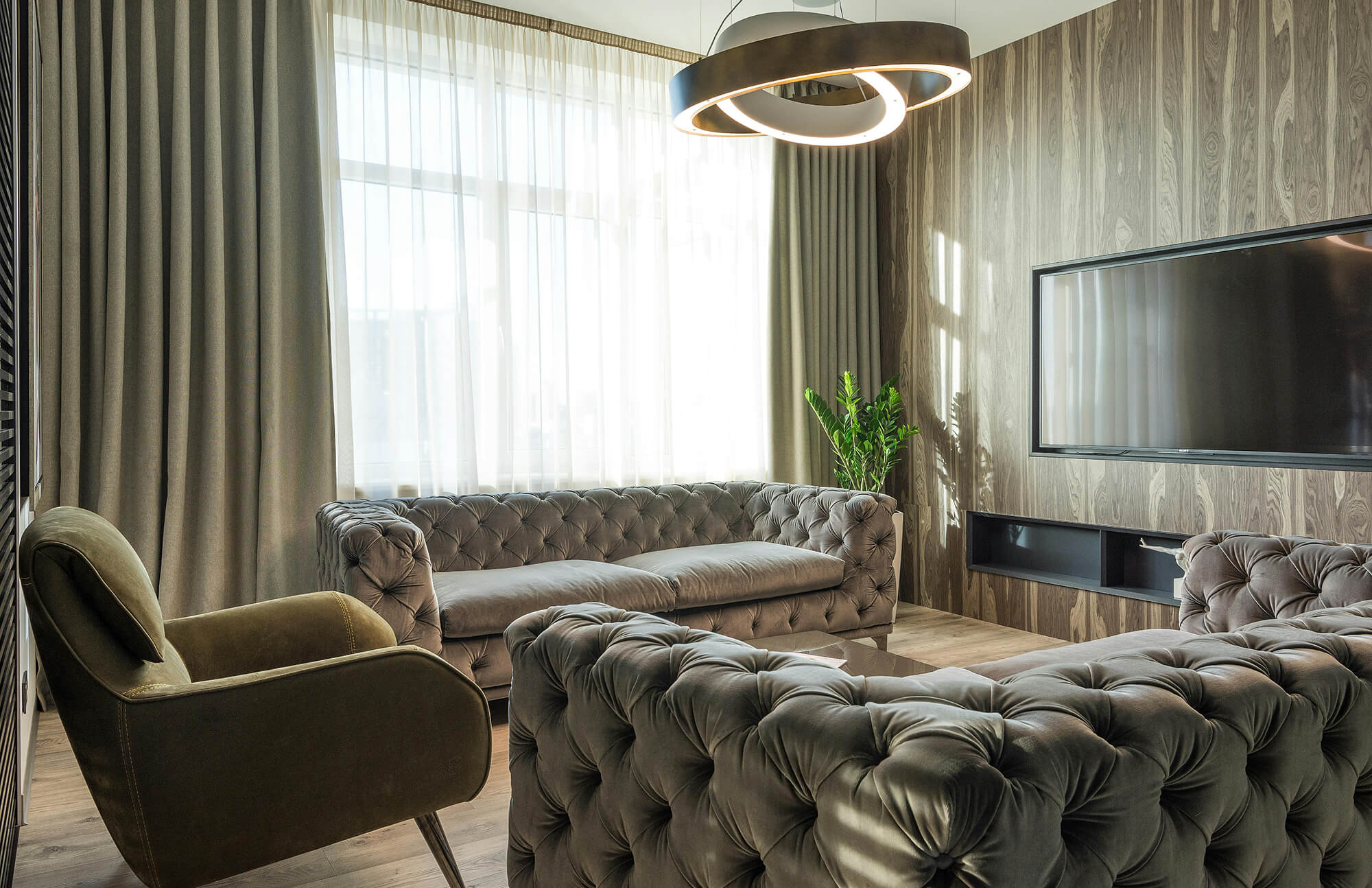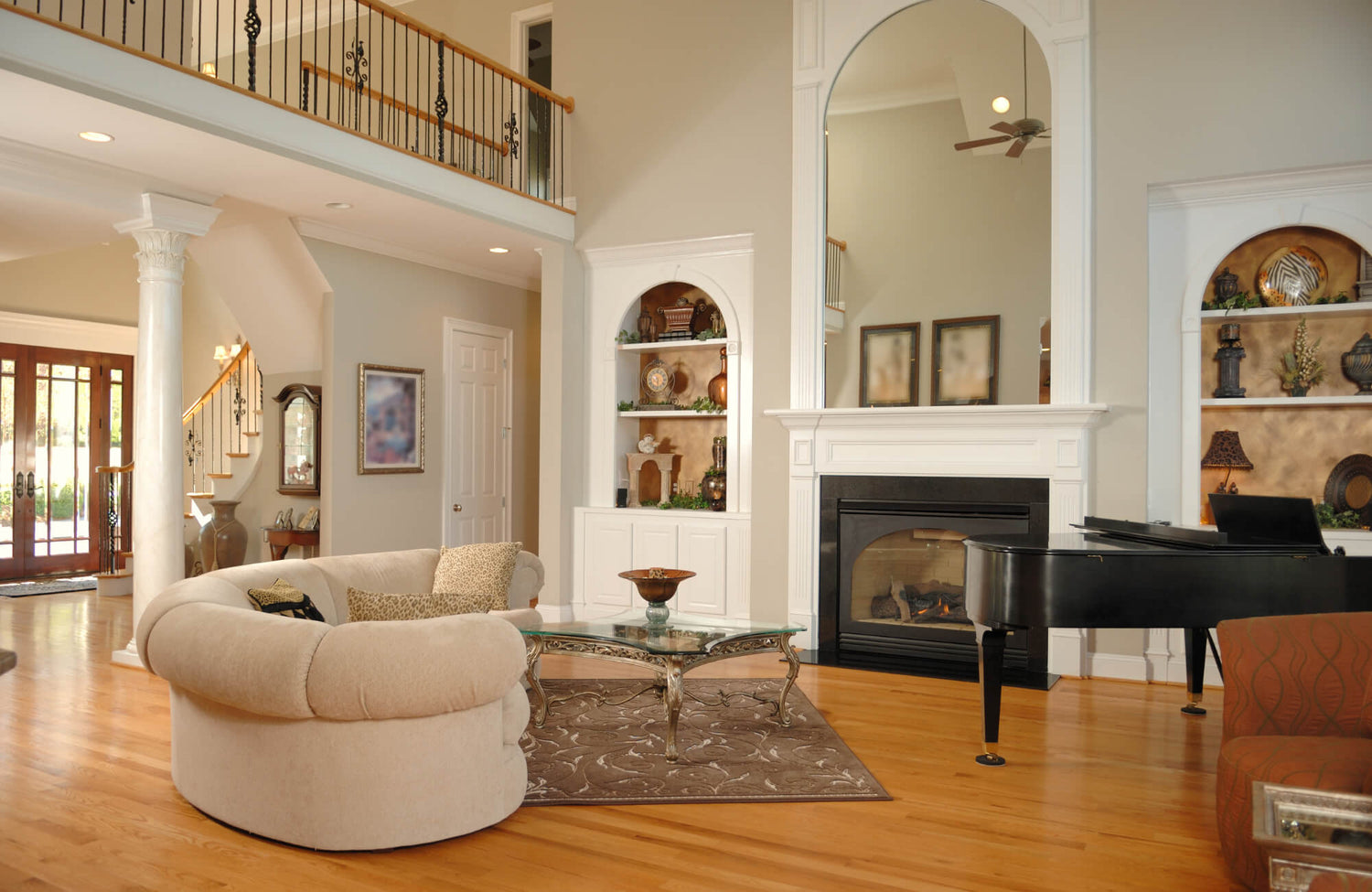
A brown rug is a surprisingly versatile piece that can anchor a room with warmth and sophistication. However, a common concern for many homeowners is whether this color will clash or harmonize with their current furnishings. This guide will walk you through a step-by-step process to confidently integrate a brown rug into your space, regardless of your existing furniture style or color palette.
We will explore how to use brown rugs to complement different types of furniture, from neutral and modern to bold and rustic. By the end, you'll have the knowledge and confidence to select a brown rug that not only fits seamlessly but also elevates your entire room.

Understanding Warm and Cool Tones
Choosing the right rug begins with more than just size or style, it’s about harmonizing color temperature. Warm and cool tones influence how furnishings interact with one another, shaping the overall mood and cohesion of a space.
Identifying Your Furniture's Undertones
Before selecting a rug, it’s essential to evaluate the undertones present in your furniture finishes and fabrics. Wood furniture may carry golden, red, or orange undertones (warm) or lean toward gray and espresso (cool). Upholstery fabrics often include subtle base notes that affect perception, blue-gray linen feels distinctly cool, while beige with hints of yellow reads warm. Recognizing these undertones provides a framework for choosing complementary rug shades.
Matching Brown Rugs with Cool Furniture
When paired with cool-toned furniture, a brown rug should counterbalance rather than compete. Opt for browns with gray, taupe, or espresso undertones to maintain chromatic consistency. For example, a slate sofa and brushed-nickel accents pair best with a chocolate rug featuring a cool cast. This prevents visual discord and helps reinforce the sleek, understated quality of cooler palettes. Texture also contributes significantly, with low-pile wool or hand-knotted blends enhancing refinement while maintaining a cohesive look.
Matching Brown Rugs with Warm Furniture
Warm furniture pieces, such as walnut tables, terracotta leather, or brass fixtures, invite a different approach. Here, a brown rug with red, caramel, or chestnut undertones amplifies warmth and creates a layered, inviting aesthetic. Seen above, Edward Martin’s Georgette Polyester Pile Rug in Sand / Peach shows how soft peach and sand hues enrich honey oak or brass accents without overwhelming the design. Pairing this style of rug with warm finishes preserves depth and balance, while high-pile wool or natural jute alternatives can further emphasize comfort and grounding.

Balancing Texture and Pattern
Once color temperature is considered, texture and pattern come into play. These elements prevent a space from feeling flat, adding depth and contrast that bring your palette to life.
Mixing and Matching Textures
Contrasting textures establish tactile variety and prevent a space from appearing flat. Pairing smooth leather upholstery with a high-pile wool rug, or combining sleek glass tables with a chunky woven jute rug, introduces both sensory and visual balance. The key lies in proportion, using one dominant texture alongside secondary accents ensures harmony rather than clutter. This approach emphasizes the materiality of each piece while elevating the room’s overall sophistication.
Using Pattern to Add a Focal Point
Patterns serve as visual anchors that guide the eye through a space. A geometric rug beneath a streamlined sectional, or a traditional Persian motif in a modern setting, introduces intentional contrast without overwhelming. As illustrated above, Edward Martin’s Hutchinson Polyester Face Rug in Lake / Terracotta demonstrates how layered motifs and saturated tones build depth and cohesion, even within a minimal kitchen. Scale is key, larger patterns can unify expansive areas, while smaller motifs highlight intimate zones, with repeated colors tying furniture and finishes together.
Layering Rugs for Depth
Layering rugs is a strategic way to add depth and complexity to a room. Placing a patterned rug over a larger neutral base defines zones within open-plan layouts and adds dimensionality underfoot. For example, a sisal base layered with a smaller, richly patterned wool rug combines durability with character. Aligning edges or offsetting layers slightly can alter the visual flow, making the arrangement either structured or relaxed. This technique highlights contrast while reinforcing unity through thoughtful placement and scale.

Working with Different Furniture Materials
Texture and pattern choices naturally connect to the materials in your furniture. Whether wood, leather, or glass, each surface interacts differently with rugs, influencing both harmony and contrast.
Pairing with Wood Furniture
Wood introduces warmth and natural variation, but undertones differ widely across species and finishes. Lighter woods such as maple and ash benefit from deeper brown or patterned rugs that anchor their airy quality, while rich walnut or mahogany pairs well with lighter neutrals to prevent heaviness. Displayed above, Edward Martin’s Hutchinson Polyester Face Rug in Sand / Terracotta brings earthy terracotta tones and intricate designs that work beautifully with natural wood grain, whether echoing its warmth or providing intentional contrast. Grain direction also matters, rug motifs can soften or enhance linear textures.
Harmonizing with Leather and Upholstery
Leather brings sleekness and durability, while fabric upholstery introduces softness and color versatility. A plush, high-pile wool rug can offset the cool polish of leather, adding comfort and acoustic warmth. For upholstered pieces, the key is balancing pattern and tone: a solid, earth-toned rug grounds bold fabrics, while a patterned rug can energize neutral upholstery. Fiber choice, such as sisal for a rustic setting or silk blends for luxury interiors, further tailors the aesthetic to the furniture style.
Complementing Metal and Glass Accents
Metal and glass surfaces emphasize modernity, reflectivity, and clean lines. To avoid sterility, rugs with organic textures, like jute, hand-knotted wool, or shag, introduce softness and tactility. Color serves as a key factor: bronze or brass accents align with warmer brown rugs, while chrome or stainless steel harmonizes with cooler taupe or charcoal tones. Transparency in glass furniture allows the rug’s pattern to shine through, making rug selection especially critical for establishing visual interest in contemporary settings.

Navigating Room-Specific Challenges
Material pairings set the stage, but every room brings unique demands. Considering function and flow ensures your rug isn’t just beautiful, but also practical in its placement.
Sizing and Placement in the Living Room
In living rooms, the rug acts as a unifying anchor that defines the seating arrangement. A common guideline is to choose a rug large enough so at least the front legs of all seating pieces rest on it, creating cohesion without overwhelming the room. Featured above, Edward Martin’s Georgette Polyester Pile Rug in Sky / Blush offers a delicate yet detailed design that grounds both neutral sofas and leather chairs, tying together varied textures. For expansive layouts, full placement adds formality, while balanced proportions in smaller rooms prevent visual fragmentation.
Rug Placement in the Bedroom
Bedroom rugs serve both aesthetic and functional purposes, providing warmth underfoot while framing the bed as the focal point. Standard practice places the rug two-thirds of the way under the bed, extending beyond the foot and sides for symmetry. Runners flanking the bed offer an alternative in smaller rooms, maintaining comfort without requiring a large-format rug. Pile height should also be considered, low-pile constructions allow smooth movement for nightstands or benches, while plush rugs emphasize coziness in retreat-style bedrooms.
Enhancing Hallways and Entryways
Busy zones like hallways and entryways demand durability and precise sizing. A runner should leave 4–6 inches of exposed flooring along the perimeter to create balance and prevent tripping hazards. Flatweave or low-pile rugs made from performance fibers such as polypropylene or wool blends are ideal for withstanding frequent use. In entryways, a well-proportioned rug not only traps dirt and moisture but also sets the tone for the home’s style, whether through a bold geometric motif or a subtle, neutral palette.

Choosing the Right Shade of Brown For Every Aesthetic
With room needs addressed, the final step is selecting the shade that best suits your style. From airy light browns to dramatic dark tones, each option carries a distinct effect on mood and design.
Light Browns and Their Effect
Light browns, such as beige, camel, and sand, introduce softness and warmth without overwhelming a space. These tones are ideal for minimalist or Scandinavian-inspired interiors, where they reinforce brightness while grounding lighter palettes. Their neutral quality allows for seamless pairing with natural fibers like jute or linen, enhancing organic textures. Light browns are also effective in smaller rooms, as they reflect more ambient light and create an impression of openness.
Medium Browns and Their Versatility
Medium browns, including chestnut, mocha, and tobacco, strike a balance between subtlety and richness. Their adaptability makes them suitable for transitional interiors, where they can unify both warm and cool elements. Shown above, Edward Martin’s Haverford Polyester Pile Rug in Desert / Rust blends a muted brown base with rust undertones, seamlessly harmonizing with walnut furniture while complementing gray or taupe upholstery. These mid-range tones excel in layered palettes, bridging lighter neutrals and darker accents with flexibility to serve as either a backdrop or a focal point.
Dark Browns and Their Statement
Dark browns, espresso, chocolate, and mahogany, convey depth and sophistication, lending a sense of permanence to a room. Their visual weight makes them especially effective in anchoring large spaces or balancing bold architectural features. When used in rugs, dark tones can draw the eye downward, creating a grounded, formal aesthetic. Pairing dark browns with metallics such as brass or copper enhances their richness, while contrast with light upholstery adds striking definition. These shades are best suited for spaces that aim to feel refined, dramatic, or deeply inviting.
Bringing It All Together
A brown rug offers more than visual appeal, it acts as a stabilizing element that unites materials, tones, and styles within a room. With options ranging from camel to espresso, it can seamlessly integrate with wood, leather, upholstery, or even metal and glass accents.
To make confident choices, Edward Martin’s design consultation provides expert guidance tailored to your project needs. For personalized recommendations, product questions, or assistance with tile, rug, or furniture selections, simply contact Edward Martin. Thoughtful support ensures every detail contributes to a balanced, harmonious design.