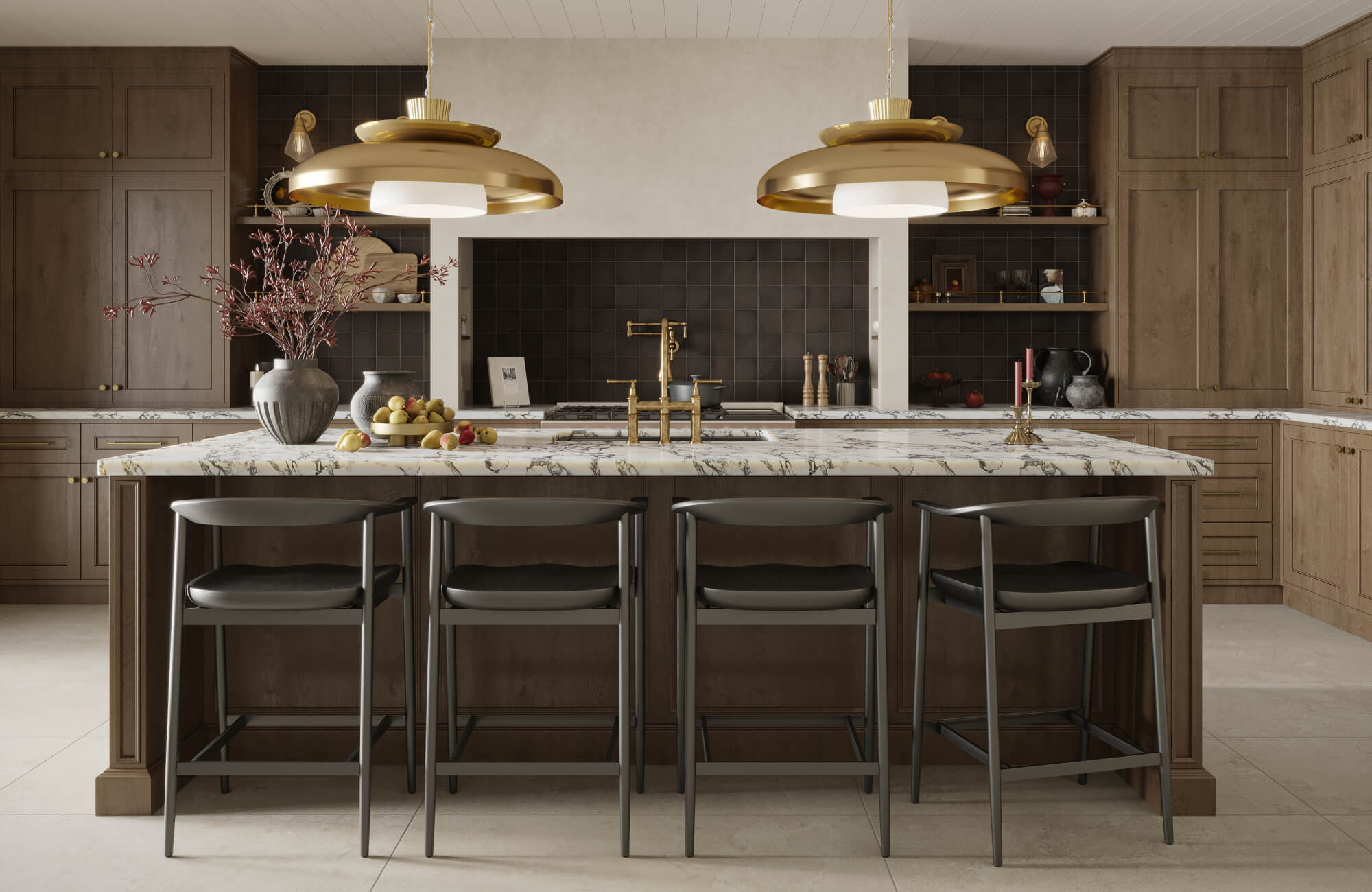
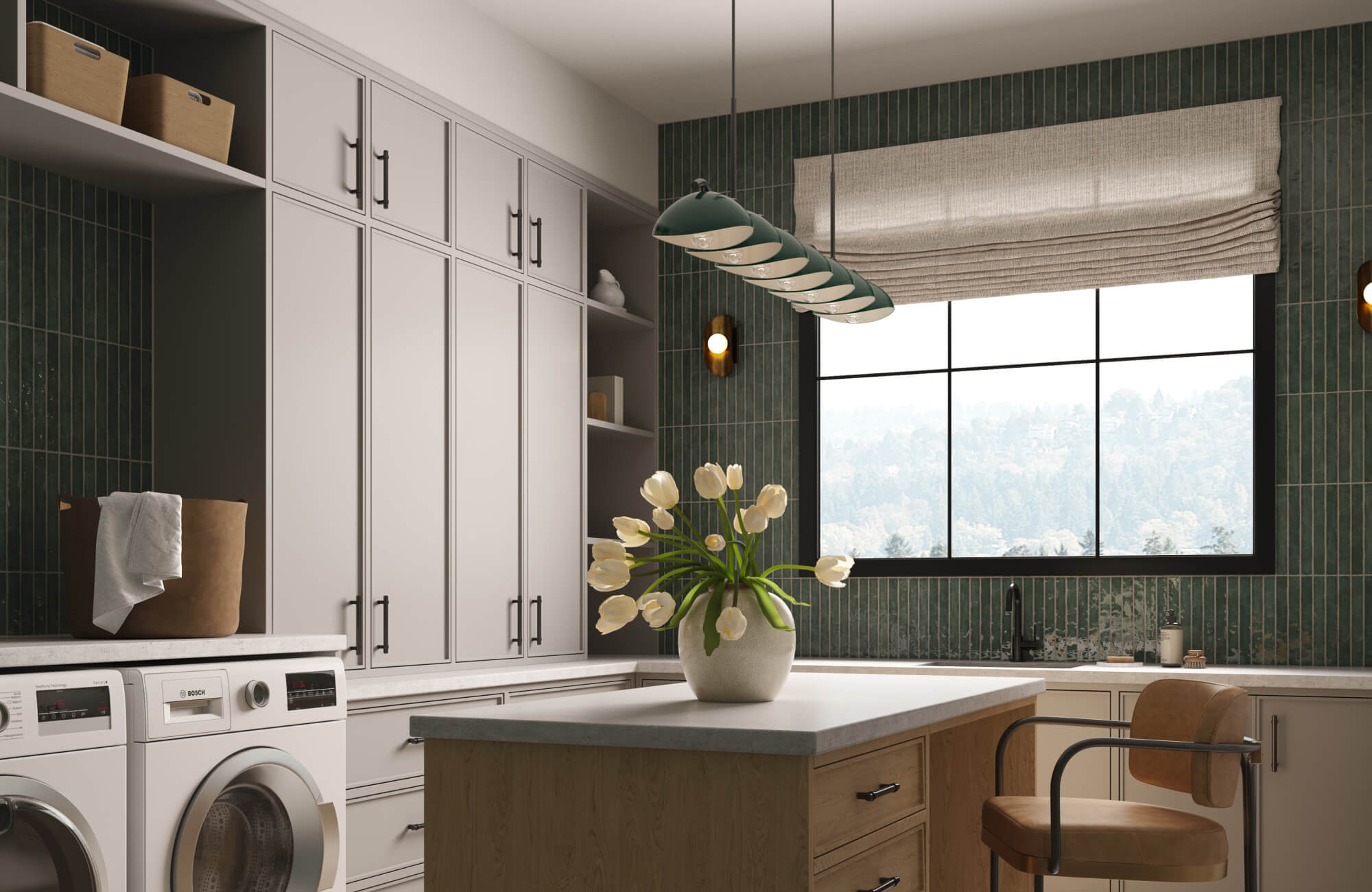
Brick has a reputation, one that’s undeniably charming, warm, and rooted in history. But if you’re imagining brick as strictly rustic or farmhouse, here’s the good news: a brick tile wall can look incredibly modern when approached with the right color palette, installation choices, and styling.
In fact, brick’s rich texture and architectural character make it an ideal backdrop for contemporary interiors. The key is knowing how to guide its look. Below, we’ll walk step-by-step through the exact decisions that transform brick tile from traditional to unmistakably modern, while still honoring its timeless appeal.

Step 1: Choose a Modern Tile Color and Shape
Before anything else, your brick wall’s overall style is shaped by the tile you choose. Starting with the right color, tone, and finish sets the foundation for a modern look long before grout or décor enter the picture. Think of this as defining the canvas your entire design will build upon.
The Undeniable Power of White and Light-Toned Brick
When the goal is a contemporary aesthetic, light tones outperform deeper reds and browns almost every time.
White, off-white, soft gray, and light beige brick tiles create a fresh, airy look that resonates with modern minimalism because they reflect more light, brighten the room, and pair effortlessly with sleek furniture and bold accent colors. As seen in the image above, Edward Martin’s Tory 2x10 Glossy Porcelain Tile in Ivory shows how a soft, light-toned brick can act as a subtle backdrop rather than a dominant visual element.
For those who still want a touch of warmth, cream and greige brick tiles offer the perfect middle ground, think more Scandinavian loft than rustic cabin.
Why a Smooth Finish Beats a Tumbled Texture
Traditional brick often features chipped edges and rough surfaces that lean heavily into a rustic look, but modern spaces benefit from smooth-faced brick tiles with cleaner edges and a more uniform profile.
A smoother finish reduces visual noise, reflects light more evenly, and complements contemporary materials like glass, lacquer, stainless steel, and concrete. This doesn’t mean the brick has to feel sterile, subtle surface variation can still add interest without overwhelming the space.
Opting for Color Uniformity Over High Variation
Modern design thrives on cohesion, which makes color consistency a smart choice when selecting brick tile. While traditional brick may include wide shifts in tone, modern spaces look more refined when the brick stays within a controlled color range, helping the wall read as one continuous, polished surface similar to concrete or large-format porcelain.
Uniformity keeps the texture from feeling overly busy, creates a more orderly aesthetic, and allows modern décor elements to stand out instead of competing for attention. If you prefer some variation, choose brick tiles that shift within a tight spectrum, white to light gray or beige to warm ivory, to maintain that clean, contemporary look.

Step 2: Use Installation Techniques That Feel Contemporary
Once you’ve chosen a modern-looking brick tile, the way it’s installed becomes the next major style influencer. Grout color, spacing, and pattern can either reinforce the modern vibe or pull the wall back toward a more traditional feel. This step takes the base you created in Step 1 and sharpens it with cleaner lines and intentional structure.
The Critical Choice of Your Grout Color
Grout color has the power to shift your design modern or rustic instantly, making it one of the most important decisions in your installation.
For a modern look, the best approach is to match the grout to the brick as closely as possible, using light grout with light brick or mid-tone grout with gray brick to maintain a smooth, cohesive surface. Avoiding high-contrast combinations, like white brick with dark grout, prevents the wall from feeling overly graphic unless you’re intentionally aiming for an industrial style.
When the grout blends seamlessly with the tile, the wall reads as a continuous architectural element rather than a patchwork of individual pieces.
How a Stacked Bond Pattern Creates a Modern Grid
The traditional running bond pattern, where each row is offset, naturally leans historic, but modern design gravitates toward order and intentional geometry.
A stacked bond pattern aligns each brick directly above the one below it, turning the wall into a sleek, repeating grid that feels structured and contemporary. The layout highlighted above pairs beautifully with Edward Martin’s Elias 2x8 Glossy Brick Tile in Bone, which naturally reinforces the clean, geometric rhythm of this installation style.
This approach creates a refined backdrop for minimalist décor and is commonly used in modern commercial spaces and upscale residential designs because of its crisp, straightforward appeal.
Why Thin Grout Lines Are Key
Thick grout lines can make brick feel old-world by emphasizing the separation between each piece, while thin lines instantly modernize the look. Keeping the grout as narrow, even, and precise as your tile allows helps the surface appear smooth and uninterrupted, giving the brick a more streamlined presence.
With minimal spacing, the shape and texture of the brick become the focus without the distraction of heavy borders, allowing the wall to function as a cohesive, contemporary plane, one of the defining qualities of modern interior design.

Step 3: Style the Wall with Modern Decor and Finishes
With your installation choices supporting a sleek, contemporary look, the décor you pair with the brick is what brings the whole space to life. Furniture, materials, and accessories determine whether the wall feels truly modern or drifts rustic. This stage builds on the clean foundation of Steps 1 and 2 and shapes how the brick interacts with the rest of the room.
Pairing Brick with Clean-Lined and Minimalist Furniture
Modern design thrives on simplicity and intentionality, and clean-lined furnishings help balance the brick’s natural texture so the space doesn’t feel visually busy.
Low-profile sofas, streamlined dining tables, floating shelving, mid-century modern silhouettes, and other minimalist pieces all complement brick by creating a calm, structured backdrop. In the space shown above, the soft warmth of Edward Martin’s Everett 2x10 Matte Ceramic Tile in Almond works seamlessly alongside clean-lined furnishings, adding contrast while keeping the brick feeling contemporary rather than rustic.
Choosing furniture with smooth surfaces, like lacquered finishes, sleek upholstery, or simple wood grains, helps balance the brick’s natural texture so the room doesn’t become visually busy.
Balancing Brick with Sleek Metals and Reflective Surfaces
Modern interiors often rely on a thoughtful mix of textures, and brick pairs beautifully with sleek metals and reflective finishes that add sophistication and visual contrast.
Incorporating elements such as brushed nickel or black metal lighting, chrome table bases, mirrored accents, glass coffee tables or shelving, and stainless steel kitchen details introduces a polished layer that elevates the brick’s texture. These reflective and metallic materials help the space feel sharp, curated, and unmistakably modern.
Using Lighting to Emphasize Modern Texture
Lighting has the power to completely transform the way brick reads in a room, especially when you choose fixtures that highlight its architectural qualities.
Techniques like wall-washing with linear LEDs or track lighting cast soft, even illumination that emphasizes texture, while uplighting and downlighting create dramatic shadow play for a more sculptural effect. Using warm-to-neutral bulbs in the 2700–3500K range keeps the space inviting without leaning rustic, ensuring the brick maintains its modern clarity.
Avoid overly warm lighting, as it can exaggerate earthy tones and diminish the crisp, contemporary feel you’ve worked to create.

Step 4: Use a Bold Finish Like Paint or a Wash
After styling, the final layer of modernization comes from finish treatments that alter the brick’s color and texture in bold or subtle ways. Paint, whitewash, or clear coats can refine the mood of everything you’ve built so far, giving you full control over the wall’s final look. This step ties together the design choices from Steps 1–3 and lets you customize your brick wall to perfection.
The Monochromatic Power of a Fully Painted Brick Wall
Painting brick is one of the fastest and most effective ways to modernize it, especially when you choose tones like crisp white, soft gray, deep charcoal, or muted sage and taupe. These colors instantly simplify the texture, creating a smooth, uniform backdrop that integrates seamlessly with modern décor and lets your furnishings and accessories take center stage.
For those who hesitate to commit to a fully painted brick look, Edward Martin’s Augmented Reality (AR) Visualization Tool makes the decision far easier. You can preview how different monochromatic tile tones or finishes would appear in your actual room, adjusting color and style until the wall feels just right.
Once you’ve narrowed in on a favorite option, ordering tile samples lets you confirm the tone, sheen, and texture in real lighting before moving forward. Together, these tools remove the guesswork, helping you confidently choose a modern painted-brick aesthetic that aligns with your vision.
Achieving a Softer Look with a Whitewash
If you want to preserve some of the original brick’s character while still steering the space toward a modern aesthetic, a whitewash offers a softer, more nuanced alternative to full paint coverage.
This technique lightens the wall, softens strong red or brown tones, and maintains subtle variations that add visual depth without overwhelming the room. It’s an ideal finish for transitional interiors where modern elements meet traditional charm, blending the best of both styles.
Using a Clear Coat for a “Wet Look” Finish
For homeowners who love the richness of natural brick but still want a modern edge, applying a clear gloss or semi-gloss sealer can deliver a sleek, elevated “wet look.” This finish intensifies the brick’s color, adds a refined sheen, and introduces a contemporary polish similar to lacquered surfaces.
In the example above, Edward Martin’s Tory 2x10 Glossy Porcelain Tile in Cloud already demonstrates a naturally sleek surface that becomes even more striking when a clear coat is applied. It works particularly well in loft-style interiors or industrial modern designs, where the goal is to highlight brick’s texture while giving it a more sophisticated, high-impact finish.
Brick Is a Timeless Canvas, Not a Single Style
A brick tile wall doesn’t belong to one design genre, it’s a versatile, architectural element that can adapt to nearly any aesthetic. With the right color, finish, installation, and styling, brick becomes a modern design powerhouse, offering texture, depth, and visual interest without sacrificing the clean lines contemporary spaces crave.
Whether you're renovating a kitchen backsplash, designing a living room feature wall, or updating a bedroom alcove, brick tile has the potential to feel sleek, fresh, and fully aligned with today’s design trends. The secret is intention: every choice, from color to grout to lighting, contributes to the final, modern look.
Brick isn't inherently rustic. It’s timeless, and in the right hands, it’s effortlessly modern.