Neutral interiors are celebrated for their refined harmony, where every element contributes to a space that feels both timeless and inviting. Among the many design choices, the decision between a brown rug and a beige rug carries exceptional influence, shaping atmosphere, proportion, and visual flow. A brown rug introduces depth, richness, and grounding warmth, while a beige rug enhances openness, lightness, and seamless continuity. Moreover, each option brings its own advantages in terms of color psychology, material performance, and compatibility with accent palettes. By carefully considering these nuances, designers and homeowners alike can determine which rug color best elevates their vision of elegant, modern, and balanced neutral interiors.

Color Psychology and Emotional Atmosphere
Color affects more than surface aesthetics; it deeply influences how people feel and interact within a space. Choosing between a brown rug and a beige rug determines whether interiors convey warmth and grounding or openness and serenity.
Warmth and Stability with Brown Rugs
A brown rug creates a strong sense of grounding that conveys both security and comfort, making it an ideal choice for cozy interiors. Moreover, its deeper tones promote warmth, which is particularly beneficial in living rooms, dens, or family gathering spaces. Designers often highlight the benefits of a brown rug in modern living rooms because it fosters intimacy and an inviting atmosphere. In addition, the earthy undertones harmonize beautifully with wood, leather, and natural finishes, reinforcing stability in transitional or rustic-inspired homes. A brown rug also minimizes the starkness often seen in minimalist interiors, ensuring the space feels layered rather than sparse. Ultimately, when carefully selected, a brown rug provides both aesthetic refinement and emotional grounding.
Serenity and Lightness with Beige Rugs
A beige rug introduces serenity and visual lightness, making it an excellent option for interiors designed to feel open and restful. Its reflective surface qualities distribute natural daylight evenly, brightening compact or shaded rooms with ease. Furthermore, many homeowners searching for the best rug colors for bright and airy bedrooms find beige rugs to be the top-performing option. The softness of beige also aligns seamlessly with Scandinavian, coastal, and minimalist interiors, where tranquility is paramount. Additionally, beige rugs reduce visual heaviness, allowing a smooth flow that enhances spatial continuity. By maintaining elegance while amplifying calmness, beige rugs achieve timeless appeal across diverse design styles.
Timeless Versatility of Brown Rugs Across Design Styles
Brown rugs bring cultural richness to interiors, drawing from global design traditions that have long relied on earthy palettes. From Persian and Oriental inspirations to contemporary artisanal weaving, brown serves as a unifying thread across styles. Moreover, this cultural continuity gives brown rugs a sense of heritage that beige rugs rarely capture. In eclectic interiors, brown rugs act as storytellers, layering history into a modern context. Additionally, their varied tonal spectrum, from deep espresso to warm caramel, offers a wider narrative range for designers to explore. Thus, brown rugs provide not only visual harmony but also a design lineage that enriches neutral interiors with depth and character.

Visual Weight and Spatial Balance
Rug color is central to how a room is visually balanced, influencing both proportions and layout perception. A brown rug grounds and defines, while a beige rug extends continuity and enhances the sense of openness.
Grounding Effect of Darker Rugs
The darker tonal quality of a brown rug contributes visual weight that anchors furniture groupings effectively. For instance, in open-plan living rooms, this grounding effect creates natural zones without the need for partitions. Many designers highlight the advantages of a brown rug for open-plan interiors, noting its ability to provide subtle yet impactful structure. Moreover, the contrast of brown rugs against pale flooring materials adds depth, making the space visually dynamic. They also balance tall ceilings and expansive layouts, ensuring interiors feel proportionate rather than overwhelming. A perfect example is Edward Martin’s Micah Wool Blend Rug in Graphite / Espresso, as displayed in the picture above. Its richly woven surface and deep tonal variation showcase how a darker rug can ground a room with sophistication while seamlessly tying together neutral interiors.
Continuity and Expansion with Beige Rugs
A beige rug enhances spatial perception by blending seamlessly with pale floors and walls. Additionally, its subtle tones form a continuous visual field that allows compact rooms to appear larger and more fluid. For those exploring how to style a beige rug in minimalist interiors, this seamless continuity is often the primary advantage. In small urban apartments, beige rugs maximize every square foot by preventing visual interruptions. Their low-contrast quality also encourages a gentle eye movement that reduces segmentation. As a result, beige rugs achieve expansion and flow, turning even small layouts into open, calming retreats.
Brown Rugs as Natural Zoning Tools
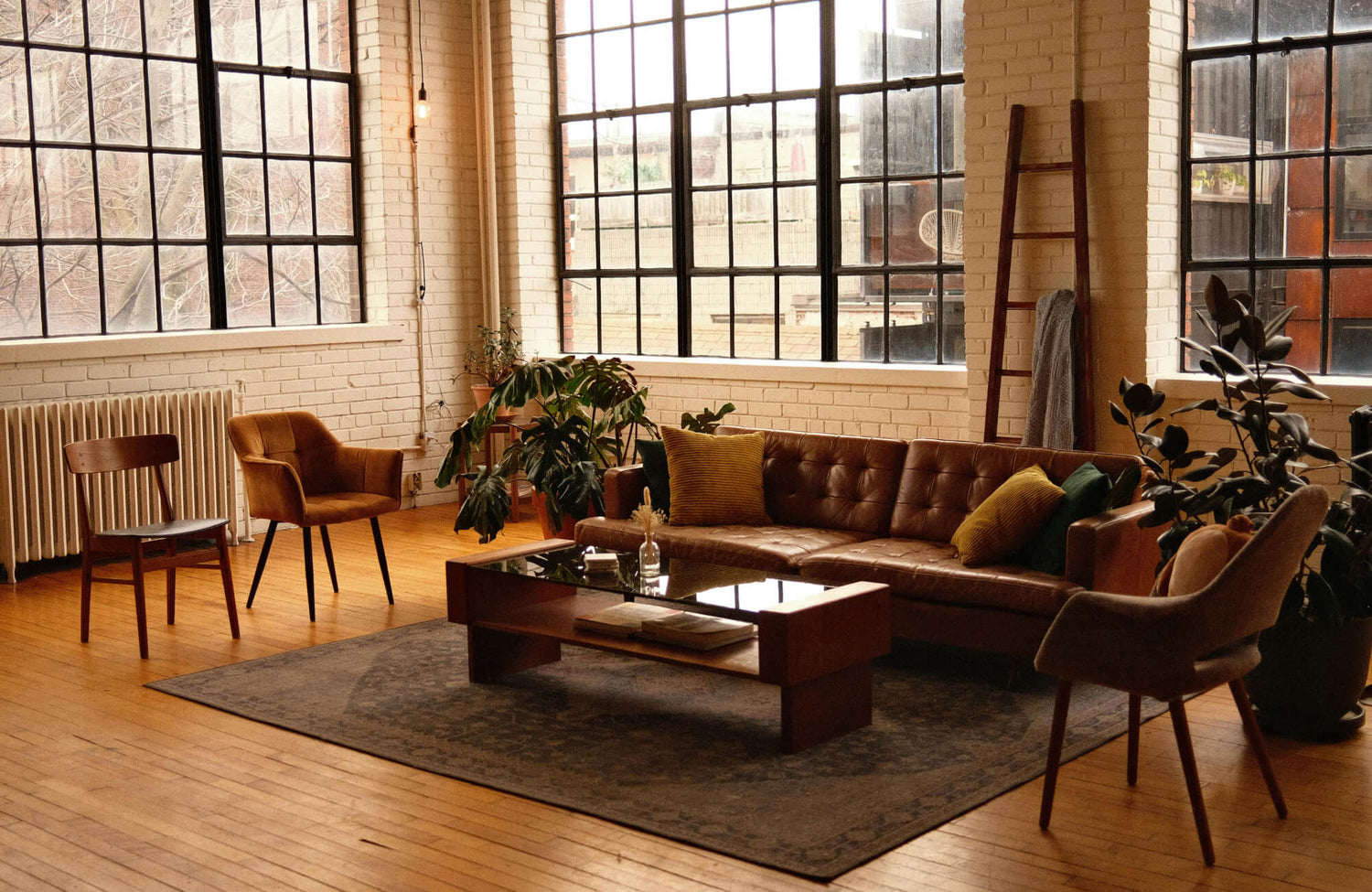
Brown rugs excel as acoustic and functional elements, softening sound in open-plan interiors while defining spatial boundaries. Unlike beige rugs that visually dissolve into the background, brown tones create a tangible sense of placement for furniture and activity zones. Moreover, this zoning extends beyond aesthetics, improving circulation flow in multi-use rooms. For instance, in a loft apartment, a brown rug can separate a workspace from a living area without physical partitions. Additionally, their darker hues conceal wear in busy transition zones, reinforcing their practical zoning role. In this way, brown rugs offer both functional structure and design coherence in expansive layouts.

Materiality, Texture, and Fiber Performance
The interaction between rug color and fiber composition influences both performance and visual impact. A brown rug emphasizes depth and richness, while a beige rug enhances texture and weave through subtle tonal play.
Natural Depth in Wool and Sisal
Brown rugs crafted from wool, sisal, or jute highlight layered undertones such as espresso, mocha, or chestnut that add complexity. Their darker pigmentation conceals dirt, stains, and pet hair, making them highly practical for daily use. Designers often recommend the durability benefits of a brown wool rug for busy areas as a decisive advantage. In addition, these rugs harmonize with wood furniture, brushed metals, and organic surfaces, reinforcing natural cohesion. Their tactile presence also enriches interiors, ensuring warmth without overwhelming subtle palettes. Ultimately, brown rugs offer both long-term resilience and versatile elegance across residential and commercial spaces.
Texture Amplification in Lighter Fibers
Beige rugs showcase weave structure and craftsmanship, especially in flatweave, silk-blend, or jute designs. Their light tone highlights patterns and shadows under directional lighting, emphasizing fine detailing. Homeowners often value the advantages of beige flatweave rugs for design-forward spaces, where subtle artistry is essential. Moreover, beige rugs bring understated texture that feels elevated yet approachable, complementing contemporary interiors effortlessly. While they require more regular care, they reward upkeep by enhancing elegance and highlighting artisanal quality. As a result, beige rugs elevate interiors with both tactile richness and timeless sophistication.
Layering Depth with Brown Rug Textures
Brown rugs highlight contrast within layered textures, enhancing interplay between matte, glossy, and natural finishes. For example, pairing a brown wool rug with polished concrete flooring emphasizes both softness and strength. Moreover, their tonal complexity draws attention to subtle textile details like fringes, embroidery, or tufting. Beige rugs, by comparison, tend to flatten contrasts, while brown maintains a layered hierarchy of surfaces. Additionally, designers use brown rugs to integrate rustic materials with sleek modern elements, achieving cohesive layering. This ability to tie together disparate textures makes brown rugs indispensable in curated, multi-material interiors.

Compatibility with Palettes and Accent Colors
The right rug color enhances how neutrals and accent tones interact within an interior. A brown rug amplifies contrast and depth, while a beige rug sustains flow and tonal harmony.
Bold Anchoring with Brown Rugs
Brown rugs bring definition and balance to interiors where lighter creams and whites dominate, ensuring the space feels structured rather than washed out. Their deeper tones ground pale upholstery and walls, creating contrast that adds visual depth and sophistication. Moreover, the interplay of brown with soft neutrals highlights subtle texture, allowing woven details and patterns to stand out beautifully. Designers often recommend brown rugs in bright, neutral rooms because they prevent light palettes from appearing flat or overly minimal. Additionally, the anchoring effect introduces warmth and stability, tying together furnishings with ease. A refined example, as shown in the photo above, is the Liddy Polyester Pile Rug in Graphite / Pearl, whose rich brown base interwoven with off-white tones demonstrates how a darker rug can anchor a room while adding subtle dimension to an otherwise neutral scheme.
Fluid Integration with Beige Rugs
Beige rugs enhance interiors by blending effortlessly with creams, whites, and soft gray tones, creating a seamless flow across the room. Rather than introducing contrast, they extend the lightness of the palette, making spaces feel open and airy. Their subtle hues also reflect natural light, which brightens compact rooms and maintains a sense of calm. Designers often recommend beige rugs in minimalist or coastal interiors where uninterrupted visual harmony is key. Additionally, their understated quality allows bold furniture, art, or accents to stand out without competition. In this way, beige rugs provide a quiet backdrop that sustains elegance and ensures interiors feel cohesive and serene.
Enhancing Natural Materials with Brown Rugs
Brown rugs intensify the authenticity of organic materials by mirroring their inherent color variations. Their earthy tones highlight the grain of hardwood flooring, the veining of natural stone, and the patina of aged leather. Moreover, this symbiosis elevates the perception of craftsmanship within the space. In minimalist interiors, brown rugs prevent natural materials from feeling sterile by reinforcing their tactile warmth. They also provide visual rhythm that beige rugs often mute, ensuring organic finishes remain a focal point. Ultimately, brown rugs heighten the narrative of nature-inspired design, grounding interiors in authenticity and material honesty.

Maintenance, Longevity, and Practical Use
Maintenance is a critical factor when choosing between a brown rug and a beige rug. Darker tones hide wear effectively, while lighter tones demand upkeep but provide unmatched brightness when preserved.
Durability Advantages of Darker Rugs
Brown rugs naturally disguise stains, dust, and pet hair, making them highly resilient for daily use. Their deeper pigments resist UV fading, ensuring longevity in sunlit rooms. Many designers highlight the practical benefits of a brown rug for busy family homes when recommending durable options. Additionally, brown rugs adapt well to busy areas like hallways, living rooms, and dining spaces. Their forgiving nature ensures visual appeal is maintained with minimal maintenance. A striking example is our Haverford Polyester Pile Rug in Platinum / Bronze, as featured in the photo above, which combines rich depth with performance-focused fibers to withstand everyday wear while retaining its sophisticated finish. This combination of practicality and design strength makes them a reliable long-term investment.
Maintenance Demands of Beige Rugs
Beige rugs require consistent cleaning to retain their crisp, fresh appearance, especially in active households. Moreover, while children and pets may pose challenges, stain-resistant fibers now make beige rugs more manageable. Homeowners often note the care requirements of beige rugs in everyday interiors as a deciding factor when purchasing. However, when maintained properly, beige rugs like the Everson Wool Blend Rug in Bone reward their upkeep by delivering unmatched elegance and brightness. Protective finishes also help prolong their beauty without diminishing aesthetic appeal. As a result, beige rugs remain a top choice for those prioritizing sophistication despite higher care needs.
Everyday Practical Benefits of Choosing a Brown Rug
Brown rugs extend beyond durability by contributing to thermal comfort and energy efficiency in interiors. Their darker tones absorb and retain warmth, which can subtly improve comfort in cooler climates. They also visually balance the coziness of layered textiles such as throws and cushions, reinforcing seasonal design shifts. Beige rugs, while airy, lack this seasonal adaptability. Additionally, brown rugs age gracefully, developing a patina that adds charm rather than appearing worn. They offer both immediate practicality and long-term aesthetic evolution that enhances the lived-in character of neutral interiors.
Creating Harmony with the Right Rug
The choice between a brown rug and a beige rug is never simply about color, but about the character it lends to a space. A brown rug enriches interiors with grounding warmth and depth, while a beige rug brings lightness, fluidity, and understated elegance. Moreover, both options enhance the beauty of neutral palettes when thoughtfully integrated with materials, finishes, and accent hues. By selecting the rug that aligns with the atmosphere and lifestyle, interiors achieve a lasting harmony that feels both sophisticated and effortlessly inviting.
To further refine your vision, Edward Martin offers personalized design services that help you select rugs and finishes tailored to your unique style. For guidance in transforming your interiors, we invite you to contact us and explore how our expertise can bring your space to life with balance and elegance!