Brick has long been a favorite for adding warmth, character, and timeless appeal to homes, but not every project calls for a full brick wall. Today, many homeowners are turning to brick tiles and porcelain brick-look tiles as practical alternatives that capture the same charm with fewer challenges. In this blog, we’ll explore the strengths of each choice to help you find the right solution for your lifestyle and design goals.

The Appeal of Traditional Brick Walls
Real brick walls carry a sense of authenticity that few other materials can match. Their solid construction represents history, craftsmanship, and permanence, making them a favorite for homeowners who want their spaces to feel rooted and timeless. Whether in rustic farmhouses or converted lofts, brick brings a sense of heritage that adds depth to any interior.
One of the biggest draws of real brick is the warmth it brings to a room. The textured surface and natural color variations create an inviting atmosphere that feels both lived-in and stylish. For example, exposed brick can instantly soften a modern setting or add character to an otherwise neutral space. This versatility makes brick a design element that never feels out of place.
Brick walls also have a unique way of aging gracefully over time. The subtle shifts in tone and texture tell a story of years gone by, which only adds to their charm. Unlike many materials that wear down, brick develops a patina that enhances its character. This evolving look is part of what makes brick such a timeless and valued feature in both classic and contemporary homes.

Why Homeowners Choose Brick Tiles
Brick tiles have become a go-to choice for homeowners who want the authentic charm of brick in a thinner, easier-to-install format. They deliver the same texture and warmth of full-sized brick while fitting seamlessly into both modern and traditional spaces.
Easier Installation Compared to Brick Walls
Brick tiles are far simpler to install than traditional brick walls because they don’t require structural reinforcement. They can be applied directly to drywall, cement board, or existing surfaces, which reduces both time and labor. This allows homeowners to achieve the look of real brick without the complexity of full masonry work. The lighter weight also makes them easier to use in places where a full brick would be too heavy.
Budget-Friendly Option Without Losing Style
Compared to full brick construction, brick tiles are a more cost-effective way to bring the same rustic character into a home. Material and labor costs are generally lower, making them accessible even for projects with modest budgets. Despite the savings, they retain the timeless style that brick is known for, whether used in kitchens, living rooms, or exteriors. This combination of affordability and authenticity makes them appealing to a wide audience.
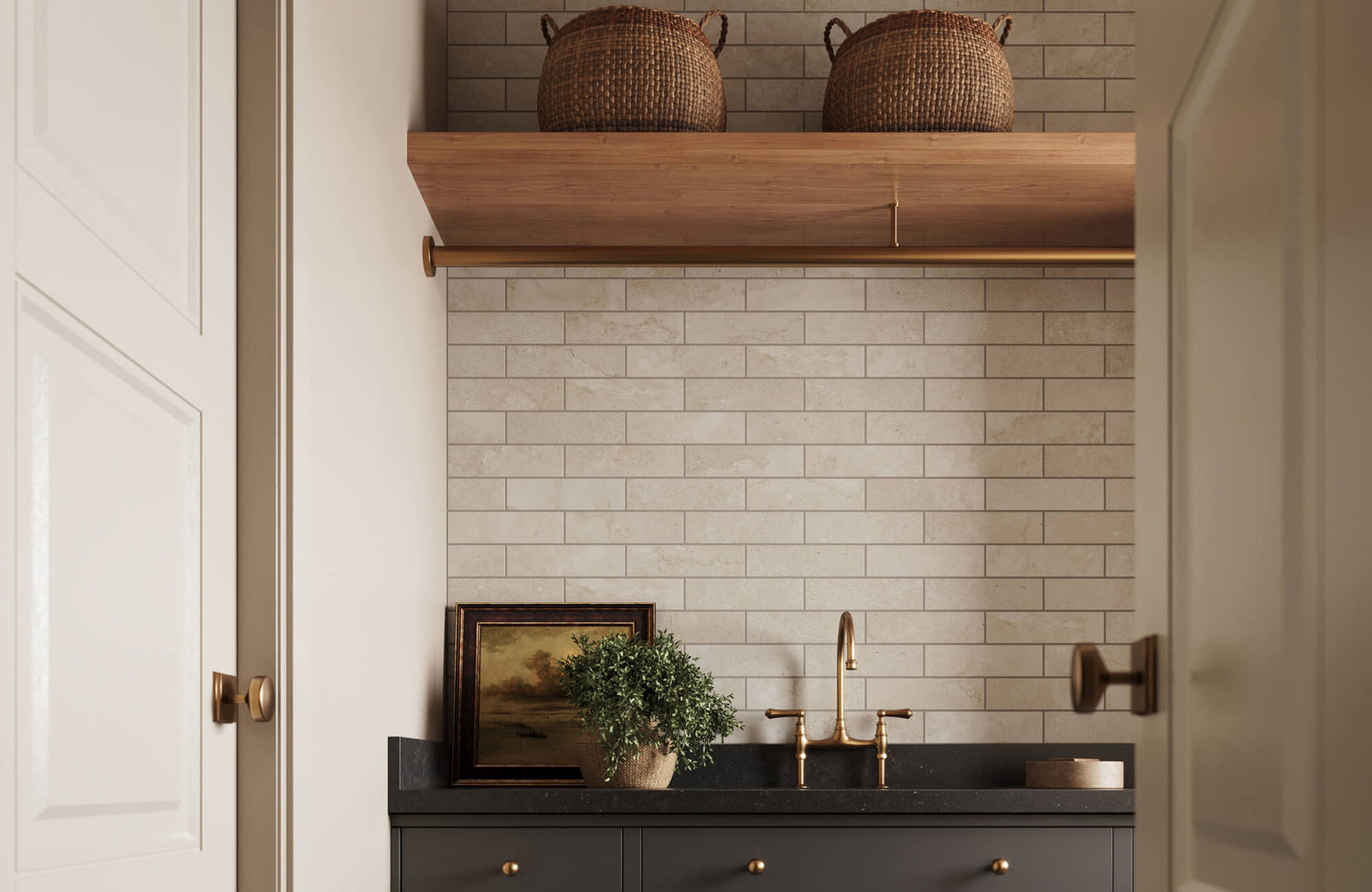
A great example is our Everett 2x10 Matte Ceramic Tile in Almond, as seen above, which delivers the look and warmth of classic brick in a thinner, budget-friendly format. Its matte finish and soft almond tones pair easily with both rustic and modern interiors. Whether used to highlight a fireplace, accent a kitchen backsplash, or define a feature wall, it balances authentic charm with affordability.
Practical for Both Small and Large Spaces
Brick tiles work well in spaces of all sizes because they bring texture and depth without overwhelming the design. In smaller rooms, they can create a cozy focal point, while in larger spaces, they help define bold accent walls or expansive features. Their availability in different shades and finishes also makes them easy to coordinate with surrounding materials. For homeowners, this practicality means brick tiles can be used almost anywhere with confidence.

Porcelain Brick-Look Tiles
Porcelain brick-look tiles stand out as one of the most reliable choices for achieving a brick-inspired look without the drawbacks of real brick. They combine strength, style, and ease of maintenance in a way that makes them ideal for today’s homes. This balance of durability and design flexibility is why they’ve become such a trusted alternative.
Durable and Water-Resistant for Any Space
Porcelain is known for its density and resistance to water, which makes it suitable for both indoor and outdoor applications. Unlike real brick, it doesn’t absorb moisture, so it holds up well in kitchens, bathrooms, or even exterior walls. This resilience means less worry about cracking, staining, or long-term damage from constant exposure to water. For homeowners, it’s a finish that offers lasting strength without the upkeep.
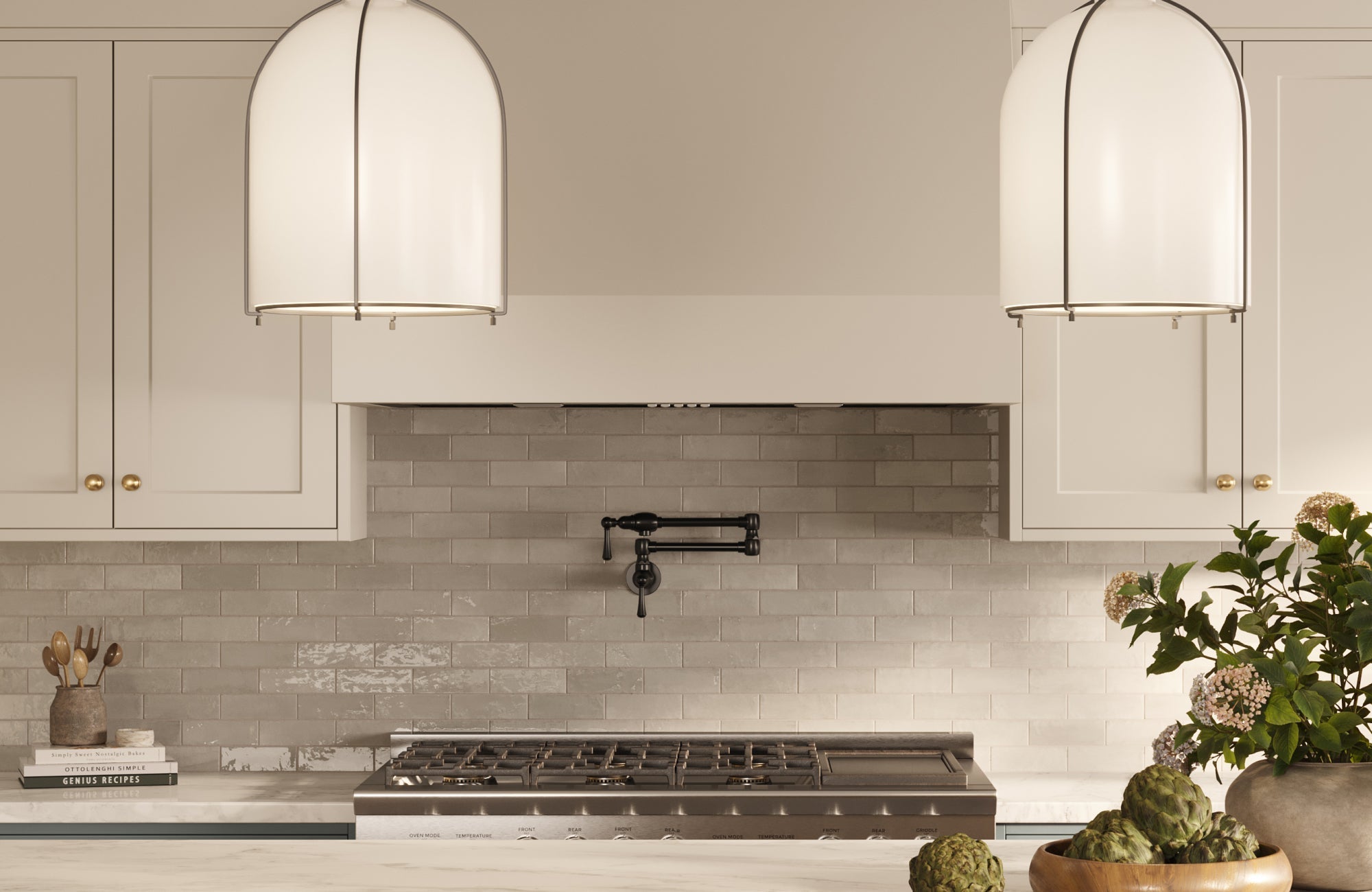
A great example is our Tory 2x10 Glossy Porcelain Tile in Ivory, as seen above, which combines the durability of porcelain with a bright, reflective finish. Its glossy surface resists moisture while adding a clean, modern look that works beautifully in bathrooms and backsplashes. By pairing water resistance with timeless style, it shows how porcelain tiles can be both practical and visually striking.
Versatile Design Options for Modern and Rustic Styles
Another advantage of porcelain brick-look tiles is their wide range of styles and colors. They can replicate the worn character of vintage brick for rustic interiors or present a cleaner, more uniform look for modern spaces. For example, lighter shades work beautifully in contemporary kitchens, while darker, weathered tones enhance industrial-style living rooms. This versatility makes porcelain tiles a fit for nearly any design direction.
Low-Maintenance Choice for Kitchens, Bathrooms, and Exteriors
Porcelain brick-look tiles are also a favorite because of how easy they are to care for. They resist stains, wipe down quickly, and don’t require the sealing or upkeep that real brick often demands. This makes them especially practical in high-use areas like showers, backsplashes, and outdoor walls. Homeowners get the charm of brick with the convenience of a material that stays looking fresh with minimal effort.

Comparing Aesthetics: Authentic vs. Brick-Look
Both real brick and porcelain brick-look tiles can transform a space, but they deliver slightly different visual experiences. Real brick carries a raw, timeworn character, while porcelain tiles replicate the look with greater consistency and design control.
Realism of Brick Tiles vs. Raw Character of Brick
Porcelain brick-look tiles have come a long way in replicating the details of real brick. Digital printing allows for variations in color and texture that mimic natural imperfections. Still, real brick offers a depth and irregularity that feels organic and unique to each piece. For homeowners, the choice comes down to whether they prefer the authenticity of natural character or the polished consistency of manufactured design.
How Grout Shapes the Visual Effect
Grout contributes differently to the look of real brick versus porcelain brick tiles. With traditional brick walls, mortar joints are wider and more textured, becoming a visible part of the design. In contrast, porcelain tiles often use thinner grout lines, which create a sleeker, more uniform appearance. The color choice also plays a role, as matching grout blends seamlessly, while contrasting grout highlights each tile for a bolder statement.
Styling Tips for Each Option
Real brick works especially well in spaces where character and history are part of the design story, such as lofts or rustic kitchens. Porcelain brick-look tiles, on the other hand, fit seamlessly into contemporary settings where a controlled and uniform appearance is preferred. They’re also a smart way to add texture without overwhelming the room. Choosing between the two often comes down to how much personality versus precision you want in your space.

Practical Considerations Before You Decide
When choosing between brick walls and brick-look tiles, it’s important to think beyond appearances. Factors like budget, installation, and long-term care play a major role in which option works best for your home. Considering where the surface will be installed, indoors or outdoors, also helps narrow down the most practical choice.
Budgeting for Materials and Labor
Cost is often one of the biggest differences between brick and tile. Real brick requires more material and skilled labor, which can quickly raise expenses. Brick-look tiles, on the other hand, tend to be more affordable and less labor-intensive to install. For homeowners, this makes tiles a budget-friendly alternative that still delivers the look of brick without the higher investment.
Suitability for Different Applications
Where you plan to use the surface is another key factor. Real brick works well in exterior walls or load-bearing applications, but it’s not always ideal for smaller indoor spaces. Brick-look tiles offer more flexibility, fitting easily into kitchens, bathrooms, or accent walls where full brick would be too heavy. This adaptability makes tiles a better choice for spaces that need style without structural changes.
Long-Term Maintenance and Upkeep
Maintenance is also an area where brick and tile differ significantly. Real brick can absorb moisture and dirt, often requiring sealing and regular care to keep it in good shape. Porcelain brick-look tiles, by contrast, resist water and stains, making them far easier to maintain over time. For homeowners seeking a low-maintenance solution, tiles provide the charm of brick without the extra work.
Weight and Structural Considerations
Real brick is much heavier than tiles, which can add pressure to walls and require additional structural support. This makes it more challenging to use in renovations or on upper floors. Brick-look tiles provide the same aesthetic without the added weight, allowing them to be installed in a wider variety of spaces. For many homeowners, this makes tiles a more practical option during remodeling projects.
Climate and Environmental Factors
Local climate can also influence which material performs best. In areas with high humidity or frequent rain, brick may require more upkeep to prevent damage or mold growth. Porcelain brick-look tiles are less porous, making them better suited for moisture-prone environments. Factoring in the local climate helps ensure your choice holds up well over time.
Resale Value and Market Appeal
Both brick walls and brick-look tiles can add value, but in different ways. Real brick appeals to buyers looking for authenticity and craftsmanship, while tiles appeal to those who prefer a low-maintenance home. For example, a buyer focused on easy care may find porcelain tiles more attractive than a brick wall that needs sealing. Thinking about resale can guide your decision if you plan to sell in the future.
Visualizing Your Design Choices With AR Tools
Our AR Visualization Tool makes it easy to see how brick or porcelain tiles will look in your home before installation. With just your phone or tablet, you can preview designs in real time, swap options instantly, and narrow down your favorites with confidence. From there, you can also order $2 cut samples to confirm the look and enjoy 5% off your first order. It’s a simple way to blend inspiration with practicality when making design decisions.
Finding the Right Option for Your Home
Choosing between brick walls and brick tiles ultimately comes down to lifestyle, budget, and the kind of look you want in your space. Real brick delivers unmatched authenticity and character, while brick tiles and porcelain alternatives offer convenience, flexibility, and easier upkeep. Both options carry unique strengths, and understanding where they fit best ensures your home feels both stylish and practical.
If you’re still weighing your options, a professional design consultation can help clarify the right path for your project. An expert can walk you through materials, finishes, and layout choices that align with your goals and daily needs. With the right guidance, you’ll be able to create a space that combines timeless appeal with modern functionality, making your brick-inspired design both beautiful and easy to live with.