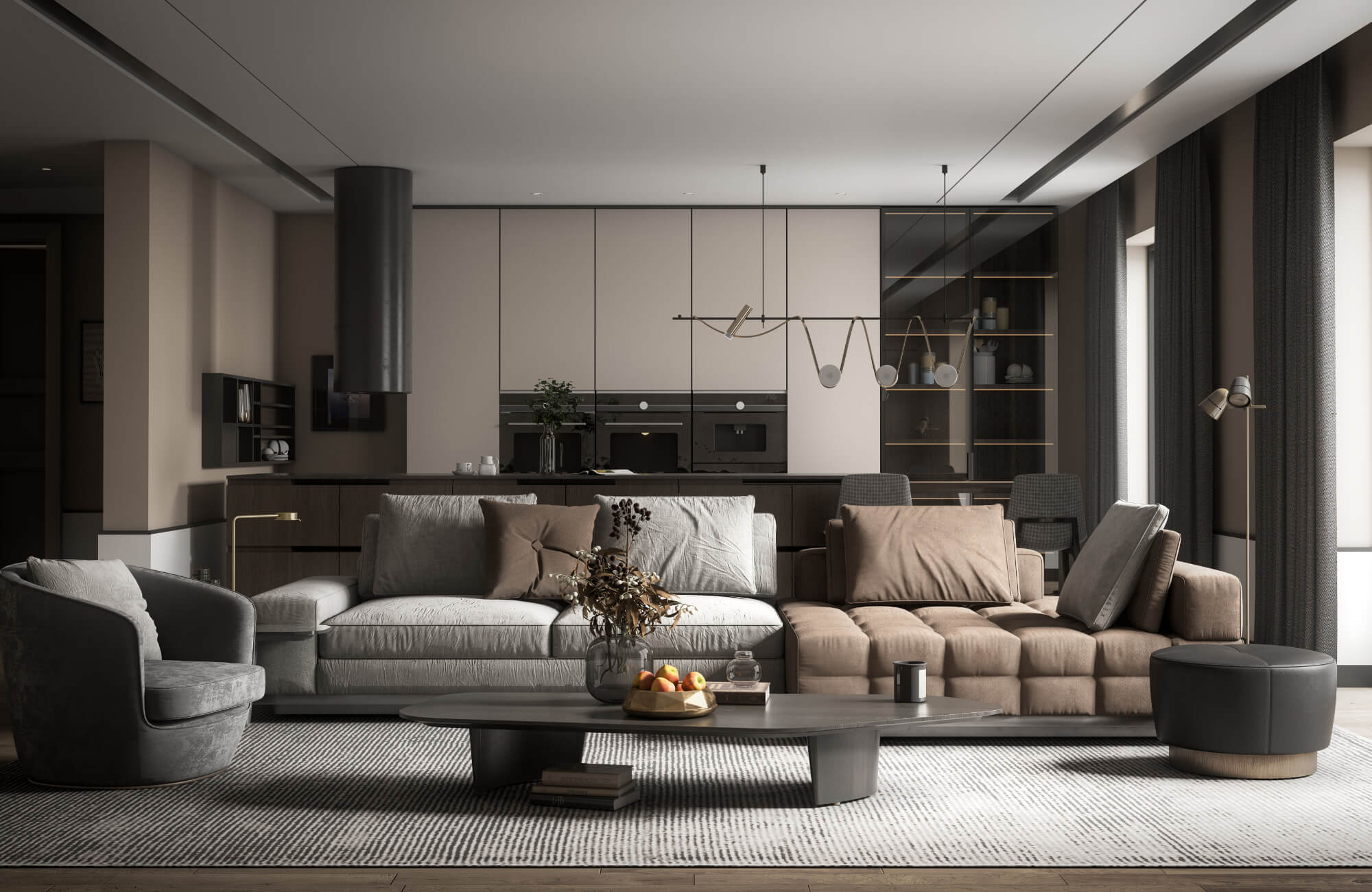
There is something undeniably timeless about the quiet luxury of a wool rug with its soft texture, natural warmth, and enduring beauty. Crafted from renewable fibers that have been prized for centuries, wool rugs bring together artistry, functionality, and eco-friendly design in a way few materials can match. Their ability to withstand frequent use, regulate indoor climates, and even enhance air quality makes them more than just decorative pieces—they are investments in comfort and longevity.
Yet in a world filled with affordable synthetic alternatives, many homeowners still wonder whether the higher cost of wool is truly justified. Exploring the advantages and disadvantages of wool rugs reveals why they remain one of the most sought-after choices for elegant, sustainable, and long-lasting flooring.

The Natural Composition of Wool Rugs
The unique structure of wool fibers gives these rugs properties that set them apart from synthetic choices. By looking closely at how wool is formed and the benefits it naturally provides, it becomes clear why these rugs are still considered one of the highest-quality flooring options available today.
Fiber Structure and Keratin-Based Composition
At the heart of every wool rug is keratin, a protein-based fiber that provides both strength and elasticity, allowing the rug to remain resilient under pressure. Because the fibers feature overlapping cuticle scales, they naturally repel dust and dirt particles, slowing down the soiling process and making cleaning easier. This microscopic design also means wool rugs maintain their vibrancy and structure longer than smooth synthetic fibers, which are prone to flattening.
The elasticity of wool enables it to recover after daily use, helping the rug keep its original texture and character. Over time, this structural resilience ensures wool rugs continue to look elegant and perform well, even in spaces that experience regular activity.
Thermal Insulation and Acoustic Benefits
Beyond appearance, wool rugs contribute to overall comfort by regulating temperature and sound within a room. Their cellular structure traps warm air during colder months and releases it when temperatures rise, helping to create a more stable indoor climate. At the same time, the dense pile absorbs sound waves, reducing echoes and creating a quieter environment in homes with open layouts or hard flooring.
This balance of thermal and acoustic benefits makes wool rugs highly functional in both modern and traditional spaces. Unlike synthetic rugs, which often lack these natural qualities, wool enhances not only the look of a room but also the comfort of daily living. By blending aesthetic appeal with practical advantages, wool rugs elevate the home in ways that extend beyond surface design.
Fire Resistance and Safety Advantages
Another important benefit of wool rugs lies in their natural fire resistance, which enhances household safety. Wool fibers have a high ignition threshold and, when exposed to flames, they char and self-extinguish instead of melting or releasing toxic fumes. This makes them a safer option in homes with fireplaces, candles, or heating equipment, where accidents could otherwise pose risks.
Unlike synthetic rugs, which can produce harmful emissions when burned, wool provides peace of mind alongside style. A great example, as displayed in the picture above, is Edward Martin’s Mallory Wool Pile Rug in Aloe, which combines natural fire resistance with a refined design, offering both protection and beauty in everyday living spaces. For families who value both elegance and safety, this property is especially reassuring. Choosing wool means selecting a rug that is as protective as it is beautiful.

Durability and Longevity in Busy Areas
Few materials rival wool when it comes to long-term resilience, particularly in areas where rugs are subject to constant use. Its natural elasticity and strength allow it to perform reliably in busy spaces while maintaining both form and beauty.
Resistance to Compression and Heavy Use
Wool fibers possess a natural crimp that works like a spring, allowing them to bounce back after compression. This means heavy furniture leaves fewer permanent marks, and areas exposed to constant footsteps maintain their softness and structure over time. In households where activity is high, this resilience ensures wool rugs continue to look welcoming and refined. Unlike synthetic rugs, which often flatten or wear quickly, wool retains its integrity even after years of use. This not only keeps living spaces attractive but also reduces the need for frequent replacements. For buyers who want rugs that remain durable in busy areas, wool stands out as a lasting investment.
Longevity of Hand-Knotted and Hand-Tufted Rugs
The craftsmanship of wool rugs plays a major role in their endurance, with hand-knotted varieties offering exceptional longevity. Each knot is individually tied, creating a dense weave that resists unraveling and withstands decades of wear. Hand-tufted wool rugs, while less labor-intensive, still offer significantly greater durability than machine-made alternatives. The higher the knot density, the stronger and more resilient the rug becomes under pressure. As a result, artisanal wool rugs often become heirlooms, passed down through generations as both decorative pieces and functional floor coverings. Their ability to combine artistry with durability sets them apart as investments that offer value far beyond surface appeal.
Natural Stain Resistance and Fiber Resilience
Durability in wool rugs extends to their ability to resist everyday stains, thanks to lanolin, a natural wax coating on each fiber. This protective layer repels liquid long enough to allow for easier cleanup, significantly reducing the chance of permanent marks. While spills should still be addressed promptly, wool rugs provide more forgiveness than most synthetic alternatives. Coupled with the fiber’s elasticity, which helps it recover after compression, this resistance also ensures wool rugs remain beautiful despite the challenges of daily living. Families with children or pets particularly benefit from these qualities, as the rugs withstand the demands of active households. Together, these features highlight why wool remains one of the most practical and stylish rug materials available.

Maintenance and Cleaning Considerations
Caring for wool rugs requires awareness of their natural properties, but when managed correctly, they retain both beauty and durability for decades. With thoughtful maintenance, these rugs prove to be far less delicate than many homeowners initially assume. For best results, always follow the manufacturer’s guidelines for care and cleaning.
Routine Care and Vacuuming Practices
Regular vacuuming is essential for preventing dirt from embedding deeply into the fibers, which can cause premature wear. A suction-only vacuum works best, as rotating brushes may damage the pile and strip the lanolin coating. Shedding is also common during the first few months, but it lessens as loose fibers naturally settle. By adopting a gentle cleaning routine, homeowners preserve wool’s natural oils, which help maintain resilience and softness. Over time, consistent care allows the rug to retain both its vibrant appearance and its structure. These habits ensure wool rugs remain as inviting as they are long-lasting.
Moisture Sensitivity and Mold Risks
Because wool is hygroscopic, it absorbs and releases moisture based on surrounding conditions. While this property helps regulate indoor humidity, excessive dampness can create a risk of mold and mildew. Placement, therefore, is key to protecting wool rugs; avoiding basements, bathrooms, or other humid environments minimizes potential damage. Using a breathable rug pad can also enhance airflow, keeping the rug healthier for longer. When paired with a stable indoor climate, these preventive steps safeguard wool from unnecessary wear. With the right conditions, wool rugs thrive while continuing to contribute to overall comfort.
Professional Cleaning and Fiber Preservation
Although routine care is effective for surface maintenance, periodic professional cleaning is essential for preserving wool’s integrity. Expert cleaners use pH-balanced solutions and specialized drying methods that protect the fibers without stripping lanolin. By contrast, improper steam cleaning or harsh detergents can cause fibers to weaken, reducing both beauty and durability. Professional treatment also restores vibrancy while ensuring the rug retains its natural protective qualities. Scheduling deep cleaning every few years supports longevity and keeps the rug looking its best. For those who view wool rugs as long-term investments, professional care is an important part of ownership.

Environmental and Health Benefits
Wool rugs bring more than aesthetic and functional value—they also support eco-conscious living and healthier indoor spaces. Their natural and renewable qualities make them an ideal choice for households seeking sustainable flooring solutions.
Renewable and Biodegradable Material
Sheep’s wool is shorn annually in a renewable cycle that does not harm the animals, making it an environmentally responsible material. At the end of its life, wool rugs decompose naturally, enriching soil rather than contributing to landfill waste. This stands in stark contrast to synthetic rugs, which are petroleum-based and non-biodegradable. Choosing wool also reduces reliance on unsustainable resources while promoting a circular use of materials. It embodies sustainability without requiring any compromise in quality or style. For eco-conscious homeowners, this balance of luxury and responsibility offers a compelling reason to invest.
Indoor Air Quality Improvement
Unlike synthetic rugs that may emit VOCs, wool actively improves air quality by absorbing common indoor pollutants. Its fibers permanently bind compounds such as nitrogen dioxide and formaldehyde, preventing them from re-entering the air. This makes wool rugs especially valuable for households with children, older adults, or those with respiratory sensitivities. Over time, this filtering ability creates an environment that feels fresher and healthier. Instead of adding to indoor pollution, wool actively works against it, making every room feel more balanced. A prime example is the Sweeney Wool Pile Rug in Graphite (photo above), which combines these air-purifying benefits with a refined, modern aesthetic—bringing together health-conscious living and timeless design.
Natural Humidity Regulation
As mentioned, wool’s hygroscopic nature allows it to adapt to environmental changes, helping regulate indoor humidity levels naturally. When the air is damp, wool absorbs excess moisture; when the air is dry, it releases stored water vapor. This balancing act also prevents rooms from feeling overly dry in winter or overly humid in summer. The result is a more comfortable and stable indoor climate year-round. Unlike synthetic fibers, which remain static, wool dynamically responds to environmental conditions. This natural regulation enhances comfort while contributing to a healthier home atmosphere.

Cost, Investment Value, and Market Comparisons
Although wool rugs require a higher initial investment than many synthetic alternatives, their durability and longevity make them cost-effective in the long run. When viewed as both functional décor and a long-term asset, their value becomes clear.
Price Ranges and Craftsmanship Factors
The cost of wool rugs varies depending on construction methods and craftsmanship. Machine-made rugs provide a more budget-friendly entry point, often starting in the mid-hundreds. By contrast, hand-knotted rugs, especially those from regions like Persia or Tibet, may reach several thousand dollars. In addition, factors such as knot density, pile height, and dye quality all influence pricing. While the upfront cost may seem high, the result is a rug that maintains its appeal for decades. Buyers who invest in wool rugs are not simply purchasing décor but acquiring a piece of craftsmanship and heritage.
Resale and Heirloom Potential
One of the distinguishing features of high-quality wool rugs is their ability to appreciate in value. Unlike synthetic rugs that depreciate quickly, handwoven wool rugs often become heirlooms that are passed down through generations. Their timeless designs and durability also ensure they remain desirable on the secondary market. Collectors prize them for both their artistic and practical qualities. Families who own these rugs gain the dual benefit of décor and investment. This ability to retain or even increase value sets wool rugs apart in the world of home furnishings.
Comparing Wool with Synthetic Alternatives
When comparing wool with synthetic rugs, the differences extend well beyond appearance and cost. While synthetics are budget-friendly, they typically last only 5–10 years before fading, flattening, or showing wear. Wool, on the other hand, maintains its integrity for decades when properly cared for, greatly reducing the need for frequent replacement and lowering its long-term cost of ownership.
A perfect example, as featured in the picture above, is our Mallory Wool Pile Rug in Forest, which delivers sustainable craftsmanship, rich texture, and timeless style at an accessible entry point. For those who appreciate the durability of wool but also want a slightly lighter option, the Lafferty Wool Blend Rug in Dove offers a wool-and-cotton blend that still provides durability and eco-friendly design, making it a stronger and more sustainable choice than synthetics. Together, these options demonstrate that whether pure wool or blended, natural fiber rugs consistently outperform disposable synthetic alternatives in both longevity and environmental value.
Lasting Value of Wool Rugs
Wool rugs stand apart as more than simple floor coverings, offering a blend of natural beauty, strength, and sustainability that enriches any interior. Their ability to last for decades while elevating comfort and design makes them a worthwhile investment for those who value quality and longevity. Although the upfront cost is higher, the enduring value, eco-friendly benefits, and timeless style far outweigh short-lived alternatives. Choosing a wool rug is not just a design decision but a commitment to lasting elegance and thoughtful living.
For homeowners seeking guidance in selecting the right wool rug, Edward Martin’s design services provide personalized support tailored to your style and space. From choosing the perfect texture and palette to finding pieces that balance function with artistry, our team ensures each rug enhances your home with sophistication. To explore our curated collections or speak directly with a design specialist, contact us today and take the first step toward creating interiors that combine beauty, durability, and comfort!