Hardwood floors can look great at first, but the moment you start thinking about scratches, spills, or humidity, the decision becomes less straightforward. That is where wood look tiles start to make more sense, especially if you want that same warmth without constantly worrying about maintenance. The real question is whether they actually deliver on that promise. In this blog, we’ll explore how wood look tiles perform, where they work best, and whether they are the right fit so you can confidently choose what works best for your home.

The Appeal of Wood Looking Tiles
Wood look tiles give you the warmth and character of hardwood, but with far fewer limitations once you start living with them day to day. They are designed to handle real-life conditions while still delivering a style that feels natural and inviting. If you are looking for something that balances visual appeal with long-term practicality, this is where they really stand out.
Versatile Aesthetic Options
One of the reasons wood look tiles feel so easy to work with is the range of styles available. You are not locked into a single tone or grain pattern, which makes it easier to match your flooring with the rest of your home. Whether you lean toward lighter, more relaxed interiors or something deeper and more dramatic, there is an option that fits naturally. Many designs also include subtle variations in color and grain, which helps avoid that overly uniform look. This gives your space a more layered and realistic feel without the unpredictability of natural wood. Over time, that balance makes the flooring feel intentional rather than forced.
What also makes a difference is how flexible these tiles are when it comes to layout. You are not limited to standard straight planks, so you can explore patterns that bring more movement into the space. Layouts like herringbone or chevron can shift the entire feel of a room, making it look more refined or more dynamic depending on your choice. With traditional hardwood, these patterns often come with higher costs and more complex installation. With tile, the process tends to be more manageable while still giving you that custom look. For homeowners, that means you can be more creative without adding unnecessary stress to the project.
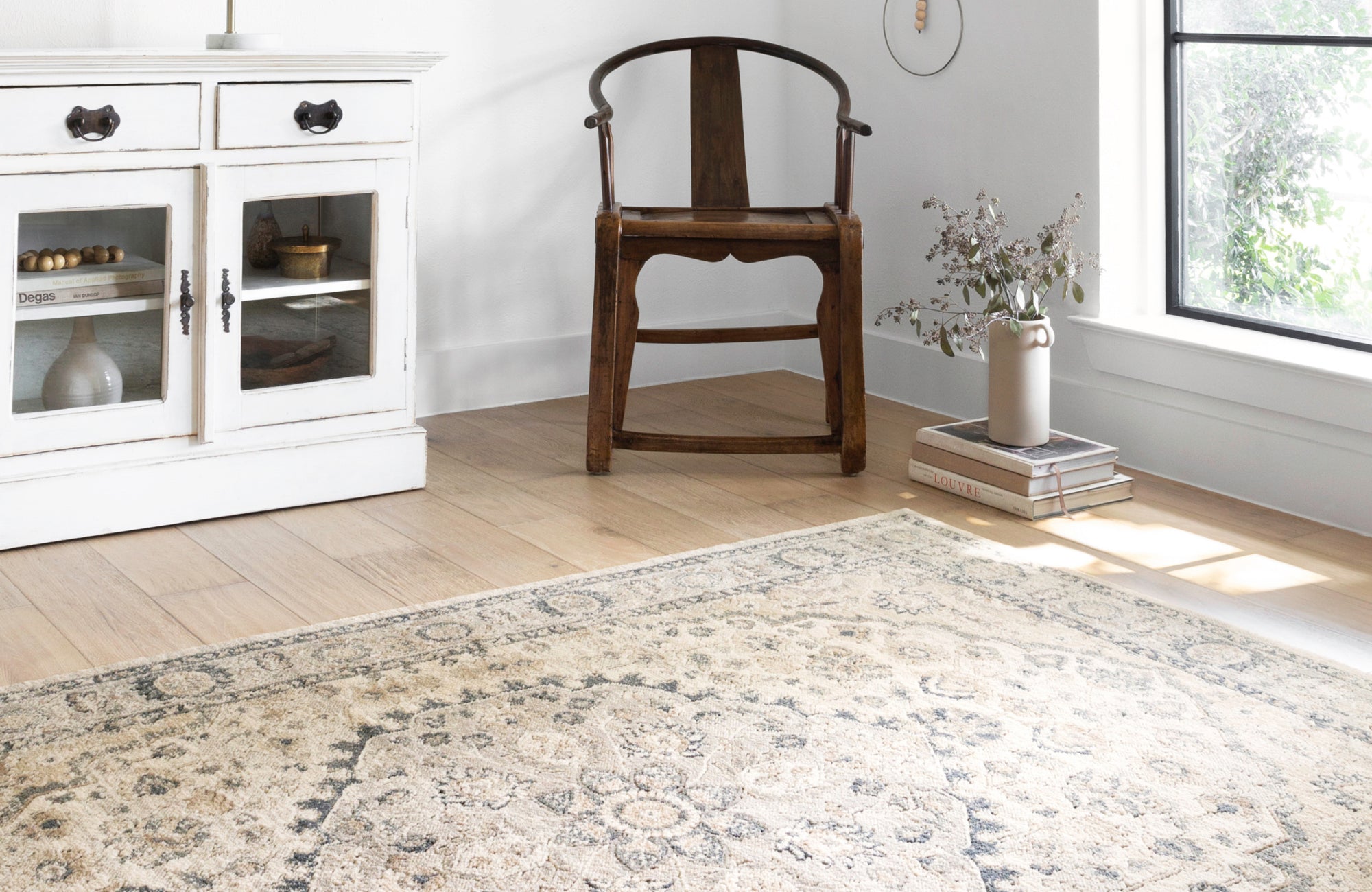
A great example of this kind of flexibility is our Jameson 8x48 Matte Porcelain Tile in Camel, featured above. Its golden brown tone and delicate grain pattern mirror the look of premium hardwood while offering the consistency and durability of porcelain. The matte surface softens the overall finish, making it easy to work into both cozy and more refined interiors. With its plank format and versatility across floors and walls, it gives you the freedom to shape your space without being limited by material constraints.
Compatibility With Radiant Heating
If comfort plays a big role in how you design your home, this is where wood look tiles really make sense. Walking on a warm floor during cooler mornings or evenings is something you notice right away. Unlike hardwood, which reacts to temperature changes, tile stays stable even when exposed to consistent heat. This means you can pair it with radiant heating systems without worrying about long-term damage. It is a simple upgrade that can make everyday routines feel more comfortable.
Another benefit is how evenly the tile distributes heat across the surface. Once warmed, it holds that temperature well, which helps avoid cold spots and keeps the space feeling consistent. This works especially well in areas like bathrooms and bedrooms, where comfort tends to matter most. It also means your heating system can run more efficiently since the warmth is retained longer. For homeowners looking to combine comfort with durability, this pairing offers a more reliable solution. It is one of those details that quietly improve how your home feels over time.
Eco-Friendly and Sustainable Choice
If sustainability is something you are considering in your design decisions, wood look tiles offer a more responsible alternative. They give you the appearance of natural wood without relying on harvesting timber, which helps reduce pressure on forests. At the same time, materials like porcelain and ceramic are made from naturally available resources, making them a more conscious choice overall. This allows you to achieve a wood-inspired look without the environmental trade-offs that often come with real hardwood. It is a way to stay aligned with both style and long-term impact.
Durability also plays a role in sustainability, even if it is not always the first thing people think about. Because wood look tiles are built to resist wear, moisture, and everyday use, they do not need to be replaced as often. That means fewer materials are used over time, and less waste is created in the long run. For homeowners, this creates a more practical approach to designing a space that lasts. You are not just choosing something that looks good today, but something that continues to perform well years down the line.

Comparing Wood Look Tiles to Natural Hardwood
At first glance, wood look tiles and natural hardwood can look very similar, but once you start thinking about daily use, the differences become more noticeable. It is not just about appearance, but how each material performs, ages, and fits into your routine over time. Looking at factors like durability, maintenance, and cost can help you decide what truly works for your space.
Durability
If your home sees a lot of movement day to day, durability quickly becomes one of the most important factors to consider. Hardwood floors are known for their natural beauty, but they are also more sensitive to scratches, dents, and moisture. Over time, things like furniture movement, pet activity, or even small spills can leave visible marks. In spaces like kitchens or bathrooms, this can become more noticeable much faster. That often leads to repairs or refinishing just to keep the floor looking consistent.
Wood look tiles are designed to handle that kind of everyday use with much less concern. They resist scratches, moisture, and stains, which makes them easier to live with in both busy and moisture-prone areas. You do not have to worry about expansion, warping, or long-term damage caused by humidity changes. This makes them a strong option not just indoors, but also in areas like patios or entryways. For homeowners who want something that holds up without constant attention, this is where tile becomes the more practical choice.
Finishes
When it comes to finishes, both materials give you a range of looks, but the way they age is very different. Hardwood finishes can highlight the depth and character of the grain, whether you prefer matte, satin, or something more polished. However, these finishes sit on the surface, which means they can wear down over time. You might start to notice dull spots, scratches, or uneven areas, especially in spaces that are used more often. Keeping them looking their best usually involves refinishing at some point.
Wood look tiles take a different approach, since the finish is built into the surface through glazing and printing techniques. This means the appearance stays more consistent over time without needing to be redone. You still have options, from smoother finishes to more textured surfaces that mimic natural wood. The difference is that the look holds up without the same level of maintenance. For homeowners, this means less upkeep while still achieving the style they want.
Sizes
Size can have a bigger impact on your space than you might expect, especially once everything is installed. Hardwood typically comes in more standard plank widths and lengths, which can limit how much you can vary the overall layout. Wider planks are available, but they often come with higher costs and additional installation considerations. Because wood reacts to humidity, larger boards can also be more sensitive to movement over time. This means more planning is needed to prevent issues like warping.
Wood look tiles give you more flexibility when it comes to sizing and layout. You can choose from a range of plank sizes, including longer formats that create a more continuous and open feel. This works especially well in larger or open-concept spaces where you want fewer visual breaks. Since tile does not expand or contract in the same way, you can carry the layout across multiple areas more easily. For homeowners, that flexibility allows for more creative design without adding extra complications.
Costs
When you start comparing costs, it helps to look beyond the initial price and think about long-term expenses. Hardwood flooring can vary widely depending on the type of wood you choose, with some options being more affordable and others significantly higher. On top of that, there are ongoing costs like refinishing, repairs, and maintenance products. Over time, those additional expenses can add up more than expected. It is something that often gets overlooked at the beginning.
Wood look tiles tend to have a more predictable cost range, which can make planning easier. While installation may require more effort upfront, the long-term savings often balance that out. You are not dealing with refinishing or frequent repairs, which reduces ongoing costs. This makes it a more stable investment over time. For homeowners looking to balance style with practicality, this can be a more comfortable financial choice.
Maintenance
Maintenance is where the day-to-day difference really becomes clear. Hardwood floors require regular care, including careful cleaning and occasional refinishing to keep them looking their best. You also have to be mindful of moisture, since spills or humidity can affect the surface if not handled properly. Even small habits, like using the wrong cleaner, can cause damage over time. It takes a bit more attention to maintain that original look.
Wood look tiles simplify that routine quite a bit. Regular sweeping and occasional mopping are usually enough to keep them clean. Because they handle moisture well, they work better in spaces where spills or humidity are more common. You do not need specialized products or extra steps to maintain their appearance. For many homeowners, the ease of maintenance is one of the biggest reasons they make the switch.

Best Applications for Wood Look Tiles
Wood look tiles are one of those materials that adapt easily to different parts of the home, which makes planning your space feel more flexible from the start. Instead of worrying about where you can or cannot use them, you can focus more on how you want each area to look and feel. Their durability and moisture resistance open up options that traditional wood usually cannot handle. Because of that, they work just as well in functional spaces as they do in more design-focused areas.
Living Rooms and Bedrooms
In living rooms and bedrooms, wood look tiles help create a warm and grounded atmosphere without adding extra maintenance to your routine. They bring in that familiar wood-inspired look, which makes the space feel more inviting and comfortable right away. Unlike real wood, you do not have to worry as much about scratches from furniture or daily movement, which helps the floor stay consistent over time. This makes it easier to style your space without constantly thinking about wear and tear. You can also experiment with different layouts to subtly change how the room feels, whether you want something classic or a bit more modern. For homeowners, this creates a balance between comfort, style, and long-term ease.
Kitchens and Bathrooms
Kitchens and bathrooms are where wood look tiles really start to show their practical side. These are spaces where moisture, spills, and daily use are unavoidable, which can be challenging for traditional wood flooring. With tile, you get that same warm look without having to be overly cautious about water exposure. This makes cleaning more straightforward and reduces the risk of long-term damage. In bathrooms, they can also soften the overall feel of the space, making it feel less cold compared to standard tile surfaces. Over time, this combination of comfort and durability makes a noticeable difference in how easy these areas are to maintain.
Hallways, Entryways, and Laundry Areas
These areas tend to deal with constant movement, making durability a top priority. Hallways and entryways often experience dirt, moisture, and repeated use, which can quickly wear down more delicate materials. Wood look tiles hold up well under these conditions, helping your floors stay consistent even in the most used parts of the home. In laundry areas, where spills and humidity are more common, they offer an added layer of protection without sacrificing style. You also do not have to be as concerned about tracking in water or debris from outside. For homeowners, this means less worry and a more reliable surface in the areas that need it most.
Showers and Feature Walls
Wood look tiles are not limited to floors, as they also work well on walls where you want to add texture and warmth. In showers, they can create a more spa-like feel while still handling constant moisture exposure. This gives you the look of wood in a space where real wood would not be practical. On feature walls, they can add depth without making the room feel too heavy or overly designed. Vertical installations, in particular, can make a space feel taller and more refined. This makes them a strong option if you want to introduce visual interest without complicating the overall design.
If you are looking to achieve that effect, our Zayne 12x36 Matte Ceramic Tile in Slat, shown above, is a strong example of how this can come together. Its fluted surface creates a continuous linear flow that adds dimension without overwhelming the space. The oak-toned finish keeps the look warm and natural, while the elongated format helps emphasize height and openness. It works especially well in showers, backsplashes, and accent walls where texture can make a noticeable difference. With its durability and easy maintenance, it gives you that elevated look without adding complexity to your routine.
Patios and Outdoor Living Areas
Outdoor spaces are another area where wood look tiles offer a clear advantage. Real wood requires regular sealing and upkeep to handle weather changes, while tile is built to withstand sun, rain, and temperature shifts more easily. This makes patios, pool areas, and covered outdoor spaces much easier to maintain over time. You can create a cohesive look by extending the same flooring style from indoors to outdoors, which helps the space feel more connected. It also allows you to design outdoor areas that feel just as considered as your interiors. For homeowners, this creates a smoother transition between spaces without adding extra maintenance demands.

Installation Considerations
Getting the installation right is what really determines how your wood look tiles will perform over time. Even the best material can fall short if the foundation, layout, or finishing details are not handled properly. Thinking through these steps early helps avoid issues later and makes the entire space feel more polished once everything is in place. A well-installed floor does not just look better, it also lasts longer and requires less maintenance.
Subfloor Preparation and Layout
Before any tile is placed, the condition of the subfloor sets the tone for the entire installation. If the surface is uneven or not properly prepared, it can lead to issues like cracking, shifting, or hollow spots over time. Installers usually take the time to level the surface and address any inconsistencies so the tiles sit evenly. Layout planning also plays a big role, especially with wood look planks that are meant to mimic natural flooring. Staggering patterns and spacing need to feel intentional to avoid a repetitive or artificial look. When done right, the result feels more natural and balanced across the entire space.
Grout Selection and Maintenance
Grout may seem like a small detail, but it has a noticeable impact on the final look of your floors. The color you choose can either blend the planks together or highlight each individual tile. Lighter tones tend to create a more seamless, wood-like appearance, while darker grout can add contrast and definition. Beyond appearance, grout also plays a functional role in keeping moisture and debris from settling between tiles. Proper sealing helps protect it from stains and discoloration, especially in areas that see frequent use. With the right choice and a bit of upkeep, grout helps maintain both the look and durability of the installation.
Choosing the Right Tile Orientation
The direction you install your tiles can subtly change how a room feels. Running planks lengthwise can make a space appear longer, while laying them across the width can help a room feel more open. In smaller areas, this decision can have a noticeable effect on how spacious the room feels once everything is complete. It also helps guide how the eye moves through the space, especially in open layouts. Taking the time to plan orientation before installation can make the design feel more intentional. It is a simple decision that has a strong visual impact.
Managing Expansion and Movement
Even though wood look tiles are more stable than hardwood, proper spacing during installation is still important. Small gaps and expansion joints allow the floor to adjust slightly with temperature changes without causing stress on the tiles. Skipping this step can lead to cracking or lifting over time, especially in larger areas. These joints are usually placed in less noticeable areas to keep the design looking clean. While it may not be something you see right away, it plays a key role in long-term durability. A well-planned installation always accounts for movement, even if it is minimal.
Working With Professional Installation vs DIY
While some homeowners consider installing tile themselves, wood look planks can be more challenging than they appear. Their longer format requires careful alignment to avoid uneven edges or lippage between tiles. Achieving a consistent pattern also takes patience and precision, especially with staggered layouts. Professional installers bring experience that helps avoid common mistakes and ensures a cleaner finish. That said, smaller projects can still be manageable with the right preparation and tools. Deciding between DIY and professional installation often comes down to the size of the space and the level of detail you want in the final result.
Making the Best Choice for Your Space
Wood look tiles are a good idea if you love the beauty of hardwood but want a more durable, low-maintenance option. Made from porcelain or ceramic, they can resist moisture, scratches, and stains, making them perfect for busy areas like kitchens, bathrooms, and entryways. Thanks to advanced digital printing, they capture the rich textures and natural grain of real wood while remaining stable against humidity and temperature changes. Unlike hardwood, they never need refinishing or special treatments and can also work seamlessly with radiant heating, making them a stylish and practical choice for any space.
Not sure how wood look tiles will fit into your space? With our Augmented Reality (AR) tool, you can see how different styles look in your home before making a decision. Explore various colors, finishes, and layouts to find the perfect match. If you want to experience the texture and quality firsthand, you can order a sample and feel the difference for yourself. Finding the right flooring has never been easier!