Wall sconces have been a part of home lighting for centuries, originally serving as holders for candles mounted on stone walls. Over time, they’ve transitioned into hardwired fixtures commonly found in hallways, bedrooms, and living spaces. Today, however, with minimalist design on the rise and a wide array of lighting options available, it’s natural to wonder if sconces still have a place in modern homes.
As lighting continues to evolve, driven by advancing technology, shifting lifestyles, and changing design preferences, it’s important to look beyond its historical roots. Taking a closer look at how wall sconces function today, both aesthetically and practically, can help determine whether they remain relevant or are best left in the past.

The Evolving Role of Wall Lighting
Wall sconces were once seen purely as functional lighting solutions. Over time, however, they’ve taken on a more atmospheric role, helping to shape how a room feels rather than just how well it’s lit.
From Task to Mood
Historically, sconces were placed where overhead fixtures weren’t feasible, such as hallways, stairwells, and other transitional areas. Today, while still used for those purposes, they’ve taken on a different job. We now use sconces to create ambiance, adding depth and softness to a room’s lighting plan. Rather than being the primary light source, they also support layered lighting that enhances comfort and mood.
Placement Reflects Lifestyle
In the past, wall sconces were most commonly found in formal settings like dining rooms or entryways, where they served both functional and decorative roles. Today, their placement has expanded into more relaxed, everyday areas like beside the bed for reading, around bathroom mirrors for better lighting, or above an entryway bench for added warmth. This change reflects a broader shift in how we use our homes, with lighting now tailored to support personal routines and comfort rather than adhering to traditional design conventions.

Design Trends and Aesthetic Relevance
Modern design is constantly evolving, but wall sconces have kept pace through material innovation and styling versatility. Far from outdated, they’ve become a tool for expressing both subtlety and creativity in interior design.
Minimalist Design Compatibility
Minimalism isn’t just about removing clutter; it’s also about making intentional choices that support clarity, balance, and purpose. Many of today’s sconces are crafted with this philosophy in mind, offering clean lines and understated profiles that suit pared-down interiors. Slim, low-profile fixtures blend effortlessly with neutral walls and architectural elements, enhancing the space without dominating it.
In the photo above, Edward Martin’s Ryder Wall Sconce in Old Bronze demonstrates how minimalist lighting can elevate a space through thoughtful design. Its cylindrical shape and subtle finish contribute to a quiet elegance, perfectly in step with the surrounding materials. Positioned beside asymmetrical mirrors and mounted on a softly textured wall, it shows how sconces can serve both function and form in a space defined by restraint. Rather than competing for attention, the fixture reinforces the room’s calm, structured aesthetic, an ideal match for modern minimalism.
Material and Finish Innovation
Sconces have come a long way from traditional brass and etched glass. Modern designs incorporate materials like matte ceramics, powder-coated metals, smoked glass, and even natural stone. These updated finishes give you more control over how a fixture contributes to the room’s texture, whether you want it to recede into the background or offer a subtle contrast. The variety available allows you to match your fixture to your broader aesthetic, whether you prefer earthy, industrial, or contemporary tones.
Statement vs Subtle
Sconces can play different roles depending on your needs. Some are designed to quietly enhance a wall’s architecture, while others serve as sculptural focal points. For example, a sleek, flush-mounted fixture might blend into a hallway, while a bold geometric design could become the visual centerpiece of a living room. Understanding this dual role lets you choose sconces that not only serve a purpose but also elevate your design goals.

Practical Benefits Beyond Style
Sconces aren’t just about looks; they also offer real, everyday benefits that make them a practical addition to many spaces. Because they’re mounted on the wall, they can deliver effective lighting without taking up any floor or surface space, which is especially useful in rooms where every inch counts.
Space-Saving Lighting
In smaller homes or rooms with limited surface space, sconces offer a clear advantage. Mounted directly on the wall, they free up valuable real estate on countertops, side tables, or floors, helping you maintain a clean, open layout without compromising on lighting. They’re also useful in compact bathrooms or narrow hallways, where every inch matters.
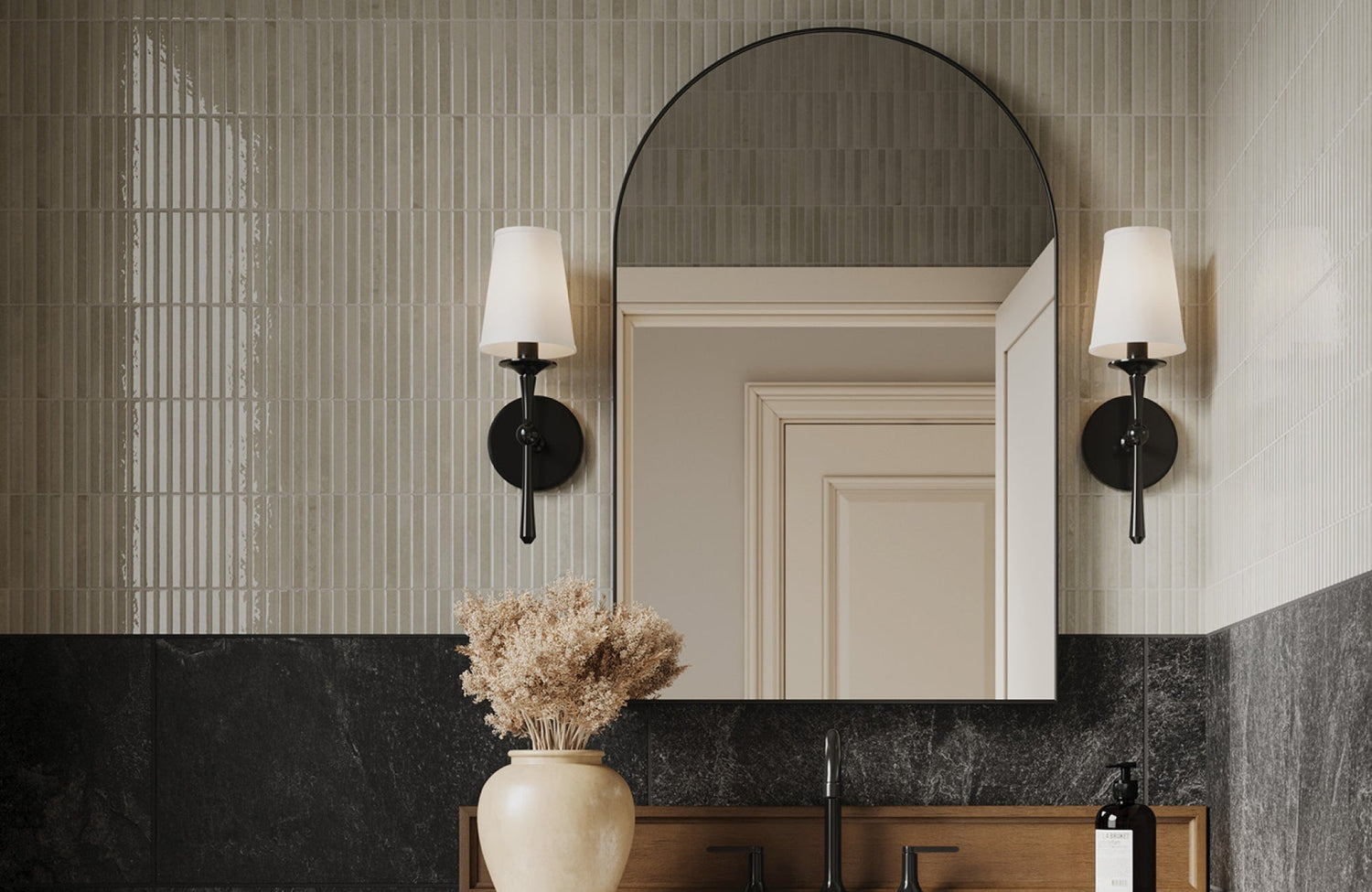
Take the photo above, for example, where Edward Martin’s Posey Wall Sconce in Aged Brass is installed above the mirror. Its compact profile and upward-curved form provide ample light without overwhelming the space. The vertical wall tile, slim vanity, and minimalist layout are all enhanced by the sconce’s thoughtful placement and refined finish. It’s a simple yet effective solution that highlights how lighting can support both form and function in even the smallest rooms.
Directional Flexibility
Some modern sconces often feature adjustable arms, swivel heads, or dimmable settings. These make them especially useful in multifunctional rooms where lighting needs vary. Whether you’re reading, relaxing, or working, having directional control allows you to fine-tune your environment with ease. This adaptability means one fixture can serve several purposes throughout the day.
Layering Light Intelligently
A well-lit room rarely relies on a single lighting source. Layered lighting, combining overhead, ambient, and accent lights, creates a more balanced and inviting atmosphere. Sconces can also contribute to this layering by filling in light where it’s needed without overpowering the space. They can soften shadows, highlight specific areas, and help establish zones within open-plan layouts, all while maintaining visual comfort.

Where Sconces Still Shine
Although design trends evolve, sconces remain highly effective in certain spaces. Their size, light distribution, and versatility make them ideal in areas where other lighting might fall short.
Hallways and Staircases
Narrow corridors and stairwells benefit from sconces’ ability to cast even light without creating glare or taking up floor space. Since these areas are often busy and transitional, sconces can provide safety and visibility while also adding architectural interest along the wall. Proper placement can even enhance depth and guide movement naturally.
Bathrooms and Vanity Areas
Lighting at face level is essential for bathrooms, particularly around mirrors. Wall sconces positioned on either side of a vanity help eliminate harsh shadows, offering even, flattering light for grooming tasks such as shaving or applying makeup. Since these fixtures are designed to handle humidity and moisture, they can also provide both safety and reliability in one of the frequently used spaces in the home.
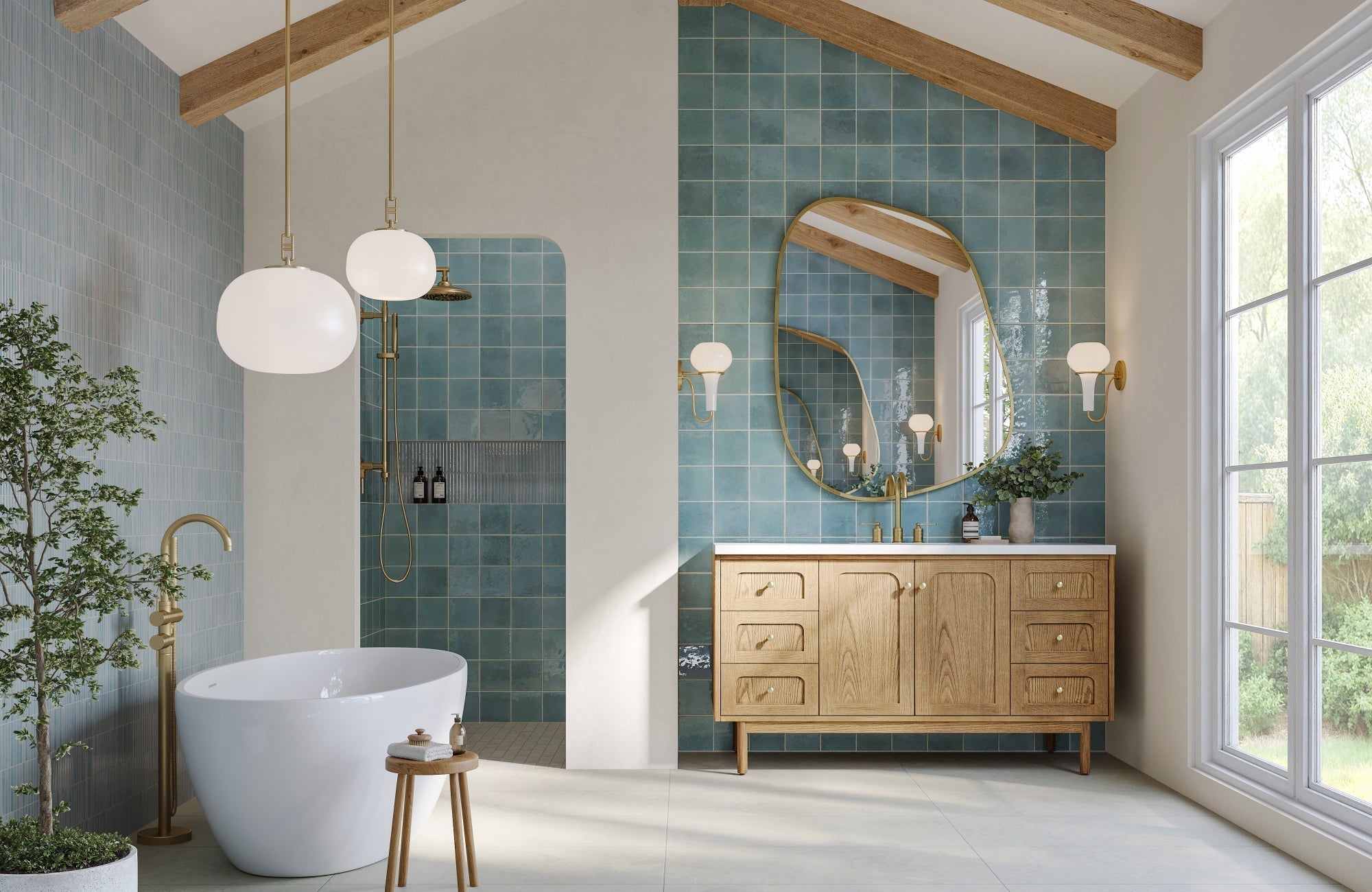
In the photo above, Edward Martin’s Wilma Wall Sconce in Aged Brass is a great example of form meeting function. Its soft, upward glow and sculptural design frame the mirror beautifully, creating a balanced light source that’s both practical and elegant. The sconce complements the brass faucet and textured vanity, reinforcing a cohesive, polished look while enhancing visibility right where it’s needed most.
Hospitality and Commercial Spaces
In hospitality design, lighting sets the tone. Sconces are frequently used in hotel rooms, restaurants, and lobbies to create a mood and invite relaxation. Their wall-mounted form keeps spaces uncluttered while helping define zones, such as seating areas or private dining nooks. Their continued use in commercial design speaks to their effectiveness in creating comfort and ambiance.

When to Avoid Using Wall Sconces
Despite their versatility, sconces aren't a one-size-fits-all solution. In certain scenarios, other lighting approaches may serve you better.
Rooms With Limited Wall Real Estate
If your walls are already heavily occupied, whether with shelves, cabinetry, or artwork, adding sconces can crowd the layout or disrupt sightlines. In such cases, forcing in-wall lighting may complicate both function and flow. Ceiling lights, pendants, or floor lamps may provide the necessary illumination without impacting your existing design.
Homes With an Open-Plan Layout
Open-plan spaces present fewer defined walls and broader visual lines. In these environments, sconces can sometimes feel underutilized or visually isolated. Because they cast light in specific directions, they may not provide the wide coverage these expansive layouts often require unless installed strategically and in groups. To ensure consistent illumination, layered lighting, such as recessed fixtures, pendants, or large-scale ceiling lights, can also be an effective solution.
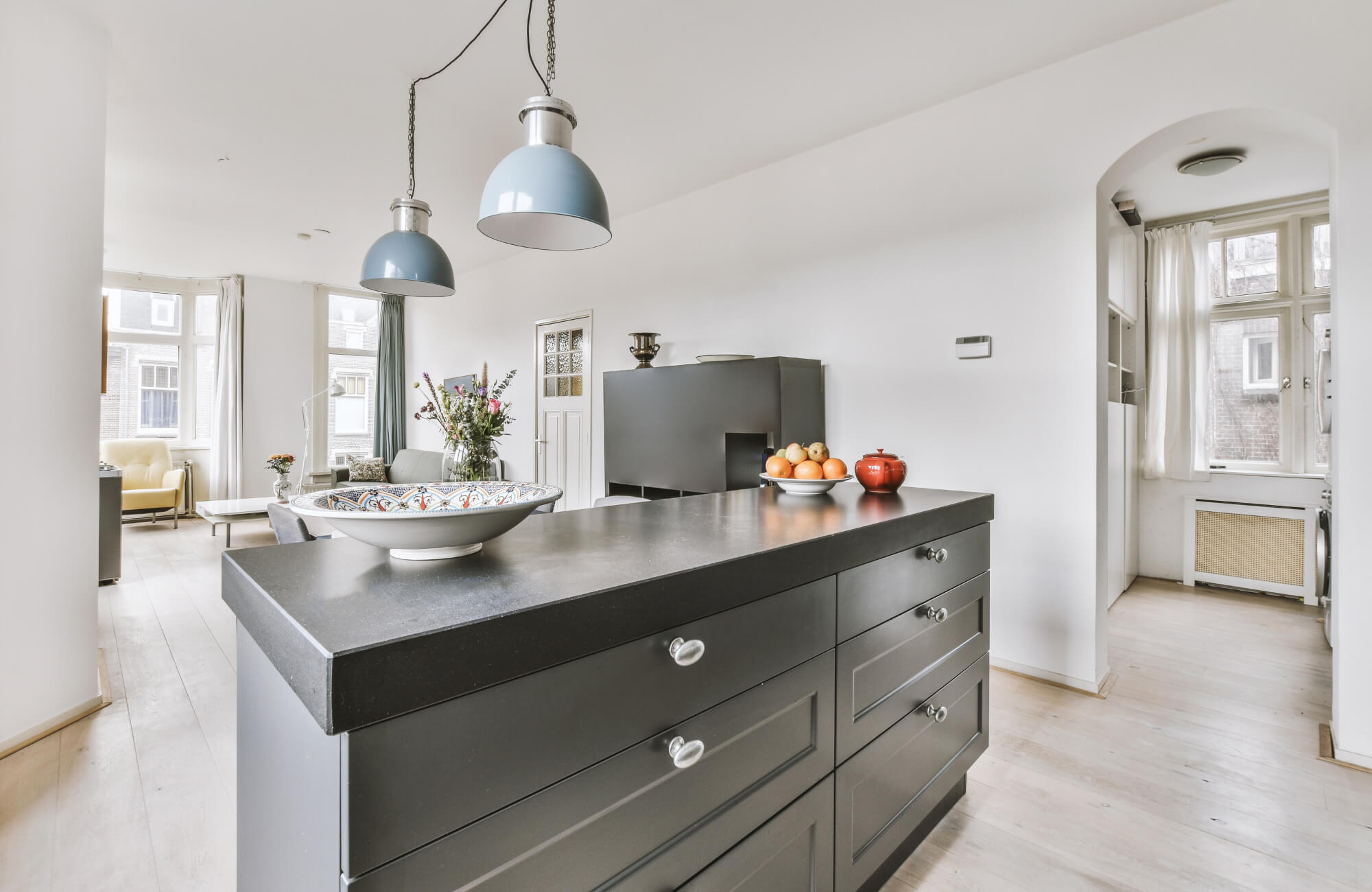
In the photo above, Edward Martin’s Alma Pendant in Ecru Marble Solid illustrates this layered approach beautifully. Suspended over each vanity, it adds warmth and visual structure without interrupting the room’s open flow. Their sculptural form and soft finish provide both effective illumination and a refined visual anchor, demonstrating how pendants can enhance open layouts where wall sconces may fall short in impact or coverage.
Installation and Wiring Constraints
In some homes, especially older ones or rentals, hardwiring sconces can be complicated or cost-prohibitive. While plug-in versions offer more flexibility, they often come with visible cords that may not align with your design preferences. If you’re looking for a clean, polished finish, be sure to consider the limitations and whether the visual trade-off is worth it in your particular space.

Smart Lighting and the Modern Sconce
Today’s wall sconces are being reinvented through smart home integration and energy-efficient technology. These advancements are broadening the role of wall sconces and making them easier to integrate into everyday living.
Voice and App Control
Many sconces now work with voice assistants or smartphone apps, letting you adjust brightness, color temperature, or timing with minimal effort. This convenience adds value, especially in bedrooms or entryways where you may want soft light ready before you enter. It’s a level of ease that was unimaginable even a decade ago.
Integration With Home Automation
Wall sconces are increasingly being integrated into broader home automation systems, allowing them to function in sync with other smart devices. With this setup, they can respond to preset schedules, adjust based on natural light levels, or activate alongside routines, such as gradually brightening to start the day or dimming automatically when it’s time to wind down. This level of coordination not only adds convenience but also enhances energy efficiency and helps create a more comfortable, responsive living environment.
Eco-Friendly Advancements
Modern sconces increasingly feature integrated LEDs, which consume significantly less electricity and have a much longer lifespan than traditional bulbs. Many now include smart capabilities like motion sensors or ambient light detectors, allowing the fixture to adjust brightness automatically based on activity or available daylight. These features can also help reduce unnecessary energy use while maintaining consistent, high-quality illumination.
The photo above illustrates this beautifully with Edward Martin’s Ezekiel Wall Sconce in Vintage Brass. Its integrated LED light offers both energy efficiency and a striking visual presence, proving that sustainable design can still deliver a strong aesthetic impact. Paired with dark vertical tiles and warm brass accents, the sconce not only enhances the room’s elegance but also reflects how eco-conscious lighting can align effortlessly with modern design goals.
The Enduring Relevance of Wall Sconces
Wall sconces are not outdated; they’ve evolved to meet the needs of modern homes. With their blend of updated design, smart features, and space-saving practicality, they remain a valuable lighting solution in both traditional and contemporary spaces. If you're planning a lighting update or need help selecting the right sconces for your home, we're here to help. Contact us to learn more or book a personalized design consultation to get expert guidance tailored to your space!