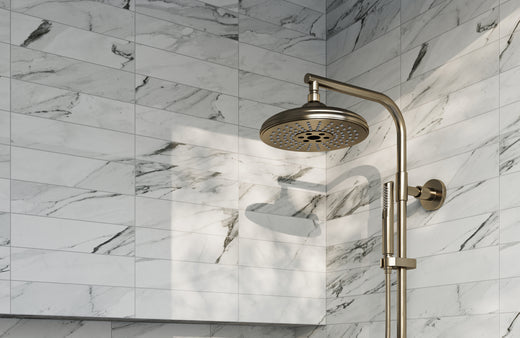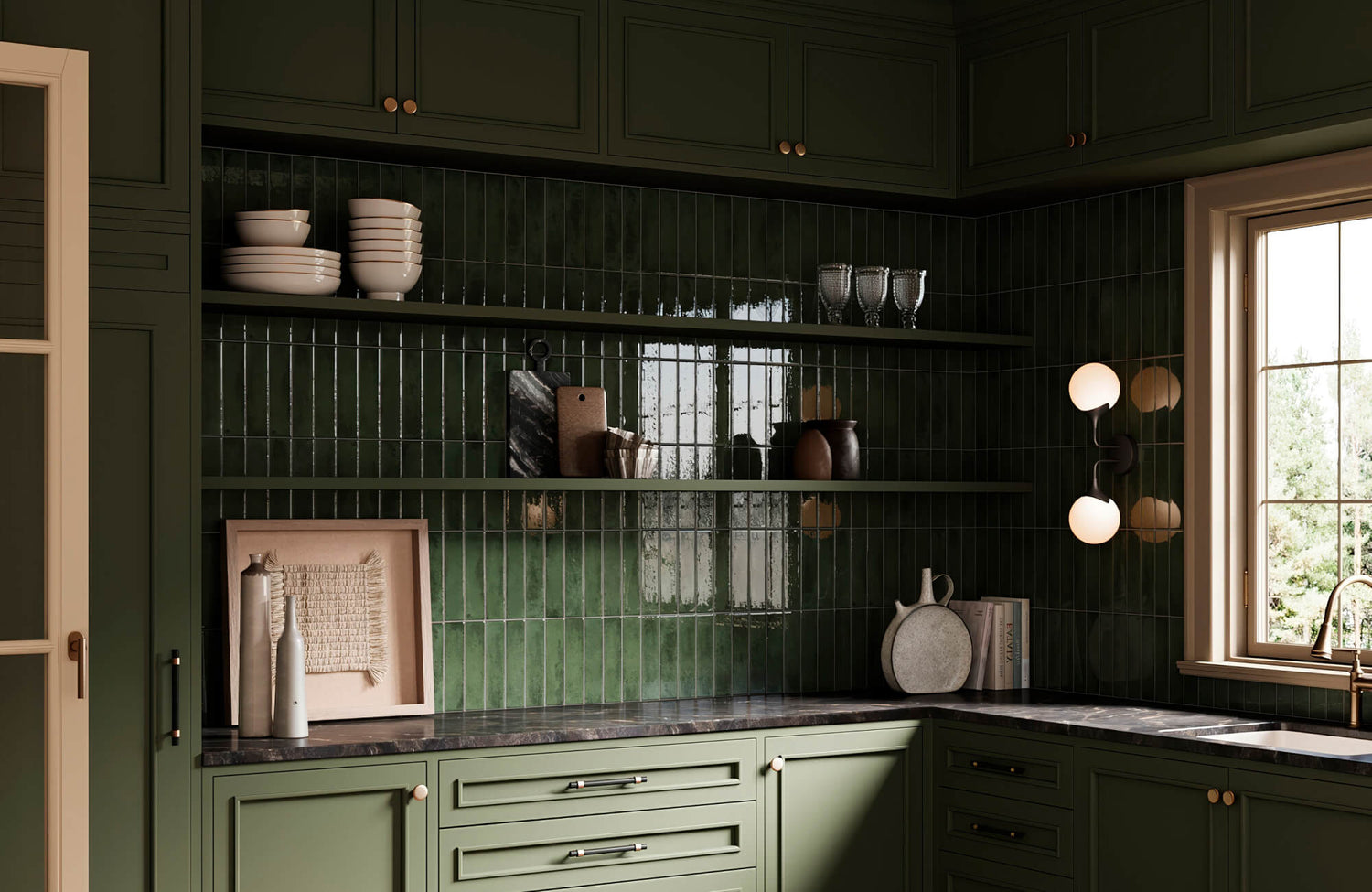
Subway tile backsplashes continue to define the language of refined interiors, where structure, light, and material integrity converge with effortless sophistication. From their origins in the New York City subway system to their presence in contemporary luxury kitchens and tailored laundry rooms, these glazed rectangular tiles have evolved into a benchmark of timeless wall cladding.
Today’s homeowners seek more than nostalgia; they demand high-performance surfaces, distinctive geometric patterns, and curated color palettes such as sage green and mint green that reflect modern sensibilities. As large format slabs, quartzite surfaces, and sculptural tiles enter the spotlight, the enduring relevance of subway tile backsplash design invites thoughtful reevaluation. Through architectural heritage, layout innovation, material engineering, and competitive alternatives, its place within modern kitchen backsplash trends becomes both nuanced and compelling.

Architectural Legacy and Enduring Market Relevance
Subway tile backsplashes derive their longevity from a balance of hygienic engineering and restrained geometry that adapts seamlessly to evolving interior architecture. Their continued presence in kitchens and laundry spaces reflects a rare synthesis of durability, visual clarity, and broad design compatibility.
Historical Origins in the New York City Subway System
The original 3x6 white glazed ceramic tile was introduced in the early 1900s within the New York City subway system, where sanitation, durability, and light reflectivity were considered essential to public infrastructure. Its vitreous glaze created a dense, non-porous surface capable of resisting moisture infiltration and staining, thereby establishing an early benchmark for hygienic wall cladding. That same low water absorption rate continues to provide measurable benefits in modern kitchen backsplash installations exposed to steam, grease, and daily splatter.
Because the tile format was modular, standardized, and easy to replace, it also supported efficient long-term maintenance in busy environments. These performance-driven attributes transitioned naturally into residential architecture, where homeowners sought surfaces that balanced practicality with understated elegance. Over time, this institutional credibility anchored subway tile as a trusted and enduring specification in both classic and contemporary interiors.
Linear Geometry and Spatial Balance
The rectangular proportions of subway tile establish a structured visual rhythm that subtly stabilizes surrounding cabinetry, countertops, and vertical millwork. This orderly alignment enhances spatial coherence, particularly in open-concept kitchens where visual continuity between zones is essential. Rather than competing with statement materials, subway tile operates as a composed architectural backdrop that allows focal elements to take prominence.
Its disciplined geometry also pairs seamlessly with Shaker cabinetry, slab-front doors, integrated appliances, and layered metal finishes. Because the layout feels intentional and balanced rather than overly ornamental, it sustains relevance across transitional, modern, and even industrial interiors. This inherent adaptability continues to reinforce its status within timeless kitchen backsplash design strategies.
Cross-Functional Use in Kitchens and Laundry Rooms
Subway tile backsplashes are increasingly specified beyond traditional cooking areas, particularly in thoughtfully designed laundry rooms where moisture resistance and cleanability are paramount. Its glazed surface protects wall assemblies from detergent splashes, humidity fluctuations, and routine wear associated with utility tasks. In compact laundry spaces, reflective finishes also help amplify both natural and artificial light, enhancing perceived openness.
Designers often extend the tile behind utility sinks and folding stations to create a cohesive and easy-to-maintain protective barrier. Introducing color variations such as mint green or soft sage green allows these functional rooms to feel curated rather than purely utilitarian. This cross-functional flexibility ultimately strengthens subway tile’s appeal as both a decorative and performance-driven wall solution.

Contemporary Design Evolution and Layout Innovation
While grounded in tradition, subway tile backsplash design has evolved through shifts in scale, color, and installation methodology that align with modern aesthetics. These refinements ensure the material feels curated and architectural rather than repetitive or predictable.
Expanded Formats and Modern Proportions
Elongated subway tile sizes such as 2x8, 3x12, and 4x16 introduce a more streamlined visual cadence across modern backsplash surfaces, subtly shifting the perception of scale within the room. As larger units reduce grout joint frequency, they create cleaner sightlines and a more expansive wall plane that feels less segmented. Rectified edges further allow for tighter spacing and sharper alignment, enhancing precision and reinforcing contemporary appeal.
This proportional refinement also supports minimalist kitchen backsplash ideas that prioritize clarity, order, and uninterrupted flow. By minimizing visual fragmentation, the overall installation appears tailored and architecturally intentional rather than builder-grade. Through this careful evolution of scale and proportion, subway tile continues to align seamlessly with current interior design expectations.
A refined example of this proportional evolution is Edward Martin’s Merrick 3x11 Matte Porcelain Tile in Ambient White, which embodies the elongated format favored in modern backsplash design. As displayed in the photo above, its soft matte finish and extended dimensions create a streamlined, contemporary wall plane with reduced grout interruption and elevated architectural presence.
Geometric Patterns and the Herringbone Pattern
Subway tiles increasingly appear in refined geometric patterns that introduce movement and visual interest without overwhelming surrounding materials. Among these, the herringbone pattern remains a favored choice, as it delivers dynamic directionality while maintaining compositional discipline. Vertical stack installations, by contrast, guide the eye upward and subtly enhance perceived ceiling height, reinforcing strong architectural lines.
Offset arrangements and other geometric patterns also create nuanced depth through the interplay of light and shadow along grout joints. When executed with precise spacing and alignment, these layouts preserve structural harmony across the entire surface. By embracing thoughtful layout innovation, subway tile backsplashes achieve renewed contemporary relevance while retaining their foundational simplicity.
Color Expansion Sage Green Mint Green and Contemporary Neutrals
Color has become a defining element in modern subway tile backsplash design, transforming what was once predominantly white into a more expressive yet restrained palette. For instance, soft sage green, muted mint green, and other green tones reflect biophilic design principles, introducing a sense of calm and organic warmth into kitchens and laundry spaces alike. These hues pair effortlessly with natural wood cabinetry, brushed brass fixtures, and even quartzite countertops, creating layered yet balanced compositions.
In addition, neutral shades such as bone, sand, and warm gray extend beyond stark white palettes, offering depth without sacrificing versatility. Strategic color integration also helps mitigate visual fatigue while maintaining timeless appeal. Through thoughtful chromatic variation, subway tile evolves gracefully within contemporary kitchen design trends.

Performance Engineering and Technical Advancements
Subway tile backsplashes remain competitive because their material composition and installation systems have advanced significantly. Today’s specifications prioritize moisture resistance, structural stability, and long-term maintenance performance.
Porcelain Composition and Moisture Resistance
Porcelain subway tiles are manufactured at significantly higher firing temperatures, resulting in a denser, less porous, and more structurally resilient tile body. With water absorption rates below 0.5 percent, porcelain delivers superior resistance to staining, moisture intrusion, and thermal fluctuation, all of which are critical in high-performance kitchen backsplash installations. This enhanced density also improves structural integrity in areas exposed to concentrated heat, such as behind professional-grade ranges or cooktops.
Compared to standard ceramic, porcelain exhibits greater mechanical strength and increased chip resistance along edges and corners. These characteristics make it particularly well-suited for both kitchen and laundry backsplash applications where humidity and splashing are frequent concerns. Through advanced material engineering, porcelain subway tile reinforces the long-term durability and practical longevity of modern wall cladding systems.
Advanced Glazing and Grout Colors as Design Strategy
Contemporary glazing technologies have significantly improved abrasion resistance, stain repellency, and overall surface cleanability, allowing subway tile backsplashes to maintain their finish over time. At the same time, grout colors have evolved from purely functional fillers into intentional design components that shape the overall aesthetic. For example, charcoal, taupe, or warm gray grout can emphasize tile geometry and highlight geometric patterns such as stacked layouts or a herringbone pattern.
Conversely, color-matched grout creates a seamless, monolithic effect that feels refined and architecturally understated. The use of epoxy and urethane grout systems further enhances stain resistance, minimizes discoloration, and improves long-term durability in moisture-prone areas. This thoughtful integration of aesthetic nuance and technical performance elevates subway tile backsplash installations beyond basic surface treatments.
Substrate Preparation and Installation Precision
Proper substrate preparation lays the foundation for subway tile backsplashes that endure, performing reliably over time without cracking or losing adhesion. Cement backer boards and waterproof membranes also safeguard the walls beneath while accommodating structural movement, and polymer-modified thin-set mortars provide the strength and flexibility needed to adjust to minor shifts.
In elongated tile formats, even slight unevenness can disrupt the visual rhythm, so careful lippage control is essential, while movement joints quietly absorb thermal expansion and contraction, reducing stress across the tile field. When installation combines meticulous technique with technical precision, subway tile backsplashes emerge not merely as decorative finishes but as durable, well-engineered architectural features.

Avoiding Design Fatigue Through Intentional Detailing
Although subway tile remains versatile, its execution determines whether it feels timeless or overused. Careful detailing, material pairing, and proportion management prevent visual stagnation.
Builder-Grade Repetition and Visual Saturation
The widespread overuse of glossy white 3x6 subway tile paired with bright white grout contributed significantly to design fatigue in previous decades, particularly in large-scale residential developments. When installed alongside dated cabinetry finishes and heavily patterned countertops, the overall composition can feel stylistically anchored to an earlier design cycle.
In many cases, visual monotony emerges not from the tile itself but from insufficient contrast, texture, or material layering within the space. By introducing subtle tonal shifts, such as warm white glazes or soft gray grout, depth and dimension naturally begin to reappear. Layered lighting, including under-cabinet illumination, further enhances surface variation and emphasizes grout lines more intentionally. With thoughtful specification and contextual awareness, a familiar subway tile backsplash can transition from predictable to architecturally refined.
Strategic Material Pairing with Quartzite
Pairing subway tile backsplashes with quartzite countertops elevates the overall material composition by juxtaposing structured geometry with organic movement. The fluid veining and mineral variation inherent in quartzite create a sophisticated contrast against the linear precision of rectangular tile. This dynamic interplay establishes visual balance, allowing order and natural texture to coexist harmoniously within the same design framework.
When complemented by warm metallic accents and natural wood cabinetry, the palette also gains additional depth and cohesion. Coordinated material selection ensures that the backsplash feels integrated rather than secondary within the broader architectural scheme. Through deliberate pairing, subway tile seamlessly participates in luxury kitchen design narratives without overpowering adjacent statement surfaces.
Full-Height Applications and Architectural Continuity
Extending subway tile from countertop to ceiling transforms a standard backsplash into a continuous architectural surface that commands greater spatial presence. This vertical expansion enhances ceiling height perception while simultaneously unifying the wall plane behind cabinetry and shelving. In kitchens featuring open shelving, the uninterrupted tile field also provides a clean and cohesive backdrop that reinforces visual order.
The overall effect feels immersive and intentional rather than compartmentalized or decorative. Carefully selected grout tones further maintain continuity across expansive installations, preventing visual fragmentation. Through full-height execution, subway tile evolves beyond a functional backsplash and becomes a defining architectural gesture within modern interior design.
A classic example of this approach is the Graham 3x6 Glossy Ceramic Tile in Bone, which demonstrates how a traditional subway format can achieve elevated impact when carried across the entire wall plane. As shown in the photo above, the soft bone hue and reflective glossy finish create a cohesive full-height installation that enhances light diffusion while seamlessly integrating the range wall into the broader architectural composition.
To further refine these design decisions with confidence, Edward Martin’s augmented reality (AR) tool allows homeowners and designers to visualize subway tile backsplashes directly within their own spaces before installation. By previewing layout variations, grout colors, and material pairings in real time, the AR technology supports more precise, informed selections that prevent design fatigue and ensure long-term satisfaction.

Competitive Alternatives and Emerging Backsplash Trends
As design preferences evolve, alternative backsplash materials introduce bold aesthetic statements that challenge traditional formats. Yet each alternative carries distinct practical considerations that influence long-term suitability.
Large Format Porcelain Slabs
Large format porcelain slab backsplashes create expansive wall surfaces with minimal grout interruption, resulting in a sleek and visually continuous backdrop. Through advanced digital printing technology, these slabs replicate marble and quartzite veining with remarkable depth and realism, offering the elegance of natural stone with enhanced durability. As a result, their seamless appearance aligns effortlessly with minimalist luxury kitchen trends that prioritize clean sightlines and uninterrupted planes.
However, achieving this refined look requires specialized fabrication equipment and experienced installers capable of handling oversized materials with precision. Material and labor costs, therefore, tend to exceed those of standard subway tile applications, particularly when custom cuts or waterfall returns are involved. While undeniably striking in scale and sophistication, slab systems ultimately emphasize grandeur and surface continuity over the modular flexibility that defines traditional tile installations.
Dimensional and Textured Tile Surfaces
Sculptural and fluted tile panels introduce depth and movement through shadow interplay and tactile surface relief, creating walls that shift subtly throughout the day as light conditions change. Because of their pronounced texture, these installations function more as focal design statements than as understated backdrops. To fully realize their dimensional quality, carefully positioned lighting becomes essential, as directional illumination enhances the variation and prevents visual flattening.
At the same time, increased surface articulation can also introduce additional cleaning considerations, particularly in high-splash cooking zones. Textured tiles, therefore, appeal most strongly to homeowners seeking distinctive personalization and bold architectural expression. Nevertheless, their highly specific aesthetic may limit adaptability if surrounding finishes or overall design preferences evolve.
A compelling example within this category, as featured in the photo above, is our Kai 12x24 Flute Porcelain Tile in Almond, whose linear grooves and softly shifting sunlit beige tones introduce warmth and biophilic texture to vertical surfaces. Its elongated rectangular format enhances visual expansiveness, while the fluted surface—reminiscent of refined wood slat paneling—creates a sculptural 3D effect that responds beautifully to directional lighting. Crafted to withstand the demands of both residential and commercial environments, it also offers durability alongside its handmade-inspired shade variation.
Natural Stone and Mixed-Material Installations
Natural stone mosaics and mixed-material backsplashes deliver layered visual richness through variation in tone, veining, and mineral composition. Materials such as marble and quartzite introduce organic movement across the wall plane, softening rigid cabinetry lines and enhancing material depth. Because natural stone is inherently porous, it requires periodic sealing and mindful maintenance to preserve its finish and structural integrity.
Precision installation is equally important, as careful alignment ensures both durability and cohesive pattern flow. These bespoke applications often command a higher investment due to material sourcing, fabrication complexity, and specialized labor. In contrast, subway tile backsplashes continue to offer a balanced intersection of affordability, durability, and timeless design versatility within modern kitchen environments.
Timeless Relevance in Modern Interior Architecture
Subway tile backsplashes remain firmly embedded within modern kitchen backsplash trends because they unite architectural clarity with material resilience. Their evolution through geometric patterns, refined grout colors, and contemporary hues such as sage green and mint green demonstrates a capacity for reinvention without sacrificing identity. When paired with premium surfaces like quartzite or extended into full-height installations, they transcend simplicity and achieve architectural distinction. In both kitchens and thoughtfully designed laundry rooms, this iconic format endures not as a passing trend, but as a sophisticated standard in timeless interior design.
For added assurance, Edward Martin’s request tile sample service allows you to experience the color, texture, and finish in person before committing. Seeing the material firsthand ensures your subway tile backsplash feels cohesive, intentional, and beautifully aligned with your space!