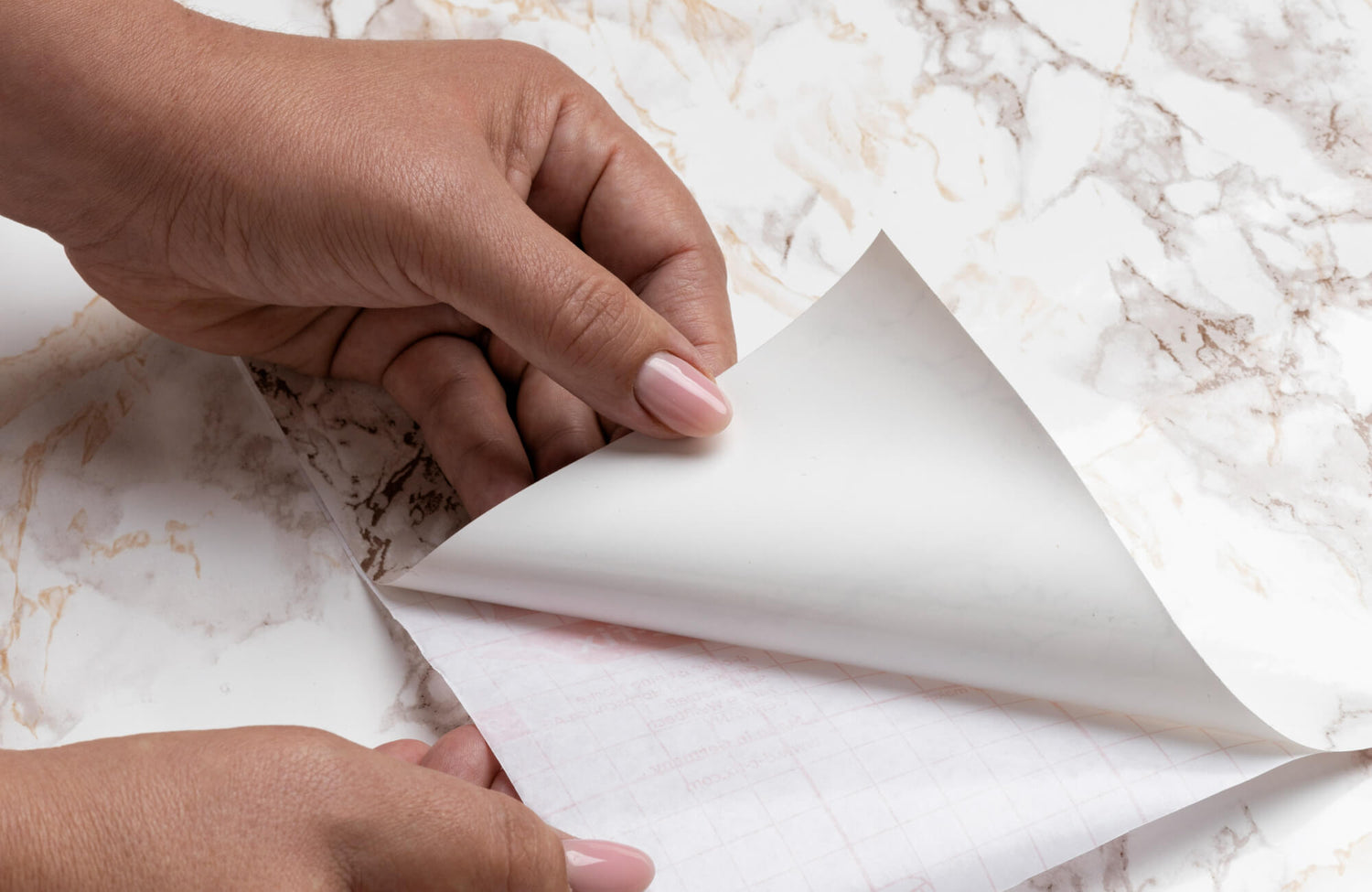
Walls shape a room's atmosphere, and peel and stick wallpaper for DIY home decorating offers an elegant way to transform interiors with minimal effort. Designed with modern removable wallpaper technology, these wallcoverings allow homeowners and renters to refresh spaces quickly without the permanence of traditional paste-applied systems. Their growing popularity stems from the promise of stylish, renter-friendly wallpaper solutions that balance convenience with everyday durability.
Yet the true performance of peel-and-stick wallpaper depends on more than visual appeal; it also hinges on adhesive strength, substrate materials, surface compatibility, and environmental resistance. Understanding these factors reveals whether high-quality peel and stick wallpaper for DIY wall makeovers can truly stand up to the demands of daily living.

Material Engineering and Adhesive Technology Behind Peel And Stick Wallpaper
The durability of peel and stick wallpaper begins with its material composition and pressure-sensitive adhesive technology, which influence tear resistance, flexibility, and long-term adhesion performance. When these components are engineered correctly, removable wallpaper can provide a dependable balance between DIY-friendly installation and reliable everyday durability.
Vinyl-Based Peel and Stick Wallpaper
Vinyl-based peel and stick wallpaper is widely recognized for its moisture-resistant and washable wallcovering qualities, making it one of the most durable removable wallpaper materials available. Its surface layer is typically made of polyvinyl chloride (PVC), a flexible polymer known for resisting stains, scratches, and everyday wear. Because PVC forms a protective barrier, it helps prevent moisture from penetrating the material and weakening the adhesive backing. This feature makes vinyl peel and stick wallpaper especially suitable for bathrooms, kitchens, and laundry rooms where humidity can fluctuate. The material also maintains strong dimensional stability, meaning it expands and contracts very little when temperatures change. As a result, vinyl peel and stick wallpaper for DIY wall upgrades tends to keep seams smooth and adhesion consistent in everyday residential spaces.
Fabric-Backed Peel and Stick Wallpaper
Fabric-backed peel and stick wallpaper combines polyester textile substrates with pressure-sensitive adhesive backing, creating a thicker and more tear-resistant removable wallcovering. The woven structure allows the material to adjust more easily to slight wall irregularities, which can improve adhesion on lightly textured drywall. This flexibility also reduces the chance of creasing during installation, a common concern with thinner film wallpapers. Because fabric fibers allow a small amount of airflow beneath the surface, they help limit trapped air bubbles during application. The result is a smoother finish that supports both clean installation and reliable long-term adhesion. For homeowners looking for premium peel and stick wallpaper durability in DIY interiors, fabric-backed designs often provide added structural stability.
Pressure-Sensitive Adhesive (PSA) Systems
Pressure-sensitive adhesive systems are at the core of self-adhesive peel and stick wallpaper technology, allowing the material to bond to walls without traditional paste. Instead of curing chemically, these adhesives rely on surface contact and application pressure to create a stable hold. Because of this, proper wall preparation and careful installation play an important role in achieving strong adhesion. Many high-quality removable wallpapers use acrylic-based PSA formulations, which also offer better temperature resistance and longer adhesive life than rubber-based alternatives. In addition, acrylic adhesives maintain consistent tack even when indoor conditions fluctuate. This balance of strength and repositionability makes PSA technology essential for durable DIY peel and stick wallpaper installation.

Wall Surface Compatibility and Installation Conditions
Peel and stick wallpaper achieves optimal durability when applied to properly prepared surfaces that allow consistent adhesive contact. Wall finish, texture, and environmental conditions all influence how well removable wallpaper maintains adhesion over time.
Ideal Surfaces for Peel and Stick Wallpaper Installation
Peel and stick wallpaper performs best on smooth, clean surfaces where the adhesive can make consistent contact with the wall. Materials such as smooth drywall, primed plaster, sealed wood, glass, and laminate allow the pressure-sensitive adhesive to bond evenly. Walls finished with eggshell, satin, or semi-gloss paint are particularly suitable because their lightly sealed surfaces improve adhesive grip. These finishes reduce porosity, helping the wallpaper adhere more uniformly across the wall. It is also important that paint is fully cured, since freshly painted walls release gases that can interfere with adhesion. When installed under these conditions, peel and stick wallpaper for smooth walls can maintain stable adhesion and appearance for years.
Challenges with Textured or Porous Walls
Textured walls can make self-adhesive removable wallpaper installation more challenging because the adhesive cannot fully contact uneven surfaces. Finishes such as knockdown drywall, orange peel texture, exposed brick, or unfinished plaster create irregular bonding points. As a result, small air gaps may form beneath the wallpaper, which can eventually lead to edge lifting or seam separation. Matte paint surfaces may also reduce adhesion since their porous finish absorbs some of the adhesive pressure. In contrast, traditional pasted wallpapers often perform better on these surfaces because the paste fills tiny voids in the wall texture. For peel and stick applications, achieving smooth wall preparation before installation greatly improves durability and long-term adhesion.
Environmental Installation Conditions
Environmental stability also plays a key role in the performance of peel and stick wallpaper adhesive systems. Most manufacturers recommend installing removable wallpaper when room temperatures remain between 65°F and 85°F (18–29°C). Temperatures outside this range can affect adhesive flexibility and weaken the bond with the wall surface. High humidity during installation may also interfere with proper seam adhesion. Because of this, climate-controlled interiors provide the most reliable conditions for installation. When temperature and humidity remain consistent, DIY peel and stick wallpaper installations are far more likely to maintain smooth surfaces and long-lasting adhesion.

Resistance to Everyday Wear and Environmental Exposure
Beyond installation, peel and stick wallpaper must withstand daily environmental factors such as friction, humidity, and sunlight exposure. Its ability to resist these elements ultimately determines whether removable wallpaper can perform reliably in everyday living spaces.
Abrasion and Busy Area Durability
In areas where walls experience minimal contact, peel and stick wallpaper can maintain its appearance for many years without noticeable wear. Conditions change, however, in busy spaces such as hallways, staircases, and entryways, where walls are more frequently brushed or bumped. In these settings, vinyl-coated removable wallpapers tend to perform better because the PVC layer improves scratch resistance and stain protection. Some higher-end products further enhance durability with protective laminate coatings applied over the printed surface. These coatings help shield both the pattern and texture from everyday friction while preserving visual clarity. Choosing peel and stick wallpaper with protective laminate finishes for busy interiors, therefore, helps extend long-term wear performance.
Moisture and Humidity Resistance
Humidity resistance plays an important role in determining whether peel and stick wallpaper performs well in bathrooms, kitchens, and laundry rooms, a consideration that often becomes especially important during a bathroom remodel, where durable wall finishes are essential. Vinyl-based removable wallpapers are often preferred in these areas because the PVC surface layer acts as a water-resistant protective barrier.
By limiting moisture penetration, this barrier also helps protect the substrate and maintain adhesive strength over time. Even so, prolonged exposure to steam or direct water contact can gradually affect seams. For better durability, it is advisable to install removable wallpaper slightly away from sinks, showers, or stovetops. With thoughtful placement and proper ventilation, moisture-resistant peel and stick wallpaper can perform reliably in moderately humid environments.
UV Exposure and Color Stability
Sunlight exposure can gradually affect wallpaper by weakening pigments and adhesives if protective technologies are not used. To address this, many premium peel and stick wallpapers rely on UV-resistant printing technologies such as latex or eco-solvent inks. These advanced inks also help preserve color vibrancy even in rooms with strong natural light. Additional laminated coatings can further slow fading by shielding the printed surface from direct UV radiation. This added protection becomes especially valuable in spaces with large windows or consistent daylight. Selecting UV-resistant peel and stick wallpaper for sunlit rooms, therefore, helps maintain long-term color stability and visual quality.

Long-Term Performance Maintenance and Expected Lifespan
Although peel and stick wallpaper is designed as a semi-permanent wallcovering solution, it can remain intact for several years when installed under suitable conditions. Routine maintenance and environmental stability both contribute to maintaining long-term adhesion and visual clarity.
Average Lifespan of Peel and Stick Wallpaper
High-quality peel and stick wallpapers typically remain durable for three to seven years in residential interiors, depending on wall preparation and environmental stability. Rooms with consistent temperature and moderate humidity often support longer adhesive performance. Because the pressure-sensitive adhesive does not chemically bond with paint, the wallpaper can usually be removed without damaging the wall surface. This feature also makes removable wallpaper especially appealing for rental homes and DIY interior updates. Premium products tend to last longer because they use stronger acrylic adhesive formulations. For this reason, material quality plays an important role in determining long-term peel and stick wallpaper durability.
Cleaning and Routine Maintenance
Peel and stick wallpaper generally requires less maintenance than traditional pasted wallcoverings. Most vinyl-coated removable wallpapers can be cleaned with a damp microfiber cloth and mild household cleaner. This gentle routine helps remove dust, fingerprints, and light stains while protecting the printed design. Harsh chemicals or abrasive scrubbing tools should be avoided because they may damage the protective surface layer. Regular light cleaning also helps maintain the clarity and brightness of the wallpaper pattern. With proper care, removable wallpaper can continue to look clean and polished in everyday living spaces.
Managing Edge Curling and Minor Adhesion Issues
Over time, slight edge lifting may occur in areas exposed to airflow, humidity changes, or repeated contact. HVAC vents, sunlight, and fluctuating indoor temperatures can gradually weaken adhesive contact along panel edges. In many situations, gently smoothing the lifted edge back into place restores adhesion. When lifting persists, a small amount of clear wallcovering seam adhesive can help reinforce the bond. This targeted repair also strengthens adhesion without permanently fixing the wallpaper to the wall. Addressing these small issues early helps maintain consistent peel and stick wallpaper performance over time.

Durable Wallpaper Alternatives for Long-Term Wallcovering Solutions
Although peel and stick wallpaper provides convenient DIY installation, several other wallcovering materials offer greater durability and stronger adhesive bonding for long-term interiors. These alternatives are commonly selected for professional interior design projects where longevity and resilience are essential.
Paste-the-Wall Wallpaper
Paste-the-wall wallpaper uses a non-woven substrate that allows adhesive to be applied directly onto the wall, making installation simpler and more efficient. The non-woven backing blends cellulose fibers with synthetic binders, creating a stable and tear-resistant material. As the adhesive bonds directly with the wall surface, the wallpaper develops strong seam stability and reliable long-term adhesion. This method also limits expansion during installation, helping patterns remain aligned and smooth. Because of its practicality and durability, many modern designer wallpapers now use paste-the-wall technology. For installers and homeowners alike, it has become a trusted professional-grade wallpaper installation method.
Paste-the-Paper Wallpaper Traditional Wallpaper
Paste-the-paper wallpaper is one of the most established and traditional decorative wallcovering methods. During installation, adhesive is applied to the back of the wallpaper so the fibers can absorb moisture and expand evenly. This process, commonly called booking, helps the material relax before it is placed on the wall. As the adhesive cures, it forms a strong mechanical bond with the wall surface. When properly installed, traditional wallpaper can remain intact for 10 to 15 years or more in stable indoor environments. Because of this longevity, paste-the-paper wallpaper continues to be valued for permanent decorative wallcovering installations.
Non-Woven Wallpaper
Non-woven wallpaper is manufactured from a blend of cellulose fibers and synthetic polymers, resulting in a breathable yet structurally stable wallcovering material. Because it resists shrinking, tearing, and warping, it maintains cleaner seams and stronger long-term adhesion compared with many traditional paper wallpapers. This dimensional stability also allows installers to reposition panels during installation without damaging the substrate, making it both durable and installer-friendly. In addition, non-woven materials support wider panel formats that reduce visible seams while maintaining structural integrity over time. These qualities make it a reliable option for interiors that require long-lasting decorative wall finishes with consistent performance.
For example, Edward Martin’s Plateau Wallpaper in Taupe II, 52" x 132", as displayed in the photo above, highlights abstract contours in dark taupe across a soft white field, creating a bold modern composition inspired by the rugged Tibetan landscape. Digitally printed on lightly textured DreamScape Terralon, a durable non-woven substrate known for its strength and dimensional stability, the extra-wide panel format supports faster installation while maintaining reliable durability for commercial interiors and full bathrooms where humidity resistance is beneficial.
Similarly, Florette Wallpaper in Tan II, 52" × 132", demonstrates how decorative elegance can also be supported by durable construction. Its delicately detailed floral motifs in warm light brown are scattered across an off-white field, creating a refined ornamental pattern suited for both classic and contemporary interiors. Printed on a sturdy non-woven backing, the wallpaper resists tearing during installation and maintains seam stability over time, helping the design remain crisp and intact even in frequently used living spaces.
Pre-Pasted Wallpaper
Pre-pasted wallpaper features dry adhesive embedded directly into the backing, which activates with water during installation. This built-in adhesive system simplifies the process while still creating a stronger bond than typical removable wallpapers. As the adhesive activates, it spreads evenly across the wall surface to form consistent contact. Because of this balance between convenience and durability, pre-pasted wallpaper is widely used in residential interiors. The method also reduces installation mess compared with traditional paste applications. For many homeowners, it provides a practical middle ground between DIY-friendly removable wallpaper and fully pasted wallcovering systems.
Vinyl Wallpaper
Vinyl wallpaper features a durable PVC-coated decorative surface laminated to paper or fabric backing, creating a highly resilient wallcovering. The vinyl layer protects the surface from moisture, stains, and everyday abrasion. Because of this durability, vinyl wallpaper is frequently installed in kitchens, bathrooms, and hospitality interiors. The surface can also be wiped clean without damaging the printed design. Many commercial-grade vinyl wallpapers include additional protective coatings for added longevity. Together, these qualities make vinyl wallpaper one of the most durable, washable wallcovering materials for high-use spaces.
Fabric-Backed Vinyl Commercial Wallpaper
Fabric-backed vinyl wallpaper is widely used in commercial environments such as hotels, hospitals, and office buildings where walls must withstand constant activity. It combines a thick vinyl surface with a woven polyester or cotton backing, creating a structure that is both flexible and highly durable. This layered construction provides strong resistance to abrasion, impact, and frequent cleaning, which are common in busy interiors. Because of this strength, it is widely classified as a commercial-grade wallcovering material. The dense backing also helps soften sound within large spaces, contributing to improved acoustic comfort. Altogether, these characteristics make fabric-backed vinyl one of the most durable wallpaper solutions for demanding commercial interiors.
Grasscloth Natural Fiber Wallpaper
Grasscloth wallpaper is crafted from natural plant fibers such as jute, sisal, hemp, or arrowroot, carefully woven to create richly textured surfaces. These fibers are mounted onto paper backing, forming an organic wallcovering that brings depth and warmth to interior spaces. As light moves across the surface, the natural strands reveal subtle variations in tone and texture. Because the fibers are untreated and natural, the material performs best in controlled indoor environments with stable humidity. Professional installation is usually recommended to ensure consistent seam alignment and pattern flow. With proper care, grasscloth remains a luxury natural fiber wallpaper valued for its organic texture and refined appearance.
Textile Wallpaper
Textile wallpaper incorporates woven fabrics such as silk, linen, cotton, or polyester blends to create elegant decorative wall surfaces. These fabrics are bonded to paper or non-woven backings, providing the structural support needed for installation. The soft fabric texture adds visual warmth while creating subtle dimension as light interacts with the fibers. Textile wallcoverings can also help absorb sound slightly, contributing to a quieter and more comfortable interior environment. Because the materials are delicate, professional installation and gentle maintenance are recommended. When properly cared for, textile wallpaper remains a sophisticated wallcovering choice for luxury residential and boutique hospitality interiors.
For best results, professional installation is often recommended to ensure proper seam alignment, adhesive bonding, and long-term performance. Skilled installers can also help maintain the material’s structural integrity and overall finish, allowing the wallcovering to achieve its intended durability and refined appearance over time.
Where Style Meets Everyday Durability
Peel and stick wallpaper demonstrates that DIY removable wallcovering solutions can successfully combine convenience with respectable durability in modern interiors. When manufactured with high-quality vinyl substrates and advanced pressure-sensitive adhesives, removable wallpaper can perform reliably in many residential environments. While busy or high-moisture areas may benefit from more permanent wallcovering systems, peel and stick wallpaper remains an excellent option for stylish DIY wall transformations. By understanding the materials, installation conditions, and available alternatives, homeowners can confidently select the best durable wallpaper solution for their interior design goals.
You can also explore Edward Martin’s design services for expert guidance in selecting wallpaper styles that balance durability with refined aesthetics. If you need personalized assistance, contact us to help bring your vision to life!