A kitchen runner may look like a simple strip of fabric, but it sparks a big question: is it truly practical, or just a stylish accent? For some homeowners, runners provide comfort, protection, and safety in the busiest part of the house. For others, they’re chosen purely for their color, pattern, or ability to tie a kitchen design together. In this blog, we’ll take a closer look at what kitchen runners really offer, where they work best, and when they may not be the right fit for your space.

What Is a Kitchen Runner?
Kitchen runners are more than just slim rugs tossed into a kitchen space. They are specifically designed to be long and narrow, making them a natural fit for areas where a full-sized rug would be too bulky. Unlike standard rugs, which often emphasize decoration or broad coverage, runners serve a targeted purpose within the layout of the room. This makes them a distinct category worth examining on their own.
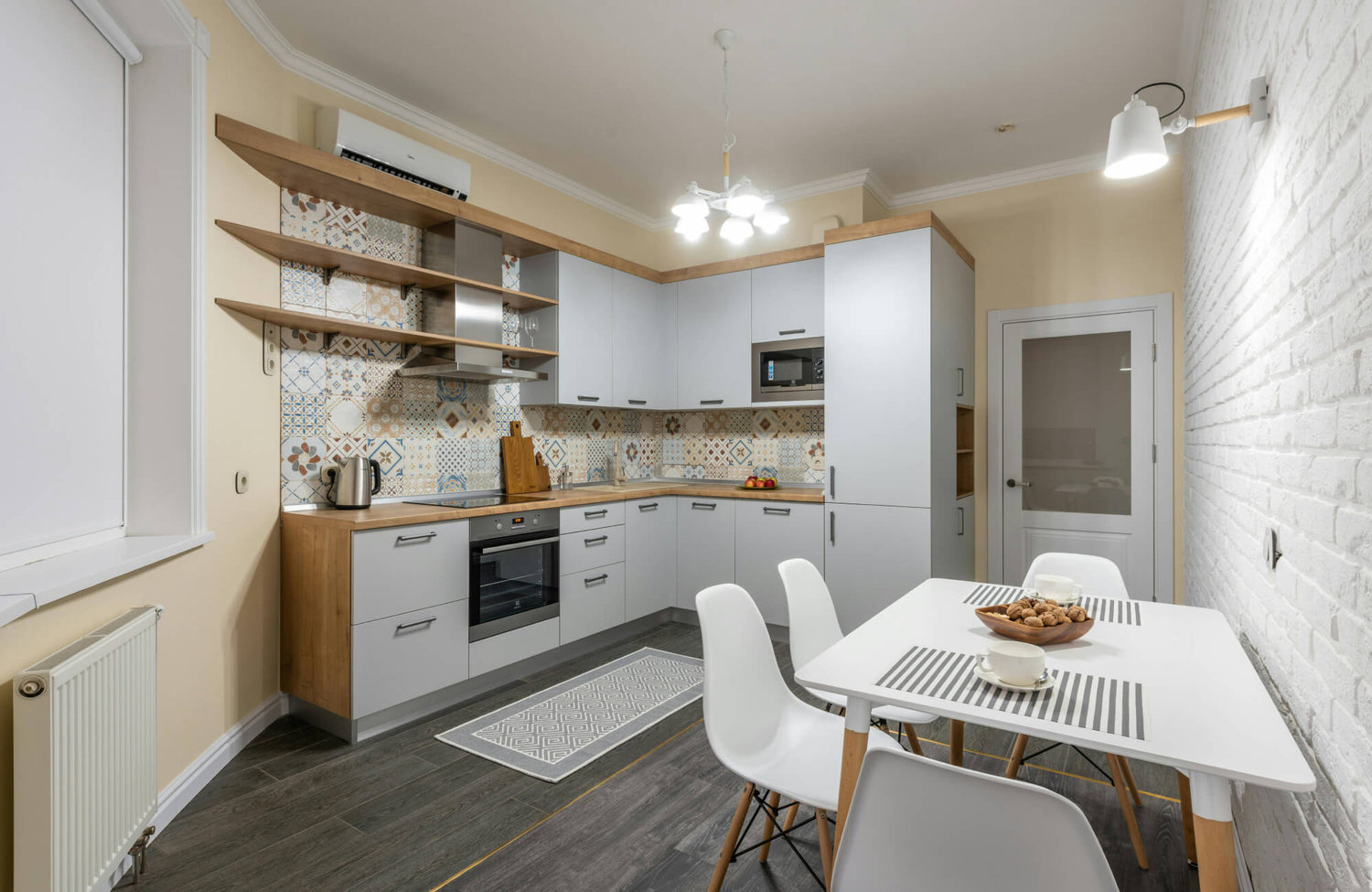
One of the defining features of a kitchen runner is its proportion. Typically two to three feet wide and stretching six to ten feet in length, it’s built to guide the eye and the foot through the busiest zones in the kitchen. This design allows it to fit seamlessly between counters, along galley-style layouts, or in transitional paths where people stand for extended periods. Its shape helps maximize floor coverage without overwhelming the space.
Placement also plays a big role in how a kitchen runner functions. Many homeowners position one directly in front of the sink, stove, or prep counter, where they spend the most time standing. Others use runners in hallway-like kitchens to create a natural walkway and soften the room’s linear feel. Wherever they’re used, runners are chosen to fit zones that see consistent movement and activity, anchoring the flow of the kitchen in a way larger rugs cannot.

The Practical Benefits of Kitchen Runners
One of the clearest advantages of a kitchen runner is the comfort it brings underfoot. Kitchens often have hard surfaces like tile, stone, or hardwood that can cause fatigue when standing for long periods. A cushioned runner provides a softer surface, making meal prep or cleanup less tiring on the feet, legs, and back. It also adds a touch of warmth to rooms that might otherwise feel cold or rigid.
Beyond comfort, kitchen runners offer a layer of protection for the flooring beneath them. Spills, dropped utensils, and scratches from daily use are common in busy kitchens, and a runner acts as a buffer against that wear and tear. Hardwood and laminate floors in particular benefit from this safeguard, as they can be easily damaged by water or stains. By absorbing minor mishaps, runners help extend the life and appearance of the original flooring.
Safety is another reason runners are more than just decorative. Smooth surfaces can become slippery, especially near sinks where water often splashes onto the floor. A runner with non-slip backing or paired with a rug pad helps reduce the risk of accidents in these high-activity areas. This added traction is especially valuable for families with kids or pets, where spills and quick movements are part of everyday life.

Best Materials for Kitchen Runners
The right material determines how well a kitchen runner performs in the long run. Since kitchens are prone to spills, stains, and constant movement, durability and ease of care are key factors when choosing a rug. Below, we’ll break down the most common materials used for kitchen runners and highlight their strengths as well as their drawbacks.
Cotton
Cotton runners are a popular choice for their softness and easy maintenance. They can often be machine-washed, which makes them a practical option for households where spills happen frequently. Cotton is also lightweight and versatile, fitting nicely into both casual and modern kitchen designs. For instance, a cotton runner near the sink can handle splashes without much fuss. However, thinner cotton rugs may wear down quickly in busy kitchens, so they’re best suited for comfort and convenience rather than long-term durability.
Wool
Wool, such as our Sweeney Wool Pile Rug in Graphite above, offers natural resilience, making it one of the strongest and longest-lasting fibers available. It naturally repels stains and moisture, which adds a practical edge for kitchens that see daily messes. Wool also provides warmth and texture, blending easily into both classic and contemporary styles. At the same time, high-pile wool runners can trap crumbs or spills, meaning they require more consistent upkeep. Still, wool is a smart choice for anyone who values durability and timeless style together.
Polypropylene
Polypropylene, like our Broderick Polypropylene Pile Rug in Coffee / Bronze, is a synthetic fiber that’s valued for being both stain-resistant and affordable. It holds up well in kitchens that experience constant use, and it can handle frequent cleaning without losing its shape. This material also resists fading, which is helpful for kitchens with large windows or lots of natural light. On the downside, lower-quality polypropylene may fray or shed, which reduces its lifespan. Choosing a higher-grade version, however, ensures a reliable and cost-effective solution for busy households.
PET (Recycled Polyester)
PET, made from recycled plastics, has become a go-to eco-friendly option for many homeowners. It’s durable, water-resistant, and often safe for both indoor and outdoor use, which makes it especially practical in kitchens. PET runners also clean easily and maintain their shape even with regular washing. However, some models without proper backing may slide on smooth floors, so they work best when paired with a non-slip pad. This material is a great fit for those who want a sustainable option that still performs well day after day.
Jute and Natural Fiber
Jute and other natural fibers bring an earthy, rustic look that instantly adds character to a kitchen. They’re strong and durable for light to moderate use, and they create a natural texture underfoot that many people find appealing. For example, a jute runner can warm up a kitchen with white cabinetry or minimalist finishes. Still, untreated jute absorbs liquids quickly, which makes it tricky in kitchens where spills are common. Because of this, jute is often better as a style-forward choice in low-moisture areas rather than a heavy-duty option.

The Style Side of Kitchen Runners
Beyond their usefulness, runners can act as design pieces that transform the mood of a kitchen. They bring color, texture, and personality into what is often a purely functional space. In this section, we’ll explore how kitchen runners contribute visually and help tie the overall design together.
Adding Color and Pattern
A kitchen runner is a simple way to introduce color or pattern into a room that might otherwise feel neutral. For example, a bold striped runner can liven up an all-white kitchen, while a patterned design can add character to a plain floor. These design elements also help distract from everyday messes, since busier prints hide crumbs or stains more effectively. Runners can also balance the tones of cabinets, walls, and countertops, creating a cohesive palette. With so many options available, they allow homeowners to express personality without overwhelming the space.
Creating Visual Flow
Runners don’t just add visual interest; they can also shape how a kitchen feels. A long, narrow runner naturally elongates the room, which works especially well in galley-style kitchens. This creates a sense of flow, guiding the eye through the space and softening harsh lines. In open-plan layouts, a runner can also help define the kitchen zone while still connecting it visually to adjoining areas. In this way, runners act as subtle design tools that enhance movement and balance within the home.
Matching Style to Function
Choosing the right runner means finding a balance between looks and practicality. Flatweave or low-pile styles, for instance, deliver a clean, modern appearance while being easy to maintain. Textured patterns can add warmth or depth but still hold up to frequent cleaning. It’s important to pick a design that complements the kitchen finishes while also fitting into daily routines. This way, the runner becomes both a stylish accent and a realistic choice for everyday use.

When a Kitchen Runner Might Not Be Practical
Despite their advantages, kitchen runners aren’t the right fit for every household. There are situations where they may create more problems than solutions, especially when space, lifestyle, or upkeep become bigger concerns. Below, we’ll explore the common scenarios where a runner could be more of a hassle than a help.
Small Kitchens with Limited Space
In compact kitchens, a runner can sometimes feel more like an obstacle than a benefit. Narrow walkways leave little room to maneuver, and adding a rug may make the space feel crowded or restrictive. For instance, a runner in front of a sink might block access to cabinets or appliances, creating frustration instead of convenience. When every inch matters, even a slim runner can interrupt the flow of movement.
At the same time, smaller kitchens often require clear sightlines and open floors to avoid feeling cramped. A runner, especially one with busy patterns, can visually shrink the room further. For households working with limited square footage, mats or smaller accent rugs may serve better. This keeps the functionality of having a soft surface without closing off walking paths. In such cases, simplicity tends to outweigh the appeal of a full-length runner.
Households with Heavy Spills
In homes where spills are frequent, runners can add to the cleaning workload instead of reducing it. Kitchens often see splashes from sinks, stovetop accidents, and food debris, all of which can soak into the fabric of a runner. Even washable rugs require regular upkeep, and constant laundering may cause wear over time. Families with young children, for example, may find that a runner doesn’t stay fresh for long.
Additionally, households with pets face similar challenges. Water bowls, muddy paws, and fur buildup can turn a runner into a magnet for mess. While certain materials hold up better than others, heavy and frequent spills still shorten the lifespan of even the most durable rugs. In these cases, bare floors or quick-dry mats may be more practical. This reduces stress while keeping the kitchen easier to maintain day-to-day.
Allergy or Maintenance Concerns
Runners can also pose challenges for people sensitive to dust, allergens, or odors. Rugs naturally collect particles like pet hair, crumbs, and pollen, which may aggravate allergies if not cleaned often. For instance, households that already struggle with air quality may find a runner adds to the problem instead of helping. While vacuuming and washing reduce buildup, they require consistent effort that not everyone can keep up with.
Maintenance is another consideration for busy households. High-pile or textured runners, in particular, trap debris that’s difficult to remove quickly. This can be frustrating in a space where cleanliness is a daily priority. Choosing a rug means committing to a cleaning routine, and not every lifestyle can support that added responsibility. For some, skipping the runner altogether provides more peace of mind.
So, Practical or Just for Style?
Kitchen runners strike a balance between usefulness and beauty, making them more than just decorative accents. They cushion your step, shield your flooring, and bring color or texture into the heart of the home. At the same time, they’re not always the right fit for every space or lifestyle, especially in smaller kitchens or homes with heavy maintenance concerns. Deciding whether a runner is practical or purely for style depends on how you use your kitchen day to day.
If you’re unsure which option is best for your home, our design consultation can help narrow down the choices. A professional can recommend the right size, material, and style of runner that suits both your space and your routine. This guidance also ensures your investment works with your kitchen layout rather than against it. Consider booking a consultation to explore your options and find a runner that blends practicality with design appeal.