Rugs do more than just dress up a floor; they also play a key role in shaping the comfort, style, and function of any room. One question that often comes up is whether heavier rugs are better. It's a reasonable thing to wonder, especially when weight is often associated with substance or quality. In this article, we’ll explore what rug weight means, how it affects the performance, and what to consider when choosing the right rug for your space.

Understanding Rug Weight and Construction
To understand if heavier rugs are better, we first need to look at what rug weight means. It reflects the materials and construction, which influence how a rug feels, performs, and fits into your space.
How Rug Weight Is Measured
When we talk about rug weight, we’re referring to how many pounds or ounces it weighs per square yard; a measurement that reflects both the thickness of the fibers and the rug’s overall density, which together shape how solid it feels. That weight can come from dense weaving, a high pile, or a heavy backing, and understanding where it comes from further helps you judge whether it adds lasting value or just makes the rug feel heavier
Materials That Add to Weight
The type of material used in a rug plays a significant role in how much it weighs. Natural fibers, such as wool and jute, are generally heavier than synthetic materials like polyester or nylon. Wool, in particular, has a dense structure that helps it retain shape, which adds to the rug’s overall weight. Rugs with a shag or high-pile design also tend to be heavier because they contain more fiber.
On the other hand, flat-weave styles made from cotton or lightweight synthetics may weigh less while still offering durability and visual appeal. Ultimately, weight reflects design choices rather than serving as a direct measure of quality.
Pile Height and Density
Along with materials, pile height and density also play a key role in a rug’s overall weight. Pile height refers to the length of the fibers, while density describes how closely those fibers are packed together. A rug with a high, plush pile may feel soft and full, but if the weave is loose, it could wear down more quickly. In contrast, a low pile with tight density often feels firmer, lasts longer, and still carries noticeable weight. Understanding how these two elements interact gives better insight into what the rug’s weight reveals about its structure and comfort over time.

Durability and Longevity in Real-World Use
While rug weight can influence how long a rug lasts, it’s only one piece of the puzzle. Durability also depends on the construction, fiber type, and how the rug is used day to day. Understanding how these factors work together helps clarify when a heavier rug adds lasting value, and when a lighter one may be the smarter choice.
Structural Integrity Over Time
Heavier rugs tend to provide greater structural stability, which can make a noticeable difference in how they perform over time. The added weight helps the rug stay flat, resist curling at the edges, and remain in place even in busy areas. This stability not only maintains the rug’s shape but also reduces movement that can lead to uneven wear or damage. Rugs with dense construction are less likely to stretch or ripple, problems that tend to appear more often in thinner, loosely woven styles. A heavier rug is often a more reliable choice if you want something that maintains its shape with minimal upkeep.
Resistance to Wear and Tear
In busy spaces where people walk frequently or furniture is regularly moved, such as living rooms, hallways, or family areas, heavier rugs tend to hold up better over time. The added weight acts as a buffer between the floor and repeated foot pressure, helping to reduce wear, flattening, or thinning in the surface. Rugs with tightly woven fibers and a substantial base also absorb more impact, offering protection for both the rug and the flooring beneath it. For families with kids, pets, or both, that added resilience can make a lasting difference.
When Lightweight Can Outlast Heavy
While heavier rugs are often associated with strength, weight alone doesn't guarantee long-term durability. In certain settings, lighter rugs, particularly those made from high-quality synthetic materials, can perform better over time. Humid environments, for example, can pose a challenge for dense natural fibers like wool, which tend to retain moisture and dry slowly, increasing the risk of mildew or musty odors.
By contrast, synthetic rugs designed to dry quickly and resist moisture can offer greater resilience in these conditions. They're easier to lift, clean, and maintain, making regular care more manageable, and that consistency can have just as much impact on a rug’s lifespan as thickness or material weight.
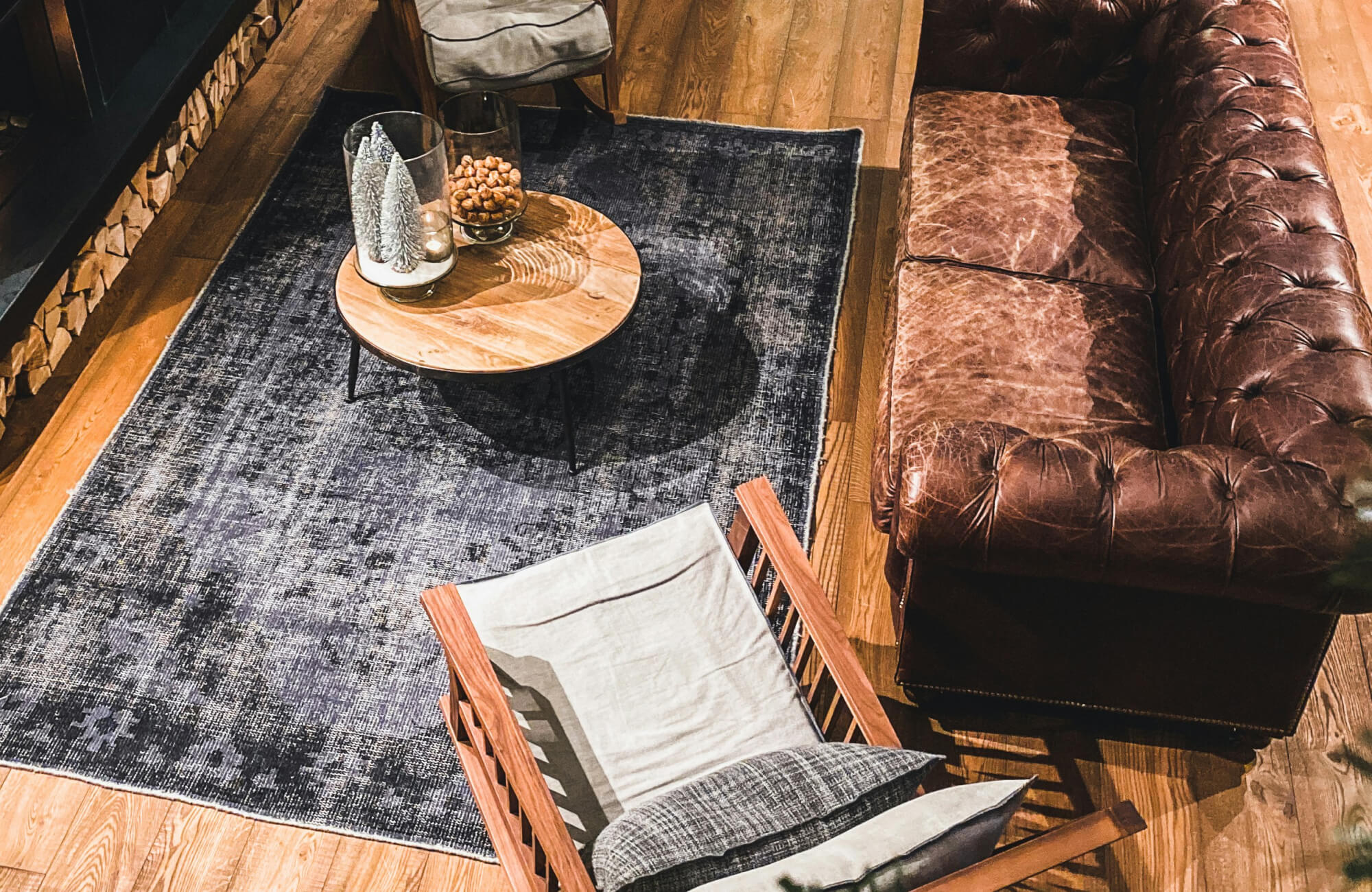
Edward Martin’s Hutchinson Polyester Face Rug in Sage / Graphite, as featured in the image above, is a strong example of this balance. With a low 0.13-inch pile height and durable power-loomed construction, it’s built for high function without excess bulk. Its lighter structure makes it easier to care for, while still offering the stability and visual warmth expected in everyday spaces. In environments where ease of maintenance matters just as much as style, this type of rug proves that lighter can indeed last longer.

Comfort and Cushioning Underfoot
Comfort is often the first thing you notice in a rug, especially where bare feet or floor seating are common. Although heavier rugs can feel more cushioned, factors like material, construction, and placement all influence how a rug performs underfoot.
Cushioning Without Padding
Heavier rugs often feel more cushioned simply because they contain more material, providing built-in thickness without the need for an added rug pad. This natural padding can create a softer, more inviting feel underfoot, especially in spaces like bedrooms or reading corners where comfort matters most. However, weight alone doesn’t guarantee softness. Some heavier rugs are firm due to their tightly woven, dense construction. In the end, comfort depends not just on how heavy the rug is, but on how thoughtfully it’s made.
Warmth and Insulation
Rug weight can also affect how warm and insulated a space feels. Dense, heavier rugs made from thick natural fibers tend to retain heat better, which can be especially comforting on cold mornings or over hard surfaces like tile and wood. In addition to thermal benefits, they help absorb sound, making them a practical choice for open-plan rooms or areas with high ceilings. If you're aiming to create a cozier, quieter environment, opting for a rug with more weight can make a noticeable difference.
When Light Rugs Feel Just as Good
Lighter rugs can still offer a high level of comfort, even without the weight. Many flat-weave or low-pile designs use soft, breathable fibers like cotton, bamboo silk, wool, or microfiber to create a smooth and inviting surface. These rugs also work especially well in warmer climates or in homes where easy maintenance and airflow matter. Choosing a lighter rug doesn’t mean giving up comfort; it often means you're prioritizing versatility, ease of care, and seasonal suitability.
Edward Martin’s Sweeney Wool Pile Rug in Graphite, as shown in the photo above, is a clear example of how a lighter rug can still feel rich and grounded. With a 0.5-inch pile height and hooked construction, it offers a soft, cushioned texture without added bulk. Its breathable wool surface also provides comfort and durability, making it ideal for minimalist spaces or rooms where clean lines and functional design take priority.

Placement and Room Functionality
Rug weight plays a key role in how well it suits a room’s purpose. Some spaces need the stability of a heavier rug, while others benefit from the flexibility of something lighter and easier to move.
High-Mobility Areas
In rooms where you move around a lot, like kitchens, home offices, or children’s play areas, a lightweight rug is often more practical. It's easier to reposition, clean around, or pick up if something spills. If you're constantly rearranging furniture or using rolling chairs, a rug that's too heavy might get in the way or become frustrating to move. Lighter rugs also tend to be less expensive and easier to replace, which can be helpful in spaces that see frequent changes.
Anchoring Furniture
Heavier rugs can offer much-needed stability in a room by helping anchor furniture in place. The added weight creates friction with the floor, reducing sliding and keeping pieces like coffee tables, sofas, or accent chairs from shifting out of alignment. This is especially useful in living rooms or beneath dining sets, where a steady, cohesive layout enhances both comfort and visual appeal. Heavier rugs also tend to lie flatter, minimizing wrinkles or curling for a more polished look.
However, this added weight can become a drawback in certain situations. If you like to rearrange your furniture frequently or need to lift the rug for cleaning, a heavy rug can be cumbersome to manage. In these cases, a lighter rug with a quality rug pad can offer similar stability while giving you more flexibility and ease of movement.
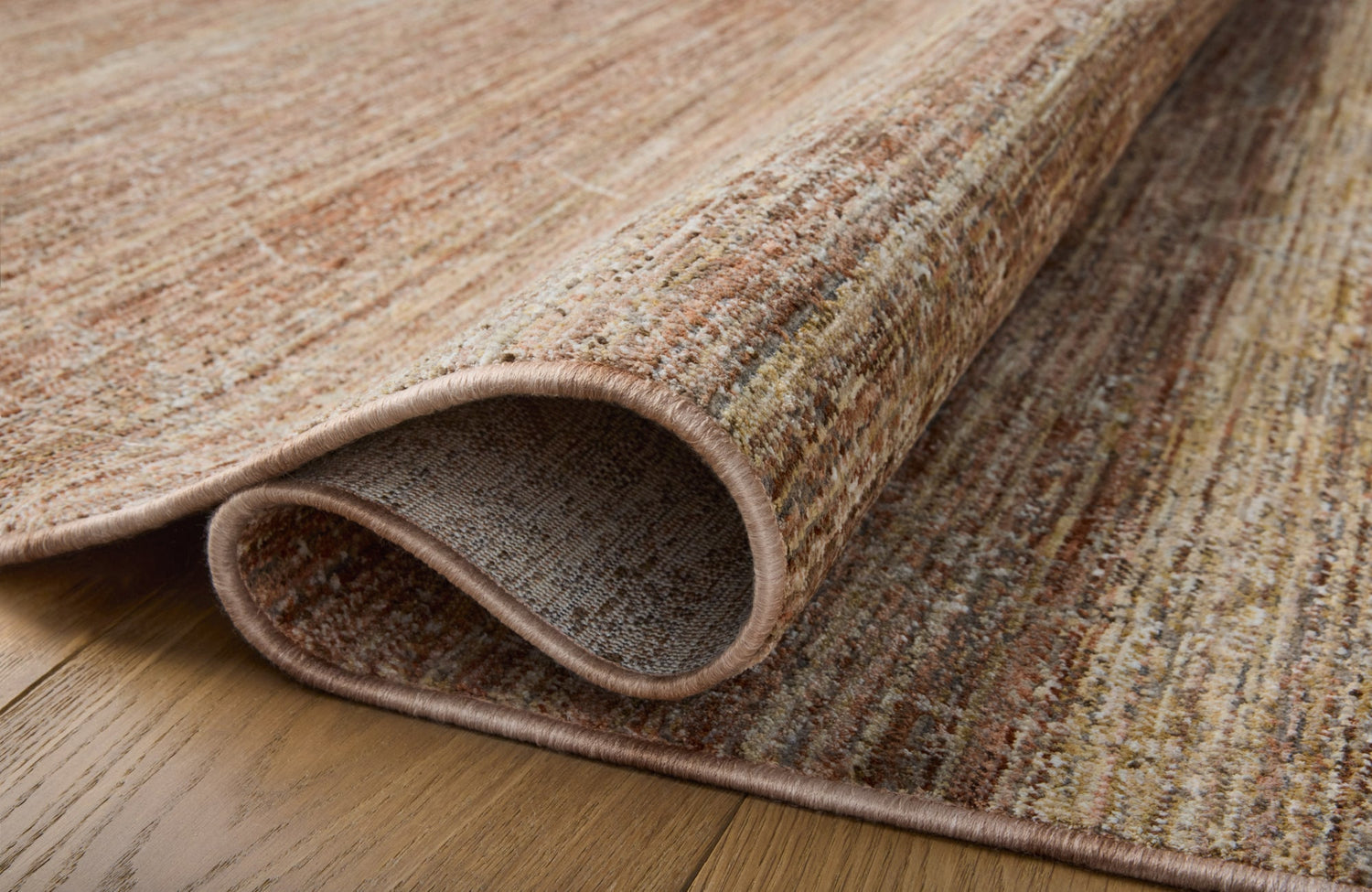
Edward Martin’s Pascal Polyester Face Rug in Spice / Cobalt, as shown in the photo above, is a great example of that balance. With a manageable 0.25-inch pile height, it provides visual depth and grounding without the bulk of a traditional heavy rug. Its lighter construction also makes it easier to reposition while still helping to define the space and hold furniture in place, offering both versatility and everyday function.
Versatility in Multi-Use Rooms
Many rooms today serve more than one purpose; a living room might double as a workout space, or a guest room might function as a part-time office. In these flexible environments, a lighter rug can be especially practical. It's easier to move, roll up, or store when the layout needs to shift. Heavier rugs, while stable, can be harder to adapt to. If your space changes often, a lightweight rug makes adjusting to new needs quicker and less of a hassle.

Cleaning and Maintenance Challenges
Rug weight also influences how easy it is to care for. Heavier rugs often require more effort to move, clean, and maintain, which can affect your day-to-day routine. While general care tips apply, it’s equally important to remember that maintenance needs can vary depending on the rug’s material, construction, and where it's placed. Always consider the care instructions provided by the manufacturer to keep your rug in good condition over time.
Vacuuming and Regular Care
When it comes to routine cleaning, lighter rugs tend to be easier to manage. You can lift a corner to vacuum underneath or rotate it for even wear with minimal effort. Heavier rugs, while they stay in place well, can be more difficult to maneuver, especially during thorough cleaning. Their weight and dense construction may also limit how easily a vacuum can glide or penetrate deeper fibers. In these cases, using a vacuum with adjustable height or stronger suction can make maintenance more effective, particularly for thick or low-clearance styles.
Deep Cleaning and Lifting
Over time, most rugs require more than just surface cleaning, whether it’s a deep wash, targeted spot treatment, or professional service. This is where rug weight can become a real obstacle. Large, heavy rugs often need two people to move and enough space to roll out fully, making the process more demanding. If the rug is too bulky for a standard washing machine or difficult to transport, professional cleaning may be your only option. That added effort can increase both the time and cost involved in keeping your rug in good condition.
Moisture and Drying Time
Heavier rugs, especially those made with absorbent natural fibers, tend to retain moisture longer after deep cleaning or spills. This can become an issue if the rug stays damp for too long, increasing the risk of odor, mildew, or mold, particularly on non-breathable floors or in humid environments. Basements and lower-level rooms are especially prone to this. If fast drying is a priority, whether for convenience or health reasons, a lighter rug made from synthetic or moisture-resistant materials may offer a more practical solution.
Edward Martin’s Georgette Polyester Pile Rug in Navy / Rose is a strong example of a lightweight synthetic rug that balances style with easy maintenance. Its construction helps it dry more quickly after spot cleaning, making it well-suited for spaces where spills are more likely or where humidity is a concern. This kind of design offers both peace of mind and everyday practicality without sacrificing visual appeal.

Cost and Value for Different Budgets
While rug weight can affect price, it doesn’t always reflect overall value. What matters more is how well the rug performs, how long it lasts, and whether it fits your space and lifestyle.
What You're Paying For
Heavier rugs often come with a higher price tag because they require more material and tend to cost more to produce and ship. When that weight results from quality fibers and thoughtful construction, the investment can be worthwhile. But in some cases, the extra bulk comes from filler or added padding that doesn’t enhance comfort or durability. That’s why it’s essential to look beyond the weight and consider how the rug is built; true value lies in quality, not just quantity.
Lightweight Doesn’t Mean Cheap
Many well-designed rugs are intentionally lightweight, offering quality without unnecessary bulk. Flat-weave styles, cotton blends, and tightly woven synthetics often perform exceptionally well, especially in areas such as stain resistance, easy upkeep, and adaptability. While they may come at a lower price point, that doesn’t mean they lack value. Ultimately, it’s about how well the rug aligns with your needs, whether that’s comfort, convenience, or style, rather than assuming that heavier automatically means better.
Edward Martin’s Georgette Polyester Pile Rug in Spice / Indigo, as featured in the entryway photo above, is a great example of that principle. Its low profile and lightweight construction make it easy to clean and reposition, yet it still adds texture, warmth, and color to a space, proving that lighter rugs can deliver both practicality and polish.
Choosing the Right Rug
Heavier rugs offer clear benefits; they tend to feel more grounded, insulate better, and often maintain their shape over time. Still, they’re not the right fit for every space or lifestyle. The best rug choice depends on how you use the room, what kind of maintenance you're comfortable with, and the level of flexibility your space requires. Rather than focusing solely on weight, consider what matters most to you, whether it's comfort underfoot, durability in busy areas, or ease of movement and care. Ultimately, the right rug fits seamlessly into your home, supports your daily routine, and complements the way you live.
If you need help narrowing down your options, contact us for personalized guidance or explore our complimentary design services to find a rug that truly works for your space!