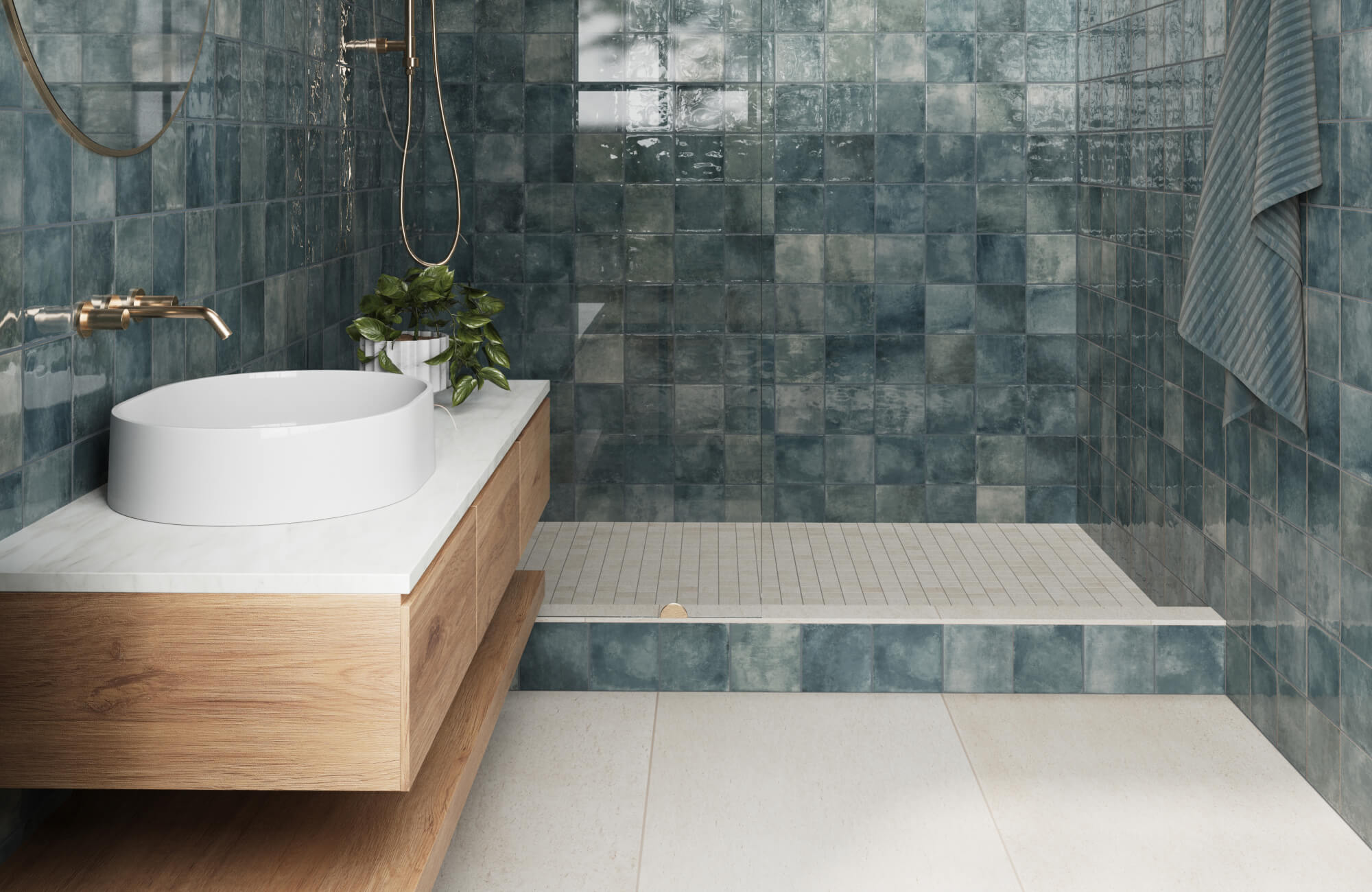
Green subway tiles have become a standout in contemporary interior design, offering a fresh yet grounded reinterpretation of a classic format. Their versatility allows them to move effortlessly across styles, from modern minimalism to rustic farmhouse, while a spectrum of shades, from soft sage to deep emerald, introduces depth, movement, and character into a space.
But beyond their current popularity, an important question remains: are green subway tiles simply a passing trend, or do they hold the qualities of a lasting design staple? As design increasingly shifts toward nature-driven and enduring aesthetics, green subway tiles sit at the intersection of style and longevity. In this article, we’ll explore what fuels their appeal, from their adaptability and psychological impact to their alignment with biophilic and sustainable design principles.

The Resurgence Of Green In Interior Design
Green has long been a staple in interior design, valued for both its visual richness and cultural significance. Ancient civilizations, from Egyptian malachite to Roman frescoes, prized green pigments for their vibrant hues and connection to nature. In the Victorian era, green symbolized elegance and frequently appeared in wallpaper, textiles, and ceramics. This deep-rooted history has solidified green’s place in design, seamlessly blending classic influences with modern aesthetics. Its current resurgence reflects a renewed appreciation for timeless colors that carry both heritage and style.
The Influence Of Biophilic Design Trends
The rise of biophilic design, which emphasizes a connection to the natural world, has played a significant role in the resurgence of green in interiors. This approach goes beyond simply adding plants; it incorporates natural light, organic textures, and earth-inspired color palettes to create environments that feel restorative and grounded. Green subway tiles, with their inherently organic tones and subtle variations, align seamlessly with this philosophy, offering a structured yet natural element that bridges built spaces and the outdoors.
In practical terms, their application across kitchens, bathrooms, and even commercial environments—as our Makenna 3x11 Glossy Porcelain Tile in Forest illustrates in the photo above—reflects a growing preference for spaces that promote calmness without sacrificing visual interest. Unlike more neutral tiles, green introduces color in a way that still feels anchored in nature, making it easier to layer with materials like wood, stone, and metal. This balance between structure and softness is what allows green subway tiles to feel both current and enduring.
As sustainability continues to influence design decisions, green also carries symbolic weight. It represents environmental awareness and is often associated with materials that incorporate recycled content or eco-conscious manufacturing processes. Beyond symbolism, the longevity of the color itself—rooted in nature rather than trend cycles—makes it a practical and thoughtful choice for long-term design planning.
The Psychological Impact Of Green
Green’s psychological effects also contribute to its resurgence. Studies have shown that green promotes feelings of calmness, balance, and rejuvenation, making it an ideal choice for spaces meant to relax and refresh. In kitchens, green subway tiles can create a lively yet soothing atmosphere, while in bathrooms, they transform ordinary spaces into serene retreats. The versatility of green’s emotional impact allows it to be both energizing and calming, depending on the shade and context.
Green’s adaptability to various design aesthetics has also contributed to its renewed popularity. From soft sage tones that complement Scandinavian minimalism to bold emerald hues that enhance Art Deco-inspired interiors, green subway tiles offer endless design possibilities. Moreover, they can serve as a subtle backdrop or a striking focal point, blending with other colors and materials. This makes green valuable for designers looking to add depth and character to a space without overwhelming it.
The Role Of Social Media and Design Influencers
Social media platforms have also accelerated the popularity of green in interior design. Influencers, designers, and homeowners share inspiring spaces that feature green subway tiles, showcasing their versatility and impact. The visual nature of these platforms also allows for the rapid dissemination of trends, making it easier for green tiles to gain widespread appeal. This digital exposure has not only highlighted the aesthetic qualities of green subway tiles but also inspired creative applications in homes and commercial spaces alike.

Exploring The Spectrum Of Green Subway Tiles
Green subway tiles are available in many shades, each carrying distinct design implications. The ability to select from this broad spectrum allows designers and homeowners to tailor the emotional and visual impact of a room. From earthy tones to vibrant jewel tones, green subway tiles offer many options.
Soft Sage and Pastel Greens
Soft sage and pastel green subway tiles offer an understated elegance that blends with various design styles. These lighter shades are ideal for creating airy, open spaces, particularly in smaller rooms where they reflect natural light to enhance the sense of space. Sage green, in particular, complements neutral palettes and natural materials like wood and stone, making it a popular choice for Scandinavian and minimalist interiors.
Mint and Seafoam Greens
Mint and seafoam green tiles bring a fresh, invigorating energy to interiors, ideal for those looking to add a playful yet sophisticated touch. These mid-tone greens work well in retro-inspired spaces, harking back to the color palettes of the 1950s and 60s, while also fitting into coastal and contemporary designs. The cool undertones of mint and seafoam can brighten a room without overwhelming it, making them versatile options for backsplashes and accent walls.
Olive and Moss Greens
Olive and moss green subway tiles introduce a rich, grounding element that brings warmth and depth into interiors. These deeper, nature-inspired tones are especially effective in spaces where you want to create a sense of enclosure and comfort, such as bathrooms, kitchens with darker cabinetry, or cozy transitional areas.
From a design standpoint, olive green tends to lean warmer, making it an ideal pairing for brass, bronze, or aged metallic finishes, while moss green offers a slightly cooler, more muted depth that works well alongside matte black fixtures or natural wood. These shades also perform particularly well in rooms with moderate to strong lighting, where their undertones can fully develop without appearing too heavy.
As shown in the photo above, Edward Martin’s Ellie 2.5x8 Matte Ceramic Tile in Moss demonstrates how this shade can transform a bathroom into a spa-like retreat. The matte finish softens the intensity of the green, while the elongated subway format introduces a subtle contemporary rhythm. This combination of tone, scale, and finish allows the tile to feel immersive without overwhelming the space, making it a versatile choice for both modern and rustic interiors.
Emerald and Forest Greens
Emerald and forest green tiles make a luxurious statement, perfect for those looking to create dramatic focal points. These deep, jewel-toned greens exude sophistication, often associated with Art Deco and modern glamour styles. Emerald green tiles can transform a simple kitchen backsplash or bathroom wall into a striking feature, especially when paired with metallic accents like gold or copper. Forest green, on the other hand, with its darker, more subdued tone, adds a sense of depth that is best for creating intimate spaces.
Teal and Blue-Green Hues
Teal and blue-green subway tiles can shift in appearance depending on the lighting, adding dynamic visual interest to any space. Teal tiles work well in eclectic or bohemian interiors, while blue-green hues can enhance coastal or Mediterranean-inspired designs.

Finishes and Textures
Beyond color, the finish and texture of subway tiles can impact the overall look, from glossy surfaces to matte and textured designs.
Glossy Finish
Glossy green subway tiles feature a shiny surface that reflects light, adding brightness and a sense of spaciousness to interiors. This finish is ideal for smaller spaces like bathrooms and kitchens, where it can enhance natural and artificial lighting. Glossy tiles are also easier to clean, making them practical for areas prone to splashes and spills. The reflective quality of a glossy finish can make lighter shades of green appear more vibrant and dynamic while adding depth to darker hues.
Matte Finish
Matte green subway tiles offer a more subdued, refined appearance that is ideal for creating a calm and contemporary atmosphere. Unlike glossy finishes, matte surfaces absorb rather than reflect light, which helps reduce glare and creates a softer, more diffused visual effect—particularly beneficial in spaces with abundant natural light.
From a practical perspective, matte tiles tend to provide better slip resistance, making them well-suited for floors, shower areas, and entryways. However, they may require slightly more maintenance, as their less reflective surface can make marks or residue more visible if not cleaned regularly. Despite this, their tactile quality and understated elegance make them a preferred option for designs that prioritize warmth and subtlety over shine.
To exemplify this, Edward Martin’s Dax 6x24 Matte Porcelain Tile in Forest, as displayed in the photo above, showcases how a deep green tone paired with a matte finish can create a grounded and immersive environment. Its elongated format also introduces a directional flow that works well on both walls and floors, reinforcing a cohesive and modern look while maintaining a natural, organic feel.,
Textured and Handcrafted Finishes
Textured and handcrafted green subway tiles introduce a tactile, artisanal quality to interiors, offering an alternative to traditional smooth tiles. These finishes can include subtle ridges, uneven surfaces, or hand-glazed variations, adding character and depth to walls and backsplashes. Handcrafted tiles also often showcase slight variations in color and texture, reflecting the artistry behind their creation. This finish is perfect for those seeking a bespoke, one-of-a-kind look, particularly in eclectic or bohemian spaces.
Beveled Edge Tiles
Beveled edge green subway tiles feature a sloped edge that creates a subtle three-dimensional effect, adding visual interest and texture to flat surfaces. This finish is often associated with traditional and vintage-inspired designs. The beveled edges catch and reflect light differently than flat tiles, enhancing the depth and dimension of the overall design. This finish also works well in kitchens and bathrooms, where it can create a polished look.
Crackled Finish
Crackle glaze green subway tiles feature a fine, web-like pattern on the surface, adding a layer of texture and visual intrigue. This finish is achieved through a specialized glazing process that causes controlled cracking in the top layer, giving the tiles a vintage, weathered appearance. Additionally, crackle glaze tiles are best for adding character and charm to traditional, rustic, or shabby-chic interiors. However, they require sealing to prevent moisture penetration, making them better suited for decorative applications rather than moisture-prone areas.
Satin and Semi-Glossy Finishes
Satin and semi-glossy green subway tiles strike a balance between glossy and matte finishes, offering a soft sheen that enhances color depth without overwhelming shine. These finishes provide a smooth, elegant surface that is easy to clean and maintain. Satin finishes also work well in both modern and traditional interiors, adding a touch of sophistication without the high reflectivity of a glossy tile. Semi-glossy tiles, on the other hand, with their slightly higher sheen, can highlight intricate details and subtle color variations, adding depth and interest to walls and backsplashes.

Designing With Green Subway Tiles
Green subway tiles are remarkably versatile, lending themselves to a wide range of spaces in both residential and commercial settings. Below are some practical advice on incorporating green subway tiles into different rooms and design styles.
Green Subway Tiles In Different Rooms
Green subway tiles’ ability to complement various design aesthetics makes them a go-to choice for people. Here’s how you should put them into your home.
Kitchens
Green subway tiles in kitchens serve both functional and aesthetic roles, acting as a protective backsplash while introducing color and depth into one of the most frequently used spaces in the home. The key to using them effectively lies in balancing tone, finish, and surrounding materials.
Lighter shades such as sage or mint are particularly well-suited for open-concept kitchens, where they can reflect light and maintain an airy, expansive feel. These hues pair effortlessly with white cabinetry, light wood finishes, and neutral countertops, creating a fresh yet understated palette. On the other hand, deeper tones like emerald or olive can be used to establish contrast and visual hierarchy, especially when combined with brass hardware, darker stone surfaces, or statement lighting.
Beyond backsplashes, green subway tiles can also be extended to kitchen islands, open shelving back panels, or even full-height accent walls to create continuity throughout the space. This layered application not only enhances visual cohesion but also allows the color to feel intentional rather than confined to a single surface.
Bathrooms
In bathrooms, green subway tile shades such as soft, pastel greens contribute to a soothing ambiance that is perfect for shower walls or vanity backsplashes. For a bolder statement, deep forest or teal tiles can also be used to create dramatic focal points in walk-in showers or feature walls.
As shown in the photo above, Edward Martin’s Teagan 3x12 Glossy Ceramic Tile in Moss brings depth and warmth to bathroom interiors. The glossy finish enhances the rich moss green shade, reflecting light to create a luminous space. Its slightly larger format also offers a contemporary twist on traditional subway tile layouts, perfect for both rustic and modern home designs. The moisture-resistant properties of the ceramic ensure durability, making it a great option for wet areas like showers and bath surrounds.
Living Rooms and Fireplaces
While traditionally reserved for kitchens and bathrooms, green subway tiles can bring unexpected elegance to living rooms. Tiling a fireplace surrounded in rich emerald or moss green creates a centerpiece that draws the eye and adds warmth to the room. In open-plan living areas, green tiles can serve as a cohesive element, linking the kitchen and living spaces through color continuity. For a more eclectic approach, combining green subway tiles with mixed materials like reclaimed wood or metal accents can add character and depth to modern interiors.
Entryways and Mudrooms
Green subway tiles are a good choice for entryways and mudrooms, where durability and style are equally important. Their easy-to-clean surfaces make them practical for heavy-use areas, while their vibrant hues create memorable first impressions. Using darker shades like olive or forest green in wainscoting or accent walls can ground the space and hide dirt or scuffs, while lighter greens brighten and open up smaller entryways. Pairing green tiles with functional elements like built-in benches or coat hooks also ensures both form and function are addressed.
Outdoor Spaces
Green subway tiles can also extend their charm to outdoor spaces, particularly in covered patios, outdoor kitchens, or garden walls. Their natural hues harmonize with the surrounding environment, blending with greenery and natural materials like stone and wood. Moreover, glazed finishes provide additional protection against moisture and weather, ensuring longevity and durability. Using green subway tiles in outdoor bar areas or as a backdrop for potted plants also adds a cohesive, organic feel to alfresco entertaining spaces.
Here is a table summarizing key design recommendations for each space.
| Room | Recommended Shades | Finish Options | Design Tips |
|---|---|---|---|
| Kitchen | Mint, Sage, Emerald | Glossy, Beveled Edge | Use glossy finishes for backsplashes to reflect light; pair with neutral cabinetry for balance. |
| Bathroom | Seafoam, Forest, Teal | Matte, Crackle Glaze | Create spa-like retreats with matte finishes; combine with natural stone or wood for warmth. |
| Living Room | Olive, Moss, Emerald | Textured, Handcrafted | Add an accent wall with textured tiles to create a focal point; pair with warm metals like brass. |
| Laundry Room | Sage, Mint | Glossy, Semi-Gloss | Use light-reflecting finishes to brighten the space; opt for pastel greens for a fresh, clean look. |
| Entryway | Forest, Olive, Teal | Satin, Beveled Edge | Make bold first impressions with deeper greens; pair with patterned flooring for dynamic contrast. |
| Commercial Spaces | Emerald, Teal, Olive | Glossy, Matte, Textured | Use bold shades for branding or thematic purposes; mix finishes for added depth and interest. |
Grout Choices and Layout Patterns
The grout color and tile layout you choose can influence the final look of green subway tiles. From enhancing contrasts to creating perfect home designs, these allow for further customization, helping to achieve a range of aesthetic effects. Understanding how grout and patterns interact with tile color will ensure a cohesive design.
Grout Color Selection
Grout selection plays a critical role in defining the final look of green subway tiles, influencing whether the installation reads as bold and graphic or soft and cohesive. Rather than being a secondary detail, grout can dramatically shift the visual outcome of the entire surface.
Contrasting grout, such as white or light gray, highlights the individual shape of each tile and emphasizes the layout pattern. This approach works particularly well with darker green tones like emerald or forest, where the contrast creates a crisp, structured appearance that leans more modern. It is also effective when you want to showcase patterns like herringbone or vertical stacking, as the grout lines become part of the design language.
On the other hand, matching or tonal grout, such as deep green, charcoal, or muted gray, creates a more seamless and continuous surface. This technique allows the color and finish of the tiles to take center stage, resulting in a calmer, more immersive look. It is especially useful in smaller spaces or when aiming for a spa-like or minimalist aesthetic.
When paired with layout patterns, grout becomes even more impactful. A classic brick pattern offers familiarity and balance, while vertical stacking can elongate walls and visually raise ceiling height. Herringbone and chevron layouts introduce movement and complexity, making them ideal for feature walls or focal areas. Understanding how grout and layout interact ensures that the final design feels intentional, cohesive, and aligned with the overall space.
Layout Patterns
The layout pattern of subway tiles offers another layer of customization, allowing designers to tailor the aesthetic to the desired style. Here are some of the most favored patterns of subway tiles in home design.
| Classic Brick Pattern | Herringbone Pattern | Vertical Stacking | Chevron Pattern |
|---|---|---|---|
| Provides a familiar, balanced look that suits both contemporary and traditional spaces. | Introduces dynamic movement and visual interest, perfect for accent walls or backsplashes aiming for a modern feel. | Elongates the appearance of walls, making ceilings seem higher and spaces feel more open. This is effective in bathrooms and narrow hallways. | Has a continuous zigzag effect, and the chevron pattern adds a bold, eye-catching element that works well in kitchen backsplashes or fireplace surrounds. |
If you’re having a difficult time choosing which pattern to go for, Edward Martin’s Augmented Reality (AR) Visualization Tool enables you to compare tile layout patterns side by side. This preview helps you visualize how each pattern affects the room’s proportions and ambiance, ensuring you make an informed choice that aligns with your desired aesthetic before purchase.

Green Subway Tiles and Design Styles
Green subway tiles offer more than just a splash of color—they can define the character of a room, complementing diverse design aesthetics from industrial lofts to coastal retreats. By selecting the right style, these tiles can enhance the architectural integrity of any space while reflecting personal style preferences.
Eclectic and Bohemian Spaces
Eclectic and bohemian interiors thrive on a mix of colors, textures, and patterns, and green subway tiles fit into this vibrant design philosophy. Bold shades like teal or seafoam can be combined with patterned tiles, colorful textiles, and eclectic decor elements to create a lively, dynamic space. The versatility of green allows it to serve as either a unifying element or a contrasting feature within a broader palette.
Handcrafted green subway tiles with uneven surfaces or hand-glazed finishes can also add a unique, artisanal quality to bohemian interiors. These imperfections contribute to the relaxed, lived-in feel that defines boho style, while the rich, organic hues of green enhance the connection to nature. Mixing different shades and finishes within the same space further amplifies the eclectic vibe, allowing for endless creativity and personalization.
Coastal and Nautical Themes
In coastal and nautical-themed interiors, green subway tiles evoke the fresh, breezy atmosphere of seaside living. Soft greens like seafoam or mint mirror the colors of the ocean and coastal vegetation, creating a soothing, airy environment. These shades pair well with white or sandy tones, natural wood accents, and nautical decor elements like rope, shells, and driftwood.
Green subway tiles can also be combined with blue hues to create a cohesive seaside palette that reflects the natural beauty of coastal landscapes. For example, a combination of teal and aqua tiles can mimic the varying shades of the ocean, while soft sage and sky blue evoke a tranquil, beachside ambiance. Glossy finishes enhance the reflective quality of light in these spaces, contributing to the bright, open feel characteristic of coastal design.
Art Deco and Glamorous Designs
In Art Deco and glamorous interiors, green subway tiles bring a sense of opulence and drama. Rich, jewel-toned shades like emerald and jade exude luxury, especially when paired with metallic accents like gold, brass, or chrome. The geometric simplicity of subway tiles complements the bold, symmetrical lines of Art Deco design, while a glossy finish enhances their vibrant color and reflective qualities.
Green subway tiles can also be used to create striking statement features in glamorous spaces, such as a dramatic fireplace surround, an accent wall, or a lavish bathroom backsplash. Incorporating mirrored surfaces, crystal chandeliers, and other glamorous elements alongside the tiles elevates the overall aesthetic, making the space feel more sophisticated and high-end.
Mid-Century Modern Spaces
Green subway tiles are a natural fit for mid-century modern interiors, where bold colors and clean lines define the aesthetic. Shades like avocado, pistachio, and chartreuse harken back to the color palettes of the 1950s and 60s, adding a nostalgic yet stylish touch. Pairing these hues with sleek, minimalist furniture and geometric patterns also creates a cohesive, retro-inspired look that feels both timeless and contemporary.
In mid-century modern design, functionality and form are equally important, and green subway tiles fulfill both criteria. Their durable, easy-to-clean surfaces make them practical for kitchens and bathrooms, while their bold colors and simple shapes align with the era's emphasis on functional design.
If you desire the essence of mid-century modern aesthetics, Edward Martin’s Maisie 2.5x16 Glossy Ceramic Tile in Pistachio exudes the 50s and 60s vibe. As shown in the photo above, the soft pistachio hue brings a refreshing, vintage charm to the bathroom, while the glossy finish enhances natural light that complements the lines of geometric patterns typical of mid-century modern design. The elongated tile format also introduces verticality and rhythm to the space, echoing the architectural simplicity that defines the style. Beyond aesthetics, the moisture-resistant ceramic material offers durability, making it a smart and stylish choice for bathrooms that require both form and function.
To further enhance your tile selection experience, Edward Martin offers a design consultation service to make planning and visualization effortless. With this, you can explore curated samples, receive one-on-one guidance, and enjoy dedicated follow-ups to ensure a smooth design journey. Whether you want bold chartreuse accents in your kitchen or a muted avocado backsplash in your bathroom, our team will help achieve your desired color and design style.
A Bold Revival Of Color With Green Subway Tiles
Green subway tiles have proven to be more than a fleeting trend; they represent a thoughtful evolution of a classic design element. While shifts toward biophilic and sustainable design influence their current popularity, their true strength lies in their adaptability, wide tonal range, and ability to integrate seamlessly across different styles and spaces.
Rather than being defined by a single moment in design, green subway tiles continue to evolve alongside changing aesthetics, making them a reliable choice for both contemporary updates and long-term interiors. Their connection to nature, combined with their flexibility in application, also ensures they remain relevant beyond trend cycles.
If you're considering a refresh, Edward Martin’s green subway tiles offer a balance of timeless appeal and modern versatility. Whether used as a subtle backdrop or a defining feature, they provide a foundation that can adapt, endure, and elevate your space over time.