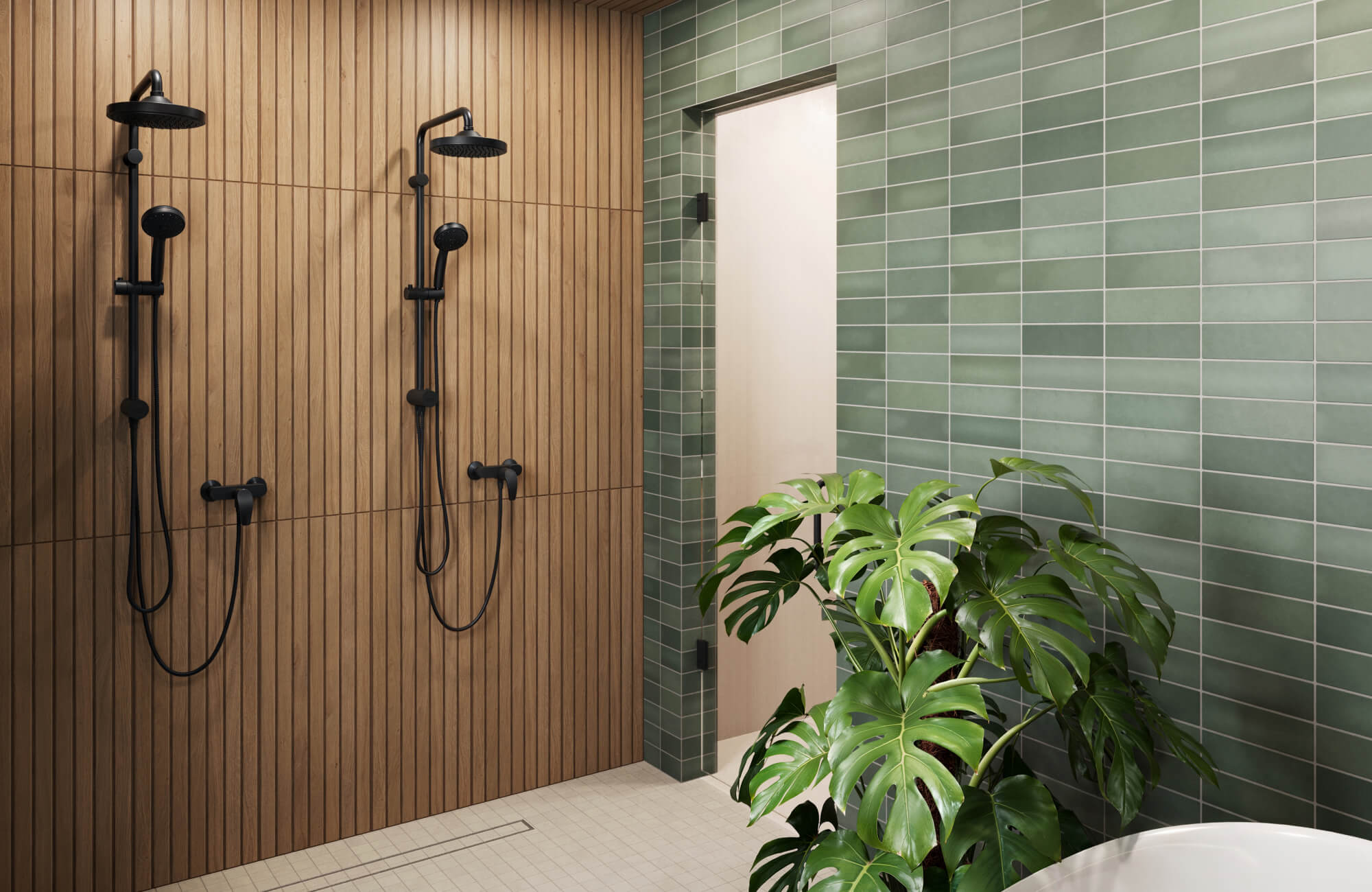
Green bathroom tiles are making waves in interior design, captivating homeowners and designers with their ability to bring both freshness and sophistication to a space. From deep emeralds to soft sages, green tiles offer a versatile palette that can transform bathrooms into serene retreats or bold statement spaces. But is this vibrant choice just a fleeting trend, or does it hold the timeless appeal to keep your bathroom looking stylish for years to come?
In this article, we’ll explore the rich history and modern resurgence of green bathroom tiles, uncovering why they continue to stand out in today’s design world. From their psychological effects to practical considerations and design ideas, we’ll help you make an informed decision if green tiles are the perfect fit for your bathroom.

The Evolution of Green Bathroom Tiles
Green bathroom tiles have a rich history, evolving through various design movements that reflect changing tastes and cultural influences. From ancient bathhouses to modern bathrooms, their appeal has transformed yet endured.
Early Uses of Green Tiles
Green bathroom tiles date back centuries, symbolizing nature and renewal in ancient civilizations. In early bathhouses, glazed terracotta and semi-precious stones were used to create soothing environments that reflected the earth’s natural beauty. The use of green in these spaces symbolized life and vitality, enhancing the therapeutic nature of bathing rituals. Green’s association with health and rejuvenation made it a popular choice in Roman and Islamic architecture, where intricate green tile work decorated public baths, mosques, and palaces, signifying not only aesthetics but also cultural and spiritual significance.
As time progressed, the Victorian era brought green tiles into the spotlight once more, with deep emerald and forest green hues dominating bathroom designs. These bathroom tiles were often featured in intricate mosaics that added elegance and luxury to spaces. The Victorian love for ornate design saw green tiles paired with rich woodwork and metallic fixtures, creating a look that was both opulent and timeless. The Art Nouveau movement further solidified green’s role in interior design, with flowing, organic patterns and botanical motifs that celebrated nature indoors. This period also showcased a wide range of green shades, from soft celadon to rich jade, creating timeless, nature-inspired aesthetics that continued to influence design trends for decades.
The Mid-20th Century and Beyond
The post-war era of the mid-20th century marked a bold shift in bathroom design, introducing vibrant colors to everyday spaces. Avocado green became synonymous with the 1970s, appearing in bathrooms across the globe. This bold, earthy tone reflected the decade’s fascination with nature and environmentalism but eventually became overused, leading to a decline in its appeal by the 1980s as neutral tones gained favor. Despite its fall from grace, avocado green left a lasting impact, paving the way for future interpretations of green in interior design.
In recent decades, softer, nature-inspired greens like sage, olive, and eucalyptus have resurfaced, aligning with the growing trend toward creating serene, spa-like environments in homes. These muted tones offer a sophisticated alternative to their bolder predecessors, providing a sense of tranquility and connection to nature. Advances in tile technology have also played a role, allowing for more nuanced hues and a broader range of textures and finishes. Today’s green tiles are versatile and adaptable, seamlessly blending into both modern minimalist and classic traditional designs. The resurgence of green in contemporary interiors highlights its enduring appeal and ability to evolve with changing design preferences.
Green Tiles in Popular Culture
Green tiles have made a lasting impression not only in real-life bathrooms but also in popular culture. Period dramas often feature vintage bathrooms adorned with rich green tiles, evoking nostalgia and historical elegance. These settings transport viewers to eras where green tiles symbolized sophistication and luxury, often serving as the perfect backdrop for scenes highlighting tradition or a connection to nature.
In modern design shows, green bathroom tiles are celebrated as a bold yet timeless choice. Influential renovation programs and design magazines have brought unique green tile applications into the spotlight, inspiring homeowners to embrace this vibrant color. The rise of handcrafted green zellige tiles, known for their glossy finish and artisanal charm, owes much of their popularity to features in high-profile publications and TV makeovers. Social media has further amplified this trend, with designers and influencers showcasing creative installations that blend traditional craftsmanship with modern aesthetics. This cultural visibility has firmly established green tiles as a versatile and stylish option for contemporary bathrooms.

Why Green Bathroom Tiles Are Back in Style
Green bathroom tiles have reemerged in modern design, offering fresh interpretations of color and texture. Their versatility and connection to nature make them a stylish and enduring choice.
Trending Shades of Green
Today’s green tiles come in a wide array of shades, each offering a unique ambiance to bathroom spaces. Deep forest and olive greens bring a sense of grounding and sophistication, making them ideal for creating dramatic focal points in larger bathrooms. A great example is Edward Martin’s Jaden 2.5x16 Glossy Ceramic Tile in Hunter, used as powder room wall tiles, featuring a dark green tone and glossy finish that enhances color depth and light reflection, complemented by brass fixtures and a warm wood vanity, as shown in the photo above. These shades also work well with luxurious materials like marble and brass, adding depth and elegance to the overall design.
On the lighter end, hues like sage, mint, and seafoam are well-suited for smaller bathrooms or powder rooms, where a more open, airy feel is desired. A great example is the Sarina 3x12 Glossy Ceramic Fishscale Tile in Seafoam, featuring a soft green tone, glossy finish, and a curved fishscale pattern that brings subtle movement to wall surfaces. These tones work beautifully as wall tiles or in full-height applications, especially when paired with light-wood vanities, soft white surfaces, and subtle accents. Their calming effect creates a spa-like environment. Newer variations with gray or blue undertones further expand design possibilities, allowing for seamless integration into modern, neutral interiors.
Tile Formats and Textures
It’s not just about color—modern formats and textures are a key reason green tiles feel current again. Large format tiles with matte finishes can create sleek, seamless surfaces that make spaces feel more expansive and contemporary. A great example is the Palmer 24x24 Matte Porcelain Tile in Sage, a large square format with a muted greenish-gray tone, complemented by a subtle cement look and a soft-touch finish. These tiles are particularly effective in minimalist bathroom designs, where fewer grout lines enhance simplicity. For a more dramatic effect, oversized green bathroom tiles can cover entire walls or floors, delivering a bold, cohesive look that reflects today’s preference for clean, immersive spaces.
Aside from size and finish, textured tiles can add depth and visual interest, especially when mimicking natural materials like slate, marble, or stone. This shift toward organic textures aligns with the growing demand for nature-inspired interiors. Even classic subway tiles have evolved, now appearing in green hues with elongated shapes and beveled or textured finishes, giving a familiar format a more updated, design-forward appeal.
For those who prefer added detail, mosaic tiles remain a popular choice for introducing pattern or subtle variation. Combining different textures within the same space creates a layered, multidimensional look that feels both modern and inviting.
With so many formats and textures available, visualizing how they’ll look in your space can be challenging. Our augmented reality (AR) technology lets you preview your chosen tiles in real time, helping you confidently select the right style for your bathroom.
Pairing Green Tiles with Other Elements
Another reason green bathroom tiles are back in style is their ability to pair effortlessly with a wide range of materials and finishes. Natural wood tones, such as light oak or rich walnut, introduce warmth and texture, creating a balanced contrast with the coolness of green tiles while reinforcing a more organic, nature-inspired look.
Metallic accents, such as brushed brass, matte black, or copper, further enhance this versatility. Brass and gold finishes can add warmth and a touch of luxury, while black hardware creates a more defined, contemporary contrast. This versatility allows green tiles to transition seamlessly across styles, from modern to classic bathroom interiors.
To complete the look, incorporating natural materials such as stone or concrete in countertops and flooring adds texture and depth. Finishing touches such as potted plants or hanging greenery reinforce the connection to nature, helping transform the bathroom into a calm, spa-like retreat.

Practical Considerations for Using Green Bathroom Tiles
While green bathroom tiles are undoubtedly stylish, it’s essential to consider the practical aspects of selecting, installing, and maintaining them to ensure both beauty and longevity.
Material Choices and Maintenance
Selecting the right tile material is essential for ensuring both performance and long-term maintenance. For bathroom walls, ceramic tiles are a practical option due to their affordability and moisture-resistance. The green shower pictured above is a great example, where Edward Martin’s Mikayla 5x5 Glossy Ceramic Tile in Olive features a rich olive green hue and glossy finish that enhances light reflection while remaining durable and easy to clean in moisture-prone areas. For spaces exposed to heavier wear, such as floors or high-moisture zones, porcelain is often the better choice, as its denser composition offers improved durability and resistance to water, stains, and scratches.
Natural stone tiles, such as marble or travertine, can bring a more distinctive, high-end look but require more upkeep. Regular sealing is necessary to protect against moisture and staining, and specialized cleaning products may be needed to preserve their finish. Glass tiles can also create a strong visual impact with their reflective surface, but are more delicate and require careful handling during installation.
When selecting a material, it’s important to match it to the specific application—whether for walls, floors, or wet zones to ensure it performs well over time while maintaining its appearance.
Grout Selection and Application
When working with green bathroom tiles, grout selection plays a key role in both maintenance and overall performance. Epoxy grout is a practical choice for wet areas like showers, as it resists moisture, stains, and mildew, making it easier to clean and maintain over time. Cement-based grout is more budget-friendly, but it requires sealing and ongoing upkeep to prevent discoloration and moisture absorption.
Grout color also affects how the tile design is perceived. A contrasting grout can emphasize the layout and shape of green tiles, while a matching tone creates a more seamless, cohesive look. The width of grout lines further influences both style and maintenance—narrow lines offer a cleaner, more modern appearance and are easier to maintain, while wider joints may require more frequent cleaning.
Proper application and sealing are essential to prevent water infiltration, especially in high-moisture areas, ensuring the longevity and performance of green bathroom tiles.
Installation and Budgeting
Proper installation is essential for maximizing the durability and long-term performance of green bathroom tiles. While straightforward layouts may be manageable for DIY projects, more complex patterns or materials often require professional installation to ensure proper surface preparation, accurate placement, and effective sealing. This helps prevent common issues such as uneven tiles, water damage, or premature wear.
From a practical standpoint, budgeting should account for more than just the tiles themselves. Additional materials like grout, adhesive, and underlayment, along with labor costs, all contribute to the overall investment. Planning these details early helps guide decisions around material selection and project scope.
It’s also advisable to order extra tiles to allow for cuts, breakage, and future repairs. Taking these steps not only streamlines the installation process but also ensures the finished space remains functional, durable, and visually consistent over time.

Green Tile Bathroom Ideas
Green tiles offer versatile design possibilities, allowing them to be used across different areas of the bathroom, from compact powder rooms to full shower layouts. By applying them thoughtfully on walls, floors, and key features, they can enhance both the visual appeal and functionality of modern bathroom spaces.
Create a Focal Point with Green Tile Walls
Using green tiles on a single wall—such as behind a vanity or bathtub—creates a strong focal point without overwhelming the space. This approach works especially well in both large bathrooms and smaller layouts, adding depth while keeping the overall design balanced. A refined example is Edward Martin’s Miley 4.5x9.1 Glossy Porcelain Tile in Forest, featured in the photo above, where its rich green tone and kitkat-inspired design create a striking focal point on the vanity wall while reflecting light to enhance depth and dimension.
Design a Cohesive Green Shower
A green shower is one of the most impactful ways to introduce color while maintaining a cohesive design. Extending green tiles across both shower walls and floors creates a unified, immersive look that visually defines the space. Using the same tile throughout can make the shower feel larger and more seamless, especially in open or walk-in layouts.
For added dimension, different formats can be combined, such as larger tiles on the walls paired with smaller mosaics on the shower floor for better grip and drainage. Lighter green tones help reflect light and keep the shower feeling open, while deeper shades like forest or olive create contrast and a more enclosed, spa-like atmosphere. Finishes also play a role, with glossy tiles enhancing brightness and matte surfaces offering a softer, more grounded effect.
Use Green Tiles to Enhance Bathroom Floors
Green tiles on the bathroom floor introduce color in a more subtle, grounded way while remaining highly functional. A green bathroom floor can anchor the entire space, especially when paired with neutral walls or natural materials like wood and stone.
Mosaic or patterned tiles are particularly effective for flooring, as they add texture and improve slip resistance, making them ideal for both main floors and shower areas. Larger-format tiles can create a cleaner, more modern look with fewer grout lines, while intricate patterns or tonal variations can add visual interest without overwhelming the design.
Choosing the right shade is also important; muted greens blend seamlessly into the overall palette, while darker tones provide contrast and help define the layout.
Use Green Tiles in Small Bathrooms and Powder Rooms
In smaller spaces, green tiles can be used strategically to introduce color without making the room feel crowded. Rather than covering every surface, applying green tiles to a backsplash, partial wall, or vanity area creates a focused design moment while maintaining visual balance.
Lighter shades like sage or mint help reflect light and keep the space feeling open, making them ideal for compact bathrooms. In contrast, powder rooms offer more flexibility to experiment with deeper greens, where the smaller scale allows for bolder color choices without overwhelming the space.
Limiting the application while pairing green tiles with light surfaces and simple fixtures helps maintain clarity and ensures the space remains functional and visually comfortable.
Add Detail with Green Tile Accents and Niches
Green tiles are also effective in smaller, detail-oriented applications that enhance both function and design. In showers, using green tiles within recessed niches helps define storage areas while adding contrast against surrounding surfaces.
Beyond the shower, green tiles can be applied to vanity fronts, shelving, or other architectural details to create a more custom, built-in look. These accents introduce color in a more controlled way, helping the overall design feel balanced while still adding depth and intention.
Varying the tile finish or shade within these details can further highlight specific areas, adding depth and dimension without requiring full-surface coverage.

The Environmental Impact of Choosing Green Bathroom Tiles
Aside from aesthetics and functionality, it’s important to consider the environmental implications of selecting green tiles for your bathroom. From sustainable materials to eco-friendly manufacturing processes, green bathroom tiles can contribute to a more environmentally conscious home.
Sustainable Materials and Manufacturing
Many green bathroom tiles are made from sustainable materials and eco-friendly manufacturing processes. Recycled glass tiles, for example, not only offer vibrant colors and unique textures but also reduce waste by repurposing discarded materials. Similarly, green ceramic and porcelain bathroom tiles can be made with recycled content, minimizing the environmental footprint associated with raw material extraction. Choosing tiles with recycled content not only helps reduce landfill waste but also conserves natural resources, contributing to a circular economy.
In addition to using recycled materials, many manufacturers focus on more eco-friendly production methods, such as reducing water use, lowering energy consumption, and using non-toxic glazes. Some companies even invest in renewable energy sources to power their production facilities, further reducing their carbon footprint. These practices contribute to a more sustainable industry, allowing homeowners to make choices that align with their environmental values.
Energy Efficiency and Indoor Air Quality
Green tiles can also support a more energy-efficient and environmentally responsible bathroom. Due to their natural thermal mass, tiles can absorb, store, and gradually release heat. When paired with radiant floor heating, this helps maintain consistent temperatures while reducing overall energy consumption. Over time, this efficiency can contribute to lower energy use and a reduced environmental footprint.
In addition, green bathroom tiles contribute to a healthier indoor environment through low-emission properties. As non-porous surfaces, they resist moisture buildup, which helps limit mold and mildew without relying heavily on chemical cleaners. Many tile options, along with compatible adhesives and grouts, are available in low-VOC formulations, helping reduce harmful emissions into the home.
Their durability further supports sustainability, as long-lasting materials reduce the need for frequent replacement, minimizing waste over time. By combining energy efficiency, low emissions, and durability, green tiles provide a practical way to create a bathroom that is both environmentally conscious and long-lasting.
The Timeless Appeal of Green Bathroom Tiles
Green bathroom tiles continue to hold their place in modern design, proving that they are not just in style, but also enduring. Their wide range of shades, from deep emeralds to soft sages, allows them to adapt seamlessly across design styles, whether classic, contemporary, or somewhere in between. Used as a focal point or a subtle backdrop, they bring depth, character, and a calming, spa-like quality to the space.
Aside from aesthetics, their practicality adds to their lasting relevance. With durable materials, low-maintenance options, and eco-friendly choices, green tiles offer both style and substance. As trends evolve, their versatility ensures they remain a consistent and adaptable choice for bathroom design.
Bringing this timeless look into your home is easier than ever—explore your options or get personalized design advice by contacting us today!