Ceramic tiles can be an excellent choice for bathrooms, especially when they are used in the right areas. They are affordable, easy to clean, water-resistant when glazed, and available in a wide range of colors, shapes, sizes, and finishes. For homeowners who want a bathroom that feels stylish, practical, and budget-conscious, ceramic tile offers a strong balance of beauty and function.
That said, ceramic tile is not the perfect solution for every surface. While it performs beautifully on bathroom walls, backsplashes, shower surrounds, and decorative accents, it may not always be the best option for busy floors or areas that experience frequent impact. Compared to porcelain, ceramic tile is generally less dense, which means it can be more prone to chipping or cracking if used in the wrong setting.
The key is knowing where ceramic tile works best and how to choose the right type for your bathroom. Below, we’ll explore what ceramic tiles are, their pros and cons, where to use them, how they compare to porcelain, and how to incorporate them into a bathroom design that feels both functional and timeless.

Ellie 5x5 Matte Ceramic Tile in Moss, with its soft green tone, subtle surface variation, and matte ceramic finish, shows how ceramic tiles can bring texture, color, and everyday function to bathroom walls
What Are Ceramic Tiles?
Ceramic tiles are clay-based tiles that are shaped, fired, and often finished with a protective glaze. This glaze can add color, pattern, texture, shine, and surface-level water resistance, which is why ceramic tile is such a common choice for bathrooms. When properly selected and installed, it can help protect surfaces from everyday moisture while adding visual character to the space.
In bathrooms, ceramic tiles are especially well-suited for vertical applications. Shower walls, vanity backsplashes, accent walls, and bathtub surrounds are all areas where ceramic tile can deliver a strong style impact without being exposed to the same wear and pressure as a heavily used floor. For example, the Mikayla 5x5 Glossy Ceramic Tile in Olive can bring a rich, polished look to a shower wall or backsplash, while its glossy surface helps reflect light and create depth.
For a softer and more organic look, matte ceramic tiles can add warmth without feeling overly decorative. Edward Martin’s Ellie 5x5 Matte Ceramic Tile in Moss, as shown in the image above, introduces an earthy green tone that pairs beautifully with wood vanities, brass fixtures, stone accents, and other natural textures. This kind of tile works especially well in bathrooms designed to feel calm, grounded, and inviting.
It is also important to understand that ceramic tiles can vary in porosity. Non-vitreous tiles absorb more water and are generally better suited for dry or lower-moisture wall applications. Semi-vitreous ceramic tiles absorb less water and may be more appropriate in areas that experience occasional moisture. In bathrooms, this distinction matters because not every ceramic tile is designed for every surface. Always check the manufacturer’s recommendations before using ceramic tile on shower walls, bathroom floors, or other moisture-prone areas.
Overall, ceramic tile remains a practical and attractive bathroom material because it combines design flexibility with everyday usability. When chosen carefully, it can support everything from classic bathroom designs to bold, modern spaces.

Sarina 3x12 Glossy Ceramic Fishscale Tile in Cloud, with its scalloped silhouette, reflective ceramic glaze, and soft white tone, highlights the design variety, moisture resistance, and polished elegance that ceramic tiles can bring to bathroom walls
The Pros of Using Ceramic Tiles for Bathrooms
Once you understand where ceramic tile performs best, its advantages become clear. It is one of the most versatile bathroom materials available, offering a wide range of design possibilities while remaining approachable in cost and maintenance.
1. Affordability
Ceramic tile is often more budget-friendly than natural stone and many porcelain options, making it a practical choice for homeowners who want a polished look without overspending. It allows you to create a finished, high-design bathroom surface at a more accessible price point.
This affordability is especially useful for walls, backsplashes, shower surrounds, and accent areas, where ceramic tile can make a strong visual statement without requiring the same investment as premium materials. Because ceramic is also generally easier to cut than denser tile materials, it may be more manageable for certain installations, although professional installation is still recommended for more complex bathroom projects.
2. Design Variety
One of ceramic tile’s greatest strengths is its range of styles. It comes in countless colors, shapes, textures, patterns, and finishes, giving you the freedom to design a bathroom that feels clean and minimal, warm and rustic, bold and colorful, or timeless and traditional.
Glossy ceramic tiles can brighten a bathroom by reflecting light, which makes them especially useful in smaller spaces or rooms with limited natural light. Matte ceramic tiles, on the other hand, create a softer and more understated look. Patterned or dimensional ceramic tiles can add movement and personality, while handmade-look finishes bring subtle variation and charm.
Because there are so many options, choosing the right tile can feel overwhelming. Visualization tools can make the process easier by helping you preview how different colors, layouts, and finishes may look in your space before making a final decision.
3. Customization
Ceramic tile also offers plenty of room for customization. It can be used with decorative edging, trim pieces, chair rails, niche shelves, borders, and accent layouts to create a more personalized bathroom design.
This flexibility is especially valuable in smaller areas. A simple shower niche, framed mirror wall, or vanity backsplash can become a focal point with the right ceramic tile. Mosaic ceramic tiles can also be arranged into patterns or borders, giving the bathroom more character without overwhelming the entire room.
4. Water and Moisture Resistance
Bathrooms need materials that can handle moisture, and glazed ceramic tile performs well in many wet or splash-prone areas. The glazed surface helps resist water at the tile level, making ceramic a smart choice for shower walls, tub surrounds, vanity backsplashes, and bathroom walls.
However, water resistance depends on more than the tile itself. Proper installation, waterproofing, grout, sealant, and substrate all play an important role in how well the finished surface performs over time. For this reason, ceramic tile should always be installed according to manufacturer and industry recommendations, especially in showers or other areas exposed to regular moisture.
For bathroom floors or shower floors, it is especially important to choose a tile that is specifically rated for floor use and wet conditions. Matte or textured finishes are generally preferred in these areas because they provide better traction than smooth, glossy surfaces.
5. Low Maintenance
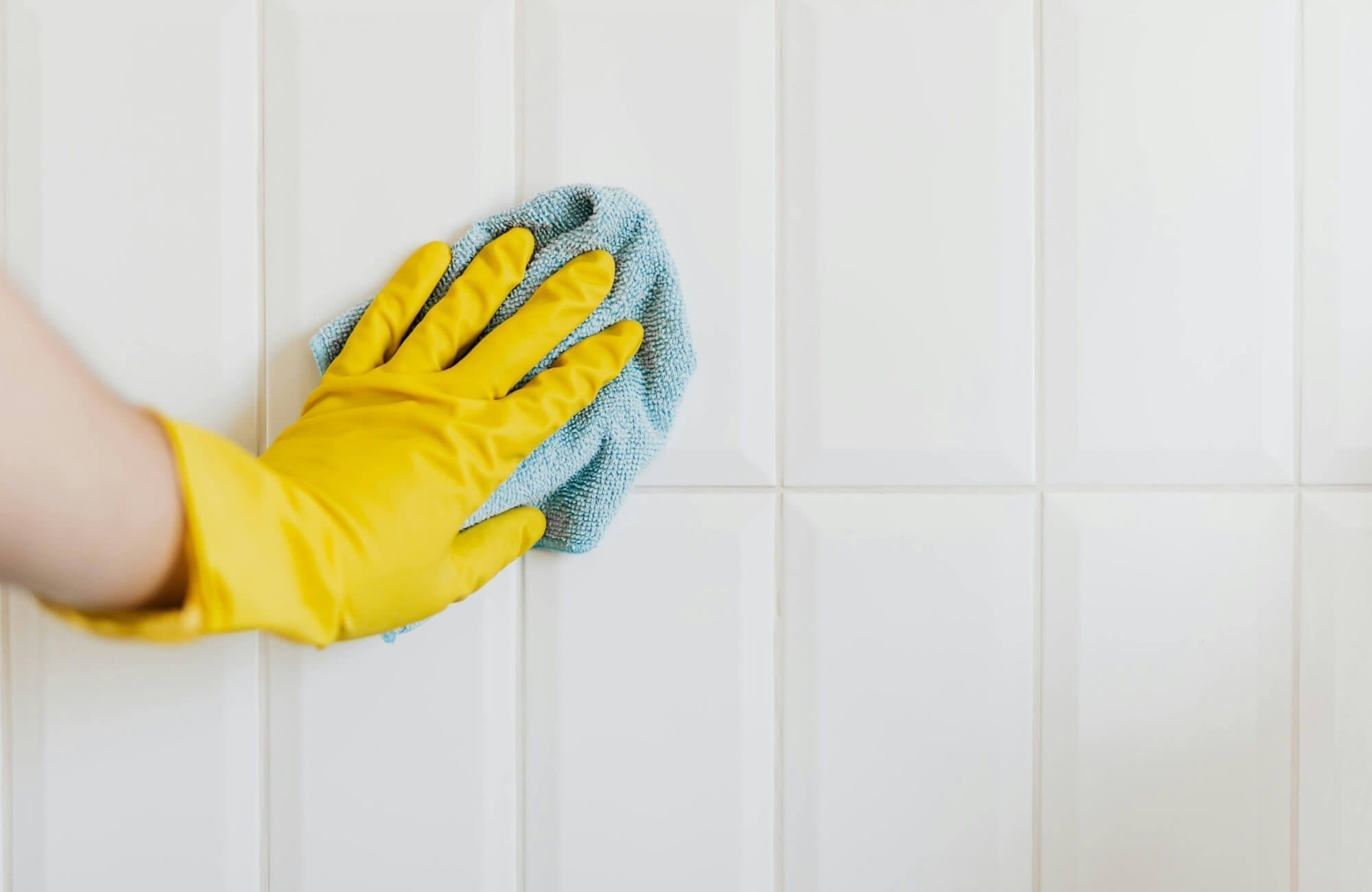
Glazed ceramic tile is relatively easy to maintain, which makes it a practical choice for busy bathrooms. Its smooth surface helps resist stains and everyday buildup, so most routine cleaning can be handled with mild soap, water, and a soft cloth or mop.
That said, not every ceramic tile has the same care requirements. Unglazed or more porous ceramic tiles may need sealing, and grout lines usually require more attention than the tile surface itself. To keep the installation looking its best, always follow the manufacturer’s cleaning and maintenance instructions.
6. Durability
When properly installed and maintained, ceramic tile can last for many years. It holds up especially well on walls, backsplashes, shower surrounds, and other surfaces that are not exposed to heavy impact.
For floors, durability depends on whether the tile is rated for that use. Some ceramic tiles are designed only for walls and may not withstand heavy use. Others can work well in powder rooms, guest bathrooms, or lower-use en-suite baths. In busier bathrooms, however, porcelain may offer better long-term durability because it is denser and less porous.
7. Eco-Friendly Option
Ceramic tiles are often made from natural materials such as clay, sand, and other minerals. Their long lifespan can also reduce the need for frequent replacement, which helps minimize waste over time.
Some manufacturers may also incorporate recycled content or more efficient production methods. For homeowners looking for a material that balances durability, style, and responsible material use, ceramic tile can be a thoughtful choice.
8. Heat Resistance
Ceramic tile is highly heat-resistant, which makes it compatible with radiant floor heating systems when properly installed. This can be especially appealing in bathrooms where tile floors might otherwise feel cold underfoot.
Radiant heating adds comfort and can make the bathroom feel warmer and more inviting, particularly in colder climates. It also helps ceramic tile feel more luxurious without changing the look of the finished surface.
9. Versatility for Different Applications
Ceramic tiles can be used in various parts of the bathroom, from flooring and shower walls to decorative backsplashes and vanity surrounds. Their versatility allows for cohesive design while accommodating both functional and aesthetic needs.
To achieve a striking yet budget-friendly design, use ceramic tiles as accent pieces in backsplashes, feature walls, or niche areas. For instance, the Jameson 12x36 Matte Ceramic Tile in Camel Deco is a perfect choice for creating a statement wall or a decorative niche. Its subtle pattern and matte finish add texture and sophistication, drawing attention to specific areas without overwhelming the overall design. This approach allows you to create visually appealing focal points while keeping costs manageable.

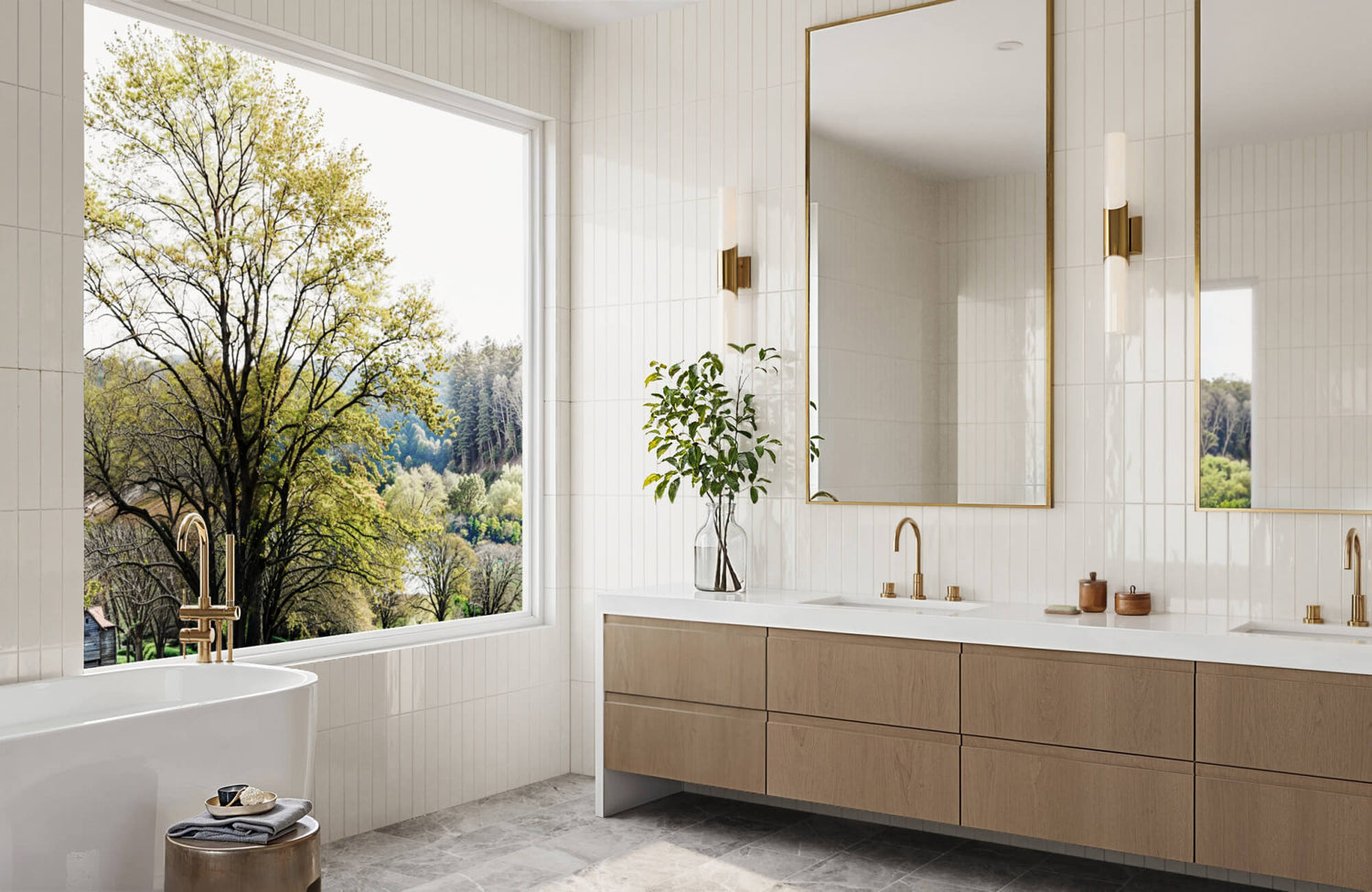
Matte ceramic herringbone floor tile with its warm earthy tone, subtle variation, and textured finish, paired with a sleek freestanding tub, brass fixtures, natural greenery, and abundant daylight
The Cons of Using Ceramic Tiles for Bathrooms
While ceramic tiles offer numerous advantages, it’s important to weigh their potential drawbacks to determine if they’re the right choice for your bathroom. Here are some factors to consider when evaluating ceramic tiles:
1. Cold Underfoot
Ceramic tile can feel cold, especially when installed on bathroom floors in cooler climates. This may be a drawback for homeowners who want their bathroom to feel warm, cozy, and spa-like. Radiant floor heating is one of the best ways to solve this issue. It warms the tile from below and makes the bathroom more comfortable throughout the year. If radiant heating is not part of the project, bath mats or area rugs can help soften the feel of ceramic flooring.
2. Slippery Surface
Although ceramic tiles are water-resistant, smooth or glossy tiles can become dangerously slippery when wet, increasing the risk of slips and falls in a bathroom. This can be a significant concern for households with children, elderly individuals, or anyone with mobility challenges. To minimize this safety risk, it’s best to opt for ceramic tiles with a matte or textured finish, as these surfaces provide better grip and help reduce the likelihood of accidents.
3. Installation Challenges
Installing ceramic tiles can be a complex process, particularly for intricate patterns, large format tiles, or areas with irregular shapes. Cutting ceramic tiles to fit around corners, edges, or fixtures often requires specialized tools and experience. Additionally, heavier ceramic tiles can pose challenges during the installation process, especially on walls or ceilings. While skilled DIYers may be able to handle basic installations, most projects—especially those involving intricate designs or challenging layouts—are best left to professional installers. Hiring a qualified tile expert ensures proper alignment, secure adhesion, and a polished finish that enhances the overall look of your bathroom.
4. Maintenance of Grout Lines
While ceramic bathroom tiles themselves are low-maintenance, the grout lines between tiles can require more attention. Grout is porous and prone to staining, discoloration, or mold growth, especially in wet environments like bathrooms. To keep grout lines clean and mold-free, regular maintenance is essential. This includes scrubbing with a grout-safe cleaner and resealing the grout periodically to protect it from moisture and stains.
Always follow the manufacturer’s recommendations for cleaning and sealing grout to ensure proper care and longevity. Using the wrong cleaning products or neglecting sealing can lead to damage or reduced performance over time. For homeowners seeking minimal upkeep, consider larger ceramic bathroom tiles with fewer grout lines, as this can significantly reduce the effort needed for cleaning and maintenance.
5. Grout Maintenance
Ceramic tile itself is often easy to clean, but grout lines require more attention. Because grout is porous, it can stain, discolor, or develop mold and mildew in damp bathroom environments.
Regular cleaning with a grout-safe product can help maintain the appearance of the installation. In many cases, grout should also be sealed periodically to help protect it from moisture and staining. For homeowners who want less upkeep, larger ceramic tiles with fewer grout lines may be a more practical choice.

Mikayla 5x5 Glossy Ceramic Tile in Olive with its rich olive tone, glossy finish, and handcrafted variation, paired naturally with warm brass fixtures, soft neutral walls, and light wood cabinetry for a timeless bathroom design
Cost of Ceramic Bathroom Tiles
Ceramic bathroom tile is generally known for being affordable, but prices can vary widely depending on size, finish, color, shape, pattern, and craftsmanship. A simple ceramic tile will usually cost less than a handmade, decorative, oversized, or specialty-glazed option.
Basic Ceramic Tiles
At the lower end of the price spectrum, basic ceramic bathroom tiles are available for as little as $8 per square foot. These tiles are typically simple in design and come in standard sizes, such as 6x6 inches. While they may lack the intricate patterns or premium finishes of higher-end options, basic ceramic bathroom tiles are a practical and cost-effective solution for those looking to stay within a tight budget.
Mid-Range Ceramic Tiles
For those seeking a balance between cost and style, mid-range ceramic tiles typically fall in the $10 to $15 per square foot range. These tiles offer a wider variety of designs, textures, and finishes, including matte, glossy, or satin sheens. Mid-range options often include tiles with more vibrant colors, subtle patterns, or unique shapes, such as subway tiles or hexagons, making them suitable for homeowners looking to create a stylish yet affordable bathroom.
High-End Ceramic Tiles
High-end ceramic bathroom tiles, priced at $30 to $40 or more per piece, cater to those looking for luxury and craftsmanship. These tiles often feature intricate patterns, custom designs, or artisanal details, such as hand-painted finishes or embossed textures. They may also come in unconventional shapes, oversized formats, or specialty finishes like metallic or wood look designs, offering a truly unique and sophisticated appearance. While these options may be more expensive, they can serve as statement pieces in backsplashes, accent walls, or niche areas.

Maisie 2.5x16 Glossy Ceramic Tile in Pistachio, with its elongated format, glossy finish, and soft green tone, finished with Aniston 2x2 Matte Porcelain Hexagon Mosaic Tile in Calacatta Top
Design Ideas and Applications for Bathrooms
Ceramic tiles offer endless design possibilities for bathrooms, making them a versatile choice for various applications. They can be used to create stunning feature walls, stylish backsplashes, or durable and water-resistant shower surrounds. For a cohesive look, consider pairing floor and wall tiles in complementary colors or patterns, or use contrasting styles to create visual interest.
Ceramic tiles are also perfect for crafting accent areas, such as a bold mosaic design in a shower niche or an elegant border detail around a mirror. Additionally, textured or patterned ceramic tiles can add depth and personality to the space, transforming even the simplest bathroom into a visually captivating retreat. By mixing sizes, shapes, and finishes, you can achieve a custom look that reflects your unique style while maintaining functionality.
Floors
Ceramic tiles are a popular choice for bathroom flooring due to their water-resistant properties, offering a balance of practicality and style. For floors with moderate or minimal use, ceramic tiles with a matte or textured finish are an excellent option, providing both durability and an elegant appearance. They work particularly well in spaces like powder rooms, guest bathrooms, or en-suite baths where functionality and aesthetic appeal are key.
Walls
Ceramic tiles are an excellent choice for bathroom walls, offering a balance of style, functionality, and easy maintenance. Their wide range of colors, finishes, and layouts makes it easy to create anything from a clean, minimalist look to a more layered and decorative design. Glossy ceramic tiles can help reflect light and brighten smaller bathrooms, while matte finishes bring a softer and more organic feel. Whether installed in vertical stacks, classic subway patterns, or full-height feature walls, ceramic tiles add texture, depth, and visual continuity that can elevate the overall atmosphere of the space.
Combining with Other Materials
Pairing ceramic bathroom tiles with other materials such as natural stone, glass, or wood-like finishes can create a unique and dynamic aesthetic in your bathroom. For instance, you could use ceramic tiles as the main surface for walls or floors and add a touch of elegance by incorporating glass mosaic tiles as accents. This combination not only enhances visual interest but also creates a sense of depth and texture.
Another idea is to mix ceramic tiles with wood look tiles to achieve a warm, spa-like vibe. The wood-like finish adds natural charm, while the ceramic surface maintains durability and water resistance. Similarly, combining ceramic tiles with natural stone, such as marble or travertine, can elevate the design to feel luxurious and sophisticated. By blending materials, you can craft a space that is not only functional but also rich in character and style.
For those seeking a truly unique bathroom, customized interior design services can elevate your space to the next level. These services allow you to tailor every aspect of your bathroom, from tile patterns and colors to layouts and finishes, ensuring the final design perfectly reflects your style and needs. By working with experienced designers, you can create a cohesive and personalized look that enhances both functionality and aesthetics.
Is Ceramic Tile Right for Your Bathroom?
Ceramic tile is a good choice for bathrooms when it is used thoughtfully. It works especially well on walls, backsplashes, shower surrounds, vanity areas, and decorative accents. It also offers affordability, style variety, easy maintenance, and a wide range of design possibilities.
However, ceramic tile is not always the best choice for every bathroom floor. Because it is generally less dense than porcelain, it may be more prone to chips or cracks in busy areas. For busy floors, shower floors, or bathrooms that need maximum durability, porcelain may be the stronger option.
Still, ceramic tile remains one of the most practical and stylish materials for bathroom design. Whether you are refreshing a small powder room, updating a guest bath, or creating a colorful shower wall, ceramic tile can offer the right balance of function, beauty, and value.

Jaden 2.5x16 Glossy Ceramic Tile in Hunter, with its elongated proportions, rich green hue, and glossy finish, creates striking visual depth and a modern, organic atmosphere throughout the bathroom
Frequently Asked Questions
Ceramic tiles are a versatile and durable option for bathrooms, but homeowners often have questions about their functionality and customization. Below, we’ve addressed some common queries, from the longevity of ceramic tiles to options like glazing, painting, and handling cracks or chips, to help you make the most of your bathroom design.
1. Can ceramic tiles be installed over existing tiles?
Yes, ceramic tiles can often be installed over existing tiles, but the original surface must be clean, level, and securely adhered. It’s best to consult a professional to ensure proper preparation and installation.
2. How long do ceramic tiles last in bathrooms?
When properly installed and maintained, ceramic tiles can last 20-30 years or more. Their durability makes them a long-term investment for bathroom spaces.
3. What’s the difference between glazed and unglazed ceramic tiles?
Glazed ceramic tiles have a protective coating that adds shine, color, and water resistance, while unglazed tiles have a natural, matte finish that offers a more rustic look but may require sealing to enhance water resistance.
4. Can ceramic tiles be painted?
Yes, ceramic tiles can be painted, but it requires proper surface preparation, such as cleaning and sanding, followed by the use of tile-specific paint or epoxy. However, painted tiles may not be as durable as their original finish.
5. What to do if a ceramic tile cracks or chips?
Minor cracks or chips can often be repaired with a ceramic tile repair kit. For more significant damage, it’s best to replace the damaged tile. Be sure to keep extra tiles on hand after installation for any future repairs.