
)
)
)
)
)
)
)
)
How Durable Is Wood Look Tile?
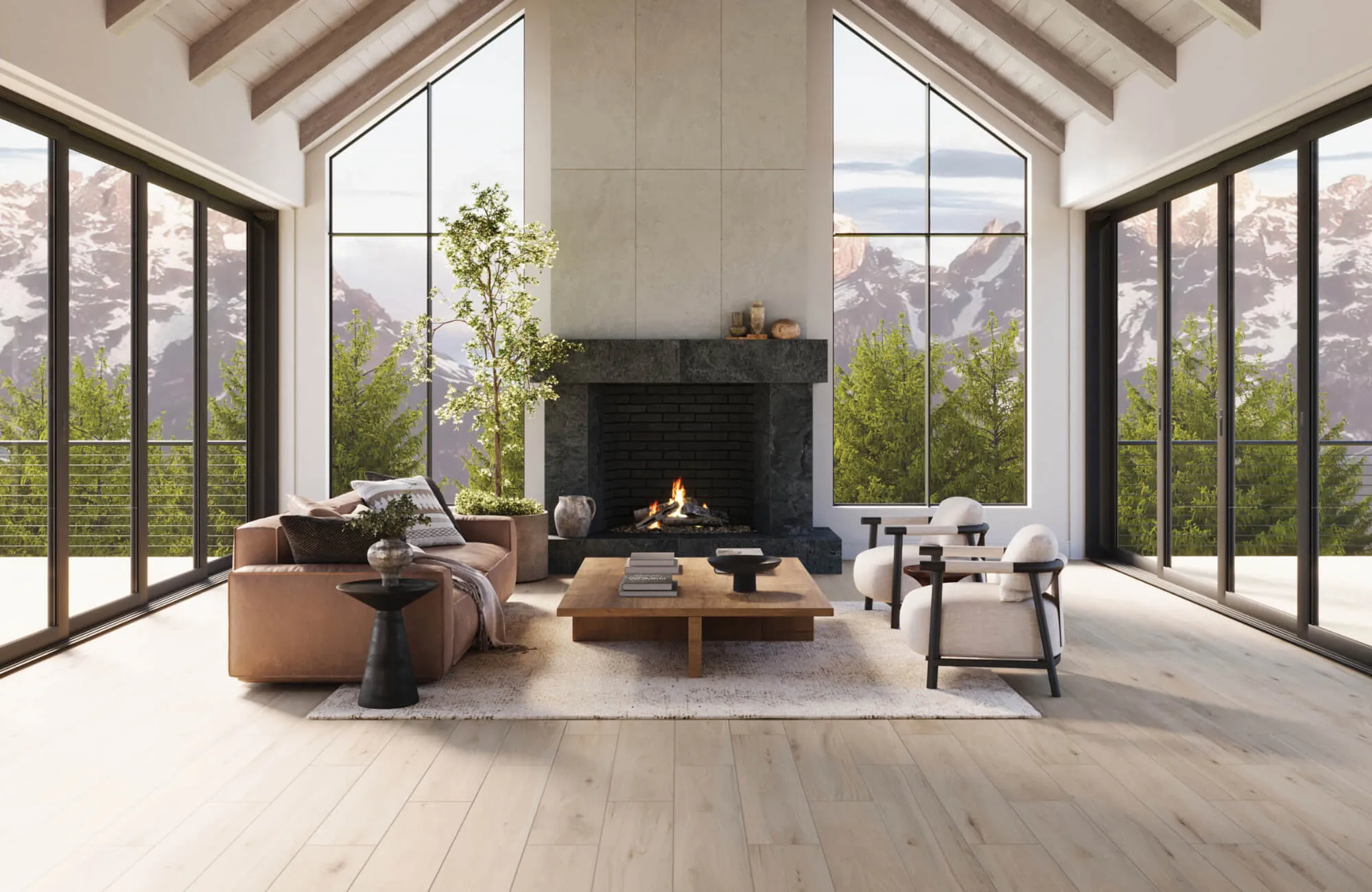
Wood look tile isn’t just a stylish imitation of hardwood, it’s a performance-driven flooring solution engineered for real life. Think moisture-prone bathrooms, busy entryways and kitchens, areas where its scratch resistance, dimensional stability, and low water absorption make it a standout choice.
Beyond surface appeal, wood look tile delivers long-term value with minimal maintenance. It won’t warp, fade, or demand refinishing the way hardwood does, just sweep, mop, and admire. With that in mind, this blog will break down what makes wood look tile so durable, how it measures up against other flooring options, and what you should know before choosing the best product for your space.
The Composition of Durable Wood Look Tile
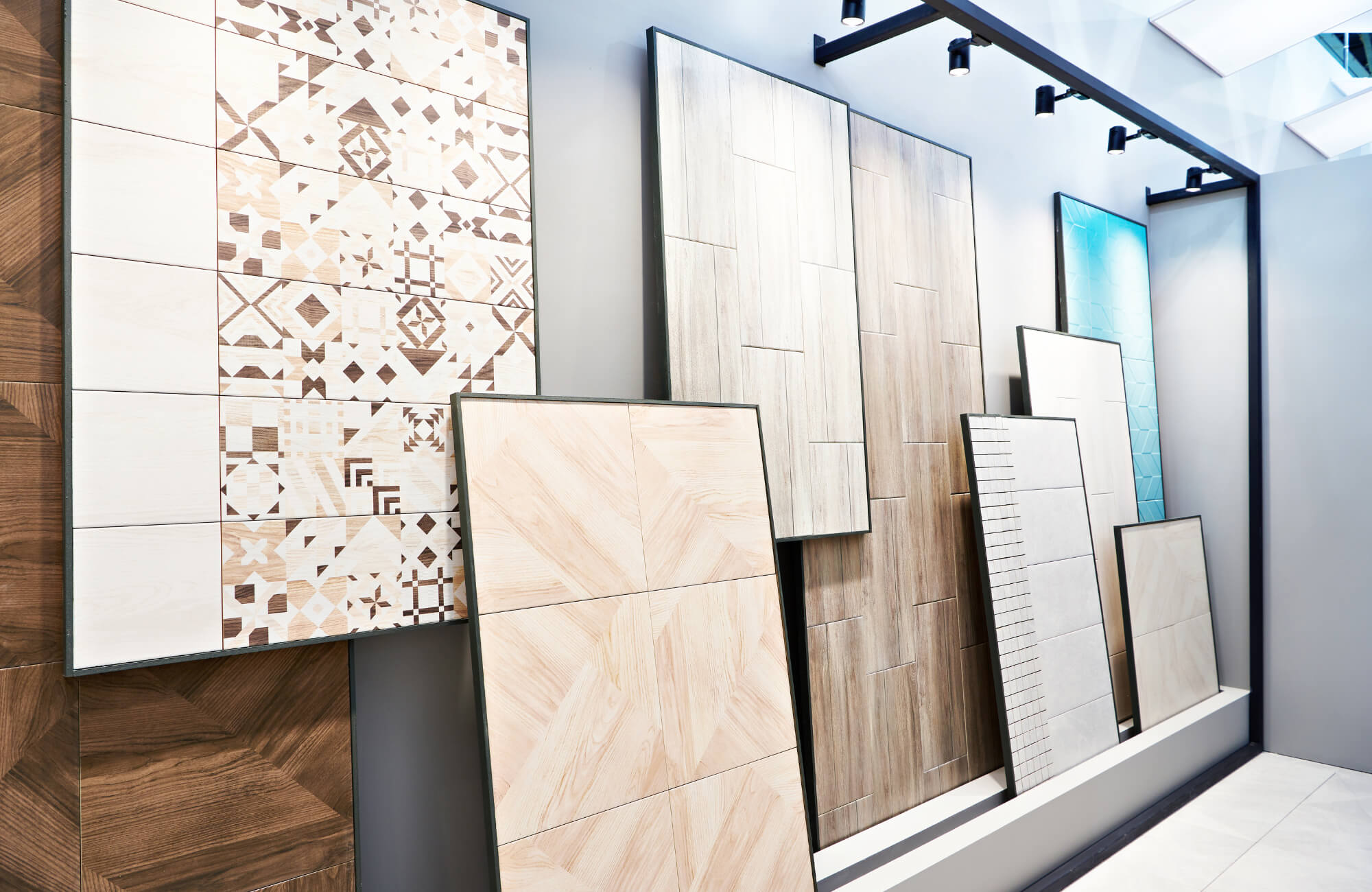
To truly understand why wood look tile performs so well under pressure, it helps to look beneath the surface, literally. From the composition of the tile body to the finishing glaze and how it’s made, every detail contributes to the strength and staying power that set this material apart.
The Role of Porcelain and Ceramic in Tile Strength
At the core of wood look tile is either porcelain or ceramic, each offering varying degrees of strength and moisture resistance. Porcelain, made from finer clay and fired at over 2,300°F, becomes vitrified, giving it a dense, glass-like structure with low water absorption rates per ANSI A137.1 standards. This makes it highly resistant to wear and ideal for busy and moisture-prone environments, both indoors and out.
Conversely, ceramic tile is made from coarser clay and fired at lower temperatures, leading to a more porous structure. Because of this, it’s best suited for light-use, indoor spaces where water exposure and heavy activity are minimal. In comparison, porcelain remains the top choice for areas that demand both aesthetic quality and long-term durability.
The Impact of Glaze on Scratch and Stain Resistance
Far more than a decorative finish, the glaze layer serves as a protective barrier against scratches, stains, and UV exposure. Most glazes are fortified with alumina, zircon, or frit compounds, materials that boost hardness and chemical resistance. During the final firing, this glaze is fused into the tile surface, sealing in the design and enhancing resilience.
In addition to resisting daily wear, high-quality glazes stand up to common household chemicals and spills. Finishes like matte or textured glazes also help conceal minor surface blemishes while replicating the tactile realism of natural wood. To quantify this, the PEI (Porcelain Enamel Institute) rating measures abrasion resistance; Class 4 or 5 glazes are particularly well-suited for zones with frequent footfall, like kitchens, hallways, and commercial settings.
Manufacturing Processes and Their Influence on Longevity
Equally important is the manufacturing, which brings both the durability and aesthetics of wood look tile to life. The process begins by compressing a blend of clay, feldspar, and silica into a dense, uniform body using hydraulic presses. This is followed by digital inkjet printing, which applies wood-grain patterns with high-definition clarity.
Next, the tile undergoes high-temperature firing in a roller hearth kiln, which vitrifies the body and seals the surface. Some premium tiles go further with through-body coloration or double-loading techniques, ensuring that wear or chipping remains visually minimal over time. These production methods result in a tile that is dimensionally stable, resistant to temperature extremes, and capable of withstanding years of heavy use with minimal change in appearance.
Wood Look Tile Performance Against Common Household Stressors
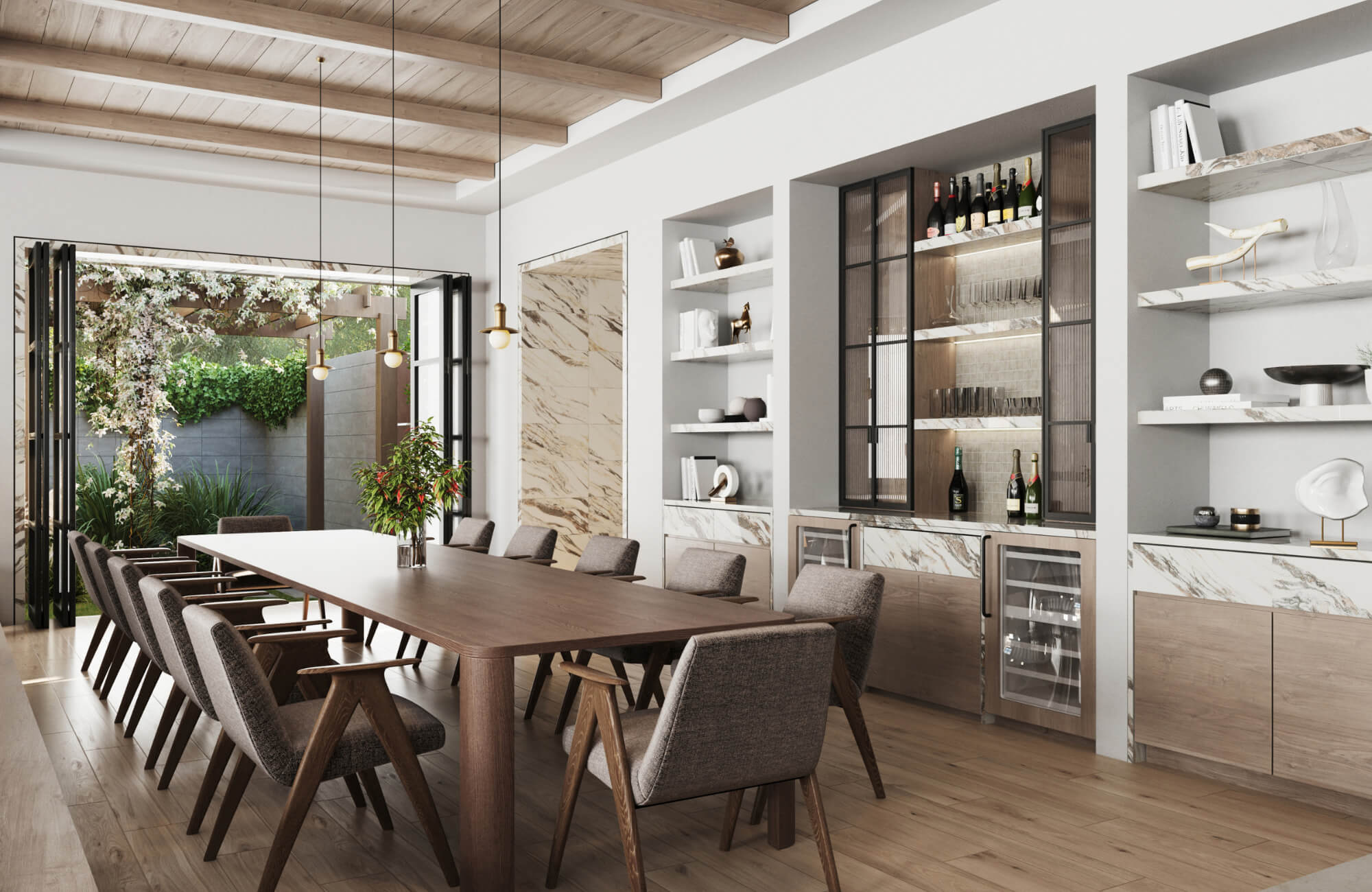
Every day life can be tough on floors, from splashes and spills to heavy footfall and sudden temperature swings. Fortunately, wood look tile is built to take on these common stressors with impressive resilience, making it a standout choice for both busy homes and demanding environments.
Moisture Resistance and Suitability for Wet Areas
A key advantage of wood look tile, especially porcelain, is its superior moisture resistance. With a water absorption rate below 0.5%, its non-porous structure makes it exceptionally suitable for bathrooms, kitchens, laundry rooms, and even outdoor patios.
However, effective moisture protection also depends on correct installation. When paired with cement-based or epoxy grout and a waterproof membrane, the system becomes highly resistant to water intrusion. Moreover, the use of rectified edges enables tighter grout joints, further minimizing potential seepage, giving it a distinct edge over alternatives like laminate or engineered wood in wet environments.
Scratch and Abrasion Resistance in Active Zones
In busy areas like entryways and kitchens, flooring faces daily abrasion from dirt, shoes, and pet activity. Porcelain wood look tile, particularly those rated PEI 4 or 5, is built to handle this with ease. These ratings reflect strong resistance to surface wear, making the tile suitable for both residential and commercial use.
Durability is further enhanced by glazes infused with hard minerals such as alumina and zircon, which protect the tile from scratches. Textured or matte finishes, like those on Edward Martin’s Preston 8x48 Matte Porcelain Tile in Pine, help disguise everyday scuffs while adding authentic wood-like depth, as seen in the photo above.
Impact Resistance and Handling of Dropped Objects
Accidental drops happen, and not all floor tiles handle impact the same. Thanks to its dense composition and high compressive strength, wood look porcelain tile can resist most household impacts without cracking. When installed over a stable substrate with quality thinset mortar, its durability is further enhanced.
While chips from very heavy or sharp objects can occur, often at tile edges, these are typically isolated and easy to replace. To prevent this, placing rugs or mats in high-risk areas like under sinks or dining tables offers a simple, proactive solution.
Resistance to Temperature Fluctuations and Fading
Lastly, unlike wood and many vinyl products, wood look tile is thermally stable. Its high-temperature kiln firing process ensures resistance to warping or expanding, making it a reliable choice in areas with seasonal or ambient temperature swings, such as sunrooms or enclosed patios.
Additionally, its UV-resistant glaze helps preserve color and design, even in direct sunlight. The inkjet-printed visuals are sealed under this protective layer, preventing fading and ensuring a consistent look for years, ideal for south-facing rooms, atriums, and outdoor installations.
Comparing Wood Look Tile Durability to Other Flooring Options
With so many flooring options available, it’s easy to wonder how wood looks tile truly measures up. By comparing it to other popular materials, you’ll see how differences in composition, durability, and maintenance can impact long-term performance where it matters most.
Wood Look Tile vs. Natural Hardwood
While natural hardwood offers timeless warmth and authenticity, it struggles under moisture and wear. Solid wood is especially prone to swelling and warping, and even engineered wood falls short of porcelain tile’s non-porous, moisture-resistant performance.
In terms of surface durability, hardwood ranks lower on the Janka Hardness Scale, and it scratches and dents easily, often requiring refinishing every few years. In contrast, wood look porcelain tile is made at high temperatures, giving it the density to resist scratches, impact, and abrasion with virtually no long-term upkeep.
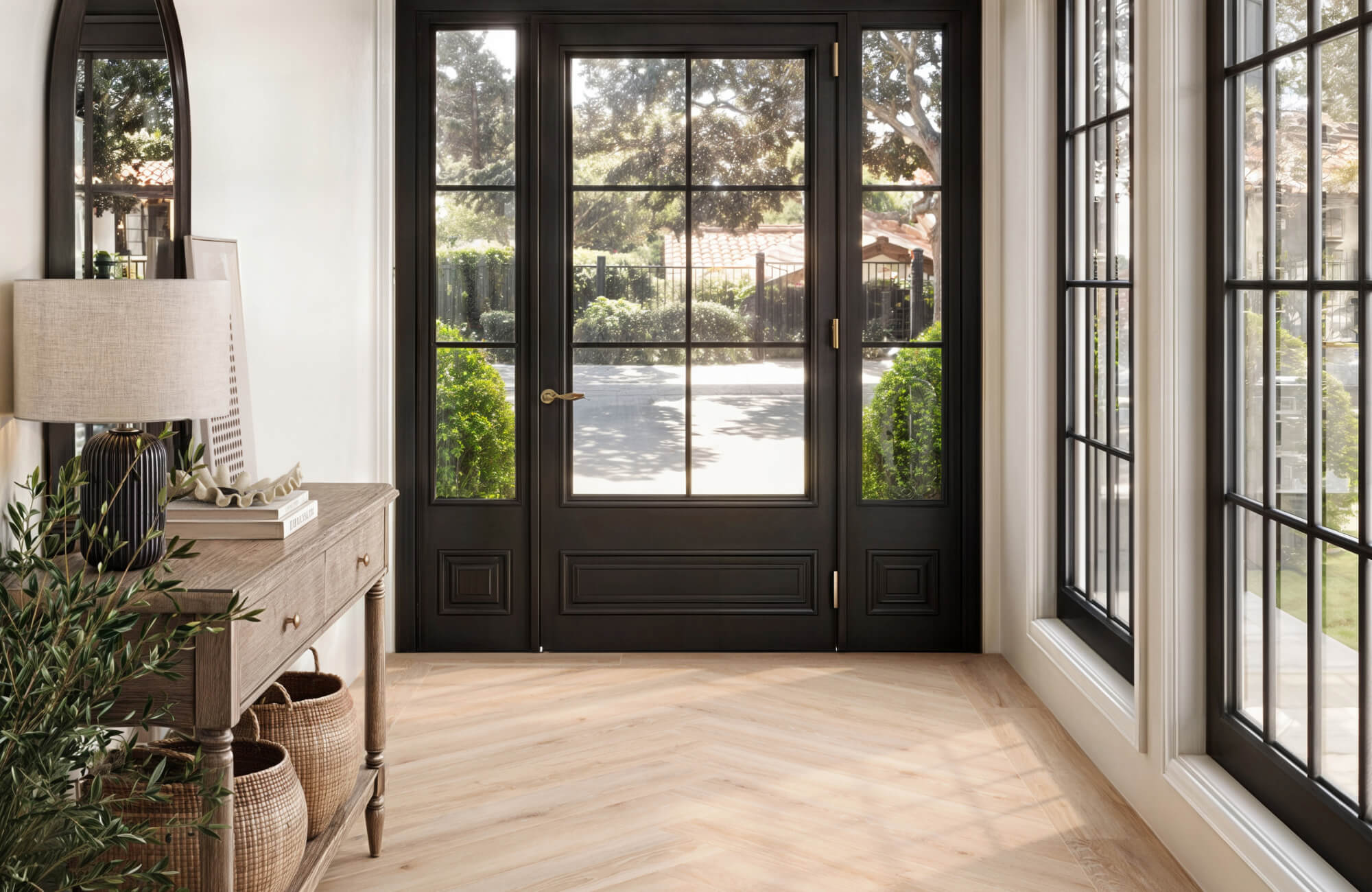
As shown in the photo above, Edward Martin’s Jameson 8x48 Matte Porcelain Tile in Camel is a perfect example, offering the natural elegance of oak tones in a durable, matte surface that withstands the rigors of everyday life, especially in busy areas like entryways.
Wood Look Tile vs. Laminate
Laminate flooring may be budget-friendly and simple to install, but its fiberboard core is highly susceptible to moisture damage, even with water-resistant claims. Prolonged exposure to humidity or uncleaned spills also often leads to swelling or delamination.
While many laminates include aluminum oxide wear layers for surface protection, these coatings wear down over time, exposing the photographic layer underneath. By contrast, wood look tile features a glazed surface fused during firing, ensuring it retains its look and texture for decades, even under heavy footfall.
Wood Look Tile vs. Vinyl
Finally, luxury vinyl plank (LVP) offers comfort and realistic visuals, but its plastic construction is prone to gouges and dents, particularly under furniture or sharp objects. While it resists water well, its softer wear layer doesn’t match the scratch resistance and structural density of porcelain tile.
Vinyl also has a shorter lifespan, typically 10–20 years, and can fade under UV exposure. Wood look tile, on the other hand, resists both wear and fading thanks to its UV-stable glaze and high-temperature firing, often lasting 40 years or more with minimal care.
Factors Influencing the Longevity of Wood Look Tile
Even the most durable tile can only perform as well as it's installed, maintained, and sourced. To get the most out of wood look tile, it’s essential to consider the factors beyond the material itself that influence how well it holds up over time.
The Importance of Proper Installation for Tile Longevity
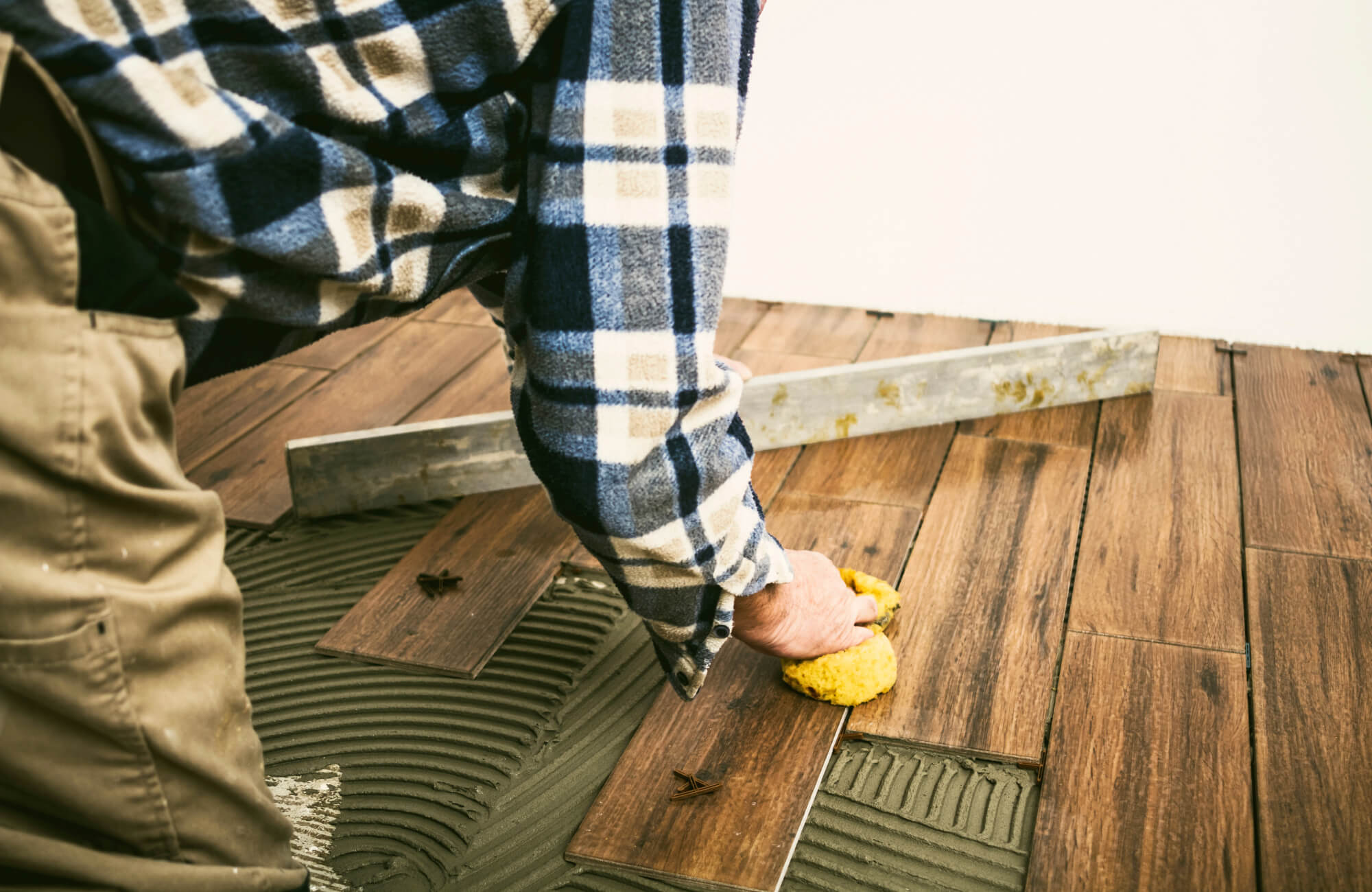
First and foremost, tile longevity starts with proper installation. A well-prepared substrate, clean, dry, level, and stable, prevents cracking or uneven surfaces. Specifically, for long-format wood look planks, maintaining flatness within 1/8 inch over 10 feet (per TCNA guidelines) is critical to avoid lippage.
In addition, using the correct modified thinset or medium-bed mortar ensures solid adhesion, especially for large tiles. Furthermore, narrow grout joints work best with rectified tiles and should be paired with leveling systems to ensure a smooth, consistent layout. Lastly, using high-performance grout, properly cured, helps block moisture and staining, especially in heavily used areas. For best results, it's always recommended to hire experienced professionals who can follow industry standards and ensure precise execution.
Routine Maintenance and Care for Lasting Durability
Of course, even the most carefully installed tile needs upkeep to stay looking its best. Wood look tile is inherently low-maintenance, but consistent care preserves its finish. For example, regular sweeping or vacuuming removes abrasive debris, while pH-neutral cleaners protect both glaze and grout.
Equally important, avoiding harsh chemicals or wax-based products helps maintain texture and slip resistance. For added protection, sealing grout lines, especially in moisture-prone or busy zones, can minimize staining. Additionally, using protective pads under furniture and entry mats also helps reduce surface wear. When it comes to cleaning and upkeep, it’s always best to refer to the manufacturer’s care guidelines to ensure optimal results and avoid damage.
To take care of this, the Preston 8x48 Matte Porcelain Tile in Teak is a great example of how quality paired with routine care can maintain elegance over time. Its warm hues and textured finish naturally disguise wear, and with just a little attention, it continues to shine in busy kitchens and family gathering spaces.
Choosing Quality Materials and Reputable Suppliers
Lastly, durability starts with product quality. Look for tiles that meet ANSI and ISO 13006 standards, with clear ratings for PEI, water absorption, and COF. Premium tiles feature consistent dimensions, rectified edges, and high-definition printing backed by strong warranties.
Trusted suppliers also offer reliable quality control, technical support, and documentation to ensure lasting results. But choosing the right tile goes beyond specs, it’s about seeing how it fits your space. That’s where the Edward Martin Augmented Reality (AR) Visualization Tool brings your vision to life. Tap “View in Your Space” to overlay your selected tile directly into your room using your device. Once you find the perfect match, requesting a physical tile sample is quick and simple, making your decision both informed and confident.
The Enduring Strength of Wood Look Tile
Nonetheless, wood look tile isn’t just made to last, it’s made for real life. Its resistance to wear, moisture, and sun exposure is matched by its ability to elevate any space with the historic charm of wood and the durability of porcelain.
It’s a smart, low-maintenance investment for anyone who values both style and substance. To see how it can transform your space, explore our collection or use the Edward Martin AR tool to preview your tile in real time. After all, the best surfaces do more than look good, they also support the way you live.
Follow us on Instagram
@EDWARD.MARTIN
)
)
)
)
)
)
)
)
)
)
)
)
)
)
)
)