Ceramic subway tiles have long been a familiar feature in kitchens and bathrooms. Their rectangular shape and smooth surface allow them to blend naturally into a wide range of interior styles, from modern spaces to more traditional settings. Because of their balanced appearance and practical performance, ceramic subway tiles are frequently chosen for backsplashes, shower walls, and decorative accents throughout the home.
Understanding the advantages and disadvantages of ceramic subway tiles can help you make more informed decisions when selecting materials for your space. While these tiles are widely appreciated for their durability, versatility, and affordability, they also have certain considerations related to installation and maintenance. By looking closely at both their strengths and limitations, you can better determine whether ceramic subway tiles align with your design preferences, functional needs, and long-term expectations.

Advantages of Ceramic Subway Tiles
Ceramic subway tiles remain a popular choice because they offer a balanced combination of visual appeal, durability, and affordability. These qualities make them a practical option for homeowners looking to enhance both the function and style of their spaces.
Timeless Design Appeal
One key advantage of ceramic subway tiles is their timeless design appeal. Their rectangular shape creates a clean, structured pattern that blends naturally into many interior styles. Whether your home leans toward a modern look or a more traditional setting, subway tiles complement the space without overpowering other design elements.
Their long history also helps explain their lasting presence in interior design. Subway tiles first appeared in early 20th-century subway stations, where designers needed hygienic, easy-to-maintain, and light-reflective surfaces. Over time, these practical qualities, along with their simple visual structure, made them just as suitable for residential spaces.
Because of this design heritage, subway tiles rarely feel outdated. When you incorporate them into a kitchen or bathroom, you are choosing a surface that has remained visually relevant across many design eras while preserving its classic character.
Design Versatility and Layout Flexibility
Another notable advantage of ceramic subway tiles is their design versatility and layout flexibility. Their simple rectangular form supports a wide range of layout possibilities, allowing you to shape the overall look of a space without changing the tile itself. By adjusting the direction or arrangement of the tiles, you can easily shift the style from classic and structured to something more contemporary.
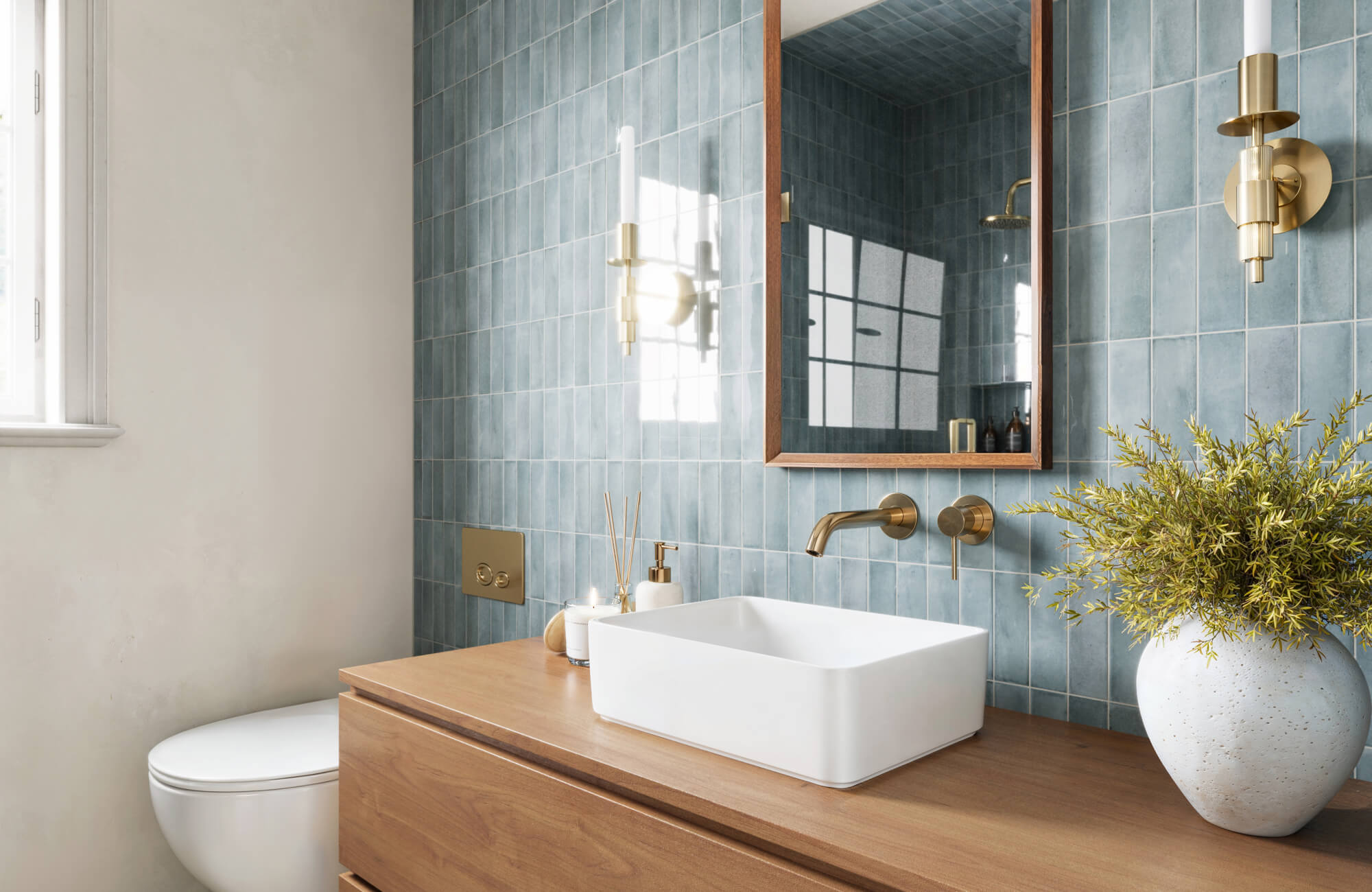
A traditional horizontal layout remains one of the most recognizable options, creating a clean and orderly pattern that works well in many kitchens and bathrooms. Alternatively, turning the tiles vertically can make walls appear taller, which is particularly helpful in compact spaces. This effect is clearly illustrated in the photo featured above, where Edward Martin’s Teagan 3x12 Glossy Ceramic Tile in Moss is installed in a vertical arrangement. Its elongated format emphasizes the height of the shower walls while introducing a refined sense of rhythm through its rich green tone and glossy finish.
This flexibility also extends to grout selection. When grout closely matches the subway tile color, the installation appears more seamless and understated. In contrast, a darker or contrasting grout highlights the tile pattern and draws attention to the layout itself. Through these subtle adjustments, ceramic subway tiles give you the flexibility to shape the overall look of a space while keeping the design cohesive and well-balanced.
Durability and Long-Term Performance
Durability is one of the key advantages that make ceramic subway tiles a dependable choice for many homes. These tiles are made from clay that is shaped and fired at high temperatures, creating a solid surface that performs reliably in everyday environments. When installed properly, ceramic subway tiles can withstand heat, moisture, and regular cleaning without losing their appearance. This makes them particularly suitable for areas around sinks, cooking surfaces, and bathroom fixtures where surfaces are exposed to frequent use.
Although no tile material is completely resistant to damage, ceramic tiles generally perform well under typical household conditions. With proper installation and careful handling during the process, they can remain both functional and visually appealing for many years.
Hygienic Surface and Easy Maintenance
A major benefit of ceramic subway tiles is their hygienic surface and ease of maintenance. The glazed finish forms a protective layer that limits the absorption of moisture, dirt, and residue. This helps reduce the likelihood of mold and mildew developing, especially in areas such as kitchens and bathrooms where humidity is common.
Cleaning the tile surface is also straightforward. Because the glaze is smooth and non-porous, most spills and buildup can be removed with warm water and a mild cleaning solution. This helps prevent residue from clinging to the surface, allowing the tiles to maintain a clean appearance with minimal effort.
Grout lines may require occasional attention, but the tiles themselves remain easy to keep sanitary. With routine cleaning and proper grout care, ceramic subway tiles can maintain a hygienic and well-kept surface for everyday living.
Cost-Effectiveness
Cost-effectiveness is another factor that makes ceramic subway tiles appealing. Budget often plays a significant role in choosing materials, and ceramic subway tiles stand out as a practical option because they are generally more affordable than natural stone, porcelain, or glass.
Even with their accessible price point, they continue to offer reliable performance and design flexibility. This allows you to upgrade kitchens, bathrooms, or accent areas without significantly increasing renovation costs.
When both the initial purchase price and long-term durability are considered, ceramic subway tiles often represent a balanced investment for many home improvement projects.

Design Applications of Ceramic Subway Tiles
Aside from their individual advantages, ceramic subway tiles are also valued for their versatility across different areas of the home. Their adaptability allows them to serve both practical and decorative purposes in a variety of interior spaces.
Kitchen Backsplashes
One of the most practical design applications of ceramic subway tiles is in kitchen backsplashes. In this area, subway tiles serve as a protective surface, helping shield the wall from splashes, cooking residue, and everyday moisture. At the same time, they contribute to the overall kitchen design. Because the backsplash sits between the countertop and upper cabinets, it naturally acts as a visual connection that ties together the different materials and finishes within the space. As a result, the clean lines of subway tiles help create a sense of structure while maintaining a balanced look.
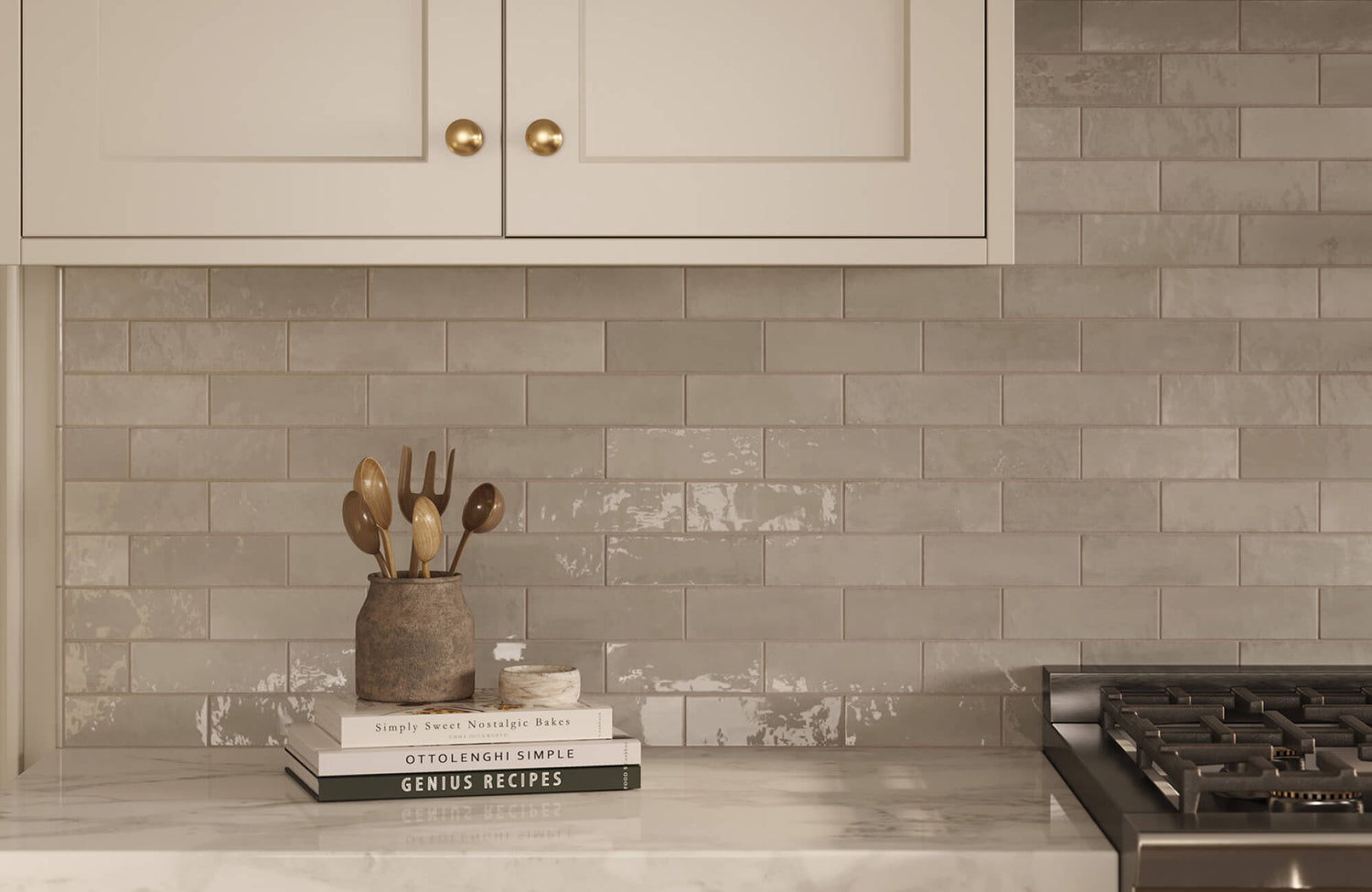
In addition, their adaptability allows them to complement a wide range of kitchen styles. A classic white installation can create a bright, timeless backdrop, while darker or colored tiles can introduce contrast and visual depth. This versatility is reflected in the photo featured above, where Edward Martin’s Graham 3x6 Glossy Ceramic Tile in Boneis used to form a classic backsplash. Its glossy finish gently reflects light across the wall, while the classic subway layout creates a clean rhythm that blends naturally with the surrounding cabinetry, warm wood tones, and stone surfaces.
You might choose classic white tiles to create a bright and balanced look, or opt for a darker shade to add contrast. Either option allows the backsplash to enhance the kitchen’s overall design without competing with cabinetry or countertops.
Bathroom Walls and Shower Areas
Another common design application for ceramic subway tiles is in bathroom walls and shower areas. Bathrooms naturally experience higher humidity, and ceramic subway tiles perform well in this environment because their glazed surface helps resist moisture. For this reason, they are frequently installed on shower walls, bathtub surrounds, and vanity backsplashes. In these areas, the smooth tile surface helps maintain a cleaner environment while reflecting light, making the room feel brighter.
Design choices can further influence the overall feel of the space. For instance, installing subway tiles vertically or in stacked arrangements can create the impression of taller walls. This effect can be especially useful in smaller bathrooms, where thoughtful tile placement helps make the space feel more open and balanced.
Decorative Accent Walls
Ceramic subway tiles are not limited to kitchens and bathrooms. They can also be used as decorative accent features in other areas of the home. Spaces such as entryways, laundry rooms, and fireplace surrounds often benefit from the subtle texture and structure that tile can provide. In these settings, the tiles serve more of a design purpose than a protective one. By adjusting the layout pattern or choosing a different tile color, you can create an accent wall that adds visual interest while still maintaining a cohesive look within the space.
Because subway tiles have a balanced, familiar look, they pair easily with other materials such as wood, metal, or painted surfaces. This flexibility allows them to enhance a room without overwhelming the surrounding design elements.
To help you better visualize how ceramic subway tiles might look in your space, you can try our AR tool. It lets you preview different tile styles and layouts in real time, making it easier to explore design possibilities before making a final decision.

Installation Considerations for Ceramic Subway Tiles
Before installing ceramic subway tiles, it is helpful to understand the preparation and planning required to achieve a clean result. Taking the time to consider these factors can help ensure the tiles are installed properly and perform well over time. For the best results, it is also advisable to consult with a qualified professional who can guide you through proper installation methods and help avoid potential issues.
Surface Preparation and Layout Planning
A successful tile installation begins with proper surface preparation. The wall or backing surface should be level, stable, and free from dust or moisture before any tiles are installed. If the surface is uneven, the tiles may appear misaligned once the grout lines are visible, affecting the overall finish. Careful layout planning is just as important. Installers typically mark reference guidelines on the wall before placing the first tile. These lines help maintain consistent spacing and keep the pattern aligned as the installation moves forward.
Taking the time to plan the layout also allows installers to place cut tiles in less noticeable areas. As a result, the finished surface appears more balanced and intentional, contributing to a cleaner and more polished look.
Professional Installation vs. DIY Projects
Some people choose to install subway tiles themselves, particularly for smaller projects such as kitchen backsplashes. With the right tools and careful planning, a straightforward layout can be completed as a do-it-yourself project. However, more complex installations often benefit from professional experience. Cutting tiles around outlets, plumbing fixtures, and corners requires precision and the proper equipment. Professional installers also understand how to maintain consistent grout spacing and proper tile alignment, which helps create a clean and uniform finish.
For larger wall areas or more intricate patterns, working with a professional can help reduce the risk of uneven spacing or visible misalignment, resulting in a more polished installation.

Ceramic Subway Tiles Compared With Other Materials
When selecting tiles for your home, it is common to compare ceramic subway tiles with other available materials. Understanding how they differ can help you determine which option best fits the needs, style, and conditions of your space.
Ceramic vs. Porcelain Subway Tiles
Ceramic and porcelain tiles are often confused because both are made from clay and fired in kilns. However, the main difference lies in their density and overall durability. Porcelain tiles are fired at higher temperatures, which makes them denser and more resistant to moisture and wear.
Because of these properties, porcelain tiles are highly durable and versatile enough for a wide range of applications, including floors and some outdoor areas. This durability is reflected in the photo featured above, where Edward Martin’s Makenna 3x11 Matte Porcelain Tile in Cotto is installed in a herringbone pattern across the floor. Its matte finish and warm terracotta tone create a grounded, natural look while demonstrating how porcelain tiles can perform well in frequently used areas.
Ceramic tiles, on the other hand, are typically better suited for wall installations. While they still offer reliable performance, they can chip more easily if used in high-impact areas such as flooring. For many interior wall applications, ceramic subway tiles provide sufficient durability while remaining easier to cut and install, making them a practical choice for backsplashes, shower walls, and other vertical surfaces.
Ceramic vs. Natural Stone Tiles
Ceramic subway tiles are often chosen for their practicality and ease of maintenance, especially when compared with natural stone. Their glazed, non-porous surface creates a protective layer that helps limit moisture absorption and makes routine cleaning more manageable. This allows ceramic tiles to maintain their appearance with relatively minimal upkeep.
Natural stone tiles, such as marble or travertine, are valued for their distinctive look, as each piece contains natural variations in color and pattern. However, stone surfaces are naturally porous and typically require regular sealing to help prevent staining and moisture absorption.
For those who appreciate the character of natural materials but prefer a surface that is easier to maintain, ceramic subway tiles can offer a balanced alternative. Many ceramic options now feature marble-inspired designs, such as Julianna 4x12 Polished Ceramic Tile in Carrara, which captures the elegant veining and refined look of natural marble while providing the durability and everyday practicality of ceramic.
Ceramic vs. Glass Tiles
Ceramic subway tiles are often chosen for their practicality and ease of installation when compared with glass tiles. Their composition also makes them easier to cut and position during installation, helping achieve a clean and consistent layout on walls and backsplashes.
Glass tiles, on the other hand, are known for their reflective surface, which can brighten a space and produce a sleek visual effect. However, they are generally more expensive and require careful installation to prevent adhesive marks from showing through the tile.
While ceramic tiles may not offer the same level of shine as glass, they often create a more balanced and understated look. This makes ceramic subway tiles a reliable option for those who prefer a refined look combined with a more straightforward installation process.

Potential Drawbacks of Ceramic Subway Tiles
Although ceramic subway tiles offer many advantages, it is also important to consider their limitations. Understanding these factors can help you make a more informed decision when determining whether they are the right fit for your space.
Susceptibility to Chipping or Cracking
Ceramic subway tiles are durable for many interior applications, particularly on walls, backsplashes, and shower surrounds. However, like many tile materials, they may chip or crack due to heavy impact. For this reason, ceramic tiles are most commonly recommended for wall installations, where they are less likely to experience the type of force typically associated with flooring.
That said, ceramic tiles can still be used thoughtfully in other design features where they are not subjected to heavy impact. This is illustrated in the photo featured above, where Edward Martin’s Cleo 2x6 Glossy Ceramic Tile in Cream is applied along the stair risers. In this setting, the tiles highlight the staircase’s architectural detail while remaining protected from direct foot contact, allowing their glossy finish and clean linear layout to enhance the overall design.
In typical settings, the risk of damage is relatively low when tiles are installed correctly and used in appropriate areas. Proper handling during installation is also important, as careful placement and cutting help prevent unnecessary stress on the tiles.
Selecting quality tiles and using the correct tools during installation can further reduce the likelihood of chipping. When applied in suitable areas, ceramic subway tiles continue to provide reliable performance while maintaining their visual appeal.
Temperature and Surface Comfort
Ceramic tiles can feel cool to the touch, particularly in colder environments. This characteristic is more noticeable when the tiles are installed on floors rather than on walls, which is one reason ceramic subway tiles are more commonly used for wall applications such as backsplashes and shower surrounds. In bathrooms or other areas where floor comfort is a consideration, some people choose to pair tile floors with radiant heating systems or place rugs in key areas to add warmth underfoot.
Considering the Pros and Cons of Ceramic Subway Tiles
Ceramic subway tiles remain a reliable choice for many interior projects. Their classic design, practical durability, and manageable cost make them well-suited for kitchens, bathrooms, and decorative wall features in a variety of spaces. At the same time, it helps to know where they perform best. Ceramic tiles are generally suited for wall installations, as they can chip more easily in flooring applications.
When you consider both the advantages and this limitation, ceramic subway tiles continue to offer a balanced solution for many interior settings. With thoughtful planning and proper installation, they can enhance both the appearance and functionality of a space for years to come. If you need guidance in selecting the right tiles for your project, feel free to contact us for expert assistance and recommendations.