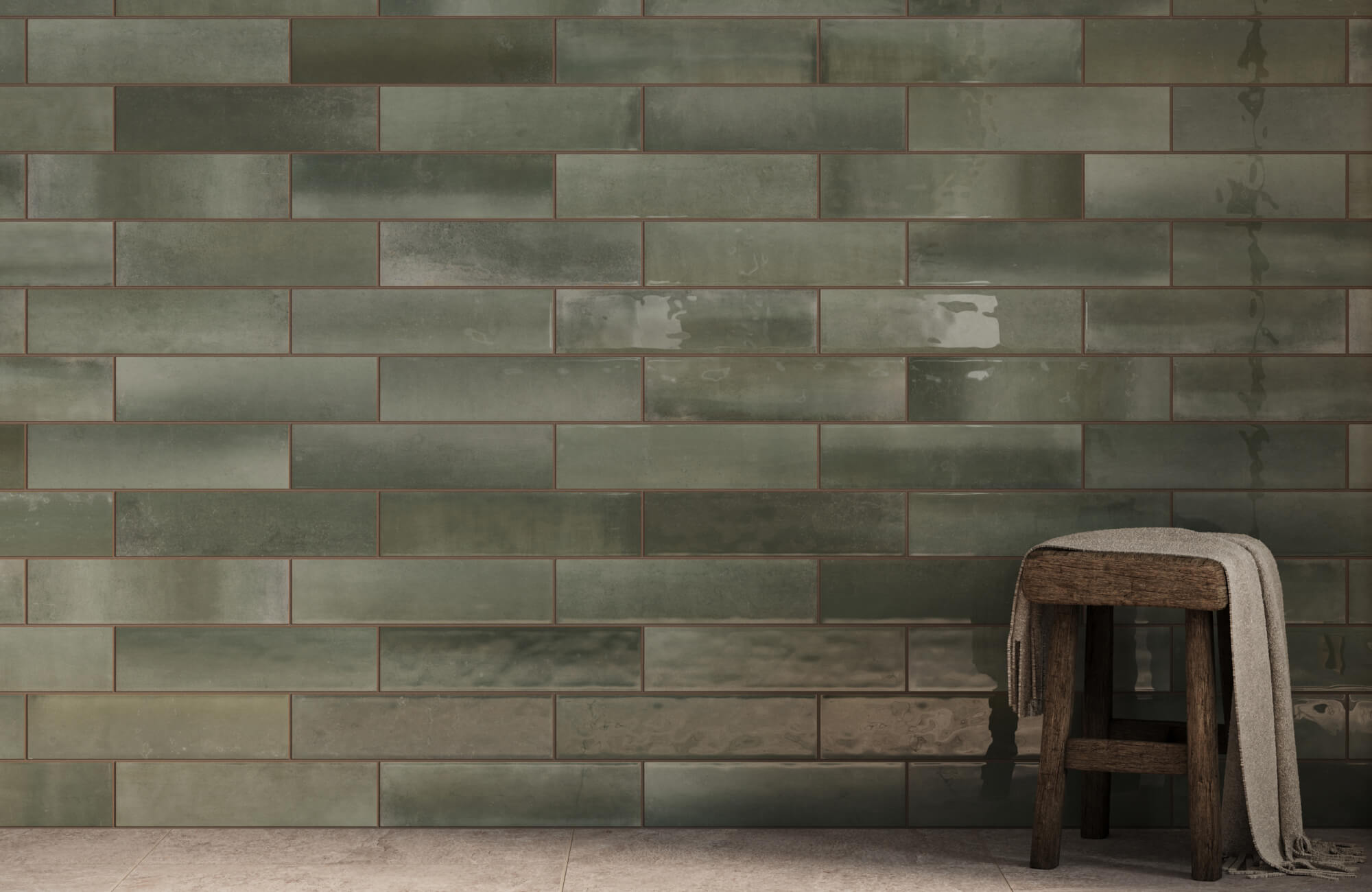
We all have that bathroom, the one that’s perfectly functional but feels tight and uninspiring. While some may have the option to expand the space, the majority of us need practical, achievable solutions for how to make a small bathroom look bigger without major renovations. Making a small bathroom look bigger may seem challenging, but with the right design choices, even a compact space can feel more open and inviting. Simple yet effective strategies, from color schemes to tile selections, can create the illusion of more room, helping even the tiniest bathrooms feel spacious and comfortable.
By implementing a few key design elements and tapping into creative strategies, particularly with bathroom tiles, you can make a transformative impact on your space. Whether you are planning a DIY renovation or consulting with professionals, these practical tile solutions and tips will help you create a space that looks and feels more expensive than it is.

Tip #1: Maximize Tile Impact for a Seamless Finish
Bathroom tiles have been a staple in homes for centuries, and for good reason. They perform well in wet areas, offer design options, and provide a durable, non-porous surface that helps prevent moisture issues such as mold and mildew. In small bathrooms, tile choice also plays an important role in how spacious the room feels.
Why Larger Tiles Work Better in Small Bathrooms
Small, intricate tile patterns such as mosaics or dark-colored designs can add more grout lines, which may make a bathroom feel more cramped. In contrast, larger solid-colored tiles are often a better choice because they reduce grout lines, helping minimize visual clutter and create a smoother, more cohesive look. As a result, the eye moves more easily across the surface, making the room appear larger, similar to the effect of light-colored walls. This effect is shown in the photo featured above, where Edward Martin’s Wren 12x24 Matte Porcelain Tile in Dune creates broad, uninterrupted surfaces that enhance the bathroom’s clean, open feel.
In addition to tile size, the material you choose also plays an important role. Porcelain tiles are generally more durable than ceramic, particularly in high-moisture areas. While ceramic tiles can still work in certain settings, porcelain typically offers better water resistance and long-term durability.
Remember: Always consult a professional when choosing tile materials. The suitability of ceramic or porcelain tiles may vary depending on the bathroom’s moisture levels and usage.
Light Colors and Seamless Tile Designs
The same design principles that apply to paint also work with tiles. Lighter hues can visually expand a small bathroom, creating a brighter and more open feel. Large-format tiles in soft, neutral tones help reflect light while reducing visual breaks across the surface. For example, our Vesper 24x48 Matte Porcelain Tile in Strata Sand, with its warm beige tones, can help brighten the space while maintaining a clean, cohesive look. When installed with minimal grout lines and a seamless layout, it creates a continuous surface that allows the room to feel calmer, lighter, and more spacious.
Tile Height and Continuity
One of the simplest ways to make a small bathroom feel larger is by using tiles thoughtfully in terms of height and continuity. Extending tiles to the ceiling or around windows, rather than stopping partway and adding trim, helps eliminate visual breaks that can make a room feel smaller. Tiles can also be carried seamlessly from the floor onto the walls, creating continuous lines that help the space appear more expansive.
This approach also works well when incorporating built-in features such as recessed shower niches or cubby holes. Tiling these elements to match the surrounding surfaces keeps the design visually cohesive while providing practical storage without adding bulky shelves or accessories.

Tip #2: Optimize Your Shower Space
If your bathroom features a three-quarter bath with only a shower, enclosure options can help ease the cramped feeling both physically and visually. For instance, quadrant shower enclosures with inward-swinging doors fit snugly in small spaces, making them ideal for tiny bathrooms. Similarly, sliding shower doors are another practical option because they don't require extra space to open.
Combine the Tub and Shower for Multi-Purpose Use
For bathrooms that require both a tub and a shower, a bathtub–shower combination is a practical way to save space. Using larger bathroom tiles can enhance the overall design, helping the area feel more open. Adding a feature to the shower wall, such as a distinct tile color or pattern, also introduces visual interest and creates a clear focal point in the bathing area.
Clear glass shower doors are often recommended because they allow the eye to move through the space without interruption, helping the bathroom appear larger. This idea is illustrated in the photo featured above, where Edward Martin’s Mikayla 5x5 Glossy Ceramic Tile in Olive wraps the bathtub–shower alcove and continues along the surrounding walls. The glossy olive tiles highlight the arched shower niche while reflecting light across the surface, creating depth and visual continuity. Paired with warm brass fixtures and a streamlined tub, the design keeps the layout compact while maintaining a cohesive and visually spacious look.

Tip #3: Add Accents and Mirrors to Expand the Room
Accents and mirrors can be game-changers in a small bathroom, not just for functionality but for the way they amplify light and reflect the surrounding space, making the room feel more open.
Accent Walls for a Pop of Color
If you want to make a bold statement, an accent wall with bathroom tiles is an ideal option. A dramatic, yet tasteful tile choice can add depth and character without overwhelming the space. Rich colors or textured porcelain tiles, for instance, can create a striking look that complements neutral tones and enhances the room's openness. However, remember to focus on a single wall, free of doors, windows, or mirrors, to keep the design clean and uninterrupted. This allows the accent tile to stand out, helping the space feel larger while adding personality to the bathroom.
Seamless Transitions and Natural Light
If you want to maintain a cohesive, open look in your bathroom, transitions between different areas should feel as seamless as possible. Using similar tiles on both walls and floors helps create an uninterrupted visual flow, allowing the eye to move naturally through the space and making the room feel larger. Incorporating tile edge trims can further support this effect by creating clean, finished transitions between surfaces while maintaining a smooth, continuous appearance. Natural light also plays an important role in enhancing this openness. A skylight or well-placed window can brighten the room and reinforce the sense of space. For added privacy, options such as frosted glass, stained glass, or glass blocks allow light to filter in while maintaining coverage.
At the same time, keeping the tile design simple helps preserve this open feel. While accent tiles can personalize a space, bold patterns and strong color contrasts may make small bathrooms feel visually crowded. Instead, smooth tiles in consistent tones help extend surfaces visually, making walls and floors appear more continuous. Subtle textures or finishes that reflect light can further enhance brightness while maintaining a clean and spacious look.
Use Large Mirrors to Maximize Reflection
While it may seem practical to install smaller mirrors in a compact bathroom, larger mirrors often create a greater visual impact. A wide wall-mounted mirror or one that spans a large section of the wall can instantly expand the room’s perceived size, even though the actual dimensions remain the same. For example, a statement piece like our Esmeralda Wide Mirror in Polished Brass can visually open up the space while adding a refined focal point above the vanity.
For an even stronger effect, placing a mirror opposite a window helps reflect natural light throughout the space, enhancing both brightness and depth. Mirrors can also reflect surrounding walls or nearby areas, further reinforcing the sense of openness. When paired with light, reflective surfaces and a simple design, larger mirrors can help a small bathroom feel brighter, more spacious, and airy.

Tip #4: Maximize Your Storage with Wall-Mounted Solutions
Maximizing storage space in a small bathroom can be challenging, but wall-mounted solutions offer a smart and stylish way to keep things organized while enhancing the overall design. By using vertical space, wall-mounted shelves, cabinets, and hooks free up floor space, creating a more open, uncluttered feel.
Consider recessed medicine cabinets that sit flush with the wall, blending seamlessly into the room while providing essential storage. This eliminates the bulk of traditional cabinets and pairs beautifully with porcelain bathroom tiles, maintaining clean lines that contribute to an open feel.
Vertical storage options, such as sturdy hooks or baskets, can also be installed on walls or ceilings to store toiletries and towels, keeping the floor space clear and ensuring a tidier, more spacious look. When space is at a premium, smart storage solutions are ideal for freeing up floor space and making the bathroom feel larger.

Tip #5: Wall-Mount the Sink and Toilet for Extra Floor Space
If you have not considered wall-mounted sinks and toilets, they can be a smart solution for small bathrooms. These fixtures create a clean, minimalist look by eliminating bulky pedestals or cabinets that typically conceal plumbing. While installing them may require some upfront planning, the design advantage is clear. Removing the traditional base of sinks and toilets frees up valuable floor space.
Because these fixtures attach directly to the wall, they create a floating appearance that helps the room feel more open. The exposed floor beneath them also makes the layout look less crowded and allows the eye to move more freely across the space. This simple change can make a noticeable difference in how spacious a small bathroom feels. A wall-mounted vanity such as Edward Martin’s Royce 48" Single Vanity in Chestnut with 3 cm White Zeus Quartz Top is a great example, as its floating design keeps the floor visible while maintaining storage and functionality.
To further support this effect, keeping the surrounding surfaces light and visually consistent helps maintain an open and airy atmosphere. When combined with clean lines and minimal detailing, wall-mounted fixtures contribute to a streamlined design that works especially well in compact bathrooms.
More Tips and Tricks
There are additional ways to make a small bathroom look bigger:
Switch out bulky shelving
Replace wide shelving units with slimmer, space-efficient designs, and pair them with matching bathroom tiles to maintain visual continuity.
Utilize space above the toilet
The wall space behind and above the toilet is often overlooked. Adding wall-mounted shelves or cabinets in this area can provide extra storage while using bathroom tiles that match the overall design.
Play with lighting
Light fixtures combined with reflective bathroom tiles, such as polished porcelain tiles, can highlight key areas and make the space feel bigger.
Ready to Transform Your Small Bathroom?
Designing a small bathroom that feels open and comfortable often comes down to thoughtful choices. From selecting larger tiles and maintaining seamless transitions to maximizing natural light and using space-saving fixtures, each decision can contribute to a brighter and more spacious environment. With the right combination of materials, layout, and design details, even small bathrooms can feel well-balanced and inviting.
When you’re ready to start planning your upgrade or renovation, you can request our 4" x 4" tile samples to see the color and finish up close before making a final decision. If you’d like additional guidance, our design service is also available to help you explore tile options and layouts that suit your space, making it easier to bring your bathroom vision to life.
Frequently Asked Questions (FAQ)
If you're among the many homeowners seeking more clarity on the best types of bathroom tiles, how to mix styles, and how to use them effectively in small spaces, you're not alone. Here, we address some of the most frequently asked questions to help you make informed decisions about your bathroom renovation.
1. What type of bathroom tiles are best for small spaces?
Large, light-colored porcelain tiles are ideal for small bathrooms because they reduce grout lines, creating a seamless look that helps the space feel brighter and more open. For shower floors, smaller or textured tiles are often preferred to provide better grip in wet areas.
2. Can I mix different tile styles in a small bathroom?
Yes, but it's important to keep it balanced. Use neutral, light-colored tiles for most of the room, and consider a feature or accent wall with a bolder tile design. Mixing too many tile styles can create visual clutter in a small space.
3. Are there specific paint colors that work well with bathroom tiles?
Light colors like white, cream, soft gray, and pastel shades work best with bathroom tiles. These colors reflect natural and artificial light, making the room appear more spacious. Pairing these shades with matching light-colored tiles enhances the effect.
4. What’s the best way to incorporate tile accents without making the space feel cluttered?
Focus on a single feature, such as a shower wall or backsplash, when using accent tiles. Keep the rest of the bathroom simple with neutral colors and larger tiles to minimize visual clutter. This approach highlights the accent while maintaining an open, spacious feel.
5. What’s the difference between ceramic and porcelain tiles?
Ceramic tiles are generally less dense and slightly more porous than porcelain tiles, making them more affordable. Porcelain tiles are denser, more water-resistant, and often considered more durable, making them ideal for high-moisture areas like bathrooms. Both are excellent choices depending on your needs and budget.