



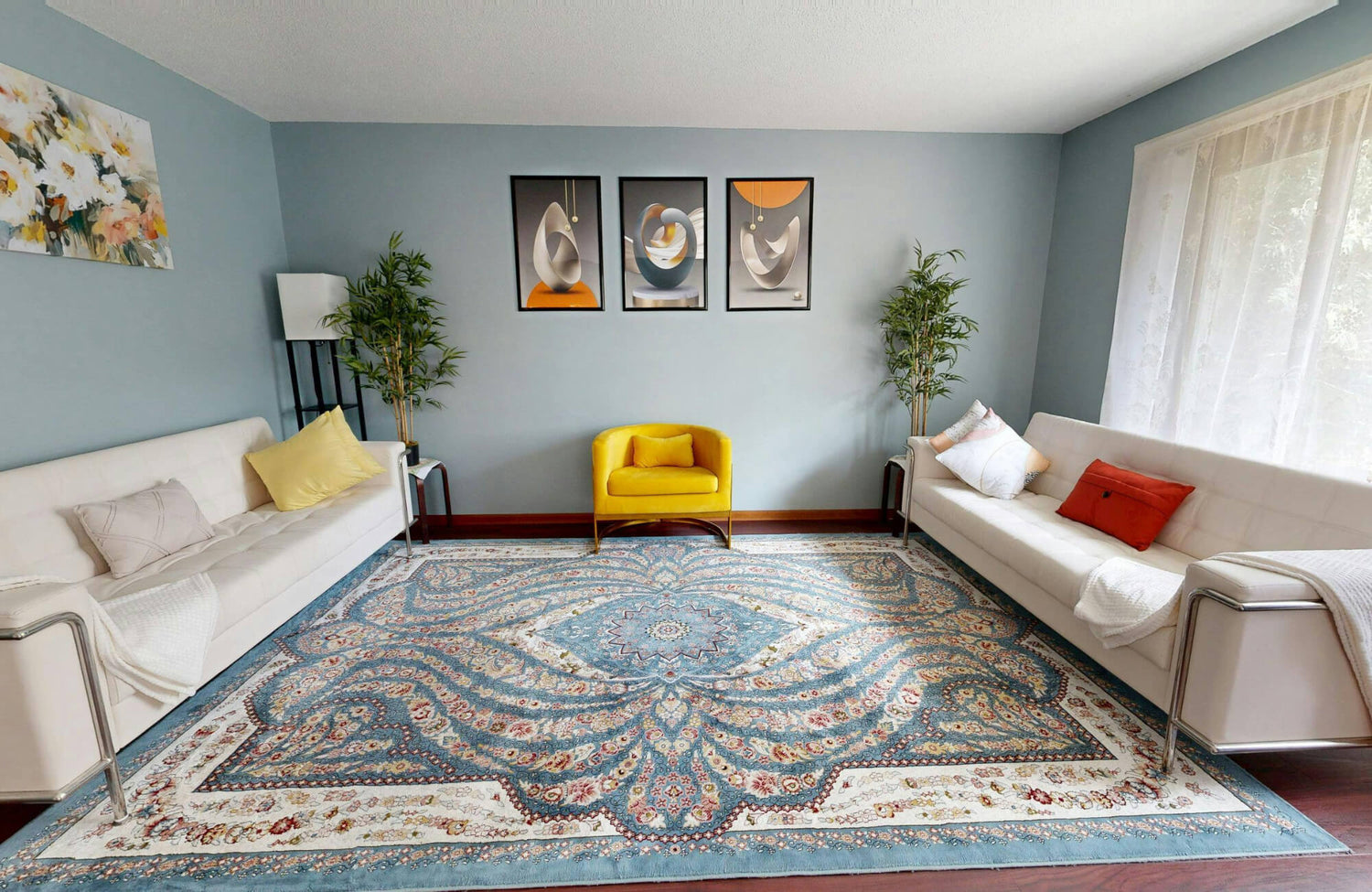
In thoughtfully designed interiors, the difference between a room that feels merely furnished and one that feels curated often comes down to layering. Among the most impactful yet frequently misunderstood pairings is the relationship between decorative pillows and a textured rug. While both elements serve different functional purposes, they share a powerful visual dialogue. The rug grounds the room, establishing tone and tactile character at the floor. Decorative pillows echo and refine that foundation at eye level, softening upholstery and shaping the atmosphere.
For those investing in premium home solutions, from artisanal rugs to tailored upholstery, mastering this pairing is essential. Texture, scale, color undertones, and finish all influence how these pieces interact. When balanced with intention, decorative pillows and textured rugs create cohesion, depth, and quiet luxury. When mismatched, they compete or fall flat. The following four rules offer a refined framework for pairing decorative pillows with textured rugs in a way that elevates the entire living space.

Matching Visual Weight Between Floor and Sofa
Before exploring pattern or color, it is essential to establish balance at a foundational level. The relationship between the rug and the sofa begins with visual weight, ensuring that neither element overpowers the other but instead works in measured harmony.
Pairing Chunky Rugs With Substantial Fabrics
Chunky rugs, such as hand-knotted wool pieces with high pile or pronounced loop textures, bring immediate tactile richness to a room. Their depth absorbs light and creates shadow play across the surface. Pairing these rugs with thin, delicate pillow fabrics can feel disjointed, as if the sofa has not fully joined the design conversation.
Instead, substantial fabrics such as thick bouclé, heavy linen blends, textured jacquards, or structured wool cushions provide a visual counterbalance. These materials mirror the rug’s density, creating continuity between floor and furniture. The result is a grounded aesthetic where each layer feels intentional.
In luxury living rooms, this pairing often defines the overall ambiance. A plush, textured rug anchors the space with warmth, while generously filled pillows in weighty fabrics reinforce comfort and craftsmanship. The room feels cohesive because the tactile story is consistent from the ground up.
Why Delicate Linens Get Lost On Shag
Shag and high-pile rugs are dramatic by nature. Their long fibers diffuse edges and create a soft, almost cloudlike surface. While visually inviting, this level of texture can overwhelm lightweight pillow fabrics.
Delicate linens, fine cottons, or lightly woven materials tend to disappear against the presence of a shag rug. The eye reads the rug as bold and dimensional, while the pillows feel insubstantial. Even if the color palette aligns perfectly, the imbalance in texture weakens the overall composition.
In these settings, decorative pillows benefit from more defined structure. A tighter weave, a subtle raised pattern, or even tailored piping around the edges can ensure that the sofa holds its own. The goal is not to compete with the rug, but to maintain equilibrium. When both surfaces command attention in complementary ways, the space feels curated rather than accidental.
Sizing Your Pillows To Match The Rug Scale
Scale extends beyond pattern and into proportion. A large-scale textured rug in a spacious living area sets a bold foundation. Undersized decorative pillows placed on a generous sofa can feel disconnected from that expansive base. In a setting anchored by Edward Martin’s Haverford Rug in Fog / Dune, as seen in the image above, the softly distressed pattern spans the room with quiet presence, making it essential to select pillows that feel equally considered in size and fill.
When the rug spans the majority of the seating area, consider larger pillows with substantial inserts. Oversized square or elongated lumbar cushions create a visual bridge between the scale of the floor covering and the sofa’s footprint. This proportional harmony keeps the room from feeling fragmented while reinforcing the rug’s grounded elegance.
Conversely, in smaller spaces with finely woven or low-profile rugs, excessively large pillows can overwhelm. Matching pillow size to rug scale ensures that each element feels appropriately weighted within the room’s architecture. In high-end interiors, proportion is often what separates a well-styled room from one that feels slightly off.

Navigating The Pattern Versus Texture Dynamic
Once proportion and scale are aligned, the next consideration is how surface interest is expressed. Pattern and texture each introduce complexity in different ways, and understanding how they interact allows for a layered look that feels intentional rather than overwhelming.
Using Solid Pillows To Calm A Busy Weave
Some textured rugs incorporate intricate patterns through carving, varied pile heights, or multi-tonal yarns. These rugs already introduce movement and visual interest. In such cases, decorative pillows in solid colors provide a necessary pause.
Solid pillows allow the eye to rest while still contributing tactile richness. The understated weave of Edward Martin’s Merelle 13" x 21" Down Pillow in Tan offers warmth without distraction, while the graphic contrast of Marisette 12" x 27" Down Pillow in Black, shown layered in the image above, introduces definition without competing with a patterned foundation. Their clean palettes temper visual complexity while maintaining depth.
This restraint is particularly effective in living rooms where the rug is the statement piece. Rather than competing with its detail, pillows serve as supportive accents. The room feels layered but not crowded, refined rather than over-styled.
Layering Geometric Prints Over Organic Textures
Organic textures such as jute, sisal, or handwoven wool often feature irregular surfaces and natural variation. These rugs bring an earthy, tactile authenticity to a space. Introducing geometric printed pillows can create a compelling contrast.
The clean lines of a geometric motif stand out beautifully against the irregular weave of a natural fiber rug. This juxtaposition highlights both elements. The rug’s organic texture becomes more pronounced, while the pillow’s pattern feels crisp and intentional.
For a global audience drawn to artisan craftsmanship and premium materials, this pairing offers sophistication. It blends modern precision with natural texture, producing a balanced aesthetic that feels both curated and welcoming.
The Importance Of Pattern Scale Variance
When both rug and pillows feature patterns, scale variance becomes critical. A rug with a large-scale motif pairs best with smaller, more intricate pillow prints. Conversely, a finely patterned rug benefits from bolder pillow designs.
If the scale is too similar, the patterns blur together, diminishing impact. Varying scale creates hierarchy, guiding the eye through the room. This layered effect enhances depth without overwhelming the space.
In thoughtfully designed interiors, pattern scale is often the invisible principle that makes everything work. It ensures that each element maintains its identity while contributing to a harmonious whole.

Creating Harmony Through Color Undertones
With texture and pattern thoughtfully balanced, color becomes the unifying thread. Beyond what is immediately visible, undertones quietly influence whether a space feels cohesive, refined, and seamlessly composed.
Pulling Warmth From Natural Jute And Sisal
Natural fiber rugs such as jute and sisal typically carry warm undertones ranging from honey to soft caramel. Decorative pillows that draw from this warmth create visual continuity.
Earth-toned fabrics, muted terracottas, soft ochres, and warm creams echo the organic character of the rug. Even when introducing additional colors, maintaining a warm base keeps the palette cohesive.
This approach works beautifully in spaces designed for relaxed elegance. The warmth feels inviting, while the layered textures maintain a sense of refinement.
The Monochromatic Approach To Texture
Monochromatic design relies on variation in texture rather than dramatic color shifts. Pairing decorative pillows with a textured rug in the same color family can produce a sophisticated, gallery-like effect.
For example, the layered blues and charcoals of Edward Martin’s Charlise Rug in Indigo / Charcoal create a nuanced base that feels cohesive yet dimensional. Within that tonal spectrum, pillows in complementary indigo velvets, woven charcoals, or subtly patterned neutrals build interest without disrupting the palette. The effect, much like the space in the image above, is calm but richly layered.
This technique is particularly effective in modern interiors where restraint is valued. The room feels composed and elevated because texture, rather than contrast, carries the visual narrative.
Creating Drama With High Contrast Accents
While harmony is often the goal, contrast can introduce drama. A deeply textured neutral rug provides a grounded backdrop for bold, contrasting pillows. Rich jewel tones or inky hues pop against lighter woven surfaces.
The key is intentional placement. High contrast should feel deliberate, not random. When the rest of the palette supports the contrast, the result is dynamic yet controlled.
In luxury living spaces, this method can transform a neutral foundation into a statement. The textured rug maintains warmth and depth, while the decorative pillows inject personality and sophistication.

Using Sheen And Finish To Add Dimension
After color harmony is achieved, subtle refinements in sheen and finish bring the composition to life. These nuanced contrasts shape how light interacts with each surface, adding depth and elevating the overall design.
Contrasting Matte Wool With Velvet Sheen
Matte wool rugs absorb light, emphasizing their tactile quality. Pairing them with velvet pillows introduces a gentle sheen that catches the eye. This contrast highlights both surfaces.
The velvet’s reflective quality brings depth to the seating area, while the wool rug anchors the room with softness. Together, they create a layered interplay of light and texture.
This combination is particularly effective in spaces that prioritize comfort without sacrificing elegance. The sheen elevates the design, preventing the room from feeling overly subdued.
Incorporating Leather For A Slick Counterpoint
Leather decorative pillows offer a sleek counterpoint to heavily textured rugs. Their smooth surface stands out against woven or looped fibers, adding a modern edge.
When introduced thoughtfully, leather enhances depth without overwhelming. It works especially well in contemporary interiors where clean lines and tactile contrast define the aesthetic.
The juxtaposition of soft and smooth surfaces creates visual intrigue. It also reinforces a sense of curated luxury, as each material feels intentional and considered.
Avoiding The Flat Look Of Cotton On Cotton
Cotton pillows paired with flat-woven cotton rugs can sometimes lack dimension. Without variation in sheen or texture, the room may feel visually stagnant.
Grounding the space with Edward Martin’s Quinton Rug in Ash introduces a subtle linear weave and tonal variation that prevents the palette from feeling one-note. As reflected in the image above, its understated texture provides just enough depth to support pillows in cotton blends, quilted finishes, or fabrics with slight sheen, ensuring the arrangement feels layered rather than flat.
Thoughtful variation ensures that the space feels dynamic while maintaining cohesion. The goal is always to create movement and tactile contrast so that even the most neutral composition feels intentionally designed.
The Final Layer Of Curated Comfort
Decorative pillows and textured rugs are more than accessories. They are foundational elements that shape the atmosphere of a living space. When paired with intention, they create harmony between floor and sofa, texture and pattern, color and sheen.
For those refining a specific vision or navigating multiple options, Edward Martin’s design consultation service offers personalized guidance tailored to your space, whether you are selecting rugs, pillows, tile, or furniture. If questions arise about materials, scale, or product details, you can always contact Edward Martin for expert support aligned with your project needs. In the end, it is this thoughtful layering, supported by informed choices, that defines curated comfort and timeless sophistication.


