
)
)
)
)
)
)
)
)
Will Hexagon Floor Tile Go Out Of Style Soon?
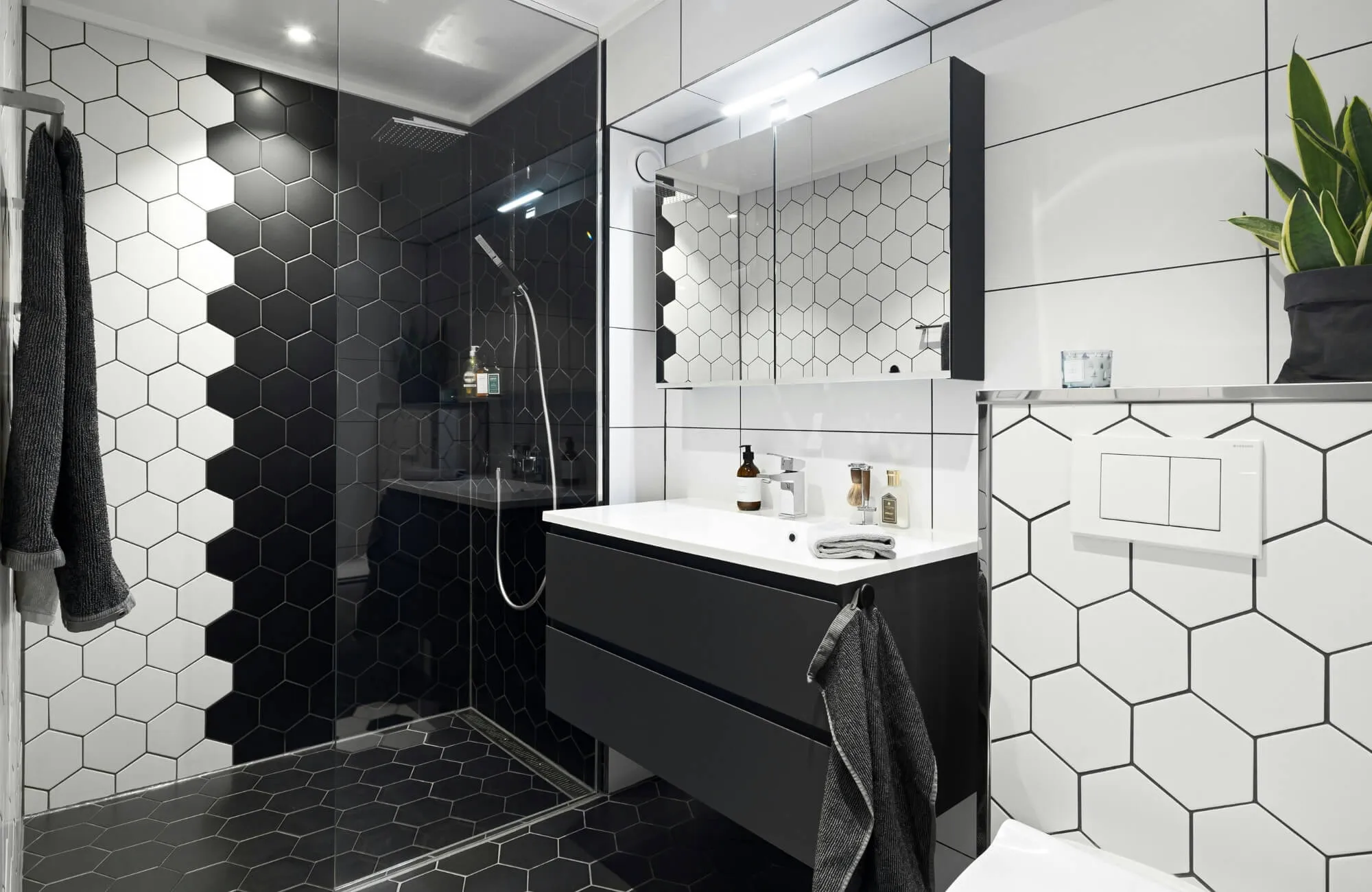
For decades, hexagon floor tiles have graced homes, from historic cottages to modern high-rises. Their geometric beauty, timeless symmetry, and remarkable versatility have made them a staple in interior design. Yet as trends evolve, bringing new shapes, sizes, and textures into focus, it’s natural to wonder: Will hexagon floor tile go out of style soon?
The answer lies in its history, adaptability, and enduring visual harmony. Hexagon tiles are more than a passing trend, they’re a design language that continually reinvents itself. Let’s explore why this six-sided favorite continues to capture the imagination of homeowners and designers alike.
Why the Hexagon Shape Endures in Design
To understand why hexagon tiles continue to hold their place in modern interiors, it helps to look beyond trends and into the design principles that make them so enduring. The appeal of the six-sided shape lies in its perfect balance, rooted in nature, geometry, and centuries of architecture. Its story begins long before it found its way onto today’s floors and walls.
The Geometric Appeal of Hexagons in Nature
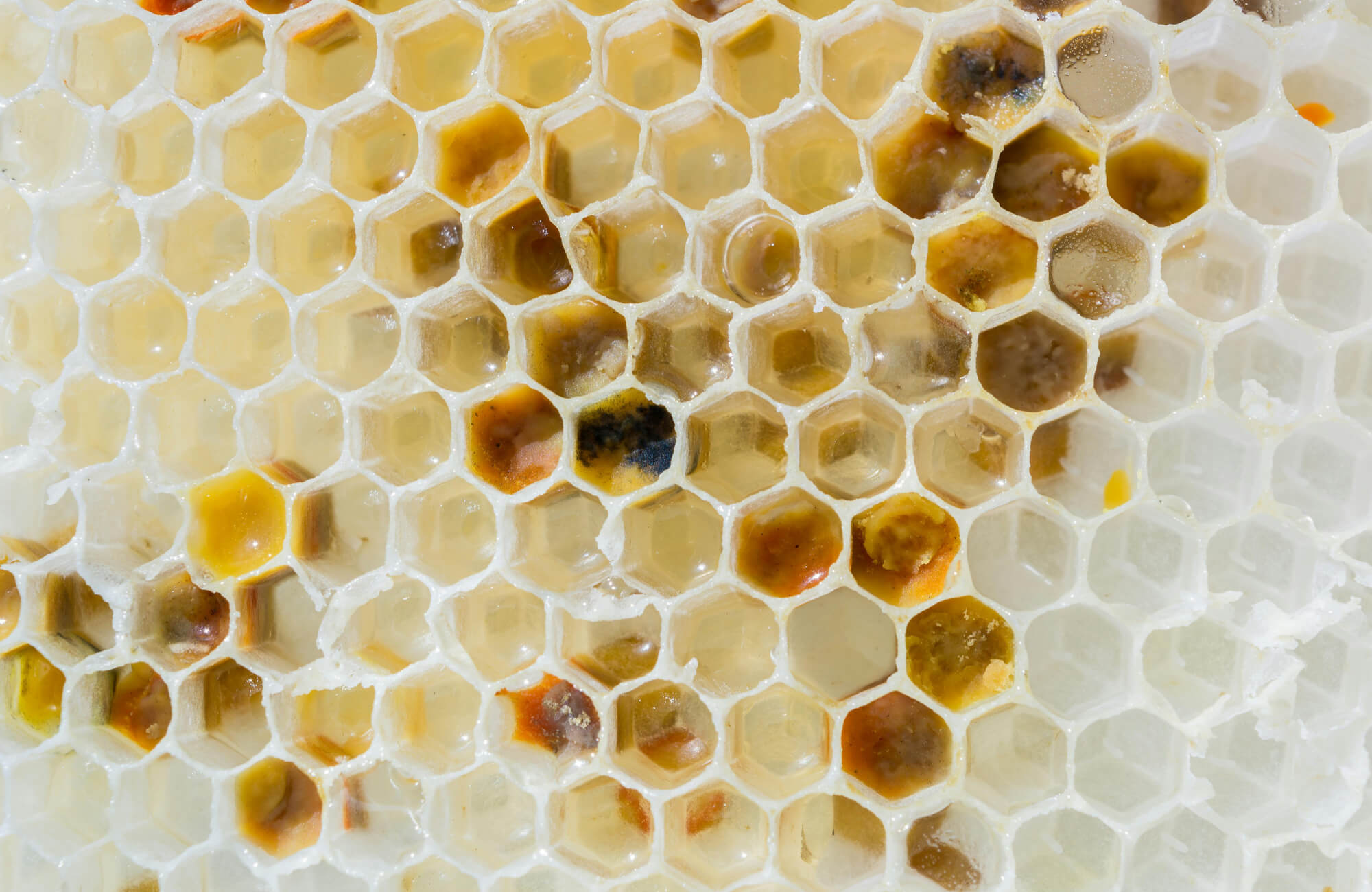
The hexagon is one of nature’s most efficient and elegant forms. Found in honeycombs, crystal formations, and even the structure of snowflakes, the hexagon embodies balance and strength. Its geometry allows for tight interlocking patterns, no wasted space, just seamless repetition and visual rhythm.
When translated into tile, that same efficiency becomes art. Hexagon tiles fit together with mathematical precision, creating a flow that feels organic yet structured. This inherent harmony appeals to our sense of order and beauty, which is why even as design trends change, the hexagon remains an aesthetic constant.
From natural stone mosaics to matte porcelain floor tiles, the hexagon’s geometry brings both texture and movement to a space. It’s a subtle nod to nature’s perfection, a pattern that feels alive, not manufactured.
A Shape with a Rich Architectural History
The love for hexagonal motifs isn’t new, it stretches back centuries. Ancient Roman villas showcased intricate mosaic floors composed of tiny hexagon tiles. In the Victorian era, the pattern became synonymous with elegance and craftsmanship, often appearing in black-and-white porcelain tilework across grand foyers and bathrooms.
Fast forward to the 20th century, and hex tiles found new life in American Craftsman homes and early 1900s bathrooms. They symbolized both cleanliness and permanence, qualities that still resonate today.
This deep architectural lineage gives hexagon tiles their sense of timelessness. Each installation, whether in a modern loft or a century-old home, carries a whisper of history. Their adaptability across eras proves that design rooted in geometry never truly fades.
The Perfect Balance of Round and Square
Part of what makes hexagon tiles so enduring is their unique geometry, a perfect midpoint between the fluidity of circles and the structure of squares. They offer a softness that square tiles can’t achieve, yet retain the grid-like order that curved designs often lose.
This equilibrium allows hex tiles to complement a wide range of aesthetics. They can look graphic and bold in a high-contrast black and white palette, or soft and understated in a matte neutral finish. Their shape invites creative layouts, honeycomb patterns, cascading gradients, or even tile-to-wood transitions, without feeling forced or trendy.
The hexagon’s balanced geometry ensures it never feels too rigid or too whimsical, making it one of the most versatile shapes in design.
Adapting Hexagon Tiles to Your Personal Style
While the hexagon’s timeless form gives it lasting appeal, its real strength lies in versatility. From minimalist retreats to vintage-inspired homes, these tiles easily adapt to different aesthetics without losing their distinctive charm. It’s in this adaptability that the shape truly shines, allowing every homeowner to make it their own.
Creating a Serene Foundation for Minimalist Spaces
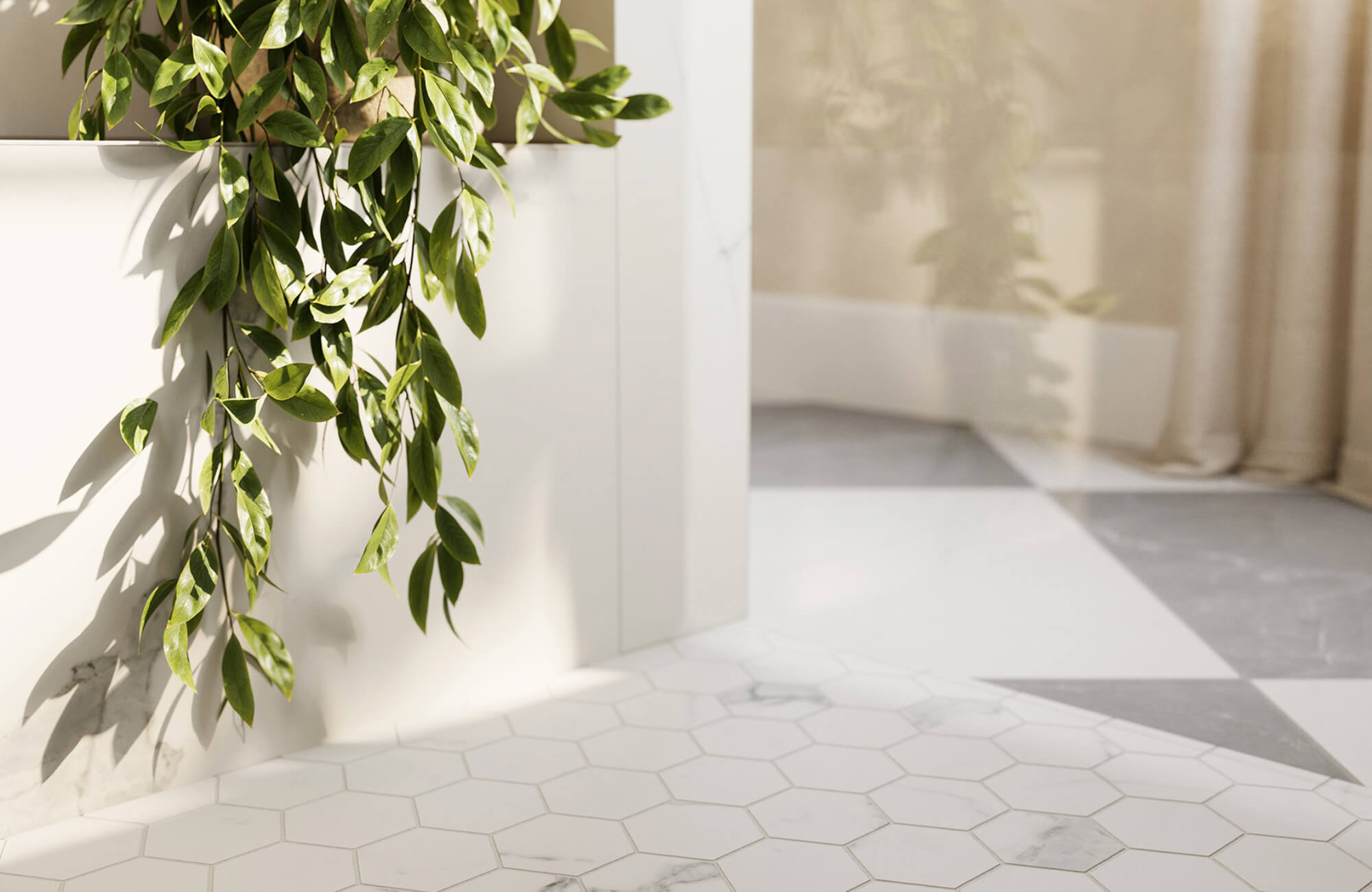
In minimalist interiors, where form and function coexist in harmony, hexagon floor tiles offer subtle sophistication. A soft, matte hex tile in hues like sand, dove gray, or warm white establishes visual interest without distraction.
Seen in the image, Edward Martin’s Leona 3x3 Matte Porcelain Hexagon Mosaic Tile in Calacatta perfectly embodies this balance. Its gentle veining and refined matte surface introduce quiet elegance while maintaining the purity of minimalist design. When used on floors or walls, it creates a natural rhythm, structured yet soothing, that enhances the openness of a space.
Their geometric precision adds quiet structure, grounding a room without overwhelming it. Pairing large-format porcelain hex tiles with thin grout lines enhances the sense of continuity, creating a seamless surface that feels calm and expansive.
Minimalist design thrives on restraint, and hexagon tiles like the Leona Mosaic deliver just that: texture without clutter. They’re proof that simplicity can be deeply expressive.
Achieving a Classic Look for Farmhouse and Vintage Styles
For homeowners who love timeless warmth, hex tiles are a natural fit. In farmhouse or vintage-inspired spaces, they evoke nostalgia while providing a durable, practical surface. Classic white hex mosaics with contrasting dark grout bring to mind early 20th-century bathrooms, while soft beige or tumbled marble versions create an aged, handcrafted feel.
Layering hexagon floor tiles with shiplap walls, natural wood accents, or aged brass fixtures enhances that cozy, lived-in charm. Even in traditional kitchens, a honed marble hex floor pairs beautifully with painted cabinetry and apron-front sinks, blending the old and the new with effortless grace.
This versatility keeps hex tiles from being bound to any single era, they evolve gracefully alongside changing tastes.
Making a Bold Statement in Contemporary Designs
At the opposite end of the spectrum, hexagon tiles can also be the star of a modern, high-impact design. Oversized hex tiles in deep charcoal or dramatic marble tones make powerful flooring statements. Glossy finishes catch light beautifully, while geometric gradients and color-block layouts turn floors into works of art.
Designers often play with scale by blending different hex tile sizes or mixing matte and polished finishes for added dimension. In open-plan homes, hex tiles can define zones, like transitioning from a kitchen to a dining area, without physical barriers.
By pushing creative boundaries, today’s contemporary designs prove that the hexagon isn’t static. It evolves, taking on fresh relevance with each interpretation.
Making Timeless Choices with Hexagon Tile
Once you’ve found the style that speaks to you, the next step is ensuring your hexagon tile design stands the test of time. Material, scale, and finish all play a part in shaping a look that feels both current and enduring. With thoughtful choices, you can create a foundation that evolves gracefully with your home.
Material Matters
Material selection is key to timelessness. Porcelain hex tiles remain a popular choice for their durability, ease of maintenance, and wide range of finishes, from subtle matte to rich stone-look textures.
Natural stone, on the other hand, brings depth and authenticity. Marble hex tiles, with their organic veining, offer a luxurious feel that never goes out of style. For a rustic or earthy look, tumbled limestone or travertine hex tiles provide a soft, weathered charm.
Each material tells a different story, but the underlying shape ties them together. Whether your goal is elegance, warmth, or modern minimalism, the material finish can fine-tune the mood without compromising on timeless appeal.
How Tile Scale Affects Timelessness
Scale has a profound impact on how hex tiles are perceived. Small mosaics (around 1” to 2”) exude vintage charm and work beautifully in compact areas like bathrooms or entryways. They’re perfect for intricate layouts and color patterns.
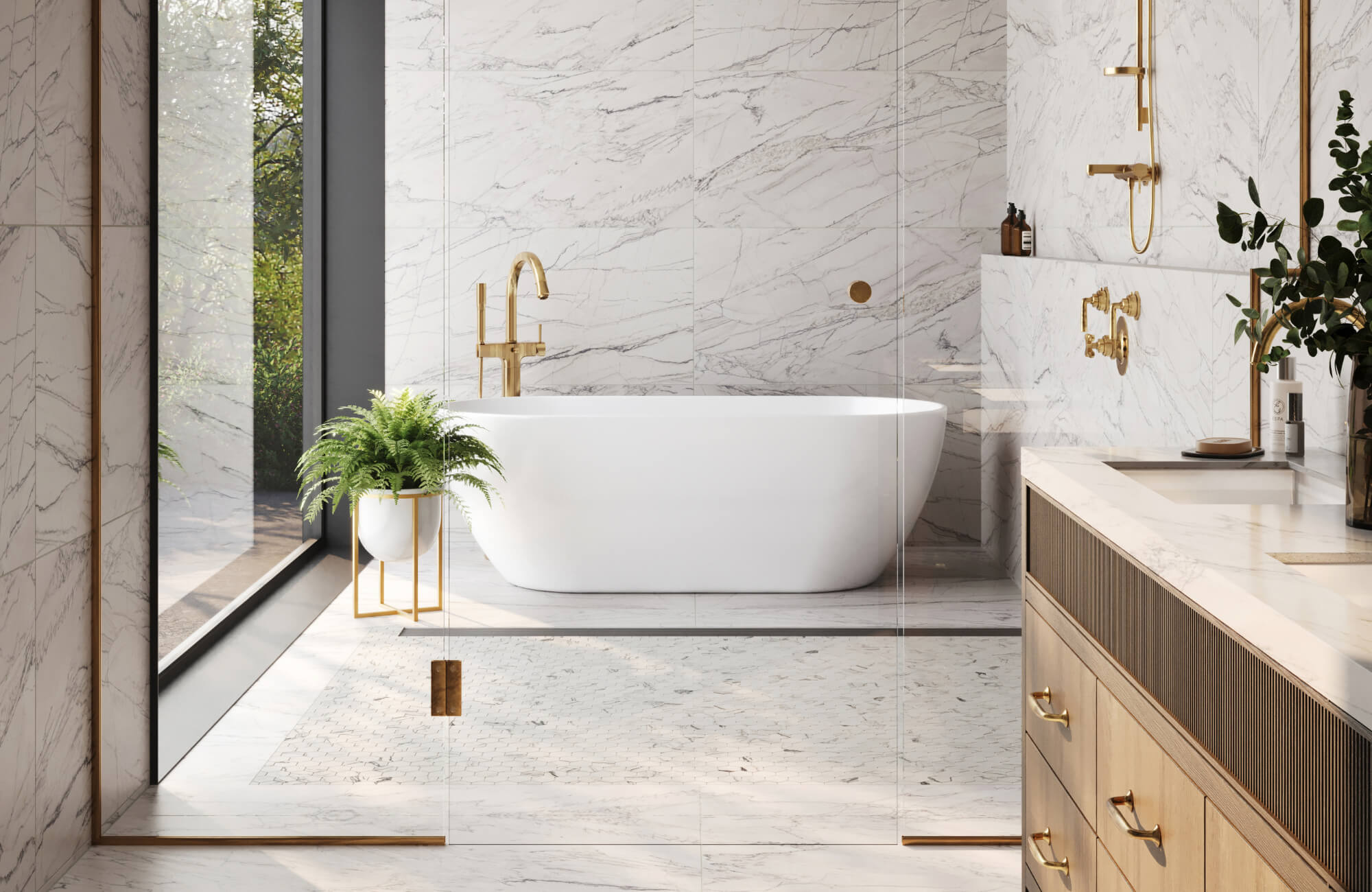
As seen in the image, Edward Martin’s Aniston 2x2 Matte Porcelain Hexagon Mosaic Tile in Calacatta Quarzite demonstrates how smaller-scale hex tiles can still achieve a luxurious, balanced look. The subtle marble veining and matte finish create refined texture, while the compact format enhances detail without overwhelming the space.
Medium to large hex tiles (4” to 12”) create a more modern, spacious aesthetic. Larger formats reduce grout lines, making floors look seamless and serene, ideal for open layouts and contemporary homes.
When chosen thoughtfully, tile size can bridge the gap between eras, allowing hex tiles to complement both traditional and modern design sensibilities.
The Subtle Impact of Tile Finish and Edge
Finish is often overlooked but has a significant impact on a tile’s longevity. Matte finishes offer a soft, natural look that hides wear over time, while polished finishes bring light and sophistication to formal areas.
Edge profiles also influence the overall effect. Rectified edges (precisely cut) allow for minimal grout lines and a sleek, modern feel, whereas cushioned edges provide a more relaxed, handcrafted appearance.
By aligning finish and edge details with your home’s character, you ensure the tile design will age gracefully rather than date quickly.
Mastering the Details for a Lasting Look
Even the most beautiful tiles rely on the details to achieve lasting impact. Grout color, layout, and maintenance might seem secondary, but they can make or break the overall design. By perfecting these finishing touches, you ensure your hexagon floor remains timeless, not just in form, but in function.
Why Your Grout Color Choice Is So Important
Grout isn’t just functional, it’s deeply aesthetic. A contrasting grout emphasizes the hex pattern, creating a bold, graphic look that suits vintage and industrial spaces. A tone-on-tone grout, however, softens the geometry, lending a more refined and seamless effect ideal for minimalist or high-end interiors.
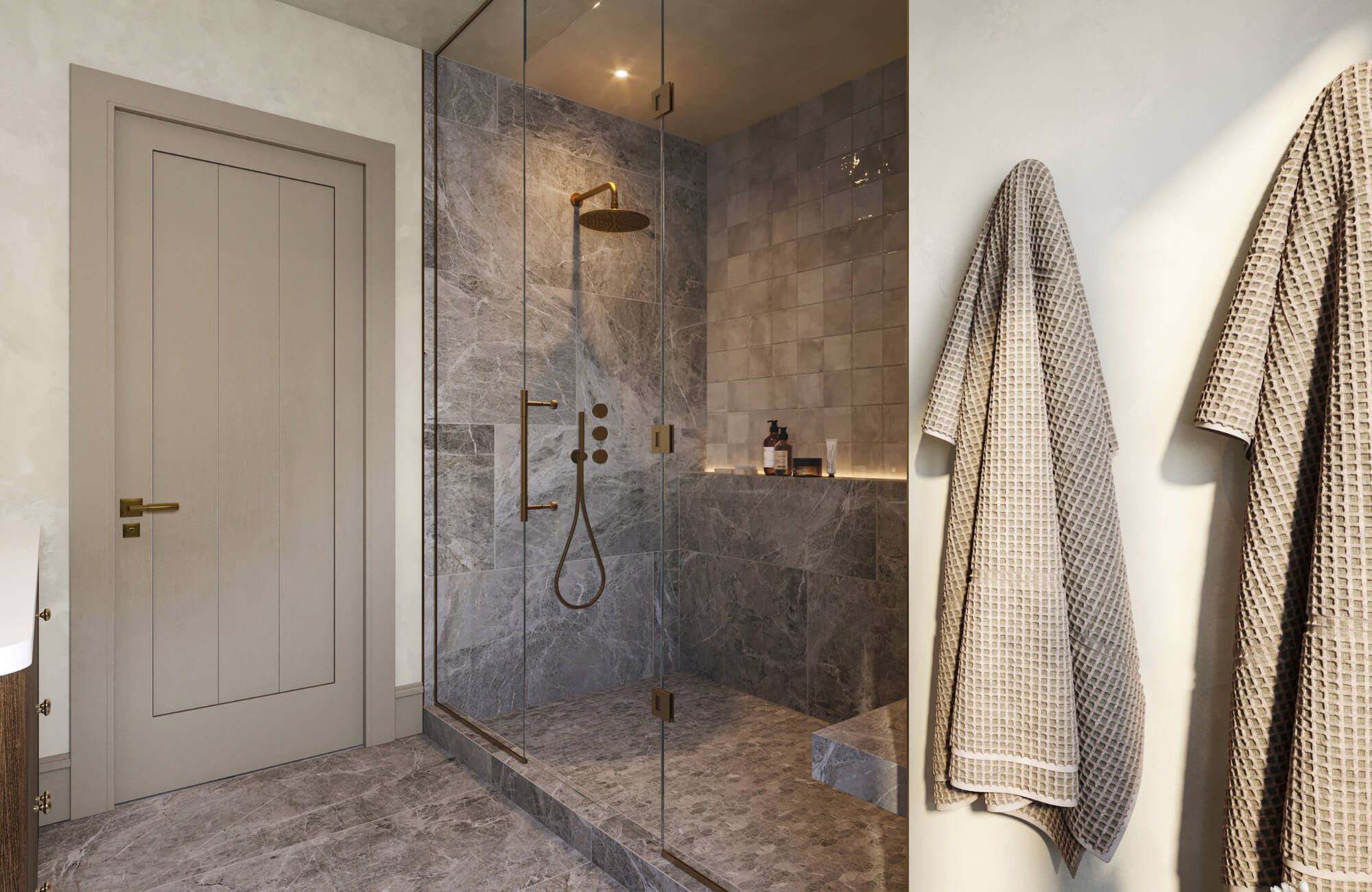
As seen in the image, Edward Martin’s Chantel 12x11 Matte Porcelain Hexagon Mosaic Tile in Imperial beautifully demonstrates how grout color can transform perception. The cool gray tones of the tile paired with a coordinating grout create a continuous surface that feels polished yet grounded, highlighting the natural stone veining without visual interruption.
Durability also factors in. Using high-quality, stain-resistant grout ensures your floors stay beautiful longer, reducing discoloration that can date a design prematurely.
Choosing grout is like choosing a frame for artwork, it defines how your tile will be perceived for years to come.
The Art of the Layout and Transitions
Hex tiles naturally lend themselves to creative layouts, and the way they transition to other flooring types can dramatically affect their visual impact.
A gradual hex-to-wood transition, for example, blurs boundaries between rooms for a modern, custom look. Border insets or mixed-size patterns can add subtle intricacy without overwhelming the eye.
Before committing to a final layout, Edward Martin’s Augmented Reality (AR) Visualization Tool allows you to see how different hex tile patterns, materials, and transitions will look directly in your space. This immersive feature helps you experiment with combinations and placement, from subtle fade-outs to bold geometric separations, ensuring the design complements your home’s flow and lighting.
Once you’ve found the perfect look digitally, you can take the next step with an Edward Martin tile sample. Ordering a physical sample lets you feel the texture, evaluate color nuances, and confirm your design vision before installation.
Installation precision remains critical, uneven spacing or misalignment can disrupt the continuity that makes hex tiles so captivating. With expert guidance and the right tools at your disposal, you can confidently bring your design from concept to reality.
Thinking About Long-Term Care and Cleaning
A timeless floor is one that’s built to last. Fortunately, most hex tiles, especially porcelain, are exceptionally low maintenance. Routine sweeping and mopping are usually all that’s needed to keep them looking their best.
For natural stone varieties, sealing protects against staining and moisture, helping preserve their natural beauty over time. Matte finishes and mid-tone colors are particularly forgiving, concealing everyday dust and wear for a consistently fresh appearance.
It’s important to note that for care, maintenance, or general upkeep, it’s always best to consult the manufacturer’s guidelines to ensure the proper cleaning products and techniques are used.
By considering upkeep from the start, you’re not just investing in style, you’re preserving both the beauty and value of your space for decades to come.
Hexagon Tile Is a Timeless Choice, Not a Passing Trend
Design trends may ebb and flow, but some forms stand the test of time. The hexagon tile’s perfect geometry, rich history, and infinite adaptability have secured its place as a design classic. It’s modern yet traditional, simple yet complex, a balance few materials achieve.
For homeowners and designers alike, the key isn’t avoiding trends but choosing elements that transcend them. With the right material, scale, and details, hexagon floor tile becomes more than a surface, it becomes part of your home’s enduring story.
So will hexagon floor tile go out of style soon?
Not likely. Its beauty isn’t just in its form, it’s in its timeless ability to evolve while staying true to what makes it remarkable.
Follow us on Instagram
@EDWARD.MARTIN
)
)
)
)
)
)
)
)
)
)
)
)
)
)
)
)