Subway tiles are a popular choice in interior design because they effortlessly combine timeless style with practical performance. Originally created for the New York City subway system, these tiles have since become a design staple in modern homes, thanks to their clean lines, glazed surface, and understated elegance. Their non-porous finish makes them exceptionally easy to maintain, while their reflective quality helps brighten spaces, especially in kitchens, bathrooms, and other busy areas. Beyond their aesthetic appeal, subway tiles offer a host of technical benefits, including moisture resistance, durability, and even fire safety. This guide explores the many reasons subway tiles continue to be a top pick for homeowners and designers alike, blending beauty and function in a way few materials can match.

The Allure of Subway Tiles
Subway tiles are more than a design trend—they offer optical and emotional benefits that contribute to the overall experience of a space. Their consistent dimensions and glazed finish create a sense of structure and cleanliness. Their ability to reflect light can also make smaller areas feel open and expansive. These psychological benefits, coupled with their flexibility in design, ensure that subway tiles stay relevant regardless of evolving interior design trends.
A Brief History
Subway tiles originated in 1904 in New York City’s subway system, designed by architects George C. Heins and Christopher Grant La Farge. These ceramic tiles were chosen for their smooth, glazed surface, which made them easy to clean and ideal for maintaining hygiene in the underground transit environment. Their ability to reflect light helped brighten dim stations, improving visibility and creating a more inviting atmosphere for passengers.
To enhance sanitation, the tiles were installed with tight joints and white cementitious grout, forming a continuous and clean surface that aligned with the public health standards of the time. The vitreous glaze provided a durable, non-porous finish that resisted moisture and stains, making maintenance simple and effective. Over time, the same functional qualities that made these tiles suitable for public infrastructure led to their adoption in residential kitchens and bathrooms, where durability and cleanliness are equally important.
Timeless Design
The 3x6 subway tile format offers a modular, balanced shape that works seamlessly with a variety of interior design styles. Whether installed in a traditional kitchen with vintage details or a sleek modern bathroom, these tiles adapt to different aesthetics through layout patterns like classic brick bond, vertical stack, or herringbone. The rectangular shape enhances spatial flow, guiding the eye and adding structure to walls and surfaces.
Their standard 1:2 ratio also creates visual rhythm, which helps establish harmony in both compact and open spaces. This flexible geometry allows the tiles to serve as either a subtle background or a standout feature, depending on the color, texture, and grout combination. Available with rectified edges for a crisp, modern look or with cushioned edges for a softer, more historic feel, subway tiles offer the design freedom to complement any interior.
Psychological Impact
Glazed subway tiles enhance a room’s atmosphere by amplifying light and reinforcing a sense of order. In spaces like bathrooms and kitchens, their glossy surface reflects both natural and artificial light, making smaller areas appear brighter and more spacious. The uniform pattern of tiles and grout lines contributes to a clean and organized visual effect, which can help create a calm and comfortable environment.
Light-colored tiles increase brightness and reduce the need for additional lighting fixtures. This heightened sense of cleanliness is not only visual but also emotional, rooted in the tile’s original use in sanitary public settings like subways and hospitals. The repetition and symmetry in subway tile installations support a sense of spatial clarity, which can ease mental fatigue and enhance relaxation in everyday spaces.

The Functionality of Subway Tiles
Subway tiles are engineered for performance. Made from ceramic or porcelain, they provide excellent resistance to water, heat, and impact. Their surface durability and ease of maintenance make them an intelligent investment for areas that demand both cleanliness and style.
Durability and Longevity
Ceramic subway tiles are fired at high temperatures to create a dense, impact-resistant surface that holds up well in everyday use. Porcelain tiles, a subtype of ceramic, offer even greater durability due to their finer clay composition and lower water absorption rate, typically less than 0.5 percent. This makes them an excellent choice for areas that experience constant moisture, such as bathrooms and kitchens.
Their strength is reflected in their Porcelain Enamel Institute (PEI) ratings, with most achieving levels suitable for heavy residential or even commercial use. In addition, porcelain’s high Mohs hardness rating allows it to resist scratches and abrasions caused by regular movement, impacts, or dropped items. These performance features, along with resistance to fading from sunlight exposure, help maintain the tile’s appearance and structural integrity for decades.
Easy Maintenance
Glazed subway tiles feature a non-porous surface that resists stains, grease, and bacterial growth, making them ideal for high-use areas like kitchens and bathrooms. Their smooth finish allows dirt and grime to sit on the surface rather than being absorbed, which simplifies cleaning with just a mild detergent and water. Unlike natural stone, they do not require sealing or specialized products, which lowers maintenance costs over time.
The low surface friction means most messes can be wiped away with minimal effort, making daily upkeep fast and efficient. Their chemical resistance also allows for the safe use of common household cleaners without damaging the tile. When combined with stain-resistant or epoxy grout, subway tile installations become even easier to maintain and keep looking fresh. For best results, always follow the manufacturer's maintenance guidelines.
Moisture Resistance
The dense structure of ceramic and porcelain subway tiles makes them highly resistant to water absorption, which is critical in wet environments like showers, backsplashes, and laundry areas. Their impervious surface prevents moisture from seeping into the material, helping to avoid issues such as mold, mildew, and warping. When installed correctly with a waterproof membrane and properly sealed grout, the entire system remains dry and sanitary.
Porcelain tiles, in particular, are tested under ASTM C373 standards and are rated for use in areas with continuous exposure to water. These tiles work effectively with cement backer boards or waterproof underlayment, which further strengthens the water resistance of the tiled surface. Because of their tight grout joints and non-absorbent glaze, subway tiles also help control capillary action, preventing water from migrating behind the wall structure.
Fire Resistance
Subway tiles are naturally fire-resistant due to their mineral-based composition and kiln-fired production process, which allows them to withstand extreme heat without breaking down. They do not burn or emit toxic smoke, making them a safe and stable surface material for areas such as kitchen backsplashes or around fireplaces. While they are not a substitute for fireproof construction, their use can help slow the spread of flames in the event of a fire.
Ceramic and porcelain tiles are classified as Class A building materials under the National Fire Protection Association’s flame spread index, which is the highest safety rating for non-combustible materials. Their stability under heat makes them especially valuable in spaces where open flames or high temperatures are present.
Functionality for Specific Applications
Subway tiles are valued not only for their aesthetic appeal but also for their exceptional performance in various areas of the home. Their durability, water resistance, and low maintenance needs make them a reliable and stylish choice for high-use and moisture-prone environments.
Kitchens
In kitchens, subway tiles serve as a practical shield against grease, splashes, and cooking residues that can damage paint or drywall. Their smooth, glazed surface allows spills to be wiped away quickly, making it easier to maintain a clean and hygienic cooking space. These tiles are resistant to staining from common food acids and oils, which helps preserve their appearance over time. When installed behind stoves or ovens, they also stand up well to heat, making them a safe and long-lasting backsplash material. Their wide range of color and layout options allows for creative expression without sacrificing performance.
Bathrooms
Bathrooms benefit greatly from subway tiles due to their moisture-resistant properties and easy upkeep. In areas like shower surrounds and behind sinks, the tiles act as a protective barrier that keeps water from penetrating the walls. Their impervious surface helps reduce the risk of mold and mildew, which are common concerns in humid environments. When paired with a waterproof membrane and quality grout, subway tiles form a highly effective defense against long-term water damage. Their reflective finish also helps brighten small bathrooms, enhancing both the look and feel of the space.
Living Spaces
In functional spaces such as laundry rooms and mudrooms, subway tiles offer resilience against frequent use and exposure to water and cleaning agents. Their hard surface withstands scuffs from shoes, laundry baskets, and utility equipment, maintaining its integrity even in busy conditions. Spills from detergents or cleaning products can be wiped up easily without leaving stains or residues. For flooring applications, choosing textured or matte-finish tiles adds grip underfoot and helps prevent slipping. Whether used on walls around utility sinks or on floors exposed to damp clothing and heavy use, subway tiles provide a dependable, low-maintenance solution that supports both style and function.

Design Versatility of Subway Tiles
Subway tiles adapt to nearly any interior style, from sleek and modern to rustic or industrial. This versatility comes from their broad range of available finishes, colors, sizes, and layouts, allowing them to act as either a background or a feature element.
Color Options
While white remains the classic choice, subway tiles now come in a broad range of colors, including neutral tones like gray, beige, and taupe, as well as bold shades such as emerald green, navy blue, and deep burgundy. Lighter colors, in particular, help to reflect natural and artificial light, brightening up spaces and making them feel more open and airy. In contrast, darker hues provide depth and can anchor a space, creating a sense of warmth and intimacy in larger or more modern interiors.
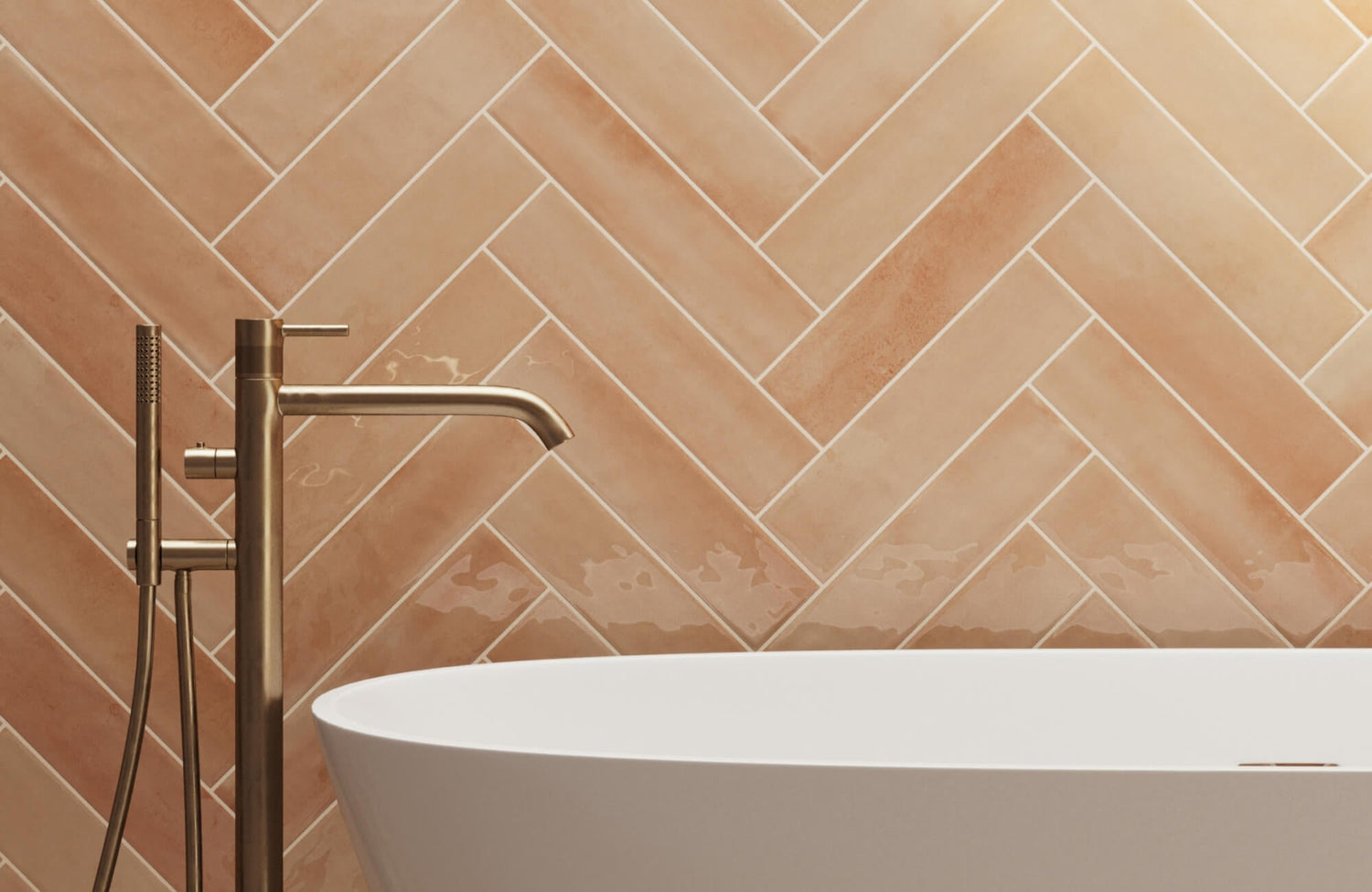
A perfect example of this warm, grounded palette can be seen in Edward Martin’s Catalina 2x16 Matte Porcelain Tile in Clay. As displayed in the photo above, these terracotta-hued tiles are laid in a refined herringbone pattern, beautifully complementing the wood elements and soft cream cabinetry of the kitchen. The brown tone adds earthy richness without overwhelming the space, offering both visual interest and a calming, organic aesthetic.
Grout Color Impact
Grout color plays a critical role in the final appearance of a subway tile installation, influencing everything from overall tone to visual continuity. When grout closely matches the tile, it creates a seamless, unified surface that emphasizes simplicity and flow. In contrast, using a grout color that contrasts with the tile outlines, each piece adds texture and graphic definition that enhances the pattern.
For example, white tiles paired with black grout create a bold, modern look that draws attention to the geometric layout, while mid-tone gray grout offers a balanced alternative that masks discoloration and reduces maintenance. Grout width impacts the visual effect, with narrow lines offering a sleek and contemporary feel, and wider joints contributing to a more rustic or handmade look. Choosing durable materials such as epoxy grout not only improves stain resistance and longevity but also maintains color integrity, especially in wet or high-use areas like kitchens and bathrooms.
Pattern Play
While the classic brick layout remains a popular and timeless choice, exploring alternative patterns can significantly elevate the design impact of subway tiles. For instance, herringbone layouts (as shown in the picture above) introduce a sense of movement and sophistication, making them ideal for accent walls or backsplashes. Chevron patterns offer similar visual energy with a more symmetrical and streamlined appearance, often used to create a dramatic focal point.
Stacked layouts, where tiles are aligned vertically or horizontally without offset, bring a sense of order and modernity to contemporary spaces. More intricate designs, such as basketweave or diagonal arrangements, can be especially effective in smaller areas, where a unique pattern helps create visual interest without overwhelming the space.
To make the selection process even more intuitive, Edward Martin offers an interactive augmented reality (AR) tool that allows you to visualize different tile styles, colors, and layouts in your own space before making a decision, bridging the gap between imagination and reality with confidence and ease.

How to Choose the Right Subway Tile for Your Space
Choosing the right subway tile involves more than picking a color or pattern. By understanding how materials, sizes, and finishes influence both appearance and performance, you can select a tile that enhances your space while meeting your functional needs.
Material
The type of material used in subway tiles affects everything from durability and water resistance to texture and maintenance. Each option offers distinct advantages, making it important to match the tile's properties with the specific demands of your space.
Ceramic Tiles
Ceramic subway tiles are one of the most popular and accessible choices for interior applications. Their glazed surface resists moisture and staining, making them an excellent option for walls in kitchens and bathrooms where easy cleaning is a priority. They are lightweight and easy to cut, which makes them ideal for DIY installations or spaces with intricate layouts.
A stylish and contemporary interpretation of ceramic tiling is the Maisie 2.5x16 Glossy Ceramic Tile in Pistachio, as depicted in the photo above. With its elongated proportions and soft green hue, it brings a fresh, serene vibe to modern interiors. The glossy finish enhances light reflection, making it particularly effective in bathrooms or compact kitchens where brightness and visual openness are desired. Its slender size also lends itself well to vertical or stacked layouts, offering a refined twist on the traditional subway tile design.
Ceramic tiles are available in a wide range of colors, finishes, and sizes, allowing for creative freedom without a high price point. Due to their softer composition compared to porcelain, they are better reserved for low-impact areas where wear and tear are minimal.
Porcelain Tiles
Porcelain tiles are denser and more durable than standard ceramic, offering added strength for demanding environments. Their low water absorption rate makes them particularly effective in areas with consistent moisture, such as showers, laundry rooms, or bathroom floors. The material is manufactured from finer clay and fired at higher temperatures, resulting in a tile that is highly resistant to chips, scratches, and frost.
A particularly elegant option within this category is the Aniston 3x12 Polished Porcelain Tile in Calacatta Antico. This tile combines porcelain’s technical performance with the luxurious appearance of natural marble. Its polished finish and delicate Calacatta-style veining create a sophisticated, high-end look suitable for both residential and commercial interiors.
Glass Tiles
Glass subway tiles deliver a modern, luminous look that brightens up any space. Known for their high light reflectivity and vibrant color options, they are often used as accent features on backsplashes or walls to add visual depth and clarity. Because of their transparency, they can create an illusion of greater space and are particularly effective in smaller or dimly lit rooms.
However, glass tiles require a smooth, uniform substrate because imperfections beneath the tile may remain visible after installation. Special care is also needed during cutting and setting to avoid chipping, and installers often use clear or white adhesives to preserve the purity of the tile color.
Natural Stone Tiles
Natural stone options such as marble, slate, and travertine provide a rich, organic texture that brings warmth and elegance to a room. Each tile is uniquely patterned, adding character to the installation, although they require sealing and occasional maintenance to preserve their surface. The inherent variation in veining and coloration makes every installation distinct and adds a luxurious, one-of-a-kind feel to any space.
Unlike manufactured tiles, natural stone is porous and can absorb liquids if left unsealed, which may lead to staining or etching. It is best suited for areas where water exposure is moderate and where maintenance routines can be easily upheld. When properly sealed and maintained, natural stone tiles can still age beautifully and add long-term value to the home.
Tile Size Options
The size of a subway tile influences both the visual impact and the overall layout of the space. Choosing the right dimensions can help balance scale, define design intent, and simplify or enhance the installation process.
Classic 3x6 Tiles
The classic 3x6 subway tile is timeless for a reason. Its balanced proportions work well in most spaces, creating a clean, uniform look that complements both traditional and contemporary styles. The smaller size also allows for flexibility in layout, making it suitable for brick bond, vertical stack, or herringbone patterns.
Because of its standard dimensions, this format is widely available and usually more cost-effective than specialty sizes. It also allows for tighter grout lines and quicker installation compared to smaller tiles. For those seeking a historically inspired aesthetic or a safe design default, the 3x6 tile remains a trusted and versatile choice.
Larger Format Tiles (4x8, 6x12)
Larger subway tiles are ideal for creating a sleek, seamless surface with fewer grout lines. These formats are especially effective in open areas or expansive walls, where minimizing visual breaks helps maintain a calm and modern appearance. They can elongate a room’s dimensions when installed horizontally and increase perceived ceiling height when used vertically.
Because fewer tiles are required to cover a given area, installation can be more efficient, although precision becomes more important to avoid visible misalignment. Larger tiles also offer a more contemporary aesthetic and work well with minimal grout contrast.
Smaller Format Tiles (2x4, Mosaic)
Smaller tiles offer more flexibility for detailed layouts and decorative patterns. They are often chosen for backsplashes, shower niches, or feature walls where added texture or movement can enhance the overall design. Their compact size makes them ideal for intricate patterns like herringbone, basketweave, or even mosaic inlays.
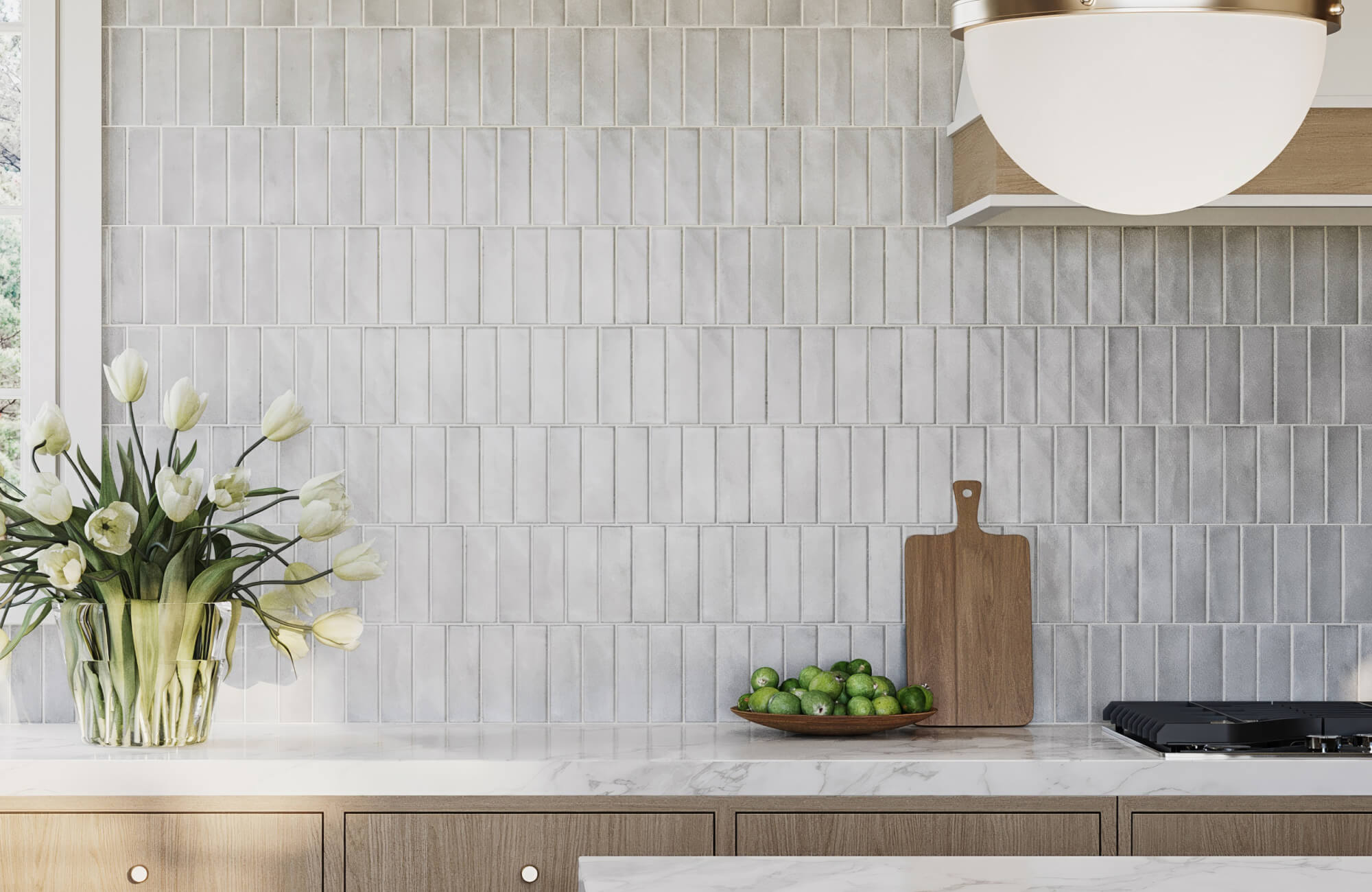
A great example of this scale done right is the Natasha 2x6 Glossy Porcelain Tile in Fog. Its subtle gray tone and soft gloss create a calming, understated look that works beautifully in modern or transitional interiors. The 2x6 format strikes a perfect balance—small enough to introduce visual rhythm, yet elongated enough to lend elegance and elongate vertical or horizontal lines. This size is especially effective for detailed work in tight spaces, such as between cabinets or within recessed shower niches, where precision and visual impact go hand-in-hand.
Tile Finishes
The finish of a subway tile plays a key role in how it looks, feels, and performs in daily use. Whether you're aiming for a bright and polished appearance or a subtle, tactile feel, the right finish will reinforce your design goals.
Glossy Finish
Glossy tiles have a smooth, reflective surface that brightens up spaces by bouncing light around the room. They are easy to clean and work particularly well in kitchens and bathrooms, where maintaining a crisp, fresh appearance is essential. The sheen of the finish also enhances color intensity and can make small rooms feel more expansive.
However, glossy surfaces may highlight smudges, fingerprints, or water spots, especially in high-touch or high-moisture areas. They are typically used on walls rather than floors, as their slick surface can become slippery when wet. Glossy tiles are an excellent choice for homeowners seeking a polished and vibrant backdrop with minimal upkeep.
Matte Finish
Matte tiles provide a soft, velvety texture that gives a room a more relaxed, contemporary character. Their subtle finish helps reduce glare and is less likely to show water spots or fingerprints, which makes them a practical option for low-maintenance surfaces. Matte finishes can add an earthy or industrial tone, depending on the color and surrounding materials.
These tiles are also often used to create a calming, spa-like atmosphere in bathrooms or to provide contrast in mixed-finish installations. Their muted appearance allows other design elements like fixtures and furnishings to take center stage. While matte tiles may require slightly more effort to remove stains, they generally offer a forgiving surface for everyday living.
Textured Finish
Textured subway tiles introduce visual interest through surface variation and dimensional detail. These tiles are ideal for accent walls or areas where you want to add character, although they may require more attention when it comes to cleaning and care. Textures can range from subtle undulations to embossed patterns that catch and scatter light.
This added depth can create a sense of movement and tactile appeal, especially when combined with neutral tones or layered materials. Textured finishes are also well-suited to rustic, handcrafted, or Mediterranean-inspired interiors. While they offer a striking design element, it is important to ensure they are used in locations where detailed cleaning can be maintained.

Installation Tips for Subway Tiles
Whether installed by a professional or completed as a DIY project, the success of a subway tile installation depends on careful planning and proper execution. Key steps include preparing a flat, stable surface, maintaining consistent spacing, and applying grout with precision. Attention to detail at every stage ensures a visually balanced layout and long-lasting performance.
Professional Installation
Licensed tile installers follow industry standards established by ANSI (American National Standards Institute) and TCNA (Tile Council of North America) to ensure quality and durability. They begin by checking for flatness and correcting any deviations in the substrate, often using a leveling compound to meet the requirement of no more than 1/8 inch variation over 10 feet. In wet areas like bathrooms or backsplashes, they install waterproofing membranes such as Schluter Kerdi or liquid-applied barriers to prevent moisture intrusion.
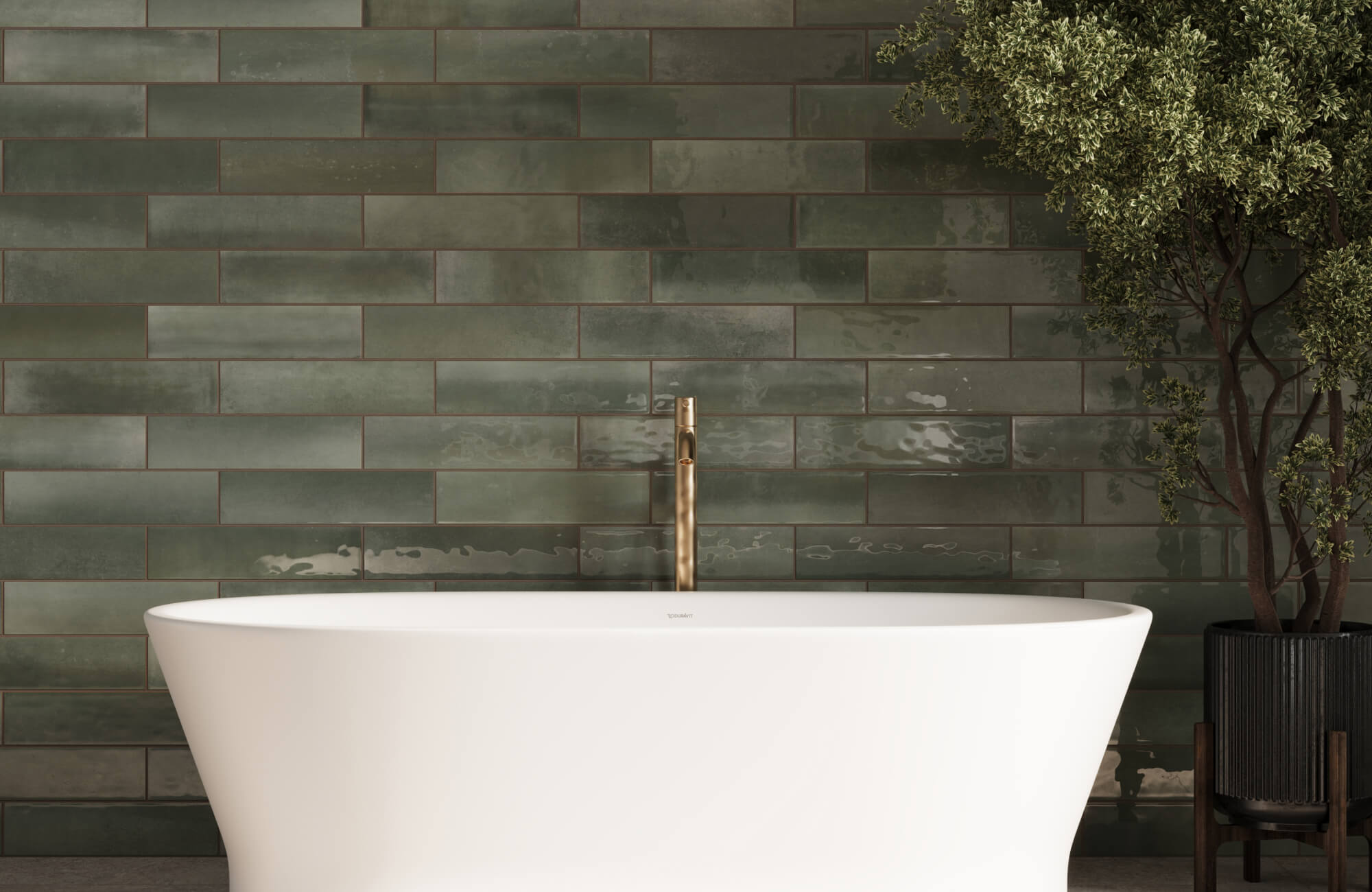
A striking example of the impact of professional craftsmanship is seen in the installation of the Jaxson 4x21 Glossy Ceramic Tile in Pine, as shown in the photo above. The long, vertical alignment of these deep forest green tiles creates a modern, spa-like atmosphere, emphasized by flawless symmetry and clean grout lines. The glossy finish reflects light beautifully across the bathroom’s surfaces, while the precision in spacing and placement enhances the tile’s rich tone and architectural presence.
Installers also select appropriate mortars based on substrate type and tile material, often using polymer-modified thinset for enhanced bonding strength. Tile layout is planned, starting from a central point and working outward to ensure symmetry and minimize awkward cuts near edges and fixtures. Once tiles are set and cured, grout is applied using uniform pressure and wiped clean with a damp sponge in multiple passes to achieve smooth, even joints without haze.
DIY Installation
For homeowners tackling a subway tile project themselves, success starts with proper preparation. Begin by ensuring the surface is clean, level, and stable using cement backer board in wet areas to prevent water damage and promote strong adhesion. Having the right tools on hand is equally important: a notched trowel for spreading thinset, a wet saw for precise cuts, tile spacers for maintaining consistent joint width, and a rubber float for applying grout.
Before committing to adhesive, it’s a good idea to dry-lay a section of tiles. This step helps you visualize the layout and fine-tune placement around outlets, corners, or windows, minimizing surprises during installation.
When you're ready to begin, mix the thinset mortar according to the manufacturer’s instructions and apply it in small, manageable sections to prevent premature drying. Press each tile into place using a slight twisting motion to ensure full contact and eliminate air pockets. After allowing the adhesive to cure for the recommended time, apply grout evenly, wiping away excess in multiple passes with a damp sponge to achieve smooth, clean joints and preserve the tile’s finish.
For long-term durability and the best results, consider consulting a professional for complex layouts or high-moisture areas.
Maintaining the Beauty of Your Grout
Grout plays a vital role in both the structural integrity and visual appeal of any tile installation, but keeping it in top condition requires ongoing care. Once grout has fully cured, usually within 48 to 72 hours, it should be sealed with a penetrating grout sealer. This invisible barrier helps protect against moisture, oil, and stains, especially in areas prone to spills or humidity. To maintain protection, reapplication every six months to one year is recommended, depending on the specific conditions and level of use.
Routine cleaning is also key. Use a pH-neutral or grout-specific cleaner to avoid compromising the sealer or causing discoloration, and opt for a soft-bristle brush to gently lift dirt from grout lines without scratching surrounding tiles. For areas exposed to frequent moisture or where minimal upkeep is desired, epoxy grout offers a durable alternative. It's waterproof, stain-resistant, and doesn’t require sealing, making it an ideal solution for showers, kitchen backsplashes, and laundry rooms where longevity and ease of maintenance are especially important.
Why Subway Tiles Remain a Smart and Stylish Choice
Subway tiles offer a compelling blend of beauty, durability, and practicality. Their non-porous, fire-resistant surfaces make them an ideal choice for wet and busy zones. Additionally, their flexible aesthetic works across design styles, while their low-maintenance nature suits busy lifestyles. With an array of sizes, colors, patterns, and materials, subway tiles empower homeowners to create personalized, enduring spaces. Whether you're seeking classic elegance or bold modernity, subway tiles provide a foundation of design integrity that stands the test of time.
To help bring these design visions to life, Edward Martin also offers expert design services, providing guidance on tile selection, layout, and material coordination tailored to your unique space and style. With the right support and a thoughtfully chosen tile, you can create a space that’s not only beautiful but built to last.