
)
)
)
)
)
)
)
)
Why Is Marble So Expensive?
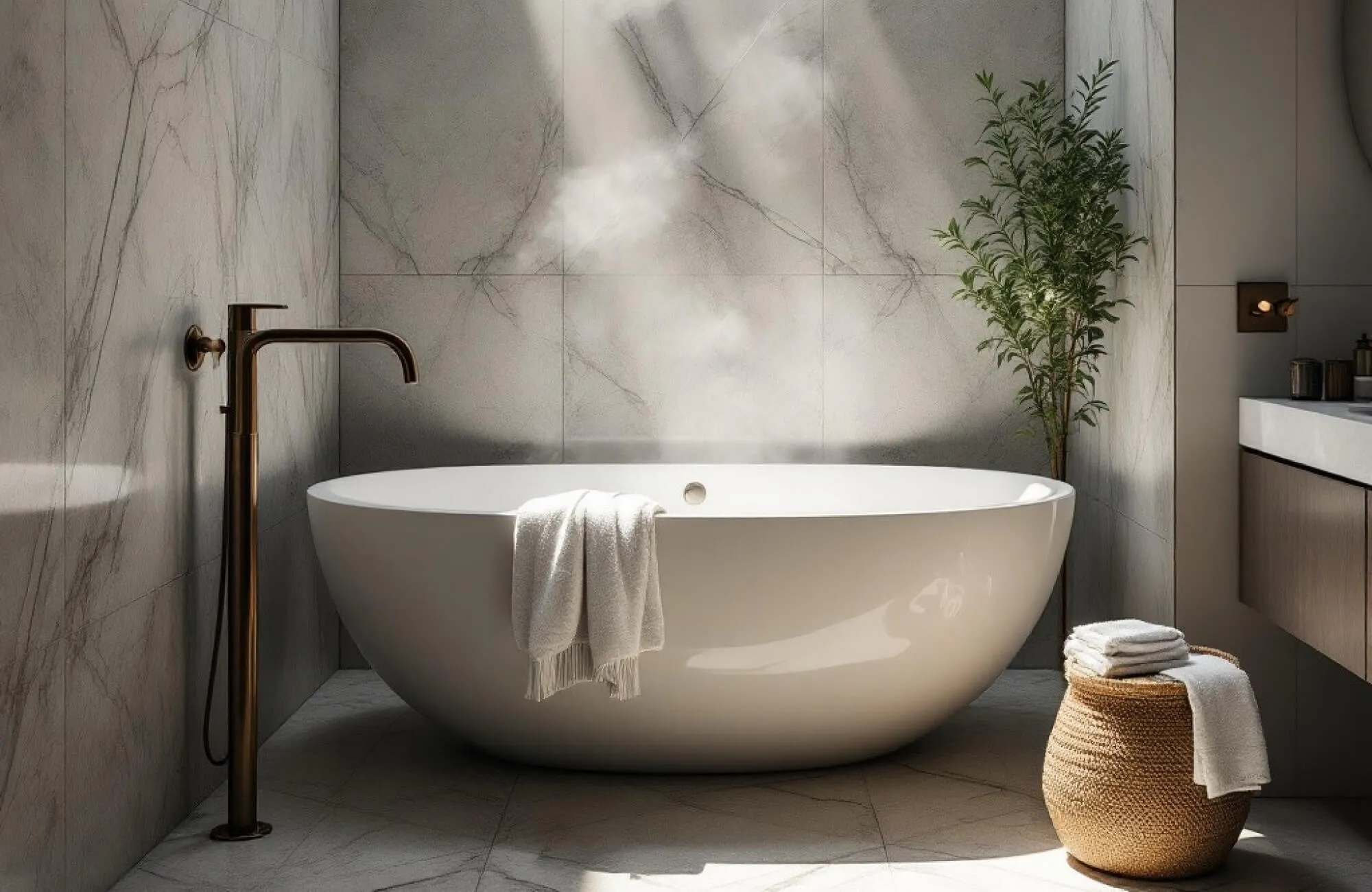
Marble has long been associated with architectural prestige, admired for its luminous surface, dramatic veining, and enduring presence in both historic landmarks and modern interiors. Formed under intense heat and pressure over millions of years, this natural stone carries a depth and character that few materials can replicate.
Yet that beauty comes at a premium. From limited quarry sources and complex extraction methods to specialized processing and global transportation, several factors contribute to marble’s elevated cost. Understanding these elements clarifies why marble remains a luxury investment, and why marble-look tiles have emerged as a refined, performance-driven alternative for those seeking similar elegance with greater cost control.
The Geological Rarity of Marble
To understand why marble commands such a high price, it’s essential to begin at its origin. The very geological conditions that create marble also limit its availability, directly influencing its market value.
Limited Deposits and Global Demand
The scarcity of high-quality marble deposits is a major factor in its high cost. Prime quarries are concentrated in a few regions, such as Italy, Greece, and Spain, where the right geological formations and mining traditions produce exceptional marble. As these limited deposits face increasing global demand for luxury materials, prices continue to rise.
Many countries without domestic marble resources also rely on imports, further driving up costs due to tariffs and shipping. The rising popularity of natural materials in interior design trends has only amplified this demand. Additionally, sustainable quarrying practices, while crucial for environmental preservation, can slow extraction rates and contribute to the scarcity of marble.
Unique Veining and Aesthetic Appeal
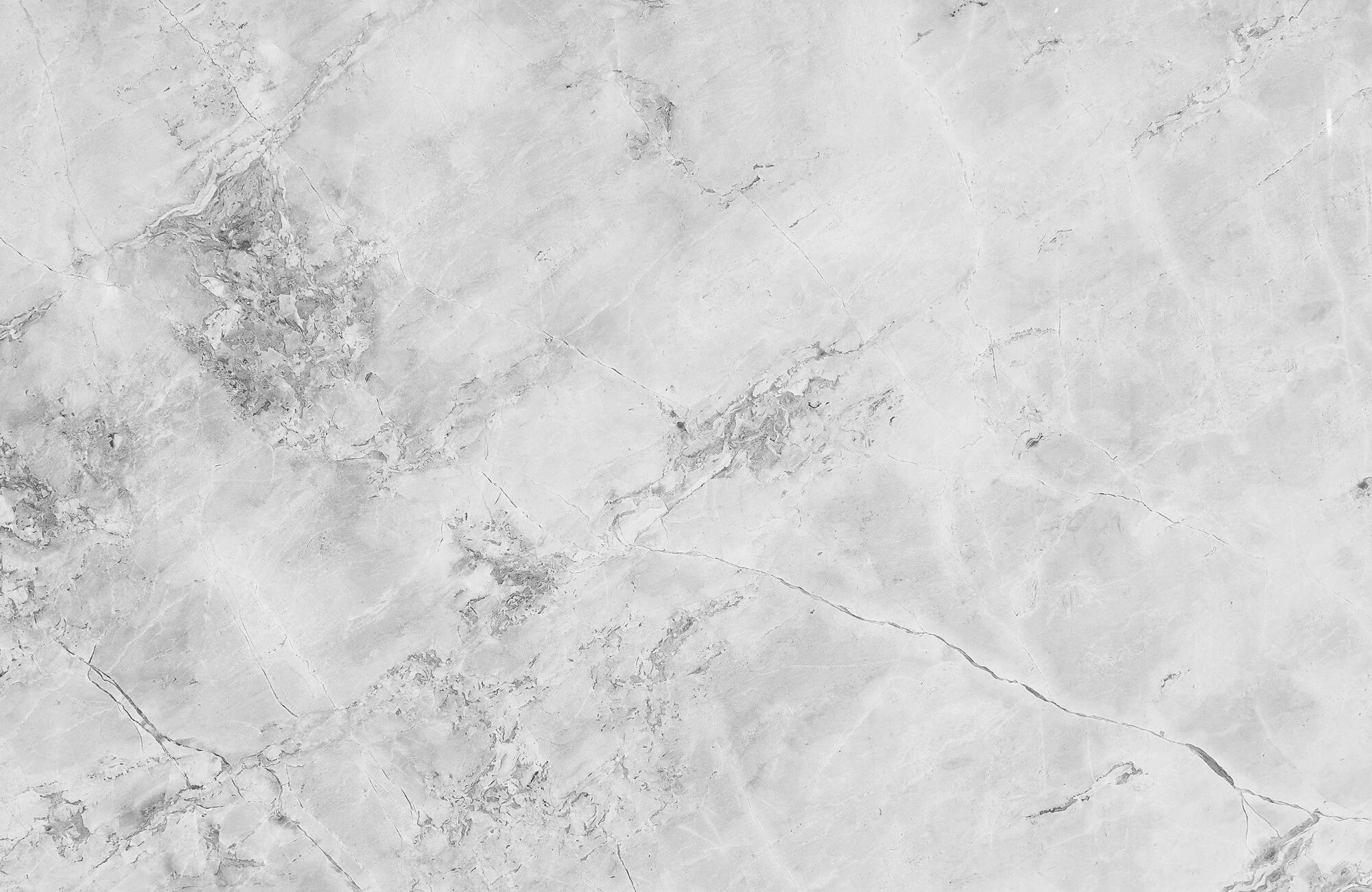
Marble's distinctive veining patterns result from mineral impurities in the original limestone, such as iron oxide, calcite, and dolomite. These create the unique swirls and streaks that define various marble types. For instance, the highly sought-after Calacatta marble, known for its bold white background and dramatic gray veining, commands a premium price due to its rarity and striking appearance.
Different marble varieties exhibit regional and geological uniqueness, offering diverse aesthetic options for designers. Each marble slab is inherently unique, making it a one-of-a-kind piece of art in any application. The interplay of light on marble surfaces enhances its luxurious appearance, adding depth and richness to its visual appeal.
Quarry Location and Accessibility
The location and accessibility of marble quarries significantly influence costs. Remote or mountainous quarries face higher extraction and transportation expenses. Additionally, operators who prioritize sustainable practices, like reforestation and water treatment, incur additional costs that enhance marble’s overall value.
Regions with limited infrastructure also often struggle with logistical challenges, adding to quarrying costs. Some quarries require the use of helicopters or specialized equipment to extract marble from hard-to-reach areas. The condition of roads and ports near quarries can further influence transportation expenses and delivery timelines.
The Labor-Intensive Extraction and Processing
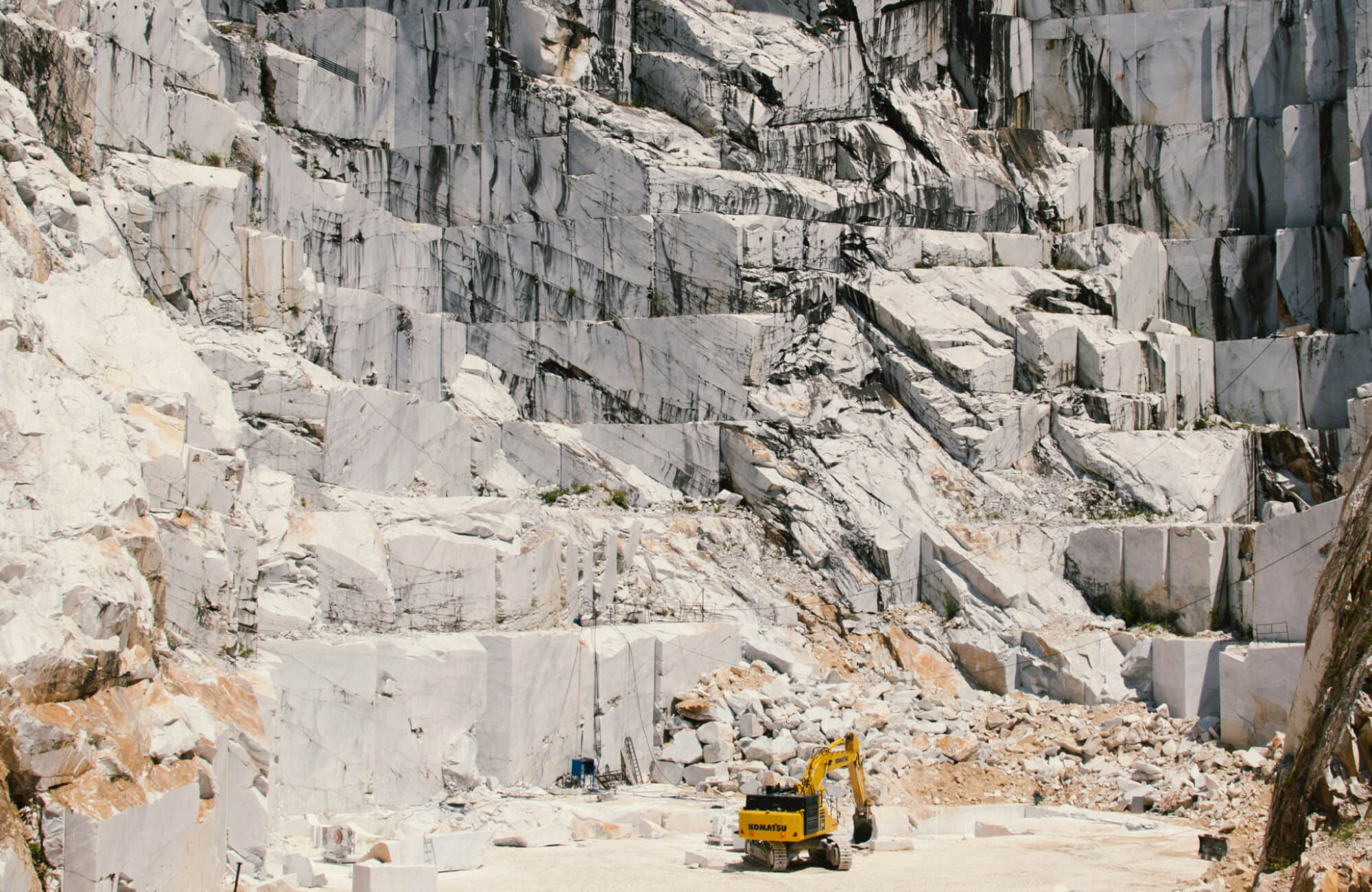
Beyond its natural scarcity, the journey from quarry to finished slab significantly adds to marble’s cost. Extracting, cutting, and refining this dense stone requires specialized skill, advanced equipment, and considerable time.
Skilled Craftsmanship and Technology
After extraction, raw marble blocks are transported to cutting facilities, where skilled artisans shape and polish the stone, blending traditional techniques with modern technology. Handheld tools are often used for intricate detailing, while precision cutting is achieved with diamond-tipped saws and CNC routers.
Specialized craftsmen are also essential to ensure the final product meets aesthetic and structural standards. The polishing phase, which reveals the stone's brilliance, demands meticulous attention to detail. High-quality finishes depend on a seamless combination of human expertise and automated processes.
Environmental and Energy Considerations
Marble production is energy-intensive. The use of heavy machinery and polishing equipment consumes significant amounts of fossil fuels and electricity, contributing to the industry’s carbon footprint. To mitigate this, many producers adopt sustainable practices such as water recycling and energy-efficient equipment, though these measures can increase production costs.
Environmental regulations also often impose additional expenses on quarry operators and manufacturers. The restoration of quarries post-extraction requires significant financial and time investment. Despite challenges, adopting green practices can enhance a brand’s reputation and appeal to environmentally conscious consumers.
The Cost of Transportation and Logistics
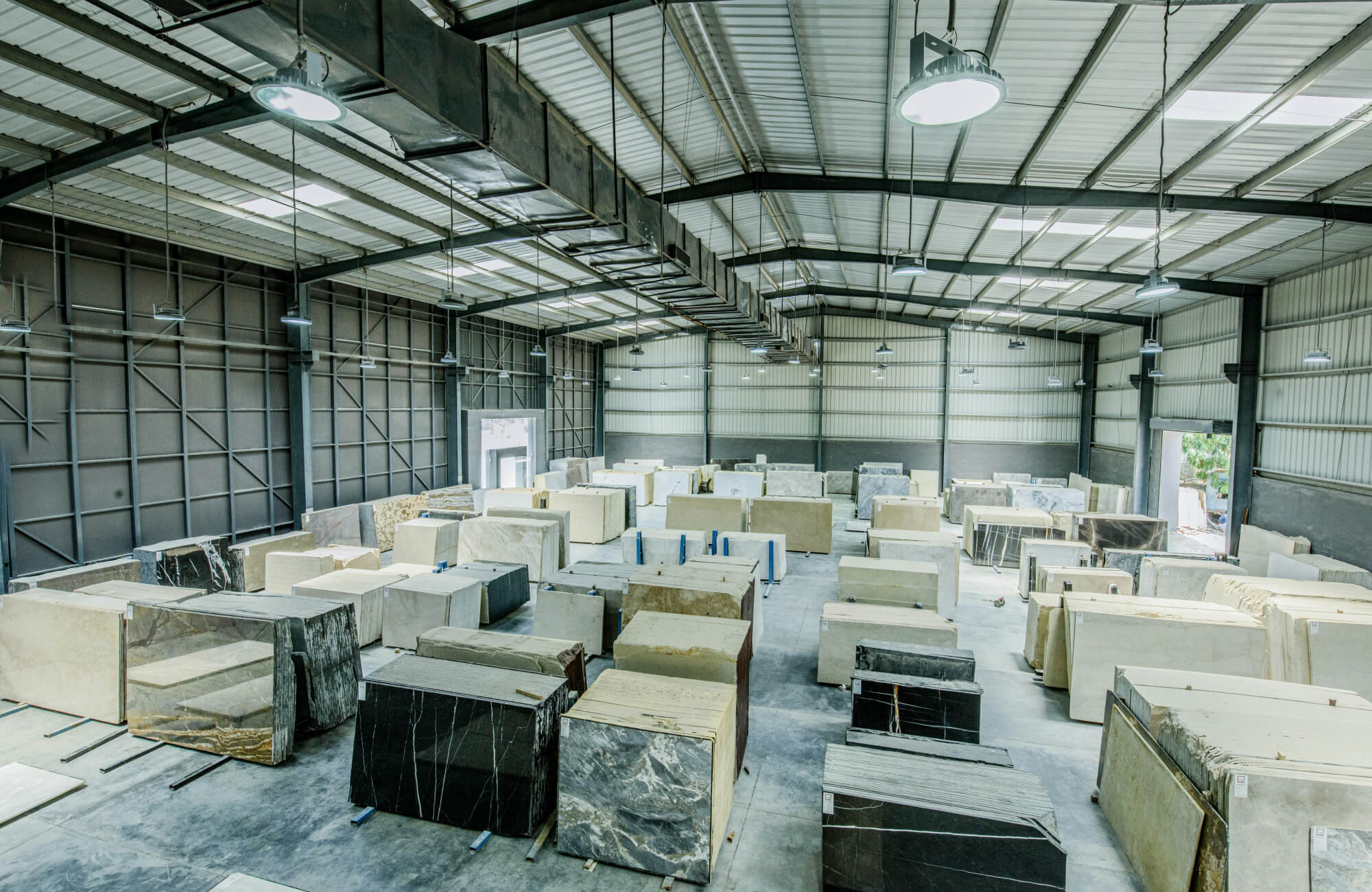
Once quarried and processed, marble must travel, often across continents, to reach its final destination. Its weight and fragility make transportation both complex and expensive, further increasing the overall investment.
The distance between the quarry and the destination significantly affects the marble’s price. For instance, marble sourced in Italy and shipped to the United States incurs higher transportation costs than locally sourced alternatives. Additional expenses such as customs duties, taxes, and potential shipping delays further contribute to its cost.
Packaging marble for safe transport is an additional cost that cannot be ignored. Insurance for transit damages is essential, especially for international shipping, and adds to the logistics expense. Innovations in shipping technology, such as containerized solutions, aim to reduce risks but involve upfront investments.
The High Maintenance Requirements of Marble
The financial commitment to marble does not end after installation. Maintaining its appearance and structural integrity over time requires consistent care and attention, contributing to its long-term cost.
Sealing and Cleaning
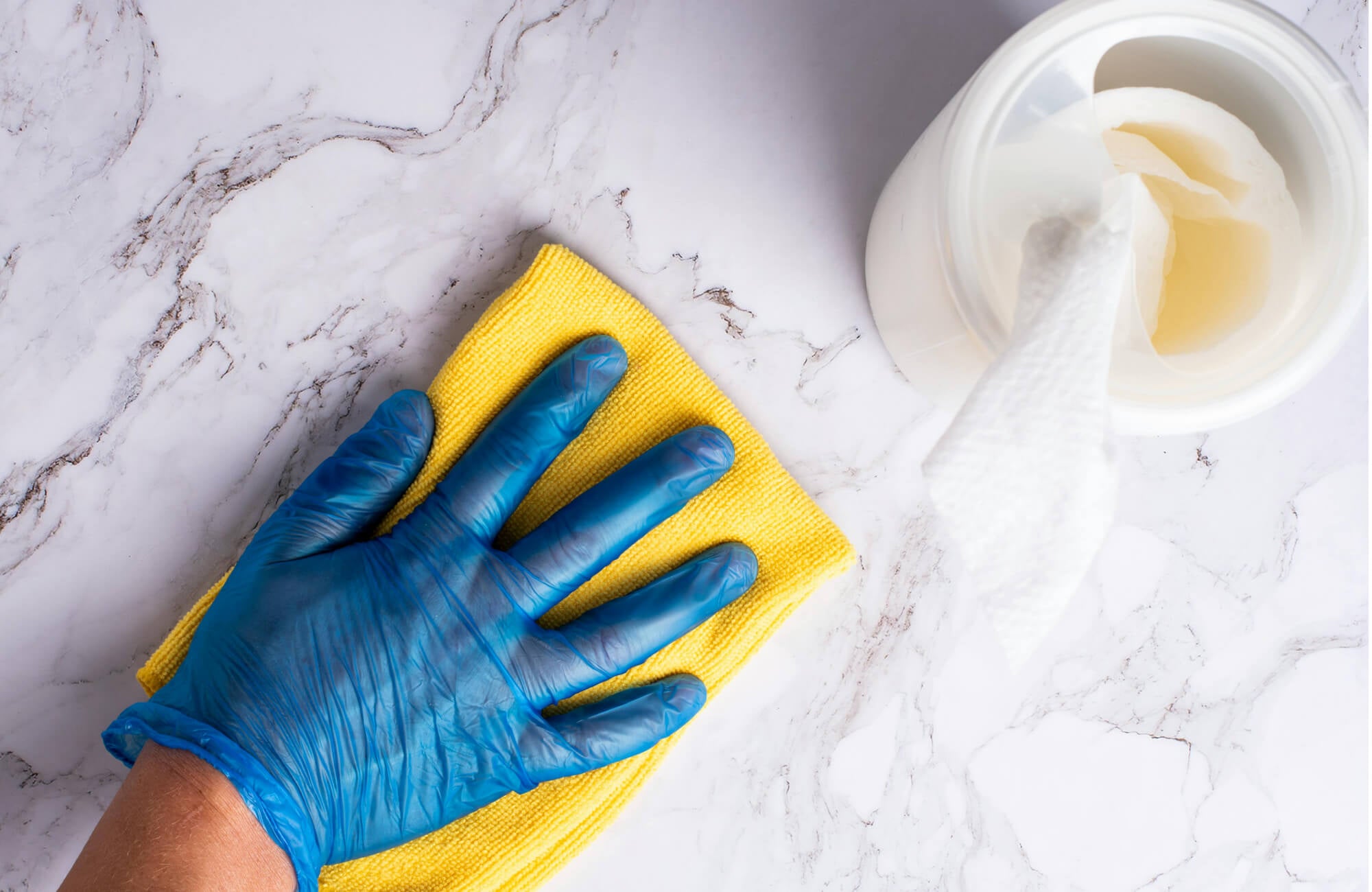
Regular sealing is essential to shield marble from stains, moisture, and wear, typically required every one to two years depending on usage. Cleaning, on the other hand, should involve mild, pH-neutral solutions to prevent etching, as harsh cleaners can damage the surface.
Using non-abrasive tools like microfiber cloths ensures gentle care as well, while routine inspections can catch wear or damage early, reducing the risk of costly repairs. With proper maintenance, marble installations not only last longer but also retain their value, enhancing both their beauty and potential resale appeal.
Susceptibility to Damage
Marble is particularly sensitive to acidic substances like citrus juice, wine, and vinegar. Prompt cleanup of spills is crucial to avoid permanent stains or etching. In cases of significant damage, professional restoration services may be necessary, adding to the long-term maintenance costs.
Frequent use can also lead to surface wear, especially in high-activity areas like hallways. Protective measures, such as rugs or mats, help preserve the stone's condition. Despite its durability, even minor accidents can compromise the marble’s polished finish, requiring care and caution.
Marble Look Tiles as a Cost-Effective Alternative
For those who appreciate marble’s timeless appeal but prefer a more predictable investment, modern manufacturing offers an alternative. Marble-look tiles replicate the visual drama of natural stone while addressing many of its cost and maintenance considerations.
Durability and Ease of Maintenance
Marble look porcelain tiles are engineered to withstand demanding environments and high-traffic areas without compromising visual appeal. Their resistance to cracking, chipping, and staining makes them suitable for both residential and commercial applications, while frost and UV resistance allow for dependable performance in varied climates. Large-format options also minimize grout lines, creating a cleaner, more seamless installation.
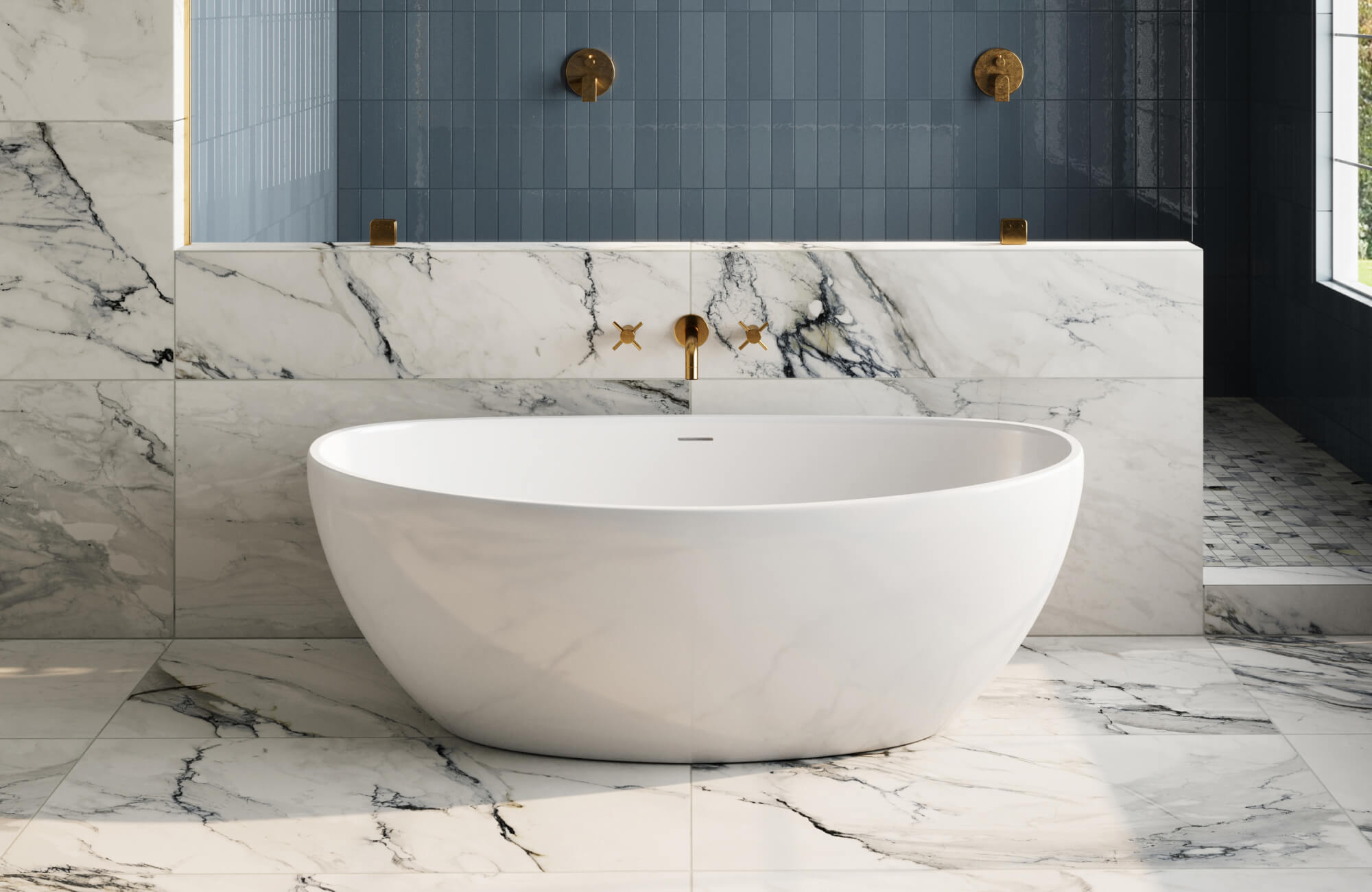
Edward Martin’s Aniston 24x48 Matte Porcelain Tile in Calacatta Antico, shown in the image above, illustrates how expansive slabs and expressive veining can replicate the drama of natural marble while offering the strength and stability of porcelain. Unlike natural stone, it does not require sealing or polishing, and its non-porous surface simplifies routine cleaning, making it especially practical for bathrooms and other moisture-prone spaces.
Innovative and Sustainable Manufacturing
Advancements in digital printing and glazing technology have significantly elevated the realism of marble look tiles. These processes capture the tonal shifts, layered veining, and subtle movement found in natural stone while enhancing durability and surface performance. The result is a finish that balances authenticity with modern engineering precision.
Edward Martin’s Aniston 2x2 Matte Porcelain Mosaic Tile in Calacatta Antico reflects this innovation at a more detailed scale. The smaller mosaic format preserves the same refined veining seen in its larger counterparts while offering added grip and flexibility—ideal for shower floors, niches, and transitions where both safety and design continuity matter. This manufacturing efficiency also reduces resource extraction compared to quarrying, supporting a more sustainable approach to achieving marble-inspired interiors.
Cost Efficiency and Return on Investment
Marble look tiles offer compelling long-term value by combining lower material costs with reduced maintenance requirements. While natural marble can range from $50 to over $200 per square foot, porcelain and ceramic alternatives typically fall within a far more accessible price range. Installation is also generally more straightforward, helping control upfront labor expenses.
Strategic pairing further enhances cost efficiency. In the featured bathroom setting, marble-look surfaces are complemented by Edward Martin’s Teagan 3x12 Glossy Ceramic Tile in Denim, whose deep blue tone introduces contrast and depth without escalating the overall budget. By blending statement marble visuals with thoughtfully selected accent tiles, homeowners can achieve a layered, high-end look while maintaining greater financial flexibility.
Making an Informed Investment in Marble
Marble’s premium price reflects far more than aesthetics. Its geological rarity, labor-intensive extraction, complex logistics, and ongoing maintenance all contribute to its position as a true luxury material. For those who appreciate its timeless beauty but prefer greater predictability in cost and care, marble-look tiles offer a refined alternative, delivering comparable visual elegance with enhanced durability and simplified upkeep.
To confidently compare options within your own space, Edward Martin’s Augmented Reality (AR) Visualization Tool allows you to preview marble and marble-look tiles directly in your interior before making a decision. Ordering tile samples further supports the process, enabling you to evaluate tone, veining, and finish under your actual lighting conditions. Together, these tools make it easier to select a surface that aligns beautifully with both your design vision and long-term expectations.
Follow us on Instagram
@EDWARD.MARTIN
)
)
)
)
)
)
)
)
)
)
)
)
)
)
)
)