More than just a sink and some storage, the bathroom vanity is a vital centerpiece in any bathroom. It anchors daily routines, provides functional storage, and significantly influences the room's overall style. A well-chosen vanity transforms a purely utilitarian space into a personal retreat. With a wide range of styles, sizes, materials, and smart features available, selecting the best vanity can feel overwhelming. In this guide, we will walk you through essential considerations, from foundational styles and materials to innovative designs and proper sizing, helping you make an informed, confident choice that balances form and function.

Unveiling Diverse Vanity Styles
Choosing a bathroom vanity starts with understanding the foundational styles that shape both the aesthetic and functionality of your space. Each type of vanity offers unique benefits and challenges, depending on room size, personal preference, and overall design goals.
Wall Mounted Wonders
Wall-mounted vanities, also known as floating vanities, offer a sleek, modern aesthetic. These units are mounted directly to the wall, keeping the floor beneath open. This design enhances the sense of space, making smaller bathrooms feel larger and less cluttered. Their streamlined profile often features clean lines, minimal hardware, and vessel sinks to complete a contemporary look.
From a practical standpoint, wall-mounted vanities make floor cleaning easier and create visual lightness. However, installation requires precise plumbing alignment and sturdy wall support. These vanities are particularly well-suited for minimalist bathrooms and modern interiors that emphasize openness and simplicity.
Freestanding Fixtures
Freestanding vanities offer a classic and versatile option. These units rest directly on the floor and often resemble standalone furniture pieces. Styles range from traditional with ornate details to contemporary with clean lines and shaker-inspired designs. Freestanding vanities provide generous storage through cabinets, drawers, and even open shelving.
They are also easier to install compared to wall-mounted options and allow more flexibility in placement. Their substantial presence anchors the room and integrates well into various design themes, from rustic farmhouse to transitional or vintage-inspired spaces. Their storage capacity makes them ideal for family bathrooms where functionality is key.
Corner Vanities for Compact Spaces
Corner vanities are specially designed to fit into tight or awkward layouts. By utilizing a 90-degree corner, they maximize underused space without compromising functionality. These compact units are perfect for powder rooms, en-suites, or small guest bathrooms where a standard vanity would dominate the space.
Despite their size, many corner vanities offer sufficient storage and sink space. Their smart design makes them a practical choice for homeowners seeking efficiency and functionality in smaller footprints.

Choosing the Right Materials and Finishes
After selecting a style, the next step is understanding the materials and finishes that influence your vanity's durability, maintenance, and visual appeal. The material you choose directly affects how well your vanity stands up to moisture, daily use, and the overall look of your bathroom.
Durability
The countertop is among the most used surfaces in any bathroom, so its material should be chosen with both durability and aesthetics in mind. Quartz is a popular option for its non-porous, stain-resistant, and low-maintenance qualities, while also offering consistent patterns and a clean look. Granite, a natural stone, brings unique veining and high durability but requires periodic sealing. Marble, on one hand, offers a luxurious appearance yet is more porous, making it more susceptible to stains and etching, and therefore requires extra care. Finally, solid surface materials provide a seamless, easy-to-clean design often with integrated sinks, while laminate delivers a budget-friendly option with many finishes, although it may be less resistant to heat and scratches. Each material brings its own visual identity and care requirements, making it essential to match the material with how the space will be used.
Body Materials
Along with the countertop, the material used for the vanity cabinet body significantly affects its durability, moisture resistance, and overall performance in a bathroom setting. Choosing the right material ensures your vanity can withstand daily use while retaining its look over time. Below are the most common options:
Solid Wood
Known for its strength and classic appeal, solid wood like oak, maple, or cherry offers long-lasting performance. With proper sealing and care, it can endure for decades. However, it is prone to warping if exposed to high humidity without adequate protection.
Plywood
Constructed from multiple layers of wood veneer, plywood provides excellent stability and moisture resistance. It’s a popular choice for bathroom vanities because it balances strength with better resistance to humidity than solid wood.
MDF (Medium-Density Fiberboard)
This engineered wood has a smooth surface ideal for painted finishes. MDF handles humidity better than solid wood but is more susceptible to damage from direct water exposure.
Particle Board
The most budget-friendly option, particle board is made from wood particles and resin. While it can be used in low-moisture environments, it lacks durability in humid conditions and is best reserved for powder rooms or guest bathrooms.
Selecting the right cabinet material for your bathroom ensures long-term performance, reduced maintenance, and a vanity that maintains its visual appeal over time.
Finish
The finish applied to your vanity is the final design layer, influencing both its appearance and how easy it is to maintain. Choosing the right finish depends on your preferred aesthetic, cleaning habits, and overall bathroom style. Each option offers distinct visual and practical benefits:
Painted Finishes
Available in matte, semi-gloss, and high-gloss options, painted finishes offer a wide range of color choices to suit any decor. Matte provides a soft, understated look, while high-gloss adds a reflective, modern touch.
Natural Wood Stains
Stains enhance the natural grain of wood, ranging from light, airy tones to dark, rich hues. This finish is ideal for those who want to highlight the organic beauty of solid wood.
Thermofoil
A heat-applied vinyl coating typically used on MDF, thermofoil offers a smooth, easy-to-clean surface that often mimics solid colors or wood textures. It’s a practical choice for high-use areas.
Wood Veneers
Thin layers of real wood applied over a base material give the look of solid wood at a lower cost. Veneers offer warmth and character while keeping expenses down.
Each finish not only contributes to the vanity’s overall style—whether sleek and contemporary or warm and rustic—but also affects how easily it can be cleaned and maintained. Selecting the right finish ensures your vanity complements your space while holding up well to daily use.

Innovative Features and Smart Functionality
Today’s bathroom vanities incorporate much more than traditional storage, offering features that enhance organization, comfort, and even sustainability. These smart additions transform the vanity into a more efficient and personalized part of your bathroom.
Advanced Storage Solutions
Clutter-free countertops are now achievable with vanities that offer thoughtful storage features. Pull-out shelves bring items stored at the back of the cabinet to the forefront, increasing accessibility. Drawer dividers keep cosmetics, toiletries, and hair tools neatly organized, while hidden compartments provide clever solutions for stashing away valuables or unsightly cleaning supplies. For instance, the Abigail 60" Single Vanity in Light Natural Oak with 3 cm White Zeus Quartz Top from Edward Martin, refer to the photo above, includes three full-extension drawers on each side with removable bamboo organizers and a discreet built-in power—making it ideal for keeping styling tools and electronics charged but out of sight. Some vanities even incorporate tilt-out hampers for a seamless laundry solution. These smart features not only streamline your routine but also elevate the functionality and tidiness of your bathroom space.
The Smart Vanity Revolution
Smart home features are increasingly being integrated into bathroom vanities, enhancing both convenience and functionality. Many modern vanities now include built-in Bluetooth speakers for music streaming, USB charging ports for easy device access, and motion-sensor lighting for improved nighttime visibility. Dimmable lights also help set a calming atmosphere, while anti-fog mirrors ensure a clear reflection after showers without the need for wiping. Together, these smart features simplify daily routines and add comfort, making the bathroom more efficient and user-friendly.
Eco-Conscious Choices
With growing interest in sustainability, more homeowners are choosing bathroom vanities made from eco-friendly materials. Materials like reclaimed wood reduce waste and help conserve natural resources while adding unique character. Bamboo is a fast-growing, durable alternative that works well in bathroom environments. Some vanities use recycled materials, such as glass or plastic, supporting circular manufacturing practices.
Beyond the raw materials, the choice of finishes plays a vital role. Low-VOC (Volatile Organic Compound) paints and sealants reduce the release of harmful chemicals into your home environment, contributing to better indoor air quality. Choosing products from manufacturers that use energy-efficient and low-waste processes helps minimize environmental impact. Opting for a sustainable vanity is not just an aesthetic decision; it's a responsible one that benefits both personal health and the planet.

Ensuring a Perfect Fit and Functional Layout
An attractive vanity is only successful if it fits properly and functions efficiently in your space. Proper planning ensures your vanity integrates seamlessly with your bathroom’s layout and daily use.
Measuring for an Ideal Fit
Before falling in love with a vanity online or in a showroom, precise measurements of your bathroom space are paramount. Begin by measuring the available wall width where the vanity will be placed. Crucially, also measure the depth from the wall to ensure there's enough clearance for comfortable movement, especially considering door swings (both bathroom entry and shower doors) and adequate toilet clearance, as building codes often dictate minimum distances. Don't forget to measure the height from the floor to account for potential overhead fixtures or mirror placement. A simple floor plan sketch, indicating existing plumbing and other fixtures, can be an invaluable tool. While standard vanity sizes (e.g., 24, 30, 36, 48, 60, and 72 inches wide) offer convenient options, remember that custom vanities can perfectly fill unique or challenging spaces, albeit at a higher cost. Taking the time to plan these details can prevent costly adjustments later on.
Single vs. Double Sink Considerations
Choosing between a single or double sink largely depends on the number of users and available space. For smaller bathrooms, powder rooms, or en-suites, a single sink vanity is often the most practical and space-efficient choice. A piece like Edward Martin’s Demi 30" Single Vanity in Mid-Century Walnut with 3 cm White Zeus Quartz Top, as shown in the photo above, combines compact design with stylish appeal, offering just enough surface area without overwhelming tight layouts.
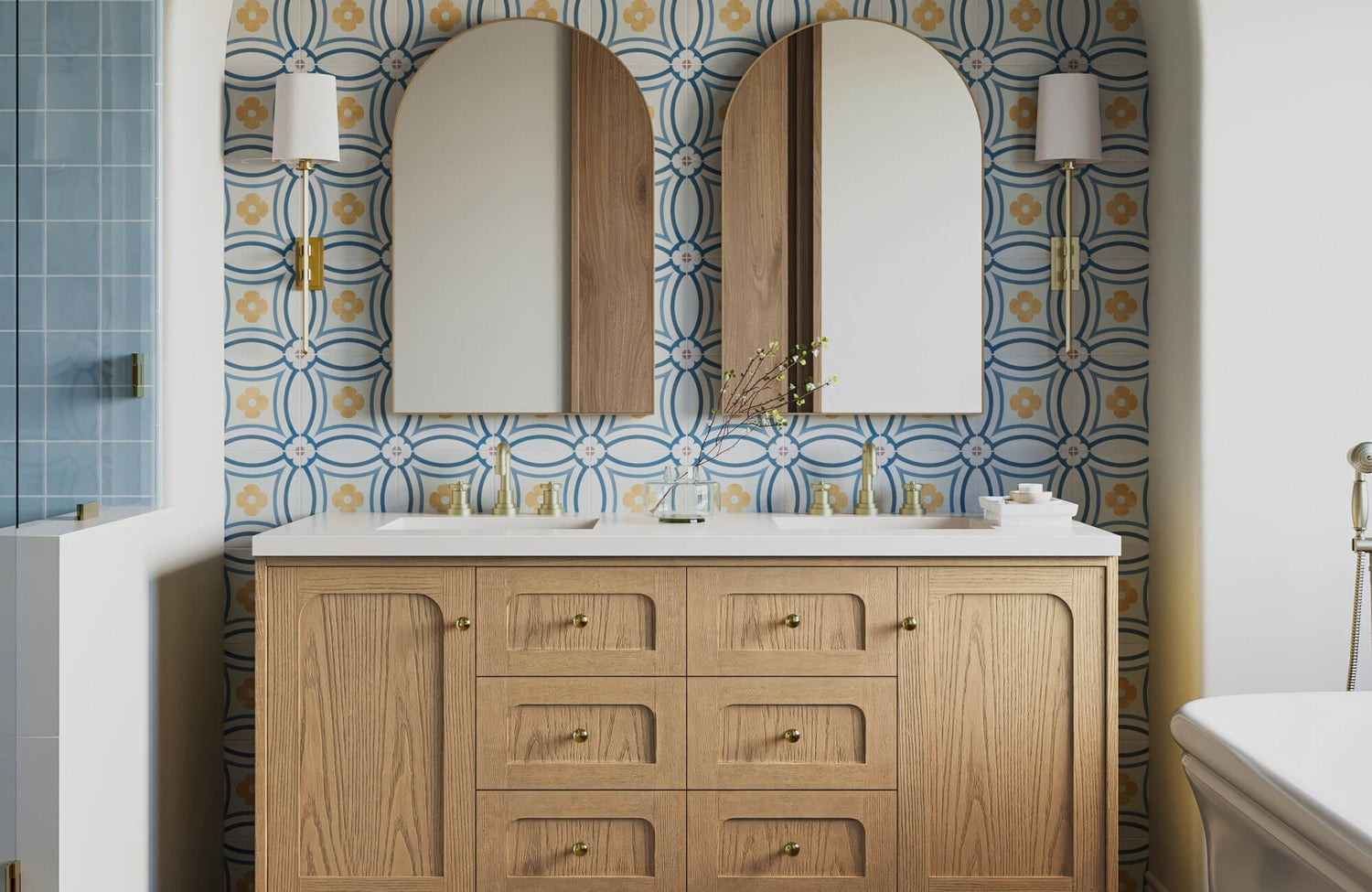
In contrast, for shared bathrooms, master baths, or larger families, a double sink vanity can significantly enhance functionality and convenience. Our Paxton 72" Double Vanity in Pebble Oak with 3 cm White Zeus Quartz Top is a perfect example—providing ample counter space and dual sinks for smooth, simultaneous use. For other options, just be sure there’s enough spacing between the sinks (typically 24–30 inches on center) to allow for comfortable, side-by-side access. While double vanities require more width, the extra personal space and efficiency can be a game-changer for busy households.
Designing for Comfort and Accessibility
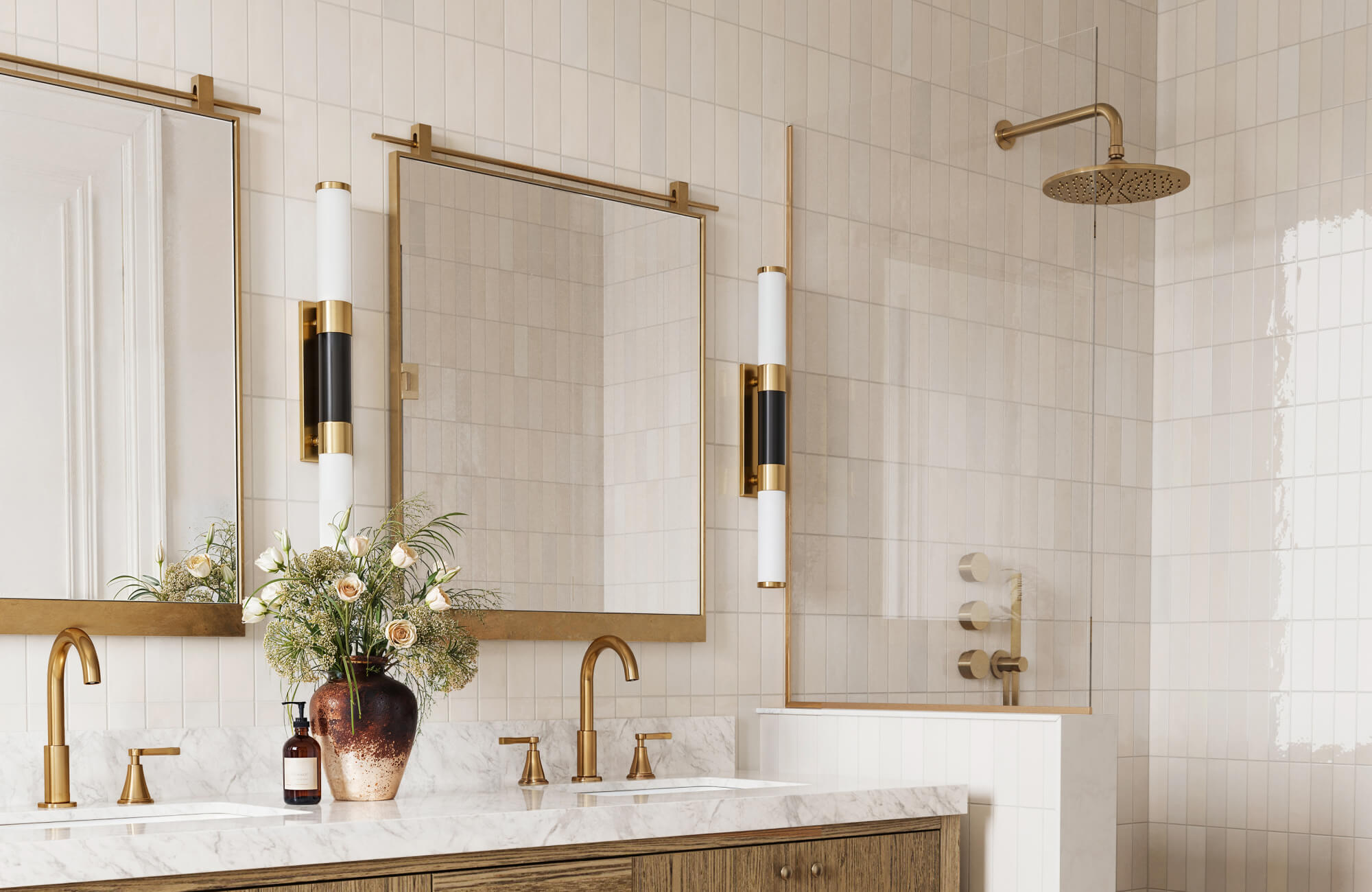
Beyond mere dimensions, understanding the ergonomic aspects of vanity placement and design is key to ensuring comfortable and efficient use. The standard countertop heights are typically around 32-34 inches, but adjustments may be necessary based on user height or preferences. For individuals with mobility needs or those planning for future accessibility, incorporating features like open space beneath the sink for wheelchair access or easily reachable faucets is essential. Also, the placement of lighting above the vanity plays a vital role in grooming tasks. Optimal lighting should be positioned to minimize shadows on the face—ideally with sconces on either side of the mirror. A fixture like our Colette Wall Sconce in Aged Brass offers both elegance and practical illumination, blending timeless style with functionality. A well-diffused overhead light can also ensure clear visibility for shaving, makeup application, and other daily routines. A well-designed vanity promotes seamless flow and effortless function within the bathroom.

Installation and Longevity
The success of your vanity also depends on how it is installed and maintained. A professional installation ensures your unit performs well and maintains its integrity, while ongoing care keeps it looking and functioning at its best.
Installation Insights
While DIY can be tempting, professional vanity installation is highly recommended to guarantee structural integrity and proper plumbing connections. Professionals possess the expertise to handle complex plumbing, secure wall-mounted units correctly, and ensure level and stable placement. They can anticipate and mitigate common pitfalls of DIY installation, such as water leaks, uneven mounting, or damage to the unit or surrounding bathroom elements, ultimately saving you time, frustration, and potential costly repairs.
Maintenance Matters
To preserve your vanity's beauty and extend its lifespan, proper maintenance is essential. General cleaning involves wiping down surfaces regularly with mild, non-abrasive cleaners. However, specific care instructions vary by material: natural stone countertops may require periodic sealing, while painted wood cabinets benefit from gentle cleaning to avoid chipping. Addressing spills immediately and avoiding harsh chemicals will prevent stains and damage. Understanding these nuances helps troubleshoot minor issues and protects your investment for years of enjoyment.
Your Vanity, Your Vision
The best bathroom vanity balances everyday practicality with personal style. By understanding vanity types, evaluating materials and finishes, incorporating smart features, and planning for the right fit, you can choose a vanity that enhances both form and function. This guide equips you with the knowledge to make a selection that reflects your vision, supports your routine, and brings lasting beauty to your bathroom.
Whether you’re outfitting a spacious primary bath or designing an efficient powder room, a thoughtfully chosen vanity will serve as a cornerstone of comfort, style, and usability for years to come.