Flooring terms like vinyl plank, LVP, and luxury vinyl can sound confusing when they’re often used interchangeably. While all fall under the vinyl category, each has unique traits that affect cost, durability, and overall design impact. In this guide, we’ll walk through what these labels really mean, how they compare in performance, and where each makes sense in the home. We’ll also highlight why porcelain tile is a great alternative to vinyl, offering long-term value and timeless style for spaces that demand more resilience.

Breaking Down the Terms
Flooring terminology can get confusing since many of these labels overlap. While they all fall under the vinyl category, the differences come down to format, construction, and how closely they mimic natural materials.
Luxury Vinyl Plank (LVP)
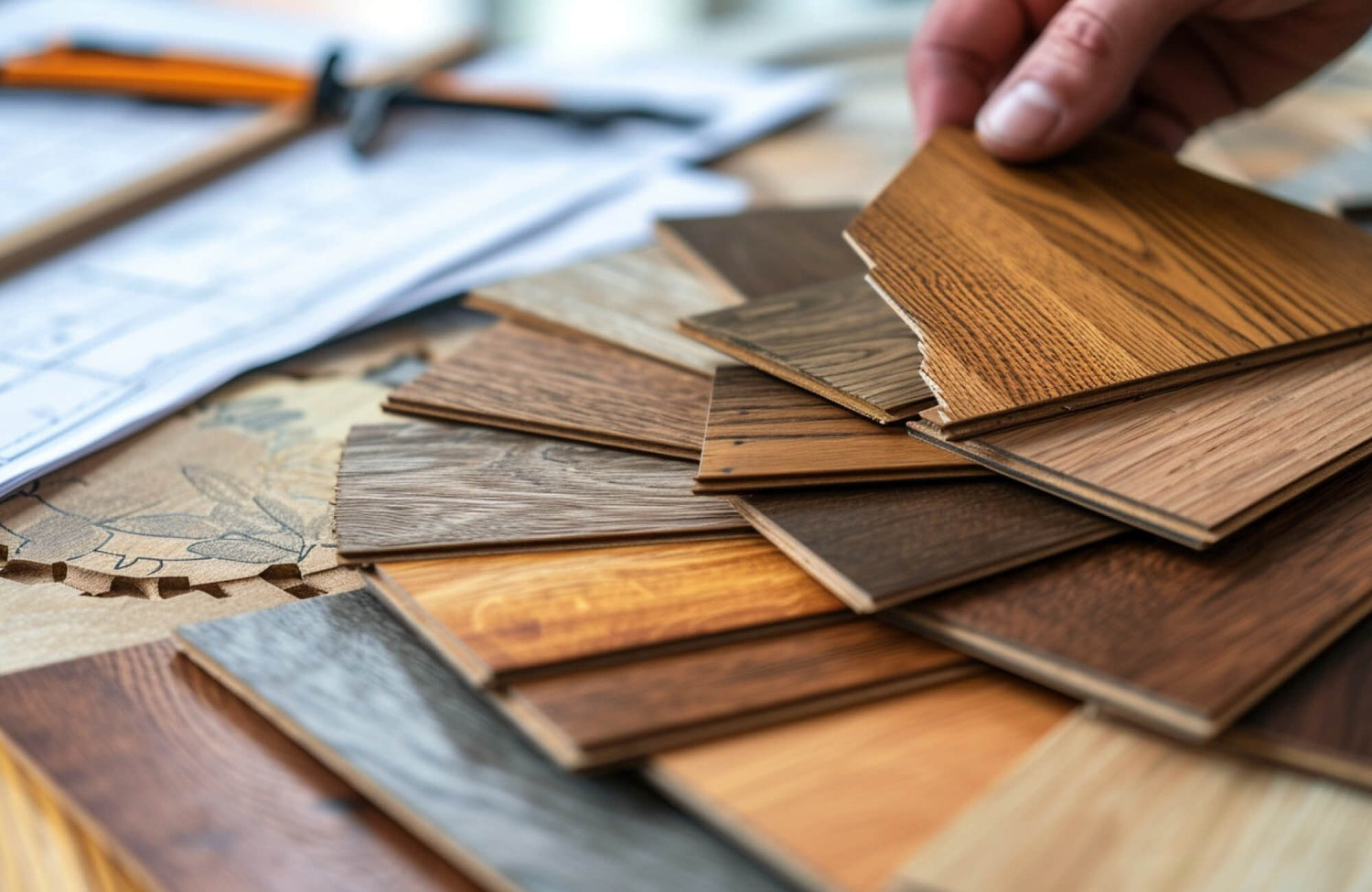
Luxury Vinyl Plank, or LVP, refers to a type of luxury vinyl flooring specifically designed to replicate the look of hardwood. It comes in plank-shaped boards with realistic textures and grain patterns that make it difficult to distinguish from natural wood. The “luxury” element refers to its multi-layer build, which often includes a wear layer for durability and a rigid core for stability. LVP is popular because it combines style with resilience, working well in busy areas without the maintenance of real hardwood. Homeowners often choose LVP when they want the aesthetic of wood floors with the added benefits of moisture resistance and affordability.
Vinyl Plank
The term “vinyl plank” is sometimes used loosely and can cause confusion. In many cases, it refers to the same products as LVP, but it may also describe standard vinyl planks that don’t include the premium features of luxury lines. These simpler planks may lack the thicker wear layers, advanced textures, or realistic finishes that set LVP apart. While they can still be practical and budget-friendly, they don’t always deliver the same level of realism or durability. Understanding this nuance ensures you know whether you’re looking at true luxury vinyl or a more basic plank option.
Luxury Vinyl (Broad Category)
Luxury vinyl is the overarching category that includes both LVP (planks) and LVT (tiles). Unlike traditional sheet vinyl, these products are designed in individual pieces that replicate materials like wood or stone with far greater detail. The luxury classification typically means thicker construction, enhanced durability, and improved design realism compared to standard vinyl flooring. This versatility allows homeowners to use luxury vinyl in a range of settings, from wood-look planks in living rooms to stone-look tiles in kitchens. By seeing luxury vinyl as the umbrella term, it’s easier to understand how LVP and LVT fit within the broader family.

Key Differences in Construction and Performance
While vinyl plank, luxury vinyl, and LVP often get grouped together, their construction details create noticeable differences in how they perform. From thickness to durability and even pricing, these features impact how the floors look, feel, and hold up over time.
Thickness and Layers
Luxury vinyl products usually include multiple layers, which make them more rigid and realistic underfoot. A wear layer protects against scratches and stains, while textured finishes replicate wood grain or stone detail. Some lines also include a rigid core, which helps with stability and reduces the chance of warping in humid areas. Standard vinyl planks, by comparison, are often thinner and may flex more easily. This distinction makes luxury vinyl better suited for long-term use in busy parts of the home.
Durability and Lifespan
Durability is where luxury vinyl often sets itself apart. Its thicker wear layers make it more resistant to dents, scuffs, and everyday wear, giving it a longer lifespan than standard vinyl planks. However, both options are more moisture-resistant than hardwood, which makes them practical for kitchens, bathrooms, or basements. Standard planks may still work in low-activity spaces, but they can wear faster under heavy use. Choosing based on expected usage ensures the floor will meet your needs without early replacement.
Cost Considerations
Cost is one of the biggest factors when comparing standard and luxury vinyl. Luxury lines generally cost more upfront, but the added expense reflects their improved design realism, sturdier build, and longer life. Budget vinyl planks remain an option for quick updates or temporary fixes, though they may need replacing sooner. In the long run, investing in higher-quality luxury vinyl can save money by reducing the need for frequent replacements. Balancing cost against durability and style helps homeowners decide which option truly fits their plans.

Style and Design Options
Beyond construction and cost, one of the biggest reasons homeowners choose vinyl flooring is the wide range of style possibilities. These products are designed to mimic natural materials, offering looks that fit nearly any interior while balancing affordability and practicality.
Wood-Look Styles
Wood-look vinyl planks are a favorite because they closely resemble the warmth and character of hardwood. With realistic grain patterns and tones that range from light oak to rich walnut, LVP gives the impression of natural wood without the same level of upkeep. Homeowners appreciate that it’s more resistant to scratches and moisture compared to hardwood, making it a practical choice for families. The plank format also adds to the illusion, as it installs much like traditional wood flooring. This makes wood-look LVP a versatile option for both modern and classic interiors.
Stone and Tile Looks
Luxury vinyl tile (LVT) broadens the design spectrum by mimicking the appearance of stone and ceramic tile. Options like slate, marble, or travertine give spaces a high-end look while being softer and warmer underfoot than real stone. LVT also offers easier installation and maintenance, which appeals to homeowners who want the aesthetic without the heavy upkeep. For instance, a marble-look LVT in a bathroom provides elegance while resisting water damage. This flexibility makes stone-look vinyl an attractive option for kitchens, bathrooms, and entryways.
Texture and Finish Options
The finish of vinyl flooring plays a key role in how authentic it feels. Embossed textures add depth by replicating the ridges and grooves of natural wood or stone, while matte finishes help create a subtle, realistic look. Glossy finishes, though less common, can provide a polished appearance for more contemporary spaces. These surface treatments not only affect style but also influence durability and slip resistance.

Porcelain Tile as a Perfect Alternative
While vinyl flooring has its advantages, porcelain tile remains one of the most durable and design-forward choices for homeowners. It combines timeless style with unmatched strength, making it a premium alternative that often outperforms vinyl in both practicality and longevity.
Durability Beyond Vinyl
Porcelain tile is well known for its ability to withstand daily wear without showing signs of damage. Unlike vinyl, it resists scratches from pets, dents from furniture, and stains from spills, making it ideal for high-activity spaces. Its dense composition also ensures it won’t warp under humidity or moisture, a common concern with vinyl. This durability allows porcelain to hold up in kitchens, bathrooms, and entryways where flooring is tested the most.
In addition to handling everyday challenges, porcelain performs better in extreme conditions. It resists fading from direct sunlight, stays stable in fluctuating temperatures, and maintains its strength even in outdoor areas. Vinyl can sometimes show wear or buckle in similar scenarios, which limits its placement options. Porcelain, by contrast, provides peace of mind in nearly any environment, which makes it a go-to choice for homeowners who prioritize long-term resilience.
Design Versatility of Porcelain Tiles
Porcelain tiles excel in capturing the look of natural materials with remarkable accuracy. From wood planks, as seen above with our Catalina 2x16 Matte Porcelain Tile in Clay with visible grain detail, to stone-look surfaces that mimic marble or slate, porcelain delivers authenticity that vinyl often can’t fully match. Advances in printing technology allow porcelain to showcase depth, variation, and premium finishes. This gives designers and homeowners the freedom to choose a tile that feels both stylish and true to its inspiration.
Beyond mimicking natural looks, porcelain also provides unique finishes like matte, polished, or textured surfaces. These finishes add sophistication and create a level of realism that elevates a space. For example, a polished porcelain marble-look tile can transform a bathroom into a spa-like retreat, while a matte concrete-look tile can ground a modern living room. This design flexibility makes porcelain not just an alternative to vinyl but often the preferred option for elevated spaces.
Longevity and Value
Where vinyl floors may need replacing after a decade or two, porcelain tiles can last for several decades with proper care. Their strength and resistance to wear mean homeowners don’t have to worry about frequent updates or visible aging. This long lifespan not only saves on replacement costs but also adds long-term value to a property. For many, the investment in porcelain is justified by the peace of mind it brings.
The value of porcelain also comes through in its timeless style. While vinyl trends may shift or wear down, porcelain retains its appeal and function for years to come. Choosing porcelain means investing in a surface that supports both practical needs and design goals well into the future. For homeowners seeking a balance of performance and beauty, porcelain stands as a premium, worthwhile choice.

Where Porcelain Tiles Fit Best in the Home
Porcelain tiles aren’t just durable; their resistance to moisture, heat, and heavy wear makes them a smart choice for rooms where vinyl often falls short. They adapt seamlessly to both functional and stylish needs, offering a reliable surface that stands the test of time. Below are some of the most practical spaces where porcelain truly excels.
Bathrooms
Bathrooms benefit the most from porcelain tiles because they are completely resistant to water and humidity. Unlike vinyl, which can warp or bubble with prolonged exposure to moisture, porcelain remains stable and easy to maintain. Its smooth surface also makes cleaning simple, preventing mold and mildew from becoming an issue. With endless color and pattern options, porcelain can create spa-like retreats or classic, timeless looks. This makes it the safest and most reliable flooring choice for bathrooms of any size.
Kitchens
Porcelain tiles, like our Brody 12x24 Matte Porcelain Tile in Sienna above, can handle the unique challenges of kitchens with ease, from frequent spills to hot pans occasionally brushing the floor. They resist scratches from chairs, heavy appliances, and everyday movement better than vinyl alternatives. Because porcelain is available in countless wood, stone, and patterned designs, it offers flexibility for both traditional and modern kitchen styles. Homeowners also appreciate that porcelain doesn’t stain easily, keeping the space looking fresh even after years of use. For a room that experiences constant activity, porcelain combines durability with design versatility.
Entryways and Mudrooms
Entryways and mudrooms demand flooring that can withstand dirt, water, and constant use, which makes porcelain an ideal fit. It resists scuffing from shoes and prevents moisture damage that could ruin other flooring materials. Cleaning is straightforward, as mud and debris can be easily swept or mopped without staining the surface. The variety of finishes, from rustic textures to sleek modern looks, allows homeowners to match their décor while keeping durability front and center. With porcelain, these busy areas maintain both function and style without compromise.
Living Areas
Living rooms and family spaces often see the heaviest daily use, making porcelain’s long-lasting strength a major advantage. Stone- and wood-look porcelain tiles bring warmth and elegance while avoiding the wear and tear that vinyl or hardwood might show over time. They also resist fading from sunlight, keeping the design intact even in bright, open-plan homes. Because they come in large formats and versatile finishes, porcelain tiles can make living areas feel more expansive and cohesive. This combination of durability and visual appeal makes them an excellent investment for shared spaces.
Outdoor Patios and Porches
Porcelain shines in outdoor spaces where vinyl simply cannot perform. It withstands direct sunlight, rain, and extreme temperature changes without fading or warping. Many porcelain pavers are slip-resistant, making them safer for wet environments like pool surrounds or garden patios. Their ability to mimic natural stone or rustic textures also ties beautifully into outdoor aesthetics.
Our Palmer 12x12 Checkerboard Raw Porcelain Tile in White and Grey is a great example of how porcelain brings a timeless pattern to outdoor living. Its raw finish and durable build make it ideal for creating patios that balance classic charm with long-lasting performance.
Making the Right Choice for Your Home
Understanding the differences between vinyl plank, LVP, and luxury vinyl makes it easier to match flooring with your needs. These products offer affordable style and solid performance, but their limitations often show in high-moisture or heavy-use areas. That’s where porcelain becomes a great alternative, delivering durability and design flexibility that go well beyond what vinyl can offer.
Porcelain combines the realistic look of wood or stone with a lifespan that lasts for decades, giving homeowners long-term confidence in their investment. It performs just as beautifully in kitchens, bathrooms, and outdoor spaces as it does in living rooms or entryways, making it one of the most versatile choices available. For tailored guidance, consider scheduling a design consultation with Edward Martin to explore whether porcelain or vinyl is the right fit for your home.