When crafting a swimming pool that is as enduring as it is beautiful, selecting the right tile material becomes the foundation of lasting elegance and performance. The ideal pool tile, especially for waterline and submerged applications, must seamlessly balance visual sophistication with exceptional resistance to moisture, chemicals, and temperature extremes. Among the many materials available, none offer the refined durability, design versatility, and low-maintenance excellence of porcelain pool tile.
Whether enhancing a tranquil backyard retreat or a luxury resort pool, porcelain elevates aquatic spaces with textures, finishes, and colors that stay vibrant and resilient for decades, both in the pool and throughout surrounding wet areas. In this article, we will explore the finest materials used in pool tile design, with a focused lens on the technical and aesthetic superiority of porcelain.

Commonly Used Pool Tile Materials
Pool tile materials must perform under relentless stress from water immersion, chemical exposure, and environmental extremes. Their composition and durability play a critical role in how well they function beneath the surface and around the waterline.
Porcelain Tile
Porcelain tile is crafted from refined clay and fired at extremely high temperatures, resulting in a tile body that is exceptionally dense and virtually impervious to water. With a water absorption rate under 0.5%, it complies with ANSI A137.1 standards for impervious materials, making it ideal for submerged pool surfaces. Its structural integrity also enables it to endure fluctuating temperatures, including freeze-thaw conditions, without cracking or degrading over time.
The chemical resistance of porcelain protects it from long-term damage caused by chlorine, acid washes, and saltwater exposure. Its performance is matched by aesthetic versatility, offering options from textured finishes to high-end digital designs that suit both traditional and modern poolscapes.
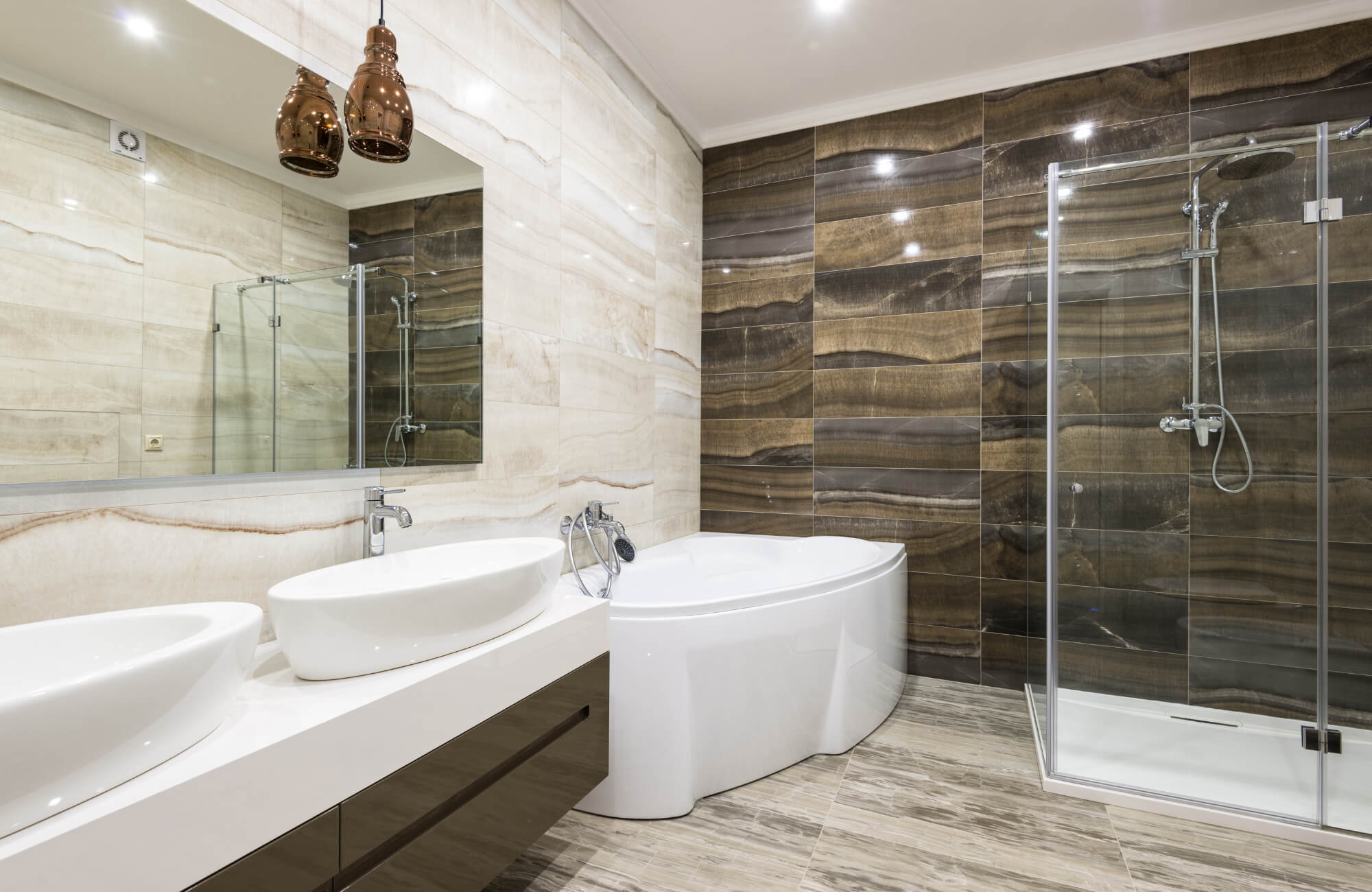
A beautiful example is Edward Martin’s Catalina 2x16 Matte Porcelain Tile in Cream, which brings a soft, neutral elegance to pool borders and decks while delivering the same low-maintenance resilience expected of high-performance porcelain, blending timeless color with unmatched functionality.
Glass Tile
Glass pool tile stands out for its vivid coloration, reflective beauty, and ability to capture and enhance natural light within the pool environment. Completely non-porous, it excels in water resistance, making it suitable for use in submerged applications, particularly for waterline accents or mosaics. However, its fragility and rigidity require careful installation with flexible adhesives to prevent stress fractures and delamination.
The substrate must also be perfectly prepared and leveled, as imperfections can show through the transparent tile body and compromise the visual result. Although glass is visually striking, its high cost and potential slipperiness often limit its use to decorative features rather than full-scale surfaces. For those seeking an artistic or luxury pool aesthetic, glass tile delivers, but with increased technical demands.
Natural Stone Tile
Natural stone tiles such as travertine, slate, or marble introduce a distinctive, earthy texture and natural variation that many homeowners find appealing in pool settings. Despite their beauty, these materials are inherently porous, making them susceptible to water absorption, staining, and biological growth if not properly sealed. With this, routine maintenance with high-performance sealers is essential to preserve their integrity and prevent deterioration over time.
This makes them better suited for pool surrounds, coping, or water features rather than consistently submerged surfaces. Uneven textures and variable densities can also create installation challenges and increase cleaning requirements. While natural stone pool tile creates a luxurious and timeless look, it demands a higher level of care and ongoing investment.
Ceramic Tile
Ceramic tile, while visually similar to porcelain, lacks the density and strength required for full immersion in pool water. Due to lower firing temperatures, ceramic tiles typically absorb more than 5% of their weight in water, which compromises their stability in submerged applications. Although glazed ceramic can be treated for moisture resistance, it remains more vulnerable to cracking, delamination, and freeze damage compared to porcelain.
These tiles are also most commonly used above the waterline or for indoor decorative accents, where water exposure is minimal and intermittent. If used in a pool, they must carry explicit ratings for exterior or wet-use environments to avoid failure. As a result, ceramic tile is generally reserved for aesthetic features, not structural components in modern pool construction.

Technical Composition and Performance Attributes of Porcelain Pool Tile
Porcelain tile is engineered with a refined structure and specialized composition that supports long-term performance under immersion, pressure, and chemical exposure. These technical properties contribute to its widespread adoption as the best material for swimming pool tile installations.
Vitrification and Water Absorption
The porcelain manufacturing process involves extreme heat and pressure, which fuses the tile’s particles into a dense, glass-like matrix through vitrification. This creates a non-porous structure with a water absorption rate below 0.5%, allowing porcelain to resist swelling, warping, or degradation caused by prolonged moisture exposure.
Such low porosity is essential for underwater applications where constant saturation is unavoidable. The impermeable nature of porcelain also prevents the formation of mold, algae, and efflorescence, which can compromise other materials over time. As a result, it remains dimensionally stable and visually consistent even in harsh aquatic conditions. These qualities make porcelain the most water-resistant tile option for swimming pools.
Mechanical Strength and Surface Durability
Porcelain pool tile offers exceptional mechanical strength, often rated above 20,000 psi in compressive strength, which ensures it can withstand the physical stress of busy pool areas. Its dense body resists surface abrasion, scratches, and wear from foot movement, pool cleaning equipment, and hydrostatic pressure.
Unlike softer materials that deteriorate over time, porcelain maintains structural integrity across decades of exposure. Its dimensional stability also means it doesn’t warp or deform under temperature changes or prolonged submersion. These properties extend both the functional lifespan and visual appeal of the tile installation. For performance-critical areas like pool floors and steps, porcelain delivers unmatched durability.
Chemical Resistance and UV Stability
The non-reactive nature of porcelain tile allows it to endure repeated exposure to pool chemicals such as chlorine, bromine, and muriatic acid without fading or structural damage. Whether glazed or through-body, porcelain maintains its finish and color integrity even in heavily chlorinated or saltwater pools. It also resists etching and discoloration from acidic cleaning solutions, preserving both function and form.
Porcelain's pigments are UV-stable, which means the tile won't fade or degrade under prolonged sunlight exposure. This is especially important for outdoor pools where tiles are exposed to intense solar radiation. A perfect example is the Bowden 24x24 Grip Porcelain 2cm Paver in Canvas, as shown in the picture above, which not only withstands harsh sunlight and chemical exposure without fading, but also retains its clean, modern matte finish around the pool deck, proving that porcelain can deliver both durability and contemporary elegance even in the most demanding outdoor conditions.

Fabrication Methods and Surface Treatments for Porcelain Pool Tile
Advanced fabrication techniques allow porcelain tile to excel not only in performance but also in visual expression, offering a balance of form and function. These manufacturing innovations enhance the tile’s safety, customization, and adaptability for different pool environments.
Glazed vs. Through-Body Construction
Glazed porcelain tiles are coated with a colored or textured surface layer during the second firing stage, offering vibrant visuals, glossy or matte finishes, and enhanced stain resistance. In contrast, through-body porcelain contains consistent color and composition throughout the tile, making chips or wear less noticeable and ideal for high-impact areas. While glazed tiles provide broader design possibilities, they may require careful selection for areas subject to abrasion or frequent foot movement.
On the other hand, through-body tiles offer exceptional wear resistance, especially in commercial or high-use pools. Both formats are fully impervious and suitable for submerged applications when manufactured to pool-grade specifications. Choosing the right format depends on the specific balance of design and functional needs.
Digital Inkjet Surface Printing
Modern porcelain tiles often utilize digital inkjet printing to replicate natural materials such as marble, slate, and wood grain with astonishing accuracy. This printing technology allows for high-resolution textures and patterns that were once only possible with natural stone but without the associated maintenance or cost. These visual effects are embedded into the glaze, ensuring they remain vibrant under pool water and UV exposure.
This process also supports greater consistency across large-scale installations, reducing waste and layout complications. Unlike natural stone, printed porcelain doesn’t require sealing or special cleaning products. With inkjet technology, porcelain provides premium design flexibility without compromising technical performance.
Texturing and Slip Resistance Ratings
Safety is a critical consideration in pool design, and porcelain tiles can be engineered with textured finishes that meet industry slip resistance standards. These surfaces are evaluated using systems like R-ratings (such as R11 or higher) or ANSI A326.3 DCOF values, ensuring they are appropriate for wet, barefoot environments. Micro-textured or structured tiles also enhance underfoot friction while still maintaining comfort and visual appeal.
To further increase grip, some manufacturers incorporate fine-grit additives into the glaze, an especially effective solution for areas like pool steps, shallow zones, and tanning ledges. Achieving the right balance between slip resistance and aesthetic integration is essential for effective design. With thoughtful selection, porcelain delivers both safety and sophistication in outdoor and aquatic spaces.

Installation Guidelines and Material Compatibility for Porcelain in Pools
Achieving the full benefits of porcelain tile in pool environments requires precise installation practices, using the correct materials and methods tailored to submerged conditions. Each step contributes to a waterproof, long-lasting, and structurally sound finish. For best results, professional installation is strongly recommended.
Substrate Preparation and Waterproofing
Before installing porcelain tile, it’s essential to ensure that the pool shell is clean, stable, and free of any cracks or contaminants that could interfere with proper adhesion. Applying a high-quality waterproofing membrane, whether cementitious or epoxy-based, is a necessary step to prevent water from penetrating the underlying structure. Additionally, any surface imperfections should be corrected using suitable patching compounds to create a smooth, level base.
Skipping proper waterproofing and substrate preparation can lead to issues such as tile delamination and expensive repairs in the future. Beyond preventing moisture intrusion, effective waterproofing also helps manage hydrostatic pressure over time. In short, thorough surface preparation lays the foundation for a long-lasting, water-tight porcelain tile installation.
Thinset Mortar and Adhesive Compatibility
Selecting the right adhesive system is critical when installing porcelain pool tile, especially in submerged areas where bond failure can cause serious structural problems. Mortars should meet ANSI A118.15 standards, indicating high-performance, polymer-modified thinsets that are capable of withstanding wet environments and fluctuating temperatures. For installations involving mesh-mounted tiles or challenging substrates, epoxy adhesives may be necessary to ensure a secure and lasting bond.
Achieving full mortar coverage is equally important, as any voids beneath the tile can trap moisture, weaken adhesion, and eventually lead to cracking. Trowel size and technique should be matched to the tile’s dimensions and thickness to promote even, consistent application. Ultimately, proper adhesive selection is key to ensuring long-term mechanical stability in porcelain tile installations.
Grouting, Joint Management, and Curing
Epoxy grout is the preferred choice for porcelain tile in pools due to its impermeability, chemical resistance, and ability to handle thermal expansion without cracking. To further support long-term performance, movement joints must be incorporated at changes in plane, around perimeter edges, and across long spans. These joints accommodate expansion and relieve stress buildup, reducing the risk of tile damage. They should also be filled with a flexible sealant that meets industry standards, such as those outlined in TCNA EJ171.
After grouting, it’s essential to allow tiles and joints to cure for the full duration recommended by the manufacturer, often around seven days, before exposing them to water. Rushing this step can weaken the bond and lead to premature failure. With proper curing and well-planned joint placement, porcelain tile installations can remain secure and watertight for decades.

Pool Tile Material Comparison Chart for Performance and Longevity
The table below provides a side-by-side comparison of the most widely used pool tile materials, highlighting key differences in performance, durability, maintenance, and design flexibility. This visual breakdown makes it easier to evaluate which material best suits your needs for submerged, waterline, and wet deck applications.
|
Feature |
Porcelain Tile |
Glass Tile |
Natural Stone Tile |
Ceramic Tile |
|
Water Absorption Rate |
< 0.5% (impervious; ANSI A137.1 compliant) |
0% (non-porous) |
High (requires sealing) |
> 5% (not suitable for submerged use) |
|
Freeze-Thaw Resistance |
Excellent (dimensionally stable in all climates) |
Excellent (but prone to cracking under poor installation) |
Poor to Moderate (depends on porosity and sealing) |
Poor (prone to cracking and spalling) |
|
Chemical Resistance |
High (resists chlorine, acids, saltwater) |
High (resistant but may discolor adhesives) |
Low to Moderate (sensitive to acidic cleaners) |
Moderate (glaze can erode over time) |
|
UV Stability |
Excellent (colorfast and fade-resistant) |
Very Good (color remains stable) |
Moderate (natural fading, especially if untreated) |
Low to Moderate (glazes may fade) |
|
Surface Durability |
High (abrasion and impact resistant) |
Moderate (can chip at edges) |
Moderate (scratches and pitting are common) |
Low (prone to surface wear and cracking) |
|
Slip Resistance (Textured) |
Available with R11+ ratings for safety |
Limited (often glossy and slippery) |
Naturally textured (varies by stone type) |
Limited (fewer anti-slip options) |
|
Design Versatility |
Extensive (textures, sizes, inkjet finishes) |
High (vibrant color and light play) |
Limited (natural variation only) |
Moderate (mainly solid color or patterns) |
|
Maintenance Requirements |
Low (no sealing, easy to clean) |
Moderate (requires careful cleaning) |
High (frequent sealing and special cleaners needed) |
Moderate to High (vulnerable to staining and glaze damage) |
|
Best Use Cases |
All areas: floors, walls, waterline, submerged |
Waterline accents, mosaics |
Coping, decking, feature walls |
Decorative, above waterline only |
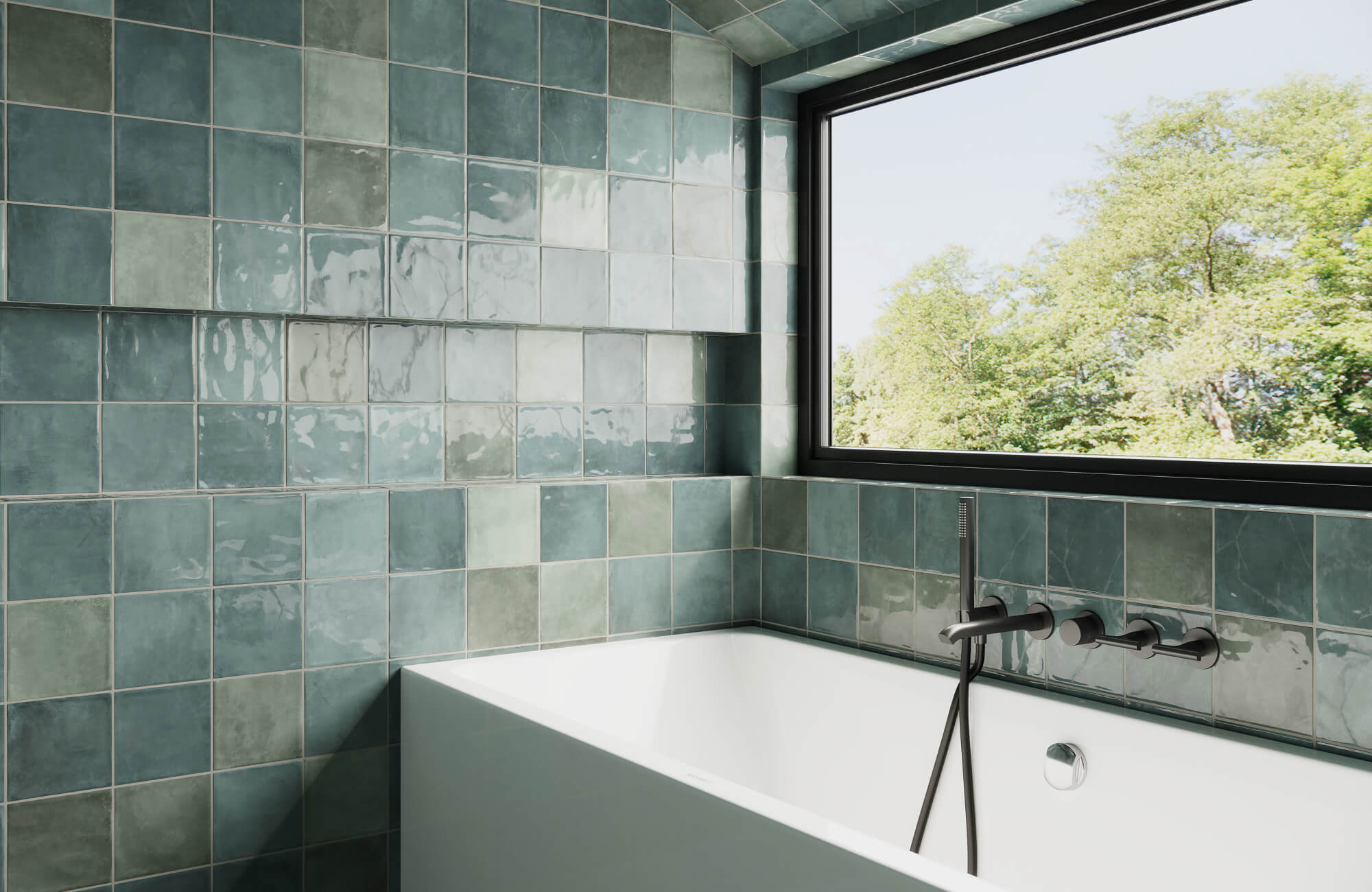
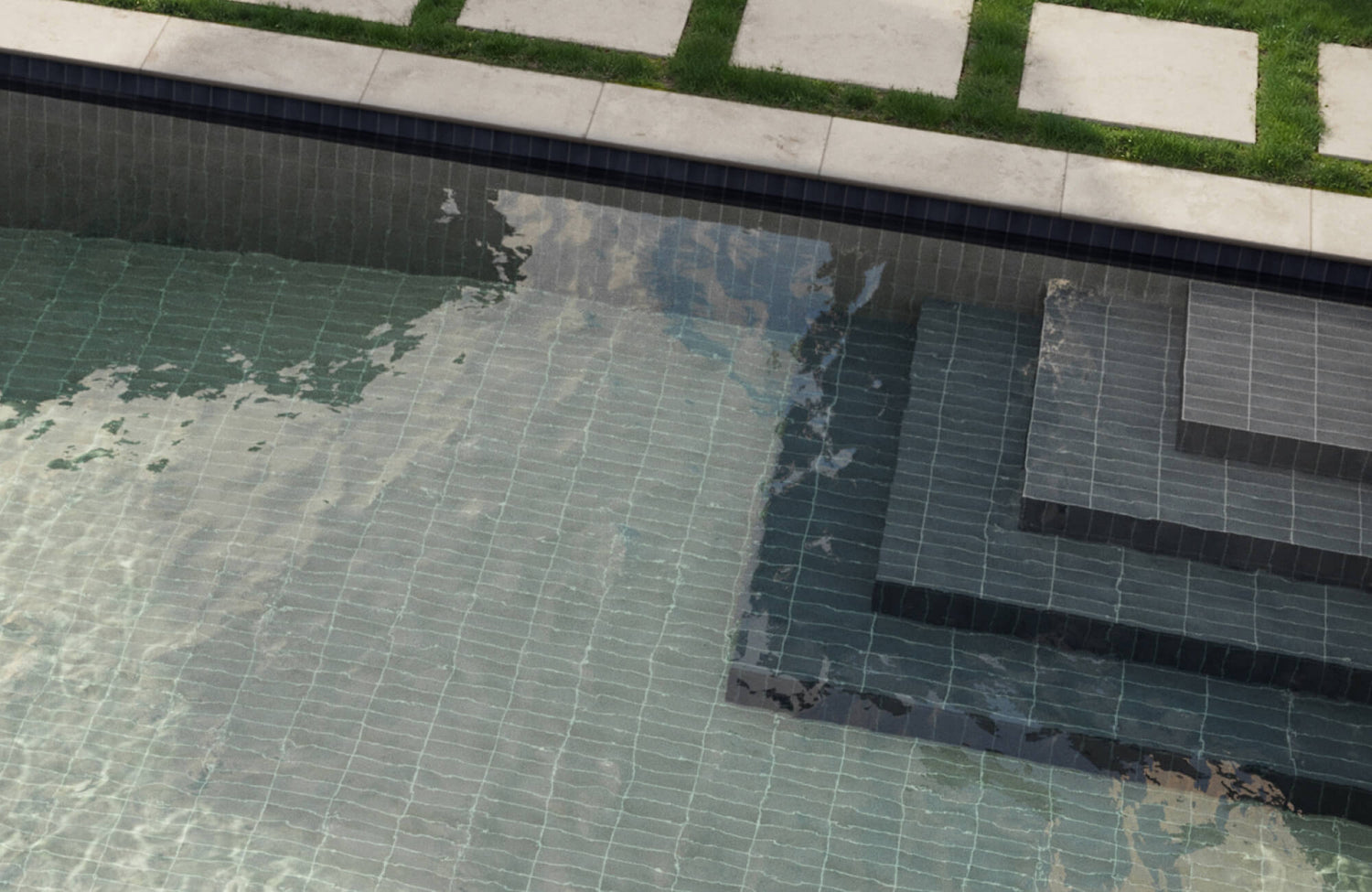
This side-by-side comparison clearly illustrates why porcelain tile remains the most reliable choice for submerged and high-exposure pool applications. One striking example of this performance in action is our Natasha 2x6 Glossy Porcelain Tile in Denim, as shown in the picture above.
With its rich, saturated blue tone and reflective surface, this Natasha tile delivers enduring color and elegance beneath the waterline. Its impervious structure resists absorption, cracking, and discoloration, outperforming more porous materials like stone or ceramic over time. Even under intense sunlight and continuous chlorinated exposure, it also retains its finish and integrity without the need for sealing or special treatment.
You can now visualize how Natasha would look in your own outdoor setting using Edward Martin’s augmented reality (AR) tool, allowing you to experience its beauty and impact instantly, right from your device.
Choosing the Best Material for Lasting Beauty and Performance in Pool Tile
Creating a pool that endures in both structure and style begins with selecting materials that meet the demands of water, weather, and time. Among all available options, porcelain pool tile for swimming pools consistently delivers unmatched performance, aesthetic refinement, and long-term value. Its ability to resist moisture, fading, and chemical exposure while offering limitless design potential makes it the premier choice for modern aquatic design. With porcelain, every pool surface becomes a seamless blend of durability and timeless elegance.
For those looking to experience the texture, tone, and quality firsthand, Edward Martin offers a convenient way to request tile samples and bring your vision closer to reality. Holding the material in your hands helps confirm not only the beauty of each selection but also its craftsmanship and substance.