



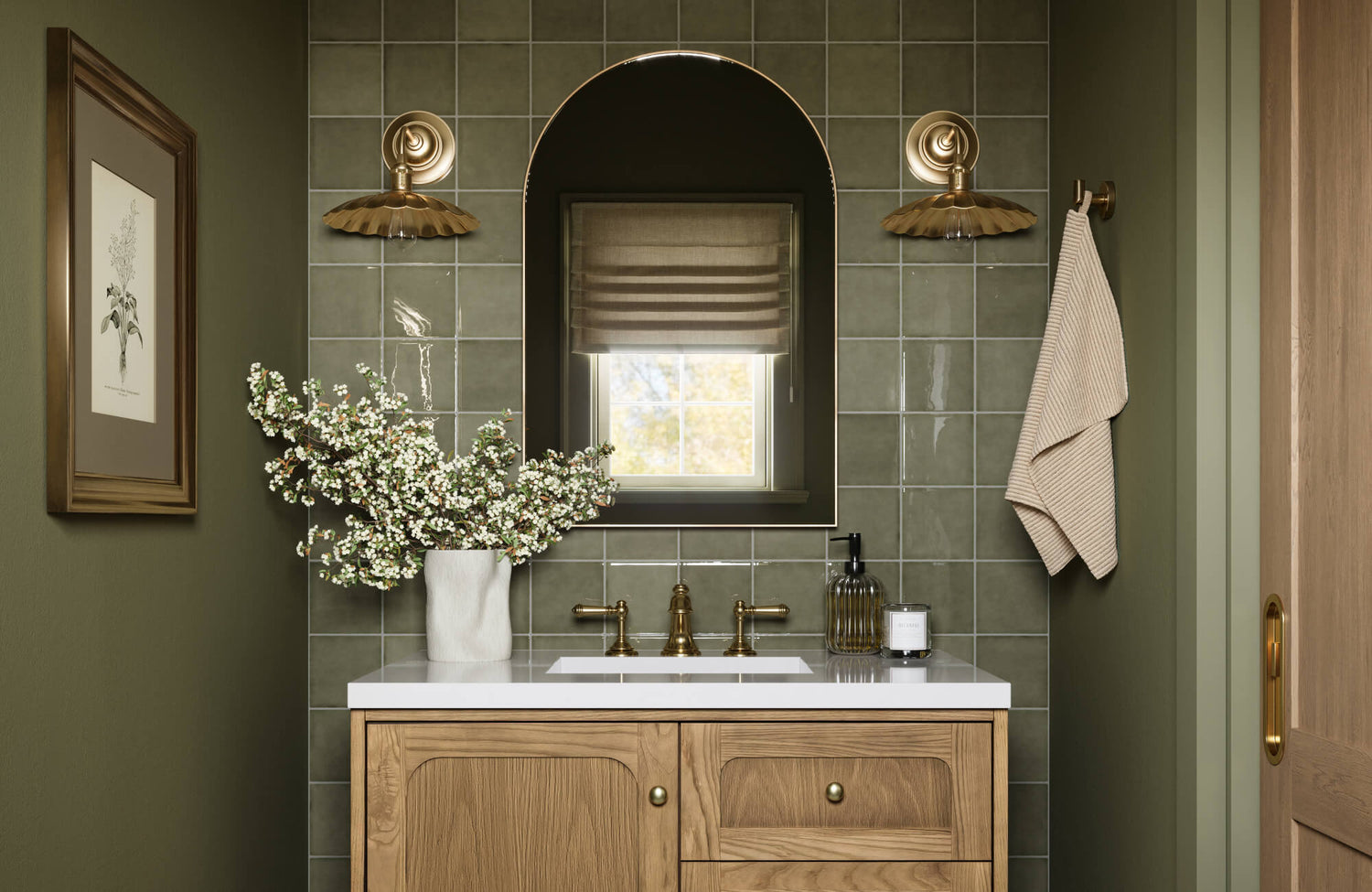
Mirrors are more than functional tools; they are design elements that shape the way a room feels and functions. They reflect light, influence scale, and add character, often becoming as important to the atmosphere as furniture or artwork. The decision between framed and unframed mirrors is not simply about style—it is about how you want your space to be experienced.
From bold, decorative borders that ground a room to seamless expanses of glass that dissolve into the architecture, each mirror type offers unique strengths. This article explores their differences in design, practicality, and long-term value, helping you discover which option best aligns with your vision and lifestyle.

Design Character and Visual Impact
The most immediate distinction between framed and unframed mirrors lies in how they interact with the room’s design. Each option carries a unique language of style, either demanding attention or blending seamlessly into the background.
Framed Mirrors as Statement Pieces
When you bring a framed mirror into your space, it does not just reflect; it speaks. The frame acts as a stylistic border, instantly shaping how the mirror feels within the room. A thick, carved wood frame, for instance, might create a rustic sense of warmth and tradition, while a slim metal frame in matte black or brushed nickel leans modern and industrial. Our Raelynn Mantel Mirror in Iron Matte Black, finished in a classic black tone, is a perfect example of how a framed mirror can anchor a room with sophistication while complementing surrounding décor, as seen in the image above. Because of this versatility, a framed mirror can take on the role of a design anchor, adding depth and personality where walls may otherwise feel bare.
Additionally, the true power of a framed mirror lies in its ability to function like artwork. You may notice how a gold-leaf frame introduces glamour in a dining room, or how a distressed finish in a bedroom adds cozy charm. By carefully selecting the frame’s material and finish, you can establish the overall mood of the space. A framed mirror not only defines boundaries but also draws your eye, making it an intentional focal point that reinforces your design story.
Unframed Mirrors for Minimalism
On the other hand, unframed mirrors embrace the beauty of restraint. By eliminating embellishment, they create a flush and uninterrupted look that merges naturally with the wall. This seamless quality allows the mirror to expand the sense of space while avoiding visual clutter. In a small bathroom, for example, an unframed mirror can stretch from vanity to ceiling, amplifying light and making the room feel larger without any heavy borders competing for attention.
The effect of a frameless mirror also enhances architecture. When you install one, it doesn’t just reflect back your image; it enhances proportions, straightens lines, and creates an atmosphere of openness. This makes it a natural choice if you prefer interiors that emphasize clarity, simplicity, and flow. Rather than competing with other décor, an unframed mirror acts as a quiet but powerful element that elevates the room without interrupting its rhythm.

Functional Considerations in Everyday Use
A mirror’s beauty is only part of the story. Its practicality often determines long-term satisfaction.
Durability and Edge Protection
When you choose a framed mirror, you add a layer of physical protection. The frame shields the most fragile part of the mirror, its edges, from accidental knocks and wear. This makes a framed mirror especially well-suited for busy areas such as entryways or hallways, where bumps are more likely. Even when installed at lower heights, a sturdy frame also helps absorb minor impacts that might otherwise cause chips or cracks along the perimeter. In bathrooms, a sturdy design like our Clancy Small Arch Mirror in Antique Brass, as shown in the photo above, combines durability with timeless style, as its brass frame not only reinforces the structure but also enhances the room with a warm, sophisticated finish.
On the other hand, unframed mirrors, although sleek, expose their edges to direct contact. In everyday use, this can make them more vulnerable, particularly in spaces where movement is constant or furniture is frequently rearranged. If durability and resistance to small accidents are priorities, the frame becomes not just an aesthetic choice but a practical safeguard.
Cleaning and Maintenance Factors
Keeping a mirror pristine requires regular attention, but the type you choose changes what that care looks like. Unframed mirrors, for instance, demand extra caution in moisture-prone areas such as bathrooms. Without a frame to block water, steam, or cleaning solutions, the edges can develop desilvering, which are those dark spots that creep in from the sides. Cleaning them also calls for gentle, direct wiping with non-abrasive materials, always mindful of protecting the backing.
Framed mirrors, on the other hand, reduce this vulnerability by covering the glass perimeter. Yet, they introduce another layer of responsibility: maintaining the frame itself. A wood frame may need dusting and occasional conditioning, while metal finishes might call for polishing. When cared for properly, however, the combined durability of the frame and mirror often means these pieces age gracefully, remaining functional and beautiful over time.
It is also important to follow manufacturer recommendations for cleaning and care. Many mirrors come with specific guidance tailored to their construction, finishes, and protective coatings. By using only the approved products and methods, you not only preserve the mirror’s appearance but also ensure that any warranties remain valid. Referring to these instructions helps you avoid accidental damage and gives your mirror the longest possible lifespan.
Weight and Portability
Another functional difference lies in weight. Framed mirrors, often reinforced by wood, metal, or decorative materials, are significantly heavier than their frameless counterparts. This added weight typically requires stronger mounting hardware and, in many cases, more than one person to install. As a result, they’re often considered semi-permanent additions to your space.
Unframed mirrors, in contrast, are lighter and more flexible. You can more easily shift them from one wall to another or rehang them if you decide to refresh your layout. This portability makes them especially appealing if you rent or if you simply enjoy updating your interiors from time to time. With less bulk and easier handling, frameless designs also give you more freedom to experiment without the same level of commitment.

Installation and Placement Possibilities
The type of mirror you select greatly influences not only its visual impact but also how it can be installed and integrated into a space. Framed mirrors are typically easier to mount, with built-in hardware like D-rings or cleats that distribute weight and allow them to hang much like artwork. Their sturdy construction also makes them ideal for freestanding applications, such as leaning or cheval mirrors, where the frame itself provides both stability and presence. On furniture pieces like vanities or dressers, a coordinating frame creates cohesion, turning the mirror into a seamless extension of the overall design.
Unframed mirrors, on the other hand, require more specialized installation methods, often involving clips, channels, or adhesives. Yet, this extra effort delivers a sleek, architectural look that feels fully integrated with the room. Additionally, frameless designs can be custom-cut to fit alcoves, niches, or entire walls, blending into surfaces as though they were part of the structure itself. This not only enhances light and space but also transforms the mirror into a design element that expands and elevates the architecture rather than acting as a mere accessory.
Because of the weight, fragility, and precision required, professional installation is often recommended for both framed and frameless mirrors. Experts can ensure the mirror is mounted securely, aligned perfectly, and protected from accidental damage during setup. This added level of care not only provides peace of mind but also extends the life of the mirror, helping it remain a safe and lasting feature in your space.

Suitability for Different Room Types
Different rooms serve different purposes, and the type of mirror you choose should reflect both their function and style. By considering the unique needs of each space, you can select a mirror that not only fits but also enhances its role in daily life.
Bathrooms and Moisture-Prone Areas
Bathrooms demand mirrors that balance beauty with resilience. Unframed designs are a favorite in modern bathroom layouts because of their streamlined look, especially when they span an entire vanity wall. However, the edges of frameless mirrors must be properly sealed or treated to prevent moisture from creeping in and causing damage over time. Without this protection, steam and splashes can lead to unsightly desilvering along the perimeter.
Framed mirrors, when crafted from materials designed to resist humidity, give you a more durable option. A powder-coated metal frame or treated wood finish of a round mirror, for example, can withstand the bathroom’s changing conditions while also bringing in stylistic variety. For instance, our Fitz Mirror in Antiqued Iron combines a moisture-resistant iron frame with a black finish that adds both strength and elegance. By choosing pieces like this, you can achieve a design that marries function with decorative appeal in a way that feels truly long-lasting.
Living Rooms and Entryways
In shared and highly visible areas like living rooms or entryways, mirrors often play a dual role as both functional tools and decorative highlights. An arched, framed mirror, hung above a fireplace, for instance, can become the focal point of the room, drawing the eye while also anchoring surrounding décor. Our Raelynn Mantel Mirror in Polished Brass, displayed in the picture above, finished in a timeless brass tone, beautifully demonstrates this effect by adding warmth and elegance while complementing the natural textures of wood and stone. Similarly, a bold frame above a console in the entryway creates an immediate impression of style and personality as soon as you walk in.
Unframed mirrors, by contrast, offer a quieter effect. When placed in narrow foyers or smaller living areas, they bounce light around the space without demanding attention for themselves. This understated presence can be invaluable if you want to create an airy, open feel while allowing other elements, such as artwork or furniture, to take center stage. The choice between framed and frameless in these areas depends on whether you want your mirror to speak boldly or whisper subtly.
Bedrooms and Personal Spaces
In bedrooms, mirrors often serve practical purposes while shaping the room’s mood. A full-length framed mirror in a dressing area does more than help you get ready. It also adds a furniture-like presence that enhances the sense of luxury and permanence. Leaning framed mirrors in particular can create a sense of intimacy, making the room feel curated and personal. A design like our Esmeralda Floor Mirror in Iron Matte Black is a great example, as its tall frame and classic black finish not only provide functionality for dressing but also ground the room with a bold, sophisticated touch that complements a wide range of bedroom styles.
On the other hand, frameless wall-mounted mirrors are perfect if your bedroom is compact or your style leans minimalist. Their lightweight, space-saving design provides the reflection you need without weighing down the walls. By avoiding heavy borders, frameless mirrors also keep your bedroom feeling open and uncluttered, ideal for cultivating a restful and calming environment.
Dining Rooms and Social Spaces
Dining rooms benefit from mirrors that amplify light and atmosphere. A framed mirror can play a dramatic role, especially when positioned to reflect the sparkle of a chandelier or the warm glow of candlelight. The materials and finish of the frame, such as polished wood, antique gold, or sleek chrome, also add an extra layer of richness, elevating the mood of gatherings and creating a backdrop that feels inviting. Incorporating a design like our Clancy Mirror in Antique Brass brings a touch of sophistication, as its antique brass finish blends warmth with timeless appeal, making it an ideal complement to both classic and modern dining settings.
Yet frameless mirrors excel when your goal is to emphasize architecture over ornamentation. In a contemporary dining area, a large frameless piece can reflect clean lines, high ceilings, or unique wall textures without adding another decorative element into the mix. The result is a refined, expansive effect that supports a modern aesthetic while still enhancing the energy of the room.

Cost Differences and Value Perception
Price and long-term value extend far beyond the initial purchase of a mirror. Framed mirrors often come at a higher cost depending on the materials and craftsmanship, ranging from simple manufactured frames to hand-carved wood or custom metallic finishes that elevate both durability and artistry. The presence of a frame also enhances longevity by protecting vulnerable edges and adding structural strength, making these designs better suited to busy or moisture-prone areas. With proper care, framed mirrors can last for decades, offering both decorative richness and practical endurance.
Unframed mirrors, in contrast, may appear more affordable at first since they eliminate the cost of frame materials. However, custom frameless applications, such as full wall installations or mirrors with polished bevels, can rival or even surpass the price of framed options. Their elegance also comes with trade-offs: unprotected edges are more susceptible to wear in humid or busy spaces, which can shorten their lifespan unless protective treatments and careful upkeep are in place. Still, frameless designs provide unmatched design flexibility, blending seamlessly with architecture and appealing to buyers who value modern, adaptable spaces.
Reflecting Style, Function, and Space
Choosing between framed and unframed mirrors ultimately comes down to the role you want your mirror to play in your space. Framed mirrors deliver structure, artistry, and durability, making them ideal as statement pieces or long-lasting fixtures. Frameless mirrors, meanwhile, offer fluidity, openness, and adaptability, seamlessly blending with walls to expand space and light. By understanding these distinctions, you can make a choice that not only enhances your interior but also reflects your personality, creating rooms that feel intentional, functional, and uniquely yours.
If you would like guidance in selecting the perfect mirror for your space, our team is here to help. Whether you’re seeking tailored recommendations, exploring custom solutions, or have questions about installation and care, you can reach us easily through our Contact Us page. Connecting with our experts ensures that your mirror choice is not only beautiful but also perfectly suited to your lifestyle and space!


