
)
)
)
)
)
)
)
)
What Is The Best Waterproof Wood?
Wood can handle a surprising amount of wear, but constant exposure to moisture is where many projects begin to struggle. Decks, outdoor furniture, siding, and even bathroom accents all face the same challenge: water slowly working its way into the material. Without the right wood species or protective treatment, swelling, cracking, and decay can follow. That’s why choosing the best waterproof or water resistant wood is an important step when planning projects exposed to humidity or weather. In this blog, we’ll explore durable wood options like teak, cedar, and ipe, along with protective treatments and modern solutions that help wood perform better in moisture-prone environments.
Why Wood and Moisture Don’t Always Get Along
Wood may look solid and durable, but it naturally reacts to moisture in the environment. Because it’s made of organic fibers, it absorbs and releases water depending on the surrounding humidity and exposure. This constant movement is part of what gives wood its natural character, but it can also create challenges when water is involved. Knowing how wood behaves around moisture helps homeowners choose the right materials and apply the proper protection before problems begin.
Heartwood vs. Sapwood: Why It Matters
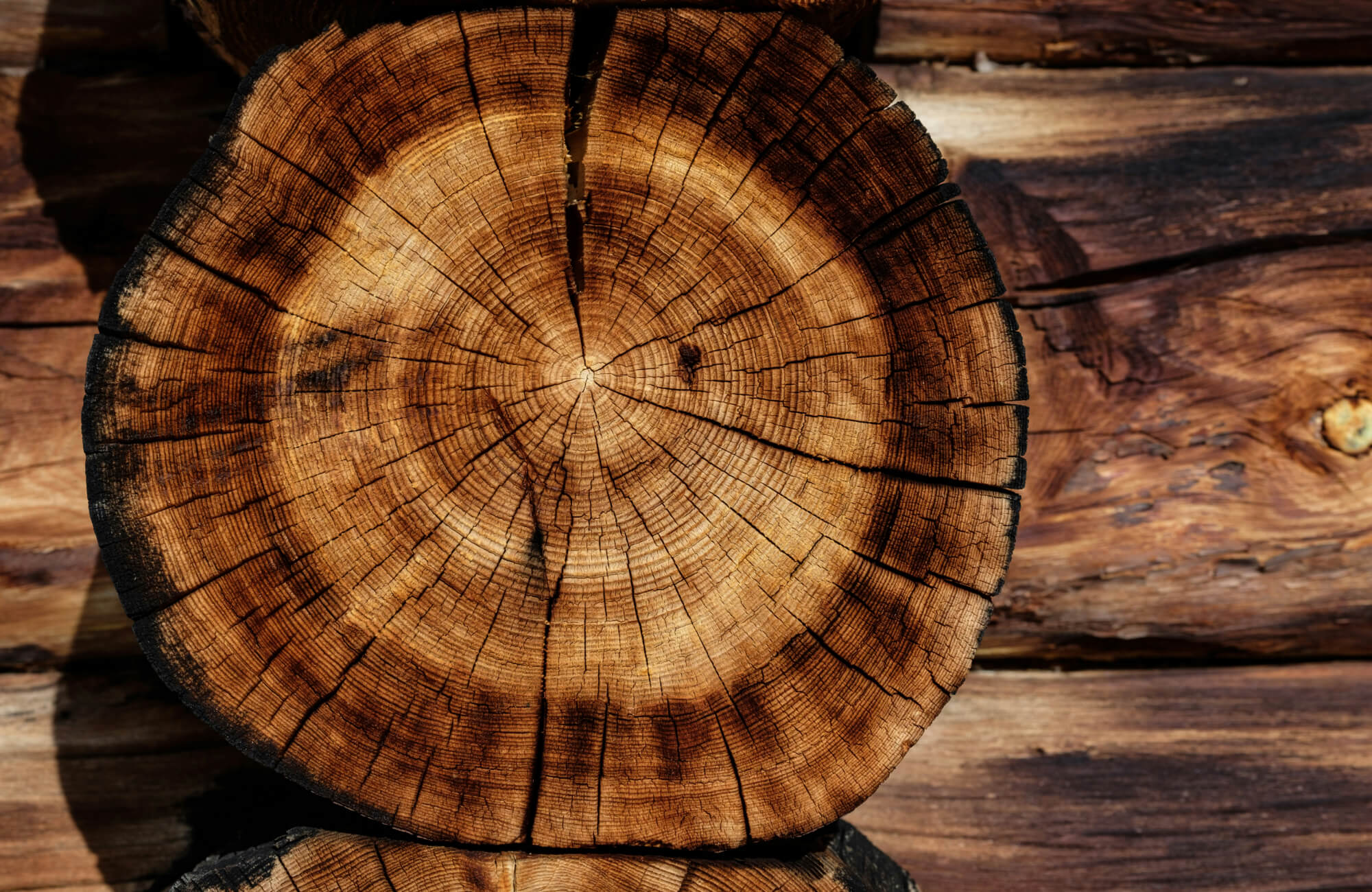
Not all parts of a tree perform the same once the wood is used in construction or design. Heartwood forms the darker inner core of the tree and contains natural compounds that help resist decay, insects, and moisture. Sapwood, which grows closer to the outer layers, tends to be lighter in color and more porous. Because of this, sapwood absorbs moisture more easily and generally requires more protection to perform well outdoors. Wood boards that contain a larger portion of heartwood often hold up better in damp conditions. When sapwood is present, treatments like sealing or pressure treatment help improve its durability and extend its lifespan.
What Happens When Wood Absorbs Water
Wood fibers act almost like tiny sponges that respond to moisture in the surrounding air. When water enters the material, the fibers swell slightly, causing the wood to expand. As the wood dries, those fibers shrink again, which can lead to movement such as warping, cupping, or cracking. Over time, repeated cycles of moisture and drying can place stress on the material. Persistent damp conditions can also encourage mold or fungal growth, which slowly weakens the structure of the wood. Managing moisture exposure early helps keep wooden surfaces stable, attractive, and structurally sound.
Why Some Woods Handle Moisture Better Than Others
Different wood species vary widely in how they respond to moisture. Dense hardwoods usually contain tighter cellular structures, which slow down the rate at which water enters the material. Softer woods tend to have more open pores, allowing moisture to move through them more quickly. This difference in density often explains why certain species last longer in outdoor environments or humid climates. Even the most durable wood, however, still benefits from proper sealing or treatment when moisture exposure is expected. Choosing the right species from the start makes waterproofing far more effective.
How Climate and Everyday Use Affect Wood
Where and how wood is used can influence how well it performs over time. Outdoor structures like decks, siding, and fencing regularly face rain, temperature changes, and humidity shifts. These conditions cause wood to expand and contract more frequently, increasing the risk of surface damage. Indoor areas such as bathrooms, kitchens, and basements can also introduce moisture through steam, spills, or everyday use. Without proper protection, even beautiful wood surfaces may begin to show signs of wear sooner than expected. Selecting moisture-resistant materials and applying protective finishes helps wood stay durable and visually appealing for years.
Traditional Wood Waterproofing Techniques
Wood has been used for centuries, so it’s no surprise that several reliable methods already exist to help protect it from moisture. These traditional waterproofing techniques help extend the life of wood while preserving its natural look and character. Choosing the right treatment often depends on where the wood will be used and how much exposure to water it will face. In many cases, consulting a professional can also help ensure the correct product and application method are used for long-lasting protection.
Oil-Based Treatments
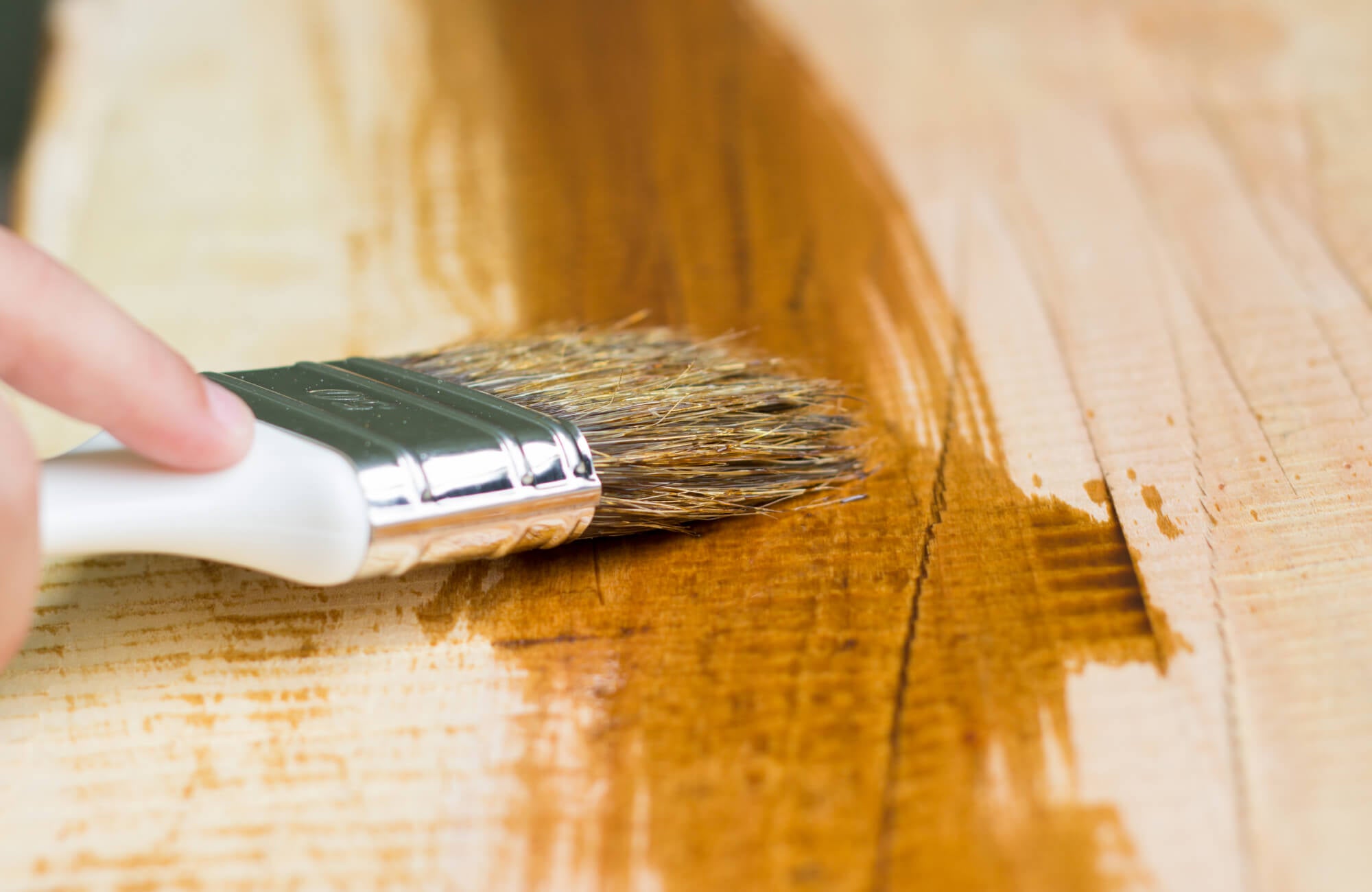
Linseed and tung oils are among the most well-known ways to protect wood from moisture. These oils soak into the wood’s surface, helping create a water-repellent barrier while bringing out the richness of the natural grain. They are commonly used on outdoor furniture, decks, and garden structures where a natural wood look is preferred. Because the oils gradually wear away over time, they need to be reapplied periodically to maintain their effectiveness. Applying several coats with proper drying time between each layer helps the oil penetrate more deeply into the wood. One thing to keep in mind is that these treatments can slightly darken the wood’s color, which may influence the final appearance of a project.
Water-Based Sealants
Water-based sealants such as polyurethane and acrylic coatings create a protective layer on the surface of the wood. This barrier helps block moisture from penetrating while still allowing the wood’s texture to remain visible. These sealants are often favored for indoor projects because they produce fewer fumes and typically dry faster than oil-based products. They also come in a range of finishes, from soft matte looks to high-gloss coatings. For outdoor applications, products that include UV protection can help slow fading and surface wear from sunlight. Their flexibility makes water-based sealants suitable for many projects, from furniture to cabinetry and decorative woodwork.
Pressure-Treated Wood
Pressure-treated wood offers protection that begins before the wood even reaches the job site. During the manufacturing process, preservatives are forced deep into the wood under high pressure, helping guard it against moisture, decay, and insects. This type of wood is commonly used for outdoor structures such as decks, fences, and landscaping features. Newer treatment methods, including ACQ-treated wood, provide strong protection while being more environmentally considerate than older chemical treatments. Even though the wood is treated, applying stain or sealant periodically can still improve its appearance and extend its lifespan. With proper care, pressure-treated wood can remain durable and reliable for many years.
Modern Waterproofing Innovations
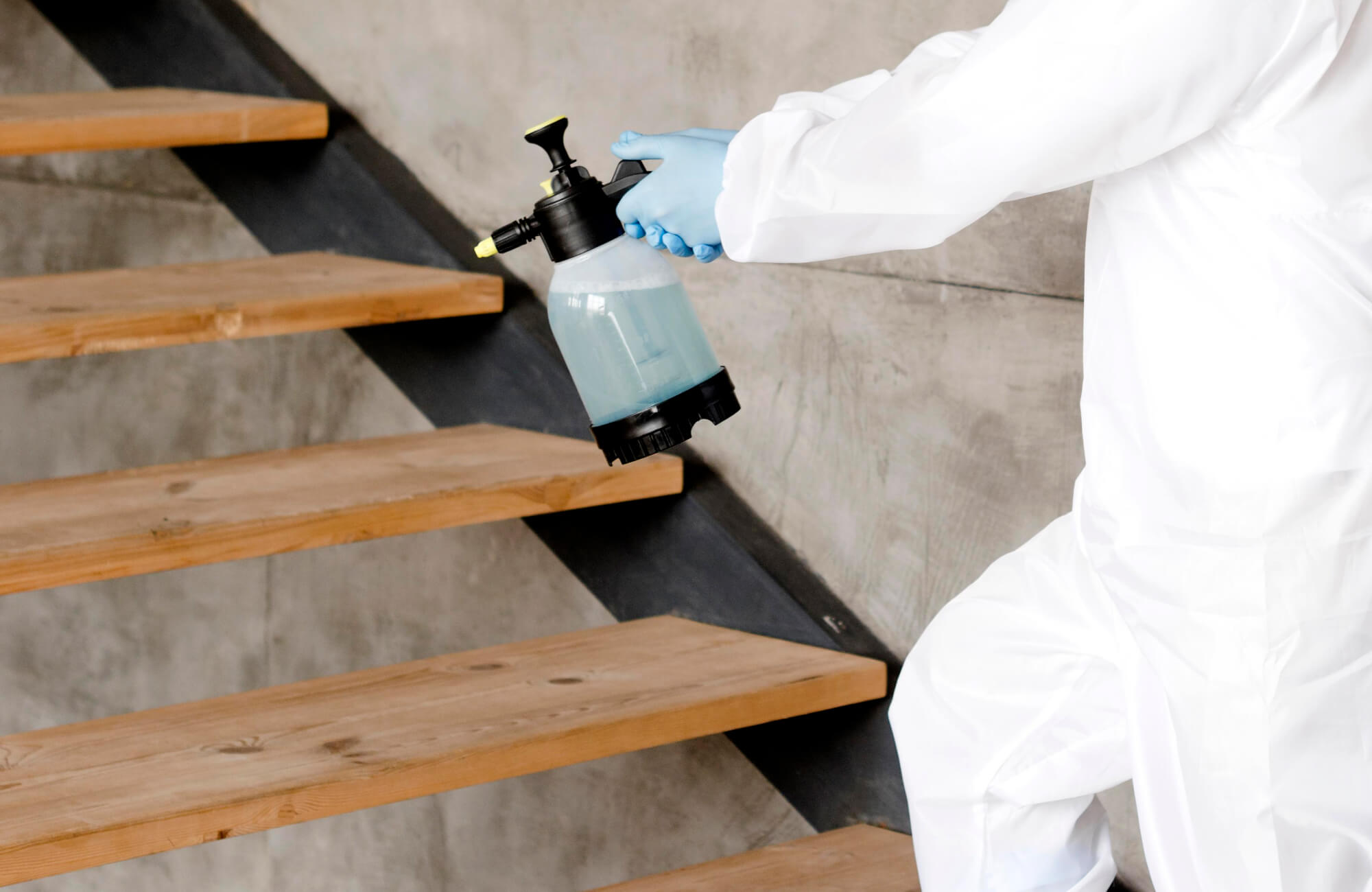
In recent years, new technologies have expanded the ways wood can be protected from moisture. These modern approaches focus on improving the material itself or creating stronger protective layers on the surface. Many of these solutions aim to reduce swelling, slow decay, and extend the lifespan of wood in challenging environments. While some of these innovations come at a higher cost, they often deliver long-term durability that traditional methods alone may not achieve.
Wood Modification
Wood modification changes the internal structure of wood to make it more stable when exposed to moisture. Processes such as heat treatment expose the wood to high temperatures in controlled environments, reducing the material’s tendency to absorb water. As a result, the wood expands and contracts less when humidity levels change. This improved stability makes modified wood a popular option for flooring, siding, and outdoor structures. Chemical modification methods, including acetylation, go a step further by altering the wood’s cellular makeup. These treatments help improve resistance to fungal growth and decay, which allows the wood to perform better in humid or moisture-prone settings.
Advanced Waterproof Coatings
New coating technologies have introduced highly effective ways to protect wood surfaces. Some products now use nanotechnology to create extremely water-repellent layers that prevent moisture from penetrating the material. These coatings often cause water to bead and roll off the surface instead of soaking into the wood. Many advanced formulas also include UV protection, which helps slow fading and surface wear caused by sunlight. Because they resist stains, scratches, and abrasion, these coatings are especially useful for decks, outdoor furniture, and marine applications. Eco-friendly options are also becoming more common, offering strong protection while reducing environmental impact.
Hybrid Sealers and Penetrating Finishes
Another development in wood protection involves hybrid sealers that combine penetrating oils with protective surface coatings. These products soak into the wood like traditional oil treatments but also form a thin barrier on the surface. This dual approach helps improve moisture resistance while still allowing the natural grain to remain visible. Hybrid sealers are often used on decks, siding, and exterior trim where both durability and appearance matter. They also tend to require less frequent reapplication than some traditional oil treatments. For homeowners who want a balance between protection and natural wood character, these finishes offer a practical middle ground.
Factory-Treated and Engineered Wood Products
Some modern wood products are designed with moisture resistance built directly into their manufacturing process. Engineered wood materials, for example, often use layered construction techniques that improve stability and reduce movement caused by humidity changes. Many are also treated with protective resins or sealants before they reach the job site. This controlled production environment allows manufacturers to apply treatments more evenly than is often possible on-site. As a result, these materials can perform more reliably in areas where moisture exposure is common. For certain projects, factory-treated wood products can provide a more consistent level of protection while still offering the appearance of natural wood.
Popular Waterproof Wood Species
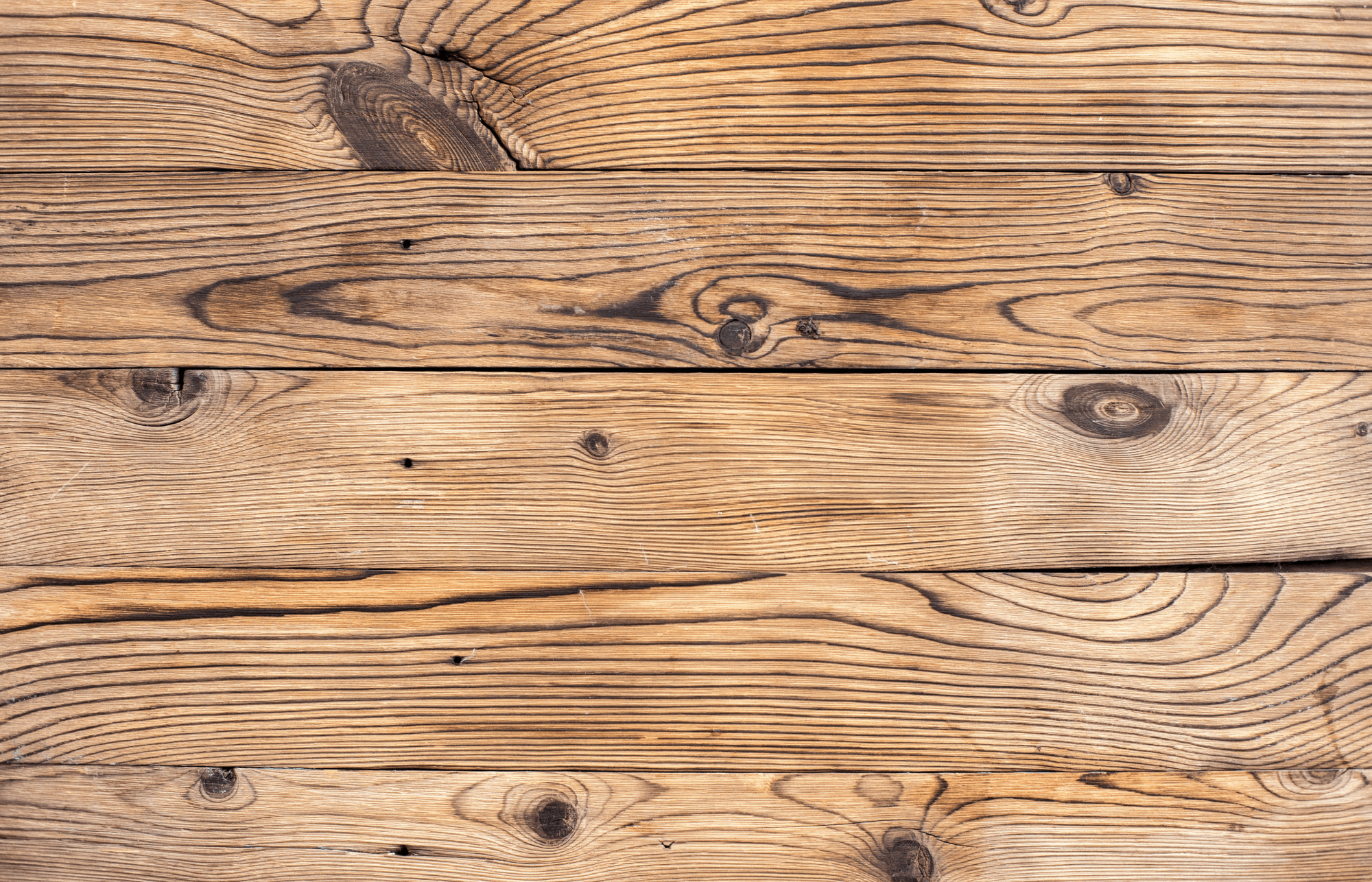
When selecting wood for projects exposed to moisture, the species itself plays a major role in how well the material performs. Some woods naturally contain oils or dense fibers that help repel water and resist decay. These qualities allow them to last longer in outdoor environments or humid conditions with less intensive treatment. While no natural wood is completely immune to moisture, certain species have proven to be far more resilient than others. Below are several well-known wood types that are often chosen for their natural resistance to water, pests, and long-term wear.
Teak
Teak is widely considered one of the most reliable woods for moisture-prone environments. Its naturally occurring oils help repel water while protecting the wood from decay and insect damage. Because of this durability, teak is commonly used for outdoor furniture, decking, and even marine applications such as boat building. Beyond performance, teak is also valued for its smooth texture and rich golden-brown color that adds warmth to outdoor and indoor spaces. Over time, the wood gradually develops a soft silvery patina if left untreated, which many homeowners appreciate for its weathered look. Those who prefer to keep the original tone can apply oil or sealant periodically to maintain its color and extend its lifespan.
Cedar
Cedar is another popular option known for its natural resistance to moisture and insects. The wood contains natural oils that help slow decay while also producing its distinctive, aromatic scent. This scent acts as a natural deterrent to certain pests, which makes cedar a practical choice for siding, fencing, and outdoor structures. Cedar is also valued for its dimensional stability, meaning it tends to expand and contract less dramatically than many other wood types when humidity levels change. Its warm reddish-brown tones bring natural character to both rustic and modern designs. Applying a protective stain or clear sealant can further improve its durability while highlighting the wood’s attractive grain patterns.
Ipe
Ipe, often referred to as “ironwood,” is one of the densest and most durable hardwoods used in construction. Its tight grain and natural oils make it highly resistant to moisture, rot, and insect damage. Because of this strength, ipe is frequently used in demanding environments such as boardwalks, docks, and outdoor decks. The wood’s deep brown color and subtle grain patterns also give it a refined appearance that works well in high-end design projects. Due to its density, installation typically requires pre-drilling to prevent splitting and ensure secure fastenings. With minimal maintenance, ipe can last for decades while maintaining both its structural integrity and visual appeal.
Redwood
Redwood is another species valued for its natural resistance to moisture and decay. Its cellular structure contains tannins that help protect the wood from insects and fungal growth. This natural defense makes redwood a common choice for outdoor furniture, decking, and garden structures. The wood’s rich reddish tone and straight grain also give it a distinctive appearance that many homeowners find appealing. Compared with some dense hardwoods, redwood is easier to cut and work with during installation. Applying protective finishes can help preserve its color and further extend its durability in outdoor environments.
White Oak
White oak is known for its strength and impressive resistance to water penetration. The wood’s cellular structure contains tyloses, which naturally block moisture movement within the grain. Because of this characteristic, white oak has historically been used for shipbuilding, barrels, and exterior construction. Its durability makes it a strong option for flooring, furniture, and architectural features exposed to changing humidity levels. White oak also offers a versatile appearance, with neutral tones that complement both traditional and contemporary interiors. When sealed properly, it can perform well in areas where moisture exposure is occasional but still a concern.
Wood Look Tiles: A Practical and Durable Solution
Even the most water resistant wood still needs maintenance to perform well in damp environments. For areas where moisture exposure is frequent, many homeowners turn to wood look tiles as a more durable solution. These tiles deliver the warmth and texture of wood while offering strong resistance to water, stains, and everyday wear.
Choosing the Right Wood Look Tile
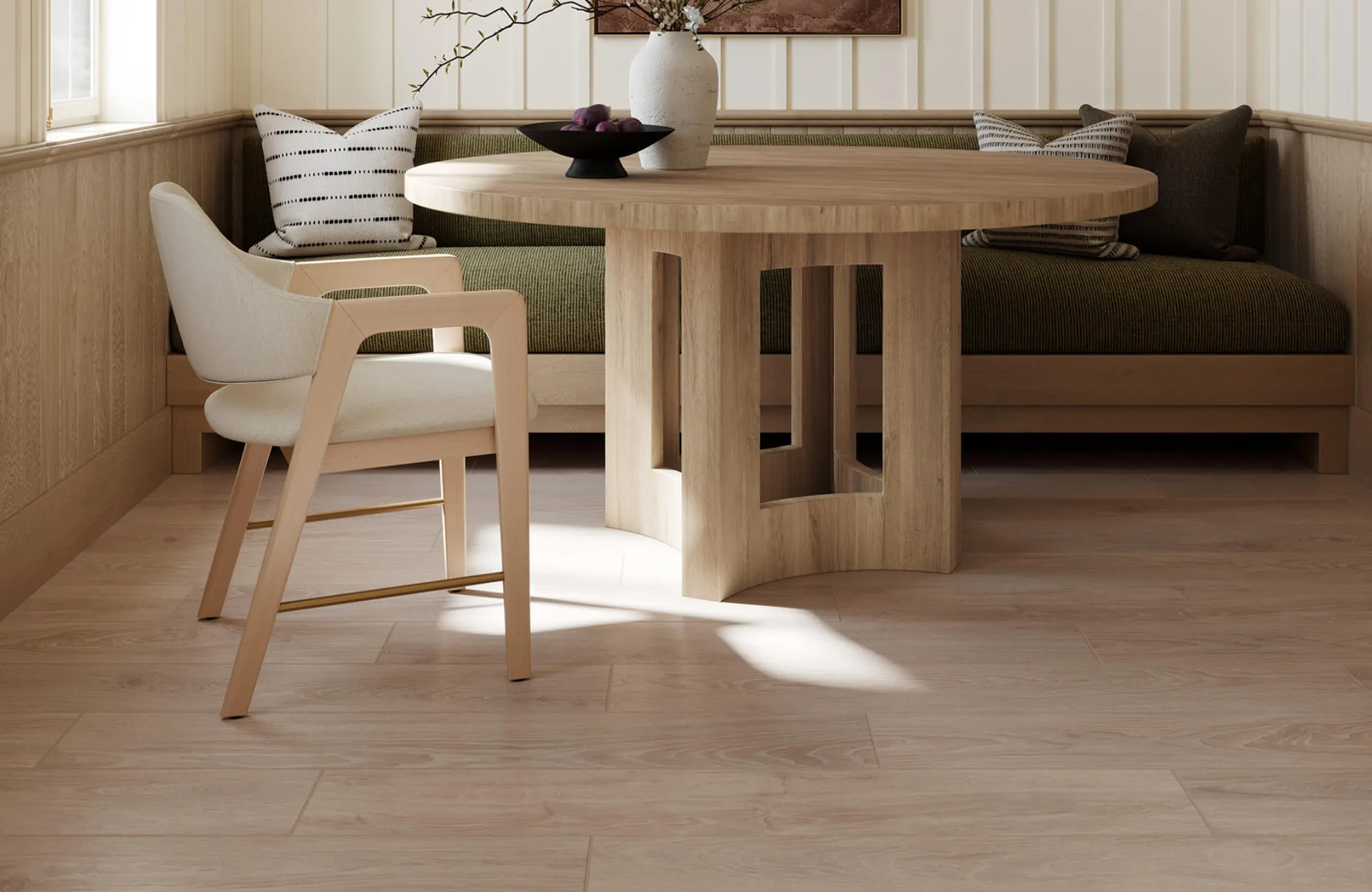
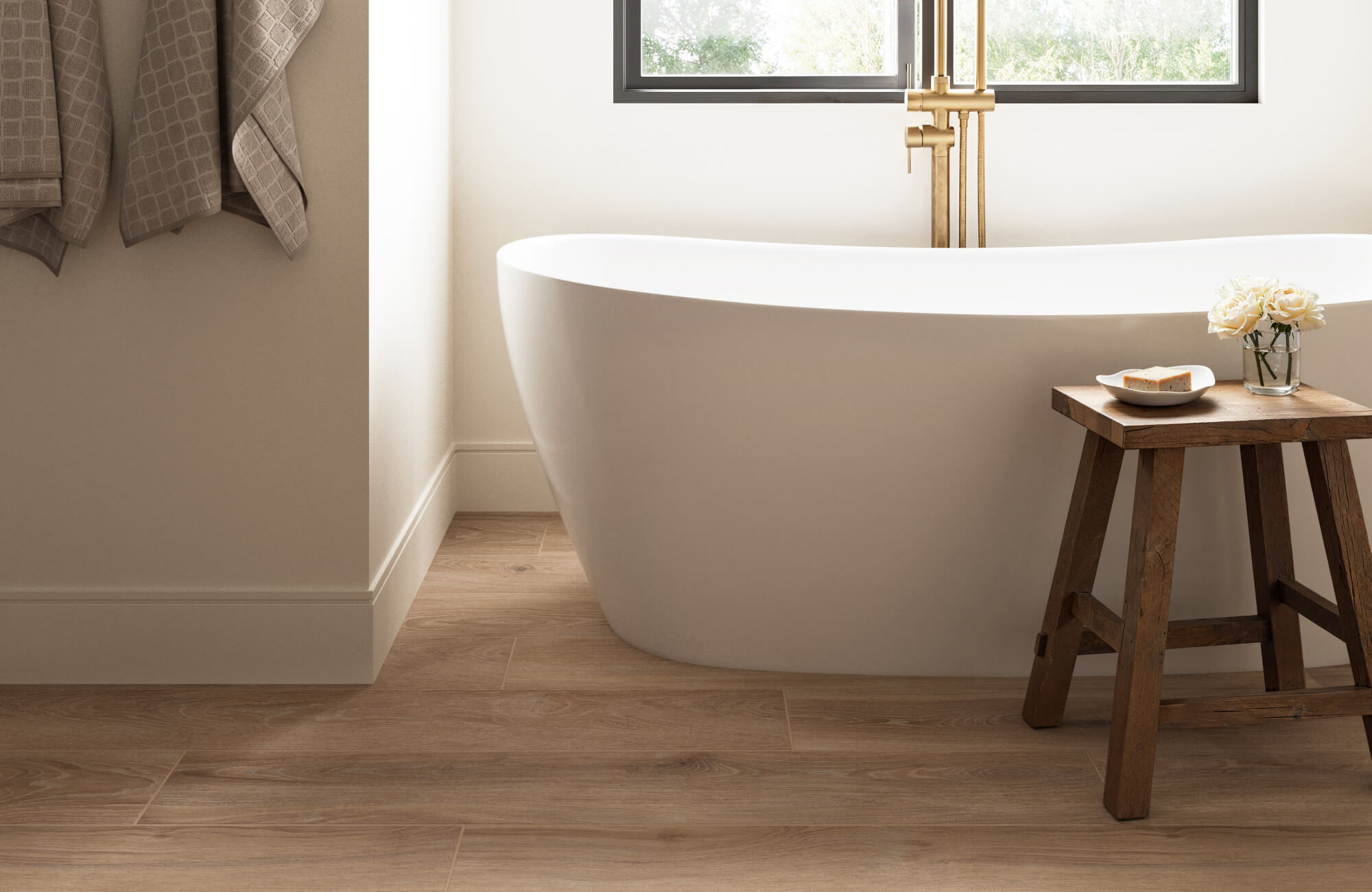
Selecting high-quality wood look tiles helps achieve both durability and a convincing natural appearance. Larger plank formats, such as our Jameson 8x48 Matte Porcelain Tile in Camel above, feature a subtle grain variation, and textured surfaces often make the tiles look more like real wood. Professional installation can also make a difference, since careful alignment helps recreate the visual rhythm of traditional wood planks. In moisture-prone areas like bathrooms or laundry rooms, choosing tiles with slip-resistant finishes improves safety while maintaining a refined look. This makes wood look tiles a reliable alternative where waterproof wood or water resistant wood for bathroom applications would normally require ongoing sealing. With the right tile selection, homeowners can enjoy the visual warmth of wood with far less upkeep.
A Wood-Inspired Look Without the Maintenance
Wood look tiles offer a practical way to achieve the appearance of natural wood without many of the challenges that come with real lumber. Unlike weather proof wood or water resistant wood for outdoor spaces, porcelain and ceramic tiles do not swell, warp, or rot when exposed to moisture. This durability makes them especially useful in kitchens, bathrooms, basements, and other environments where water exposure is common. Modern manufacturing techniques also allow these tiles to replicate natural grain patterns, knots, and tonal variation with impressive accuracy. As a result, the finished surface maintains the warmth and visual character of wood while offering stronger long-term reliability. For many homeowners, this balance between appearance and durability makes wood look tiles an appealing option.
Flexible Layout Options for Wood Look Tiles
Layout choices can greatly influence how realistic and visually interesting wood look tiles appear in a space. A staggered plank pattern often mirrors the traditional installation of hardwood flooring and helps create a natural flow across the room. Herringbone layouts introduce movement and sophistication while still maintaining the warmth associated with wood surfaces. Mixing plank lengths or subtle tone variations can also add depth and prevent the floor from feeling too uniform. Because tiles remain dimensionally stable, they can maintain these patterns without the movement that sometimes affects real wood flooring. With thoughtful layout planning, wood look tiles can create floors that feel both authentic and visually dynamic.
Ideal Spaces for Wood Look Tiles
Wood look tiles work well in spaces where water resistant wood might still require frequent sealing or maintenance. Bathrooms, kitchens, and laundry rooms benefit from flooring that can handle spills and humidity without swelling or surface damage. They are also commonly used in entryways and basements where moisture levels fluctuate throughout the year. Outdoors, these tiles can even be installed on patios or pool surrounds when rated for exterior use. Their resistance to water and wear allows homeowners to carry the look of wood across multiple areas of the home without worrying about long-term damage. This flexibility makes wood look tiles one of the most practical alternatives to waterproof wood.
Visualizing Your Tile Before Installation
Planning a new floor often becomes easier when you can see how materials will look in the space before installation. Edward Martin’s augmented reality (AR) tool allows homeowners to preview different wood look tile styles directly within their room using a phone or tablet. This feature helps compare tones, plank sizes, and layouts before committing to a design. Seeing the tile in context also makes it easier to coordinate with cabinetry, wall colors, and surrounding finishes. Along with Edward Martin’s diverse wood look tile collections, the tool makes it easier to find a style that balances the appearance of wood with the durability needed for moisture-prone spaces.
Choosing the Right Waterproof Wood for Your Space
Selecting the best waterproof wood often depends on where the material will be used and how much moisture it will face. Natural options like teak, cedar, and ipe offer impressive durability thanks to their dense structure and protective oils. Still, even these resilient species require sealing, maintenance, and proper installation to perform well over time. For areas where constant moisture is a concern, many homeowners also explore wood look tiles as a dependable alternative that delivers the appearance of wood with far less upkeep.
If you’re exploring waterproof wood or considering wood look tiles for moisture-prone areas, expert guidance can help narrow down the options. Through Edward Martin’s Personalized Design Consultation, you can receive tailored recommendations on materials, layouts, and finishes that align with your space and design goals.
Follow us on Instagram
@EDWARD.MARTIN
)
)
)
)
)
)
)
)
)
)
)
)
)
)
)
)