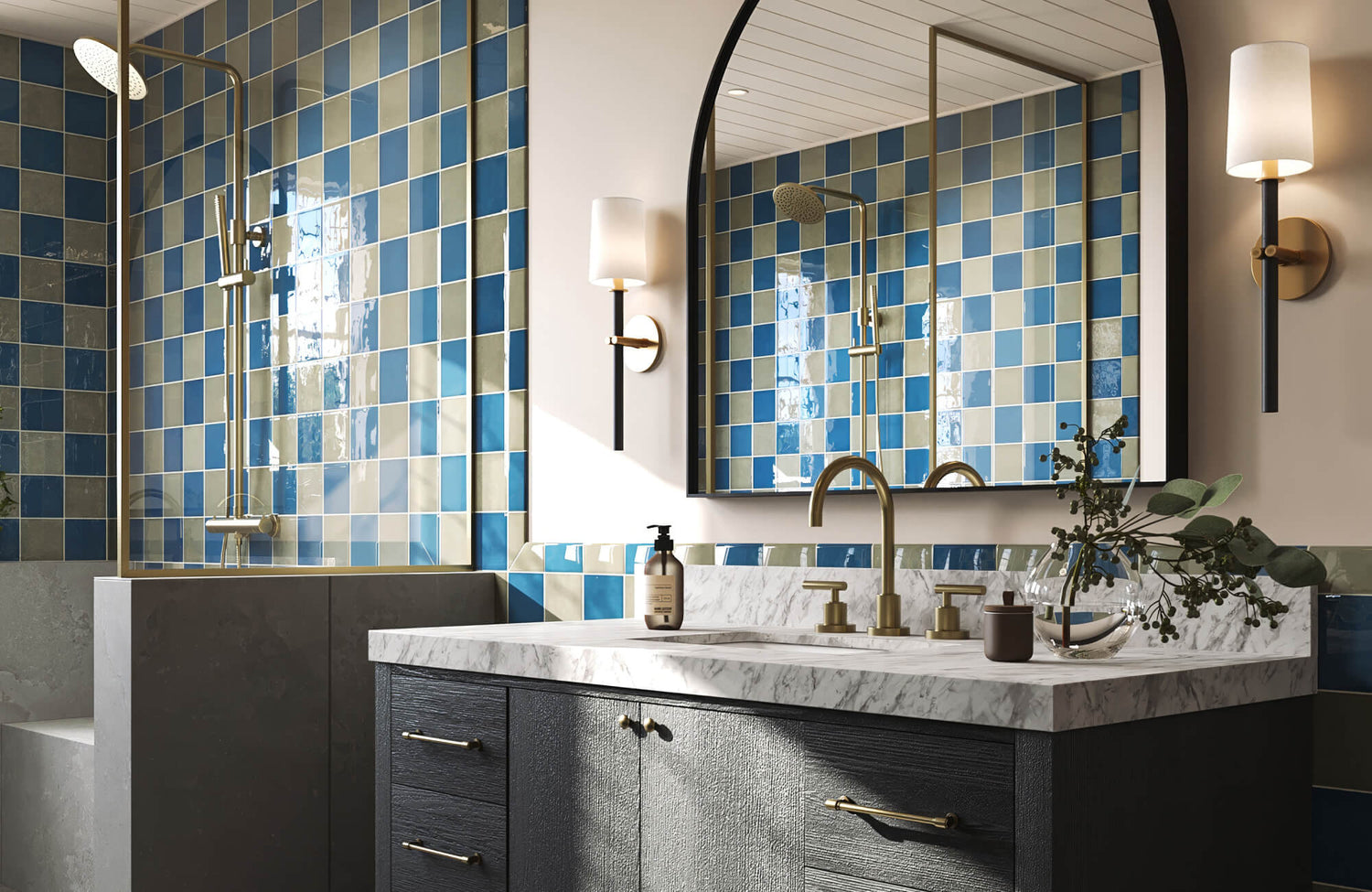
When you start exploring bathroom vanity lighting, it quickly becomes clear that the right choice affects far more than appearance. Vanity lighting plays a direct role in how clearly you see your reflection, how comfortable daily routines feel, and how balanced the space appears overall. The best lighting for a bathroom vanity considers thoughtful placement, balanced light quality, suitable brightness, and how fixtures work with your mirror and overall layout. In this article, we’ll walk through what truly matters, helping you understand what to look for, what to avoid, and how to choose lighting that supports both function and everyday comfort.

How Vanity Lighting Affects Daily Tasks
Bathroom vanity lighting plays a key role in how accurately and comfortably you see yourself during everyday routines. When lighting is not thoughtfully selected, it can create unflattering shadows, alter the appearance of skin tones, and make extended time at the mirror feel tiring rather than effortless.
Task Visibility at the Mirror
When you stand at the vanity, the mirror should present your face clearly and evenly, without distracting shadows. Lighting that projects forward rather than straight down helps avoid dark areas under the eyes, nose, and chin, which are common with overhead fixtures alone. Positioning light sources closer to face level creates more balanced illumination, allowing tasks like shaving, skincare, and hairstyling to feel more accurate and controlled.
This approach is illustrated in the photo featured above, where Edward Martin’s Patty Wall Sconce in Aged Brass is mounted beside the mirror to deliver soft, forward-facing light at eye level. Rather than relying on added brightness, this placement focuses on distributing light in a way that closely resembles natural daylight, supporting clarity and comfort during daily routines.
Color Accuracy for Skin Tones
Color accuracy often goes unnoticed until you step into natural light and realize your reflection looks different. Lighting that leans too warm or too cool can distort skin tones, making it difficult to judge makeup application or skincare results. Choosing lighting that closely resembles natural light helps ensure your reflection feels true and reliable, so what you see in the mirror carries through the rest of the day. This balance becomes even more important in shared bathrooms, where lighting needs to suit a range of skin tones and routines.
Reducing Eye Strain
Vanity lighting should support your vision, not compete with it. When light is too bright, glare can quickly become uncomfortable, while dim lighting places unnecessary strain on your eyes. A well-balanced level of illumination allows you to focus on detailed tasks comfortably and for longer periods. Fixtures that soften and spread light evenly across the mirror help maintain clear visibility without harsh contrasts that can lead to fatigue.

Choosing the Right Light Placement Around the Vanity
The placement of vanity lighting often has a greater impact than the style of the fixture itself. When lights are positioned thoughtfully, they provide even illumination and reduce shadows that can disrupt clarity and comfort at the mirror.
Side Lighting vs. Overhead Lighting
For most vanities, side lighting delivers the most reliable results. When fixtures are placed on both sides of the mirror, they provide balanced illumination across the face, minimizing shadows and improving depth perception during grooming tasks. This approach is clearly illustrated in the photo featured above, where Edward Martin’s Rue Bath And Vanity Light in Aged Brass is positioned at face level to deliver even, forward-facing light.
Meanwhile, overhead lighting still plays a useful role, though it works best as a supporting layer rather than the primary source. When these lighting layers are used together, the result is a more natural, consistent lighting environment that closely mimics daylight at the mirror.
Spacing for Single and Double Vanities
The best bathroom vanity lighting also depends on how many sinks the vanity serves. With a single vanity, centering fixtures on the mirror helps maintain symmetry and consistent coverage. In double vanity layouts, each sink benefits from its own lighting zone, ensuring both users have equal visibility without one side appearing brighter or darker than the other. Proper spacing helps maintain even illumination across the entire mirror span.
Mirror Size and Lighting Relationship
Mirror size directly influences how lighting should be arranged to achieve the best results. Taller mirrors benefit from vertical fixtures that distribute light evenly from top to bottom, while wider mirrors often require multiple light sources to prevent dim areas at the edges. Aligning lighting with the mirror’s proportions creates a setup that feels intentional and functional, reinforcing why placement is central to achieving the best lighting for a bathroom vanity.

Selecting Light Color and Brightness for Comfort and Clarity
Light color and brightness play a significant role in how the bathroom feels and how well it supports daily routines. When these elements are balanced thoughtfully, the space remains comfortable, clear, and visually accurate rather than harsh or misleading.
Ideal Color Temperature Range
Neutral white lighting is often the most effective choice for a bathroom vanity because it strikes a natural balance between warmth and clarity. It avoids the yellow tones that can mute details and the cool blue light that can feel stark or clinical. This balanced range helps produce accurate reflections while maintaining comfort for regular use. As a result, skin tones, finishes, and textures appear consistent throughout the day, which is essential for grooming and self-care tasks.
Brightness Levels for Different Bathroom Sizes
The best lighting for a bathroom vanity also takes into account the size of the space it serves. As bathrooms become larger and mirrors extend wider, higher overall light output is often needed to maintain even illumination across the mirror. Conversely, smaller bathrooms benefit from more moderate brightness that feels controlled rather than overwhelming. When brightness is carefully matched to the scale of the vanity and room, the lighting feels supportive and clear, allowing daily tasks to feel easy and visually comfortable.
Dimmable Options for Flexibility
Dimmable lighting adds flexibility, allowing vanity lighting to function comfortably throughout the day. Brighter settings provide clarity for detailed tasks in the morning, while softer light creates a more relaxed atmosphere in the evening. This flexibility allows the lighting to adjust to changing needs and natural light throughout the day, making dimming an equally important part of choosing the best lighting for a bathroom vanity.

Matching Vanity Lighting to Bathroom Style and Materials
Vanity lighting should support the bathroom’s design rather than compete with it. When fixtures are chosen to align with surrounding materials and finishes, the space feels cohesive, intentional, and well-balanced.
Fixture Shapes and Design Language
Fixture shape plays a subtle but meaningful role in how vanity lighting fits into the space. Linear forms often complement modern or minimalist bathrooms, while rounded or softer shapes tend to suit transitional or more relaxed interiors. Choosing fixture shapes that echo the mirror edges, cabinetry lines, or hardware profiles helps the lighting feel naturally integrated rather than added as an afterthought. This continuity also helps the vanity area feel like a unified design rather than a collection of separate elements.
Finishes That Coordinate with Fixtures
The finish of vanity lighting works with faucets, mirrors, and other hardware in the space. Coordinating finishes can create a cohesive look, while controlled contrast can add depth without feeling busy. This relationship is clearly illustrated in the photo displayed above, where Edward Martin’s Odessa Wall Sconce in Aged Brass pairs seamlessly with the Clancy Small Mirror in Antique Brass, creating a consistent visual language across lighting and reflective surfaces. The subtle variation within the same warm metal family adds richness without disrupting harmony. When finishes are chosen with this level of intention, the vanity lighting reinforces the overall design and contributes to a calm, well-considered appearance.
Visual Weight and Proportion
The best lighting for a bathroom vanity also respects scale and proportion. Fixtures should feel appropriately scaled to the mirror and vanity, without overpowering the wall or disappearing into the background. Oversized fixtures can dominate the space, while fixtures that are too small may feel ineffective. Choosing lighting with the right visual weight helps maintain balance and allows the vanity to remain the focal point without overwhelming the rest of the bathroom.

Accounting for Bathroom Layout and Natural Light
Every bathroom has architectural factors that influence lighting decisions. Recognizing how layout and natural light affect the space helps you choose solutions that feel considered and well-suited, rather than forced or out of place.
Working with Limited Wall Space
In tighter layouts, wall space may be restricted by cabinets or mirrors. Compact fixtures or mirrors with integrated lighting can provide effective illumination without crowding the area. These solutions maintain function while respecting spatial limitations. They also help keep the vanity area visually open and easier to navigate.
Adapting to Natural Light Conditions
Natural light changes how vanity lighting behaves throughout the day. Bathrooms with large windows often require supplemental lighting that supports daylight rather than competing with it. This balance is clearly illustrated in the photo displayed above, where Edward Martin’s Therese Wall Sconce in Vintage Brass provides soft, supportive illumination alongside abundant natural light from the window.
In contrast, windowless spaces rely almost entirely on vanity lighting, making careful attention to placement and brightness especially important. By balancing artificial lighting with available daylight, you can maintain consistent visibility from morning through evening without disrupting the overall atmosphere of the space.
Ceiling Height and Mounting Considerations
Ceiling height influences both the scale of the fixture and where it should be mounted. Lower ceilings benefit from fixtures that minimize glare, while higher ceilings allow more flexibility in vertical placement. Adjusting the mounting height helps ensure light reaches the face comfortably. This consideration also helps prevent harsh shadows or uneven illumination across the mirror.

Long-Term Practical Considerations for Vanity Lighting
Aside from appearance, vanity lighting should remain dependable and comfortable to live with over time. Practical factors often shape long-term satisfaction by influencing how reliably the lighting performs with regular use.
Energy Efficiency and Bulb Type
Modern lighting options offer improved efficiency and longer lifespan. Choosing bulbs that maintain consistent output over time reduces the need for frequent replacements and supports steady performance. Over time, this efficiency can also help lower energy use without compromising light quality. Selecting widely available bulb types further simplifies future maintenance and replacements.
Moisture Ratings and Safety
Bathrooms require fixtures designed to handle humidity. Selecting lighting with appropriate moisture ratings helps protect both the fixture and the surrounding wall surface. Safety standards ensure reliable operation in a damp environment. This added protection contributes to both durability and peace of mind over time.
Ease of Maintenance
Fixtures that are easy to clean and maintain simplify long-term care. Smooth surfaces and thoughtfully designed shades resist buildup, helping the lighting maintain a consistent appearance with minimal effort. Over time, this reduces the need for frequent deep cleaning or adjustments. Choosing designs that allow easy access to bulbs also makes routine upkeep more convenient.
Making the Right Vanity Lighting Choice
The best lighting for a bathroom vanity comes from a clear understanding of how function, placement, color, and practicality work together. When lighting aligns with how you use the mirror each day, it supports your routine instead of getting in the way. By considering daily habits, spatial limitations, and long-term reliability, you can create a vanity lighting setup that feels clear, comfortable, and well-balanced. If you would like help applying these ideas to your own space, our design services team is available to offer personalized guidance. Feel free to contact us to explore lighting options that suit your layout, style, and everyday needs with confidence.