Interior design is moving through a quiet but meaningful shift. After years dominated by ultra-minimalism and fast, trend-driven furniture, a more thoughtful aesthetic is taking hold—one that values longevity, craftsmanship, and a sense of history. This movement, often referred to as “Modern Heritage,” blends the elegance of the past with the restraint of contemporary design, resulting in spaces that feel both curated and deeply personal.
At the heart of this style lies an appreciation for detail, texture, and narrative. While large furniture pieces often anchor the look, it is through smaller elements—like pillows—that the Modern Heritage aesthetic truly comes to life. Pillows offer a refined, accessible way to introduce heritage fabrics, classic patterns, and tailored finishes without overwhelming a space. When chosen with intention, they can transform even the most modern sofa into a layered composition that feels timeless and grounded.

Defining The Modern Heritage Design Movement
To begin understanding this aesthetic, it’s important to look at what defines Modern Heritage at its core. This approach is rooted in balance—where history and modernity coexist without competing for attention. By exploring its foundations, you can better apply its principles in a way that feels authentic and refined.
The Intersection Of Antiques And Minimalism
One of the defining characteristics of Modern Heritage style is its ability to harmonize seemingly opposing ideas. Antiques, with their ornate details and aged finishes, are paired with clean-lined, minimalist furniture. This juxtaposition creates visual interest while maintaining a sense of calm.
When applied to pillows, this balance becomes particularly compelling. A streamlined, contemporary sofa can be softened with pillows crafted from heritage textiles such as vintage-inspired velvets or woven fabrics. The silhouettes remain tailored and uncluttered, but the materials introduce depth and character. This careful interplay ensures that the space feels curated rather than crowded.
Why Modern Heritage Is Replacing Fast Furniture
As consumers become more conscious of sustainability and craftsmanship, the appeal of fast furniture is steadily declining. Modern Heritage design aligns with this shift by emphasizing durability, artisanal quality, and timeless appeal. Pieces are chosen not for their immediate trend value but for their ability to endure both physically and stylistically.
Pillows contribute in a quiet yet impactful way to this transition. High-quality pillow covers made from natural fibers and traditional weaving techniques offer longevity that mass-produced alternatives often lack. Thoughtfully selected accents such as lumbar pillows not only provide ergonomic support but also introduce tailored elegance rooted in heritage design. Investing in fewer, better pieces allows you to refresh your interiors without contributing to a cycle of constant replacement. This mindful approach ultimately leads to a more cohesive and enduring home environment.

Establishing A Grounded And Historic Color Palette
Once the philosophy is clear, color becomes the next essential layer in shaping the space. A well-considered palette sets the tone, anchoring the room in warmth and subtle sophistication. In Modern Heritage interiors, color is never incidental—it is deeply tied to materiality and mood.
Utilizing Earthy Ochres And Deep Olive Greens
Earth-inspired tones form the backbone of a heritage palette. Ochre, with its warm, golden undertones, evokes sunlit landscapes and aged pigments, while deep olive green introduces a sense of calm and organic richness. Together, they create a palette that feels both rooted and sophisticated.
Incorporating these hues through pillows allows for subtle layering. An ochre velvet pillow can add warmth to a neutral sofa, while an olive-toned woven piece introduces contrast without disrupting the overall cohesion. These colors work particularly well in spaces that feature natural materials such as wood, stone, or linen, enhancing the connection to the environment.
Grounding With Saturated Jewel Tones And Navy
While earthy tones provide a foundation, jewel tones add depth and refinement. Shades like deep sapphire, burgundy, and forest green bring a sense of luxury without appearing overly formal. Navy, in particular, serves as a versatile anchor, offering the richness of black with a softer, more approachable feel.
Pillows in these hues can act as focal points within a seating arrangement. When layered thoughtfully, they create a dynamic interplay of light and shadow, elevating the visual complexity of the space. The key is to maintain balance, ensuring that no single color dominates but rather contributes to a harmonious composition.

Selecting Heritage Fabrics With Tactile Richness
With a grounded palette in place, texture begins to bring the design to life. Fabrics serve a defining role in adding depth, inviting both visual and physical engagement. Choosing materials with heritage roots ensures the space feels layered, authentic, and enduring.
The Enduring Luxury Of Heavy Cotton Velvet
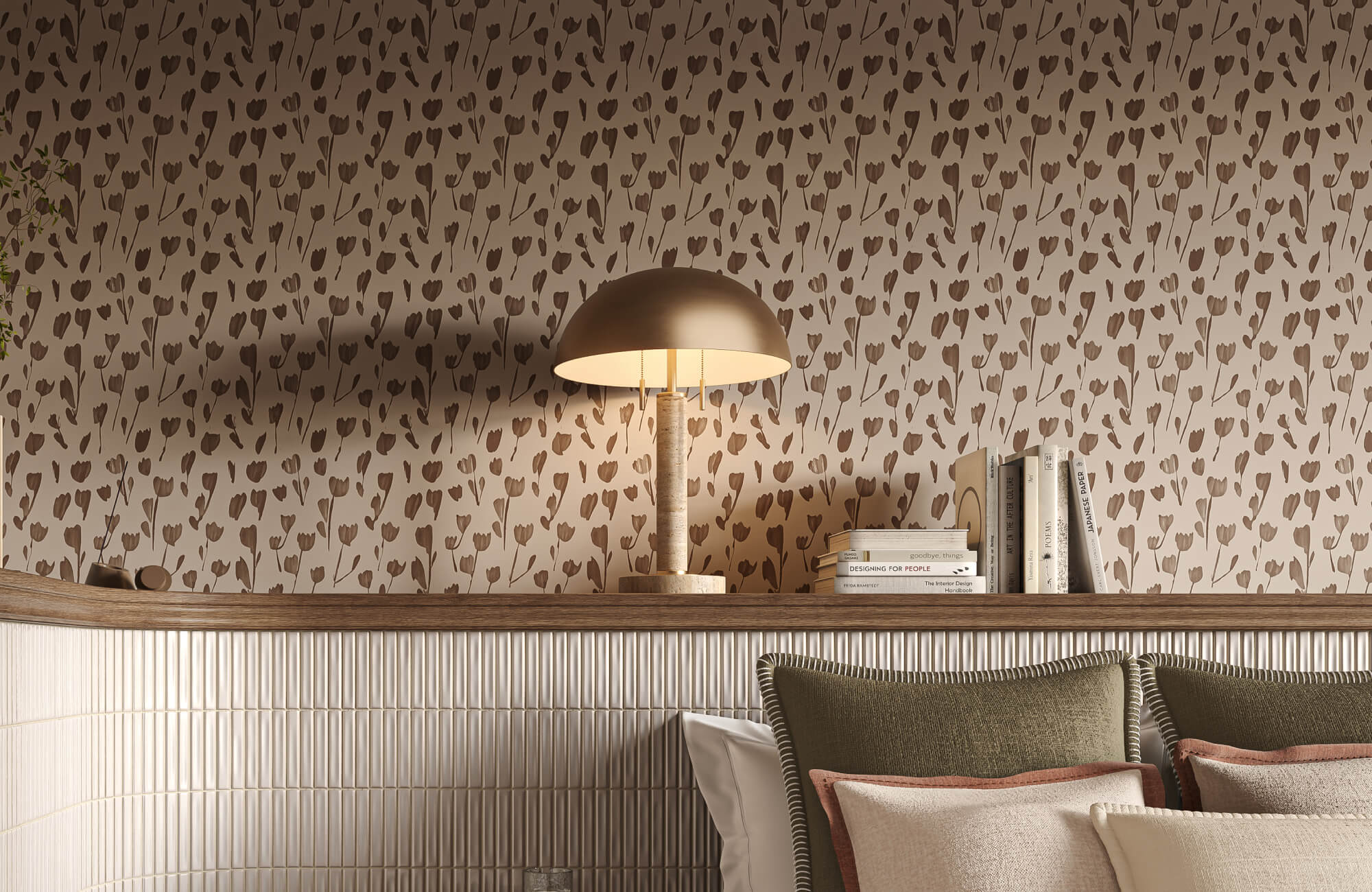
Cotton velvet has long been associated with luxury, but in the context of Modern Heritage design, it takes on a more relaxed, approachable quality. Its dense pile and subtle sheen reflect light beautifully, adding dimension and softness to a room, much like the richness seen in Edward Martin’s Merelle 22" x 22" Down Pillow in Olive and Brielle 18'' x 18'' Down Pillow in Natural / Brown in the image above, where muted tones and refined texture create an effortlessly elevated feel.
When used in pillows, heavy cotton velvet creates an immediate sense of comfort. It pairs seamlessly with both modern and traditional elements, making it a versatile choice for achieving the heritage look. Opting for muted or slightly faded tones enhances its timeless appeal, ensuring that it integrates effortlessly into the overall design.
Introducing Woven Tapestry And Nubby Wool
Beyond velvet, woven tapestry and nubby wool fabrics bring a sense of authenticity and craftsmanship. Tapestry fabrics often feature intricate patterns and a slightly coarse texture, reminiscent of traditional weaving techniques. Nubby wool, with its irregular surface, adds a tactile contrast that feels both organic and refined.
In pillow form, these fabrics introduce layers of interest. A tapestry pillow can serve as a statement piece, while wool adds a subtle texture that invites touch. Together, they create a balanced composition that reflects the depth and richness of heritage design.

Incorporating Classic Patterns Without Visual Clutter
As texture builds richness, pattern introduces nuance and character. The key, however, lies in restraint—allowing traditional motifs to enhance rather than overwhelm. Thoughtfully integrated patterns create a sense of continuity while maintaining a calm, cohesive aesthetic.
The Revival Of Houndstooth And Muted Plaids
Houndstooth and plaid patterns have deep roots in textile history. Their structured geometry adds a sense of order, while their muted variations keep them from feeling overly traditional.
When applied to pillows, these patterns can anchor a seating arrangement. A softly toned plaid pillow, for example, can complement both solid fabrics and more intricate designs, creating a layered yet harmonious look. The key is to choose subdued color combinations that align with the overall palette.
Using Faded Botanicals And Block Prints
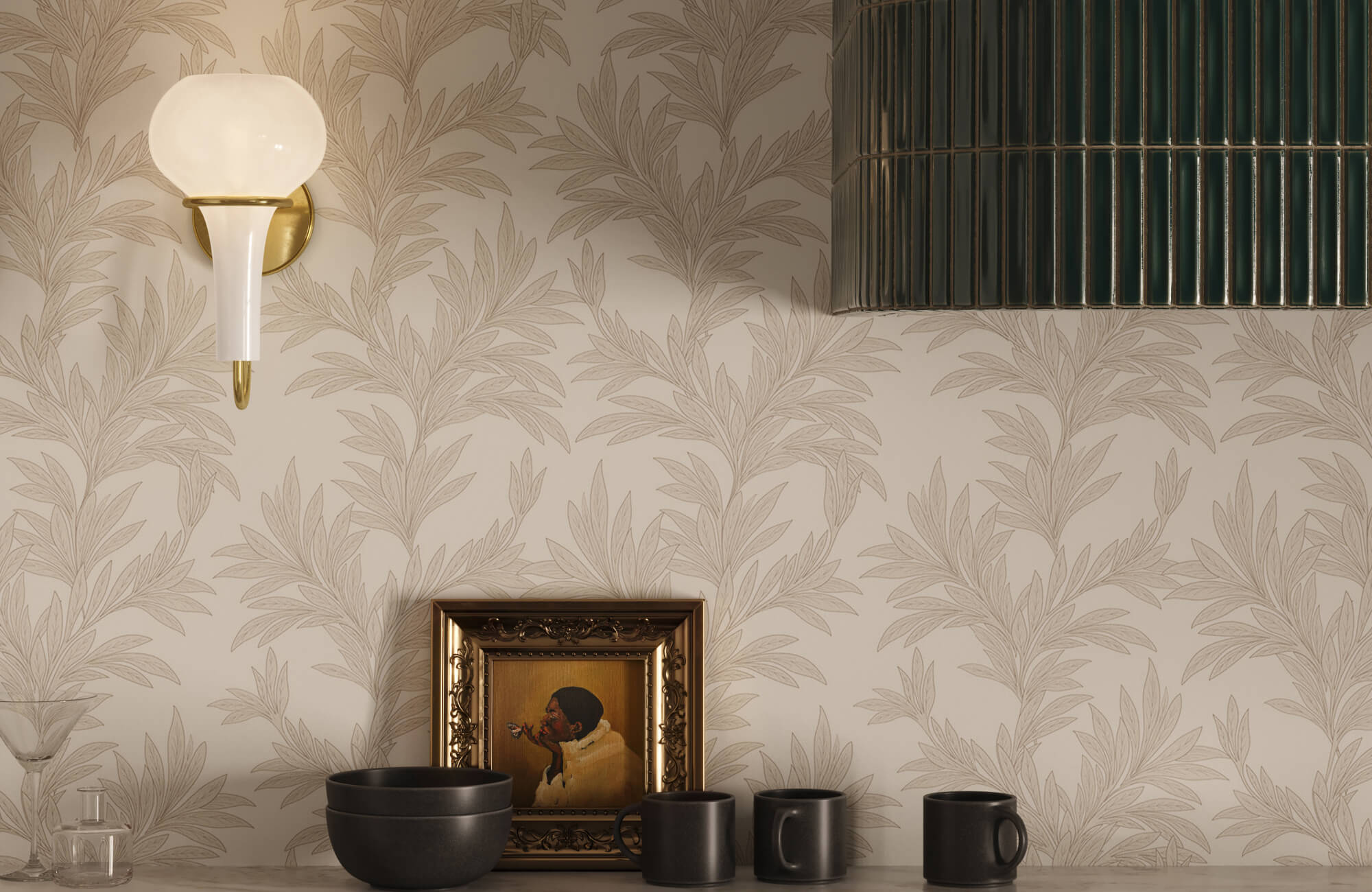
Botanical patterns and block prints introduce a softer, more organic element. When rendered in faded or desaturated tones, they evoke a sense of age and authenticity, aligning perfectly with the Modern Heritage ethos, as reflected by Edward Martin’s Merelle 22" x 22" Down Pillow in Ivory in the image above, which complements the scenic wallpaper with quiet elegance.
Pillows featuring these designs can add visual interest without overwhelming the space. Their understated nature allows them to blend seamlessly with other textures and patterns, contributing to a cohesive and thoughtfully curated environment.

Elevating The Look With Bespoke Tailoring Details
After establishing pattern and texture, the finer details begin to define the overall sophistication of the space. Tailoring elements bring a sense of precision, echoing the craftsmanship found in heritage design. These subtle accents quietly elevate each piece, making the entire composition feel intentional.
The Architectural Impact Of Contrast Piping
Contrast piping adds structure and definition to pillows, creating a crisp, tailored appearance. It highlights the shape of the pillow while introducing a subtle accent that can tie together different elements within the room.
This detail works particularly well in Modern Heritage interiors, where clean lines are balanced with traditional influences. A velvet pillow with contrasting piping, for instance, can bridge the gap between contemporary and classic design, enhancing the overall composition.
Softening Modernity With Tassels And Subtle Fringe
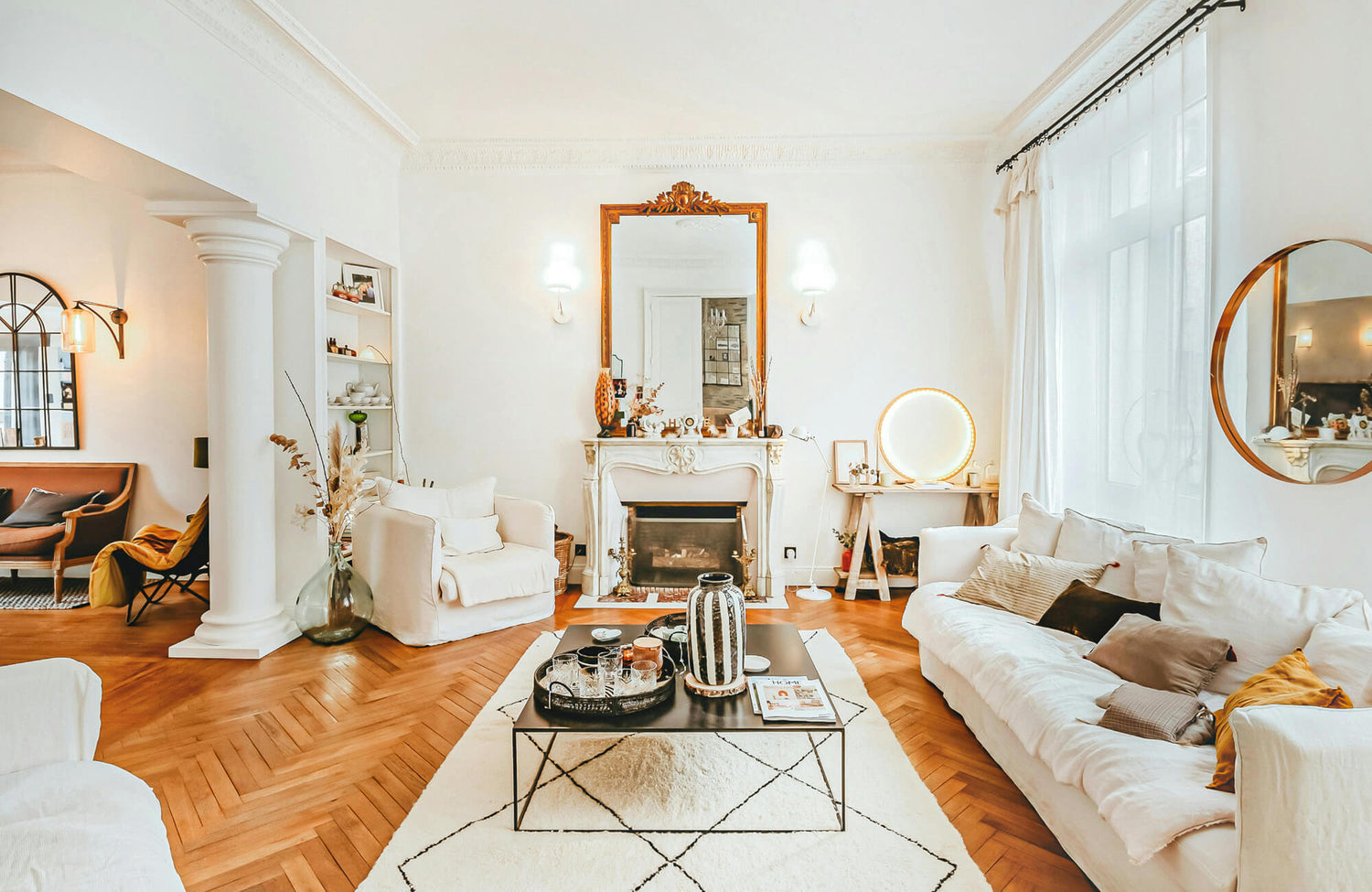
While structure is important, softness is equally essential. Tassels and fringe introduce a gentle, decorative element that softens the more rigid aspects of modern design, a balance clearly illustrated by Edward Martin’s Merelle 13" x 21" Down Pillow in Tan and Marisette 12" x 27" Down Pillow in Black in the image above, where texture and trim add dimension without excess.
Incorporating these details into pillows allows for a nuanced approach to decoration. A lightly fringed edge or a small tassel accent can provide just enough embellishment to evoke a sense of heritage while maintaining a refined aesthetic.

Mixing And Matching Eras On A Modern Sofa
With all elements in place, the final step is bringing them together in a way that feels natural and lived-in. This is where Modern Heritage truly shines—through the artful blending of old and new. A well-styled sofa becomes the perfect canvas to express this layered, timeless approach.
The 80 20 Rule For Old And New Elements
A helpful guideline in mixing eras is the 80/20 rule, where the majority of the space remains modern, and a smaller portion introduces heritage elements. This balance ensures that the room feels current while still benefiting from the richness of traditional design.
When applied to pillows, this might mean starting with a base of modern, solid-colored pieces and layering in a few heritage-inspired designs. The result is a composition that feels intentional and balanced, rather than overly themed.
Asymmetrical Placement For A Lived In Feel
Perfection can sometimes feel sterile, which is why asymmetry is an important aspect of Modern Heritage styling. Slightly uneven arrangements create a sense of ease and authenticity, making the space feel more inviting.
Arranging pillows asymmetrically on a sofa allows for a more relaxed, lived-in look. Mixing sizes, textures, and patterns in an organic way enhances the layered effect, reinforcing the idea that the space has evolved naturally over time. For those looking to refine this balance with a more tailored approach, Edward Martin’s design services offer thoughtful guidance in curating spaces that feel both elevated and personal.
Curating A Timeless And Layered Home
Modern Heritage style offers a compelling alternative to fleeting design trends. By blending the best of the past with the clarity of contemporary aesthetics, it creates interiors that feel both sophisticated and enduring. Pillows, though often overlooked, are essential in achieving this look, offering a refined way to introduce texture, pattern, and heritage influence.
Through thoughtful selection and careful layering, pillows can transform a room into a richly textured, visually balanced environment that reflects both history and modernity. In embracing this approach, homeowners move beyond decoration and into true curation, crafting spaces that not only look beautiful but also stand the test of time. For personalized guidance or to begin your own design journey, you can contact Edward Martin to explore ideas tailored to your space.