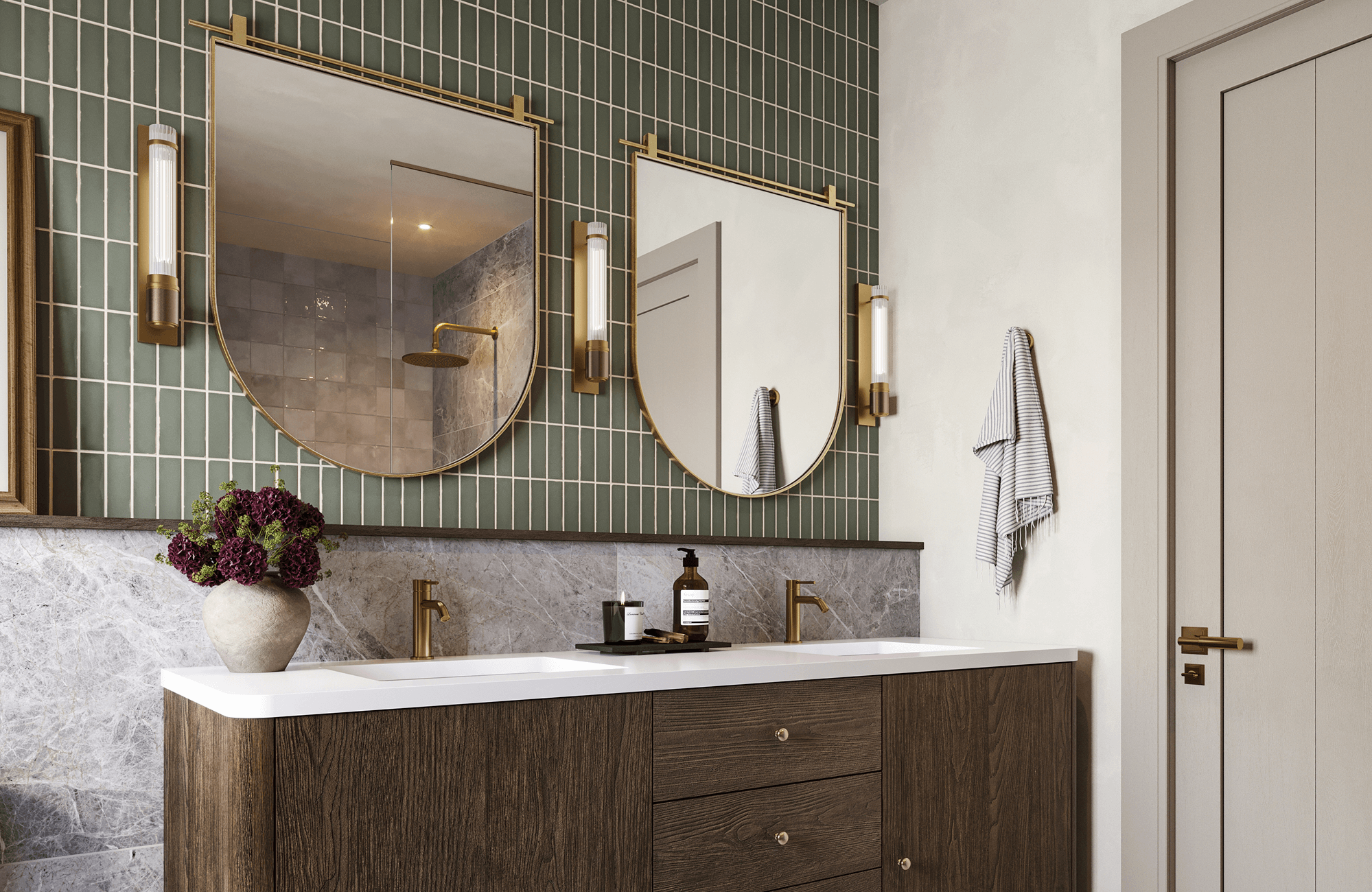
Flush-mounted lighting is a staple in both residential and commercial interiors, offering a clean look and reliable illumination. Because the fixture sits directly against the ceiling, it works especially well in rooms where space is limited or where a subtle, streamlined appearance is preferred. Aside from function, these fixtures can also contribute to the overall design, complementing a wide range of styles from traditional to modern. In this article, we’ll explore what flush-mounted lighting is, the advantages it offers, the different types available, and how it compares to other ceiling fixtures so you can make an informed choice for your space.

The Basics of Flush-Mounted Lighting
Flush-mounted lighting is placed directly against the ceiling, creating a clean and seamless look. It provides steady, reliable light without overwhelming the room, making it both practical and versatile. To understand why it’s a go-to choice in so many spaces, let’s look at what sets these fixtures apart, how they work, and where they’re most effective.
What Defines a Flush-Mounted Fixture
Flush-mounted fixtures differ from semi-flush mounts and pendant lights because they have no visible gap between the fixture and the ceiling. The housing is fitted tightly to the surface, making it especially useful in rooms with limited space. Unlike pendants that hang down or semi-flush lights that drop a few, flush mounts blend more seamlessly with the architecture.
How It Works
Most flush-mounted lights consist of a housing, light source, and diffuser. The housing contains the wiring and secures the fixture to the ceiling. The bulb or LED panel is fitted inside, and the diffuser softens the light, spreading it evenly throughout the room. Because the fixture is mounted flush, the light tends to distribute broadly rather than casting sharp downward beams. This makes it easier to achieve even coverage in spaces that need consistent illumination.
When It’s Most Suitable
Flush-mounted lights are usually recommended for rooms with ceilings under eight feet, since fixtures that hang down can reduce headroom and feel intrusive in these spaces. They are commonly installed in bedrooms, hallways, closets, and smaller kitchens, where their compact design allows for full illumination without cluttering the ceiling line. They are also used in multi-purpose rooms, where a fixture that provides reliable light without dominating the space helps maintain both comfort and practicality.

Benefits of Flush-Mounted Lighting
Choosing the right lighting makes a noticeable difference in how a room feels and functions. Flush-mounted fixtures remain popular because they offer more than simple convenience, delivering both practical advantages and design benefits that suit a wide range of spaces.
Space Saving in Low Ceilings
In rooms with lower ceilings, tall furniture, or narrow walkways, hanging fixtures can make the space feel cramped and uncomfortable to navigate. Flush-mounted lights can solve this problem by sitting close to the ceiling, maintaining clear sightlines, and eliminating the risk of bumping into dangling fixtures. By preserving headroom, they can help smaller rooms feel more open and balanced. This also makes them especially useful in apartments, basements, and older homes where ceiling height is often limited.
Uniform Light Distribution
Flush-mounted fixtures are designed to spread light evenly across a room, which helps minimize shadows in areas where visibility matters. For instance, in a hallway, they can brighten corners that might otherwise remain dim, making the space feel more inviting. In contrast, a bedroom benefits from its ability to create a calm, uniform glow that feels comfortable at any time of day. Likewise, in kitchens, they complement task lighting by filling in broader areas so work surfaces are evenly illuminated. As a result, this balanced distribution of light further enhances both safety and comfort, allowing everyday routines to flow more smoothly.
Versatility Across Styles
While once considered purely practical, flush-mounted fixtures now come in a wide range of designs that suit nearly every décor. You’ll find a sleek, understated versions that complement minimalist spaces as well as ornate models that add character to more traditional interiors. Their adaptability allows them to blend seamlessly with existing elements or stand out as subtle design features on their own.
This flexibility is illustrated by Edward Martin’s Mulligan 17" Flush Mount in Aged Brass, as featured in the photo above. Its warm brass finish and clean, geometric form pair effortlessly with both the modern pendants and the classic details of the bathroom. By working in harmony with other fixtures, it illustrates how a flush mount can provide reliable lighting while still contributing to the overall design narrative of a space.

Types of Flush-Mounted Lighting
Flush-mounted fixtures come in a variety of forms, each designed to meet different needs and preferences. Whether your focus is on budget, design, or modern features, there’s a style that can align with your space. Exploring these options makes it easier to find a fixture that provides the right balance of function and atmosphere.
Standard Dome Fixtures
Standard dome fixtures are the most familiar type of flush-mounted light, easily recognized by their simple, rounded design. They’re affordable, easy to install, and commonly found in bedrooms, hallways, and utility areas where straightforward illumination is all that’s required. Because they provide consistent general lighting without drawing attention, they remain a dependable option in both new builds and older homes. Many people choose them as a practical solution when they need reliable light at a reasonable cost.
LED Panel Lights
For a more modern option, LED panel lights are slim fixtures that deliver bright, efficient illumination. They consume less energy than traditional bulbs, produce minimal heat, and can last for many years before needing replacement. Their sleek, flat appearance also complements contemporary interiors, making them popular in kitchens, offices, and other work-focused spaces. Many LED panels also come with dimming features, allowing you to adjust brightness to suit the time of day or the task at hand.
Decorative Flush Mounts
Decorative flush mounts are meant for spaces where lighting plays a role in enhancing the room’s overall design. They often feature patterned glass, layered shapes, or metal accents that turn the fixture into a subtle statement piece. Because they remain close to the ceiling, they offer character without overwhelming the space, making them well-suited for living rooms, entryways, or dining areas.
A perfect example is Edward Martin’s Cressida Semi-Flush in Vintage Gold Leaf, as pictured above. With its sculptural form and rich metallic finish, it shows how a ceiling fixture can add visual interest while still serving as a practical light source. This kind of design brings an elevated touch to a room, blending functionality with artistry in a way that enhances both ambiance and everyday use.
Smart Flush Mounts
Smart technology has become a key feature in many modern homes, and flush-mounted fixtures are no exception. These models can dim, change color temperature, or even shift hues through an app or voice control, giving you more flexibility in how a room feels at different times of the day. Aside from mood lighting, many smart flush mounts also integrate with home automation systems, allowing you to schedule lighting routines or sync them with other devices. This further makes them especially appealing in living rooms, bedrooms, or multipurpose spaces where convenience and adaptability are a priority.

Design and Material Choices
Lighting does more than provide visibility; it also shapes the character of a room. Flush-mounted fixtures are available in a wide range of materials and designs, each influencing not only the look of a space but also the way light interacts with it. By considering these details, you can select a fixture that combines style with function.
Glass and Acrylic Diffusers
The diffuser has a major impact on how light fills a room. Glass diffusers can create a soft, warm glow that adds a touch of elegance, making them ideal for bedrooms and living areas where atmosphere is important. Acrylic diffusers, in contrast, are lightweight and durable, which makes them well-suited to busy areas like kitchens or hallways. Many newer acrylic options are designed to resist yellowing, helping the fixture stay clear and bright for years.
Metal Finishes
The finish of a fixture can dramatically influence the tone of a room. For example, brushed nickel lends a clean, modern look, while brass introduces warmth and a hint of classic style. In contrast, chrome works well in contemporary or industrial spaces, whereas matte black adds striking contrast that suits minimalist designs. To complete the look, coordinating the finish with cabinet handles, faucets, or door hardware helps tie the entire room together and further creates a polished, cohesive effect.
Shapes and Profiles
Flush mounts aren’t limited to dome-shaped designs. They can be flat panels, squares, or slim discs, each creating a different impression. A flat panel is often chosen for offices or kitchens, where streamlined, unobtrusive lighting is a priority. Rounded shapes, in contrast, tend to soften the appearance of a bedroom or living room. Even subtle changes in profile can influence how open, structured, or cozy a space feels.
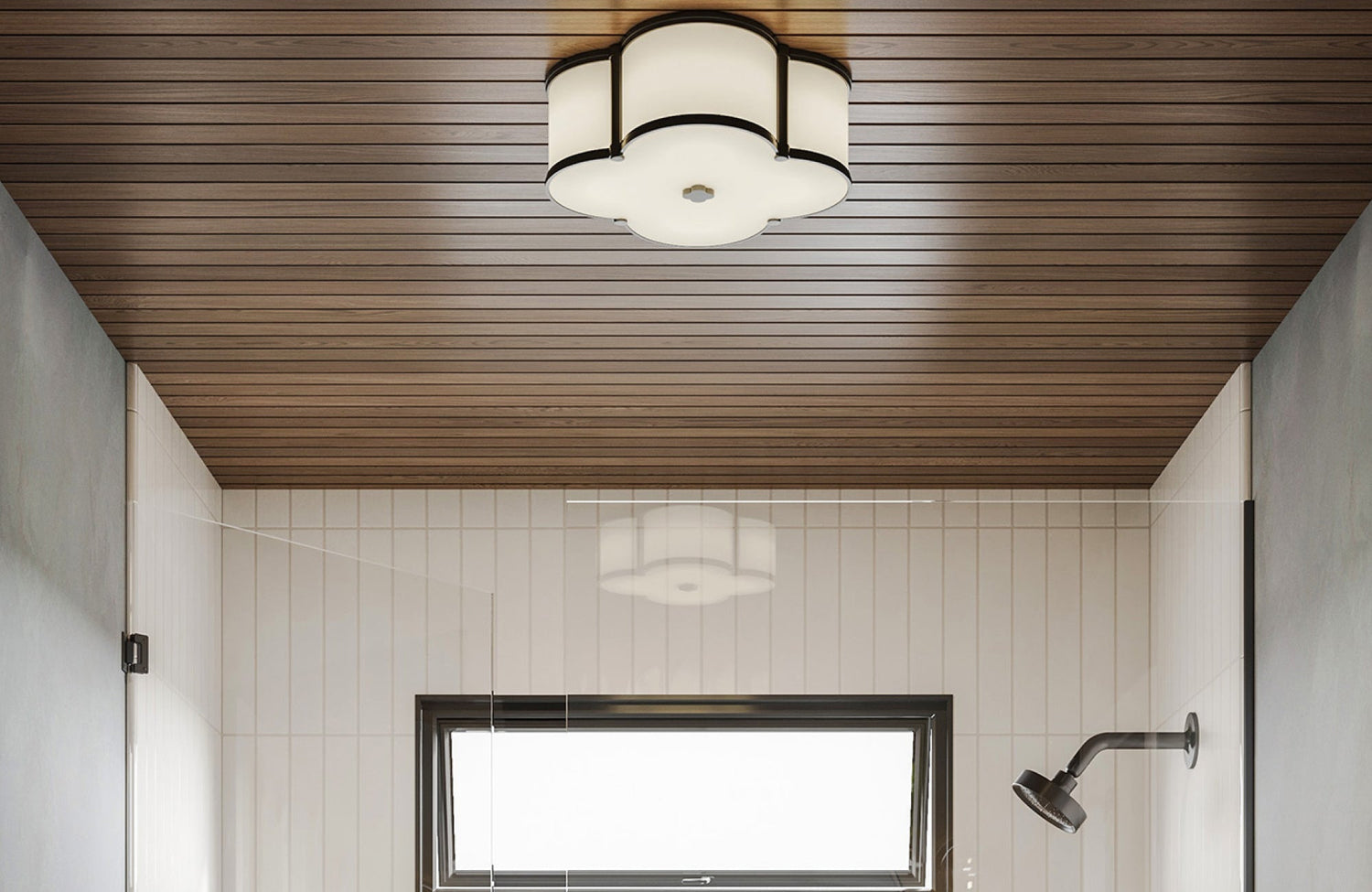
Edward Martin’s Mulligan 17" Flush Mount in Old Bronze, as pictured above, demonstrates how a distinct silhouette can elevate a room’s design. Its petal-like form brings softness and visual interest to the ceiling while remaining compact enough to suit everyday spaces. By blending a decorative profile with practical function, it highlights how shape alone can transform the feel of a room without overwhelming it.
Coordinating with Other Fixtures
Although flush mounts often serve as a room’s primary light source, they are most effective when combined with other fixtures. Pairing them with sconces, pendant lights, or recessed lighting creates layers of illumination that make a space more functional and inviting. For example, a central flush mount in a bedroom can be balanced with bedside lamps to provide both general and task lighting. This layered approach further ensures the room feels complete while accommodating different activities

Installation and Practical Considerations
Selecting the right design is only the first step. It’s just as important to consider how the fixture will be installed, where it should be placed, and how it will be maintained over time. While flush-mounted lighting is generally straightforward, there are still practical details worth considering to ensure the best results.
Placement by Room
Where you place a flush mount depends on the room’s purpose, and each setting benefits differently. For example, in a kitchen, they work best as general overhead lighting, while task lights are used to illuminate work surfaces. Similarly, in bedrooms, a centrally positioned flush mount provides overall light, which can then be balanced with bedside lamps for reading or relaxation. In addition, hallways often benefit from multiple fixtures spaced evenly along the ceiling, ensuring consistent brightness from one end to the other.
Bathrooms also benefit from this type of lighting, where a flush mount provides ample illumination without intruding on limited ceiling height. Edward Martin’s Mulligan 17" Flush Mount in Polished Nickel, as featured in the photo above, highlights how a fixture can bring both function and elegance to a smaller space. By combining a compact profile with a polished finish, it keeps the room bright while adding a refined detail that enhances the overall design.
Electrical Requirements
Before installation, it’s essential to confirm compatibility with your existing wiring and junction boxes. Most flush mounts are designed to fit standard electrical connections, making them straightforward to install. However, larger or heavier fixtures may require additional support or reinforced mounting brackets to ensure safety. Checking these requirements in advance not only prevents complications but also ensures that the fixture operates reliably over time. If you’re uncertain, consulting a licensed electrician is the safest way to guarantee proper installation.
Maintenance and Cleaning
Because flush mounts sit close to the ceiling, dust and debris can accumulate on the surface or diffuser over time. Regular cleaning with a soft cloth or gentle cleaning solution keeps the fixture clear and maintains optimal light output. For glass diffusers, occasional polishing can help preserve their clarity, though acrylic diffusers benefit from non-abrasive cleaners to prevent scratches. LED-based flush mounts often require low maintenance because the integrated light source can last for years, reducing the need for frequent bulb changes. However, it’s always best to follow the manufacturer’s care instructions to avoid damage and ensure lasting performance.
Energy Efficiency and Bulb Options
Energy efficiency is one of the strongest advantages of modern flush-mounted lighting. Many people now prefer LED-based models, which consume far less power than traditional incandescent or CFL bulbs while producing bright, even illumination. LEDs also generate less heat, which contributes to both safety and comfort in smaller spaces. Integrated LED fixtures often last well over a decade, reducing the inconvenience of frequent replacements. Over time, this efficiency not only lowers utility bills but also supports more sustainable energy use.

Comparing Flush-Mounted with Other Ceiling Lights
When deciding if flush-mounted lighting is the right choice, it’s useful to compare it with other common ceiling fixtures. Each type has its own advantages, and understanding these differences makes it easier to choose the option that best fits your space and needs
Flush vs Semi-Flush Mounts
Semi-flush mounts hang a few inches below the ceiling, creating a slightly more decorative appearance and often casting both direct and ambient light. Because they drop down, they work best in rooms with ceilings high enough to accommodate the added depth without feeling crowded. Flush mounts, in contrast, sit tight against the ceiling, making them the better option in spaces with limited clearance.
Edward Martin’s Clementine Semi-Flush in Gold Leaf, as pictured above, illustrates how a semi-flush design can bring both style and function to a room. Its soft, sculptural form adds character without overwhelming the space, making it a strong fit for bathrooms, dining rooms, or living areas with ample ceiling height. This balance of decorative presence and practical illumination shows why semi-flush fixtures remain a popular alternative when flush mounts feel too understated.
Flush vs Pendant Lighting
Pendant lights are often chosen for their ability to act as design features while also providing focused illumination over dining tables, kitchen islands, or entryways. However, their vertical drop means they require more headroom and may not fit compact rooms. Flush mounts, by staying close to the ceiling, can preserve open space and keep the layout uncluttered. While pendants draw the eye as a focal point, flush mounts are ideal when the priority is balanced, even lighting that blends seamlessly with the room. The choice often depends on whether you want the fixture to stand out or stay in the background.
Flush vs Recessed Lighting
Recessed lighting sits directly inside the ceiling, creating a clean, streamlined look with no visible fixture. It can be positioned to highlight specific areas or spread evenly across a space, but installation is more complex and often requires professional work. Flush mounts, on the other hand, attach directly to the ceiling surface and are easier to install or replace when needed. While recessed lights are valued for their subtlety and flexibility, flush mounts also offer a simpler, more accessible option that still delivers reliable general lighting. Ultimately, the choice comes down to whether you prefer a visible fixture that adds presence to a room or a hidden source of illumination.
The Role of Flush-Mounted Lighting in Today’s Spaces
Flush-mounted lighting is a ceiling-mounted solution that provides consistent illumination while saving space, making it especially practical in rooms with lower ceilings or where a clean, streamlined look is preferred. With options ranging from simple domes to decorative and smart-enabled designs, these fixtures strike a perfect balance between function and style, adapting to a wide variety of interiors in both homes and workplaces.
If you’re planning to update your lighting or redesign a space, our design team can help you choose fixtures that fit your needs and complement your style. Contact us today to explore tailored solutions and create lighting that works beautifully in your home!