Sconce lighting is a design element that can completely transform the way a space feels and performs. Mounted on walls, sconces offer a refined balance of form and function, delivering targeted illumination while adding depth, texture, and personality to your rooms. Unlike floor or ceiling fixtures that command attention from above or below, sconces integrate effortlessly into your eye line, subtly guiding both light and mood.
From their origins as ancient torch-holders to today’s sleek, smart-enabled versions, sconces have evolved into some of the most adaptable lighting solutions available. As you explore this article, you’ll discover how these fixtures have been shaped by history, adapted to different styles, and optimized for modern living. Whether you're looking to illuminate a hallway, highlight artwork, or add character to an outdoor entryway, the right sconce can do it all beautifully and efficiently.

Historical Evolution of Sconce Lights
Wall-mounted lights have undergone a remarkable journey from crude flame holders to refined, multifunctional lighting fixtures. This transformation not only mirrors advancements in illumination technology but also reflects shifting tastes and cultural priorities throughout the ages.
Origins in Ancient and Medieval Lighting
The earliest iterations of sconce lights emerged in ancient times, when practical necessity dictated their form and function. You would have found torches mounted onto stone walls using iron brackets or hooks in places like Roman villas or medieval fortresses. These torch sconces were designed to hold open flames or oil-burning lamps, providing vital visibility in the absence of natural light. Though their construction was rudimentary, they played a crucial role in enabling nighttime activity and security within large, dark interiors.
In medieval settings, these wall-mounted lights became integral to the architecture of castles, churches, and municipal halls. They are seen shaped from wrought iron or heavy bronze, designed to endure heat and constant use. The design also rarely strayed from practicality. After all, the primary goal was to keep spaces lit and navigable. Still, their imposing presence against stone walls laid the groundwork for the decorative potential that would follow in later centuries.
Renaissance and Baroque Refinements
As the Renaissance swept across Europe, lighting began to take on a new cultural significance. No longer merely functional, sconces started to echo the elegance and grandeur that defined the age. You would encounter polished brass or silver fixtures, delicately worked into ornate shapes and sometimes paired with mirrored backplates to amplify candlelight. These enhancements allowed the light to travel farther and more evenly across interior walls.
During the Baroque period, sconces evolved into lavish statement pieces. Instead of rough, utilitarian forms, you would now find gilded sconces shaped like scrolls, cherubs, or floral patterns. Their sculptural beauty matched the extravagance of the palaces and cathedrals they adorned. In this era, lighting was no longer hidden in the background; it was something to admire, a feature that elevated the entire room’s atmosphere.
Gas and Electric Revolutions
The 19th century brought a dramatic shift in how sconces were powered and perceived. With the rise of gas lighting, you no longer had to rely on the smoke and unpredictability of candles or oil. Wall-mounted gas sconces were safer, easier to control, and more reliable, especially in public buildings and affluent homes. Designs also remained elaborate, but the convenience and practicality of gas opened the door to broader use across interior spaces.
Then came electricity in the late 1800s and early 20th century, which fundamentally changed the trajectory of lighting design. Electric sconces eliminated the need for open flames, allowing for sleeker silhouettes and innovative materials. You could now incorporate Art Nouveau curves or the bold geometry of Art Deco without the constraints of earlier lighting methods. These new forms became hallmarks of modernity and personal expression, proving that lighting could be both technologically advanced and deeply artistic.

Functional Roles in Interior Design
Sconce lights do far more than decorate a wall—they actively shape how light behaves in your space. Whether you're enhancing mood, streamlining function, or defining zones, sconces offer targeted, unobtrusive solutions that elevate both utility and style.
Task Lighting with Minimal Clutter
When you need clear, purposeful lighting without cluttering your surfaces, sconces step in as an elegant alternative. In a reading corner, you can mount them right above or beside your chair to keep pages well-lit without relying on a floor or table lamp. Over a bathroom vanity, they eliminate harsh shadows from above, providing a more flattering and functional light for grooming. The real charm lies in their space-saving quality. You don't have to sacrifice tabletop real estate for effective task lighting.
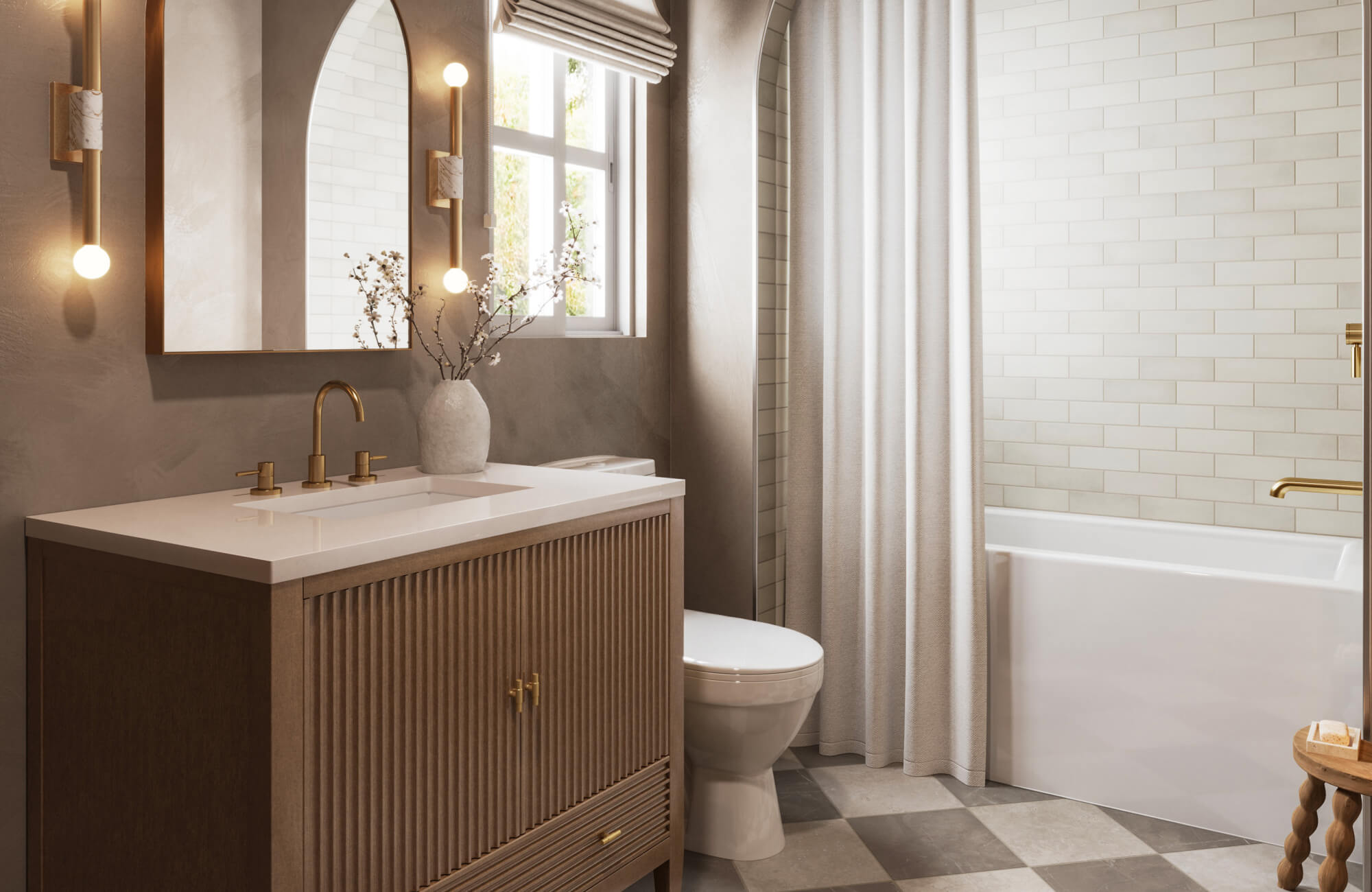
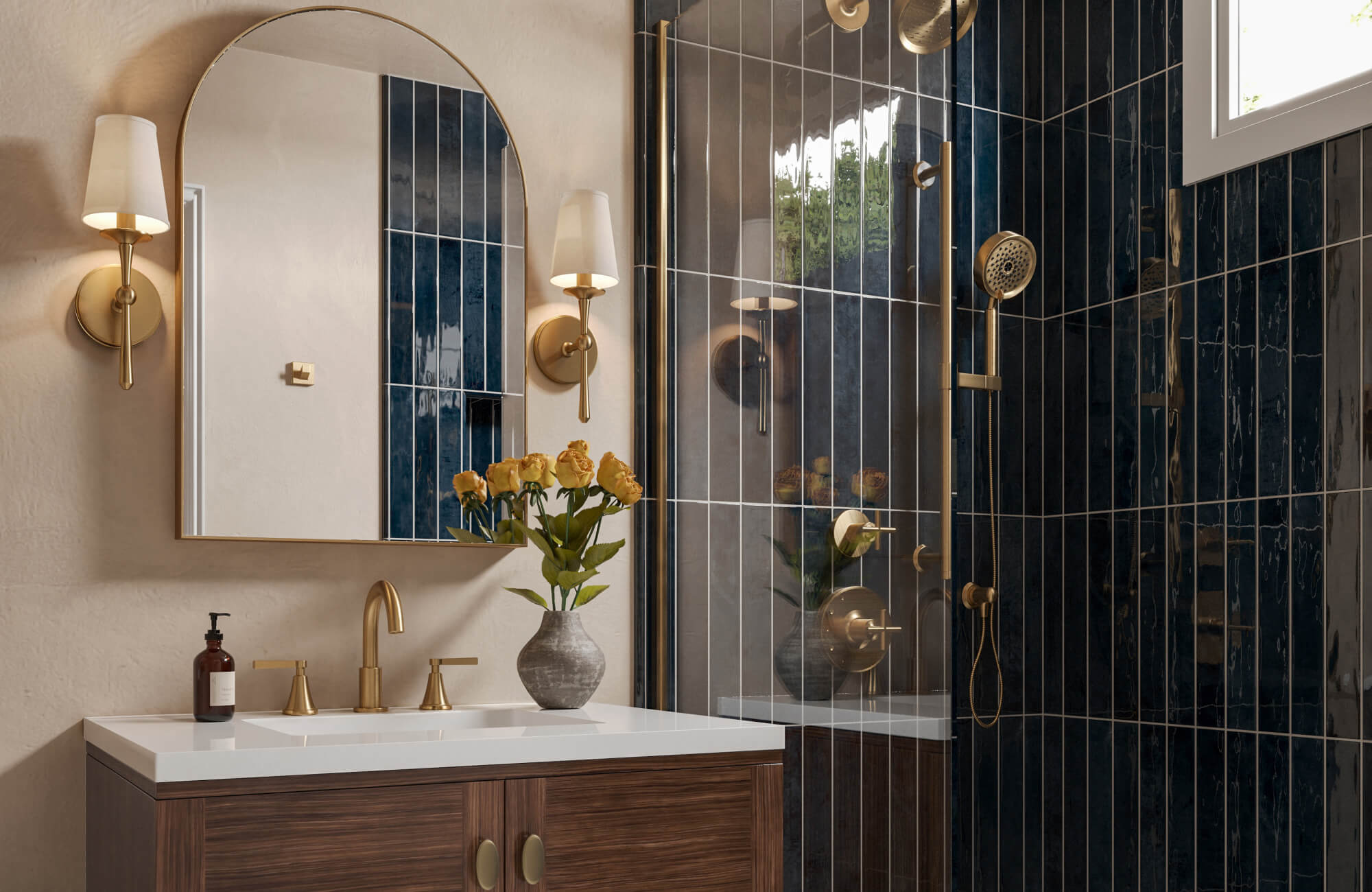
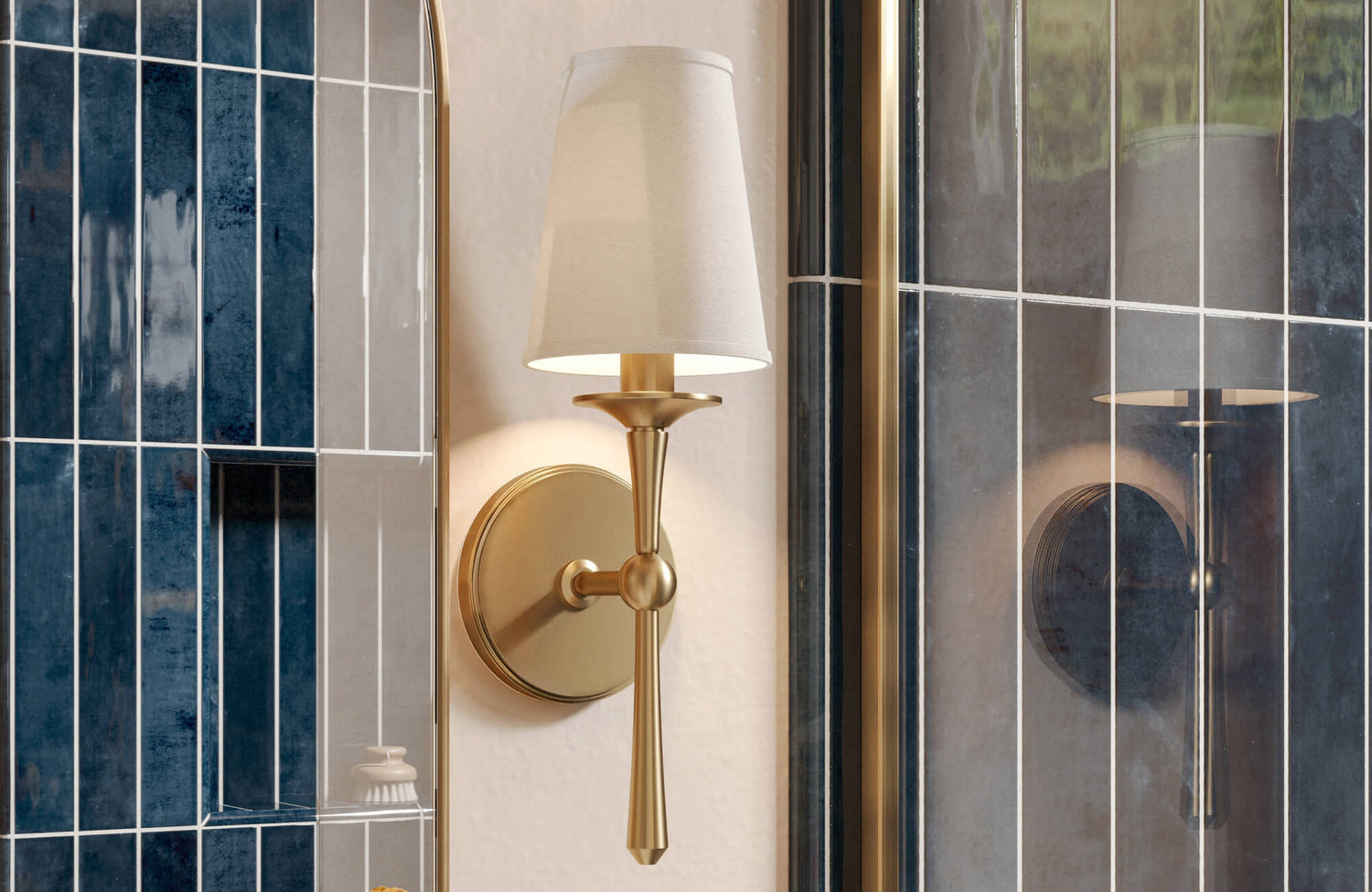
This thoughtful approach is beautifully illustrated in the bathroom picture shown above, where sconces are mounted at eye level beside each mirror. The fixture used, Prudence 1-Light Wall Sconce in Aged Brass, features a warm, golden tone that not only complements the soft neutral palette of the space but also casts a gentle, focused glow ideal for daily routines. By choosing a refined yet practical fixture like this, you achieve both visual clarity and a polished, clutter-free look.
By elevating the light source to eye level or slightly above, sconces ensure visibility where you need it most. They're especially helpful in compact areas like kitchens, where wall-mounted fixtures can hover above countertops or sinks to brighten prep zones without interfering with appliances or cabinets. Because they’re fixed to the wall, you avoid the hassle of tangled cords or shifting lamp bases, making your workflow more efficient and your space tidier.
Ambient Lighting Enhancement
Although ceiling fixtures often dominate a room with strong overhead light, sconces allow for more nuanced control over ambiance. When you install sconces with frosted glass, fabric shades, or reflective metals, the light they emit is diffused softly across the wall, reducing eye strain and creating a more relaxed environment. The effect is especially noticeable in bedrooms or living rooms where you want to wind down in the evening.
Unlike direct overhead lights, which can cast hard shadows and feel clinical, wall sconces offer a glow that wraps the room in warmth. You might find that dimmable sconces near your sofa or above your bed make for a calming atmosphere, perfect for movie nights or evening reading. Their ability to blend into the background while subtly influencing the mood of a space also makes them an invaluable tool in ambient lighting design.
Directional and Zoned Illumination
Open-concept spaces can sometimes feel overwhelming or undefined, but sconces help you organize them into meaningful areas without building walls or adding partitions. When you install them at intervals down a hallway, they naturally guide movement by drawing the eye forward. This creates a subtle flow, directing people through your space with gentle pools of light.
In multi-functional rooms like a large living-dining combo or studio apartments, sconces allow you to carve out distinct zones. For instance, a pair of sconces over a dining table gives the sense of a designated meal area, while others above a desk or reading nook define those tasks separately. Their placement also adds both rhythm and structure, making your layout feel intentional and visually balanced, even in the absence of physical dividers.

Styles and Materials Across Décor Trends
One of the greatest strengths of sconce lighting is its chameleon-like ability to suit nearly any interior style. With diverse materials, silhouettes, and finishes, sconces allow you to seamlessly integrate functional lighting into your design vision while adding texture and visual interest.
Traditional, Modern, and Transitional Designs
No matter your aesthetic preferences, there’s a sconce style that aligns with your overall theme. If you're drawn to the elegance of traditional interiors, you’ll find sconces that echo Victorian or Colonial-era sensibilities, complete with ornate curves, candle-like forms, and detailed metalwork. These lend a touch of drama and formality to entryways, dining rooms, or hallways, where timeless beauty pairs with warm, ambient lighting.
If your taste leans modern, sleek sconces with clean lines and geometric shapes help create a minimalist, clutter-free atmosphere. Scandinavian simplicity or mid-century flair often guides these aesthetics, where form follows function and the fixture itself becomes a subtle art piece. Transitional designs, meanwhile, give you the best of both worlds. You can merge classic silhouettes with updated materials or finishes, allowing the sconce to act as a bridge between eras and styles, ideal when you want your space to feel both current and timeless.
Materials that Define Aesthetics
The material of a sconce doesn’t just influence how it looks. It also shapes how it feels and performs. If you go for polished chrome or glass, the result is a modern, reflective surface that gives off a crisp, cool glow, perfect for contemporary settings. On the other hand, brass or aged copper introduces warmth and a touch of vintage charm, pairing well with earthy or classic environments. You might even prefer matte finishes, which feel grounded and subtle, helping the sconce complement rather than dominate a space.
The photo above beautifully showcases how materials influence ambiance. Edward Martin’s Tyson Wall Sconce in Aged Brass adds a refined warmth with its familiar brushed gold tone, harmonizing effortlessly with the soft neutral palette and natural textures throughout the space. Its glass cylinder also diffuses light evenly while the aged brass frame offers a balanced contrast against the smooth marble and wood finishes. In this setting, the choice of material elevates both the function and the atmosphere, proving that the right sconce can act as both a light source and a design anchor.
Beyond metals, other materials like reclaimed wood, rattan, or ceramic add natural texture and softness to a room. These materials not only create visual interest but also affect the way light diffuses. For example, a ceramic sconce might emit a gentle glow through perforated patterns, while a wood-framed fixture provides a rustic or coastal accent. The material you choose sets the emotional tone, refined or raw, industrial or organic, and helps your space tell a more cohesive story.
Color Palettes and Finishes
A sconce’s finish can dramatically alter how it behaves in your space, either standing out as a showpiece or blending in for subtle support. A matte black fixture, for example, offers bold contrast in light, neutral spaces, giving your walls depth and a contemporary edge. Edward Martin’s Frances Wall Sconce in Black Brass captures this effect beautifully. Its matte black finish adds sculptural interest and modern sophistication without overwhelming the room. Whether paired with clean whites or layered neutrals, it introduces just enough contrast to make a statement while maintaining an elegant restraint. In contrast, brushed nickel delivers a soft, versatile sheen that adapts easily to both warm and cool palettes, making it an ideal pick when you're going for understated elegance.
Finishes like aged bronze or antique brass also add history and character, often serving as rich counterpoints to modern furniture or light walls. If your goal is to unify the room’s overall look, repeating a finish found in other fixtures or hardware can tie everything together. Alternatively, if you want the sconce to serve as an accent, choosing a unique or high-contrast finish helps it function like jewelry for your walls—subtle, but impactful. These surface choices are more than just aesthetic decisions; they influence how light bounces off the fixture and the surrounding environment, subtly shaping the mood of your room.
If you’re unsure which finish or style would best complement your décor, our team is here to help. You can contact us directly for personalized guidance, product recommendations, or answers to any questions about our lighting collections.

Installation and Placement Strategies
Achieving the right look and functionality with sconce lighting depends heavily on where and how you install them. Strategic placement enhances not only the quality of illumination but also the overall harmony of the space, turning practical fixtures into thoughtful design elements.
Optimal Mounting Height and Spacing
Getting the height right can make all the difference in how your sconces perform. Ideally, you should mount them between 60 and 66 inches from the floor. This range places the fixture close to eye level, which minimizes direct glare and ensures that the light falls evenly across the room or targeted area. This placement is especially important when the sconce is being used for task or ambient lighting, as it enhances both comfort and usability.
When installing more than one sconce, like along a hallway or flanking a mirror, it’s important to consider horizontal spacing. Aligning them at the same height and regular intervals gives your space a sense of symmetry and rhythm. If you’re lighting a long wall, keep sconces about six to eight feet apart to maintain consistent light distribution. The result is a clean, organized layout that feels intentional and visually pleasing.
Room-Specific Placement Ideas
Every room offers unique opportunities for sconce placement, depending on its purpose and layout. In the bedroom, you can mount sconces just above or beside the headboard to replace traditional bedside lamps. This frees up your nightstand for books, drinks, or devices while keeping lighting accessible for reading or winding down. The light is also softer and more directional, reducing the starkness that often comes from overhead fixtures.
In hallways, evenly spaced sconces create a guiding line of light that’s both functional and decorative. They help you navigate safely while highlighting artwork or architectural details along the walls. In the bathroom, sconces installed on either side of the mirror provide the most flattering light for grooming. Unlike overhead lights, which cast unflattering shadows on your face, side-mounted sconces offer balanced, direct illumination that's ideal for shaving, applying makeup, or skincare routines.
Wiring and Power Considerations
Before installation, you’ll need to decide between hardwired and plug-in sconces, as each option has its own set of benefits. Hardwired sconces connect directly to your electrical system, offering a sleek, built-in appearance that works especially well in permanent layouts or new construction. They also eliminate visible cords, which keeps the visual clutter to a minimum and enhances the polished look of your walls.
On the other hand, plug-in sconces are ideal when you want more flexibility or aren’t ready to commit to rewiring. They’re perfect for renters or for adding light in a space where hardwiring isn’t feasible. You just need to ensure there’s a nearby outlet and consider cord management solutions, such as cord covers or routing behind furniture, to keep things tidy. Whichever option you choose, proper planning ensures a safe, efficient, and aesthetically satisfying result.

Energy Efficiency and Smart Lighting Integration
Sconces today do more than illuminate your space; they actively contribute to energy conservation and smart living. By integrating cutting-edge lighting technologies and eco-friendly systems, modern sconces offer you more control, longer life spans, and reduced energy costs, all while enhancing convenience and safety.
Benefits of LED Sconce Lighting
When you choose LED sconces, you’re making a conscious decision to lower your environmental impact without sacrificing performance. LEDs use a fraction of the energy that incandescent or halogen bulbs require, significantly reducing your electricity bills over time. You’ll also benefit from their impressive lifespan—some models last over 25,000 hours, which means fewer replacements and less waste in the long run.
A great example of both efficiency and standout design is the Ezekiel Wall Sconce in Vintage Brass, as featured in the picture above. With its tiered glass design and sleek form, the sconce adds visual height and elegant illumination, while the warm, brushed gold finish infuses the room with depth and richness. These lights also produce minimal heat, making your space safer and more comfortable, especially in tight or enclosed areas. With less heat emission, there’s less risk of burns or fire hazards, particularly when sconces are installed close to furniture, drapery, or wall art. Beyond practicality, LEDs come in a variety of color temperatures and brightness levels, allowing you to fine-tune the mood of each room with efficiency in mind. Whether you want a soft glow for a cozy evening or crisp light for a task area, LED sconces deliver adaptable solutions that align with both your energy goals and lighting needs.
Smart Features and Space Automation
Modern sconces can now do more than simply turn on and off; they can respond to your habits, preferences, and voice commands. Many of today’s models support smart bulbs or come with built-in automation features. With just a smartphone app or a smart home assistant like Alexa or Google Home, you can dim lights, schedule on/off times, or change light colors to suit your activities or moods.
Voice-activated controls also make lighting adjustments effortless, especially when your hands are full or you’re winding down for the night. Similarly, motion sensors can trigger sconces to light up hallways or stairwells when you pass by, boosting both safety and energy conservation. You can even sync your sconces with other devices, such as thermostats or security systems, to create integrated routines such as dimming the lights when the thermostat lowers in the evening. With these smart features, sconces move beyond static fixtures and become interactive tools that respond intuitively to your daily life.

Outdoor vs Indoor Sconce Applications
Where a sconce is installed, outside or indoors, determines not only its design but also the materials and technology required to perform effectively. Although the core function remains to provide light, the context shapes how each sconce contributes to the space and withstands its environment.
Outdoor Sconces for Safety and Style
Exterior sconces have to stand up to the elements. If you’re lighting a porch, walkway, or patio, your sconces must be built to resist moisture, dust, wind, and dramatic temperature changes. Because of that, outdoor sconces are designed with weatherproof seals, rust-resistant finishes, and shatterproof materials. These features ensure your lighting remains dependable and durable, no matter the season.
Beyond functionality, outdoor sconces are also an opportunity to boost your space’s curb appeal. Whether they frame your entryway, accent your garage, or line a garden path, they create an inviting ambiance that can completely transform the look of your exterior at night. Designs range from classic lantern styles that evoke timeless charm to sleek, modern forms that complement contemporary architecture. And because they enhance visibility, well-placed outdoor sconces add a layer of security as well, deterring unwanted visitors and guiding your way safely after dark.
Indoor Sconces Tailored to Mood and Use
Inside your space, sconces take on more varied and nuanced roles. They’re not only light sources but also mood setters, art enhancers, and spatial definers. In living rooms or bedrooms, you might use sconces to create a soft, ambient glow that encourages relaxation. Mounted on a dimmer, they let you adjust the brightness based on your activity, whether you're hosting guests, reading, or unwinding for the evening.
Moreover, sconces are highly effective in drawing attention to specific features. If you have artwork, architectural niches, or textured walls, a strategically placed sconce can highlight these elements and deepen the visual layers of a room. In more functional areas like bathrooms or offices, sconces provide targeted lighting that supports specific tasks without overwhelming the space. The flexibility they offer, both in style and illumination, makes them indispensable across different interior settings, helping you tailor each room to your needs and aesthetic preferences.
Lighting the Way Forward
A sconce light is a timeless yet ever-evolving lighting fixture that seamlessly combines design and purpose. By blending artistic expression with technical functionality, sconces offer you an unmatched opportunity to shape space through light. Whether they’re illuminating a quiet reading nook, flanking a bathroom mirror, or enhancing your space’s exterior, sconces adapt to your vision with style and intention. As trends shift and technology advances, these wall-mounted wonders continue to light the way forward, serving as both a practical necessity and a sophisticated design choice that enriches your everyday life.
If you’re looking to create a space that feels both elevated and effortless, our design services are here to bring that vision to life, starting with lighting that truly matters. We consider sconces and other lighting elements not as afterthoughts, but as foundational tools that shape the character and functionality of a room. If you’re updating a cozy corner, designing a spa-like bath, or reimagining your exterior, we’ll help you select and place fixtures that enhance mood, flow, and style. With our tailored approach, every detail, down to the glow on your walls, works in harmony to reflect your personal aesthetic.