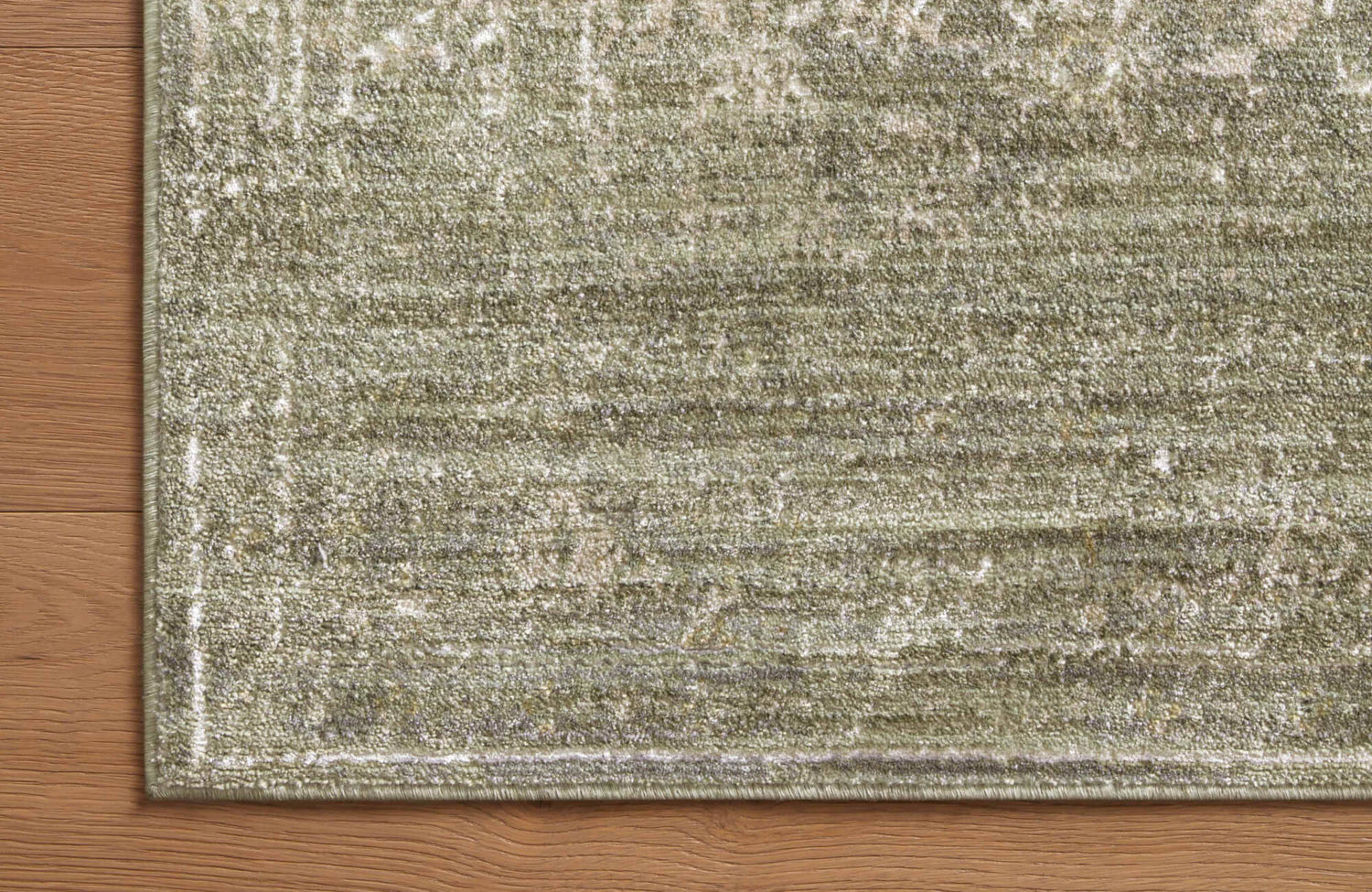
A green area rug has a way of grounding a room almost instantly, but figuring out what colors actually work around it can feel less intuitive. Green can read warm or cool, bold or subtle, depending on its shade, texture, and scale. In this blog, we’ll walk through how green functions as a foundation color, which neutral and earthy palettes pair most naturally with it, and how rug construction and size affect the overall balance of a space.

How Green Functions as a Foundation Color in Interior Design
Green works especially well as a foundation color because it sits comfortably between warm and cool, which makes it easy to live with over time. Rather than dominating a space, it tends to ground it, creating a sense of calm that feels natural instead of styled. Below, we’ll look at how different qualities of green influence surrounding colors and shape the overall mood of a room.
How Warm vs Cool Green Tones Affect Color Pairings
Once green is placed in a space, its undertones start to shape how surrounding colors behave, which is why warm and cool greens can feel so different. Warm greens, often carrying yellow or olive undertones, tend to feel softer and more welcoming, so they naturally pair well with warm neutrals and earthy shades. Cooler greens, by comparison, lean toward blue undertones and feel crisper and more refreshing. Because of that, they often sit more comfortably alongside cooler neutrals or gently muted contrasts. Neither direction is better than the other, but each sets a distinct mood in the room. Paying attention to this difference helps the overall palette feel considered rather than slightly off.
Why Green Feels Naturally Balanced in Living Spaces
Green feels naturally balanced in living spaces largely because it reflects colors we already associate with the outdoors. That familiarity makes the color feel calming without fading into the background or demanding attention. Unlike stronger hues, green doesn’t pull a room too far in one emotional direction. It supports quiet moments just as easily as everyday activity, which is why it works so well in shared spaces. Because it sits comfortably between vibrant and muted, it rarely feels overpowering. This balance makes green an easy foundation to build around, even as other colors and elements change over time.
How Saturation Changes the Mood of a Room
The saturation level of green plays a big role in shaping how a room feels once all the elements come together. Softer, muted greens tend to create a quieter and more relaxed environment that’s easy on the eyes and comfortable to live with. Deeper or more saturated greens, meanwhile, bring a stronger presence into the space, which can feel grounding but also slightly more dramatic. Because saturation affects visual weight, it naturally influences how surrounding colors respond. Lighter tones often appear brighter next to deeper greens, while more muted shades blend in more smoothly. Paying attention to saturation helps keep the overall mood aligned with how the space is meant to be used.
When Green Acts as a Neutral Rather Than an Accent
In many interiors, green ends up functioning more like a neutral than a true accent, especially when it’s softened or used consistently throughout the space. Softer greens don’t demand attention, which allows them to support other colors instead of competing with them. This is why green pairs so easily with whites, beiges, grays, and natural textures without feeling bold. Because it feels stable and familiar, it can anchor a room in much the same way traditional neutrals do. Over time, this makes green feel dependable rather than trend-driven. When used this way, it becomes a quiet foundation that gives the rest of the palette room to breathe.
A good example of green functioning as a neutral is our Mallory Wool Pile Rug in Aloe, shown above within a soft, layered kitchen setting. Its pale green tones read as calm and understated, allowing the rug to support surrounding whites, warm wood accents, and muted stone surfaces rather than competing with them. Instead of behaving like a bold color moment, the green settles into the space much like a classic neutral would. This creates a backdrop that feels steady and familiar, even as other finishes shift around it. Used this way, green becomes a quiet foundation that helps the entire room feel balanced and easy to live with.

Neutral Color Schemes That Pair Effortlessly With Green Rugs
Neutral color schemes work especially well with green rugs because they give the color space to settle in naturally instead of competing for attention. Rather than overpowering the room, neutrals help soften green and create a sense of balance that feels comfortable over time.
White, Cream, and Off-White for a Light, Airy Feel
White, cream, and off-white tones pair naturally with green rugs because they reflect light and help the space feel open and breathable. These lighter neutrals create visual breathing room around green, allowing it to feel fresh instead of heavy. Because they don’t introduce strong undertones, they let the green rug read clearly and honestly within the room. Cream and off-white, in particular, bring in a hint of warmth, which keeps the space from feeling stark or overly crisp. This combination works especially well in everyday living areas where brightness and comfort matter equally. Over time, the pairing feels timeless rather than overly styled or trend-driven.
Beige, Taupe, and Warm Neutrals That Soften Green
Warm neutrals like beige and taupe naturally soften green rugs by echoing their grounded, earthy character. These tones sit comfortably alongside green because they share a similar warmth without blending into the same visual space. Instead of relying on contrast, they create a sense of continuity that helps the room feel settled and cohesive. Taupe, for instance, balances warm and cool notes in a way that works across a wide range of green shades. This creates a layered look that still feels calm and controlled. Warm neutrals also tend to hold up well over time, supporting long-term comfort and an easy, lived-in feel.
A good example of this pairing is our Mallory Wool Pile Rug in Khaki, shown above. Its taupe and off-white pattern layers gently over the green base, reinforcing warmth without overpowering the room. Instead of relying on contrast, the rug blends seamlessly with surrounding neutrals, helping the space feel grounded and cohesive. This kind of palette allows green to settle in naturally, creating a room that feels calm, balanced, and easy to live with over time.
Gray Tones That Work Without Making the Space Feel Cold
Gray can pair beautifully with green rugs, as long as it’s chosen with a bit of intention. Softer grays with warmer undertones help avoid that cold or flat feeling that gray sometimes brings into a room. These tones add structure and clarity, while green continues to carry warmth and softness. Because gray naturally recedes visually, it tends to support the rug instead of competing with it. This balance works especially well in spaces that lean clean or modern but still need to feel comfortable. When gray stays muted and thoughtfully balanced, the room remains calm, welcoming, and easy to settle into.
Mixing Warm and Cool Neutrals Around Green Rugs
Mixing warm and cool neutrals can add depth around a green rug, especially when the balance feels intentional rather than forced. Green naturally bridges these temperature shifts, which helps the mix feel cohesive instead of disjointed. For instance, pairing a warm beige with a soft gray allows the rug to sit comfortably between both tones. This keeps the space from feeling flat, while still maintaining a restrained and livable palette. Because the contrast stays subtle, the room feels layered without becoming visually busy. When handled thoughtfully, mixed neutrals bring richness to the space without disrupting the calm foundation green provides.

Earthy and Nature-Inspired Color Schemes
Earthy, nature-inspired color schemes feel like a natural extension of green rugs because they share the same grounded, organic quality. These palettes bring warmth into a space without feeling heavy, which helps living areas feel relaxed and lived in rather than overly styled. Below, we’ll look at earth tones that pair comfortably with green while supporting texture, softness, and everyday comfort.
Warm Browns and Wood Tones That Ground Green Rugs
Warm browns and wood tones pair beautifully with green rugs because they reinforce a sense of balance that feels rooted in nature. These shades add visual weight in a gentle way, which helps the green feel anchored rather than floating within the space. Because both colors are commonly found outdoors, they feel familiar and easy to live with over time. Wood tones also bring in natural texture, which keeps the room from feeling flat or one-dimensional. Instead of relying on contrast, this pairing builds warmth through subtle layering. As a result, the space feels stable, inviting, and quietly comfortable rather than trend-driven.
A strong example of this pairing is our Hutchinson Polyester Face Rug in Sage / Graphite, shown above. Its olive green base is grounded by earthy beige, dark gray, and soft golden tones, which echo the warmth of surrounding wood cabinetry and neutral finishes. Instead of creating contrast, the rug settles comfortably into the space, reinforcing a sense of balance and familiarity. This kind of palette allows green to feel anchored and lived-in, making the room feel warm, cohesive, and easy to enjoy over time.
Clay, Terracotta, and Soft Rust Accents
Clay, terracotta, and soft rust accents add warmth around green rugs without stealing the spotlight. When used thoughtfully, these tones bring in character while still allowing green to remain the anchor. Their muted, earthy quality works with green rather than against it, creating a palette that feels cohesive and natural. Because these colors often feel sun-warmed, they help soften the overall look of the space. They also introduce gentle variation, which keeps the room from feeling too uniform or flat. When balanced carefully, these accents add depth while maintaining a relaxed, easygoing atmosphere.
Muted Yellows and Natural Tans That Add Warmth
Muted yellows and natural tan shades can gently brighten a space with a green rug without feeling sharp or overly energetic. These tones bring in warmth quietly, which helps the room feel inviting rather than overstimulating. Instead of pulling focus, they work alongside green by lifting the overall palette in a subtle way. Natural tans, in particular, help bridge green with other neutral elements already in the space. This creates a smoother visual transition that feels easy on the eyes. Because the colors remain soft and restrained, the room maintains a calm, comfortable atmosphere that’s easy to live with.
Using Layered Earth Tones Without Darkening the Space
Layering earth tones around a green rug works best when the approach stays light and intentional. Mixing lighter and mid-tone shades helps prevent the space from feeling heavy or closed in. Green naturally anchors the palette, while softer earth tones keep the room feeling open and breathable. This layering adds depth and interest without relying on strong contrast. Because the colors are connected through nature, the overall look feels cohesive rather than pieced together. When handled thoughtfully, the space feels warm, grounded, and genuinely easy to spend time in.

Rug Construction and How It Influences Color Pairing
Rug construction plays a bigger role in color pairing than many people realize, especially when you’re working with green. The way a rug is made affects its texture, depth, and how light interacts with the surface, all of which shape how green shows up in a space. Because of that, the same shade of green can feel noticeably different depending on the construction.
Flatweave Green Rugs and Cleaner Color Pairings
Flatweave green rugs tend to create cleaner, more straightforward color pairings because their surface stays relatively smooth and even. With less texture to absorb or scatter light, the green often appears more consistent across the rug. This makes it easier for surrounding colors to feel crisp and intentional rather than layered or blended. Neutrals and soft earth tones, for instance, usually sit comfortably alongside flatweave rugs without visual disruption. Because the surface doesn’t create heavy shadows, the overall palette feels lighter and more open. This construction works especially well when the goal is clarity and balance instead of visual depth.
Hand-Tufted and Plush Rugs That Soften Surrounding Colors
Hand-tufted and plush rugs introduce more texture, which naturally softens the way green reads in a room. The pile creates a gentle shift in tone as light moves across the surface, adding subtle variation. Because of this, surrounding colors often feel warmer and more blended rather than sharply defined. This softer interaction helps reduce contrast, which supports a relaxed and comfortable atmosphere. Greens in plush rugs also tend to feel deeper and more dimensional. As a result, the space feels layered and inviting without tipping into visual clutter.
Low-Pile vs High-Pile Rugs and Their Visual Impact
Low-pile and high-pile rugs can make the very same green tone feel surprisingly different once they’re placed in a room. Low-pile rugs tend to reflect light more evenly, which helps green look clearer and more defined on the surface. Because of that, the color often feels lighter and more controlled. High-pile rugs, on the other hand, create more shadow and depth, which can make the green appear slightly darker and richer. This shift naturally affects how surrounding colors respond. Lighter shades may stand out more against a high-pile green, while mid-tones tend to blend in more smoothly, so understanding this difference helps keep the overall palette balanced.
How Texture Changes the Perceived Shade of Green
As highlighted above, texture plays a quiet but important role in how green is perceived within a space. When the surface is smoother, the color usually appears more even and consistent, which keeps it feeling predictable. As texture increases, subtle variations in shade start to show up as light moves across the rug. This can make green feel deeper, softer, or more dimensional depending on the construction. Because texture also affects how much light the rug absorbs, it influences how other colors sit alongside it. Paying attention to this relationship helps the color scheme feel cohesive and intentional rather than unexpected.

Popular Green Rug Materials and the Color Schemes That Suit Them
The material of a green rug has a noticeable influence on how the color settles into a space. Beyond texture, each material interacts with light and surrounding colors in its own way, which subtly shapes the overall palette. Below, we’ll look at common green rug materials and how their feel and finish affect color pairings.
Wool Green Rugs and Warm, Layered Palettes
Wool rugs tend to give green a softer, more dimensional look, largely because of their natural fibers and gently textured surface. Instead of reading flat, the color feels slightly muted and nuanced, which makes it easier to layer with warm neutrals and earthy tones. Shades like beige, taupe, and soft brown usually sit comfortably alongside wool without adding visual weight. Because wool absorbs light rather than reflecting it sharply, green feels calmer and more grounded in the space. This allows layers to build naturally without relying on contrast for interest. Wool green rugs often support palettes that feel warm, relaxed, and genuinely lived in.
A good example of this effect is our Sweeney Wool Pile Rug in Khaki, shown here anchoring a warm, layered dining space. Its wool construction subtly softens the green, allowing it to blend naturally with wood cabinetry, leather seating, and muted stone finishes. Rather than standing out, the rug settles into the palette, supporting beige, taupe, and brown tones without adding visual weight. The gentle texture of wool helps the color read as calm and dimensional instead of flat. This makes the overall space feel relaxed, cohesive, and comfortably lived in.
Cotton Rugs and Lighter, Casual Color Schemes
Cotton rugs often present green in a lighter, more easygoing way, which gives the color a fresher overall feel. The flatter weave and smoother surface allow green to appear clearer and more straightforward, with very little variation. This pairs especially well with airy neutrals like white, off-white, and soft gray, which help keep the space feeling open. Because cotton already has a casual character, surrounding colors tend to follow that same relaxed direction. In these settings, green feels supportive rather than dominant. The palette stays flexible, comfortable, and easy to live with day to day.
Synthetic Rugs and Clean, Controlled Color Pairings
Synthetic rugs usually give green a more consistent and controlled appearance, which can feel quite different from natural fibers. The fibers reflect light more evenly, so the color reads uniform across the surface. This clarity allows surrounding colors to appear sharper and more defined. Clean neutral palettes often work especially well here, particularly in spaces that lean modern or structured. Greens in synthetic rugs tend to feel slightly crisper in tone. That controlled look fits naturally in interiors that prioritize balance, order, and visual clarity.
How Material Finish Affects Color Depth and Contrast
The finish of a rug material can quietly shape how green shows up in a room, influencing whether it feels soft and blended or deeper and more noticeable. Matte finishes usually tone the color down slightly, which helps green settle in more naturally alongside surrounding shades. Smoother or slightly shinier finishes, on the other hand, allow the color to stand out a bit more and feel brighter. This difference becomes especially noticeable when green sits next to very light or very dark tones. Because finish affects how light interacts with the surface, the same shade of green can read differently from one rug to another. Keeping this in mind makes it easier to build a palette that feels balanced rather than accidental.

Choosing the Right Rug Size and Color Balance for the Room
Rug size has a noticeable influence on how green feels within a space, especially when it becomes part of the room’s main color story. Scale helps determine whether green reads as grounding, subtle, or visually dominant once everything is in place. Below, we’ll look at how different rug sizes shape color balance and how to keep green feeling comfortable and well-integrated within the overall palette.
How Large Green Area Rugs Anchor the Color Scheme
Large green area rugs tend to anchor the color scheme because they cover a significant portion of the floor and naturally draw the eye. When green occupies that much visual space, it begins to function as a foundation rather than a supporting accent. This often helps the room feel grounded and cohesive, especially when the surrounding colors stay calm and restrained. Because the rug carries more visual weight, furniture and finishes around it often feel more settled. Lighter walls and softer neutrals help keep the green from feeling too heavy or overwhelming. When handled thoughtfully, a large green rug brings structure and calm without taking over the space.
Medium and Small Rugs as Subtle Color Accents
Medium and small green rugs usually play a quieter role, acting more as accents than anchors within the room. Instead of setting the entire palette, they introduce color in a way that feels flexible and easy to adjust over time. This allows green to add personality without becoming the dominant visual element. Because the rug takes up less floor space, other colors naturally step forward and shape the room’s overall tone. This approach works well when balance matters more than boldness. Green still brings warmth and depth, just in a softer, more understated way.
When to Let the Rug Lead vs Support the Palette
Whether a green rug should lead the palette or quietly support it often comes down to its size and how saturated the color feels. Larger rugs or deeper green tones naturally carry more visual presence, which makes them feel well-suited to anchoring the room’s overall color story. Softer shades or smaller rugs, on the other hand, tend to work better as supporting elements that add warmth without drawing too much attention. This choice directly influences whether a space feels bold or more restrained. When the rug leads, surrounding colors naturally soften and take on a quieter, secondary role. When it supports the palette instead, green settles comfortably into the background while still contributing depth and personality.
Avoiding Color Overload With Oversized Rugs
Oversized green rugs can feel overpowering if the rest of the palette isn’t handled with care. When too much color concentrates in one area, the room can start to feel heavy or visually crowded. That’s where restraint becomes especially important. Lighter neutrals, softer textures, and simpler finishes help offset the rug’s visual weight and keep the space feeling open. Leaving some visual breathing room around the green allows the color to settle rather than dominate. With thoughtful balance, even a large rug can feel calm, grounded, and comfortably integrated into the room.
Turning Color Choices Into a Comfortable, Finished Space
Green area rugs work so well because they offer flexibility without sacrificing character. Whether you lean toward neutrals, earthy tones, or layered palettes, green has a way of grounding a space while still leaving room for personal expression. When you factor in rug construction, material, and size, the color becomes even easier to balance within a room. With a thoughtful approach, green can feel timeless, comfortable, and naturally at home rather than bold or overpowering.
If you’re unsure which colors, materials, or rug scale will work best in your space, a second set of eyes can make the process feel much clearer. Our personalized design consultation is designed to help you confidently build a palette that feels cohesive and easy to live with. We’ll walk through your layout, preferences, and lifestyle needs so each choice feels intentional. It’s a simple way to turn inspiration into a space that truly feels finished.