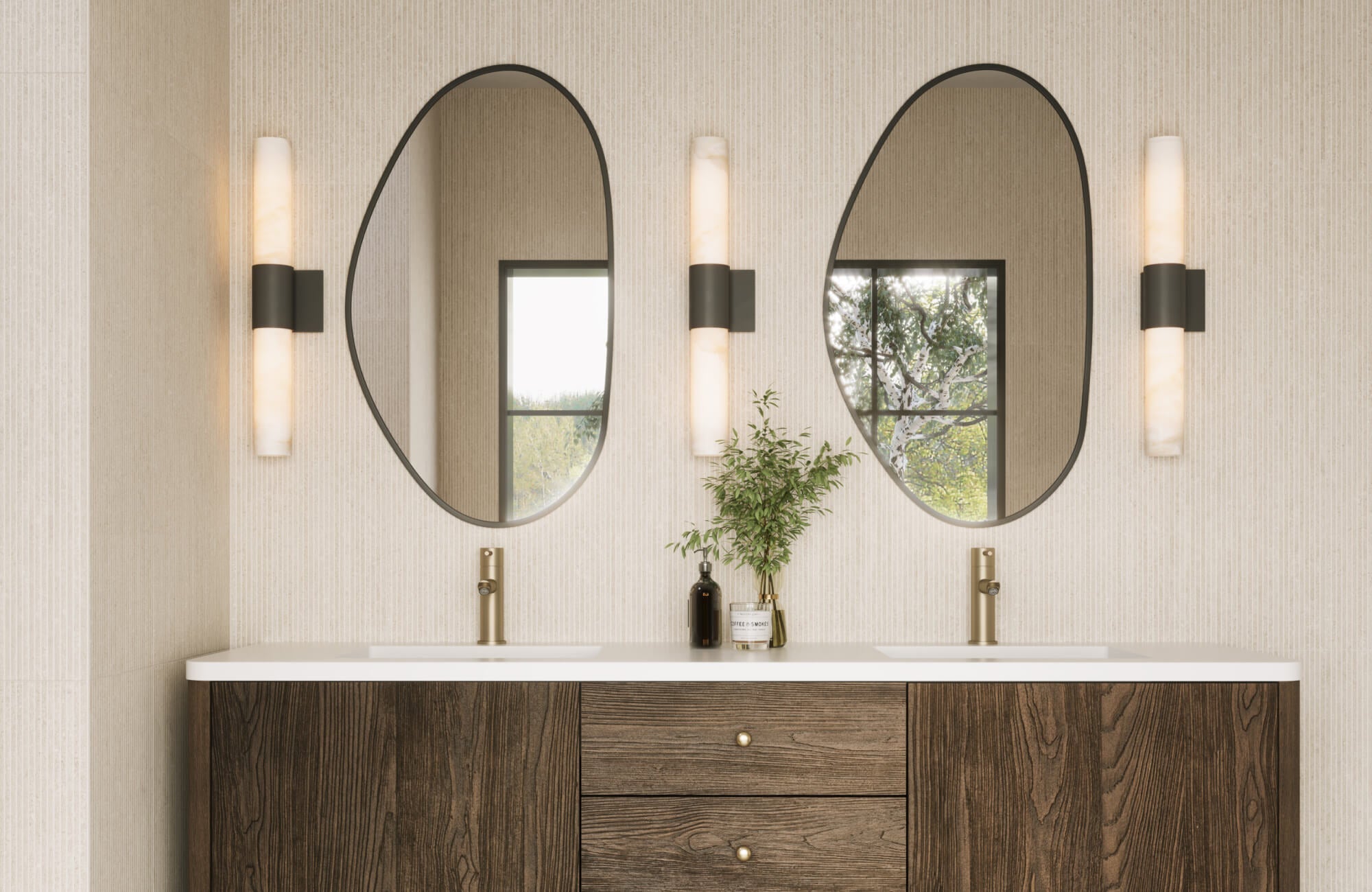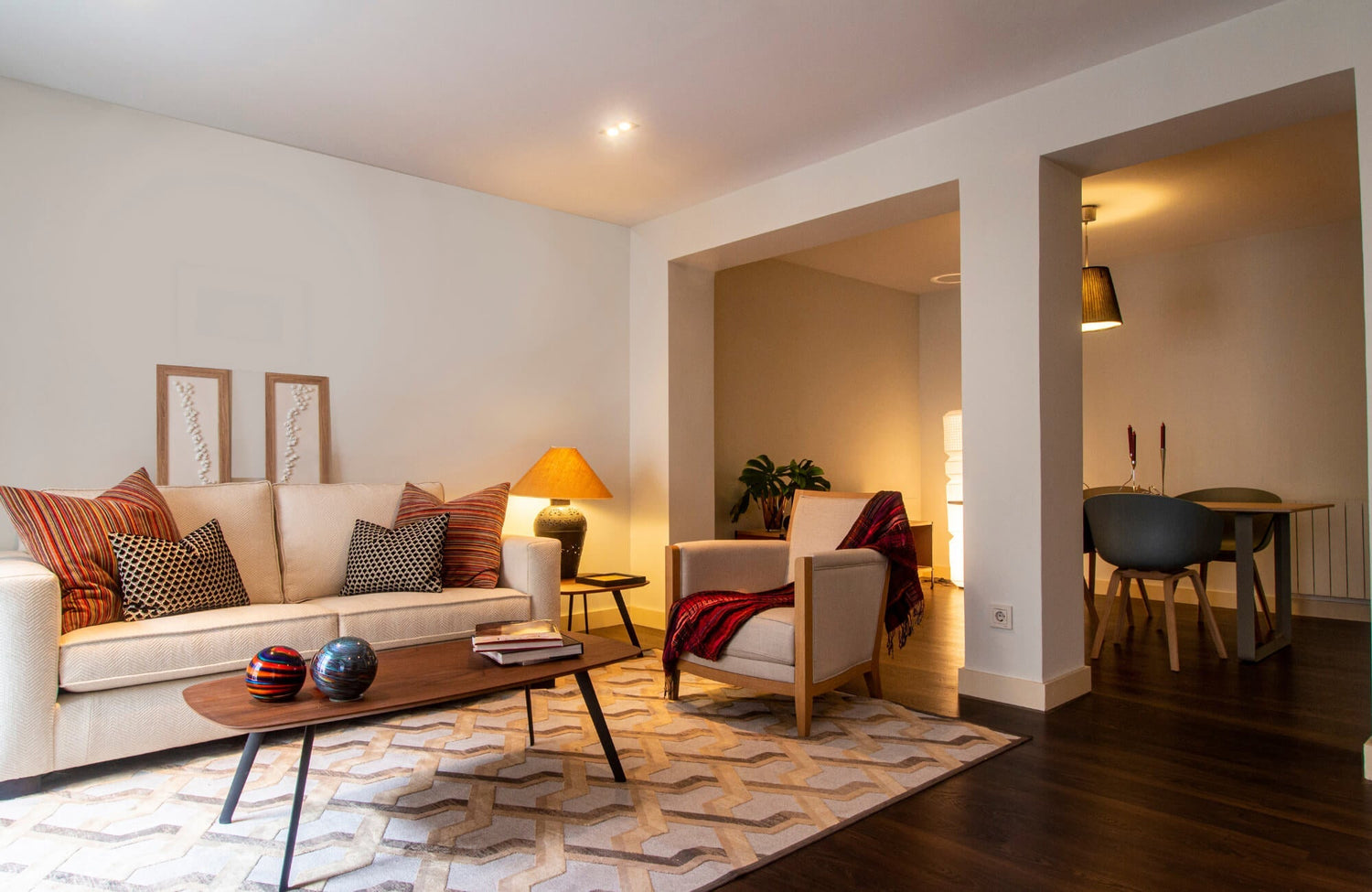
Lighting is no longer just a backdrop. It’s the backbone of modern home design. Today’s fixtures do more than brighten a room; they sculpt it, define it, and bring it to life. Whether it’s the clean geometry of recessed downlights or the dramatic flair of a statement pendant, lighting choices are now central to how a space feels and functions.
Moreover, technological advancements have expanded what's possible. From energy-smart LEDs with high CRI ratings to systems that respond to voice commands and daily routines, lighting now actively shapes how a home functions and feels. In the sections that follow, we’ll explore the must-have lighting fixtures that marry innovation with elegance, each one essential to crafting a home that’s as functional as it is expressive.

Essential Ambient Lighting Fixtures
When it comes to setting the tone of a room, ambient lighting does the heavy lifting, quietly shaping the atmosphere without demanding attention. From seamless recessed fixtures to space-saving ceiling mounts, the right choices here lay the groundwork for comfort and cohesion throughout the home.
Recessed Lighting
As a foundational element, recessed lighting, also known as can lights or downlights, is prized for its minimalist profile and ability to blend cleanly into ceiling architecture. Installed directly into the ceiling cavity, these fixtures deliver uniform illumination while preserving an uncluttered visual field, making them ideal for modern and transitional interiors.
Structurally, each recessed fixture includes a housing, trim, and a bulb or integrated LED module. IC-rated and airtight housings are essential in insulated ceilings, often meeting Title 24 and ENERGY STAR® standards for energy efficiency and compliance. For optimal light distribution, spacing typically follows the “half ceiling height” rule, while beam angles ranging from 40° to 60° provide broad ambient coverage. Additionally, many models include gimbal trims or adjustable modules for added precision in targeting focal areas.
Furthermore, today’s recessed lights often support smart home systems and dimming protocols (0–10V, TRIAC, or DALI), allowing seamless control of brightness and color temperature. This adaptability makes them a foundational element in layered lighting strategies.
Flush Mount and Semi-Flush Mount Fixtures
Building on that foundation, flush and semi-flush mount fixtures offer an ideal solution for spaces with limited ceiling clearance, such as hallways, bedrooms, or entryways. These surface-mounted designs provide even illumination while contributing a touch of visual refinement.
Typically, flush mounts extend no more than 6–12 inches from the ceiling and include diffusers, often frosted glass or acrylic, to reduce glare and soften light. In contrast, semi-flush mounts hang slightly lower (12–18 inches), enhancing both light diffusion and decorative impact.
A standout option is the Clementine Semi-Flush in Gold Leaf by Edward Martin. With its woven texture and warm metallic finish, it delivers subtle elegance and functional brightness in compact spaces.
To ensure visual accuracy and material fidelity, look for fixtures with a high CRI (90+), especially in areas featuring artwork or natural textures. Most contemporary models are LED-integrated, dimmable, energy-efficient, and compatible with smart platforms, offering both aesthetic appeal and technical performance.

Task-Oriented Illumination
While ambient lighting sets the stage, task lighting steps in to support the moments that demand focus and clarity. Whether you're prepping dinner or settling in with a good book, well-placed fixtures make all the difference in both performance and comfort.
Pendant Lights
One of the most effective and stylish options for task lighting is the pendant. These fixtures are a go-to solution for targeted illumination, especially over kitchen islands, dining tables, and work surfaces. Suspended from the ceiling, they not only provide a focused beam of light but also serve as visual anchors within the room's layout.
To maximize effectiveness, pendant height should generally fall 30–36 inches above a work surface. Directional shades or integrated reflectors help control glare and light spill, concentrating illumination exactly where it’s needed. In terms of performance, many modern designs incorporate high-efficacy LEDs (800–2,500 lumens), dimmable drivers (TRIAC or 0–10V), and tunable white lighting for adjustable color temperature. A CRI rating of 90+ ensures accurate color rendering, which is especially important in kitchens, studios, or other detail-oriented environments.
From a design standpoint, pendants come in a range of materials and styles, from industrial metal domes to organic glass and wood forms. A striking example, as featured in the image above, is Edward Martin’s Santos Pendant in Vintage Gold Leaf, which strikes a perfect balance between craftsmanship and utility. Its woven silhouette casts a warm, directed glow, making it ideal for both residential and hospitality settings.
Moreover, when grouped in linear rows or staggered clusters, pendants create rhythm and visual interest, transforming functional lighting into a bold design feature.
Desk and Floor Lamps
Moving from overhead to more flexible options, desk and floor lamps offer versatile task illumination where fixed fixtures fall short. Their portability and directional control make them indispensable for reading, writing, and remote work, particularly in multipurpose spaces.
Desk lamps typically feature adjustable arms and tiltable heads, allowing users to fine-tune light direction. Models with flicker-free LEDs, 4000K–5000K color temperatures, and CRI ratings above 85 help minimize eye strain and support color-sensitive tasks with precision.
Floor lamps, on the other hand, serve larger zones like living rooms or shared offices. Torchiere-style lamps bounce light upward for diffuse coverage, while pharmacy-style models provide focused beams ideal for reading or writing. Many high-end versions also include smart features such as app-based control, dimming, USB ports, and wireless charging for added convenience.
Aesthetically, these fixtures range from minimalist matte black and brushed brass to textural finishes in ceramic or rattan. Thoughtfully chosen shade materials, like linen or frosted glass, soften the output and contribute to a warm, inviting workspace.

Accent Lighting
Once the foundational and task lighting are in place, accent lighting steps in to add depth and character. By highlighting texture, form, and focal points, it brings the room’s design narrative into sharper focus.
Track Lighting
Among the most versatile options, track lighting stands out as a flexible accent solution, ideal for spotlighting art, shelving, or open-concept architectural features. Its linear or modular systems accommodate multiple adjustable heads that can be repositioned as spatial needs change.
These systems come in several configurations, including single-circuit, dual-circuit, and monorail designs, each offering different levels of zoning and control. Fixtures may incorporate integrated LEDs or GU10/MR16 lamps, with beam spreads ranging from tight 10° spots to wide 60° floods. Additionally, many modern systems support individual dimming and smart control via Zigbee or DALI protocols, making them well-suited for gallery-style or multifunctional spaces.
From a design perspective, track lighting has evolved far beyond its industrial roots. Today’s options include sleek, low-profile tracks in finishes like matte black, brushed nickel, and white. For added architectural nuance, curved monorails and recessed channels blend into ceiling lines. Meanwhile, tunable color temperatures (2700K–5000K) allow mood adjustments, and outputs of 500–1,200 lumens per head, paired with CRI ratings above 90, ensure vivid color rendering and visual clarity.
Picture Lights and Wall Sconces
For more intimate applications, picture lights and wall sconces offer focused accenting that enhances specific elements like artwork, alcoves, or textured wall surfaces. These fixtures provide localized illumination while also contributing ambient warmth and layering.
Picture lights, whether plug-in, battery-operated, or hardwired, cast a subtle, focused wash of light across paintings or photos. Adjustable arms improve coverage, while high CRI ratings (90+) ensure true-to-color representation. Premium models may include UV-filtered LEDs, which protect delicate artworks over time.
In contrast, wall sconces offer both ambient support and decorative flair. Uplight versions can highlight architectural contours, while downlights are ideal for softly illuminating hallways or cozy reading corners. Many sconces now also feature dual-directional lighting, dimmable LED integration, and compatibility with smart home systems for added functionality.
Just as importantly, the materials and finishes of these fixtures make a strong stylistic statement. Brass and patina finishes add timeless appeal, while clean-lined shades suit minimalist interiors. A standout example, as illustrated in the image above, is Edward Martin’s Leilani Wall Sconce in Patina Brass. Its gently arched arm and crisp conical shade bring sculptural sophistication and soft, directional light, perfect for layered lighting schemes where subtle impact matters most.

Decorative and Statement Lighting
Beyond function and form, lighting also offers a chance to express your style and elevate the overall aesthetic. With the right decorative pieces, your lighting becomes not just practical, but a powerful design feature in its own right.
Chandeliers and Statement Pendants
At the forefront of decorative lighting, chandeliers and oversized pendants function as architectural focal points, offering both ambient illumination and sculptural presence. Often composed of multiple arms or dramatic forms, these fixtures are especially impactful in open areas such as dining rooms, great rooms, or foyers, spaces where their scale and symmetry can be fully appreciated.
For proper integration, sizing is key. A general rule of thumb is that the chandelier diameter (in inches) should match the sum of the room’s length and width (in feet). For instance, a 12'x14' room calls for a 26-inch-wide fixture. While chandeliers typically cast light in all directions, statement pendants often direct it downward or diffuse it softly through integrated shades or multi-directional emitters. Outputs usually range from 1500–4000 lumens, with CRI ratings above 90 to ensure accurate color rendering.
In terms of materials, the visual impact of these fixtures is shaped by design choices, such as hand-blown glass, forged metal, wood veneers, or fabric shades. A striking example, as shown in the photo above, is the Robbins Pendant in Aged Brass by Edward Martin. Its crisp conical form and warm metallic finish balance geometric simplicity with sculptural elegance, making it especially effective in serene, spa-like settings.
Additionally, high-end designs often include dimmable functionality via 0–10V or trailing-edge systems and are compatible with smart home controls, allowing seamless transitions between daylight tasks and evening ambiance.
Table Lamps
Shifting from overhead to more intimate lighting, table lamps provide a tactile, approachable layer of light at eye level. They are perfect for nightstands, side tables, or workspaces, offering a versatile way to adjust illumination as the room evolves.
From a performance standpoint, most table lamps feature integrated LEDs or medium-base sockets designed for dimmable A19 bulbs, delivering between 400–800 lumens. Shade design significantly influences the lighting effect: opaque shades channel light downward for reading or focused tasks, while linen or silk diffusers create a soft ambient glow, ideal for bedrooms and lounging areas. For the right ambiance, warm color temperatures between 2700K and 3000K are typically recommended.
Moreover, contemporary designs increasingly incorporate smart functionality. USB ports, wireless charging pads, and touch-sensitive dimmers enhance usability, while adjustable stems or articulating heads allow for greater directional control, useful for both work and leisure settings.
Aesthetically, table lamps add depth through material contrast and tactile richness. Whether crafted in ceramic, rattan, stone, or brass, a well-proportioned lamp enhances both the surface it rests on and the surrounding décor. As a practical guideline, the combined height of the lamp and table should fall between 58–64 inches to ensure balanced scale and effective lighting.

Smart Lighting Solutions
As lighting evolves alongside technology, homes are becoming more responsive, intuitive, and tailored to daily routines. From simple upgrades to fully connected ecosystems, smart lighting offers a new level of control that seamlessly blends convenience with design.
Smart Bulbs and Dimmers
As an entry point into connected lighting, smart bulbs and dimmers offer one of the simplest and most accessible solutions. Ideal for retrofitting existing fixtures, they allow users to adjust brightness, color temperature, and scheduling through apps or voice assistants, without the need for additional wiring.
From a technical standpoint, most smart bulbs utilize energy-efficient LED technology, offering lifespans exceeding 25,000 hours and luminous efficacy up to 100 lumens per watt. Available in standard base types like E26, GU10, and BR30, these bulbs frequently feature tunable white (2200K–6500K) or full-spectrum RGB options.
In addition to basic functionality, many smart bulbs offer advanced features like geofencing (automatic control based on user location), circadian rhythm syncing, and scene-setting for different moods and activities. Importantly, many models can dim smoothly down to 1% without flicker, thanks to high-frequency drivers that maintain visual comfort.
Complementing smart bulbs, dimmer switches from companies like Lutron Caséta and Leviton Decora Smart provide broader control over multiple fixtures. These wall-mounted options support dimming protocols such as TRIAC, ELV, and 0–10V, and they’re compatible with both manual operation and voice-activated systems. As a result, homeowners can enjoy intuitive lighting adjustments across various zones.
Taken together, smart bulbs and dimmers deliver a cost-effective, scalable solution for personalized lighting, especially in individual rooms or targeted spaces where flexibility is key.
Integrated Smart Lighting Systems
For a more comprehensive and whole-home approach, integrated smart lighting systems provide centralized control across all interior and exterior zones. Tailored for high-end applications, platforms such as Lutron HomeWorks, Crestron, and Control4 link lighting with broader home automation elements, including shades, climate control, and security systems.
These advanced setups rely on low-voltage wiring or robust wireless mesh networks, such as Zigbee, to ensure reliable, low-latency performance. At their core is a centralized processor that enables conditional automation, such as dimming lights automatically at sunset or triggering a full shut-off scene at bedtime. Additional sensors for occupancy, natural light levels, and astronomical timing allow the system to react intuitively to real-world conditions.
In terms of user interface, control options range from engraved wall keypads to touchscreens and mobile apps. Most systems also support voice activation and third-party integrations, creating a seamless and responsive smart home experience.
From a design perspective, integrated systems enable precise zoning and sophisticated scene layering, enhancing both aesthetics and function. A prime example of this integration, as featured in the picture above, is Edward Martin’s Esme 26" Wall Sconce in Aged Brass, a fixture whose sleek vertical profile and frosted diffuser make it ideal for automated mood lighting in dining rooms or transitional spaces.
To ensure your lighting plan aligns with your home’s architecture, materials, and lifestyle needs, consider utilizing Edward Martin’s design consultation service. This one-on-one offering provides expert guidance from concept through installation, helping you select, coordinate, and implement fixtures for lasting impact. And if you're seeking help with smart system compatibility, material selection, or even finding the perfect rug to complement your lighting scheme, don’t hesitate to contact the Edward Martin team for tailored support.
Lighting That Defines Modern Living
Ultimately, lighting today does more than fill a space; it defines it, framing every corner with purpose and personality. From crisp recessed installations to bold sculptural pendants and adaptive smart controls, each fixture helps shape the mood, add depth, and enhance the ease of daily living.
As you refine your lighting strategy, think beyond wattage and brightness. Consider also the emotional and functional experience each layer of light creates. For thoughtful design guidance and expertly curated selections that balance performance with artistry, explore Edward Martin’s latest collections and let your home shine with intention!