
)
)
)
)
)
)
)
)
What Are The Disadvantages Of Ceramic Tile?
Ceramic tile has long been admired in both residential and commercial spaces for its durability, timeless appeal, and remarkable design flexibility. Whether used as a bold design statement or a neutral backdrop, its ability to enhance interiors with a clean, lasting finish makes it a perennial favorite. Yet like any material, ceramic tile is not without its challenges that may only become apparent after installation or through long-term use.
That’s not to say ceramic is flawed by nature; on the contrary, many of its strengths, such as resilience, longevity, and aesthetic range, far outweigh its limitations when applied thoughtfully. But to fully appreciate its advantages, it’s important to first understand the scenarios where ceramic may demand more care, planning, or compromise. In this article, we’ll explore these considerations in depth, while also celebrating the many ways ceramic tile continues to prove its enduring value in modern design.
Installation Complexity and Structural Dependencies
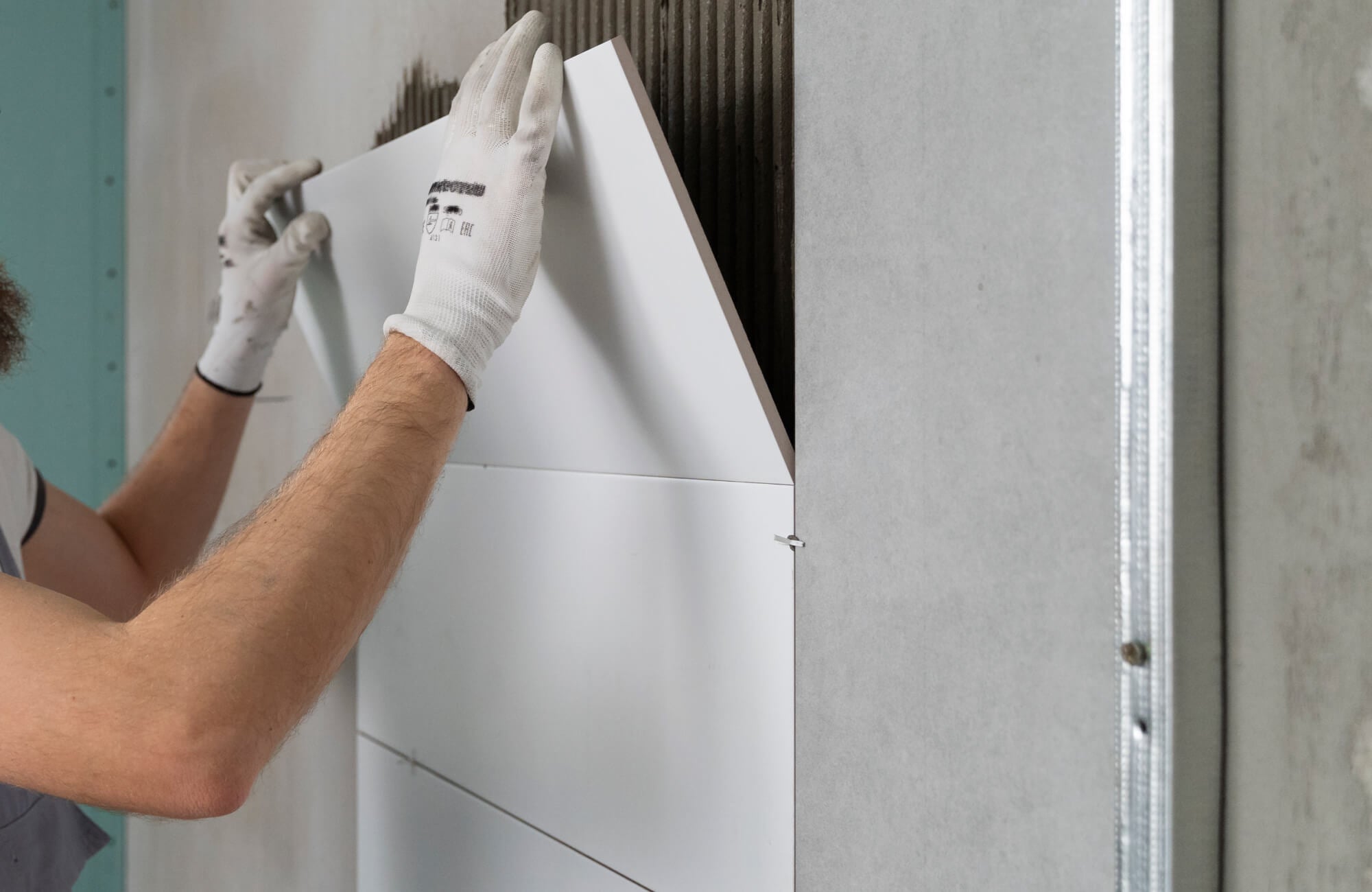
Ceramic tile may look effortlessly sleek once installed, but achieving that clean, flawless finish requires skill, patience, and attention to detail. Also, because they are less dense than porcelain tile, ceramic tile is often better suited for vertical applications like walls and backsplashes, where the structural demands and many of the potential drawbacks discussed below are significantly reduced. Unless ceramic tile is specifically rated by the manufacturer for floor use, it may not deliver reliable performance in busy or load-bearing areas.
Substrate Sensitivity
A stable and level substrate is critical for a successful ceramic tile installation. Any unevenness or flexing in the underlying floor can lead to cracking or tile movement, as ceramic does not have the flexibility to absorb structural shifts. Wooden subfloors, common in many homes, often require added reinforcement or backer board to create a rigid base.
Even slab foundations must be thoroughly assessed for moisture issues, as vapor intrusion can compromise adhesives and grout over time. When the surface isn’t perfectly flat, it can lead to lippage, where adjacent tiles sit at slightly different heights, creating both aesthetic issues and trip hazards. This reliance on substrate quality adds time, materials, and expense to the installation process.
However, when installed over a properly prepared substrate, ceramic tile creates an exceptionally stable and long-lasting surface that outperforms most materials in structural resilience.
If you are looking to preview tile placement over real-world surfaces, Edward Martin’s Augmented Reality (AR) tool offers a practical advantage, allowing you to visualize scale, pattern alignment, and transitions directly within your space before installation begins.
Labor and Material Intensive Process
Laying ceramic tile is a multi-phase endeavor that involves precise measurement, alignment, and finishing. From mixing thinset mortar to cutting tiles cleanly and spacing them evenly, each step must be executed with care to avoid structural and visual flaws. Grouting is more than just filling gaps—it demands consistency in texture and color and must be applied evenly to ensure a uniform look.
Even tools like tile spacers, leveling clips, and wet saws add complexity and cost to the process. Small mistakes in the early stages can lead to problems that are costly to correct once the mortar sets. Because of this, professional installation is required, as ceramic tile is one of the more expensive and demanding options to implement correctly. Once expertly installed, ceramic tile offers an unparalleled combination of craftsmanship and elegance that elevates any space for decades.
Fragility and Low Impact Resistance
While ceramic tile holds up well under everyday use and movement, it is far less forgiving when subjected to sudden impact or sharp pressure. This vulnerability, often underestimated, can lead to functional damage and aesthetic inconsistencies over time.
Brittleness Under Load
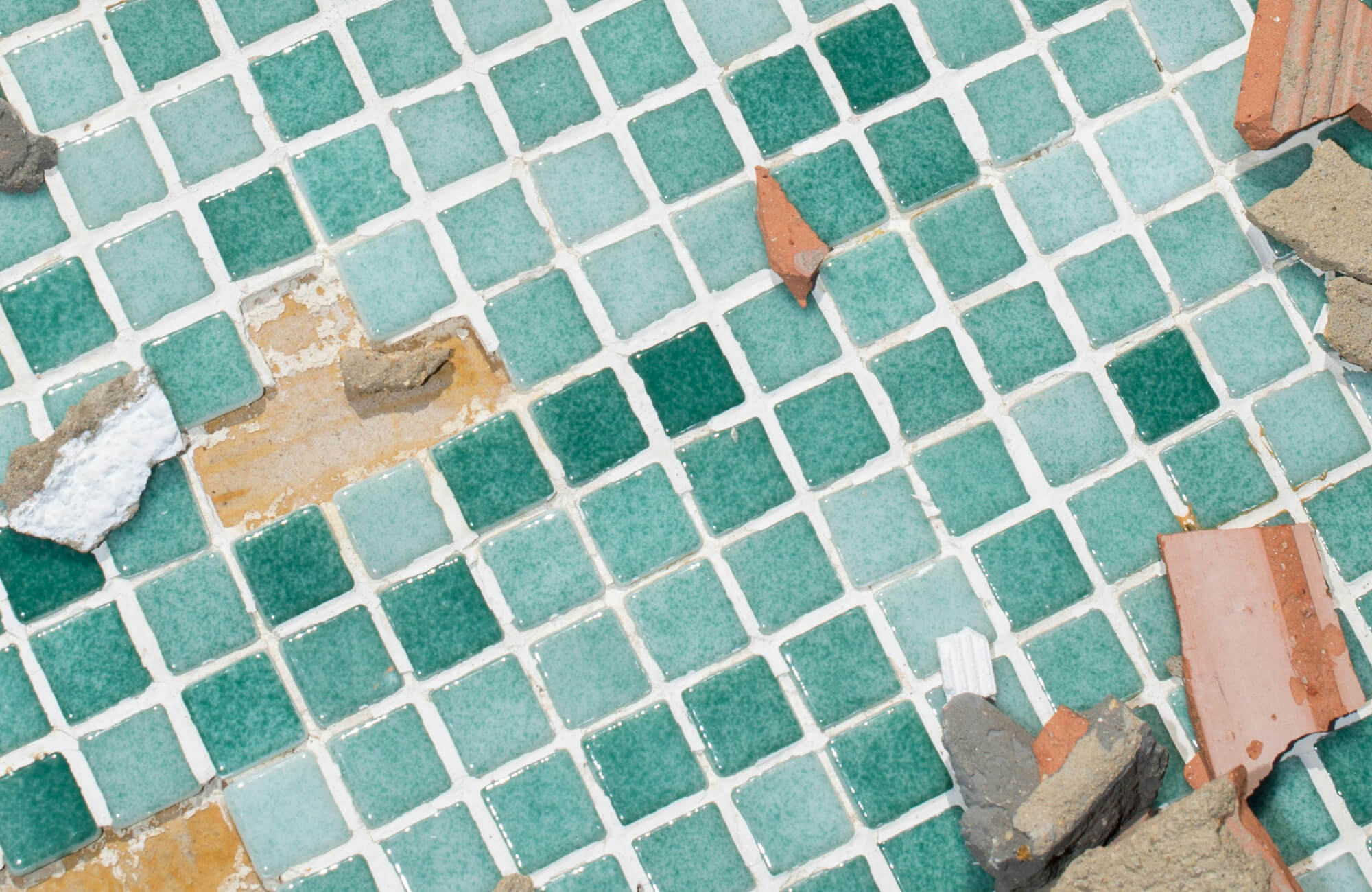
Ceramic tile is exceptionally hard, but with that hardness comes brittleness. Unlike materials that flex or compress slightly under force, ceramic has a rigid structure that cracks or chips when struck. A dropped pan, a falling tool, or even the corner of a heavy piece of furniture can cause irreparable surface damage.
These chips and cracks are not only unsightly but may expose sharp edges or lead to further deterioration if left unaddressed. Areas with frequent movement of heavy objects, such as rolling carts or equipment, can exacerbate this issue. Once damaged, a tile often needs full replacement, as repairs are typically not practical or aesthetically consistent.
However, in low-impact environments, ceramic tile’s hardness becomes a key advantage, offering unmatched scratch resistance and long-term surface integrity.
Inconsistent Repair Options
Replacing a single broken tile may sound simple, but it often proves more complicated than expected. Removing a tile without damaging the surrounding ones requires a careful, methodical approach using oscillating tools or chisels, which can lead to further cracking if not done expertly. Matching the color, pattern, and sheen of a replacement tile is another challenge, especially if the original batch has been discontinued or has slight dye lot variations.
Reapplying grout seamlessly is also difficult, as newly mixed grout may not match the aged grout around it. For these reasons, a small repair can become a larger project, involving partial demolition or the need to redo multiple tiles. Unlike resilient porcelain or hardwood, ceramic offers little room for blending or subtle patching.
However, with proper planning and a few spare tiles from the original installation, isolated damage can be managed effectively without sacrificing the overall aesthetic.
Thermal Discomfort and Ergonomic Hardness
The physical properties that make ceramic tile resilient and long-lasting also contribute to discomfort in certain environments. Its thermal and ergonomic characteristics can influence how inviting or functional a space feels throughout the day.
High Thermal Conductivity
Ceramic tile readily absorbs and transmits temperature from its surroundings, making it feel cold to the touch in cooler months or unheated spaces. This can be a welcome feature in hot climates, but in temperate or cold regions, it often becomes a discomfort underfoot. Without the installation of radiant floor heating, tile flooring in bathrooms or bedrooms can feel unpleasantly chilly, particularly first thing in the morning or during winter.
Heating systems can address this, but they add to installation costs and require ongoing energy use. Additionally, ceramic tile has a low R-value, meaning it does little to help retain heat within a room. This lack of insulation can lead to increased reliance on heating systems, impacting energy efficiency in colder environments.
Conversely, its excellent thermal conductivity makes it ideal for radiant heating systems, allowing it to distribute warmth efficiently and evenly when such solutions are installed.
Physical Discomfort for Users
In addition to its thermal properties, ceramic tile’s unyielding surface can be physically taxing over extended periods. Standing or walking on tile for long durations, especially in kitchens or commercial settings, can cause fatigue and joint discomfort. Unlike softer flooring types, ceramic does not offer any cushioning, which puts added pressure on knees, hips, and lower backs. This is particularly concerning in homes with elderly individuals or small children, where falls could result in serious injury.
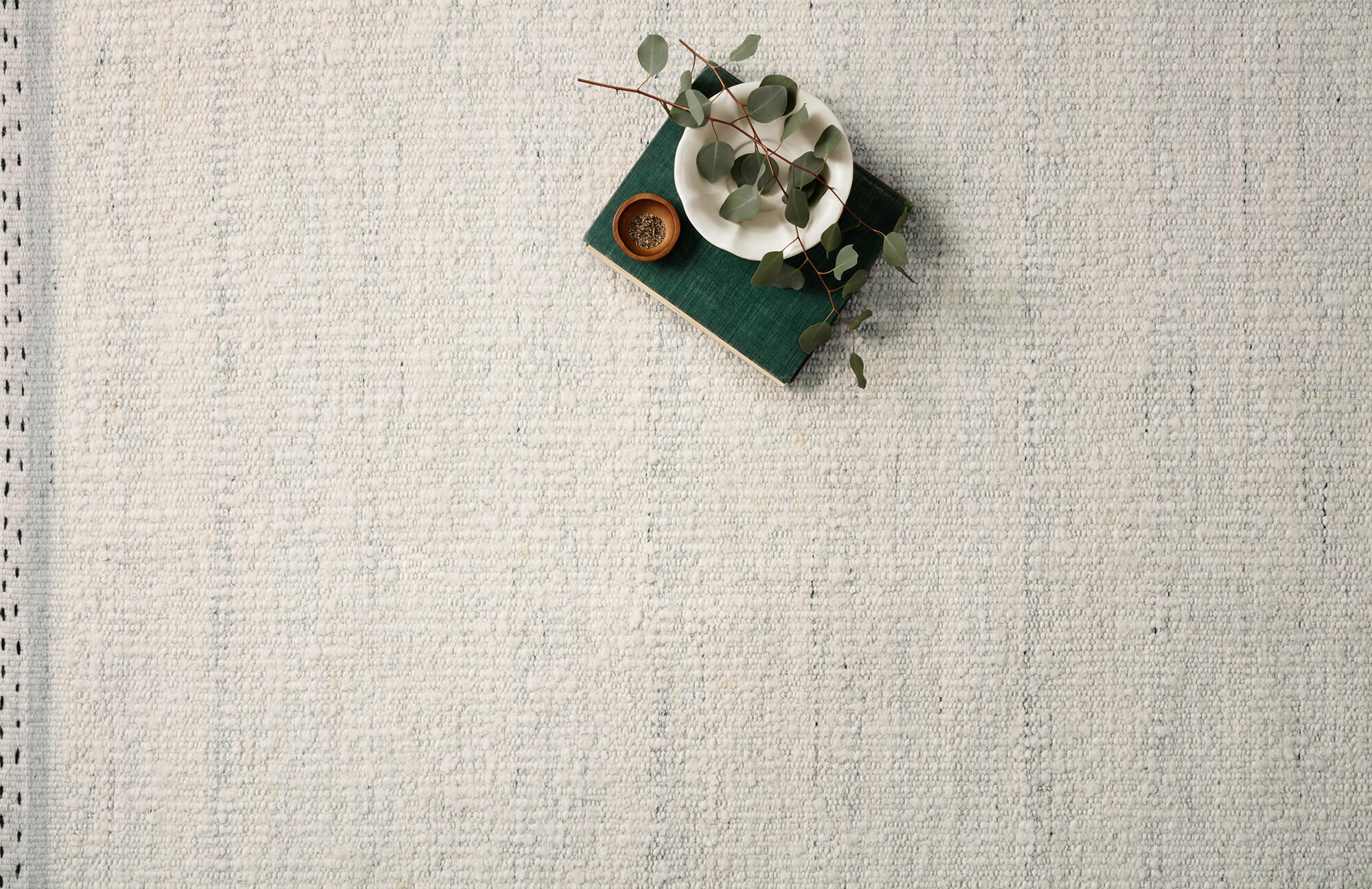
Incorporating elements like Edward Martin’s Everson Wool Blend Rug in Fog, as displayed in the photo above, can offer a smart and stylish solution. Its soft texture and neutral tone complement a wide range of ceramic tile finishes while providing added comfort and warmth underfoot, especially in high-use areas like kitchens and living rooms. It also enhances the livability of a space without compromising the clean, refined aesthetic of ceramic tile.
Moisture Vulnerability Through Grout and Maintenance Challenges
Ceramic tile itself is impervious to water when properly glazed, but its system of joints and seams, particularly the grout, creates weak points that require ongoing care. Without diligent maintenance, moisture issues can undermine the performance and hygiene of a tiled surface.
Grout Porosity and Water Intrusion
Grout is typically composed of cementitious materials that, without sealing, are highly absorbent and prone to staining and water absorption. In wet environments like bathrooms, kitchens, or entryways, moisture can gradually penetrate these joints, leading to mildew, mold, and eventual substrate damage. Even high-performance grout systems can degrade over time if exposed to constant humidity or poor ventilation.
Water infiltration may not be immediately visible but can cause efflorescence, such as white salt deposits, and even structural issues beneath the tile layer. While epoxy grout provides better resistance, it is more expensive, trickier to work with, and not always suitable for all projects.
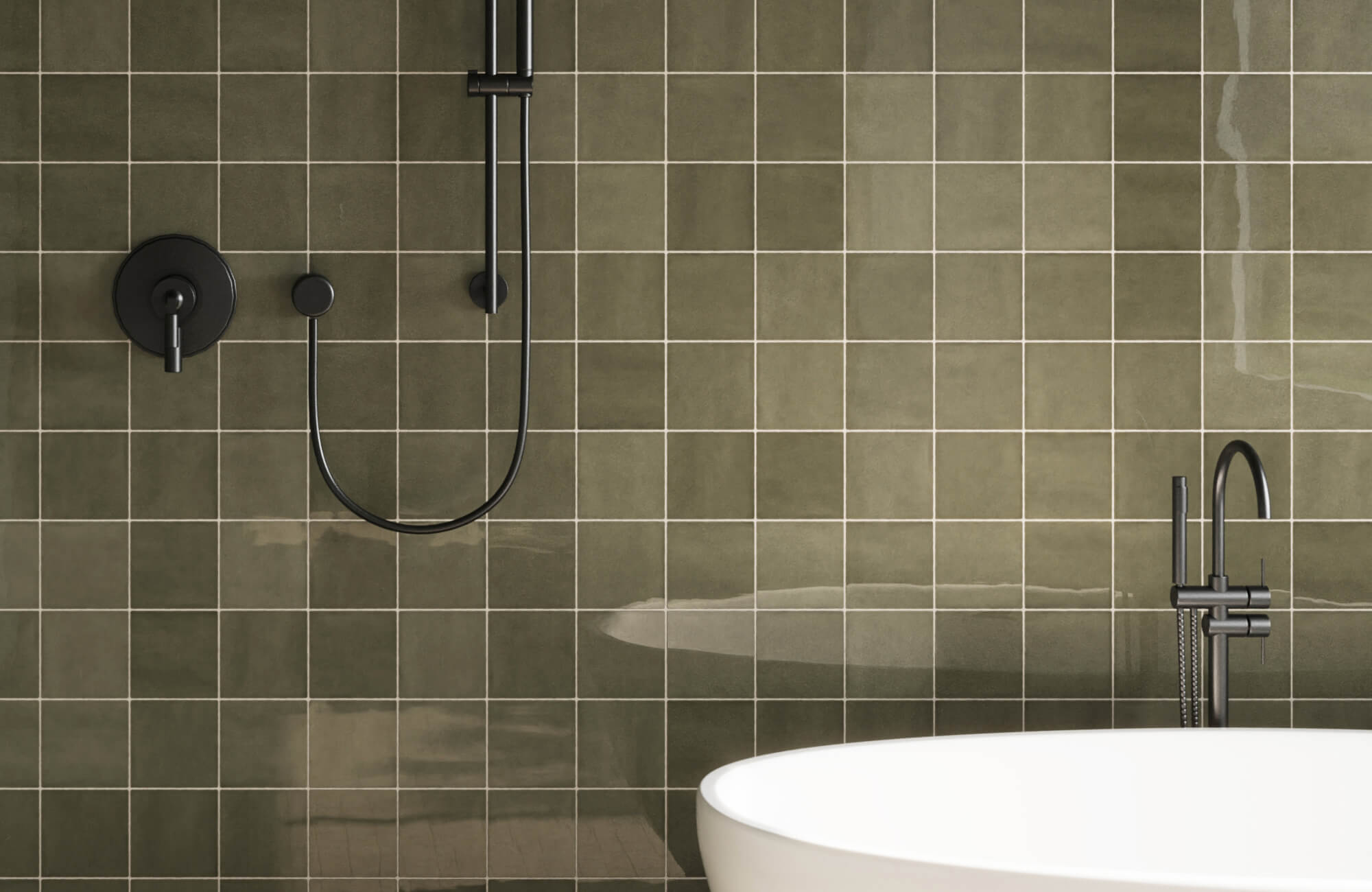
That said, pairing sealed grout with a fully glazed surface like the Mikayla 5x5 Glossy Ceramic Tile in Olive, as shown in the photo above, creates a smooth, non-porous barrier that naturally repels water and enhances both durability and visual depth, making it a beautiful, functional solution for moisture-prone areas.
Intensive Maintenance Requirements
To keep a ceramic tile installation looking and performing its best, regular cleaning and periodic sealing of grout lines are essential. Without sealing, grout can discolor and absorb dirt, requiring labor-intensive cleaning methods that go beyond simple mopping. Over time, even sealed grout can break down, requiring reapplication or full replacement depending on wear and exposure.
In contrast, seamless flooring systems like sheet vinyl, polished concrete, or engineered hardwood are far easier to maintain with basic cleaning routines. The need for ongoing care and occasional repair can become a deterrent for homeowners seeking low-maintenance solutions. Ultimately, the porous nature of grout creates a maintenance burden that may outweigh ceramic’s otherwise low upkeep appeal. Nevertheless, the tile surface itself is extremely easy to clean, stain-resistant, and requires little more than routine sweeping and mopping to stay pristine.
Notable Advantages of Ceramic Tile
Despite the drawbacks outlined above, ceramic tile continues to offer compelling benefits when used thoughtfully and in the right settings. As mentioned earlier, it performs exceptionally well in vertical applications such as walls and backsplashes, where its limitations are minimized, and its strengths can truly shine. Understanding these advantages helps clarify where ceramic tile delivers the most long-term value and design impact.
Surface Durability and Longevity
One of ceramic tile’s most valued attributes is its ability to withstand heavy wear without losing its aesthetic appeal. Its glazed surface is highly resistant to scratching, fading, and staining, even under substantial daily use or exposure to cleaning chemicals. This makes it ideal for entryways, mudrooms, and kitchens where resilience is a priority.
Unlike softer tile materials, ceramic maintains its surface integrity for decades, which translates to lower long-term replacement costs. Even in direct sunlight, tiles retain their color and finish, thanks to their UV resistance.
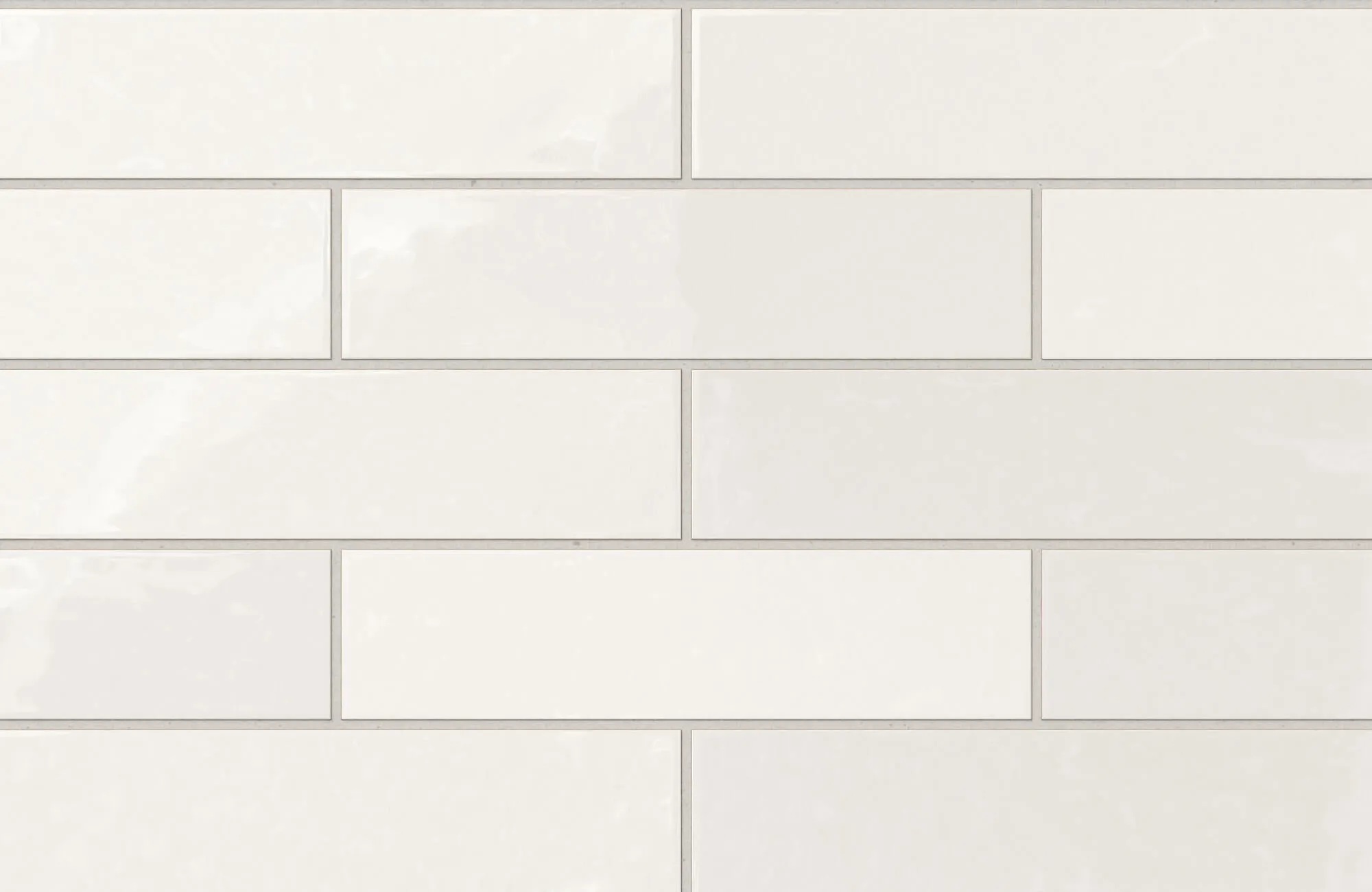
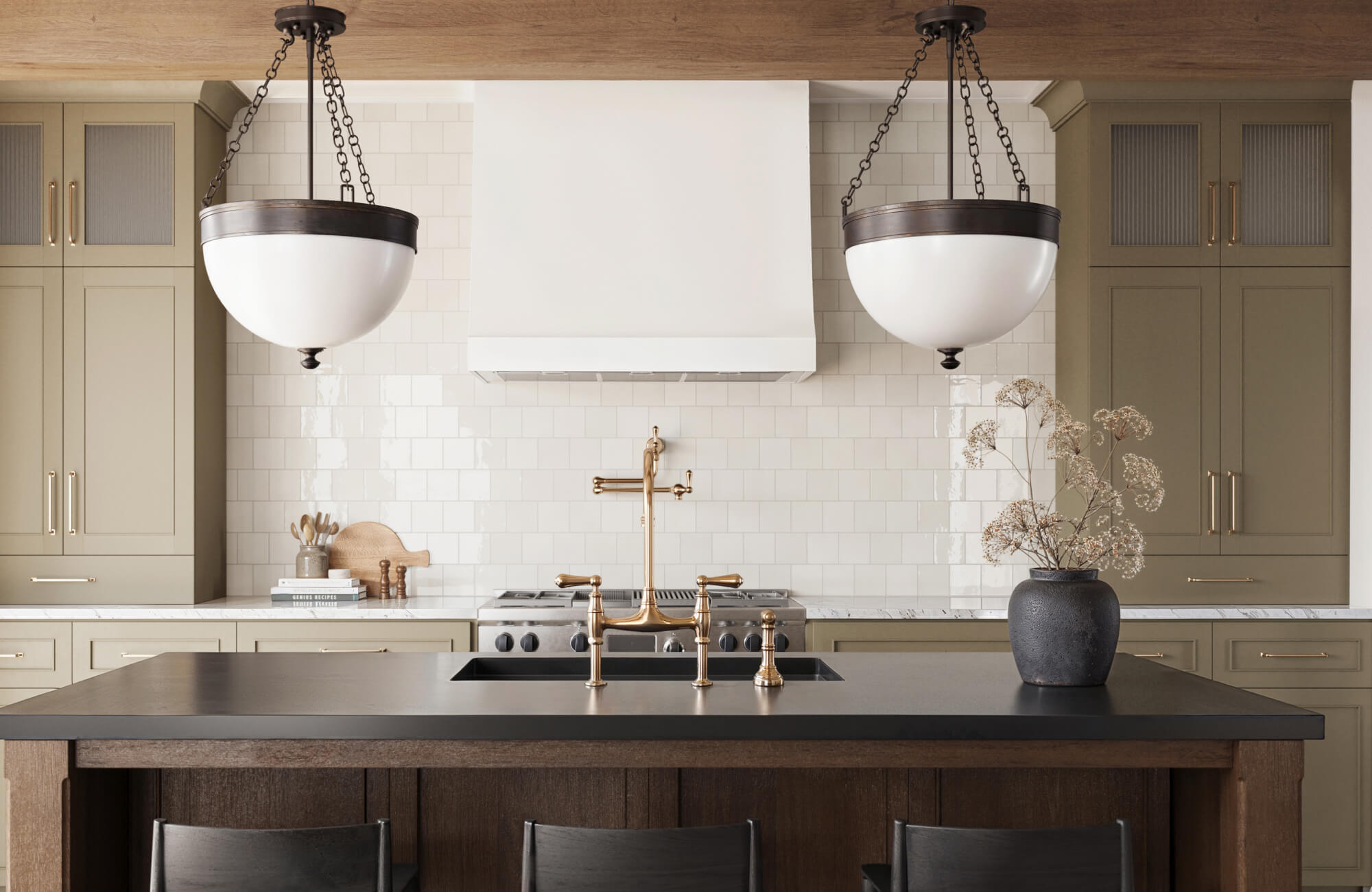
A perfect example of this is our Maisie 4x4 Glossy Ceramic Tile in Canvas. Beyond its elegant, clean finish and subtle tonal variation, this Maisie tile is engineered to resist heat, moisture, and everyday impact, making it a durable, low-maintenance choice that holds up beautifully over time.
Aesthetic Versatility and Sustainable Composition
Today’s ceramic tiles come in an extraordinary variety of textures, finishes, shapes, and patterns that cater to virtually any design vision. Through advanced manufacturing processes, they can replicate natural materials such as wood, stone, and concrete with striking realism, as well as more vibrant or minimalist aesthetics in hues like blue, black, white, brown, or grey, ensuring compatibility with a wide range of interior styles.
Ceramic’s inorganic nature also means it releases no harmful VOCs, supporting better indoor air quality. Furthermore, its long life span and recyclability make it an environmentally responsible choice for those pursuing green building certifications. Whether used in a rustic kitchen or a sleek commercial lobby, ceramic tile offers a blend of style and sustainability that few other materials can match.
Fire Resistance and Health Safety
Ceramic tile is inherently non-combustible, offering exceptional fire resistance that enhances building safety and protects occupants in case of emergency. Made from natural materials like clay and sand and fired at high temperatures, ceramic does not burn, emit toxic fumes, or release smoke when exposed to flame. This also makes it especially valuable in kitchens, fireplaces, and commercial spaces that must adhere to strict fire codes and safety regulations.
Beyond fire resistance, ceramic tile contributes to a healthier indoor environment due to its non-porous, allergen-resistant surface that does not harbor dust mites, pet dander, or mold. This quality makes it a preferred option for households with allergy sufferers or for use in medical, hospitality, and educational facilities where hygiene is critical. Its resistance to chemical exposure also makes it safe for use with common disinfectants, ensuring both cleanliness and material integrity over time.
Making the Right Choice for Long-Term Value
While ceramic tile offers undeniable benefits in terms of durability, aesthetics, and sustainability, it’s important to fully understand its potential drawbacks. Challenges like complex installation and moisture-sensitive grout can influence whether it’s the right fit for a particular space or lifestyle. However, its ability to deliver decades of beauty and performance in the right conditions makes it a standout option for many applications. The key lies in aligning material selection with the needs of the environment and the expectations of its users. With a clear understanding of both its advantages and disadvantages, you can make confident, context-smart choices that stand the test of time.
To support that process, Edward Martin offers tile samples that are carefully curated to reflect the true surface texture, glaze, and color integrity of all tile sizes across each collection. With these samples in hand, you can confidently evaluate how a tile will look and feel in your space, bringing clarity, creativity, and peace of mind before making a full investment.
Follow us on Instagram
@EDWARD.MARTIN
)
)
)
)
)
)
)
)
)
)
)
)
)
)
)
)