
)
)
)
)
)
)
)
)
What Are The Benefits Of Using Porcelain Paver Tiles For Modern Landscapes?
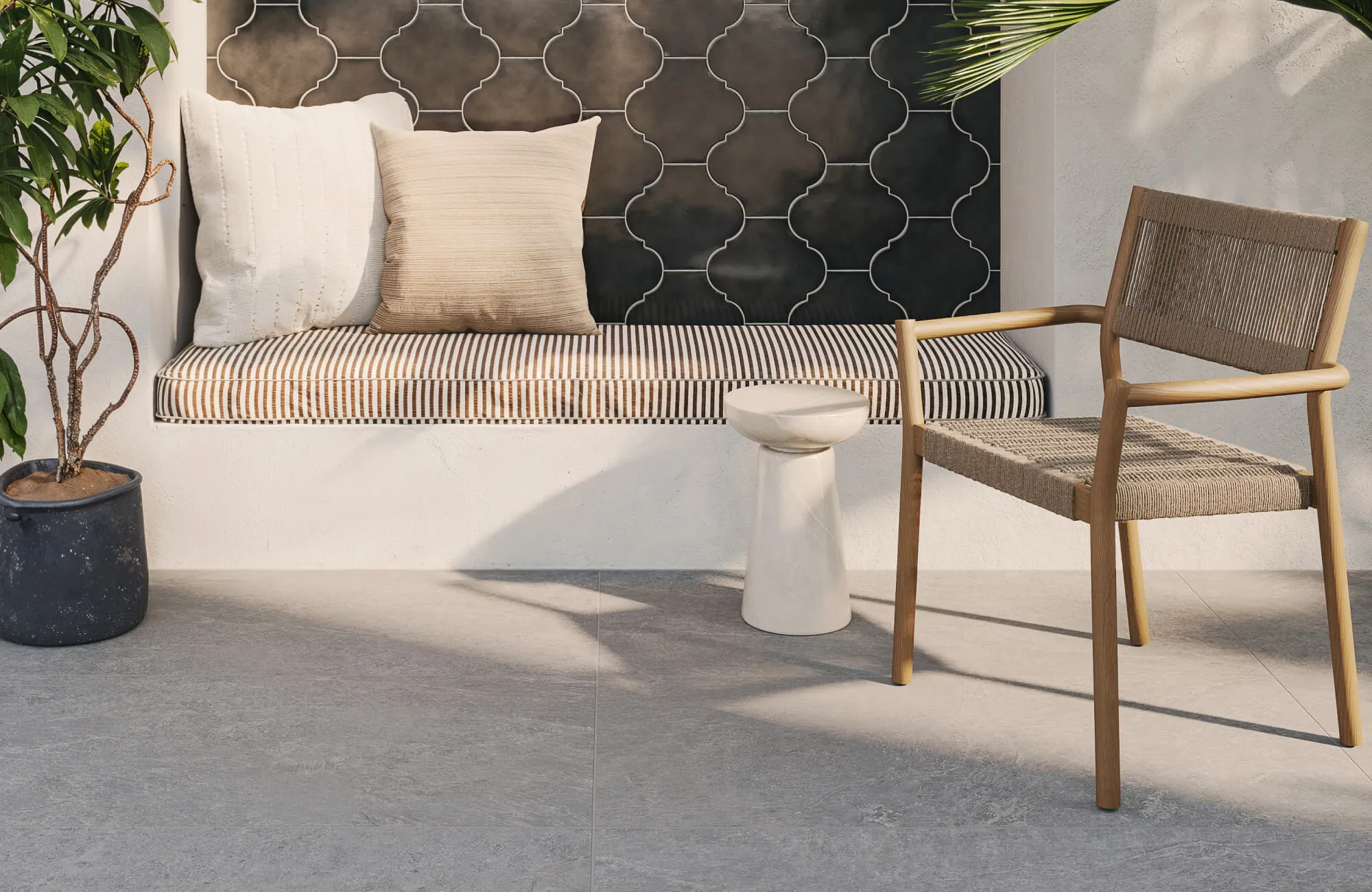
In contemporary landscape design, the use of porcelain paver tiles has become a defining trend for architects, designers, and homeowners seeking a balance of durability, elegance, and low maintenance. Unlike traditional natural stone or concrete, porcelain pavers offer advanced technical performance, superior resistance to the elements, and unparalleled design versatility.
This article explores the key benefits of porcelain paver tiles across multiple aspects of modern landscaping, covering topics such as mechanical strength, slip resistance, design adaptability, sustainability, installation flexibility, and long-term value. Whether used in residential or commercial projects, porcelain paver tiles represent a forward-thinking solution that seamlessly combines functionality and architectural appeal.
Superior Durability and Structural Integrity
Porcelain paver tiles are celebrated for their ability to withstand intense mechanical stress while maintaining a polished, uniform surface. This inherent strength allows designers to build outdoor environments that endure both daily wear and environmental extremes without compromise.
High-Density Composition and Manufacturing Precision
Each porcelain paver is born from a meticulous kiln-firing process exceeding 1,200°C, where minerals such as kaolin, feldspar, and silica fuse into a single vitrified mass. This transformation yields a dense, non-porous body with a water absorption rate below 0.5%, effectively shielding it from moisture and internal cracking. The resulting surface also exhibits remarkable resistance to impact and deformation, remaining dimensionally true even in busy zones. Because of its fine-grained structure, porcelain resists microfractures that typically weaken concrete or stone over time. The seamless blend of precision and pressure ensures that every tile performs consistently, regardless of climate or load. In essence, porcelain’s composition transforms raw minerals into a material engineered for architectural endurance.
Resistance to Mechanical and Environmental Stress
Durability in landscape materials depends not only on density but also on how a surface responds to years of exposure. Porcelain pavers remain stable through cycles of heat, frost, and heavy use, preserving their integrity where others degrade. Their high compressive strength also prevents cracking under vehicular weight, while their inert composition resists efflorescence, oxidation, and UV damage. This resistance ensures that color, form, and texture remain unchanged despite environmental challenges. Over time, this resilience translates to fewer replacements and a consistently refined appearance. For designers seeking longevity without aesthetic compromise, porcelain offers both strength and serenity in equal measure.
Slip Resistance and Outdoor Safety
In open-air settings where water, shade, and changing temperatures influence surface behavior, safety becomes inseparable from design. Porcelain paver tiles achieve this balance through advanced traction technology that enhances stability while maintaining tactile comfort.
Advanced Surface Engineering for Traction Control
Slip resistance in porcelain pavers begins at the microscopic level, where digital surface texturing creates a fine relief that disperses water and enhances grip. This engineered traction achieves R11 to R13 slip ratings, offering secure footing even when wet. Because the texture is fused into the glaze during firing, it cannot wear away with time or cleaning. The result is a consistent surface feel—soft underfoot yet reliably slip-resistant—ideal for pool decks and patios. This tactile balance also invites barefoot comfort without compromising safety, giving every step a quiet confidence. Through thoughtful engineering, porcelain transforms surface friction into a seamless layer of protection that feels as elegant as it performs.
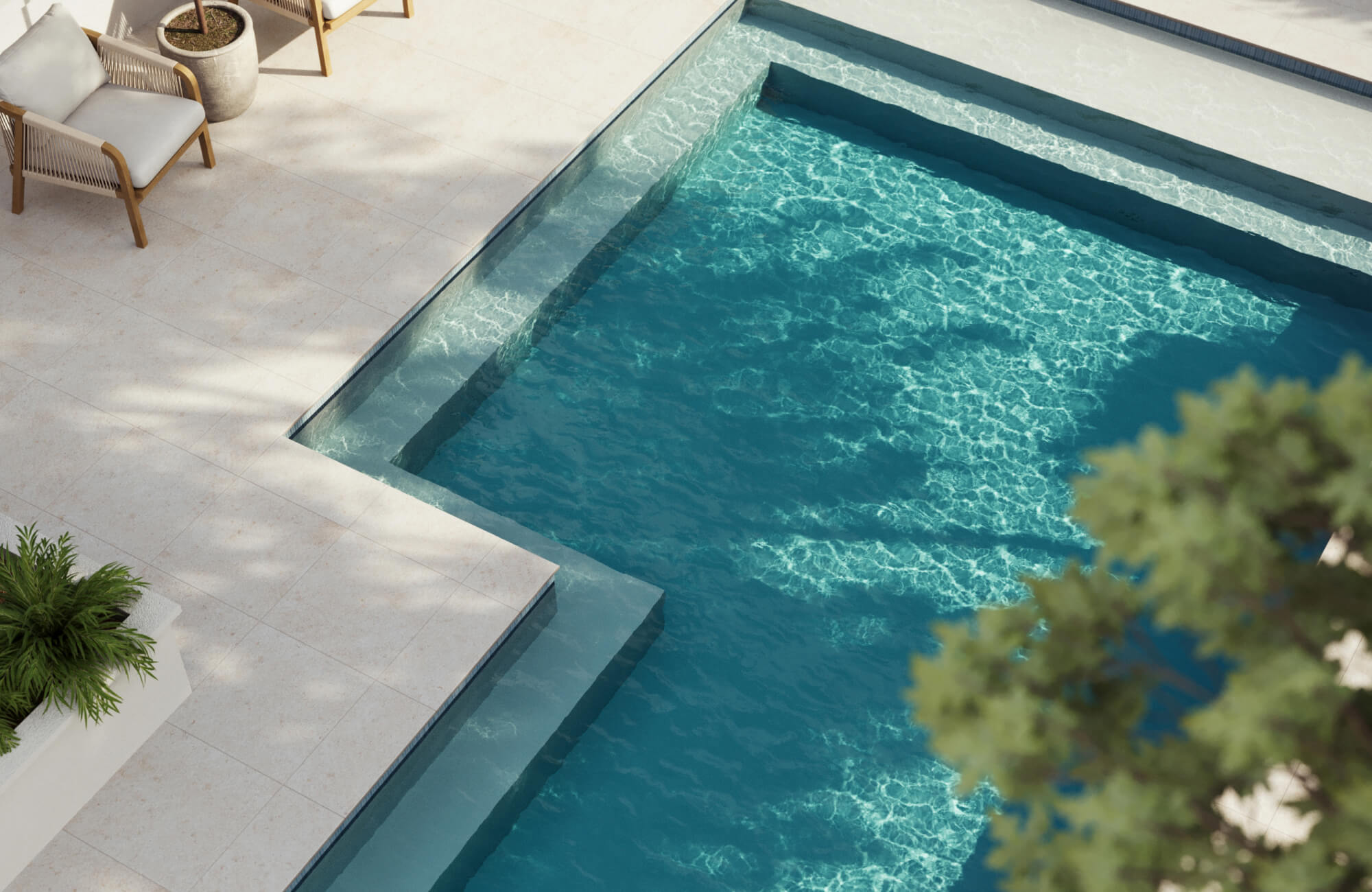
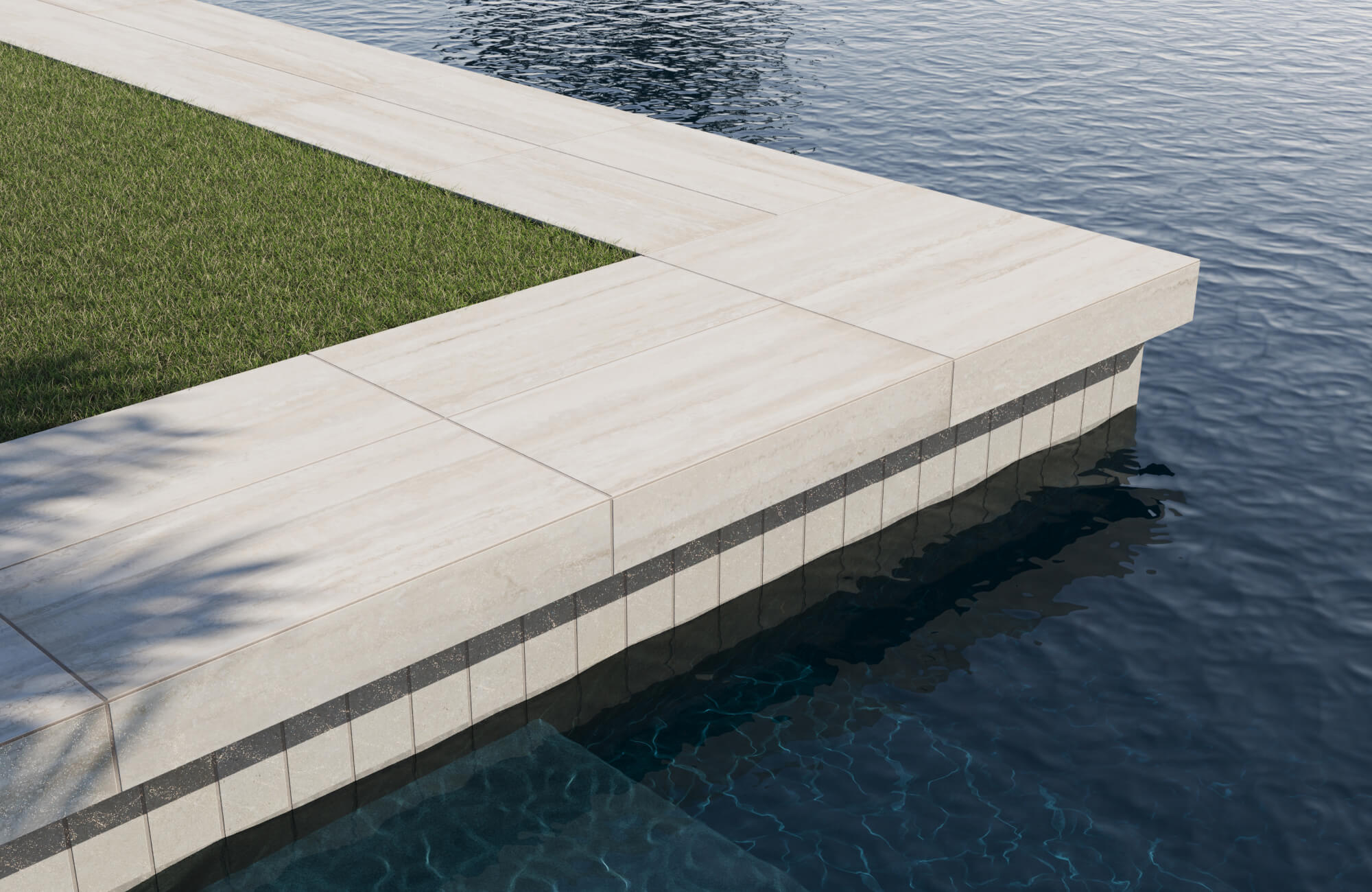
This refined engineering is exemplified by Edward Martin’s Bowden 24x24 Grip Porcelain 2cm Paver Tile in Canvas, whose subtle stone-look texture provides both visual warmth and dependable traction around pools and patios. As displayed in the photo above, its balanced matte finish enhances barefoot comfort while ensuring secure footing even in wet, sunlit outdoor settings.
Consistency in Long-Term Safety Performance
True safety lies not in temporary texture but in permanence. Porcelain’s anti-slip surface is integral to its structure, ensuring consistent traction across years of exposure to rain, heat, and abrasion. Even as natural materials polish or erode, porcelain maintains its original grip and matte refinement. Its inorganic body also resists the buildup of algae and mold, common culprits of slipperiness in humid climates. This enduring stability allows designers to specify porcelain for busy walkways, pool surrounds, and commercial courtyards with confidence. In every climate and context, porcelain sustains its protective performance without losing its quiet, understated elegance.
Design Versatility and Aesthetic Appeal
Porcelain paver tiles bridge the gap between natural authenticity and modern precision, bringing design continuity to landscapes of every scale. Their advanced digital craftsmanship enables surfaces that feel organic yet display the visual harmony of architectural order.
Realistic Material Replication through Inkjet Technology
Using multi-layer inkjet printing, porcelain captures the depth and movement of stone, marble, and wood with exceptional fidelity. Each pigment layer interacts with subtle surface textures, producing veins and tonal variations that feel unmistakably natural. Yet beneath this artistry lies unmatched technical accuracy—no tile absorbs moisture or alters color over time. Designers can also choose between travertine-look, slate-look, or wood-grain finishes, blending warmth and structure in outdoor compositions. The realistic textures reflect light differently throughout the day, creating dynamic visual depth that natural materials struggle to maintain. With this innovation, porcelain offers both artistic expression and long-term design integrity.
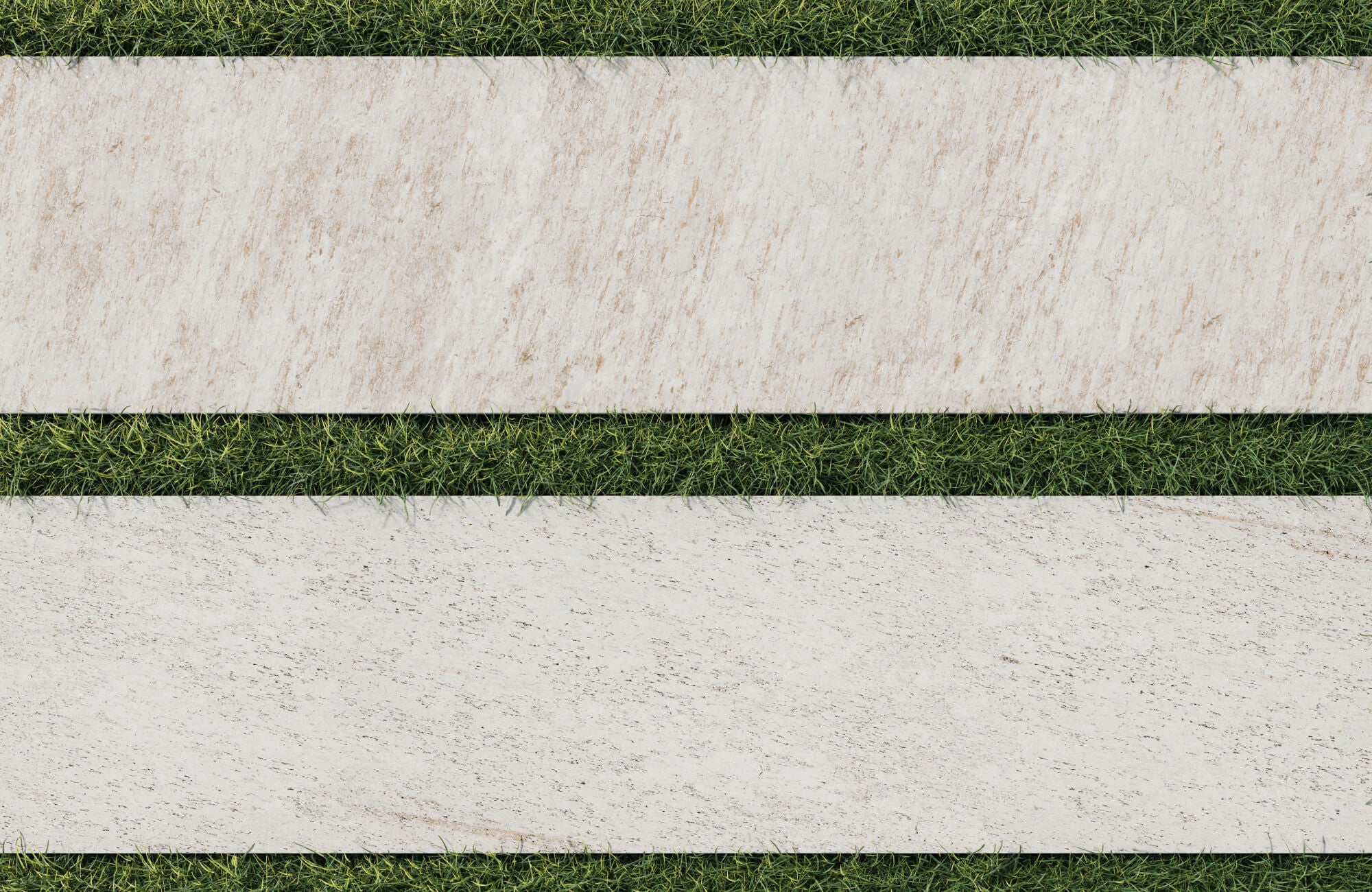
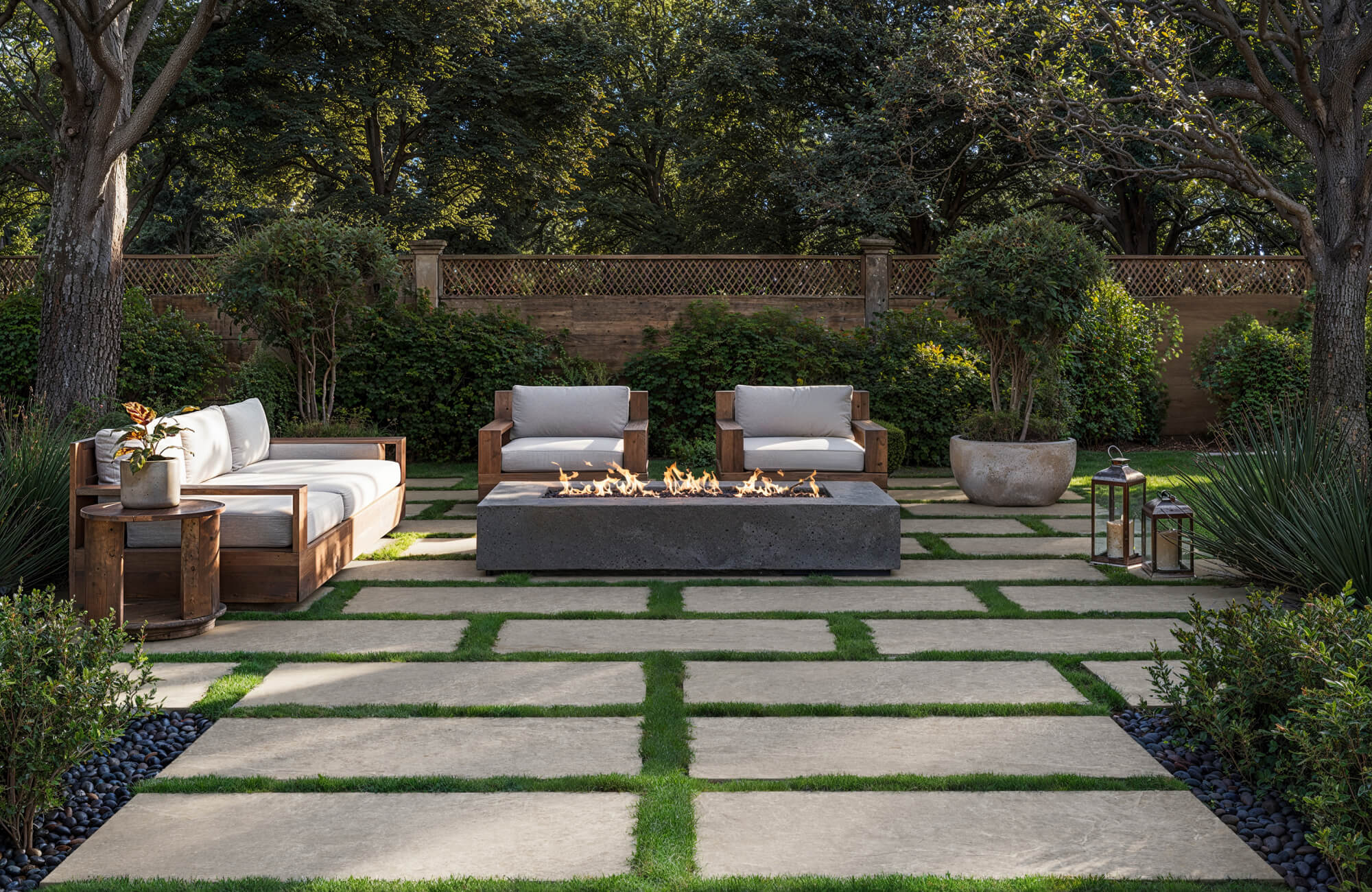
This refined artistry is beautifully embodied by the Dawson 24x48 Grip Porcelain 2cm Paver Tile in Dune, whose soft beige tone and stone-like surface bring natural warmth to structured outdoor layouts. As shown in the picture above, its balanced hue and elongated form create a serene rhythm across green lawn joints, blending organic charm with a clean, contemporary aesthetic.
Architectural Formats and Seamless Transitions
The appeal of porcelain extends beyond surface design to proportion and scale. Large format options such as 24x24 and 24x48 inches reduce grout lines, allowing uninterrupted visual planes that feel balanced and expansive. These rectified edges also support clean installations that extend interior flooring outward, enhancing continuity between indoor and outdoor spaces. Through formats that align with architectural geometry, porcelain brings rhythm and coherence to patios, pool decks, and terraces. Moreover, subtle texture variations catch light differently across the day, creating soft gradations that animate each surface. This interplay of format and finish transforms practical flooring into an expressive architectural element that grounds the entire landscape.
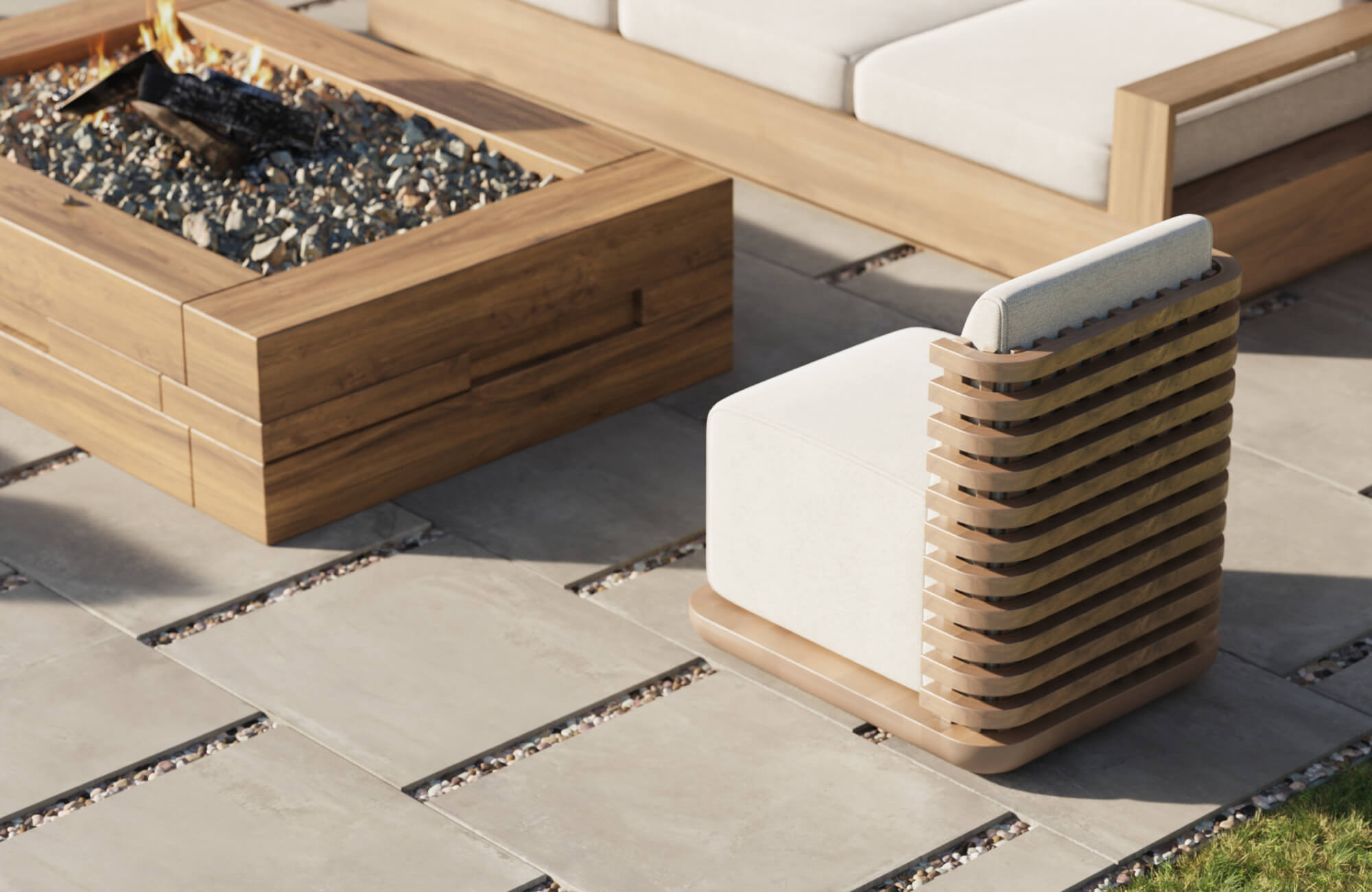
Beyond visual realism, Edward Martin’s Augmented Reality (AR) tool allows designers and homeowners to preview porcelain paver styles directly within their own outdoor spaces, ensuring every tone and texture aligns with the project’s vision. This immersive technology bridges imagination and execution, transforming design planning into an intuitive, hands-on experience that brings concepts to life before installation.
��
Low Maintenance and Stain Resistance
Porcelain paver tiles are designed for effortless longevity, combining impermeability with self-preserving surface chemistry. Their non-porous glaze repels moisture and contaminants, keeping outdoor areas immaculate with minimal upkeep. Following the manufacturer’s care guidelines further ensures lasting performance and pristine appearance over time.
Non-Porous Surface Protection
At the heart of porcelain’s easy maintenance lies its dense, sealed surface that resists absorption entirely. Spilled oil, acidic rain, or organic debris remain on the surface rather than penetrating it, allowing for quick and simple cleaning. Because the material never requires sealing or waxing, long-term maintenance costs drop dramatically. Its resistance to mold and mildew also ensures hygiene in shaded or damp areas, maintaining the freshness of outdoor living zones. Even under constant exposure to pool chemicals or de-icing salts, porcelain remains unaffected by corrosion or etching. This combination of resilience and cleanliness gives porcelain an enduring visual clarity that complements its functional strength.
UV Stability and Color Longevity
The longevity of porcelain’s color lies in its UV-stable mineral glazes, which are permanently fused into the tile body during firing. Unlike dyes or surface pigments that fade, these minerals resist photodegradation even under intense sunlight. As a result, terraces, courtyards, and facades maintain their original tone year after year. This stability also protects the design’s intended mood, ensuring warm neutrals or cool grays remain true to their palette. When combined with low maintenance, this permanence reduces environmental impact by extending replacement cycles. Porcelain’s colorfast nature thus becomes both an aesthetic and ecological advantage.
Thermal Stability and Weather Resistance
Outdoor surfaces must respond gracefully to heat, cold, and humidity without distortion, and porcelain excels under these demands. Its dense molecular structure and minimal thermal expansion rate create a material as stable as it is elegant.
Thermal Expansion Control and Surface Comfort
Porcelain’s fine crystalline matrix expands minimally with temperature changes, preserving alignment even under direct sun or frost. This dimensional stability prevents the cracking and unevenness common in other hardscape materials. At the same time, light-toned pavers with high solar reflectance stay cool underfoot, enhancing user comfort in warm climates. The surface’s quick heat dissipation also makes it ideal for rooftop decks and poolside installations. This balanced thermal behavior ensures that porcelain feels consistent to the touch, no matter the season. Through material science, porcelain turns environmental fluctuation into effortless stability.
Frost Resistance and Freeze-Thaw Performance
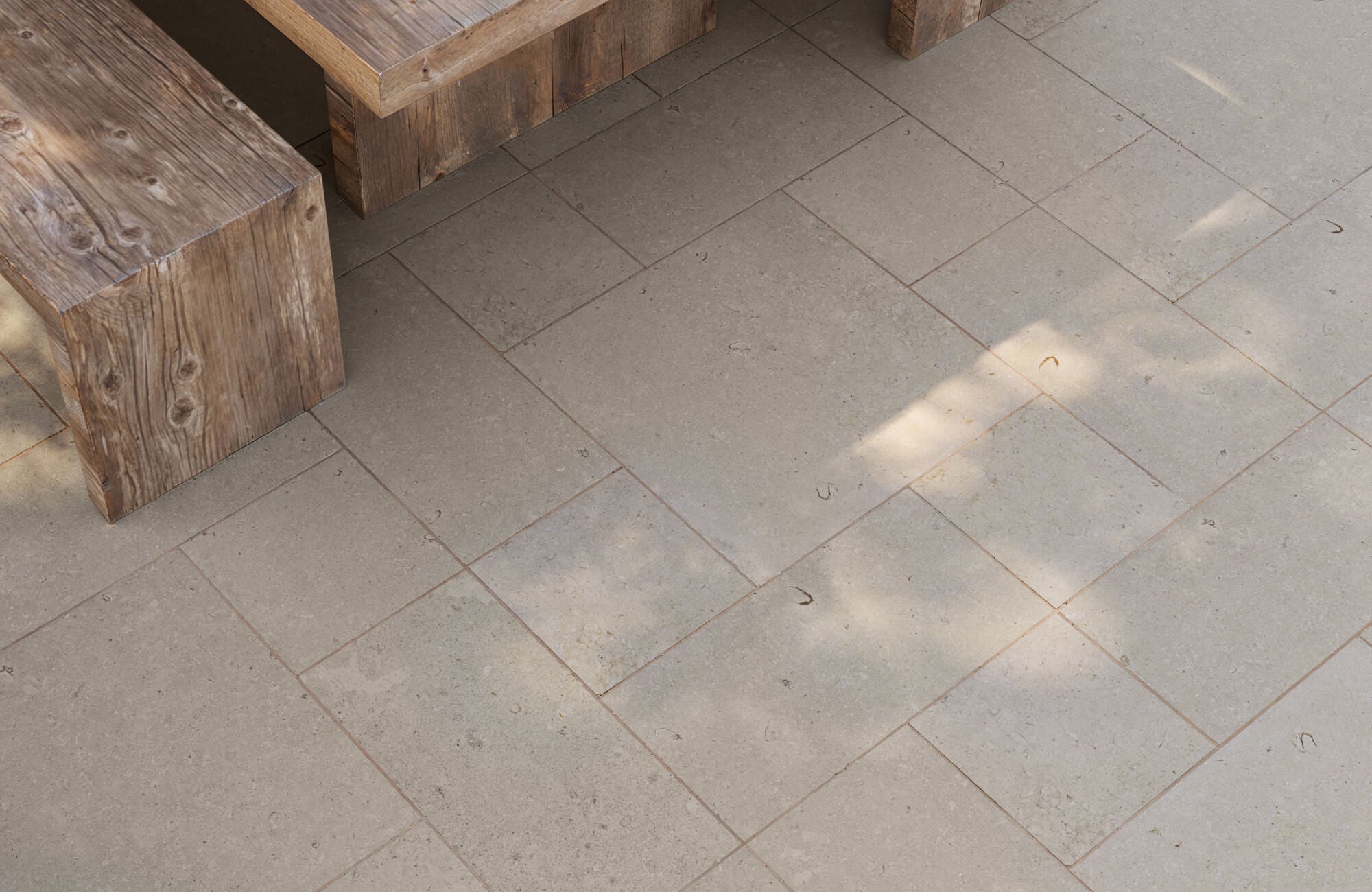
Cold weather presents no threat to porcelain’s performance. With a water absorption rate under 0.5%, the tile’s internal structure remains immune to frost-induced expansion. This resistance also prevents surface spalling and cracking, even after repeated freeze-thaw cycles. In addition, the vitrified body ensures no hidden moisture pockets, maintaining integrity in sub-zero climates. Over years of exposure, porcelain like Ramsey 24x24 Grip Porcelain 2cm Paver Tile in Putty (shown in the photo above) preserves its smooth texture and structural cohesion, where natural stone often fails. Its frost-proof nature assures that beauty and durability remain constant, season after season.
Eco-Friendly Composition and Sustainable Design
Porcelain paver tiles align with the principles of sustainable architecture, offering longevity without environmental compromise. Their composition, production, and installation methods collectively support energy efficiency and ecological balance.
Recyclable Raw Materials and Low Environmental Impact
Formed primarily from natural clays, quartz, and feldspar, porcelain is inherently free of toxic additives or volatile compounds. Modern manufacturing facilities operate closed-loop systems, recycling heat, water, and raw material waste to reduce emissions. This efficient process results in significantly lower carbon output than many quarried or cast materials. Because porcelain’s lifespan exceeds decades, replacement frequency and therefore environmental waste is also dramatically reduced. Even after its long use phase, porcelain can be recycled back into aggregate or new tile production. Its environmental footprint remains among the lowest in the surfacing industry, reinforcing its position as a green building material.
Sustainable Installation Practices
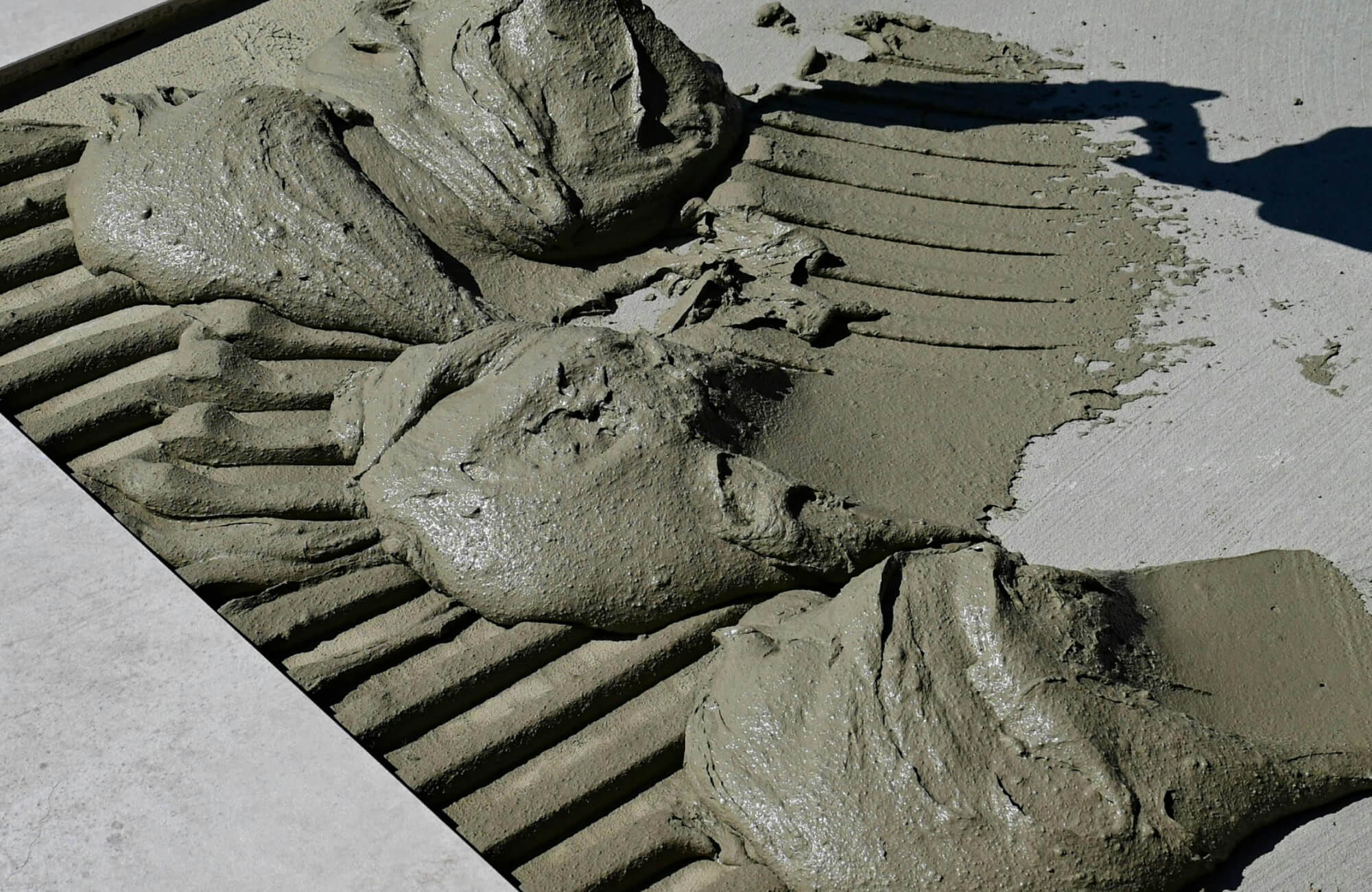
Beyond production, porcelain supports sustainable installation through dry-lay and pedestal systems that require no chemical adhesives. These methods encourage groundwater permeability, allowing natural drainage and reducing surface runoff. Adjustable pedestals also permit easy access for repairs or future reuse, minimizing waste during renovation. By eliminating grout and mortar, installers reduce both material consumption and VOC emissions on-site. These methods embody circular design principles—flexible, reversible, and resource-conscious. Through such adaptability, porcelain becomes not just a durable material but a tool for sustainable construction.
Flexible Installation Systems and Easy Replacement
Porcelain paver tiles bring both versatility and efficiency to installation, offering solutions that adapt to diverse project needs. Their modular form enables precise alignment, quick setup, and straightforward future adjustments. For lasting results, professional installation is recommended to ensure stability, proper drainage, and long-term durability.
Adaptable Installation Methods
The adaptability of porcelain begins with its multiple compatible installation systems. Whether set on pedestals, gravel, or adhesive beds, each method serves distinct functional and aesthetic goals. Pedestal systems, in particular, conceal drainage and wiring while ensuring perfect level alignment. Dry-lay methods, in contrast, offer permeability and quick repositioning, ideal for evolving outdoor layouts. The precision of rectified edges also ensures tight, stable joints across all applications. Together, these systems empower designers to match structural performance with creative freedom.
Ease of Maintenance and Tile Replacement
Modularity gives porcelain an advantage few materials can match. If a tile is damaged or access is needed below, it can be lifted and replaced without disturbing adjacent units. This capability minimizes downtime and eliminates waste, keeping large installations visually continuous and fully functional. Its durability also reduces the likelihood of replacements in the first place, extending lifecycle efficiency. Over time, this practicality contributes to sustainable maintenance and lower operating costs. In both private and public projects, porcelain proves that flexibility can coexist with permanence.
Long-Term Value and Return on Investment
Porcelain paver tiles balance upfront cost with enduring performance, providing substantial returns over time. Their combination of minimal maintenance, aesthetic longevity, and structural integrity ensures value that compounds with every year of use.
Lifecycle Cost Efficiency
Porcelain’s financial efficiency emerges not from its purchase price but from its durability and predictability over decades. The absence of sealing, resurfacing, or color restoration eliminates recurring costs typical of stone or concrete. Its strength also prevents structural failure, reducing the need for large-scale repairs. Because each tile retains its visual and physical integrity, replacement cycles are rare and efficient when required. This stability allows property owners to forecast maintenance budgets with confidence. Ultimately, porcelain delivers a high lifecycle return on investment that outpaces cheaper, short-lived alternatives.
Enduring Aesthetic and Property Enhancement
Time reveals the true value of porcelain pavers, not through deterioration but through preservation. Their surfaces retain the same clarity and tone as the day of installation, enhancing curb appeal year after year. This visual endurance also elevates the perceived quality of outdoor environments, reflecting positively on property value. In addition, the versatility of finishes ensures relevance across shifting design trends, keeping landscapes current without costly renovation. For architects and developers, this permanence equates to design credibility and financial stability. Porcelain, therefore, is not simply a paving choice—it’s a legacy of enduring design integrity.
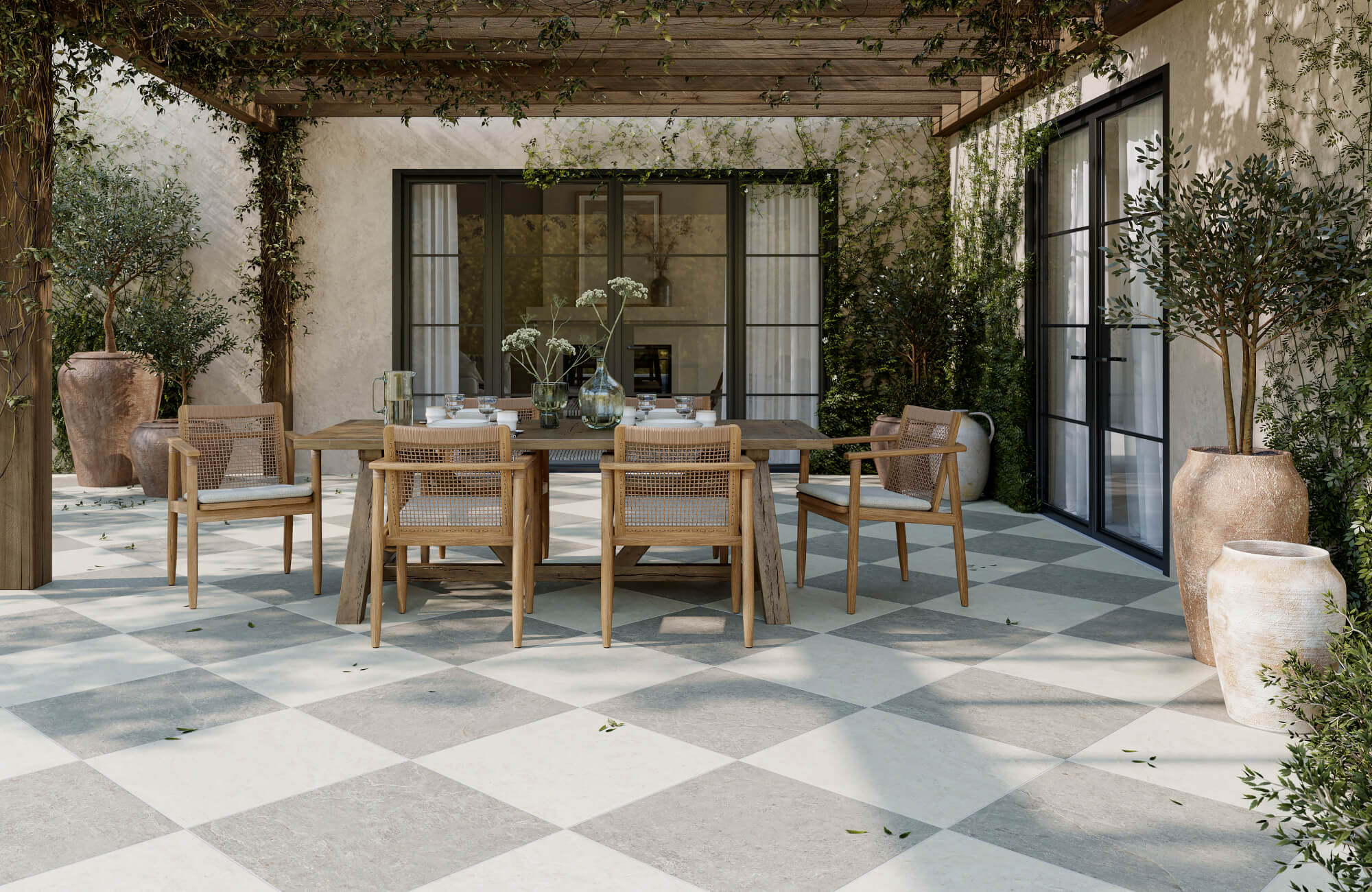
This timeless appeal is perfectly reflected in our Dawson 24x24 Checkerboard Grip 2cm Porcelain Paver Tile in Ash & Alabaster, whose classic checkerboard layout adds instant architectural character and sophistication to outdoor dining spaces. As featured in the photo above, its soft gray and cream tones create a refined European charm that enhances both visual harmony and overall property elegance. This balanced contrast not only enriches the outdoor aesthetic but also increases perceived value, turning everyday patios into timeless extensions of refined living spaces.
Enduring Elegance and Lasting Performance of Paver Tiles
Porcelain paver tiles stand as a testament to the seamless fusion of design innovation and material strength, redefining how modern landscapes are built and experienced. Their dense, vitrified composition ensures unmatched durability, while advanced slip-resistant surfaces guarantee both safety and longevity in outdoor environments. By combining aesthetic precision with structural reliability, porcelain pavers elevate patios, walkways, and pool decks into architectural statements of endurance and style. In every sense, porcelain paver tiles embody timeless beauty, technical resilience, and long-term value—a material innovation that continues to shape the future of modern outdoor living.
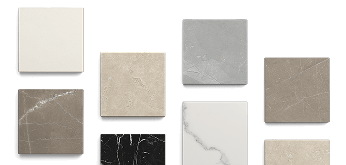
To help you experience this enduring quality firsthand, Edward Martin offers 4" x 4" tile samples that accurately reflect the color, texture, and finish of each collection. These premium samples allow you to evaluate the material’s true character before installation, ensuring confidence in both design and performance!
Follow us on Instagram
@EDWARD.MARTIN
)
)
)
)
)
)
)
)
)
)
)
)
)
)
)
)