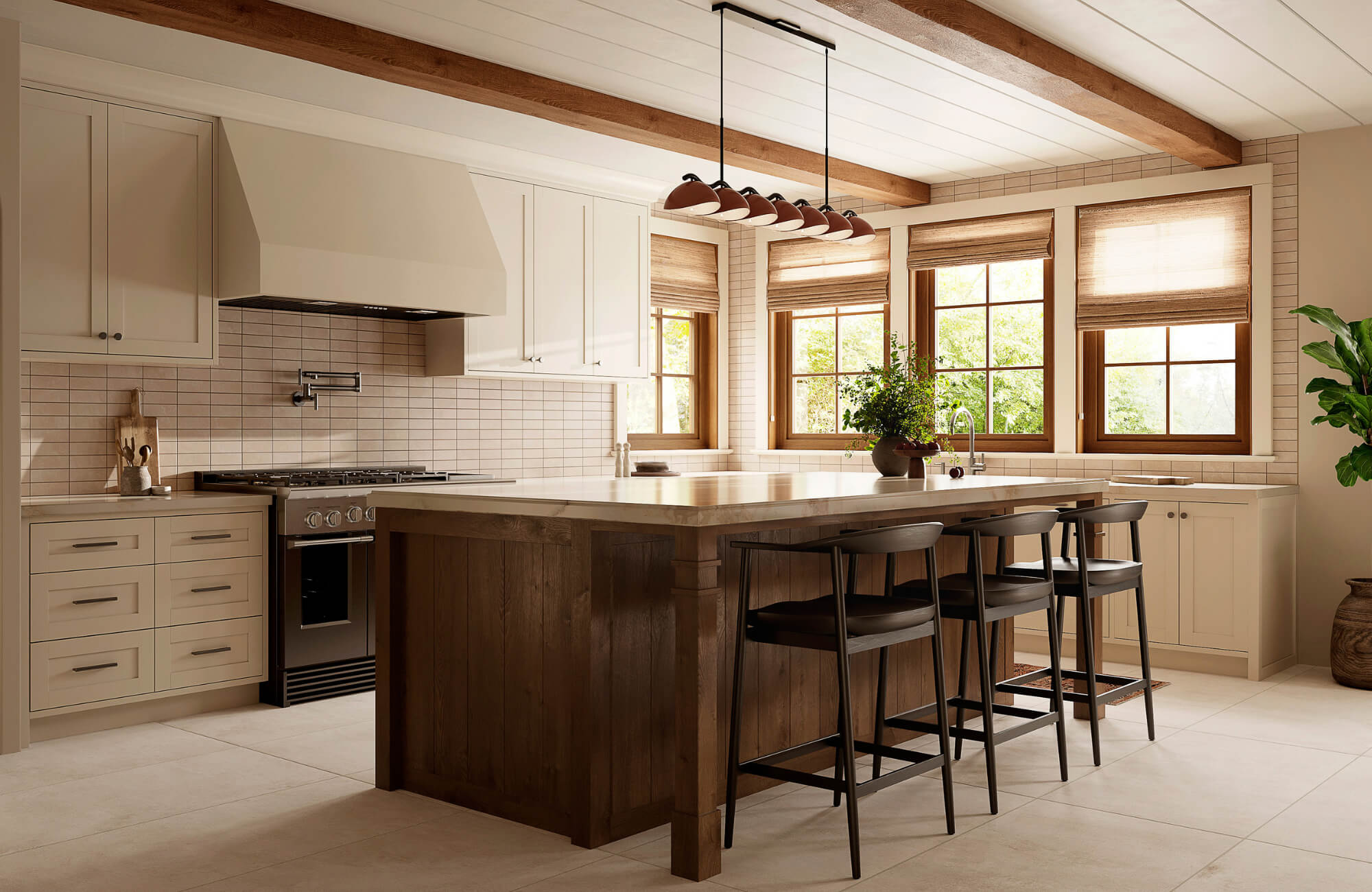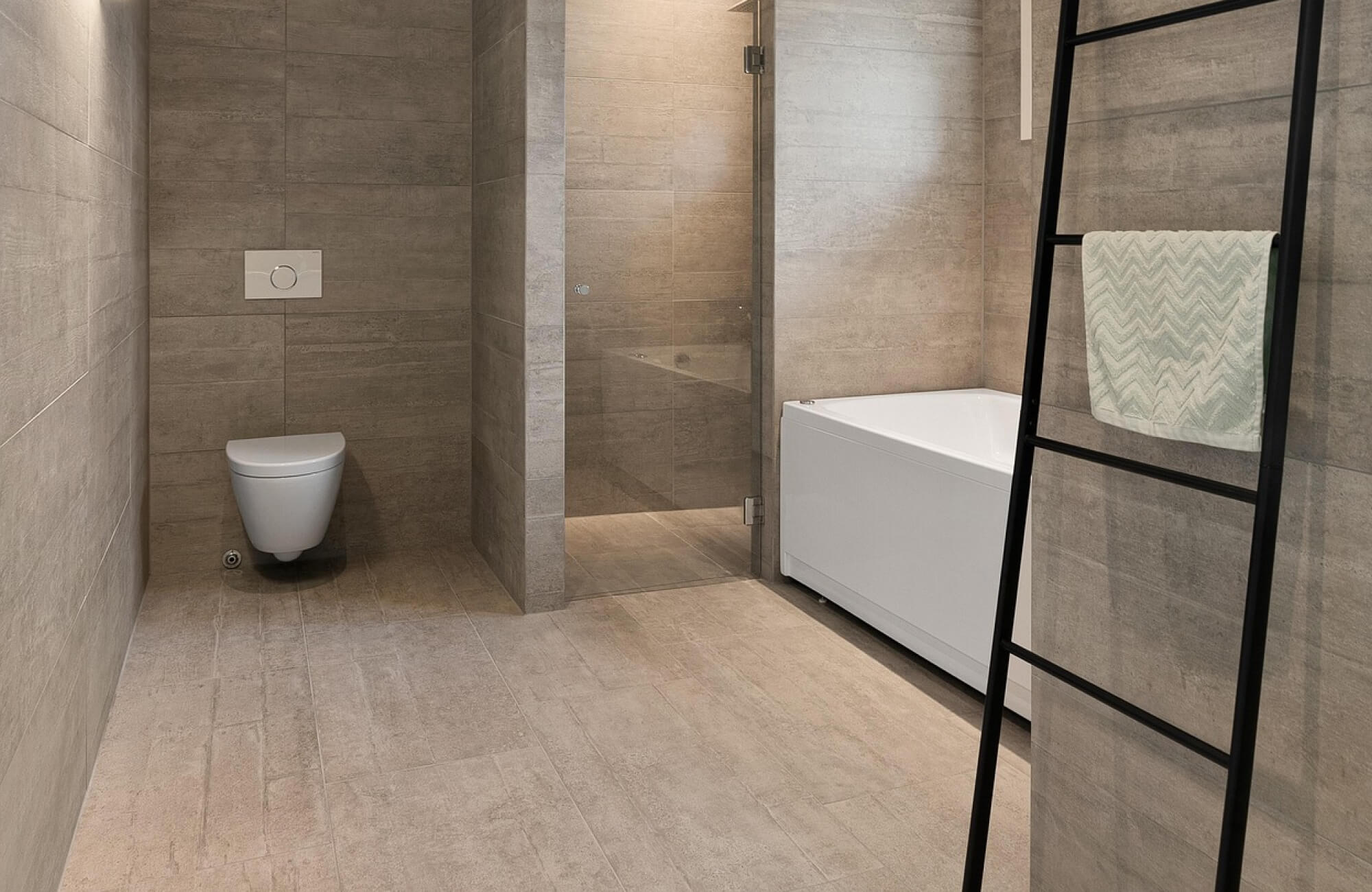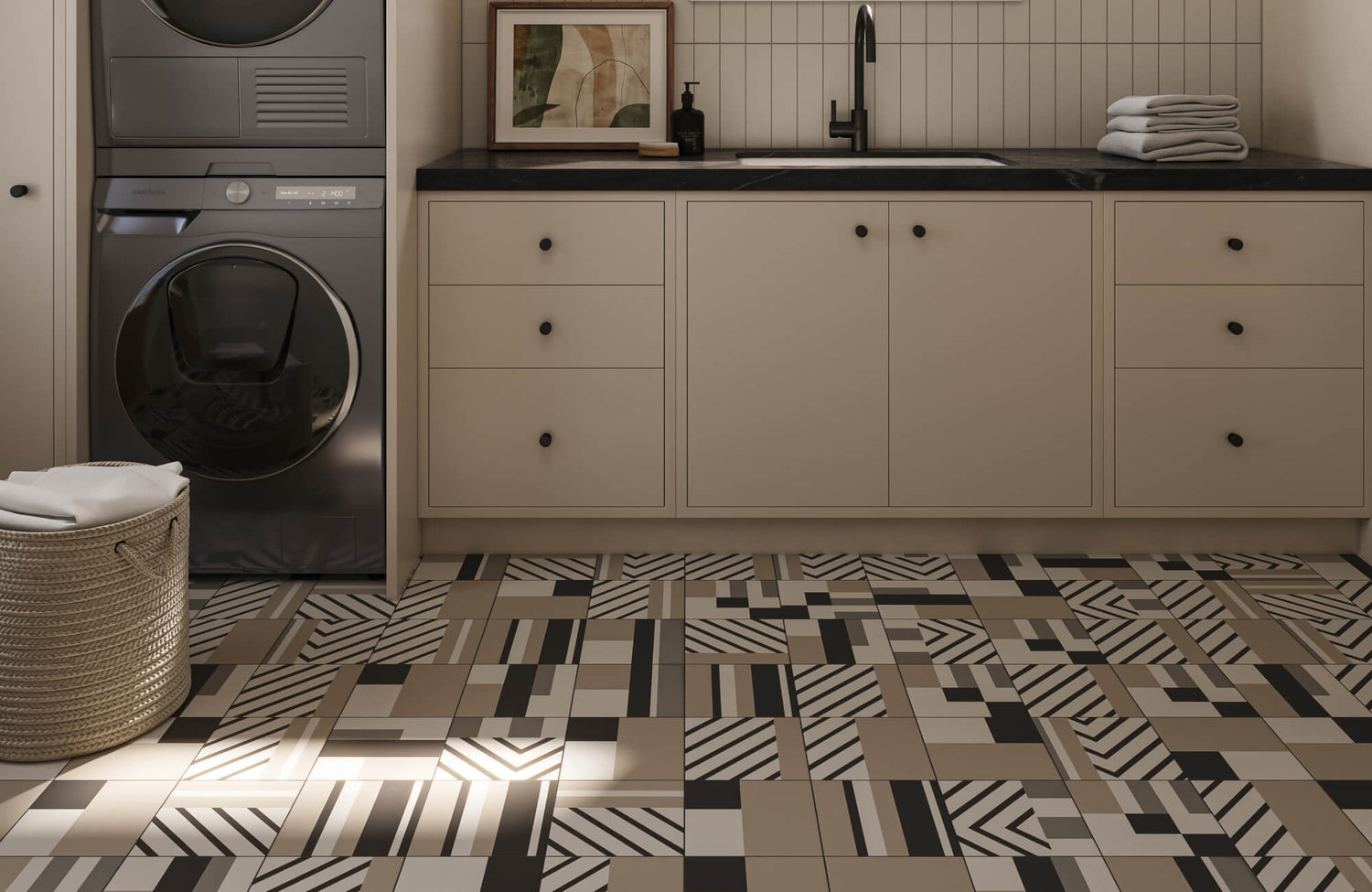
Tile patterns do much more than cover surfaces. When chosen with intention, they shape how a space feels, flows, and functions, adding character through layout rather than relying on color alone. From floors and backsplashes to feature walls, showers, and transitions between rooms, tile patterns can be applied in a variety of ways. Whether you are updating a single area or planning a larger renovation, tile layout plays a key role in the space’s overall outcome. In this article, we’ll explore unique tile pattern ideas that help you add visual interest in practical, well-balanced ways that feel approachable and comfortable for everyday living.

Classic Patterns Reimagined for Modern Spaces
Traditional tile layouts remain relevant in contemporary interiors, but they are now adapted to reflect modern proportions and ways of living. Rather than moving away from familiar patterns, you can refresh them by thoughtful changes in orientation, scale, and overall restraint.
Offset Brick Layouts
The classic brick pattern remains familiar, yet small adjustments can give it a more current feel. For instance, reducing the offset or orienting the layout vertically introduces a structured rhythm that feels intentional rather than expected. This approach works particularly well on walls, where vertical alignment can subtly influence how the space is perceived without changing the tile itself.
In addition, you can modernize this layout by keeping grout lines minimal and consistent. Cleaner spacing gives the pattern a more refined, controlled appearance, making it well-suited for kitchens, showers, or feature walls that call for a timeless yet updated look.
Refined Herringbone
Herringbone remains a popular choice, with its modern appeal rooted in a more restrained approach. Using larger tiles and maintaining consistent spacing gives the pattern a calmer presence, allowing the geometry to stand out without creating visual overload. This refined treatment works especially well on floors or full-height walls, where the pattern can be appreciated without feeling busy.
You can also update the look by adjusting the orientation. For example, running the herringbone vertically or centering it within a defined area can add a more intentional feel. In turn, these thoughtful shifts help the pattern appear well considered rather than purely decorative.
Updated Basketweave
Basketweave patterns have evolved through changes in scale and a more restrained use of color. Larger tile formats and reduced contrast help the layout feel less traditional and more architectural. By emphasizing subtle variation rather than strong contrast, the pattern retains its character while fitting comfortably into modern interiors.
That balance is clearly illustrated in the photo featured above, where Edward Martin’s Dani 1.6x5 Matte Ceramic Tile in Denimis arranged in a refined basketweave layout. Its elongated shape and muted finish soften the pattern’s geometry, allowing it to read as part of the overall structure rather than a decorative accent. This approach works particularly well in bathrooms or transitional spaces, where visual interest feels intentional without becoming distracting, allowing the pattern to support the room rather than compete with other design elements.

Directional Patterns That Influence Perception
Tile direction plays an important role in how a room is perceived and experienced. By thoughtfully adjusting orientation and alignment, you can subtly shape how a space feels without changing materials or finishes.
Vertical Stacks
Vertically stacked tiles naturally draw the eye upward, helping ceilings appear taller and spaces feel more open. This layout is especially effective in bathrooms, where vertical emphasis enhances the sense of height and openness. To maintain a refined look, consistent grout spacing and uniform tile sizing are essential. When executed thoughtfully, vertical stacks feel clean and architectural rather than purely decorative.
Horizontal Runs
Horizontal layouts emphasize width, making them well-suited for narrow spaces such as hallways or compact kitchens. Longer runs can create a sense of continuity, visually stretching the room from side to side. This pattern is particularly effective when paired with larger tiles, as fewer grout lines strengthen the horizontal flow. The result is a space that feels calmer and more expansive.
Diagonal Placement
Diagonal tile layouts introduce a sense of movement and energy into a room. By moving away from straight lines, this pattern softens rigid layouts and adds visual interest without relying on color changes. Diagonal placement is especially effective in smaller areas, where it helps shift attention away from tight dimensions. The angled orientation draws the eye across the space, creating a greater sense of openness.
In the photo featured above, Edward Martin’s Maisie 4x4 Glossy Ceramic Tile in Pistachio highlights how a diagonal layout can enhance light reflection and visual flow, helping compact spaces feel more open and dynamic.

Patterned Tile as a Focal Feature
Rather than applying a pattern across every surface, using it selectively helps create clear visual anchors within a space. This approach allows you to enjoy expressive designs while maintaining balance and avoiding an overwhelming effect.
Statement Floors
Patterned floors make a strong impression in entryways, powder rooms, and small sitting areas. Because these spaces are often transitional, bold patterns tend to feel intentional rather than overwhelming. Keeping surrounding surfaces simple allows the floor to stand out while maintaining balance. In this way, the pattern becomes a defining feature that sets the tone for the rest of the home.
Feature Walls
Tile feature walls add depth and texture to spaces such as bathroom vanities, kitchen cooking zones, or fireplaces. By limiting the pattern to a single surface, you create a clear focal point without introducing visual clutter, which is especially effective when working with detailed or geometric designs. This balance is evident in the photo featured above, where Edward Martin’s Jasmine 8x8 Arabesque Satin Porcelain Tile in Navy adds richness and pattern to the wall, keeping the surrounding cabinetry and finishes understated. The contrast allows the feature wall to stand out naturally, giving the eye a place to rest and ensuring the design feels intentional rather than busy.
Backsplash Showpieces
Backsplashes provide an opportunity to explore patterns on a smaller, more controlled scale. For instance, intricate layouts or repeating motifs can add personality while remaining visually contained. By extending the backsplash slightly higher or framing it within cabinetry, you can increase its impact without allowing it to dominate the room. As a result, kitchens and bar areas remain polished and functional.

Mixing Tile Shapes for Visual Depth
Combining tile shapes adds rhythm and visual complexity while keeping color palettes simple and cohesive. By varying form rather than contrast, you can add interest in a way that feels intentional and well-balanced.
Geometric Pairings
Pairing shapes such as hexagons with rectangles introduces a subtle contrast that feels deliberate rather than accidental. Maintaining consistency in scale or color helps the combination feel cohesive instead of chaotic. This approach works particularly well in showers or backsplashes, where shape variation adds dimension without overwhelming the space. It also adds visual interest while keeping the overall design controlled and easy to live with.
Soft and Angular Mixes
Balancing curved tiles with straight-edged shapes helps soften modern interiors. Rounded forms introduce a sense of ease, while angular tiles provide structure and clarity. This mix works especially well in bathrooms, where softer shapes can offset clean lines and hard surfaces. In doing so, the space feels more inviting without losing its sense of order.
Scale Variation
Using tiles of different sizes within the same space adds depth without introducing additional materials. Larger tiles can help establish structure, while smaller tiles bring detail and refinement. This technique is most effective when transitions are planned with care. Clear boundaries between scales maintain visual order while allowing each size to play a distinct role in the overall design.

Creative Transitions Between Spaces
Tile patterns can define zones and guide movement without requiring physical dividers. When transitions are planned thoughtfully, different patterns can coexist in a way that feels natural and cohesive.
Gradual Pattern Shifts
Gradually transitioning from one pattern to another creates a smooth visual flow between rooms. This technique works especially well in open layouts, where abrupt changes can feel disruptive. By slowly adjusting orientation or spacing, you maintain continuity while still defining separate areas. Over time, this approach helps connected spaces feel unified without losing their individual purpose.
Border Defined Areas
Patterned borders help frame specific zones, such as showers or kitchen work areas. These borders act as visual cues, clearly defining function without altering the main layout. When used sparingly, borders add structure and clarity while keeping the overall design cohesive. They also offer a subtle way to introduce a pattern without committing it to an entire surface.
This idea is clearly reflected in the photo featured above, where Edward Martin’s Shea 13.7x14.5 Matte Porcelain Wave Mosaic Tile in Cool Blend defines the bathing zone beneath the freestanding tub. The patterned floor establishes a subtle visual boundary that distinguishes the tub area from surrounding surfaces while preserving the room’s open feel. Overall, the space feels organized and intentional, with the pattern supporting function rather than drawing attention away from it.
Pattern Direction Changes
Changing pattern direction is an effective way to distinguish adjacent spaces while using the same tile. For example, rotating the orientation can signal a shift in function without introducing new materials. This approach works especially well in connected spaces such as bathrooms or kitchens, where subtle cues are often more effective than strong contrasts. It allows each area to feel defined while maintaining a cohesive overall design.

Texture Driven Tile Layouts
Texture brings depth to tile designs, even within monochromatic color palettes. By emphasizing surface variation, you can introduce visual interest that feels refined, subtle, and thoughtfully composed.
Ribbed and Fluted Arrangements
Linear textures catch light differently throughout the day, adding dimension through shadow and reflection. When arranged consistently, these textures create a quiet sense of movement that feels controlled rather than decorative. This approach works particularly well on walls, where changing light conditions enhance the surface without overwhelming the room. It allows texture to play a supporting role while still contributing to the overall design.
This effect is clearly visible in the photo featured above, where Edward Martin’s Zayne 12x36 Matte Ceramic Tile in Slat is installed in a ribbed, vertically aligned layout. Its elongated format and matte finish enhance the play of light and shadow across the surface, reinforcing a sense of depth while keeping the overall look calm and architectural. Rather than competing for attention, the texture adds subtle movement that supports the room’s serene, spa-like atmosphere.
Handcrafted Look Layouts
Tiles with slight variation benefit from layouts that highlight their natural character. For example, subtle irregularity in spacing allows the surface to feel more organic and less uniform. This approach suits spaces where warmth and authenticity are priorities, such as bathrooms or kitchens meant to feel lived in rather than overly polished. In turn, it helps create an environment that feels comfortable and approachable while still being thoughtfully designed.
Matte and Gloss Combinations
Combining matte and glossy finishes within a single layout introduces contrast through light rather than color. The interplay between finishes adds depth while maintaining a cohesive palette. This technique works best when applied consistently, allowing the variation to feel intentional rather than accidental. It is particularly effective in spaces where light plays a key role in shaping the overall atmosphere.
Upgrade Your Space With Unique Tile Patterns
Unique tile pattern ideas extend beyond aesthetics, influencing how spaces feel and function each day. By thoughtfully considering layout, direction, shape, transitions, and texture, you can create tile surfaces that feel intentional and well-balanced. When planned carefully, tile patterns become a design tool that enhances visual interest while supporting long-term usability.
If you are exploring tile options and want help visualizing how different patterns might work in your space, contact us to speak with our team for guidance. You can also use our AR tool to see tile patterns in your own room, making it easier to compare layouts and move forward with confidence.