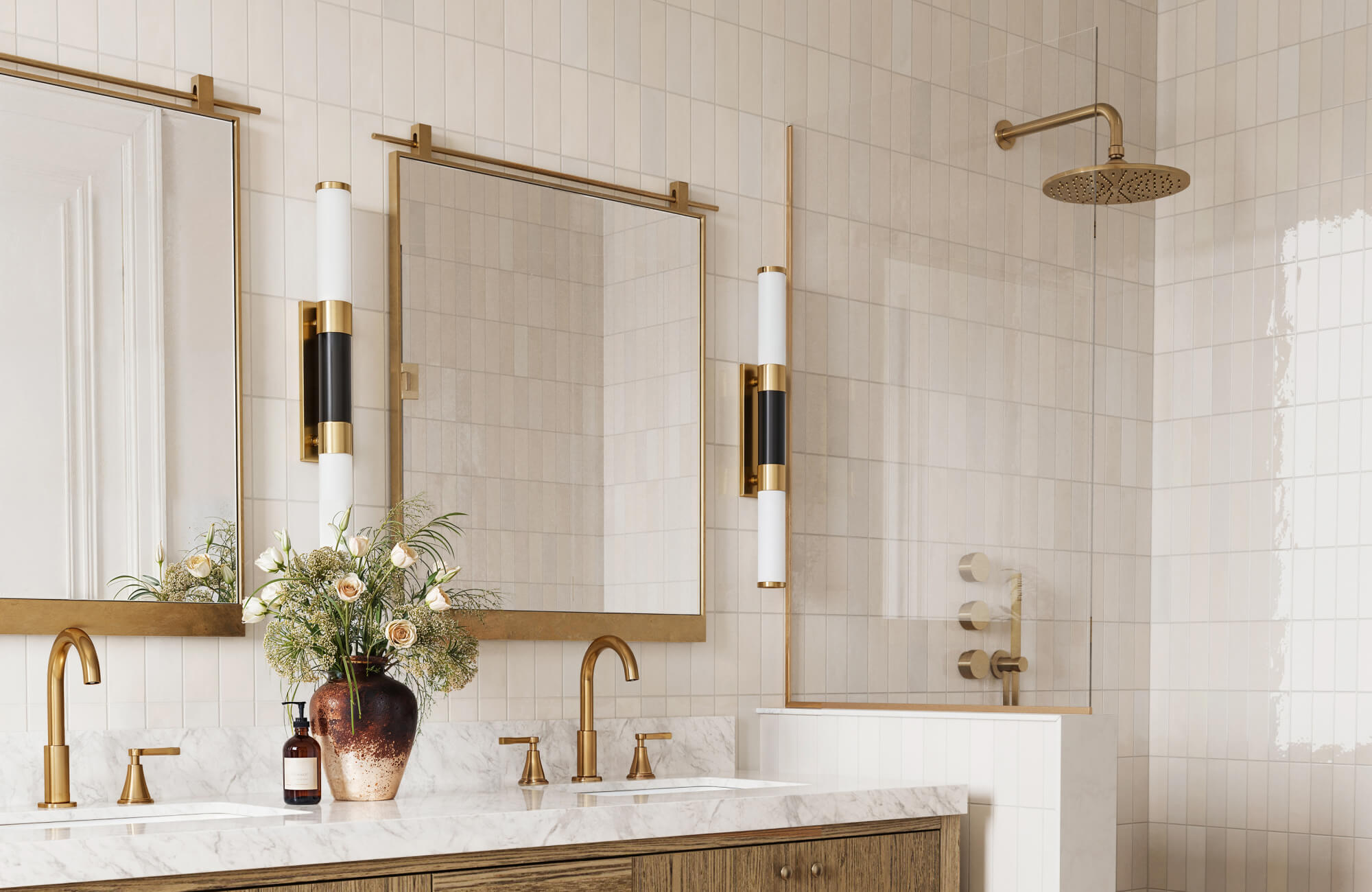
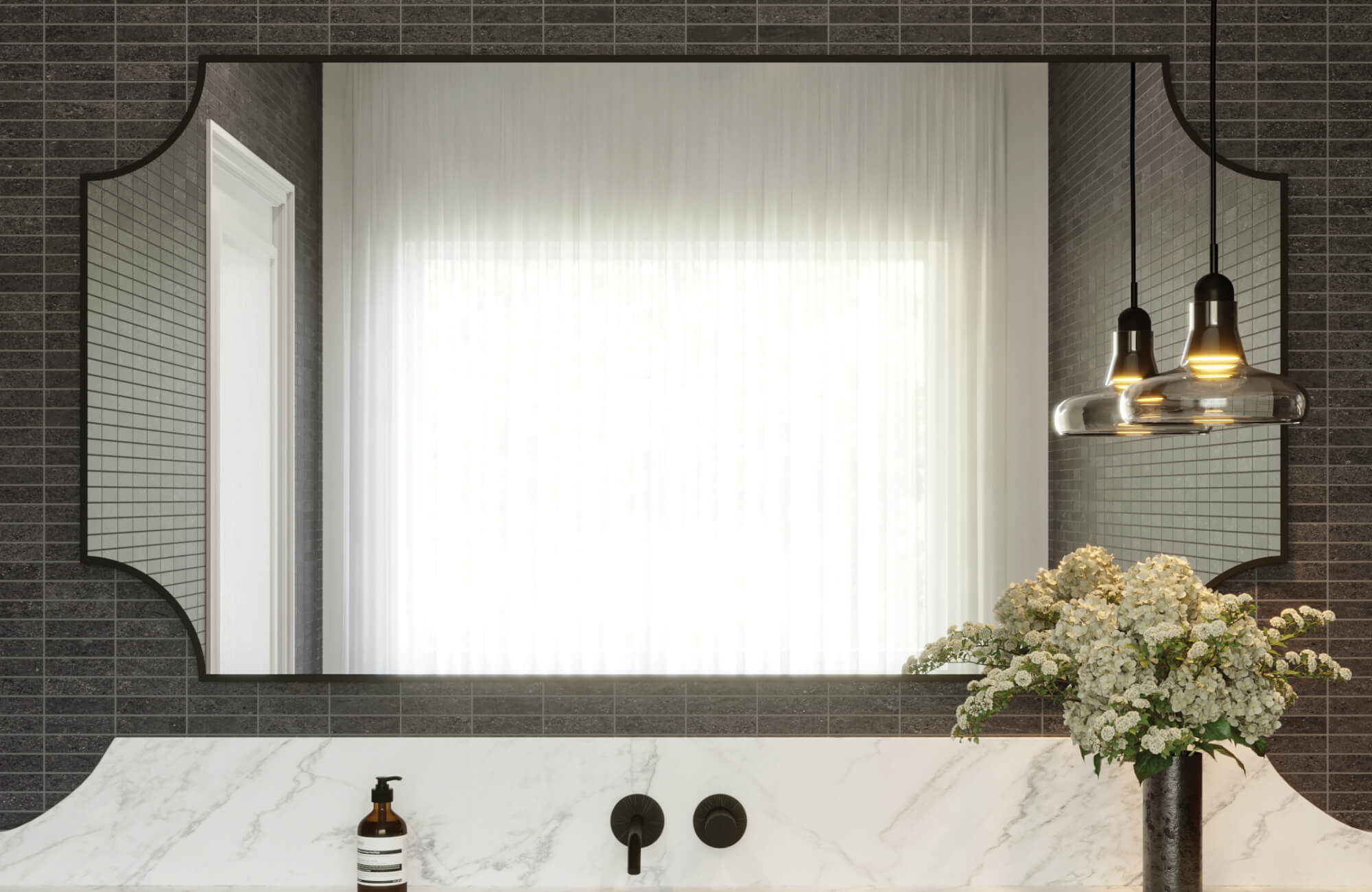
From cathedrals to kitchens, ceramic tiles have become a defining element in both design and function. Their colorful surfaces may seem ordinary, but each tile holds centuries of history and a blend of artistry and science. Ceramic tiles are more than decorative features—they are durable, hygienic, and versatile materials that continue to evolve with modern design. This article explores their historical development, material composition, types, and lasting benefits to help readers understand why ceramic tiles remain a preferred choice for residential and commercial applications.

Tracing the Origins of Ceramic Tiles
Ceramic tiles have been used since ancient times, serving both functional and decorative purposes. From early practical uses to ornate expressions of culture and religion, their evolution reflects human creativity and technological progress.
Early Examples in Ancient Civilizations
The use of ceramic tiles dates back to around 4,000 BCE in Mesopotamia and Egypt, where early glazed bricks were used for structural and decorative functions. A famous example is the Ishtar Gate of Babylon, where blue-glazed bricks demonstrated the aesthetic and resilient qualities of ceramic surfaces. Simultaneously, Minoan and Mycenaean cultures in the Aegean used ceramics to adorn palaces, showing the material's growing role in design and symbolism.
Global Spread Through Trade and Culture
Tile-making techniques quickly spread beyond their places of origin, carried by trade, conquest, and cultural exchange. The ancient Silk Road played a key role in transferring ceramic methods between East and West. Innovations like Persia’s cuerda seca tiles and China’s celadon influenced artisans across regions. The Islamic world, in particular, advanced tile artistry by developing intricate geometric patterns and calligraphy, often used in place of figurative imagery. These designs appeared on mosques, palaces, and homes from Spain to India, shaping tile aesthetics for generations.
European Renaissance and Artistic Expansion
During the Renaissance, ceramic tile-making in Europe experienced a significant revival. In Italy, artisans developed majolica tiles, a tin-glazed earthenware decorated with colorful hand-painted designs depicting mythological scenes and heraldic symbols. These tiles were used in homes and churches, reflecting both artistic skill and cultural themes. In the Netherlands, Delftware emerged with its distinctive blue and white patterns, often showing windmills, ships, and rural life. Delft tiles became widely popular and influenced ceramic traditions across Europe. This period firmly established ceramic tiles as both practical materials and artistic expressions.

Understanding Ceramic Tile Composition
Beyond their artistic legacy, ceramic tiles are defined by their durable construction. Their strength and visual appeal stem from a careful balance of raw materials and firing processes.
Key Ingredients in Tile Formulation
Ceramic tiles are made from a blend of natural ingredients, each contributing to the tile’s performance. Clay, primarily kaolin and ball clay, provides plasticity, allowing the mixture to be molded and shaped, contributing significantly to the tile's structural integrity. Next comes feldspar, a group of rock-forming minerals that act as a flux. During firing, feldspar melts and fills the microscopic pores within the clay body, leading to a process called vitrification – a crucial step that reduces porosity and increases strength. Finally, silica, commonly found as quartz sand, is incorporated to impart hardness and durability, ensuring the tile can withstand significant wear and tear. The precise ratio of these ingredients determines the specific properties of the resulting ceramic tile.
Firing Techniques Explained
After shaping, tiles are fired in a kiln, a step that transforms the raw materials into a hardened product. The first firing is called biscuit or bisque firing. Here, the tiles are subjected to high temperatures (typically 900-1100°C) to remove all moisture and create a porous, unglazed body. Following this, if glazing is required, a liquid glaze is applied, and the tile undergoes a second, higher-temperature glaze firing. This creates a smooth, sealed, and decorative surface. Alternatively, some modern tiles are "single-fired," where the glaze is applied directly to the unfired clay body, and both are fired simultaneously. This method is more efficient but requires a more robust clay body and precise control. The choice between single-fired and double-fired processes significantly influences the tile's final characteristics, including its density and aesthetic finish.
Glazing and Finishing
Glazing gives ceramic tiles their final look and surface properties. The type of finish—whether matte, satin, or glossy—affects how the tile reflects light and performs in different settings. Matte finishes offer a soft, understated appearance, while glossy finishes provide a more reflective, polished look.
Advances in digital printing have made it possible to apply highly detailed patterns and textures to tiles, including realistic imitations of wood, stone, or concrete. A perfect example is the Jameson 12x36 Matte Ceramic Tile in Camel Deco from Edward Martin, shown in the photo above, which showcases elegant linear patterning and a warm, tactile finish. Its large format and subtle design make it ideal for creating visually expansive surfaces with a touch of decorative charm.
Some tiles also feature textured or slip-resistant surfaces to increase safety in areas prone to moisture, such as bathrooms and kitchens. These glazing and finishing techniques enhance both the appearance and functionality of ceramic tiles, making them a versatile option for many environments.

Types of Ceramic Tiles and Their Uses
Ceramic tiles come in several types, each suited to different functions and design preferences. Understanding their properties helps in selecting the right tile for any application.
Porcelain Tiles
Porcelain tiles are valued for their strength, density, and low water absorption, making them ideal for areas exposed to moisture or heavy use. Their durability comes from a high-temperature vitrification process that creates a dense, glass-like structure, resistant to stains, frost, and wear. Porcelain tiles are available in two main types: through-body porcelain, where the color runs throughout the tile and makes chips less noticeable, and glazed porcelain, which features a decorative and protective surface layer.
A standout example is the Miley 4.5x9.1 Glossy Porcelain Tile in Ice, as seen in the photo above, which pairs the resilience of glazed porcelain with a clean, icy finish that suits both modern and transitional spaces. Its sleek surface and durable makeup make it a smart choice for bathrooms, kitchen backsplashes, or even outdoor installations where performance and aesthetics are equally important.
Terracotta Tiles
Terracotta, or "baked earth," tiles are made from iron-rich clays fired at lower temperatures, resulting in their characteristic reddish-brown hues. Unlike porcelain, traditional terracotta is unglazed and inherently porous, giving it a breathable quality and a softer, more organic feel. While this porosity contributes to their unique aesthetic, it also necessitates specific care; terracotta tiles require sealing to protect them from stains and moisture, and regular maintenance helps preserve their natural beauty.
For those who love the warmth of terracotta but want something more versatile and low-maintenance, alternatives like the Marsden 3x10 Matte Ceramic Tile in Almond offer a beautiful compromise. Its rich, earthy tone captures the rustic essence of terracotta while delivering the durability and convenience of ceramic. These tones work especially well in Mediterranean, Southwestern, or farmhouse-style spaces—perfect for bringing depth and coziness to living rooms, patios, or entryways.
Glazed Ceramic Tiles
The most commonly encountered ceramic tiles are often standard glazed ceramic tiles, celebrated for their immense versatility in design and the protective, decorative layer they boast. These tiles are made from a mixture of clays and minerals, fired to create a bisque body, and then coated with a liquid glass-like glaze before a second, higher-temperature firing. The glazed surface comes in many colors, patterns, and textures, including designs that mimic stone or wood.
For instance, the Maisie 4x4 Glossy Ceramic Tile in Canvas brings a warm, neutral charm with its soft beige tone and lustrous finish, making it an ideal choice for kitchen backsplashes or accent wallswhere subtle elegance is key. While highly versatile and easy to clean, it’s important to consider the intended use. Glazed ceramic tiles are typically best suited for residential wall applications and light-to-moderate-use floors, as the glazed surface, while protective, can be susceptible to scratching or chipping if subjected to heavy impact or abrasive forces.
Mosaic Tiles
For those seeking to create intricate designs, captivating focal points, or artistic installations, mosaic ceramic tiles offer a compelling solution. These are small ceramic pieces, typically less than 6x6 inches, arranged on mesh or paper sheets for easy installation. This unique format allows for the creation of incredibly detailed artistic murals, decorative borders, and intricate patterns that would be impossible with larger tiles.
A standout option is the Bryce 2x5 Satin Ceramic Picket Mosaic in Sand, which brings soft, neutral tones and a refined picket shape ideal for subtle texture and visual rhythm. It’s especially effective in shower floors, backsplashes, or bathroom niches, where both style and slip resistance are essential. The smaller size also enhances grip due to the many grout lines between tiles, making mosaic tiles a great option for both decorative accents and functional applications.

Unveiling Ceramic Tile Benefits
Ceramic tiles provide more than visual appeal. Their physical properties and practical advantages make them a smart choice in many environments.
Durability and Longevity
One of the most compelling benefits of ceramic tiles is their exceptional durability. Crafted through intense heat, porcelain tiles—a dense, vitrified subtype of ceramic—are inherently robust, making them a remarkably resilient surface capable of withstanding the rigors of daily life. They exhibit remarkable resistance to wear and tear from constant foot traffic, maintaining their pristine appearance even in bustling entryways or commercial corridors. Unlike softer flooring options, porcelain tiles are also adept at withstanding heavy loads and the pressure of furniture, preventing indentations or damage from everyday use. This level of durability makes porcelain tile a wise long-term investment, often outlasting alternatives like carpet, laminate, or even certain hardwoods.
Easy Maintenance
For those seeking both beauty and practicality, ceramic tiles present an ideal solution due to their remarkably low maintenance requirements. Their hard, often glazed surfaces are incredibly easy to clean, demanding only simple cleaning routines using mild detergents and water to keep them looking pristine. Spills and messes are no match for ceramic tiles, as their non-porous nature makes them highly resistant to stains and spills, allowing for quick and effective cleanup. While the tile itself is easy to maintain, it's worth noting that grout cleaning and sealing considerations are important to preserve the overall appearance and hygiene of a tiled surface. With minimal effort, ceramic tiles retain their aesthetic appeal for years.
Health and Hygiene Benefits
Beyond their visual and practical merits, ceramic tiles contribute significantly to a healthier indoor environment. Their inherently non-porous surface inhibits the growth of mold, mildew, and bacteria, making them an excellent choice for moisture-prone areas like bathrooms and kitchens. Unlike fibrous materials, ceramic tiles do not harbor common allergens such as dust mites, pet dander, or pollen, which often get trapped in carpets or fabrics. This makes them a superior choice for individuals with allergies or sensitivities. By providing a clean, inert surface that can be easily disinfected, ceramic tiles contribute directly to better indoor air quality, fostering a more comfortable and healthy living or working space.

The Sustainable Side of Ceramic Tiles
Ceramic tiles offer sustainability benefits that align with environmentally responsible design. From production to application, they demonstrate an efficient and low-impact profile.
Sustainable Production and Material Use
The very foundation of ceramic tiles lies in the earth's abundant resources, primarily clay and feldspar, which are widely available and do not deplete scarce materials. Modern manufacturing has also made significant strides in sustainable production. Factories are continuously improving energy efficiency during firing processes, adopting advanced kilns that require less fuel and emit fewer pollutants. Furthermore, a strong emphasis is placed on water recycling and waste reduction, with many facilities reusing water from cooling processes and repurposing clay scraps back into the production cycle, minimizing their ecological impact at the source.
Recyclability and Circular Lifecycle
Many tile producers now incorporate recycled materials into their products. Post-industrial waste, such as leftover clay, and post-consumer content like broken glass or old tiles, are often reused in new tile production. This reduces landfill waste and the need for new raw materials. At the end of their lifespan, ceramic tiles can be repurposed for new design projects or crushed and reused in construction, contributing to a more circular and sustainable material lifecycle.
Energy Efficiency in Use
Beyond their production, ceramic tiles contribute to a building's overall energy efficiency through their inherent thermal mass properties. Their density allows them to absorb and retain heat from sunlight or indoor heating systems, slowly releasing it throughout the day or night. This natural regulation can significantly reduce the need for active heating and cooling, leading to lower energy consumption. This characteristic also makes them an ideal surface for radiant heating systems, allowing for efficient and even distribution of warmth from underfloor pipes. By passively regulating indoor temperatures, ceramic tiles contribute directly to overall building sustainability and lower energy bills for occupants.
Final Thoughts
Ceramic tiles have earned their place in architecture not only through their beauty but also through centuries of proven performance. From ancient innovations to advanced manufacturing, they continue to combine aesthetic flexibility with unmatched durability. Whether selecting porcelain for its strength, terracotta for its warmth, or mosaics for intricate design, there is a ceramic tile to meet nearly every functional and visual need. Their health benefits, low maintenance, and sustainable advantages only reinforce their value. As building materials go, ceramic tiles stand out as one of the most reliable and adaptable choices available today.