Kitchen tiles do far more than complete a look; they define how well your space performs under the daily demands of cooking, cleaning, and gathering. When deciding between porcelain and ceramic, many are drawn first to appearance, but the differences go far deeper than style. Each material has unique strengths that influence not only design but also durability, maintenance, and cost.
By taking a closer look at how porcelain and ceramic behave in real-world kitchen conditions, you can choose a tile that matches both your aesthetic vision and your lifestyle needs. From material composition and resilience to installation challenges and long-term value, understanding these distinctions will also help you invest wisely in a kitchen that feels as good as it looks.

Aesthetic Value and Timeless Appeal
The visual foundation of a kitchen often begins with its tiles, and both porcelain and ceramic offer distinct design advantages that cater to different styles. Porcelain kitchen tiles are celebrated for their ability to replicate natural materials with impressive realism. Because of their advanced manufacturing techniques like high-definition inkjet printing, they can convincingly mimic marble veining, wood grain, or the textured look of concrete. This results in a refined, luxurious aesthetic that fits seamlessly into modern, minimalist, or high-end kitchen spaces. The availability of large format porcelain tiles with rectified edges further enhances this sleek effect by minimizing grout lines for a clean, uninterrupted finish.
A beautiful example of porcelain’s ability to merge elegance with practicality can be seen in our Leona 24x24 Checkerboard Matte Porcelain Tile in Calacatta and Marfil. Its classic checkerboard design blends creamy beige with sophisticated white tones, creating a timeless marble look floor pattern like the one showcased above. Paired with subtle wall details such as our Juliet 2.5x10 Matte Porcelain Tile in Pearl, which offers a soft gray finish, the combination balances bold geometry on the floor with understated refinement on the backsplash, resulting in a cohesive and inviting kitchen atmosphere.
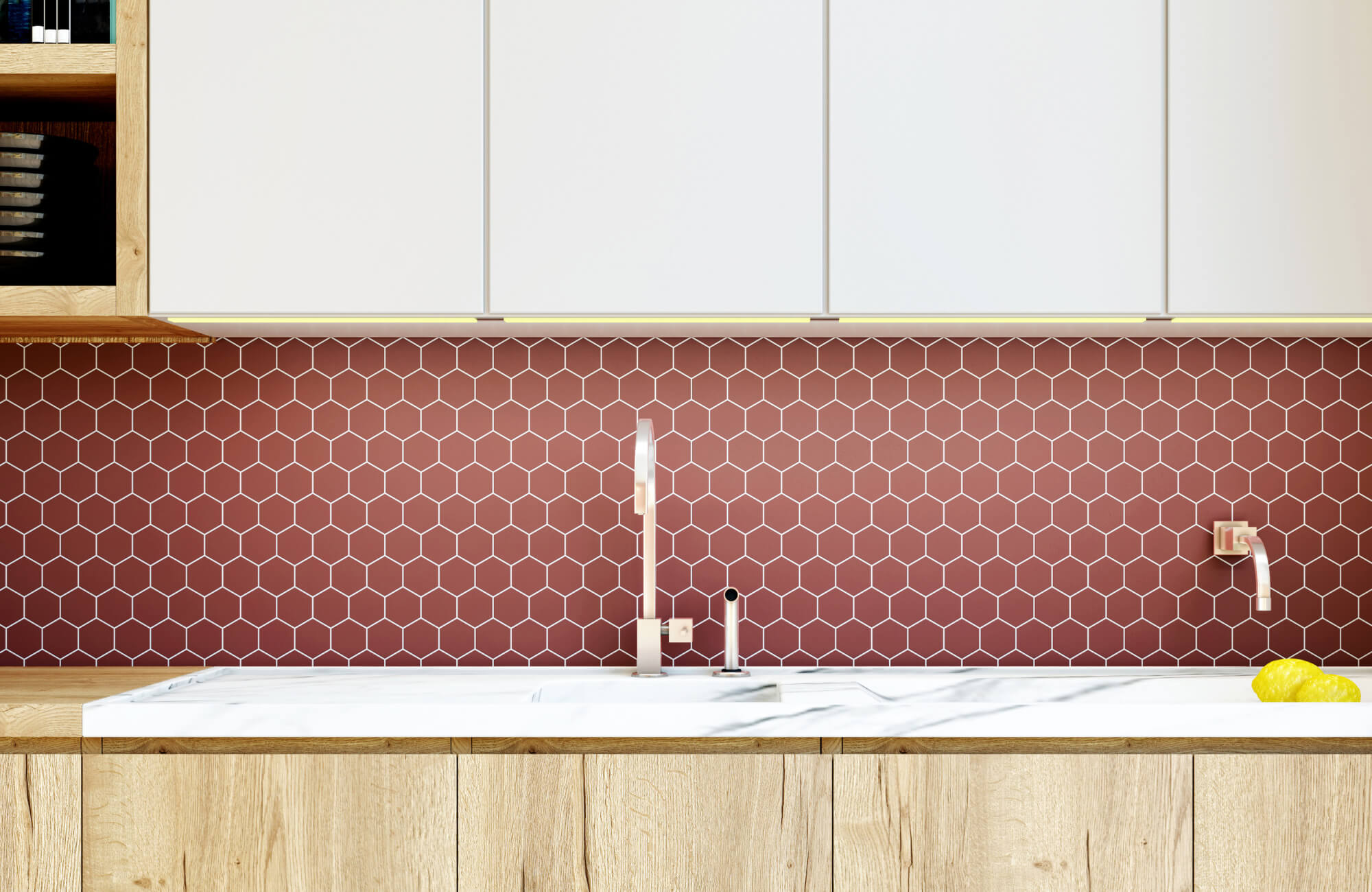
Ceramic kitchen tiles, on the other hand, are prized for their bold colors, with some offering a zellige-inspired look that adds to their decorative versatility. Their softer composition allows for easier customization in both shape and pattern, making them ideal for kitchens that lean into warmth, character, and artistic flair. From rustic farmhouse motifs to Mediterranean-inspired palettes or vintage cottage charm, ceramic kitchen tiles offer a level of creative expression that porcelain typically approaches with more restraint. Their ease of cutting also makes them a favorite for intricate layouts, particularly on backsplashes or feature walls where visual detail and personal style take center stage.

Material
To make an informed decision between porcelain and ceramic, it's important to go beyond surface appearances and understand the science behind their composition. The way each tile is manufactured directly impacts its strength, moisture resistance, and performance under stress.
Porcelain kitchen tiles are made from a highly refined clay mixture that includes kaolin, feldspar, and silica. It is fired at extremely high temperatures, typically over 2,300°F. This process vitrifies the tile, meaning it melts into a glass-like state, fusing the particles together into a dense, hard mass. The result is a non-porous tile, ideal for moisture-prone areas like kitchens. Its exceptional durability also extends to resistance against chipping, scratching, and constant use, which is why porcelain is particularly well-suited for kitchen floors and other busy surfaces.
Ceramic kitchen tiles, on the other hand, are composed of red or white clay and are fired at lower temperatures, around 1,800°F. They are also non-porous, with a glazed surface that protects against stains and moisture. Their lighter structure and easier handling make them especially appealing for installation on walls, backsplashes, and decorative areas. In these spaces, ceramic delivers both practicality and design versatility, allowing you to add color, pattern, and character without the need to withstand the same heavy wear as flooring.
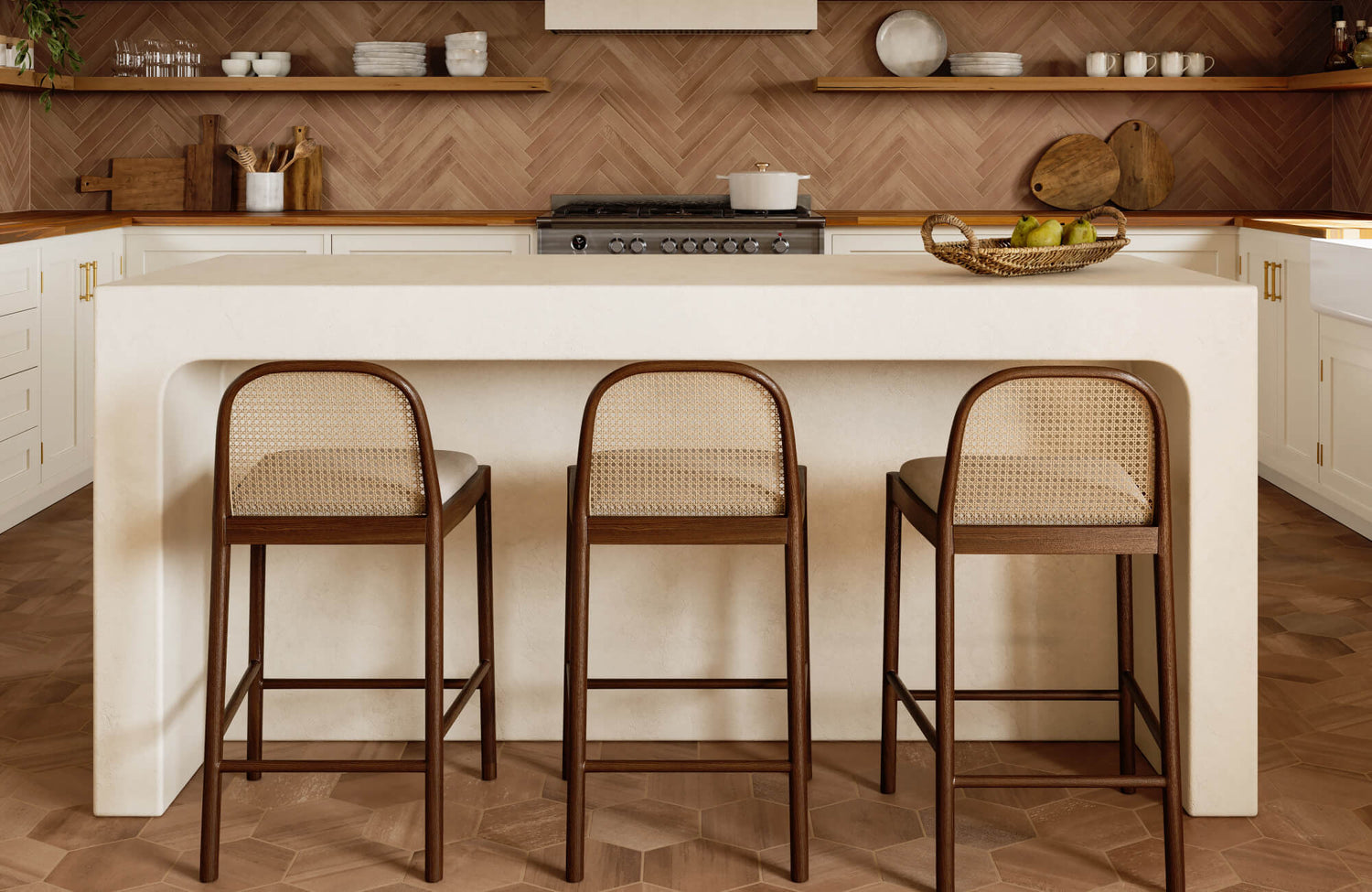
When paired together, porcelain and ceramic kitchen tiles can create a harmonious balance of strength and style. For example, grounding the space with our Leighton 35x35 Matte Porcelain Tile in Multicolor on the floor while adding our Dani 1.6x5 Matte Ceramic Tile in Cream on the backsplash introduces both resilience and refined beauty. As shown in the image above, this combination highlights how the durability of porcelain and the decorative versatility of ceramic can work seamlessly together to achieve a kitchen design that is both functional and timeless.

Durability
Since kitchens are among the busiest areas, tiles must withstand constant spills, heat, dropped items, and frequent use. Both porcelain and ceramic tiles are non-porous and designed to deliver lasting performance in residential and commercial settings. However, their durability differs slightly depending on where they are installed, which makes it helpful to match each material with the right application.
Porcelain’s dense body gives it exceptional strength and wear resistance, making it a preferred choice for kitchen flooring and other busy areas. Most porcelain tiles rate Class 4 or 5 on the PEI scale, confirming their suitability for both residential and commercial use. Porcelain also resists scratches, stains, and scuffs, which means it holds up well under constant use in areas such as kitchen islands, stove zones, and sink spaces. To achieve this balance of durability and style, many turn to wood look porcelain options like our Jameson 8x48 Matte Porcelain Tile in Latte, seen in the photo above. Its warm brown tone and natural grain effect bring the inviting look of hardwood into the kitchen while delivering the toughness needed for everyday wear.
Ceramic kitchen tiles, while slightly less dense, still offer reliable durability with a strong glazed surface that protects against stains and moisture. They typically rate Class 2 or 3 on the PEI scale, making them especially effective in moderate-use areas. Where ceramic really shines is on walls, backsplashes, and vertical surfaces, where it delivers beauty and protection without needing to endure constant use. Its lighter weight and versatility also make it ideal for creating decorative elements that elevate the overall kitchen design. For instance, our Maisie 2.5x16 Glossy Ceramic Tile in Ocean brings a refreshing ocean-blue finish to backsplashes, adding depth, color, and personality while maintaining the practicality that ceramic offers. Together, these qualities make ceramic a reliable and stylish choice for enhancing the vertical elements of any kitchen.

Installation Challenges and Flexibility
The decision between porcelain and ceramic kitchen tiles affects the installation process, influencing labor costs, time, and the feasibility of DIY projects. Porcelain’s exceptional hardness, while beneficial for durability, makes it more difficult to cut and handle. Installers must use specialized tools like a wet saw with a diamond blade to prevent cracks and ensure clean edges. This requirement raises both the time and cost of installation. The density of porcelain also makes it heavier, which may necessitate additional floor reinforcement, especially when using large format tiles.
Ceramic kitchen tiles, on the other hand, are easier to cut and lighter to work with, making them a better choice for projects where precision cuts or intricate patterns are needed. Their softer body allows for straightforward installation using basic tools, which is especially attractive to those interested in completing renovations themselves. Moreover, standard adhesives typically suffice for bonding ceramic tiles, while porcelain requires stronger polymer-modified mortars to ensure a lasting bond.
Substrate considerations are also important. Porcelain’s weight and low moisture absorption can make it less forgiving if the subfloor has imperfections or movement. Ceramic, being more flexible, adapts more easily to common subfloor materials and doesn’t impose the same structural demands. For these reasons, professional installation is often recommended for both materials: porcelain floors benefit from expert handling to ensure stability and precision, while ceramic walls and backsplashes achieve their best finish when installed by skilled professionals who can execute detailed patterns cleanly. Ultimately, a well-planned installation not only enhances durability but also ensures your kitchen looks polished and cohesive for years to come.

Maintenance and Long-Term Care
The kitchen is a space where maintenance routines matter. Selecting a tile material that aligns with your lifestyle can reduce daily effort and long-term upkeep. Porcelain’s dense, non-porous surface makes it highly resistant to stains, moisture, and bacterial growth. Most spills, including oil, wine, and acidic substances, can also be wiped clean without leaving a trace. Since porcelain kitchen tiles don’t require sealing, maintenance is minimal. Their hygienic surface is especially advantageous in food preparation areas, where cleanliness is a top priority.
Ceramic kitchen tiles are also non-porous and simple to maintain, especially on walls and backsplashes where they are less exposed to heavy wear. The glazed surface resists stains and moisture, allowing for quick and easy cleaning with just routine care. Grout lines may need occasional sealing to preserve their appearance, but overall, ceramic remains a practical and stylish option for decorative applications. With proper upkeep, ceramic kitchen tiles can retain their beauty and functionality for decades, making them a dependable choice for those who want both charm and durability in their kitchen design.
To get the best results from either porcelain or ceramic kitchen tiles, you should also follow the manufacturer’s maintenance recommendations. These guidelines ensure the tiles continue to perform at their best while also helping maintain any warranty coverage.

Cost Comparison
At first glance, the difference in cost between ceramic and porcelain seems clear. Ceramic is generally more affordable both in terms of material and installation, making it a popular choice for budget-conscious projects. On average, ceramic kitchen tiles range from $1 to $10 per square foot, depending on the style and finish. The lower cost of ceramic comes from its simpler manufacturing process and the ease with which it can be installed. For those who want a quick refresh or who are renovating a small space, ceramic kitchen tiles offer excellent value without compromising on visual appeal. The reduced labor requirements also mean that professional installations are typically more affordable.
In contrast, porcelain kitchen tiles come at a higher price point due to the complex manufacturing process and the higher grade of raw materials involved. Prices generally range from $3 to $12 per square foot, with premium styles costing even more. Installation costs are also steeper, as porcelain requires specialized tools and greater expertise. However, this higher upfront investment often pays off over time. Porcelain’s resistance to damage and minimal maintenance needs translates to fewer repairs and a longer lifespan, reducing the total cost of ownership.
Making the Right Choice for Your Kitchen
The choice between porcelain and ceramic tiles comes down to what matters most in your kitchen. Porcelain stands out as the long-term performer, offering unmatched durability, moisture resistance, and low maintenance, which makes it especially well-suited for kitchen floors and other busy areas. Ceramic, on the other hand, shines in versatility and affordability, delivering decorative flair and easy maintenance that make it ideal for walls, backsplashes, and other vertical surfaces. By weighing these qualities against your priorities, you can confidently select the tile that balances beauty and practicality, ensuring your kitchen remains both functional and inviting for years to come.
To make the decision even easier, you can take advantage of our design services, which provide expert guidance tailored to your style, layout, and lifestyle needs. For added confidence, you can also explore how different tiles will look in your space with our augmented reality (AR) tool. These resources help you visualize your options before making a commitment, ensuring that whether you choose porcelain for the floors or ceramic for the walls, your kitchen design feels cohesive and perfectly suited to your space.