
)
)
)
)
)
)
)
)
Should You Choose A Pedestal Sink Or A 24-Inch Vanity For A Small Bathroom?
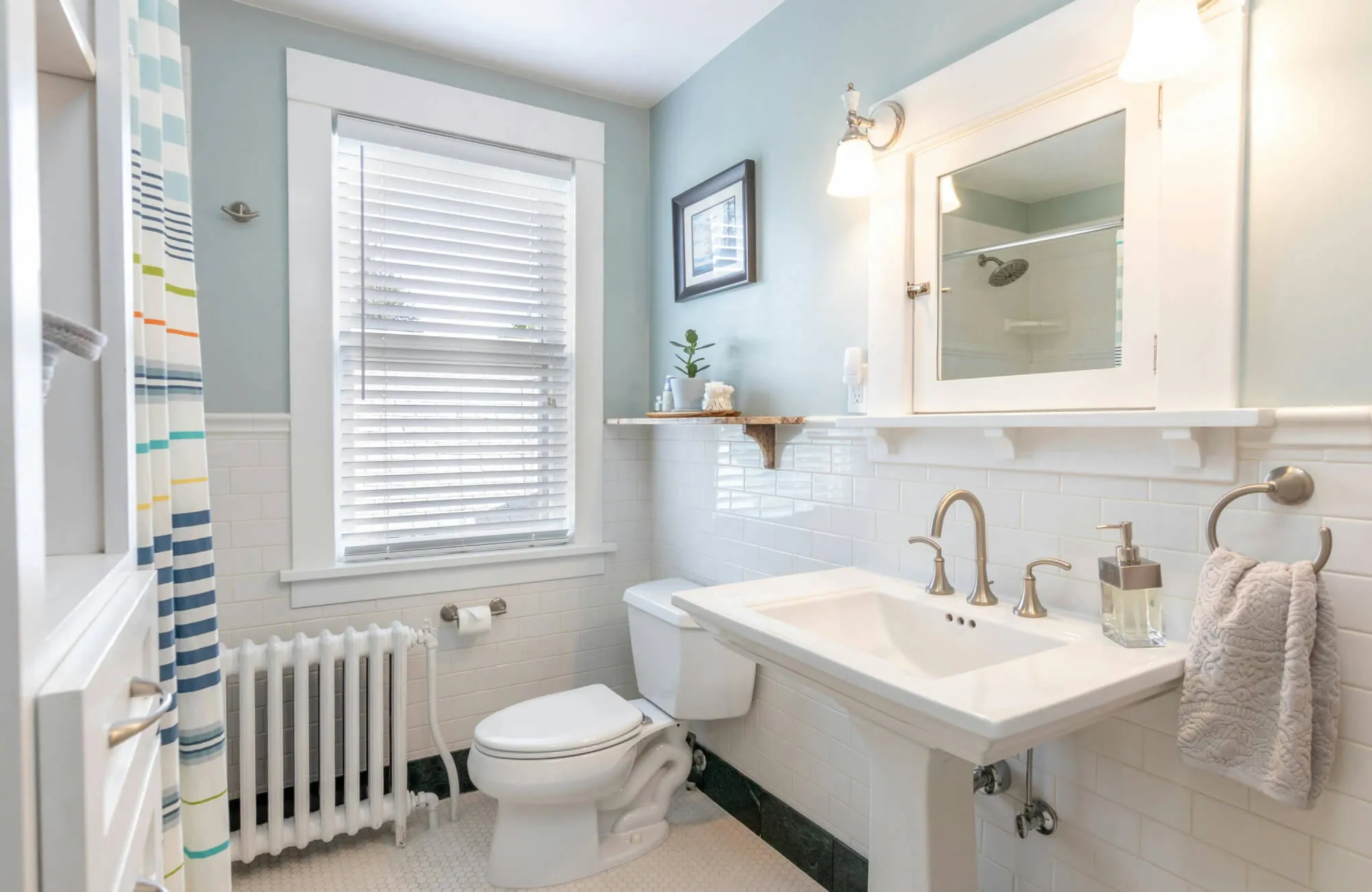
A small bathroom doesn’t leave much room for guesswork, especially when it comes to choosing the right sink or vanity. Every fixture affects how open the space feels, how easily you move through it, and how smoothly daily routines unfold. Pedestal sinks and 24-inch vanities are two of the most common choices for compact bathrooms, yet each brings a very different balance of openness and function. In this blog, we’ll break down how both options work in real-life small spaces, what each does well, and where trade-offs tend to show up.
How Space Constraints Shape Bathroom Fixture Choices
In a small bathroom, every choice carries more weight because there’s less room for error. Floor space, sightlines, and how the room is used day to day all influence whether the space feels comfortable or cramped. Below, we’ll look at why these constraints matter so much and how they set the stage for choosing between a pedestal sink and a compact vanity.
Why Small Bathrooms Amplify Every Design Decision
Small bathrooms tend to magnify design decisions because even minor changes can noticeably affect how the space feels. A fixture that works well in a larger bathroom, for example, can suddenly feel overwhelming once square footage becomes limited. This happens because there’s less visual and physical room to absorb bulky shapes or unnecessary details. As a result, every element stands out more, from how much floor remains visible to how easily you can move around the room. Because flexibility is reduced, choices naturally feel more deliberate. That’s why thoughtful planning matters so much in small bathrooms, often more than anywhere else in the home.
Balancing Openness With Daily Function
One of the biggest challenges in a small bathroom is finding a balance between openness and everyday function. A space that feels open can be calming and comfortable, but it still needs to support daily routines without becoming inconvenient. Fixtures play a major role here because they take up both physical space and visual attention at the same time. A visually lighter choice may create openness, but it can also come with practical trade-offs. On the other hand, a more functional option might feel heavier in the room. This push and pull is common in compact layouts, and recognizing it helps frame the decision more clearly.
Visual Space vs Physical Space in Compact Layouts
In small bathrooms, visual space and physical space don’t always line up, which can make decisions feel more complicated than expected. A fixture might take up very little floor area, yet still feel visually dominant once it’s in place. At the same time, something with a slightly larger footprint may actually make the room feel more organized and grounded. Sightlines, visible floor space, and how the eye moves through the room all shape this perception. Because of that, how a bathroom looks can feel just as important as its actual measurements. Keeping this distinction in mind makes it easier to evaluate fixture choices with confidence.
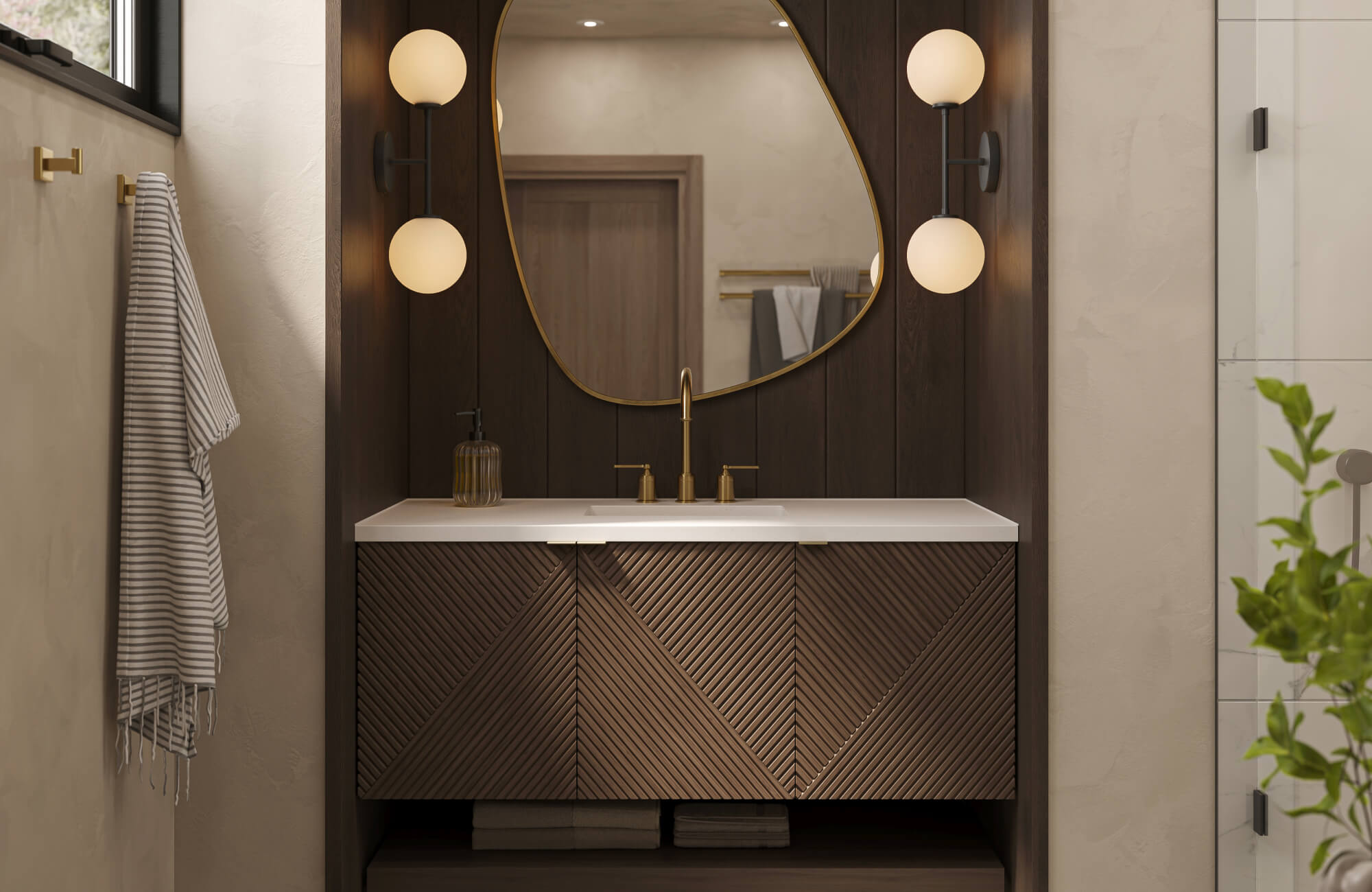
To show this in action, our Royce 48" Single Vanity in Chestnut with 3 cm White Zeus Quartz Top, shown above, highlights how visual lightness can offset a wider footprint in a more compact layout. While the vanity measures 48 inches, its wall-mounted design and open space beneath help preserve sightlines, which is especially important when working around tighter clearances like 24-inch planning zones. The elevated profile keeps the room from feeling boxed in, even with a fuller storage setup. This example shows how proportions, not just width alone, often determine whether a fixture feels comfortable in a small bathroom.
Pedestal Sinks: When Simplicity and Openness Matter Most
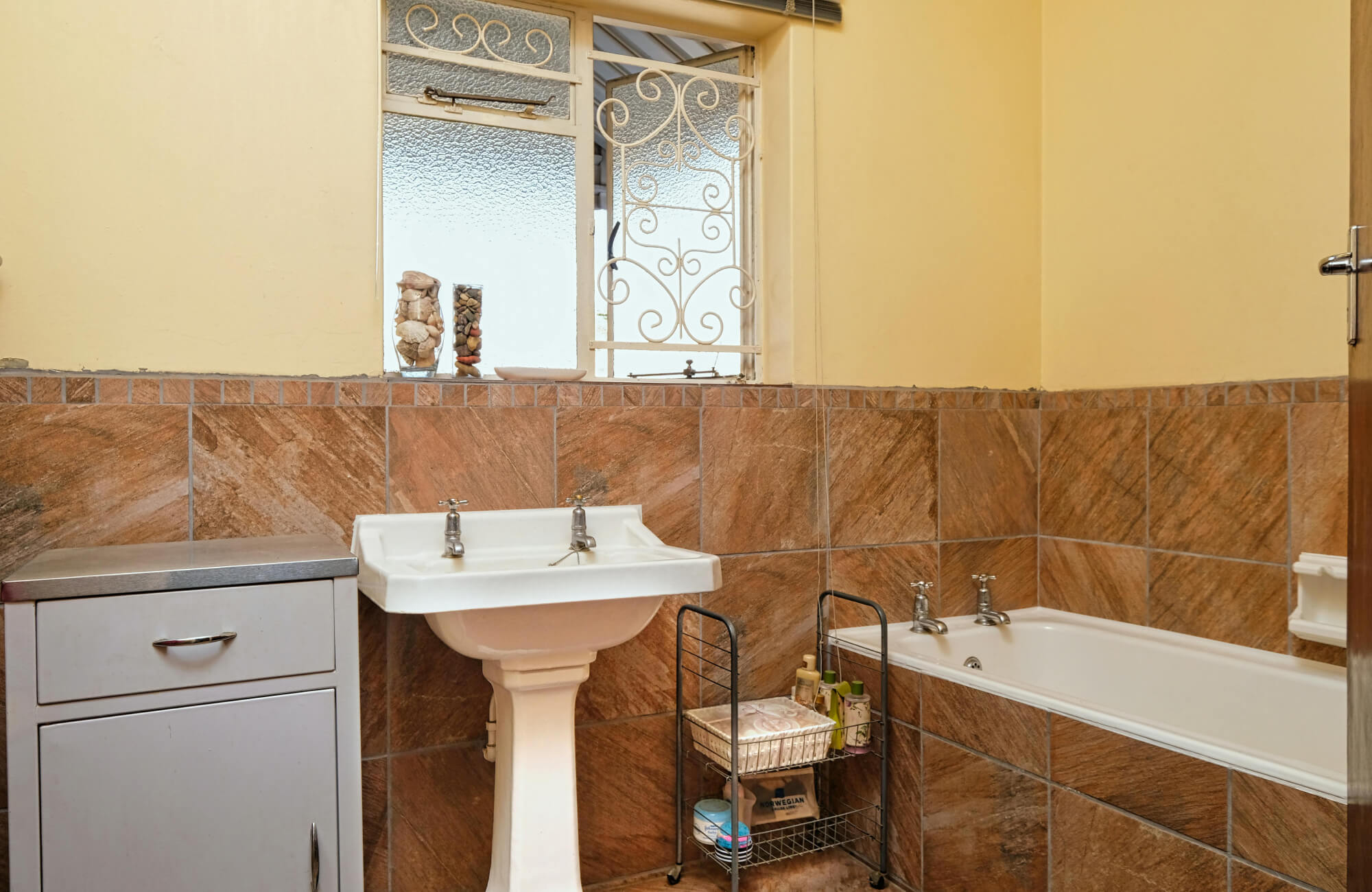
Pedestal sinks are often chosen in small bathrooms because they emphasize simplicity and visual openness. By minimizing bulk and keeping more of the floor visible, they help compact spaces feel lighter and less crowded. Below, we’ll take a closer look at how pedestal sinks work both visually and practically, without yet comparing them to vanity options.
How Pedestal Sinks Keep the Floor Feeling Open
Pedestal sinks help the floor feel more open because they take up very little visual space at ground level. Without a cabinet base extending outward, more of the floor remains visible, which can make the bathroom feel larger than it actually is. This openness allows the eye to move freely through the space instead of stopping at heavy or solid fixtures. Because the pedestal design visually lifts the sink, the room often feels less confined overall. This effect becomes even more noticeable in bathrooms with limited square footage. Over time, that added openness can make everyday use feel easier and more comfortable.
Visual Benefits in Tight or Narrow Bathrooms
In tight or narrow bathrooms, pedestal sinks often feel like a natural choice because of their slim, vertical profile. They don’t interrupt sightlines, which helps long or narrow layouts feel less cramped and more balanced. Instead of adding visual weight, the sink becomes a subtle element within the room. This allows other features, such as wall finishes or lighting, to stand out without competing for attention. Because the overall look stays light and uncluttered, the space feels calmer and easier to move through. In especially compact bathrooms, these visual benefits can make a noticeable difference in how the room is experienced.
Limitations to Consider Before Choosing a Pedestal
While pedestal sinks do offer a sense of openness, they also come with a few practical limitations that are worth keeping in mind. One of the most noticeable trade-offs is the lack of surface area and enclosed space around the sink. This can influence how functional the bathroom feels during everyday routines, especially in shared spaces. Because everything remains exposed, staying organized often requires more intentional planning. Over time, this balance between visual openness and practicality can become more noticeable. Understanding these limitations early helps set realistic expectations before committing to a pedestal sink.
When a Pedestal Sink Makes the Most Sense
A pedestal sink often makes the most sense in bathrooms where visual space takes priority over storage. This is commonly the case in powder rooms or very small layouts where keeping the room feeling open matters most. The design also works well when the goal is a timeless, uncluttered look. Because the sink itself becomes a simple focal point, the room can feel complete without many additional elements. In these situations, the pedestal sink supports the overall space rather than competing with it.
Why a 24-Inch Vanity Is a Popular Small Bathroom Choice
A 24-inch vanity is often seen as the sweet spot for small bathrooms because it balances functionality with a modest footprint. It provides just enough presence to support daily use without making the room feel crowded. Below, we’ll explore why this size works so well in compact spaces and how it shapes everyday bathroom routines.
What Makes a 24-Inch Vanity a Standard Small-Space Size
The 24-inch width has become a standard choice for small bathrooms because it fits comfortably into tight layouts without taking over the room. It’s wide enough to accommodate a sink and provide usable surface space, yet still narrow enough to preserve valuable floor area. Because of this balance, it’s easier to work around door swings, clearances, and everyday movement. The proportions also tend to feel right at home alongside other fixtures, rather than competing with them. This size adapts well to both narrow and more square layouts, which adds to its versatility. Over time, that consistency is why many small bathrooms continue to rely on the 24-inch vanity as a go-to option.
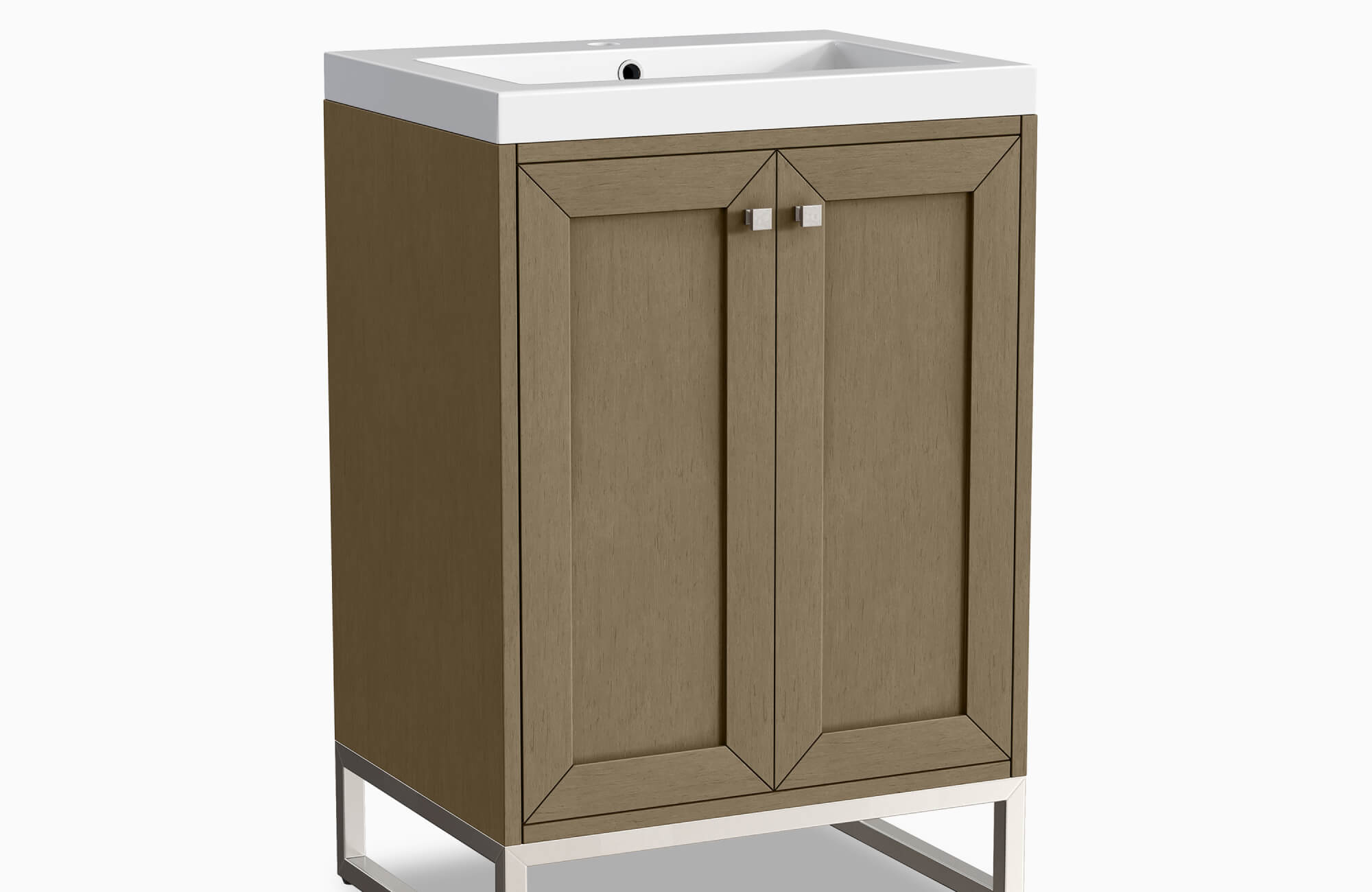
To show this in action, our Jensen 24" Single Vanity in Walnut Whisper & Brushed Nickel with White Glossy Composite Stone Top highlights why this size works so well in compact bathrooms. Its slim footprint fits comfortably into tight layouts while still offering practical storage below the sink. The elevated base and light-toned finish help keep the space feeling open rather than crowded. This balance of scale and function is exactly why 24-inch vanities remain a go-to choice for small bathrooms.
Storage Advantages Without Overwhelming the Room
One of the biggest advantages of a 24-inch vanity is the way it introduces storage without adding visual heaviness. Even a modest amount of cabinet space can make daily routines feel more organized and less chaotic. Keeping essentials tucked away also helps maintain a cleaner, more streamlined look. Because the vanity stays compact, it avoids visually crowding the room the way larger units sometimes can. This balance between storage and scale is especially helpful in shared or frequently used bathrooms. The space remains practical and functional while still feeling open and comfortable.
How a Vanity Changes Daily Bathroom Use
Choosing a vanity naturally changes how a bathroom functions on a day-to-day basis. Having a defined surface makes everyday tasks, such as washing up or getting ready, feel more convenient and less scattered. It also brings a sense of structure that helps the room feel more organized overall. Because items can be stored directly below the sink, routines tend to flow more smoothly with fewer interruptions. This can be especially helpful in bathrooms that are used multiple times throughout the day. Over time, these small conveniences come together to create a noticeably more comfortable experience.
Situations Where a Vanity Feels More Practical Than a Pedestal
A vanity often feels more practical in bathrooms where storage and daily usability are higher priorities. In shared bathrooms or spaces used for both morning and evening routines, having an enclosed space can make everyday life easier. That added structure also helps the room feel more intentional and complete. While visual openness still matters, practicality tends to take the lead in these situations. A 24-inch vanity offers a balanced option that supports both needs. In these cases, it becomes a solution that works as well functionally as it does visually.
Other Vanity Sizes and When They Make Sense
While a 24-inch vanity works well in many small bathrooms, it isn’t the only option worth considering. Depending on how the space is used and how much visual breathing room is available, stepping up or down in size can sometimes feel more appropriate. Below, we’ll look at other common vanity sizes and when each one tends to make the most sense.
Smaller Than 24 Inches: Compact and Powder Room Options
Vanities smaller than 24 inches are commonly used in powder rooms or very tight bathrooms where every inch of space counts. These compact sizes help preserve floor area, which can immediately make the room feel less cramped. Because they take up less visual space, they tend to work best when openness matters more than storage. This makes them especially suitable for bathrooms that aren’t used for daily routines. While surface area is limited, the space benefits from a lighter, less crowded feel. In these situations, choosing a smaller vanity supports the room instead of overwhelming it.
30-Inch Vanities in Slightly Larger Small Bathrooms
In slightly larger small bathrooms, a 30-inch vanity often feels like a comfortable step up without pushing the space too far. It provides additional surface area and storage while still maintaining a relatively compact footprint. This size works well in rooms that need to support daily use but still have limited width. Because the vanity has more presence, it helps anchor the space visually and adds a sense of balance. At the same time, it doesn’t feel oversized when proportions are handled thoughtfully. For many homeowners, this size offers a practical balance between comfort and restraint.
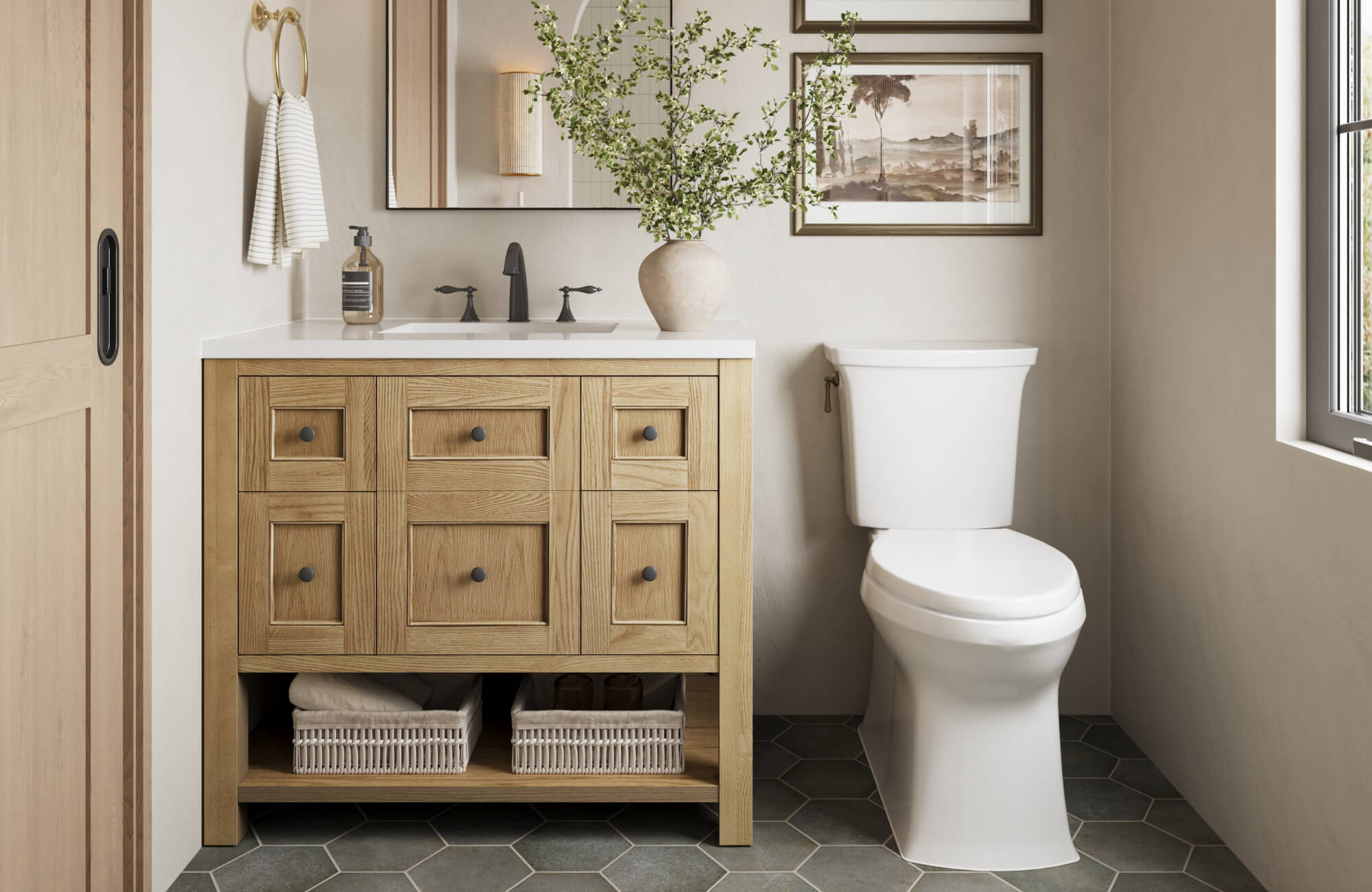
A good example of this size range in action is our Bridgette 36" Single Vanity in Light Natural Oak with 3 cm White Zeus Quartz Top, shown above. Its wider profile provides added storage and counter space without overwhelming the room, making it a comfortable choice for small bathrooms that see daily use. The framed detailing and open lower shelf help maintain visual balance, so the vanity feels substantial yet approachable. In layouts where a 24-inch vanity feels too tight, this size offers a practical step up while still respecting the room’s proportions.
How Width and Depth Affect Visual Balance
Vanity width and depth both play a role in how balanced a small bathroom feels once everything is in place. A wider vanity can create a sense of stability, but when it extends too far into the room, it can start to feel visually heavy. Shallower designs often work better in compact or narrow layouts because they help keep sightlines clear and uninterrupted. Since the eye picks up depth very quickly, even small changes can influence how open the space feels. That’s why proportions matter just as much as overall size. Choosing a vanity with well-balanced dimensions helps the bathroom feel intentional rather than tight or crowded.
When Size Matters More Than Storage
In some small bathrooms, the size of the vanity matters more than how much storage it offers. When space is extremely limited, preserving openness often leads to a more comfortable daily experience than squeezing in extra cabinets. A vanity that feels too large can quickly make the room feel confined, even if it adds practical storage. In these cases, opting for a smaller footprint supports better movement and visual flow throughout the space. The bathroom feels easier to navigate because it isn’t visually or physically crowded. Prioritizing size over storage can ultimately create a space that feels calmer, more balanced, and easier to live with.
Materials and Finishes That Affect Small Bathroom Feel
In a small bathroom, materials and finishes often shape the mood just as much as layout and overall size. The way surfaces reflect light, carry color, and visually hold weight can quickly influence whether the space feels open or slightly confined. In this section, we’ll take a closer look at how common vanity materials and finish choices affect the overall feel of a compact bathroom.
Wood, MDF, and Laminate Vanity Materials Compared
Different vanity materials can subtly change how a small bathroom feels once everything is in place, especially in a limited footprint. Wood often brings in warmth and natural texture, which can make the space feel more inviting and less purely functional. That added character helps soften clean lines and prevents the room from feeling too sterile. However, wood can also feel visually heavier, particularly in darker tones or thicker profiles. Because of that, it tends to work best when the rest of the bathroom stays light and uncluttered. When balanced well, wood can add comfort without overwhelming the space.
MDF and laminate offer a different visual experience that often suits small bathrooms in a more understated way. MDF typically has a smooth, uniform surface, which helps the vanity feel clean, controlled, and visually quiet. This consistency can make the room feel more organized, especially when paired with simple finishes. Laminate usually feels even lighter, thanks to its even tone and minimal texture. That lighter appearance can help reduce visual noise in tight layouts. Choosing between MDF and laminate often comes down to how much warmth versus simplicity the space needs to feel balanced and comfortable.
Light vs Dark Finishes in Compact Bathrooms
Finish color plays a noticeable role in how open or enclosed a small bathroom feels. Lighter finishes reflect more light, which naturally helps the room feel brighter and more spacious. Dark finishes can add richness and depth, but they also bring more visual weight into the space. In compact bathrooms, that weight becomes easier to notice, especially when paired with limited natural light. This doesn’t mean darker finishes are off the table, but they usually require a more thoughtful balance. Understanding how finish color affects perception makes it easier to choose options that support openness rather than overwhelm the room.
How Countertop Materials Impact Visual Weight
Countertop materials play a quiet but important role in the visual balance of a small bathroom, even though they cover a relatively small surface area. Thicker or more dramatic materials tend to draw the eye upward, which can change how substantial the vanity feels overall. Lighter-looking surfaces usually blend more easily with the vanity base, which helps the sink area feel less dominant. Because the countertop sits right at eye level, its finish and texture often stand out more than expected. This makes proportion especially important in compact spaces. Choosing a countertop that feels visually balanced helps the bathroom stay calm and comfortable.
Why Finish Choice Matters as Much as Size
Finish choice can shape how a small bathroom feels just as much as the size of the vanity itself, as highlighted above. A compact vanity paired with a heavier finish can feel more intrusive than a slightly larger one finished in a lighter, softer tone. This happens because finishes influence how the eye reads scale and visual weight. Smooth, understated finishes tend to help vanities blend into the space rather than stand out. That subtle approach supports openness, especially when square footage is limited. When finishes are chosen with intention, the bathroom feels balanced and easy to move through rather than crowded.
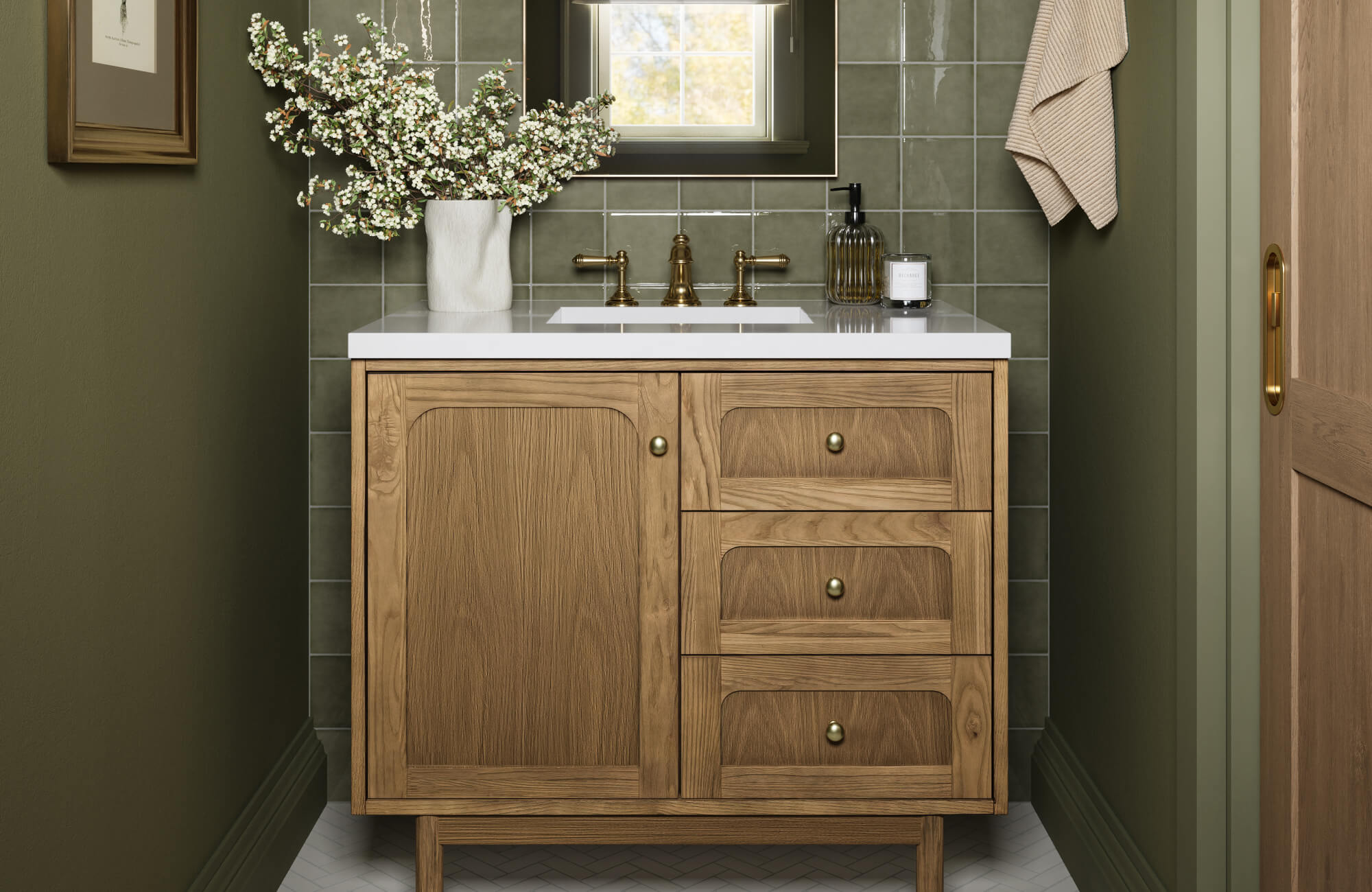
Warm and quietly refined, our Abigail 36" Single Vanity in Light Natural Oak with 3 cm White Zeus Quartz Top above shows how material and finish choices can soften the feel of a compact bathroom. The light natural oak tone highlights subtle wood grain without adding visual heaviness, while the smooth quartz surface keeps the overall look clean and balanced. Its mix of gentle curves and framed detailing adds character without overwhelming the space. Together, these finishes help the vanity feel substantial yet visually calm, supporting a more open, comfortable bathroom layout.
Making a Small Bathroom Feel Right, Not Just Look Right
Choosing between a pedestal sink and a 24-inch vanity ultimately comes down to how you want your small bathroom to function and feel day to day. Pedestal sinks shine when openness and visual simplicity matter most, while vanities offer added structure and convenience for daily routines. Neither option is inherently better; the right choice depends on your space, habits, and priorities. When those elements align, even a small bathroom can feel comfortable and thoughtfully designed.
If you’re unsure which option fits your layout or style goals, a personalized approach can make all the difference. Our design consultation helps you evaluate proportions, finishes, and functionality with your specific space in mind. You’ll get guidance that balances visual openness with practical needs, without guesswork. With expert insight, choosing the right fixture becomes clearer and far more confident.
Follow us on Instagram
@EDWARD.MARTIN
)
)
)
)
)
)
)
)
)
)
)
)
)
)
)
)