
)
)
)
)
)
)
)
)
Should Wall Sconces Face Up Or Down?
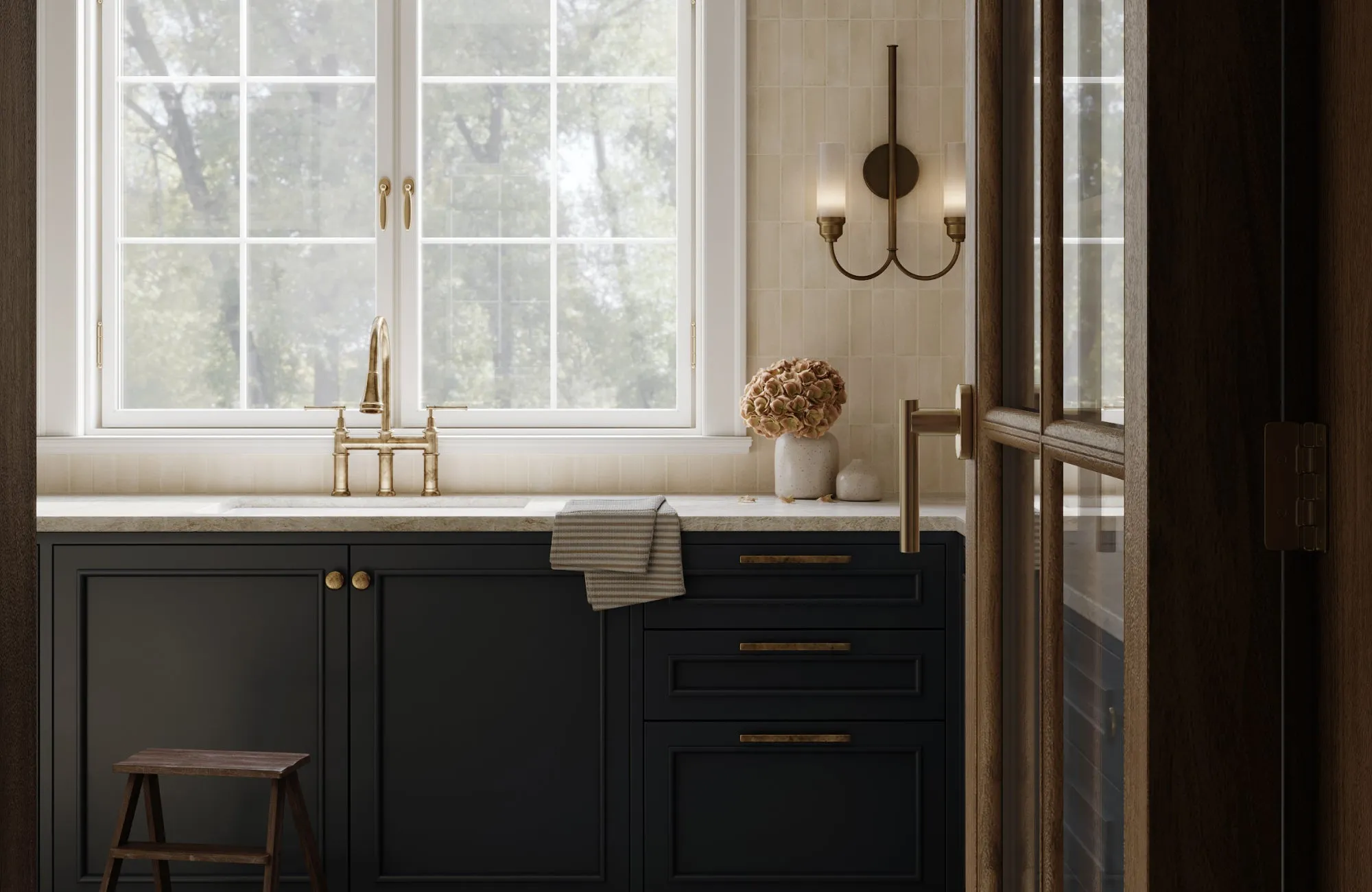
Wall sconces offer more than just light; they also shape the atmosphere, highlight your decor, and make your space feel more inviting. As you explore different styles and start mapping out your layout, one question naturally comes up: Should the sconces face up or down? It’s a simple detail, but one that can also make a big difference in how your room looks and functions. In this article, we’ll walk you through the key considerations to help you understand what to think about before making your decision.
How Light Direction Shapes Your Space
The way your sconce casts light influences more than visibility; it also shapes the energy of the space. Here, we’ll explore how upward and downward light affects brightness, distribution, and atmosphere.
Upward Light Creates an Open Feel
When sconces face upward, the light reflects off the ceiling and spreads gently throughout the room. This indirect lighting softens sharp lines and reduces glare, creating a more relaxed and airy atmosphere. It’s especially effective in smaller spaces or areas with darker corners, where a sense of openness can make a noticeable difference. If you already have overhead lighting in place, upward sconces can add warmth and depth without competing for attention. It’s a refined way to build on your existing setup and enhance the room’s overall balance.
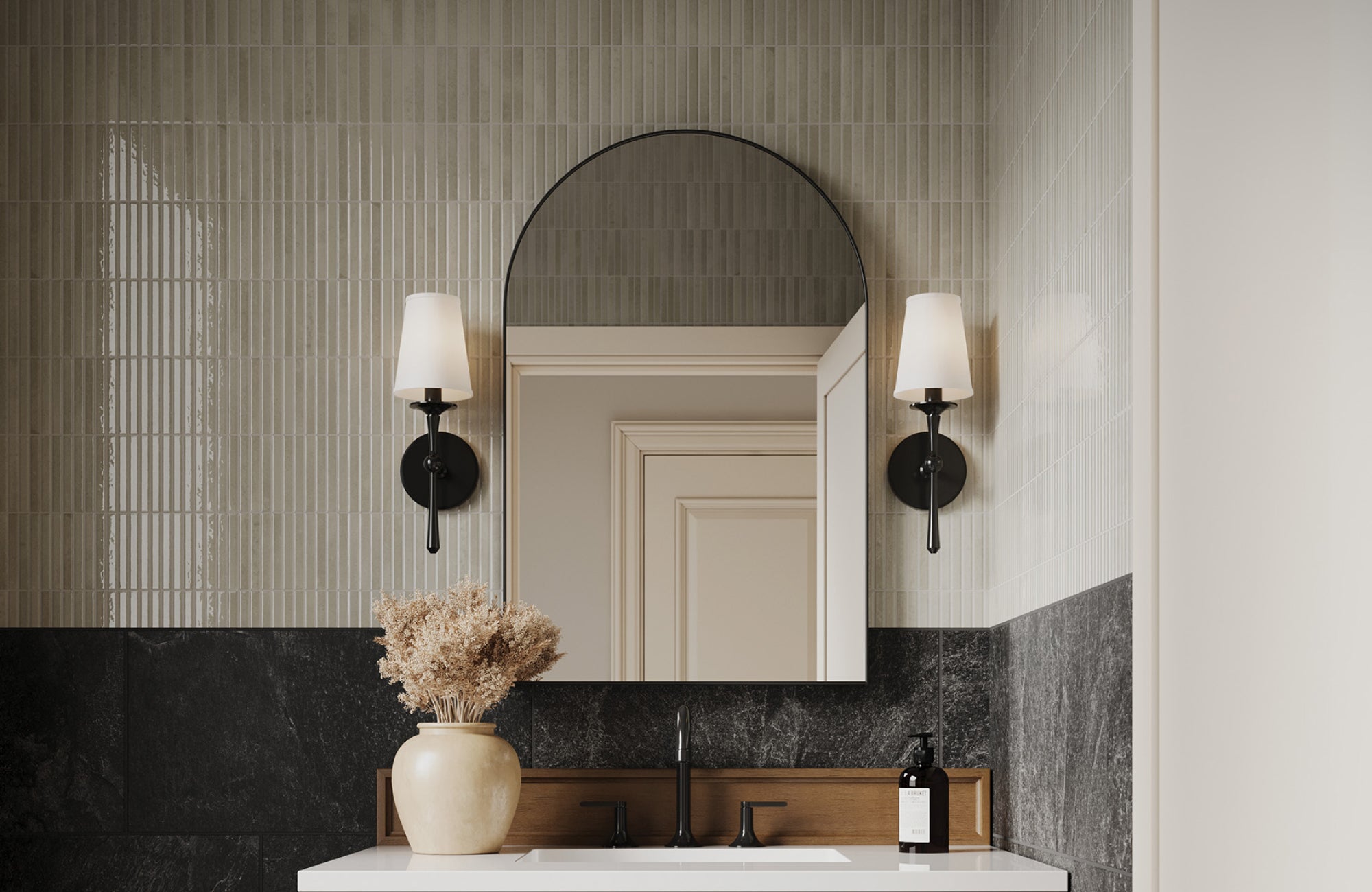
Take, for instance, Edward Martin’s Winifred Wall Sconce in Old Bronze, as featured in the photo above. Its upward-facing design casts a soft glow that highlights the tile textures while keeping the space calm and inviting. The slender silhouette and warm finish pair beautifully with the vanity setup, proving how thoughtful fixture placement can elevate both function and atmosphere in a subtle yet striking way.
Downward Light Emphasizes Precision
Downward-facing sconces provide a more focused and directed light, making them ideal for areas where clarity and detail are crucial. Rather than bouncing off surrounding surfaces, the light travels straight toward a targeted spot, whether it's a side table, hallway, or reading nook. This level of precision also becomes valuable when you need consistent visibility for tasks or to highlight specific features. For instance, if you're illuminating a bathroom mirror or drawing attention to a piece of art, downward sconces can provide the control and direction you need. Additionally, they help minimize unwanted shadows, ensuring the light falls exactly where it’s most useful.
Balance with Other Lighting
To get the most out of your sconces, it's essential to consider them as part of your overall lighting plan, not just standalone fixtures. They should complement the other lighting you already have rather than compete with it. For example, if your recessed lights primarily brighten the ceiling, downward-facing sconces can create balance by drawing focus lower and adding definition to the space. Conversely, if your overhead lighting feels too harsh or direct, upward sconces can soften the ambiance and create a more welcoming atmosphere. Ultimately, sconces work best when they help tie your lighting layers together, filling in gaps without repeating what's already there.
Matching Sconce Direction to Room Type
Every room has its purpose, and the way you light it should reflect that. Let’s take a closer look at how the direction of your sconces can enhance both the purpose and atmosphere of each room in your home.
Living Room Needs Soft, Layered Light
In the living room, lighting should support comfort, conversation, and a welcoming atmosphere. Upward-facing sconces work especially well here, as they reflect light gently across the room, creating a soft, even glow. Rather than drawing attention to a single spot, they help the entire space feel balanced and inviting. This also makes them a natural complement to floor lamps or overhead pendants, adding depth and harmony to your lighting setup. If you have artwork or architectural details you'd like to accent, positioning upward sconces nearby allows those features to stand out subtly, without overwhelming the room.
Bathrooms Call for Targeted Illumination
Bathrooms are all about function, and clear, focused lighting plays a big role, especially around the vanity. This is where downward-facing sconces truly stand out. When installed on either side of the mirror at face level, they can help reduce shadows and provide even, flattering light across your face. This setup is also helpful for daily routines such as grooming or applying makeup. To keep the light comfortable on the eyes, it’s best to choose fixtures that shield the bulb and diffuse the glow. With the right placement, your bathroom lighting becomes not just practical, but also much more pleasant to use.
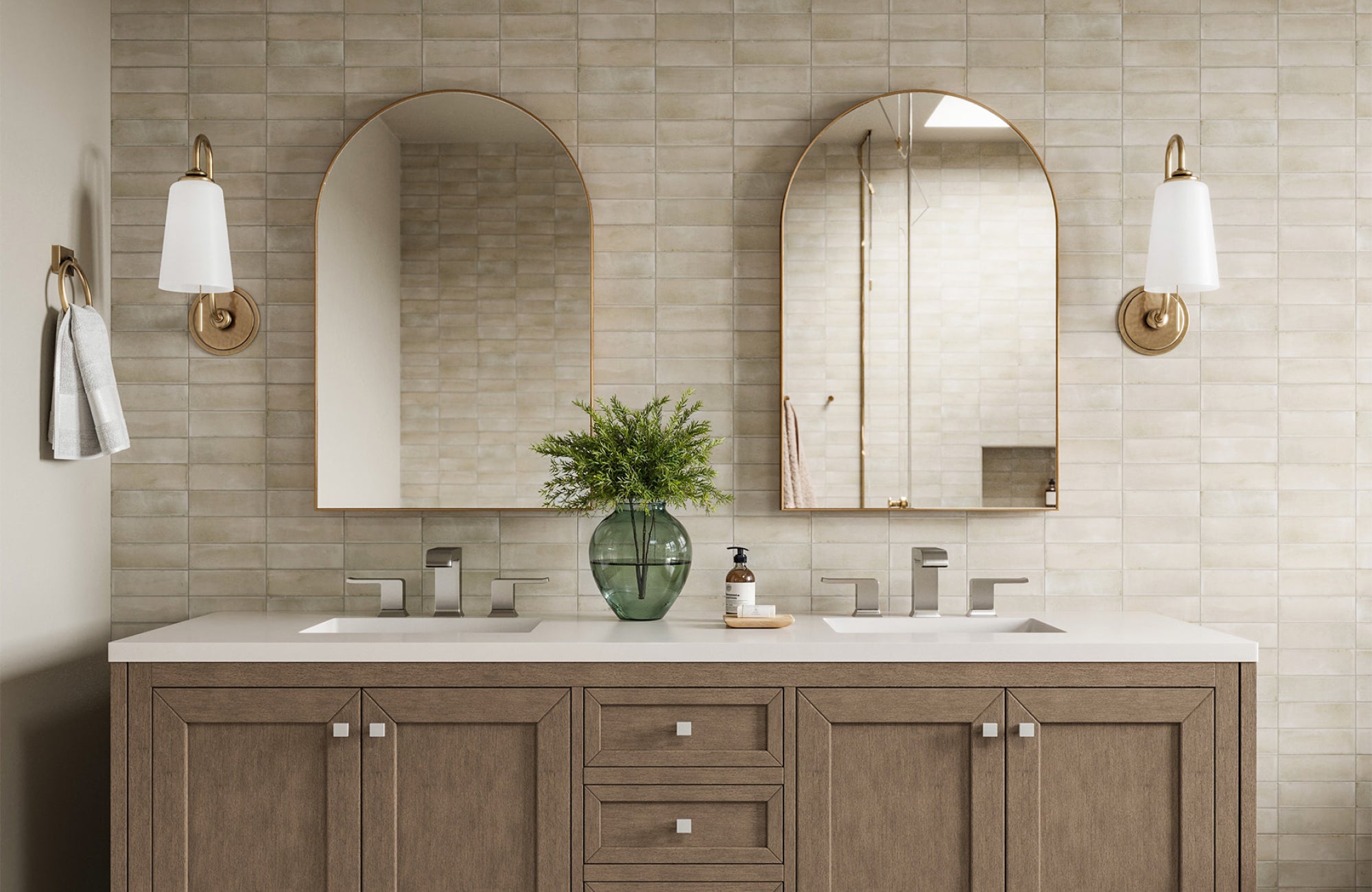
A great example of this approach is Edward Martin’s Patty Wall Sconce in Aged Brass, as displayed in the photo above. Its gently tapered shade and warm brass finish add a sophisticated touch, while its downward direction delivers just the right amount of task lighting without harshness. Paired with the arched mirrors and subtle tile backdrop, the sconce blends style and function seamlessly, demonstrating how thoughtful placement can enhance both the look and practicality of a bathroom.
Bedrooms Benefit from Custom Zones
A bedroom serves many purposes beyond sleep; it’s where you unwind, read, and recharge. That’s why your lighting should adapt to your needs throughout the day. Upward-facing sconces offer a soft, ambient glow that's perfect for relaxing in the evening, while downward sconces provide focused light ideal for reading in bed. To get the best of both, consider fixtures with adjustable arms or swivel heads. These versatile options let you shift the direction of light as needed, making it easy to create the right atmosphere without relying on multiple fixtures.
Considering Style and Fixture Design
Sconce direction isn’t only about function; it also influences how the fixture complements your overall design. Here’s how various styles naturally align with upward or downward lighting to create a cohesive and intentional look.
Classic Fixtures Favor Upward
Traditional sconces with ornate detailing or curved arms often shine brightest when paired with upward-facing light. This direction highlights their craftsmanship by casting soft, graceful shadows along the wall, enhancing the fixture’s shape and texture. In areas like hallways, staircases, or formal dining rooms, that upward glow adds a touch of elegance and warmth that might otherwise be missing. It’s an easy way to introduce atmosphere into spaces that can feel too rigid or bare. If your style leans toward vintage, French country, or classic colonial, upward sconces can also blend in beautifully while adding a subtle layer of refinement.
Modern Styles Prefer Downward Focus
Modern and industrial designs tend to embrace clean lines, exposed bulbs, and bold finishes such as matte black or brushed brass. These fixtures are often crafted to cast light downward, offering a clear, purposeful glow. That focused direction complements contemporary spaces where simplicity and function go hand in hand. In kitchens, home offices, or loft-style interiors, a downward-facing sconce not only provides practical illumination but also reinforces the space’s streamlined character. It’s more than lighting; it’s also a visual cue that reflects the room’s design philosophy.
Dual-Mount Options Offer Flexibility
If you're unsure which direction will suit your space or if you enjoy updating your layout from time to time, dual-mount sconces are a smart solution. These versatile fixtures can be installed to cast light either upward or downward, giving you the flexibility to adapt as your needs or style evolve. They're also useful in open floor plans or transitional spaces where lighting requirements may shift depending on how the room is used.
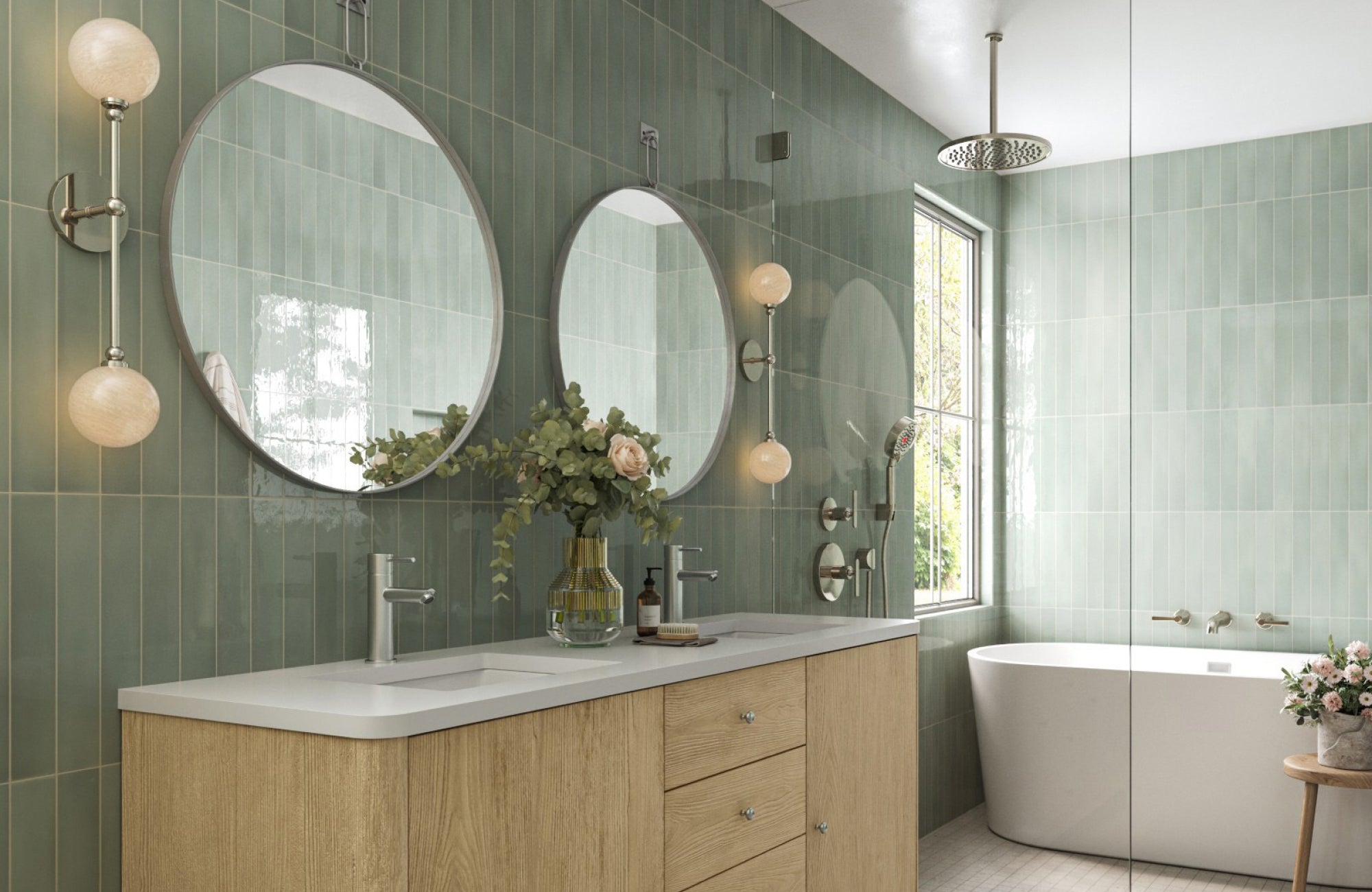
A great example is Edward Martin’s Isadora Wall Sconce in Polished Nickel, as featured in the photo above. Its sleek vertical design, paired with globe-style bulbs on either end, brings a modern elegance while offering directional flexibility. Whether you're aiming for soft ambient lighting or focused task light, this kind of fixture lets you tailor the atmosphere with ease, making it a practical yet stylish choice for dynamic, ever-changing spaces.
Safety and Practicality Considerations
A well-designed sconce should be more than just attractive; it should also be safe, functional, and easy to live with. Understanding how the direction your sconce faces affects day-to-day use, maintenance, and efficiency can help you choose a fixture that fits seamlessly into your lifestyle.
Ceiling Height and Light Spread
In rooms with low ceilings or limited space, the wrong lighting can make the area feel even more confined. Downward-facing sconces, while effective in larger spaces, may feel too intense in compact rooms since they focus light in a narrow zone. Upward sconces, on the other hand, direct light toward the ceiling and outward into the room, creating a softer, more expansive effect. This upward glow draws the eye higher, helping the ceiling appear taller and the room feel more open. For smaller spaces or those with low clearance, this approach offers both comfort and sufficient illumination without adding visual weight.
Heat and Bulb Exposure
It’s equally important to think about how exposed the bulb will be, especially with downward-facing sconces in narrow areas like hallways or staircases. When the bulb sits directly in your line of sight, the light can feel harsh or uncomfortable, particularly at eye level. Additionally, some bulbs release noticeable heat downward, which can be unpleasant in warmer climates or when fixtures are mounted close to where you stand or sit. In these cases, opting for sconces with frosted shades or built-in diffusers, regardless of direction, can soften the glare and help manage both brightness and heat more comfortably.
Maintenance and Cleaning
Dust may not be top of mind when choosing a sconce, but it’s worth considering, especially for fixtures mounted high on the wall. Upward-facing sconces with open-top designs or shallow shades tend to collect more dust and debris over time, often requiring a ladder and regular cleaning to keep them looking their best. If the fixture is going in a spot that’s hard to reach or you prefer something more low-maintenance, downward-facing sconces are generally easier to manage. Choosing a sealed or enclosed design can also cut down on upkeep and help your lighting stay clean and polished with less effort.
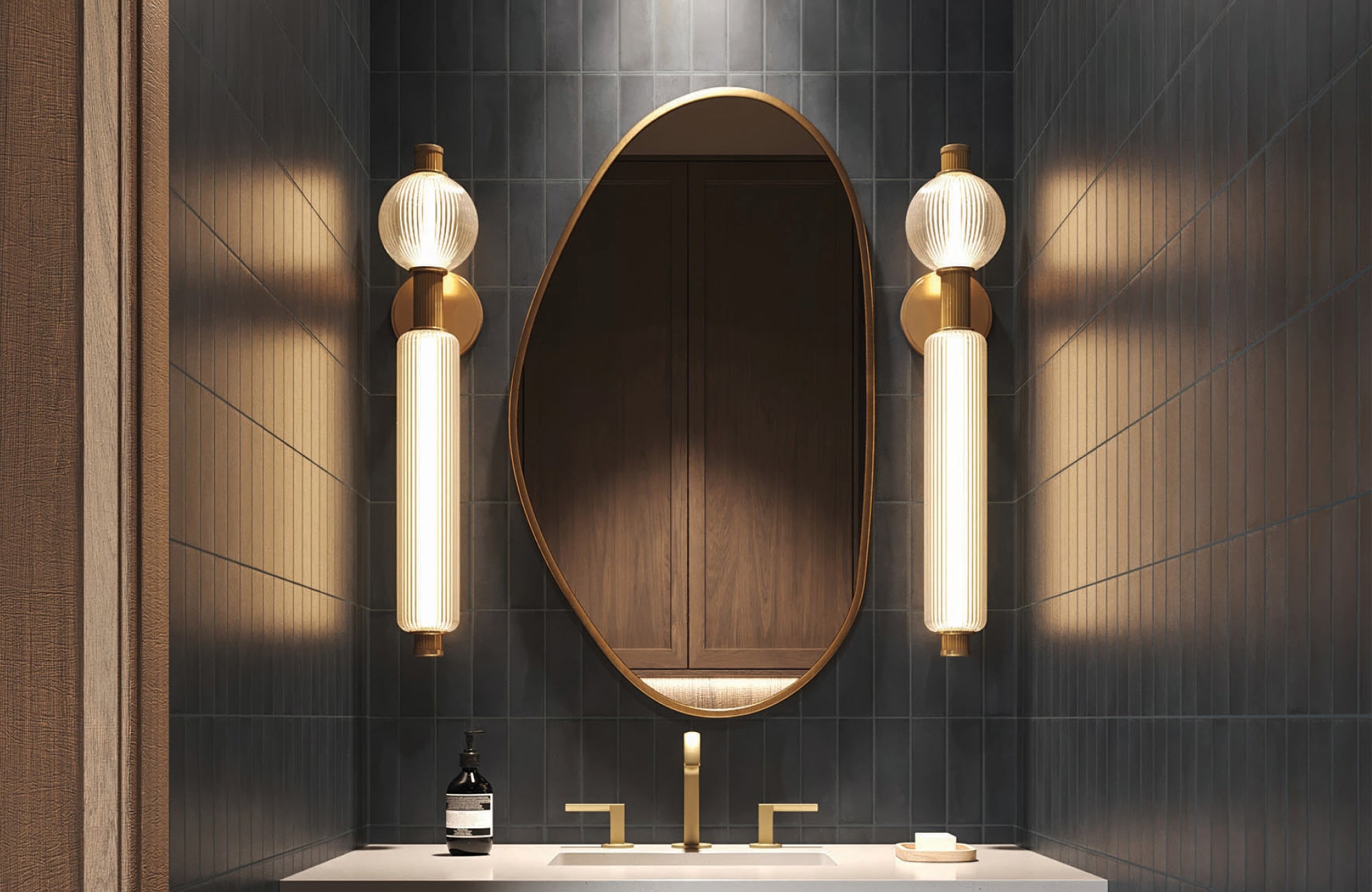
A great example of this approach is Edward Martin’s Ezekiel Wall Sconce in Vintage Brass, as featured in the photo above. With its enclosed, vertically stacked silhouette and ribbed glass globes, this sconce minimizes dust collection while delivering a clean, modern look. Its sleek form is not only visually striking, but also incredibly practical, perfect for tight spaces where ease of maintenance matters just as much as style.
Mood and Atmosphere in Interior Design
Lighting isn’t just about visibility; it’s also about creating a feeling. The direction your sconces face can subtly influence the mood of a room, helping you shape the atmosphere with intention and clarity.
Upward Light Enhances Serenity
Soft, upward lighting gently reduces contrast and spreads evenly throughout a room, fostering a calm and restful atmosphere. This effect is well-suited for spaces meant for unwinding, such as a reading nook, den, or quiet lounge. Minimizing shadows and avoiding direct glare allows your eyes to relax naturally. The light also becomes part of the background, quietly enhancing the space while allowing textures, colors, and furnishings to take center stage without distraction.
Downward Light Boosts Focus
Direct lighting naturally sharpens a space, bringing clarity and intention to wherever it’s used. In areas where focus matters, such as workstations, home offices, or creative corners, downward-facing sconces can provide the targeted illumination needed to stay alert and productive. They can also help define specific zones within a room, drawing attention to key tasks and making each area feel more purposeful. Whether installed above a desk, shelf, or countertop, these sconces do more than light the space; they reinforce how it’s meant to function.
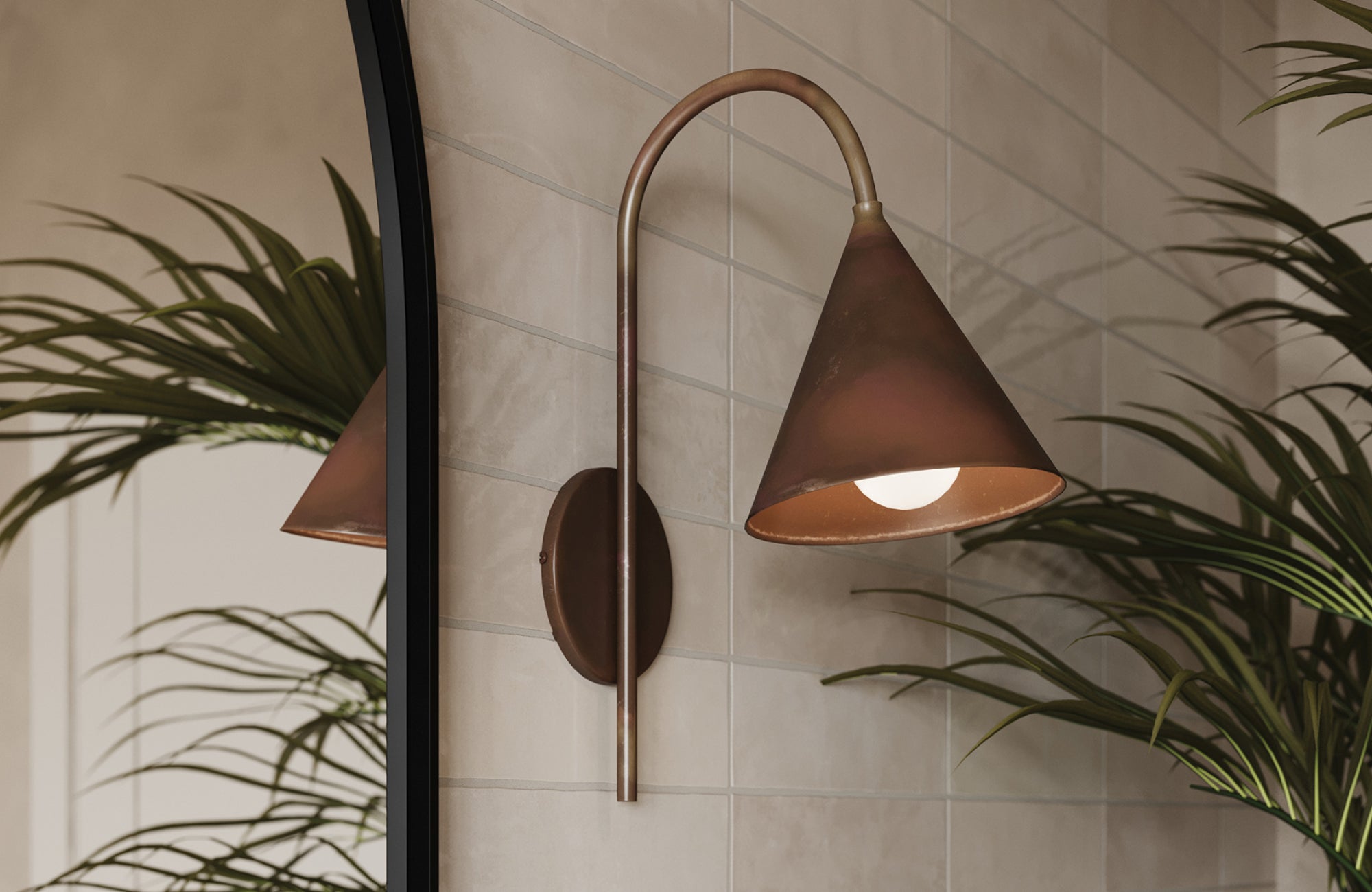
Take, for example, our Fenton Wall Sconce in Iridescent Acid Wash, as shown in the photo above. Its elongated curved arm and conical shade focus light precisely where it's needed, making it a smart choice for task-oriented areas. The rich, warm finish adds depth and character, effortlessly blending into both modern and organic-inspired interiors. This sleek yet functional design delivers clarity without distraction, ideal for spaces that demand both precision and style.
Creating Intentional Contrast
One thoughtful way to elevate your lighting design is by using sconce direction to create purposeful contrast. In a room filled with soft, ambient ceiling light, adding a few downward-facing sconces can introduce visual focus and definition. On the other hand, if your lighting scheme leans heavily on sharp, directional light, upward sconces can soften the mood and bring back a sense of balance. This interplay between light sources also adds dimension and depth, resulting in a layered, well-composed look that feels cohesive without being overpowering.
Tailoring Sconce Direction to Fit Your Space
Advice is only useful when it fits your home and lifestyle. Choosing the right sconce direction comes down to understanding what works best for your layout, your lighting goals, and the overall atmosphere you want to create.
Assess Your Room’s Purpose First
The best place to begin is by asking a simple but essential question: How will this room be used? Whether it’s for reading, relaxing, entertaining, or cooking, each activity calls for a different type of lighting. For example, in a hallway where clear visibility is key, downward-facing sconces can provide focused light without unnecessary glare. In contrast, a guest room might benefit from the soft, ambient glow of upward sconces to create a warm and welcoming feel. When your lighting choices are guided by how you use the space, the result is not only functional but genuinely supportive of your lifestyle.
Test With Temporary Setups
Before settling on a final installation, it’s worth experimenting with temporary solutions to see how the light performs in your space. Using clip-on sconces, plug-in wall lamps, or even a flashlight aimed at the wall can give you a clear sense of how the light spreads and where it feels most effective. This low-commitment approach helps you fine-tune placement, avoid costly mistakes, and gain confidence in your choice before breaking out the drill or hiring an electrician. A little testing up front can also make a big difference in how satisfied you feel with the final result.
Don’t Ignore Your Style Preferences
Functionality matters, but your style deserves just as much attention. If you’re naturally drawn to the look of an upward-facing sconce, even in a room that typically calls for downward light, you can still make it work by choosing the right bulb type, shade style, or fixture finish. Design should feel like an extension of you, not just a practical solution. When your lighting choices reflect both your needs and your aesthetic, the result is more than just a well-lit room; it’s a space that feels authentically yours.
Making the Right Choice
Choosing whether your sconces face up or down goes beyond simply directing light; it also influences how your space looks, feels, and functions every day. The direction you choose can shape the mood of a room, highlight its best features, and support the way you live in it. With a clearer understanding of how each option works, you're better equipped to make a choice that balances practicality with personal style. Whether you're aiming for a soft, ambient glow, precise task lighting, or something in between, the right direction is the one that brings your space to life just the way you imagined.
If you’re still unsure or need expert help designing the perfect lighting setup, we’re here for you. Reach out to our team or explore our complimentary design services to get personalized guidance tailored to your home, style, and goals!
Follow us on Instagram
@EDWARD.MARTIN
)
)
)
)
)
)
)
)
)
)
)
)
)
)
)
)