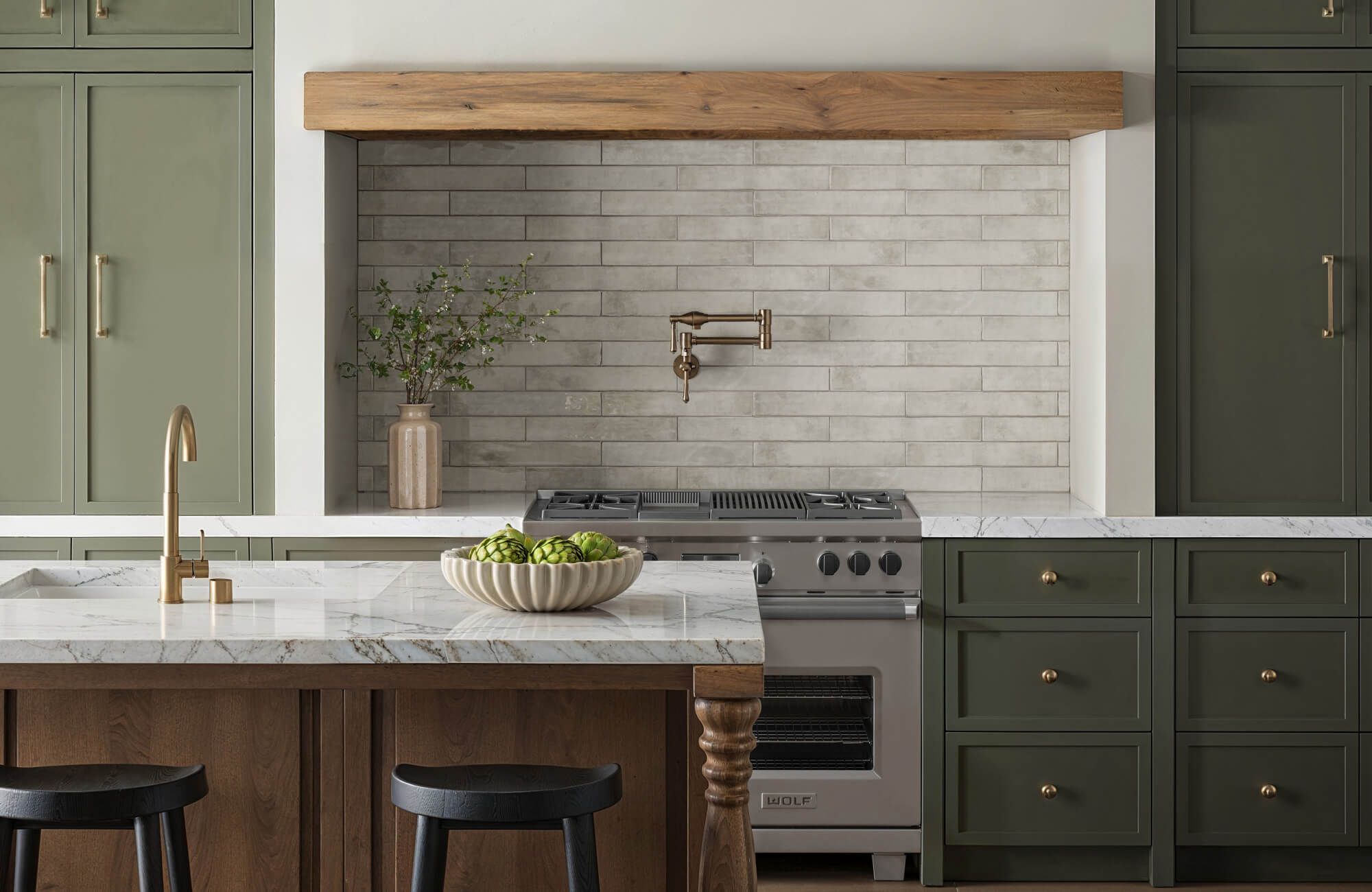
The checkerboard floor tile pattern is a timeless design element that blends classic elegance with striking versatility. Although the traditional black and white combination remains a favorite, expanding beyond this iconic pairing can transform a space with fresh, unique appeal. Whether you prefer a subtle, neutral palette or bold, statement-making hues, the right color combination can enhance your space’s aesthetic and character.
In this article, we explore how different color choices impact checkerboard flooring, helping you find the perfect balance between style and functionality. We’ll also cover layout options that enhance spatial perception and practical appeal, along with maintenance tips to keep your checkerboard tiles looking their best.

Color Dynamics in Checkerboard Flooring
Color plays a crucial role in shaping the overall feel of a checkerboard floor, influencing everything from brightness to mood. Whether you prefer a subtle, neutral palette or a bold, high-contrast look, the right color combination can transform your space. Below, we explore different color options to help you find the perfect match for your area.
Timeless Neutrals
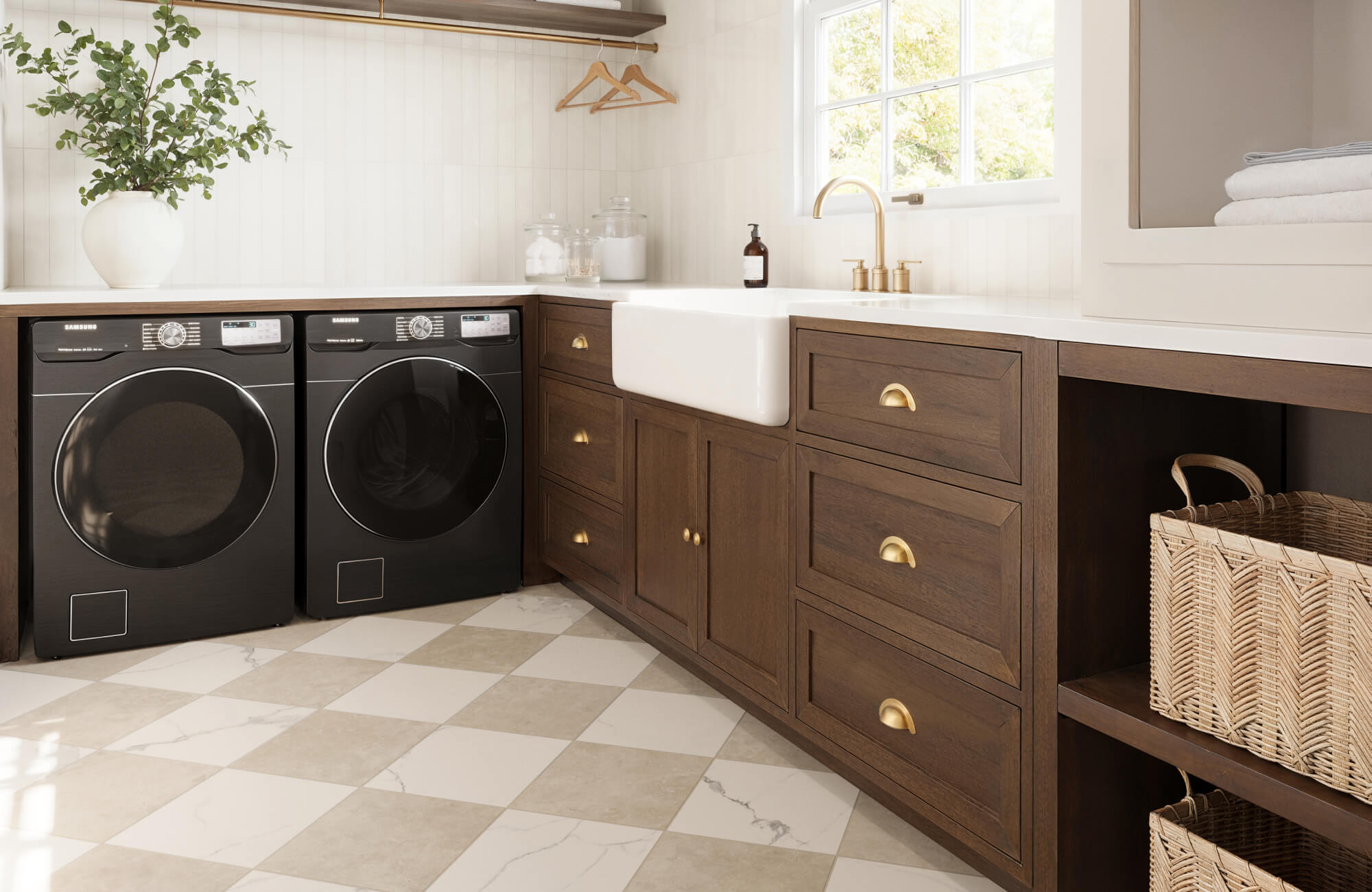
A well-balanced space combines distinctive accents with a cohesive foundation, making neutral checkerboard floors a smart choice. Subdued color pairings like white with tan, beige, or soft gray such as our Leona 24x24 Checkerboard Matte Porcelain Tile in Marfil and Amani Bronze shown above, create a refined backdrop that complements existing architectural details, such as mixed-metal backsplashes and decorative moldings. These understated tones allow bolder design elements to shine without competing for attention. In addition to that, neutral checkerboard flooring provides lasting versatility, effortlessly adapting to changing decor styles while enhancing overall value of your space.
Vibrant Hues
For those who love making a statement, a bold checkerboard floor can transform a room into a dynamic focal point. Contrasting colors like white with red, navy, or emerald green can introduce an energetic and expressive aesthetic, ideal for contemporary spaces. These high-impact floors are often paired with minimalist walls and furnishings to maintain balance while letting the flooring stand out. For example, a red-and-white checkerboard pattern can evoke a retro diner feel, while a blue-and-white combination can bring in coastal charm. Whether drawing inspiration from vintage themes or modern artistic interiors, vibrant hues bring personality and excitement to any room.
Muted Pastels
Soft, pastel checkerboard floors create a calming and inviting atmosphere, making them ideal for cozy and vintage-inspired spaces. Combinations like blush pink, sage green, or white with pale blue bring a cottage-style charm that feels both nostalgic and refreshing. A great example is our Palmer 24x24 Checkerboard Matte Porcelain Tile in White and Ocean Blue, which showcases how these gentle hues can create a serene, airy look. Pairing these soft tones with light-toned furniture and natural materials further enhances the warmth and tranquility of the space. This approach works especially well in bedrooms and nurseries, where a soothing ambiance is key.
The Iconic Black and White
A black and white checkerboard floor remains an enduring classic, offering a bold contrast that suits a range of interior styles. Whether channeling the elegance of Art Deco, the nostalgia of retro diners, or the sophistication of modern minimalism, this timeless pairing delivers a striking visual impact. Its graphic appeal allows it to serve as either a dramatic centerpiece or a neutral base, depending on surrounding decor choices. In minimalist settings, black and white flooring creates a crisp, refined backdrop that allows furniture and accessories to take center stage. This pattern is also a great option for busy areas, as the contrasting tones help disguise dust and minor imperfections.
Blending Looks
For a unique and customized take on checkerboard flooring, blending different materials and finishes can add depth and texture to your space. Using porcelain or ceramic tiles designed to mimic marble, travertine, or concrete introduces an upscale and sophisticated feel without sacrificing durability. Metallic accents or distressed textures also add a contemporary twist, making the floor both visually engaging and highly functional. For instance, marble look checkerboard tiles can bring a luxurious feel to a bathroom, while concrete look tiles enhance an industrial-style kitchen. This personalized approach ensures that the checkerboard pattern harmonizes with your space’s character while offering a one-of-a-kind design.
To see how your chosen tiles will look in your space, try our augmented reality (AR) tool. This innovative feature allows you to visualize different checkerboard color combinations directly in your space, making it easier to find the perfect match. This tool is especially useful when considering how different lighting conditions can affect the overall look of your floors.

Exploring Checkerboard Tile Layouts
The way checkerboard tiles are arranged can significantly impact a room’s overall look and feel. Beyond just color selection, the layout of the tiles plays a crucial role in shaping space perception, adding depth, and enhancing the room’s architectural elements. Below, we explore some of the most popular checkerboard tile layouts and how they can influence your interior design.
Diagonal Checkerboard Layout
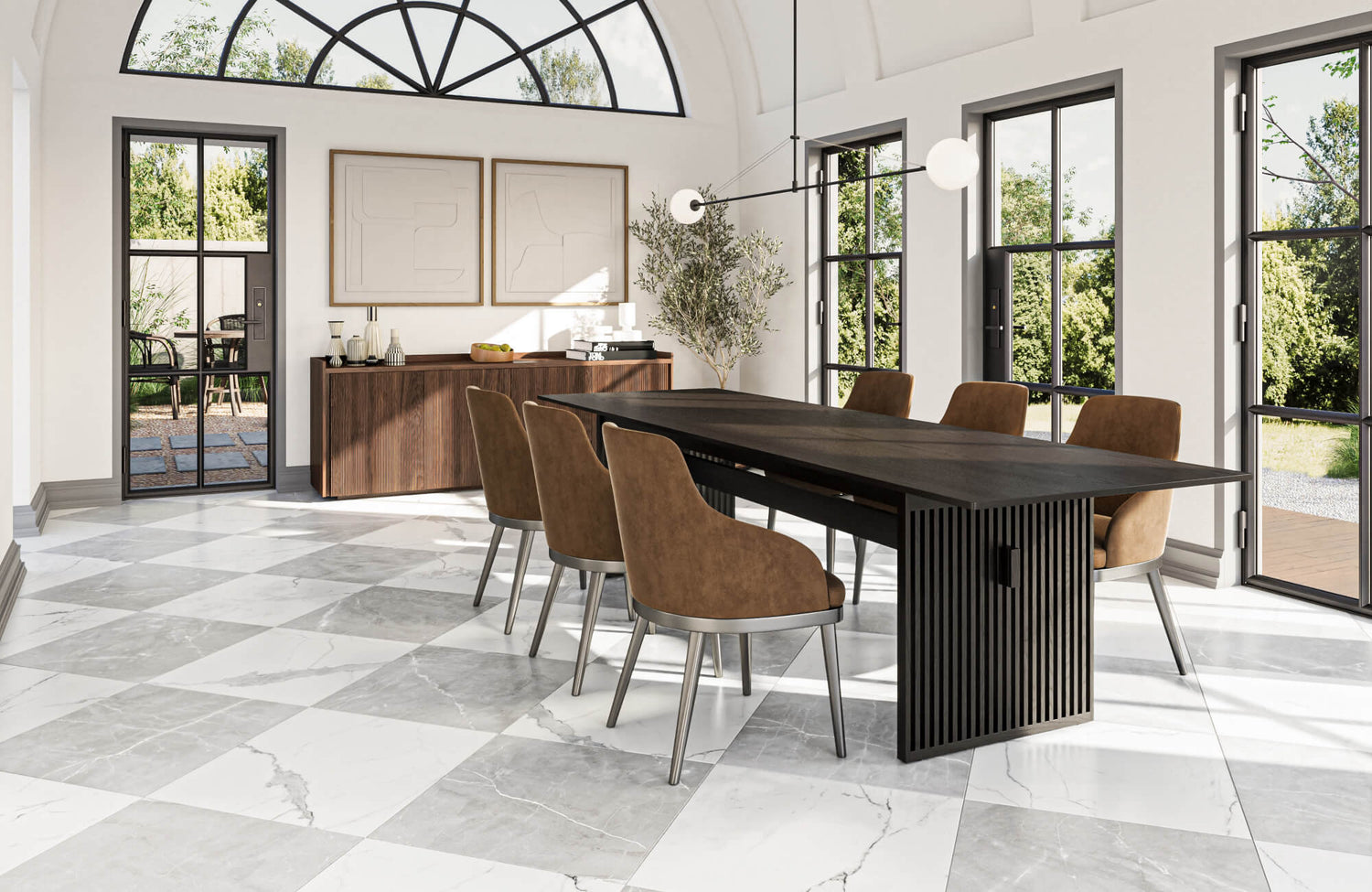
Installing checkerboard tiles diagonally is a strategic choice that enhances spatial flow and creates a sense of movement. This layout forms a dynamic, arrow-like effect that visually expands a room, making compact areas appear larger and more open. As seen above, our Blair 24x24 Checkerboard Polished Porcelain Tile in Oniciata Grey and Volakas White exemplifies how larger tiles can further amplify this effect, adding a sense of grandeur and openness. This approach is particularly beneficial in older spaces, where it helps balance irregular wall angles and creates a more harmonious visual alignment.
Traditional Grid Checkerboard Layout
The traditional grid layout maintains a structured, symmetrical look that works well in both modern and classic interiors. This arrangement keeps the pattern aligned with the room’s walls, offering a clean and balanced aesthetic. It’s a great option for those who want a timeless, understated checkerboard effect without the added complexity of diagonal placement. The uniformity of this style pairs well with both minimalist decor and spaces that feature bold, architectural details.
For a subtle variation on the classic pattern, an offset checkerboard layout shifts each row slightly to create a staggered effect. This layout introduces movement and softens the rigid geometry of traditional placements, making it an ideal choice for contemporary interiors. The offset design also helps conceal minor imperfections in floor alignment, making it a practical option for uneven surfaces. Its visually dynamic quality can add a layer of sophistication to kitchens, hallways, or transitional spaces. A mixed-size checkerboard layout combines tiles of different dimensions to create a more organic, customized look. By incorporating larger and smaller tiles within the pattern, this approach adds texture and depth, making the floor a statement piece. This variation is especially effective in eclectic or artistic spaces, where it introduces an element of creativity without overwhelming the overall design. Choosing complementary colors in different sizes can further enhance the visual interest and uniqueness of this layout. A refined interpretation of this concept can be seen in Edward Martin’s Aslan 2x8 Porcelain Tile Shield Checkerboard in Calacatta and Imperial, which elevates the traditional checkerboard through its elongated format and striking material contrast. Rather than relying solely on equal square tiles, this design introduces a more tailored composition, where the interplay of marble-inspired Calacatta and deeper Imperial tones creates both rhythm and dimension. The result is a checkerboard layout that feels more dynamic and architectural, making it particularly well-suited for spaces seeking a balance between classic structure and contemporary sophistication. By selecting the right checkerboard tile layout, you can shape the ambiance of your space, enhance its architectural character, and create a flooring design that seamlessly fits your space’s aesthetic. After discussing colors and layout, it's essential to understand how to preserve the vibrancy and longevity of your checkerboard tiles. Proper care helps maintain the bold contrasts or subtle tones, ensuring they stay fresh and polished over time. With the right upkeep, you can prevent wear, discoloration, and fading while keeping your floors looking as striking as the day they were installed. Regular cleaning prevents dust and debris from settling into grout lines or scratching the tile surface. Sweeping or vacuuming daily helps maintain the floor’s appearance, while mopping with a mild, pH-neutral cleaner once a week keeps the surface free from stains and buildup. Using a damp microfiber mop instead of excessive water is also recommended, as it helps preserve the finish and prevents moisture from seeping into the grout. Spills should be wiped up immediately to prevent staining, especially on light-colored tiles or grout. Rugs or mats placed near entryways and frequently walked-on spaces help reduce wear and protect the floor from scuff marks. On top of that, using furniture pads on chairs and tables prevents scratches, ensuring the tiles remain in excellent condition for years to come. Over time, grout lines may darken due to dirt buildup, requiring occasional deep cleaning. A mixture of baking soda and water or a specialized grout cleaner can lift stains effectively without damaging the tiles. Sealing the grout every six months also enhances stain resistance, making regular maintenance easier. For tiles with a matte or textured finish, a soft-bristle brush can help remove grime from crevices without dulling the surface. By incorporating these maintenance practices, your checkerboard floor can continue to be a bold and stylish feature in your space. With consistent care and the right cleaning approach, this timeless design will retain its beauty and durability for years to come. Checkerboard flooring is a timeless design element that offers endless creative possibilities. Whether you prefer a classic black and white contrast, soft neutrals, or bold, statement-making hues, selecting the best colors can transform your space with both elegance and personality. By carefully choosing the right palette, you can craft a checkerboard floor that enhances your space's overall aesthetic. Aside from choosing the perfect color combination, the layout and proper maintenance play a crucial role in ensuring your checkerboard tiles remain visually striking and long-lasting. The right layout can enhance spatial flow and complement your space’s design, while consistent upkeep helps preserve the floor’s vibrancy and durability. If you’re ready to bring your vision to life, explore our wide selection of high-quality tiles and take advantage of our design services to ensure your checkerboard flooring is both stunning and practical. Planning your checkerboard floor project? Below, we’ve answered some of the most common questions to help you make informed decisions. Keep in mind that while these insights provide general guidance, specific recommendations may vary depending on your space and tile material. The timeless black and white combination remains a popular choice, but other colors can create unique effects. Neutral tones like gray and tan provide a subtle, adaptable look, while bold hues such as red, blue, or green add personality and vibrancy. The best color depends on your space’s aesthetic and the ambiance you want to achieve. Yes, checkerboard flooring is versatile enough for various spaces, including kitchens, bathrooms, living rooms, and entryways. Choosing the right tile material and color ensures that the pattern complements the function and style of the room, whether you want a vintage, modern, or bold contemporary look. Porcelain is a top choice for checkerboard flooring due to its durability and ease of maintenance. Ceramic tiles also offer a range of finishes and styles, making them a great alternative. For a more upscale appearance, marble look porcelain tiles provide elegance while being easier to maintain than natural stone. A diagonal checkerboard layout can make a space feel more dynamic and visually engaging. By shifting the pattern at an angle, this design directs attention outward, creating a broader sense of depth and openness. It is especially useful in rooms with unconventional layouts, as it can help soften irregularities and establish a more cohesive flow.Offset Checkerboard Layout
Mixed-Size Checkerboard Layout

How to Maintain Checkerboard Tile Floors
Daily and Weekly Cleaning
Preventing Stains and Wear
Deep Cleaning and Grout Care

Bringing Your Checkerboard Floor Vision to Life

FAQs About Checkerboard Floors
What are the best colors for a checkerboard tile pattern?
Can checkerboard tile be used in any room?
What tile materials can be used for checkerboard flooring?
How do diagonal tiles affect room perception?