
)
)
)
)
)
)
)
)
Kitchen Design Trends To Consider Before Remodeling In 2026
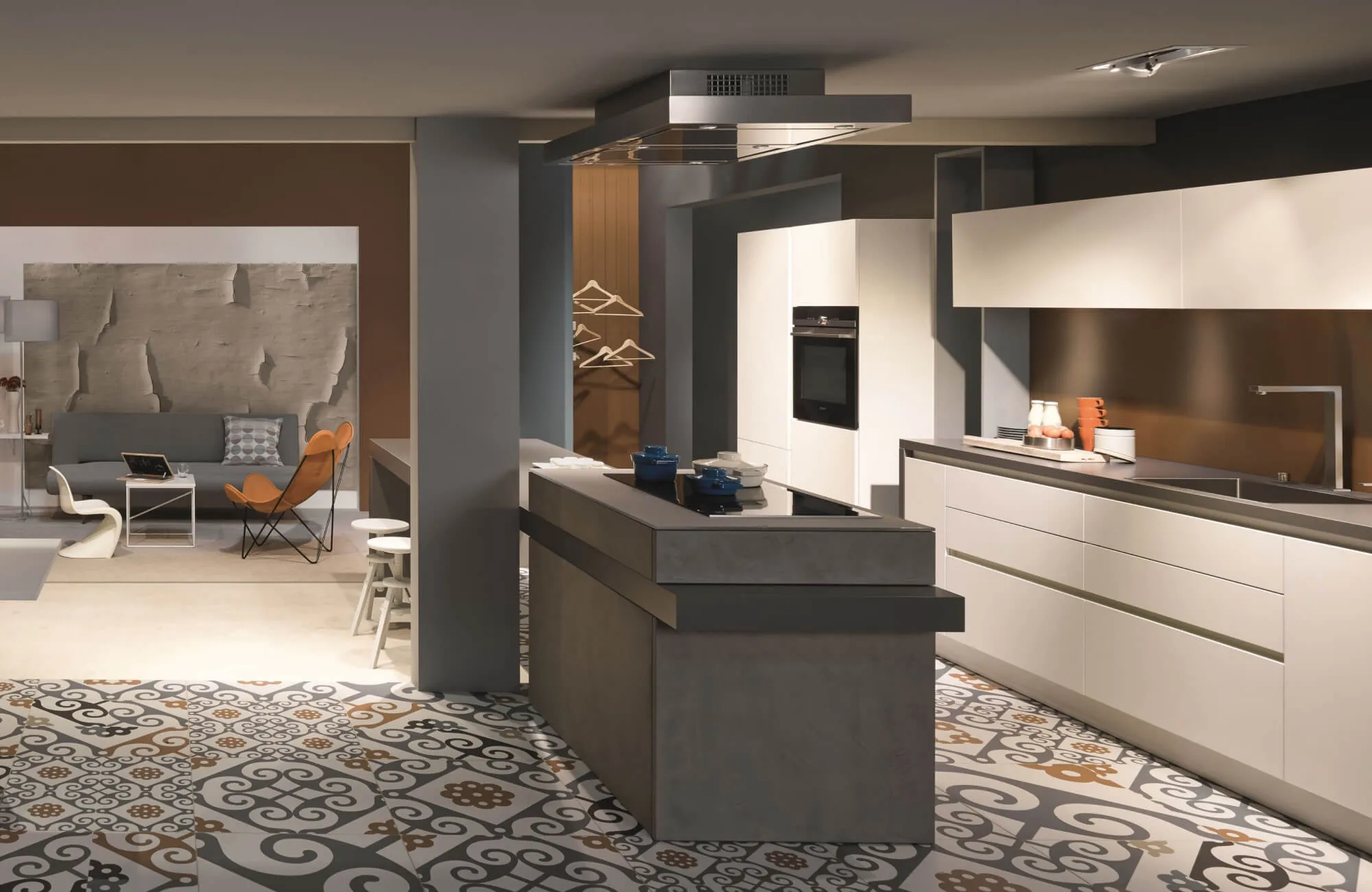
Kitchen remodeling in 2026 reflects a strategic shift toward performance-driven environments that support cooking, dining, working, and social interaction. As kitchens continue to serve as central living spaces, design decisions are increasingly prioritizing adaptability, efficiency, and long-term durability. Homeowners are investing in future-ready kitchen remodels that integrate advanced materials, intelligent systems, and ergonomic planning. Sustainability and energy efficiency are now foundational considerations rather than optional upgrades. Visual design is also evolving toward timeless aesthetics that retain relevance beyond short-term trends. These changes are shaping both residential construction standards and best practices in interior design. This article explores essential kitchen design trends to consider before remodeling in 2026.
1. Future-Proof Kitchen Layout Planning and Spatial Flexibility
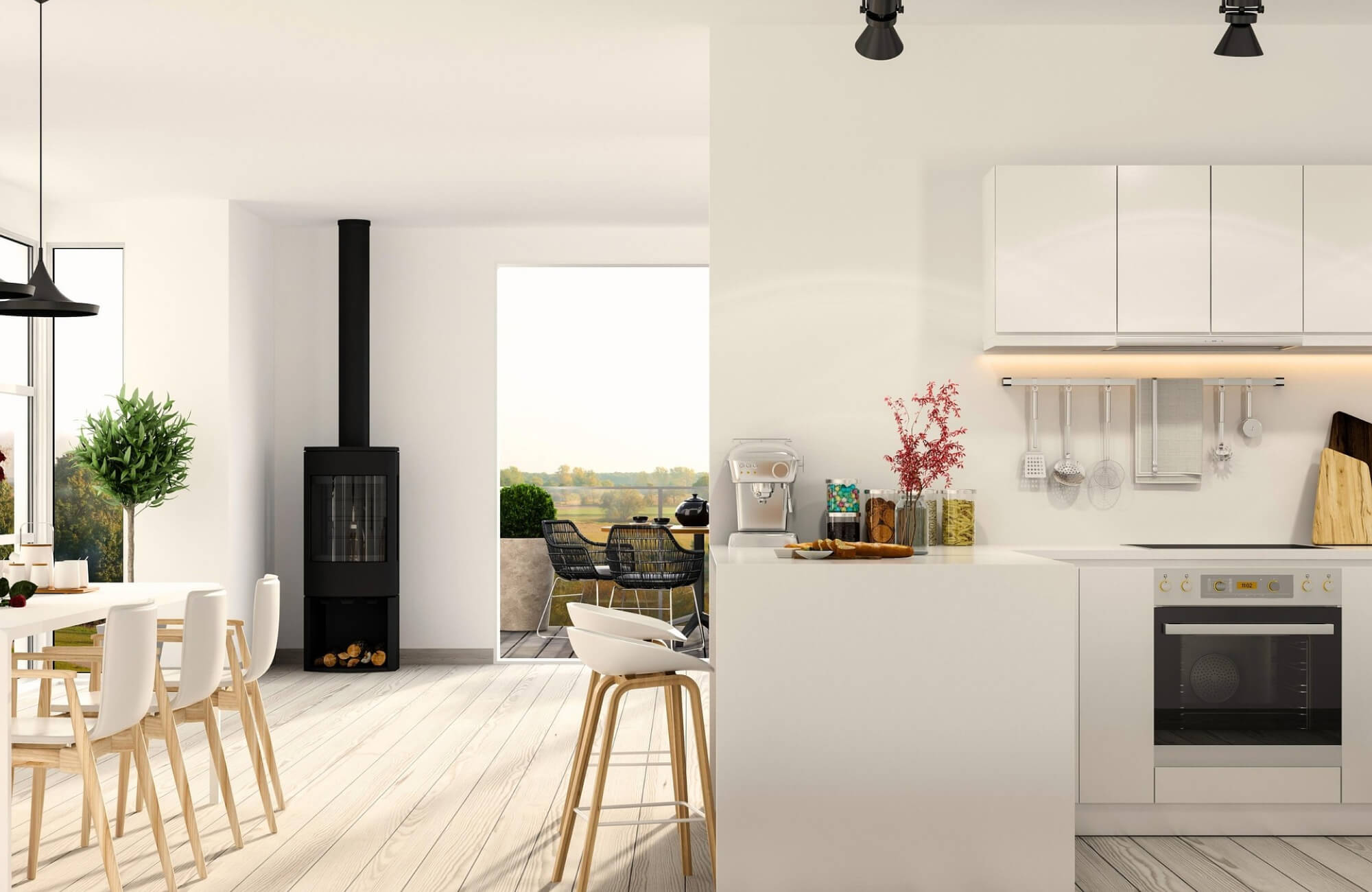
Future-proof kitchen layouts in 2026 are designed to evolve alongside changing household needs, emerging technologies, and long-term living patterns. To support this adaptability, designers are prioritizing flexible circulation paths that accommodate multiple users without disrupting workflow efficiency. Modular islands, expandable prep zones, and adjustable counter heights enable spatial reconfiguration without major structural changes, making the kitchen ready for new appliances, different family sizes, or shifting lifestyle routines.
In open-plan homes, kitchens also increasingly rely on subtle zoning techniques to maintain visual openness while improving functional clarity. At the same time, ergonomic clearances are being calculated using anthropometric data to reduce fatigue during prolonged use, especially in homes where cooking and entertaining blend into daily life. This thoughtful planning approach supports both everyday functionality and social scenarios, ensuring the kitchen remains practical and welcoming.
As a result, flexible layout design has become a cornerstone of modern remodeling strategy — not just a trend, but a long-term investment in usability and comfort.
2. High-Performance Cabinetry Systems and Construction Methods
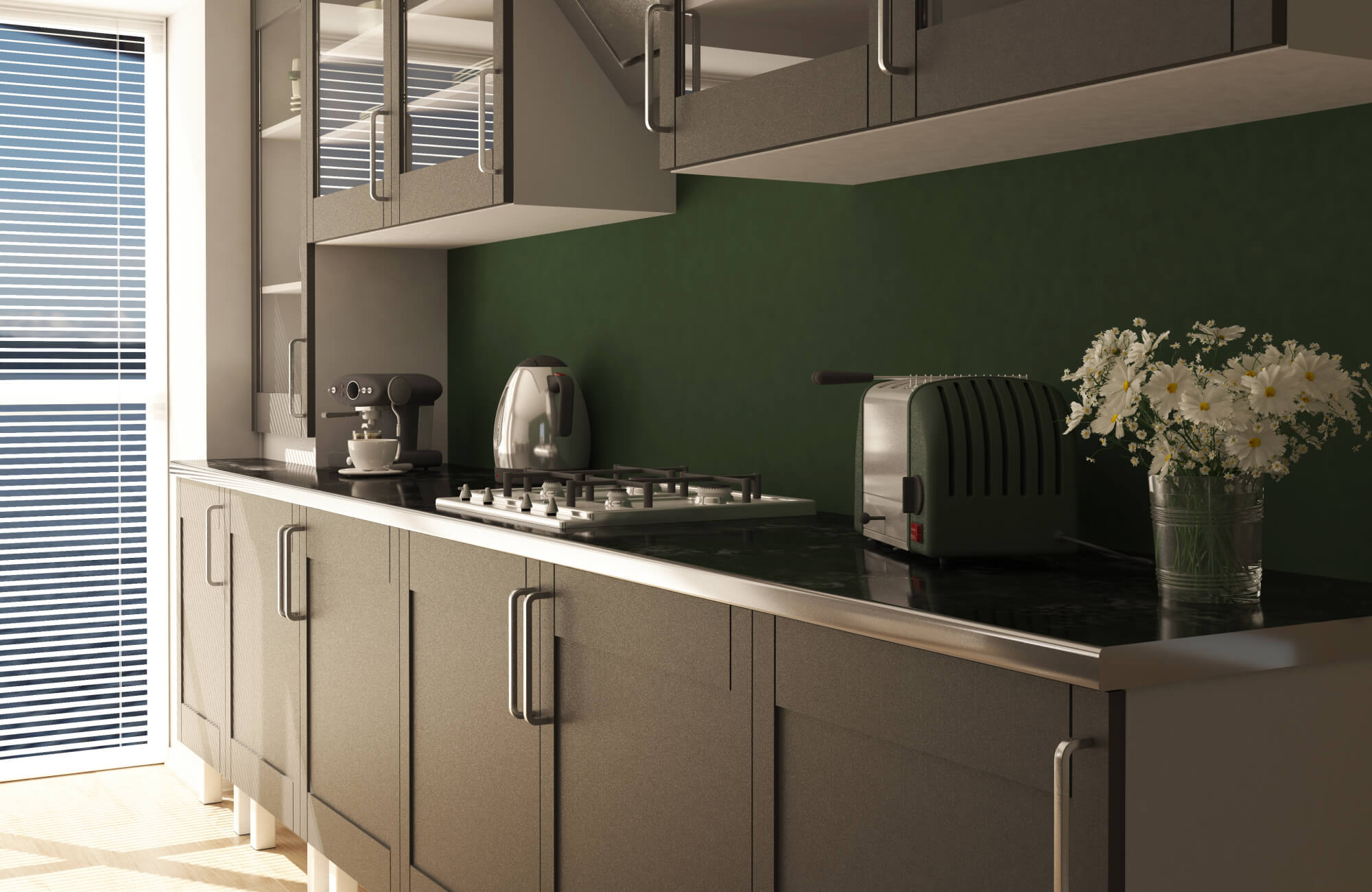
Kitchen cabinetry trends for 2026 emphasize structural integrity, precision manufacturing, and long-term reliability. Cabinet boxes are increasingly built from multi-ply hardwood or moisture-resistant engineered panels to prevent warping and material degradation over time. Advanced joinery techniques further enhance alignment accuracy and load-bearing capacity, ensuring cabinets remain stable even under heavy use.
Drawer systems are also evolving, with higher weight ratings, full-extension slides, and refined soft-close mechanisms becoming standard features. In addition, interior cabinet finishes are engineered for stain resistance, hygiene, and ease of maintenance, supporting the demands of busy households. Rather than prioritizing excessive exterior ornamentation, customization is shifting toward internal functionality—smart storage, optimized compartments, and durable components that perform consistently.
These advancements reflect a clear market shift toward high-quality cabinetry systems designed to withstand intensive daily use while maintaining long-term performance.
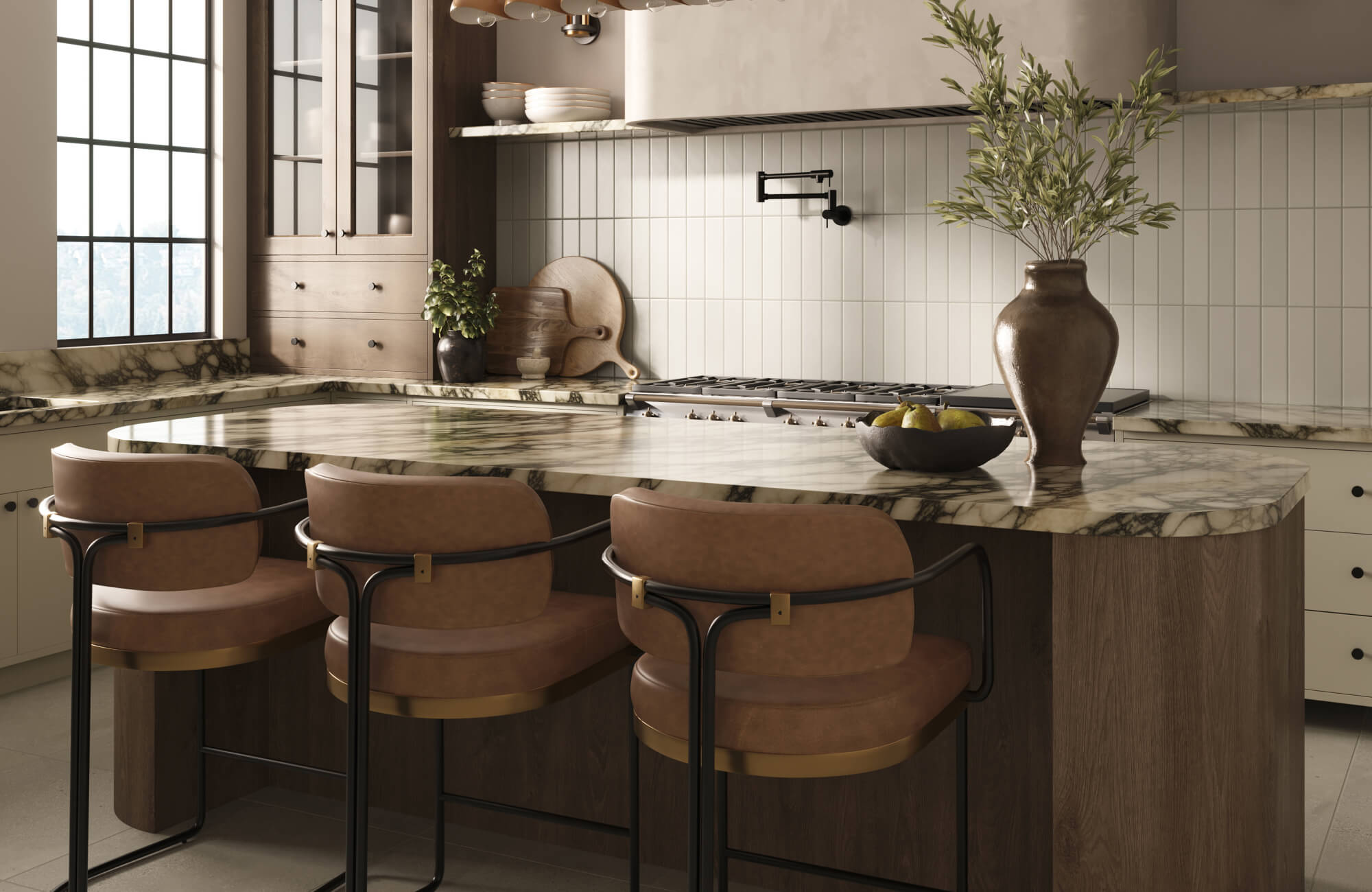
3. Countertop Innovations and Surface Technology Advancements
Countertop design in 2026 emphasizes material science, durability, and practical performance. Engineered quartz and sintered stone are becoming the go-to choices because their non-porous composition offers strong resistance to heat, impact, and chemical staining. At the same time, many surfaces now include antimicrobial treatments to support food safety and make cleaning easier—an important response to the growing demand for hygienic kitchen environments.
Advances in precision fabrication also make it possible to achieve thinner profiles without sacrificing strength, while integrated elements like flush-mounted sinks and seamless backsplashes improve both cleanliness and visual continuity. UV-resistant pigments further help countertops maintain consistent color over time, reducing fading in bright, sunlit kitchens. Altogether, these innovations reflect a sustained interest in durable countertop materials that deliver long-term performance and remodeling success.
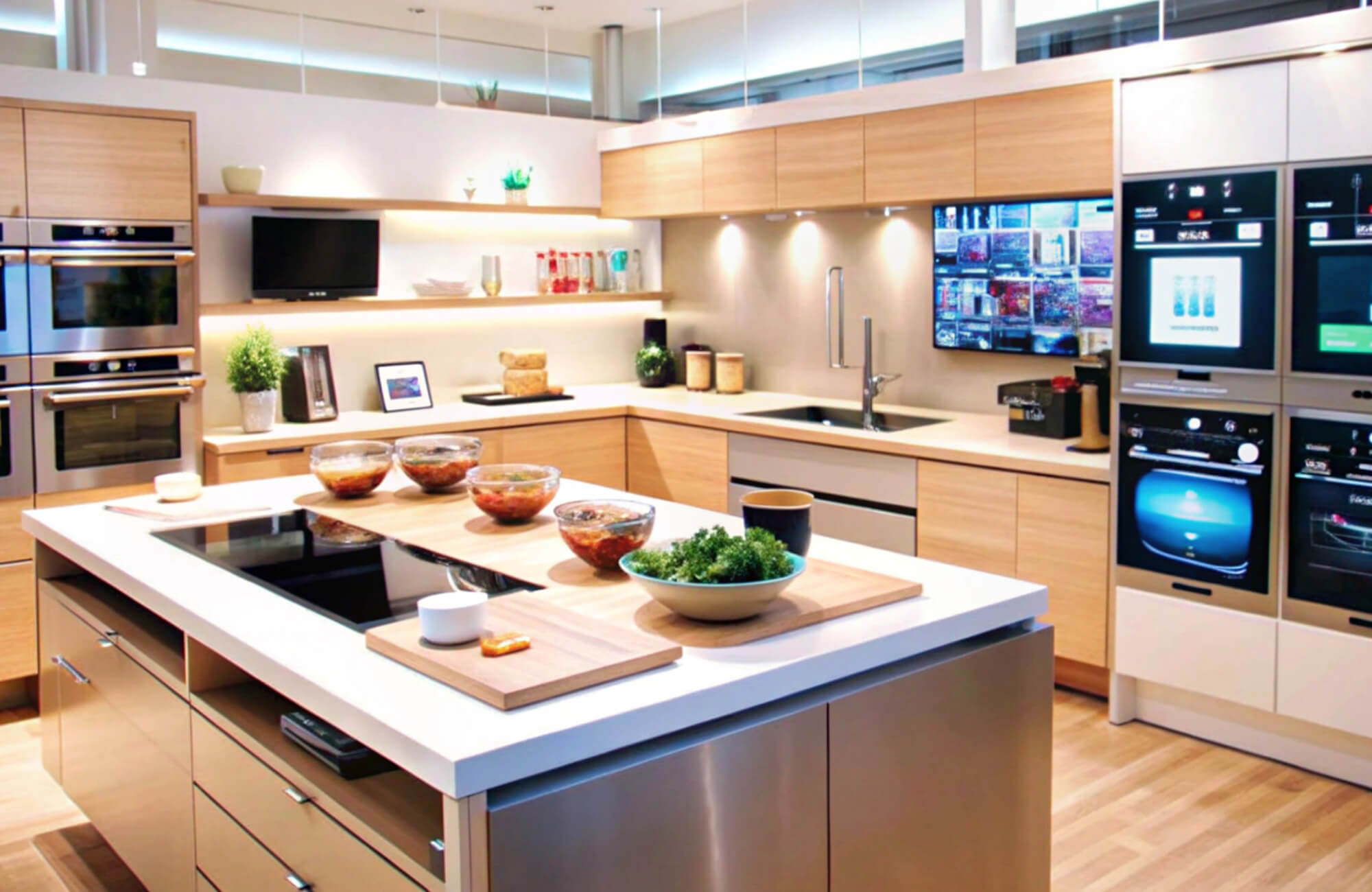
4. Smart Appliances and Connected Kitchen Ecosystems
Smart kitchen technology in 2026 focuses on fully integrated appliance ecosystems instead of standalone smart features. For example, refrigerators use AI-driven inventory management to reduce food waste and optimize storage conditions, while induction cooktops offer adaptive power modulation for precise temperature control and improved energy efficiency.
Across the kitchen, appliances are also increasingly linked to centralized home automation platforms, making operation more seamless and intuitive. Predictive maintenance alerts further help identify potential issues before performance declines, and energy monitoring systems provide real-time consumption data at the appliance level. This connected approach reflects growing demand for smart kitchen solutions designed to support energy-efficient, modern homes.
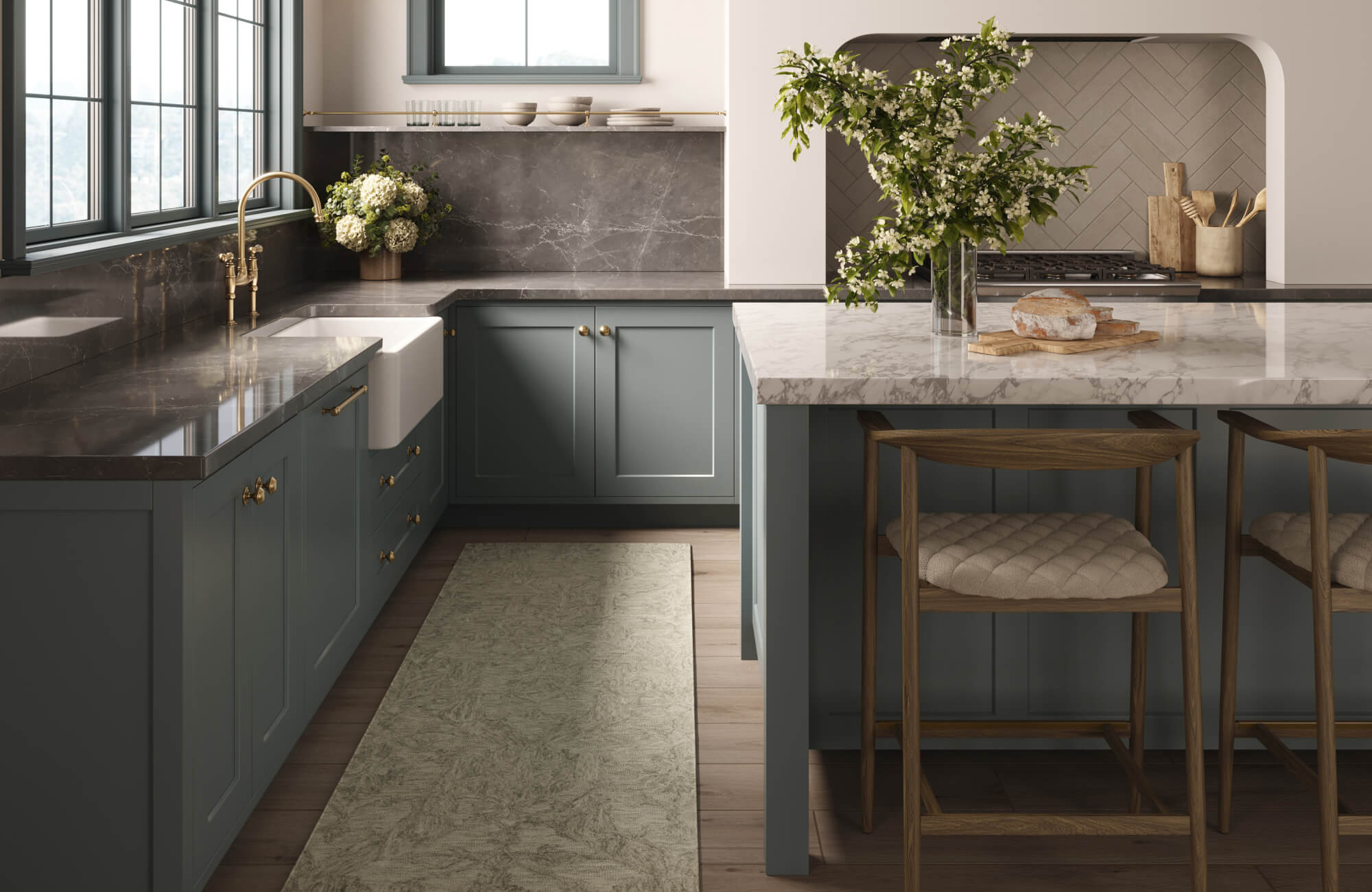
5. Sustainable Kitchen Design and Environmentally Responsible Choices
Sustainable kitchen remodeling in 2026 emphasizes reducing environmental impact while boosting long-term performance through thoughtful material selection and efficient systems. Homeowners increasingly prioritize low-emission, responsibly manufactured, and long-lasting surfaces that contribute to healthier indoor environments. Low-VOC adhesives, finishes, and sealants also support improved indoor air quality, while durable materials help reduce replacement frequency and construction waste over time.
As displayed in the photo above, the Preston 8×48 Matte Porcelain Tile in White Oak and the Shea 3×12 Matte Porcelain Tile in Polar combine visual warmth with responsible production practices, both manufactured using 95% locally sourced materials and containing up to 45% recycled content. The wood look porcelain flooring offers durability and moisture resistance suitable for high-use kitchen areas, while the softly toned matte backsplash supports long-term performance and visual longevity.
Complementing these surfaces, our Mallory Rug in Aloe contributes to a more sustainable kitchen environment through its durability and comfort underfoot, supporting extended use and reducing the need for frequent replacement. Together, these elements demonstrate how environmentally responsible kitchen design can balance performance, material integrity, and timeless appeal in modern homes.
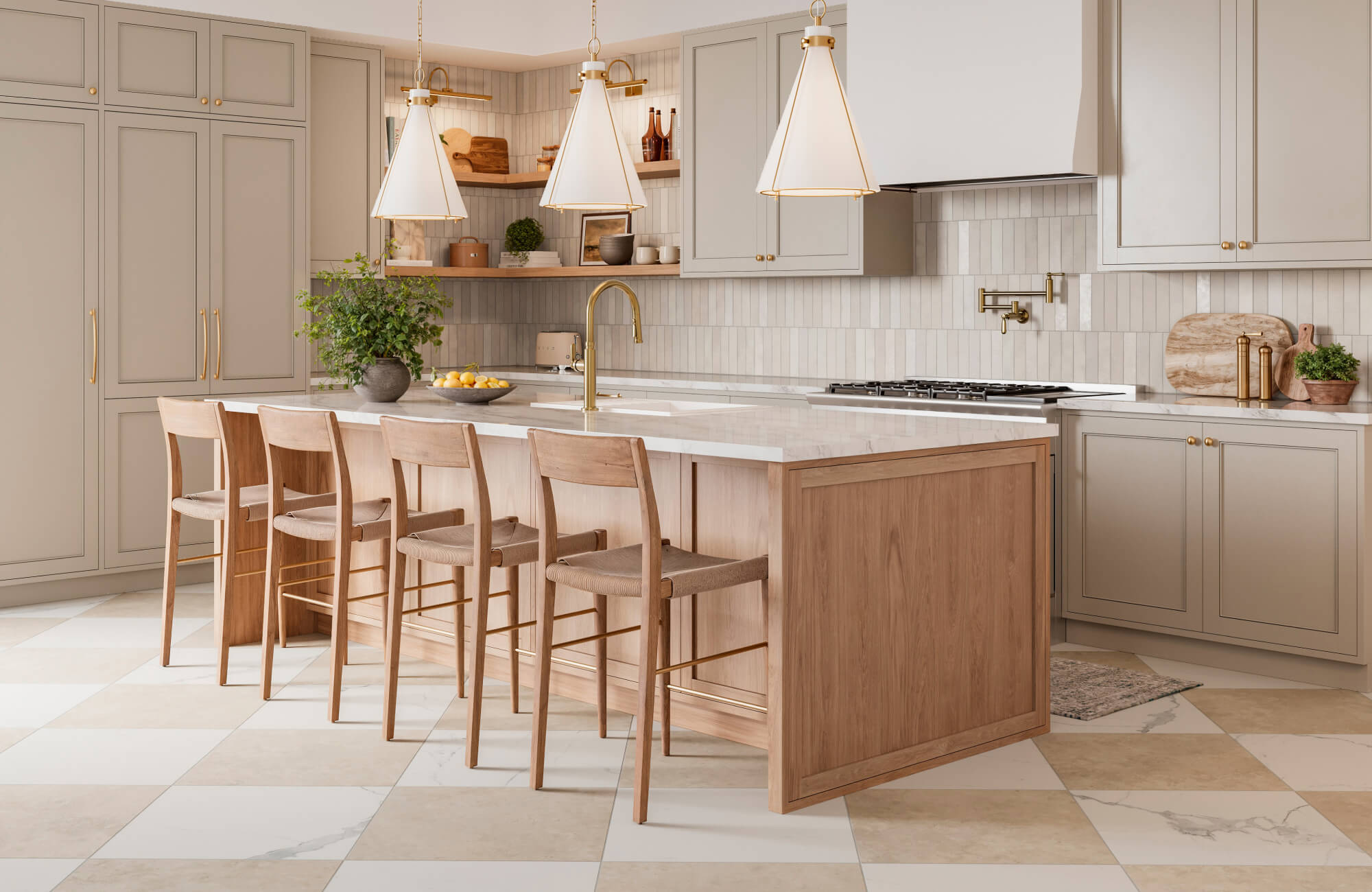
6. Kitchen Tile Trends and Surface Applications for 2026
Kitchen tile design in 2026 balances functional performance with refined aesthetics. Large-format porcelain tiles are increasingly favored for flooring and backsplashes because they offer durability, low porosity, and fewer grout lines. Rectified edges support precise installation and a clean, contemporary appearance, while matte and textured finishes improve slip resistance and reduce glare under task lighting.
Advances in digital printing also make it possible to replicate realistic stone, concrete, and terrazzo effects with consistent quality. In addition, tile layouts increasingly emphasize vertical stacking and extended applications to create visual continuity across surfaces. These trends reflect a growing demand for modern kitchen tile design that delivers long-term durability.
As shown in the photo above, Edward Martin’s Leona 24×24 Checkerboard Matte Porcelain Tile in Calacatta and Marfil illustrates how large format, matte-finish tiles can provide both visual structure and lasting performance. The subtle contrast in the checkerboard layout adds architectural rhythm without overwhelming the space, while the marble-inspired tones align with 2026’s focus on refined neutrals, minimal grout lines, and performance-driven porcelain surfaces.
To support confident tile selection, homeowners are increasingly using Edward Martin’s augmented reality (AR) tool, which allows kitchen tiles to be visualized in real time within their actual space before installation. This seamless integration of AR technology also enhances decision-making by accurately previewing scale, grout lines, finish, and surface continuity, aligning perfectly with the performance-driven kitchen tile trends of 2026.
7. Lighting Design, Engineering, and Visual Comfort Optimization
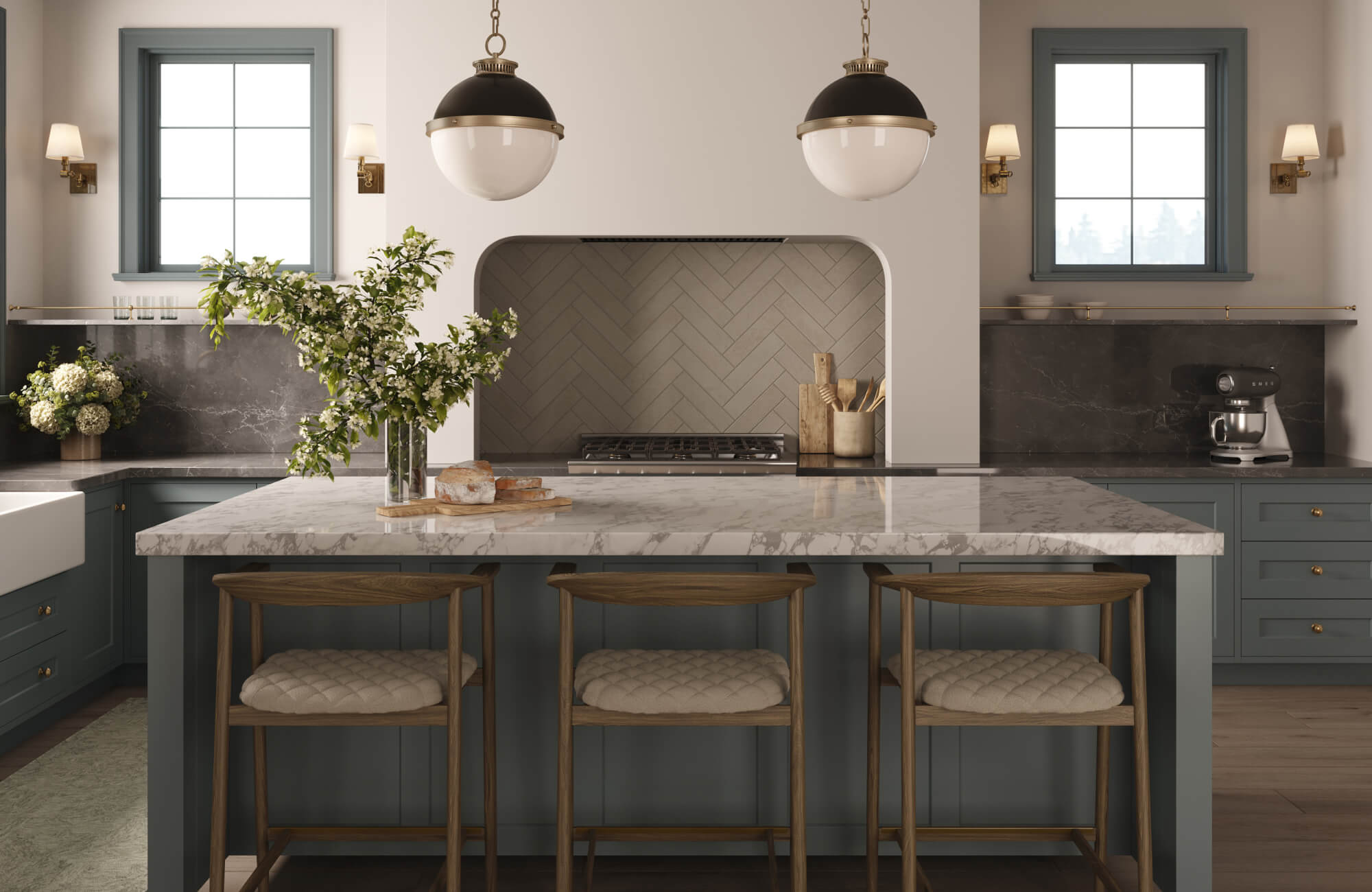
Lighting design in 2026 kitchens is treated as a technical system that supports functionality, comfort, and aesthetics. Layered lighting strategies combine ambient, task, and accent illumination to create balanced coverage throughout the space. High-CRI LED fixtures also ensure accurate color rendering during food preparation, while under-cabinet lighting is engineered to reduce shadows and glare on work surfaces. Meanwhile, tunable white lighting allows homeowners to adjust color temperature throughout the day, and smart lighting controls enable automation and improved energy efficiency. Altogether, this approach reflects professional lighting design standards being adapted for modern homes.
As featured in the picture above, the Barnes 14″ Pendant in Aged Antique Distressed Bronze serves as a refined task-lighting anchor above the island, providing focused illumination while its warm metallic finish softens the visual weight of functional lighting. Complementing it, the Sylvan Wall Sconce in Aged Brass introduces balanced ambient light at eye level, reducing contrast and glare while reinforcing visual comfort and material cohesion—key principles in lighting design engineering for kitchens in 2026.
8. Dining Tables and Dining Chairs Integrated into Kitchen Design
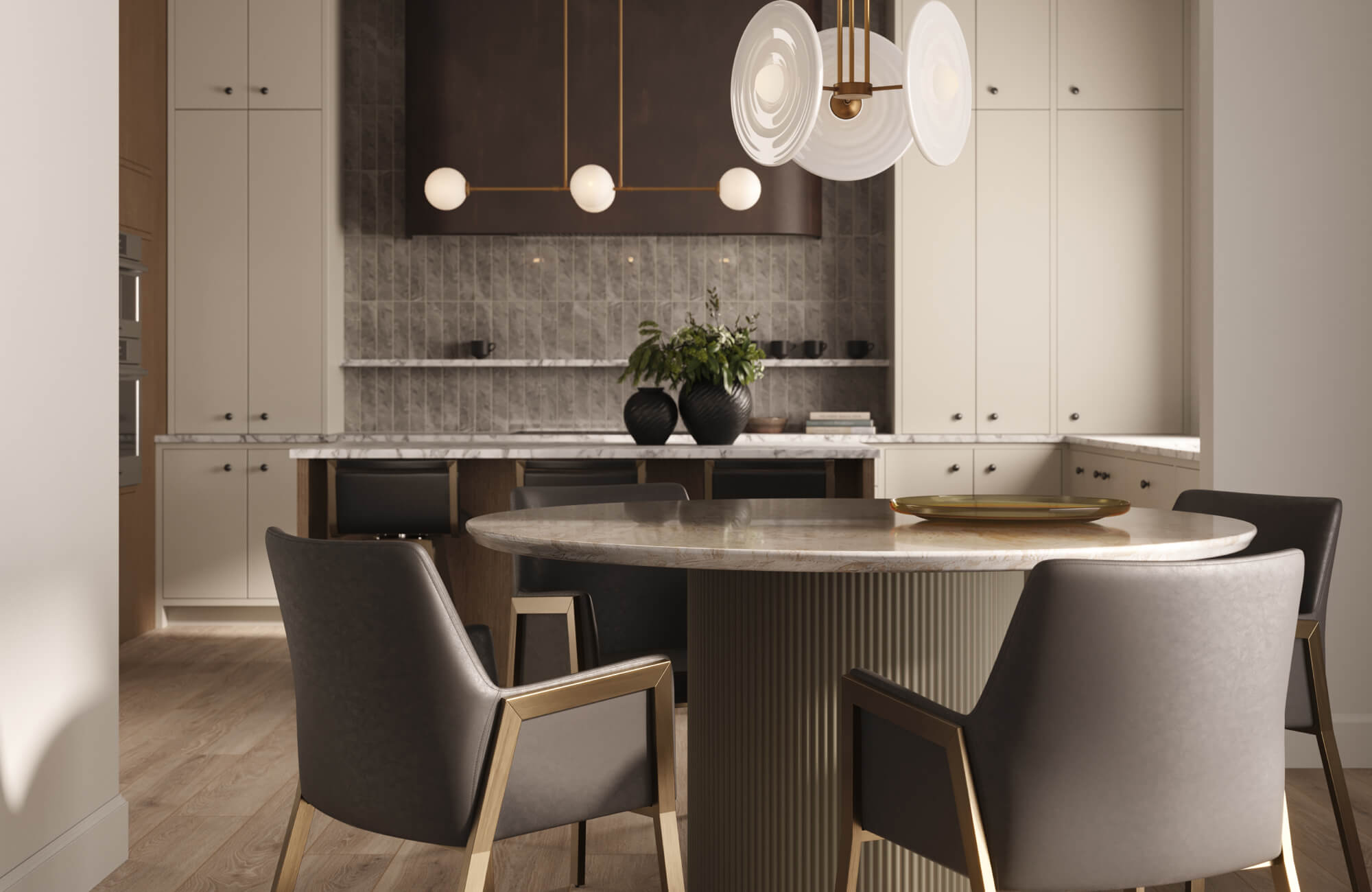
Dining tables and dining chairs in 2026 kitchen designs are increasingly integrated as functional extensions of the kitchen rather than separate furnishings. Open-plan layouts encourage cohesive material selection between cabinetry, countertops, and dining furniture, creating visual continuity and a sense of architectural flow. Dining tables also often feature durable surfaces such as solid wood, engineered stone, or ceramic to withstand daily use, while chair design emphasizes ergonomic support through contoured backs and performance upholstery. Proportions are carefully considered to maintain circulation clearance and seating comfort, allowing dining zones to feel intentional rather than secondary.
As shown in the photo above, our Anastasia 59" Dining Table in Taupe anchors the dining area with a softly rounded form and a durable surface that visually complements surrounding cabinetry and countertops. Paired with the Gideon Dining Chair in Grey, the seating also introduces ergonomic comfort and subtle tonal contrast without disrupting the overall palette. At the adjacent island, the Savannah Counter Stool in Black extends the same design language into the prep and gathering zone, reinforcing cohesion across seating types. Together, these pieces demonstrate how integrated dining furniture supports everyday meals, work, and entertaining while maintaining a unified, modern kitchen environment.
9. Refined Color Palettes, Textures, and Material Layering
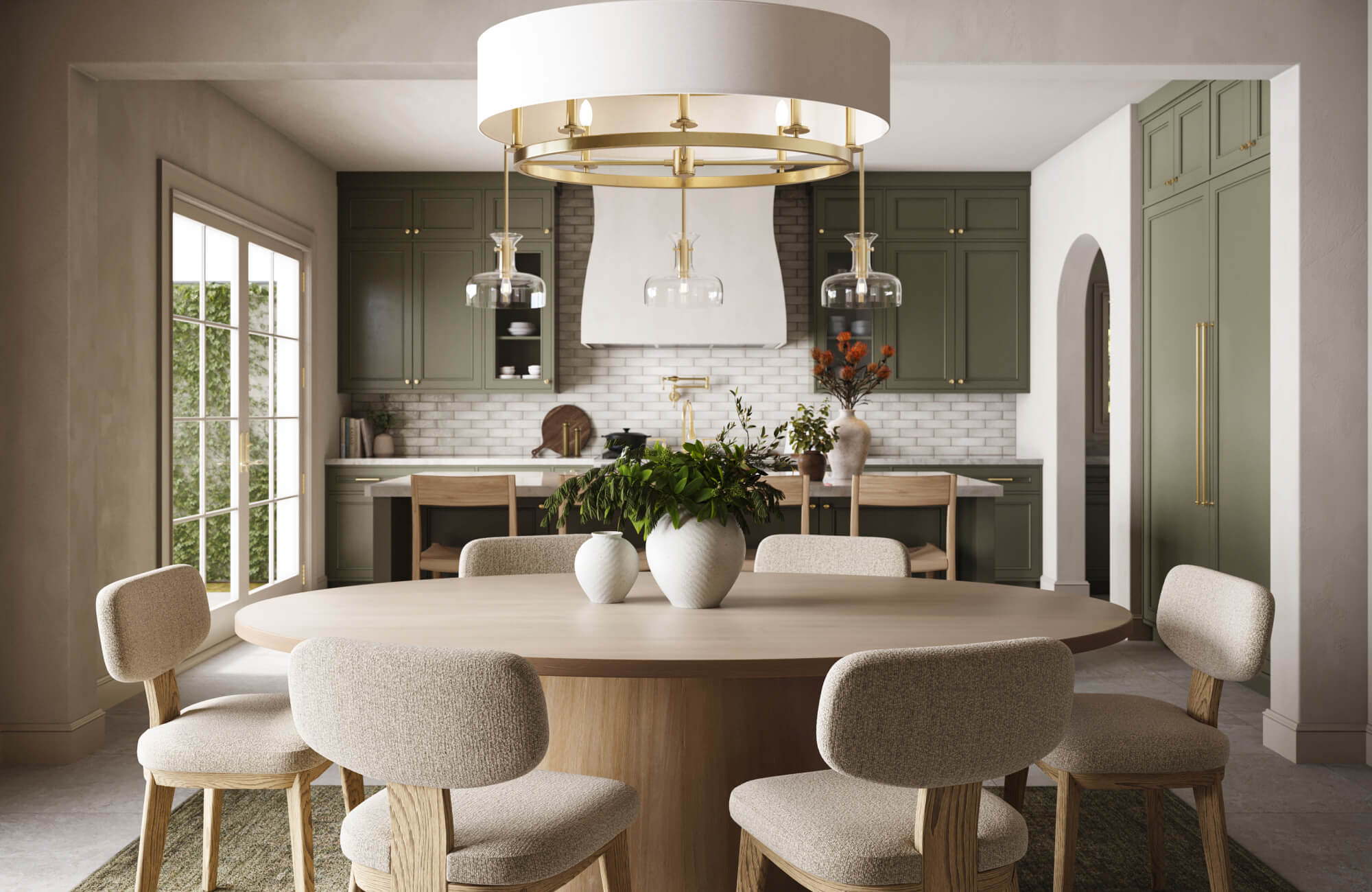
Kitchen aesthetics in 2026 favor restraint, cohesion, and tactile sophistication. Warm neutrals form a timeless foundation, while layered textures, like matte finishes, natural wood grains, and subtle metallic accents, add depth without creating visual clutter. Contrast is also used sparingly, often reserved for architectural focal points such as islands or feature walls. Moreover, surface reflectivity is carefully balanced to enhance both natural and artificial lighting, and consistent material choices help maintain a unified design language throughout the space. Overall, this approach reflects the modern trend toward enduring color palettes and thoughtfully layered textures.
Designing a Future-Ready Kitchen for 2026 and Beyond
Remodeling a kitchen in 2026 requires a strategic approach that goes beyond surface-level aesthetics and short-term trends. By carefully considering layout flexibility, cabinetry construction, surface technology, smart systems, sustainability, tile applications, lighting engineering, storage optimization, integrated dining furniture, and cohesive material palettes, homeowners can create kitchens that perform efficiently over time. Prioritizing quality construction and thoughtful planning also reduces the need for future modifications and repairs. These kitchen design trends for 2026 provide a reliable framework for creating spaces that remain functional, relevant, and enduring for years to come.
To bring these forward-thinking concepts together seamlessly, Edward Martin’s design services provide expert guidance in translating emerging kitchen trends into cohesive, build-ready solutions tailored to each home. By combining material expertise, spatial planning, and personalized support, their design team helps homeowners create future-ready kitchens that balance performance, aesthetics, and long-term value!
Follow us on Instagram
@EDWARD.MARTIN
)
)
)
)
)
)
)
)
)
)
)
)
)
)
)
)