
)
)
)
)
)
)
)
)
Is Walnut Or Oak Better For A Modern Wood Dining Table?
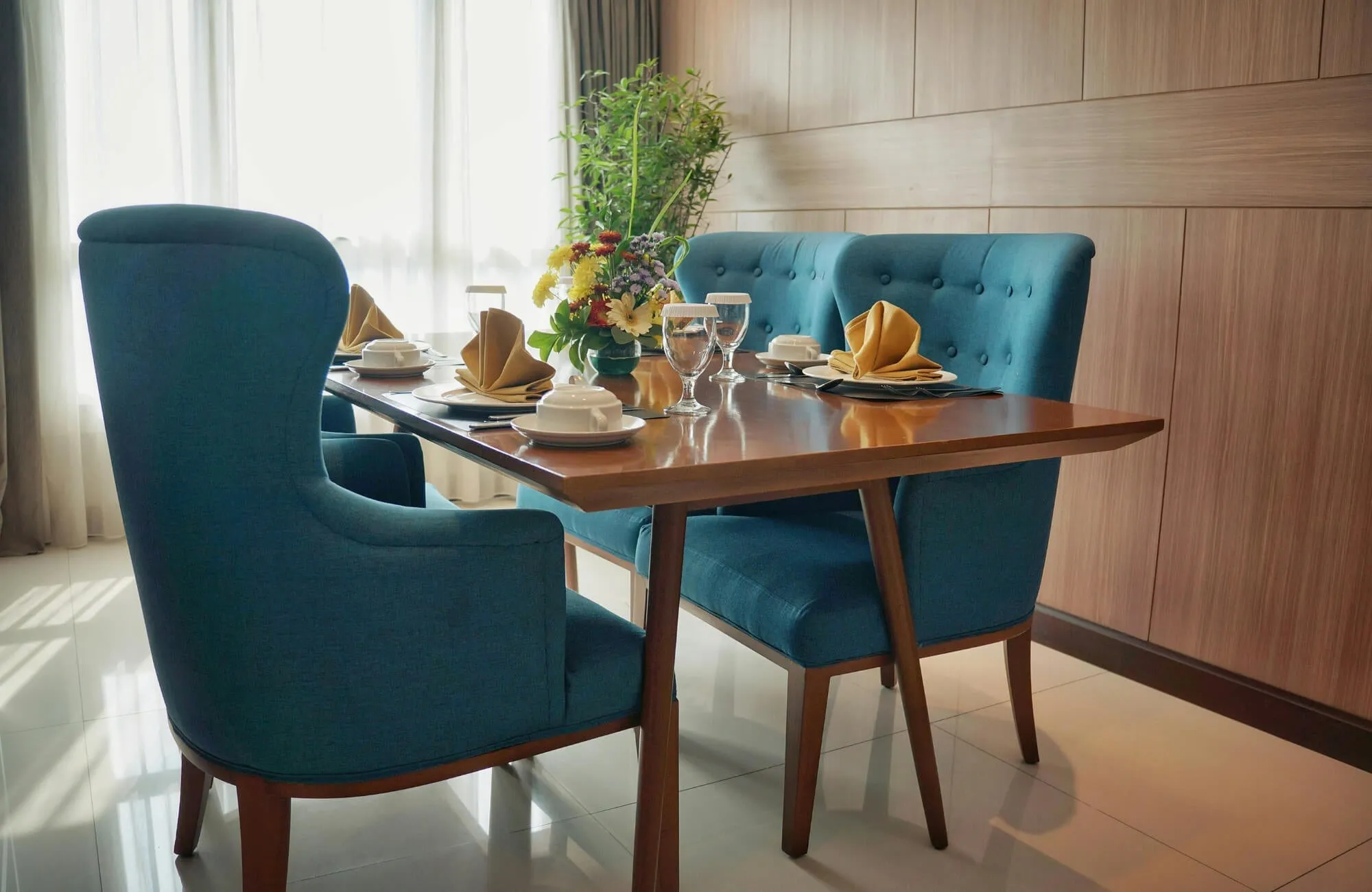
Choosing a wood dining table is one of the most consequential decisions you can make when furnishing a modern space. Unlike accent furniture, a dining table anchors the room both visually and functionally. It hosts daily meals, weekend gatherings, holidays, work sessions, and everything in between. For those who value quality, longevity, and thoughtful design, the decision often narrows to two standout hardwoods: walnut and oak.
This guide explores walnut and oak through the lens of modern interior design, helping you make an informed decision rooted in both aesthetics and real-world performance.
Comparing The Visual Impact Of Color And Grain
The first thing anyone notices about a dining table is how it looks in the room. Color tone, grain character, and surface depth strongly influence how the table interacts with light, surrounding materials, and the overall mood of the space.
The Warm Sophistication Of Black Walnut
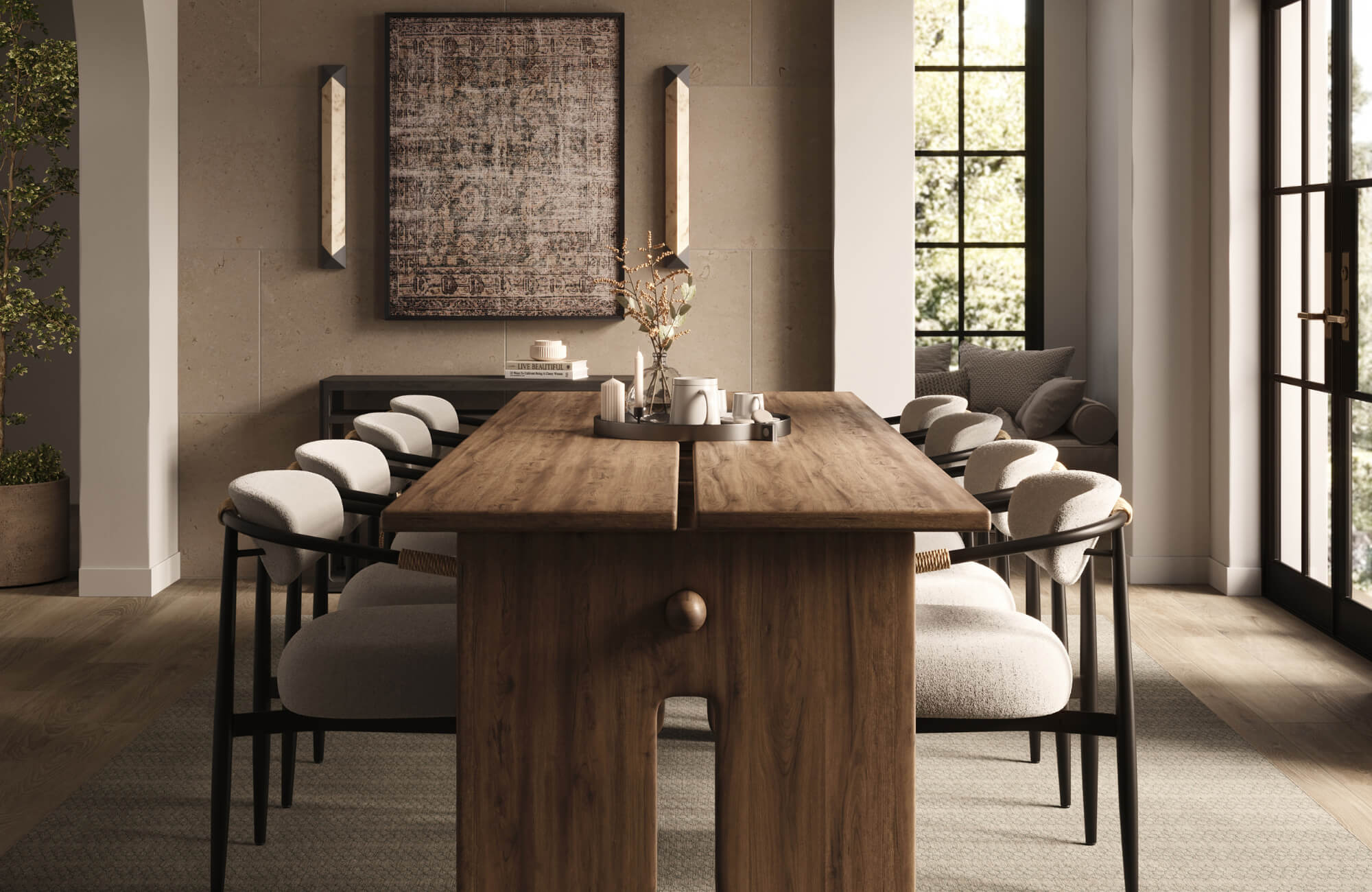
Black walnut is instantly recognizable for its deep, saturated brown tones that range from chocolate to purplish espresso, often with subtle streaks of caramel or gray. In a modern dining room, walnut brings an immediate sense of refinement and intentionality, as seen in Edward Martin’s Bastien Walnut Dining Table, 120" x 42", which embodies this richness in a long, architectural form in the image above. Its darker palette grounds a space and creates contrast against lighter walls, stone surfaces, or minimalist decor.
Walnut’s visual appeal lies in its natural variation. Even within a single slab, shifts in tone add depth and movement, giving the table a sculptural quality. This richness makes walnut a favorite for those who want their dining table to feel like a statement piece rather than a neutral backdrop. In spaces with controlled lighting, walnut absorbs light softly, creating a warm, intimate atmosphere that feels both luxurious and welcoming.
The Airy And Organic Versatility Of White Oak
White oak, by contrast, is prized for its lighter, more neutral appearance. Its color spectrum typically ranges from pale beige to warm honey, with subtle golden or gray undertones depending on the finish. In a modern home, oak reflects light rather than absorbing it, helping rooms feel more open, calm, and expansive.
This airy quality makes oak exceptionally versatile. It pairs effortlessly with a wide range of palettes, from soft whites and muted pastels to bold architectural blacks. White oak dining tables often feel timeless rather than dramatic, blending into the space while still offering a sense of natural warmth. For those drawn to a relaxed yet elevated aesthetic, oak provides a balance between visual interest and restraint.
How Grain Patterns Define The Mood
Grain pattern is as influential as color when shaping the character of a dining table. Walnut typically features flowing, organic grain with occasional curls or waves that feel expressive and artisanal. This movement adds visual richness and works well in modern spaces that embrace texture and contrast.
White oak grain tends to be straighter and more uniform, especially when rift-sawn or quarter-sawn. This linearity aligns naturally with contemporary design principles, reinforcing clean lines and architectural simplicity. In modern interiors where calmness and cohesion are priorities, oak’s grain contributes to a sense of order and quiet sophistication.
Durability And Hardness For Daily Life
A dining table must withstand more than just admiration. It faces daily use, accidental spills, shifting temperatures, and the occasional dropped plate. Durability is not just about hardness, but also how the wood ages and responds to real-life conditions.
Understanding The Janka Hardness Scale
The Janka hardness scale measures a wood’s resistance to dents and wear. Black walnut rates at approximately 1,010 on the scale, while white oak comes in higher at around 1,360. This difference means oak is objectively harder and more resistant to denting from heavy objects or frequent use.
In practical terms, a white oak dining table may better tolerate the demands of a busy household, especially one with children or frequent entertaining. Walnut, while still a durable hardwood, is slightly softer and may show impressions more readily under similar conditions. However, hardness alone does not determine suitability, especially in modern homes where finishes and usage patterns vary.
Scratch Visibility And Wear Patterns
How scratches appear over time can matter more than how easily they occur. Walnut’s darker surface tends to make light scratches more visible at first, but these marks often blend into the wood’s natural variation as the table develops a patina. Many appreciate this lived-in look, viewing minor wear as part of the table’s story.
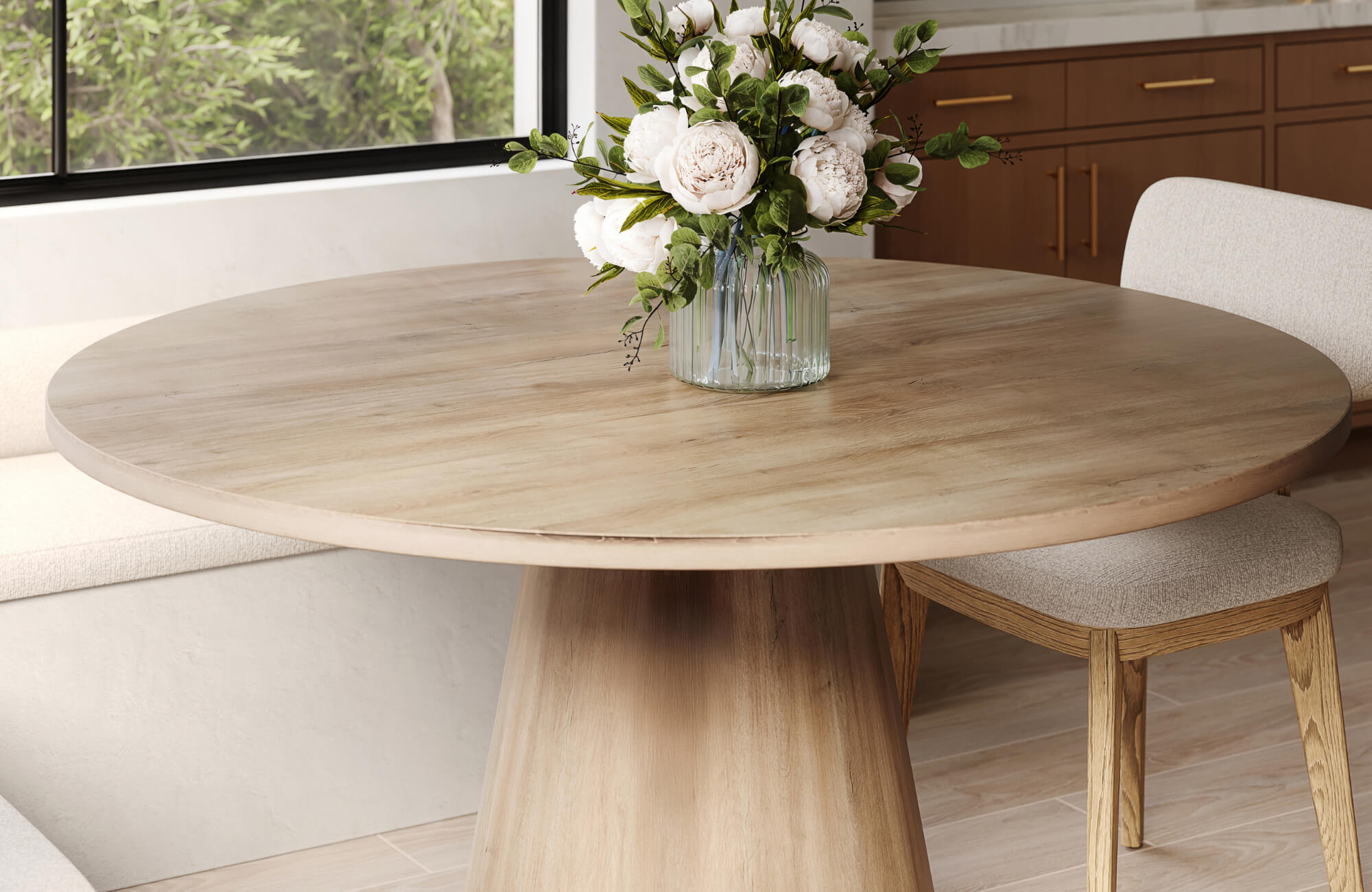
Oak, particularly in lighter finishes, may hide small scratches more effectively at the surface level. This quality is especially evident in Edward Martin’s Alice 54" Round Dining Table in Light Oak, shown in the image above, where the soft tone and smooth grain help diffuse everyday wear. However, deeper marks can stand out due to the contrast between the finish and the raw wood beneath. Over time, oak wear patterns often appear more uniform, which suits those who prefer a consistent, understated look even as the table ages.
Stability And Resistance To Warping
Both walnut and white oak perform well in terms of dimensional stability, especially when properly dried and constructed. White oak has a slight advantage due to its closed grain structure, which offers better resistance to moisture absorption. This makes oak particularly suitable for homes in regions with fluctuating humidity or open-plan layouts where kitchens and dining areas share airflow.
Walnut is also stable when well-crafted, but it can be marginally more sensitive to extreme environmental changes. For most climate-controlled homes, this difference is minimal, yet it becomes relevant for those prioritizing long-term structural consistency.
Matching The Wood To Your Modern Aesthetic
Beyond durability, the choice between walnut and oak often comes down to how each wood supports a specific design language. Modern interiors are not monolithic, and the right wood should reinforce the broader architectural and stylistic intent of the home.
Walnut For Mid Century And Industrial Spaces
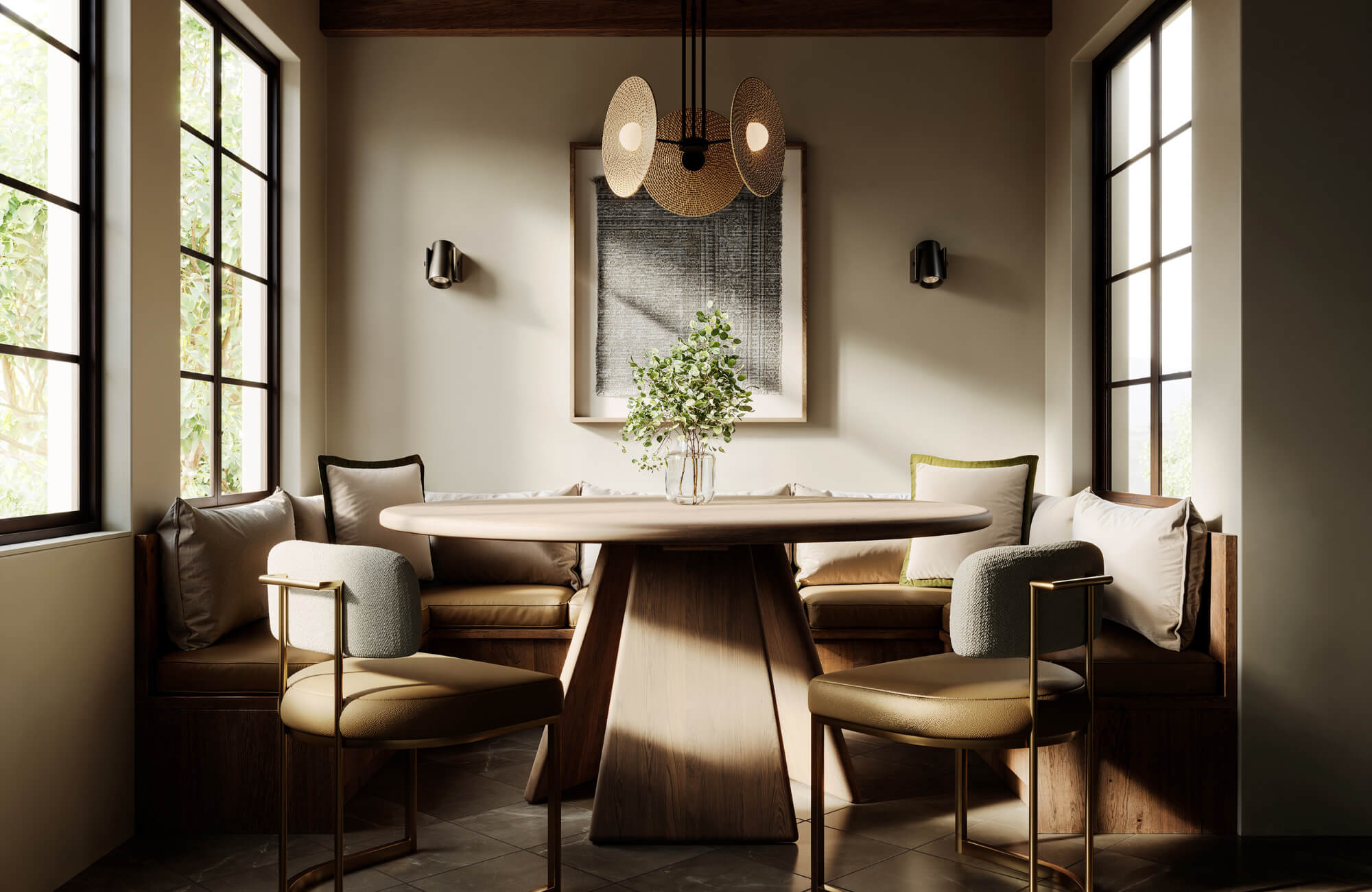
Walnut is deeply associated with mid century modern design, where its warm tones and expressive grain complement iconic silhouettes and vintage-inspired forms. In these spaces, a walnut dining table feels historically grounded yet perpetually current, echoing the craftsmanship and optimism of the era, much like Edward Martin’s Corentin Walnut Round Dining Table in Matte, 60", featured in the image above.
In industrial interiors, walnut introduces warmth that offsets raw materials like concrete, steel, and exposed brick. The contrast between dark wood and utilitarian finishes creates a layered, sophisticated environment that feels intentional rather than stark. For those who want their dining table to act as a visual anchor, walnut excels.
Oak For Scandinavian And Japandi Interiors
White oak is a natural fit for Scandinavian and Japandi design, both of which emphasize light, simplicity, and connection to nature. Oak’s neutral tone supports these principles, allowing the table to feel integrated rather than dominant.
In Japandi interiors, where Japanese minimalism meets Scandinavian warmth, oak’s subtle grain and matte finishes reinforce a sense of calm and balance. The table becomes part of a cohesive whole, contributing to the atmosphere without demanding attention. Homeowners seeking serenity and visual continuity often gravitate toward oak for this reason.
Mixing Wood Tones In An Open Plan
Modern homes frequently feature open-plan layouts, making wood coordination more complex. A walnut dining table can serve as a contrasting focal point amid lighter floors and cabinetry, adding depth without overwhelming the space. Oak, on the other hand, blends more seamlessly with existing wood tones, creating a unified flow from room to room.
Both approaches can work beautifully when done with intention. The key lies in repetition and balance, ensuring that the chosen wood tone is echoed elsewhere through furniture, accents, or architectural details.
Assessing Cost Maintenance And Long Term Value
A dining table is an investment, and understanding the financial and practical implications of each wood helps ensure long-term satisfaction.
The Price Premium Of Walnut
Walnut typically commands a higher price than oak due to its slower growth rate and limited supply. This premium reflects not only material cost but also the demand for walnut in high-end furniture and custom woodworking. For those prioritizing exclusivity and visual richness, the added expense may feel justified.
White oak is more widely available, making it a more accessible option without sacrificing quality. Its relative affordability allows you to allocate budget toward custom sizing, premium finishes, or complementary furnishings while still investing in solid hardwood construction.
How Wood Color Changes With Age
Both walnut and oak evolve over time, though in different ways. Walnut gradually lightens as it ages, especially when exposed to natural light. This mellowing effect softens its initial intensity, often enhancing its warmth and complexity.
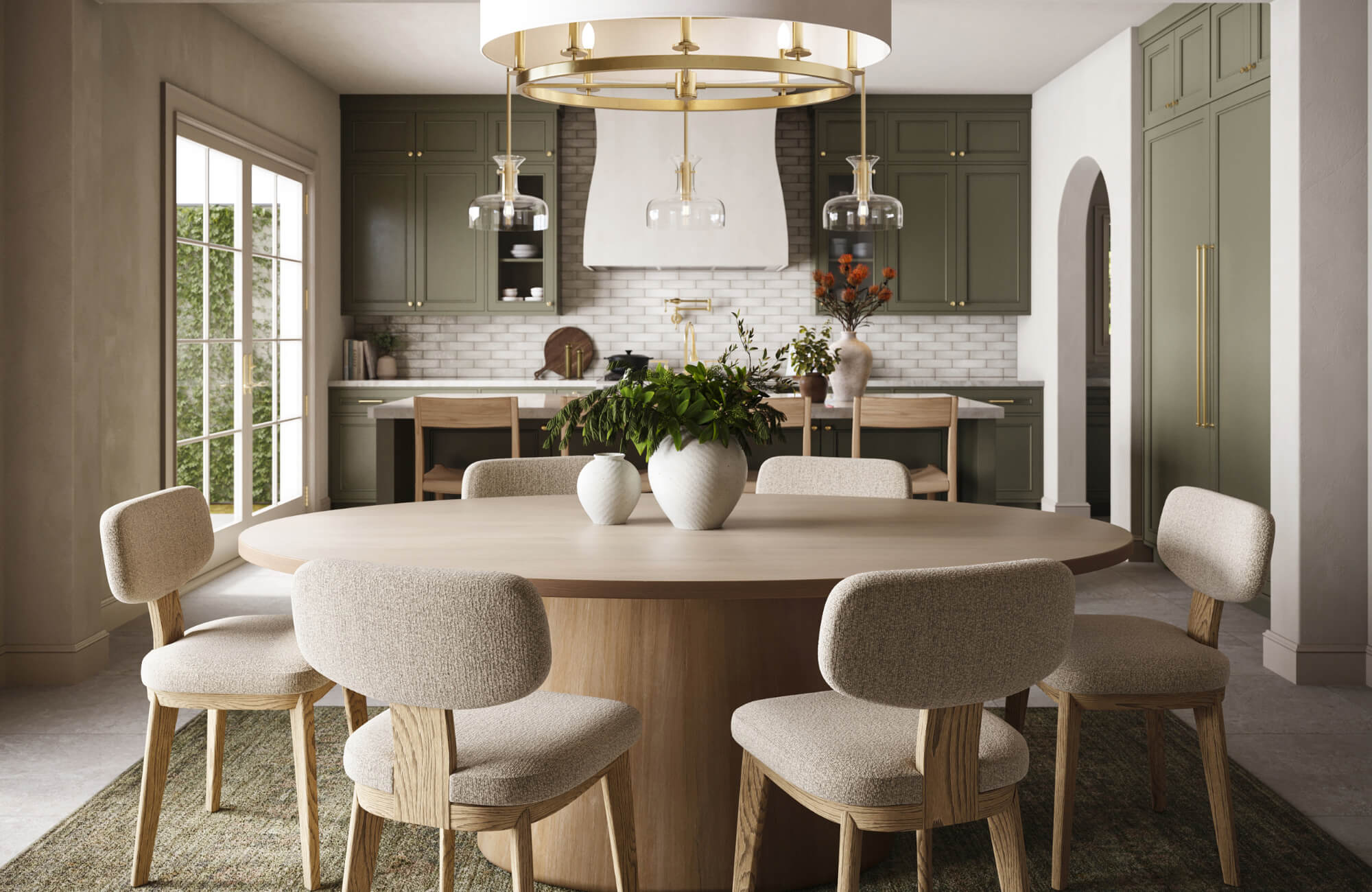
White oak tends to deepen slightly, developing richer golden tones over the years. This subtle change adds character while maintaining oak’s inherent lightness, a quality that becomes more pronounced in substantial pieces like Edward Martin’s Alice 84" Oval Dining Table in Light Oak, as seen in the image above. Homeowners should consider how these shifts align with their long-term vision for the space.
Maintenance Requirements For Longevity
Maintenance is key to preserving a dining table’s beauty, though care routines can vary, so it’s always recommended to follow the manufacturer’s guidelines for proper maintenance and long-term care. Walnut may require slightly more attention to protect its surface from noticeable scratches, especially in busy households. Regular cleaning and occasional refinishing help maintain its depth and luster.
Oak is generally forgiving, with finishes that age gracefully and require minimal intervention. Its durability and moisture resistance make it a practical choice for everyday living, particularly for families who value ease of care alongside aesthetics.
Finding The Right Hero For Your Home
There is no universal winner in the walnut versus oak debate, only the right choice for a specific home and lifestyle. For those weighing these nuances, Edward Martin’s design consultation service can provide personalized guidance, helping translate preferences, room conditions, and existing finishes into confident, well-aligned choices.
Ultimately, the better wood for a modern dining table is the one that aligns with how you live, how your home is designed, and how you want the space to feel for years to come. Whether you have questions about furniture details, coordinating a dining table with tile or rugs, or need tailored recommendations for your project, you can contact Edward Martin for expert support that ensures your final selection feels considered and enduring.
Follow us on Instagram
@EDWARD.MARTIN
)
)
)
)
)
)
)
)
)
)
)
)
)
)
)
)