
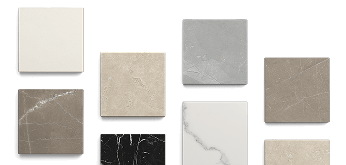
)
)
)
)
)
)
)
)
Is Porcelain Tile Waterproof?
Porcelain tile is often touted for its strength and beauty, but its performance in wet conditions and outdoor spaces is equally remarkable. One of the most important considerations in selecting this material is understanding its water resistance and the conditions under which it can be considered waterproof.
This detailed discussion will explore porcelain tile from multiple technical and practical angles to determine how well it holds up against water. Through an examination of its composition, terminology, installation components, testing standards, and real-world performance, this article offers a comprehensive view into the waterproofing capabilities of porcelain tile.
Technical Composition of Porcelain Tile
The waterproof properties of porcelain tile originate in its material structure and the way it is manufactured. By understanding how it is made, we gain insight into its ability to resist water absorption at the molecular level.
High-Firing Process and Densification
Porcelain tile is crafted from refined kaolin clay and silica, which are compressed under immense pressure before being fired at extremely high temperatures—often above 2,300°F (1,260°C). This thermal process causes vitrification, a state where the particles partially melt and fuse together, forming a solid, glass-like body. The result is a tile with extremely low porosity and a dense, uniform internal structure that water molecules cannot easily penetrate.
Compared to standard ceramic tiles, which are fired at lower temperatures and have a more open structure, porcelain's compactness offers far superior water resistance. This densification process is key to achieving water absorption levels below 0.5%, qualifying porcelain as impervious by ASTM standards.
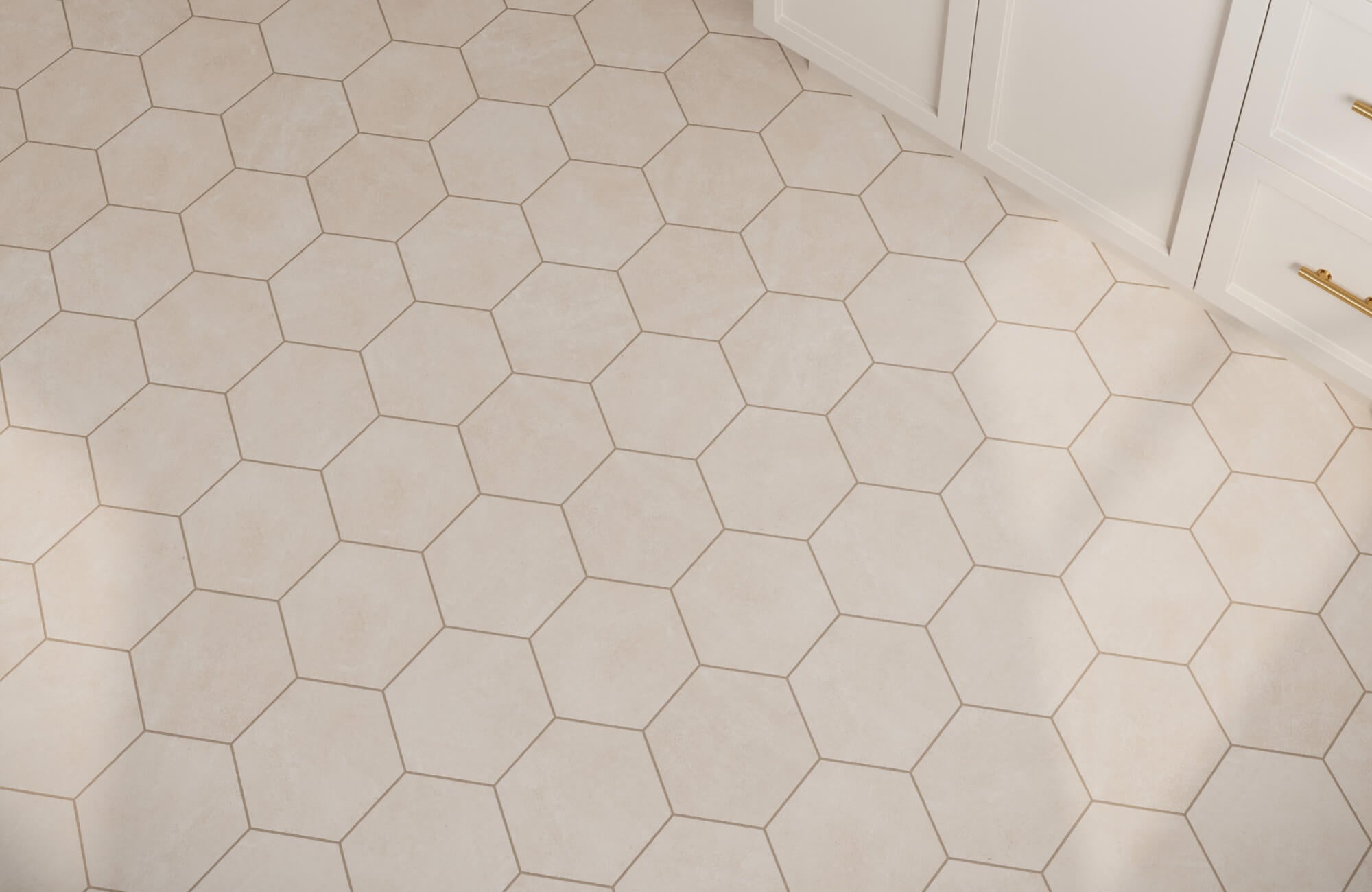
A prime example of this manufacturing excellence is the Adrian 7x8.25 Matte Porcelain Tile in Almond, as displayed in the picture above. Its refined matte finish and dense body structure are the direct result of high-temperature firing and precision engineering. The Adrian tile showcases not only aesthetic versatility with its contemporary geometric format but also the robust water resistance inherent to well-crafted porcelain, making it ideal for moisture-prone settings where both performance and design are priorities.
Through-Body vs. Glazed Porcelain
Porcelain tiles can be either through-body or glazed, each with specific advantages. Through-body porcelain maintains consistent color and composition throughout its entire thickness, making chips or wear less visible—ideal for commercial flooring and busy zones. Glazed porcelain, however, features a liquid glass coating on the surface that is fused during firing, enhancing its resistance to stains, chemicals, and moisture. While the glaze adds a second line of defense against water, it is the dense core of both types that primarily contributes to water resistance. The key distinction is that through-body types offer durability against physical wear, while glazed tiles provide added protection against surface contaminants and moisture exposure.
Low Porosity and Absorption
Water absorption is one of the most critical factors in evaluating a tile's waterproofing capabilities. According to ANSI A137.1, porcelain must have a water absorption rate of 0.5% or less to qualify as impervious. This low absorption rate is achieved due to the tile’s compact structure and high firing temperatures, which eliminate micro-voids where water could reside. As a result, porcelain tile can resist water penetration even when submerged, unlike many natural stones or lower-grade ceramics that require sealing. In addition, low porosity contributes to mold and mildew resistance, which is especially important in bathrooms, kitchens, and exterior installations.
Waterproof vs. Water-Resistant: Clarifying the Terminology
Accurately describing porcelain tile as waterproof requires an understanding of technical terminology in the construction and tile industries. Misconceptions often arise from using the terms "waterproof" and "water-resistant" interchangeably when they carry different implications.
True Waterproofing Defined
In building science, “waterproof” means a material or system is completely impervious to water, under pressure and over time. A truly waterproof system prevents water ingress even in the most extreme conditions, such as full submersion or hydrostatic pressure. While porcelain tile itself can resist water to a high degree, no tile is installed in isolation—system components like grout, substrate, and membranes influence overall waterproofing. Thus, porcelain tiles are not waterproof on their own, but rather, they are part of a system that can be made waterproof when properly constructed. Understanding this distinction is crucial for preventing failures in high-moisture applications like steam showers, fountains, or commercial kitchens.
Functional Water Resistance in Practice
In real-world terms, porcelain tile provides sufficient water resistance for most residential and commercial settings. It resists water penetration during cleaning, spills, and even short-term immersion, making it ideal for bathrooms, kitchens, and exterior walkways. When paired with water-resistant grouts and underlayment membranes, it becomes part of a system that can handle prolonged water exposure. This makes porcelain tile a go-to material for wet zones where other surface coverings might deteriorate.
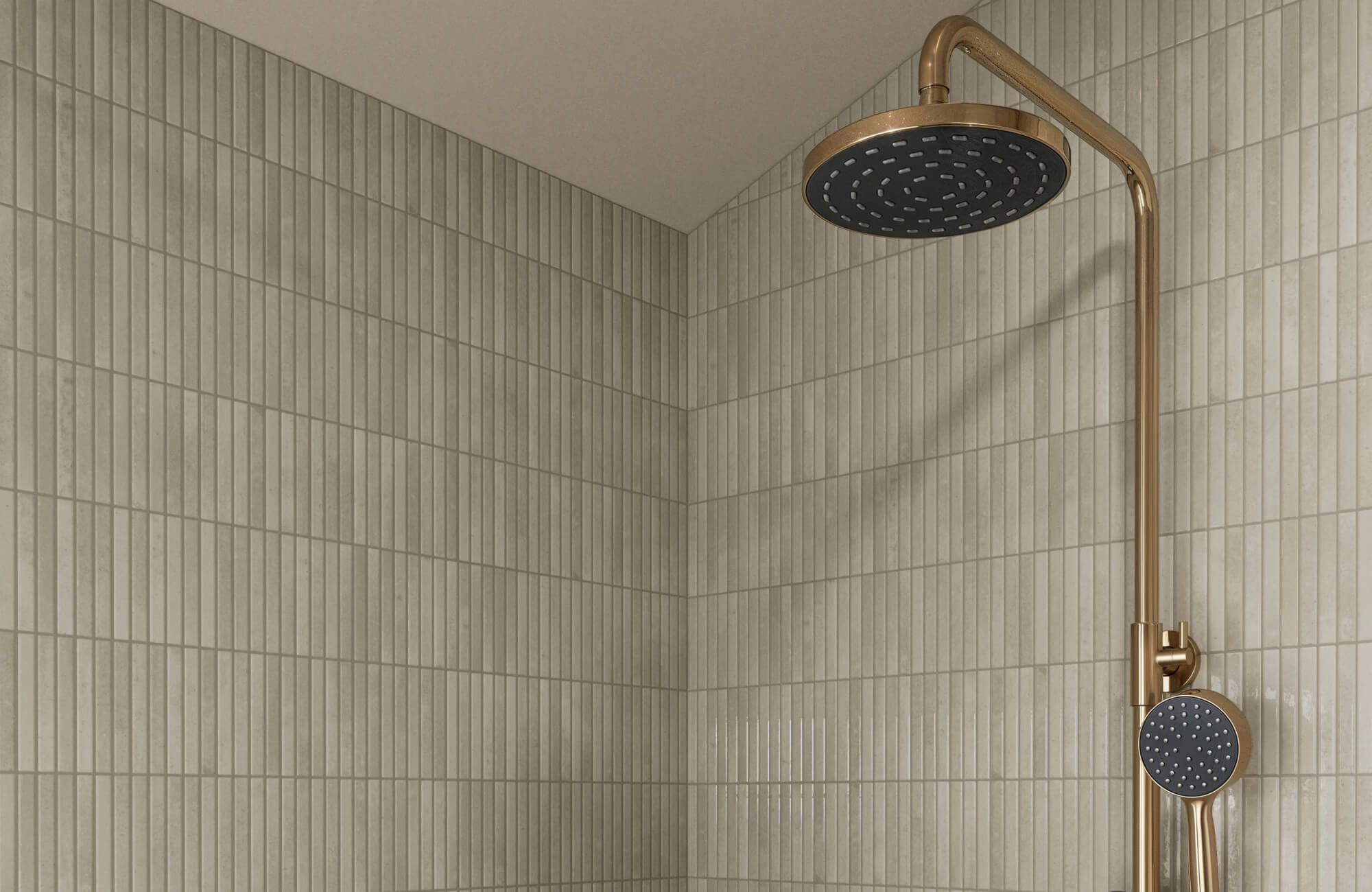
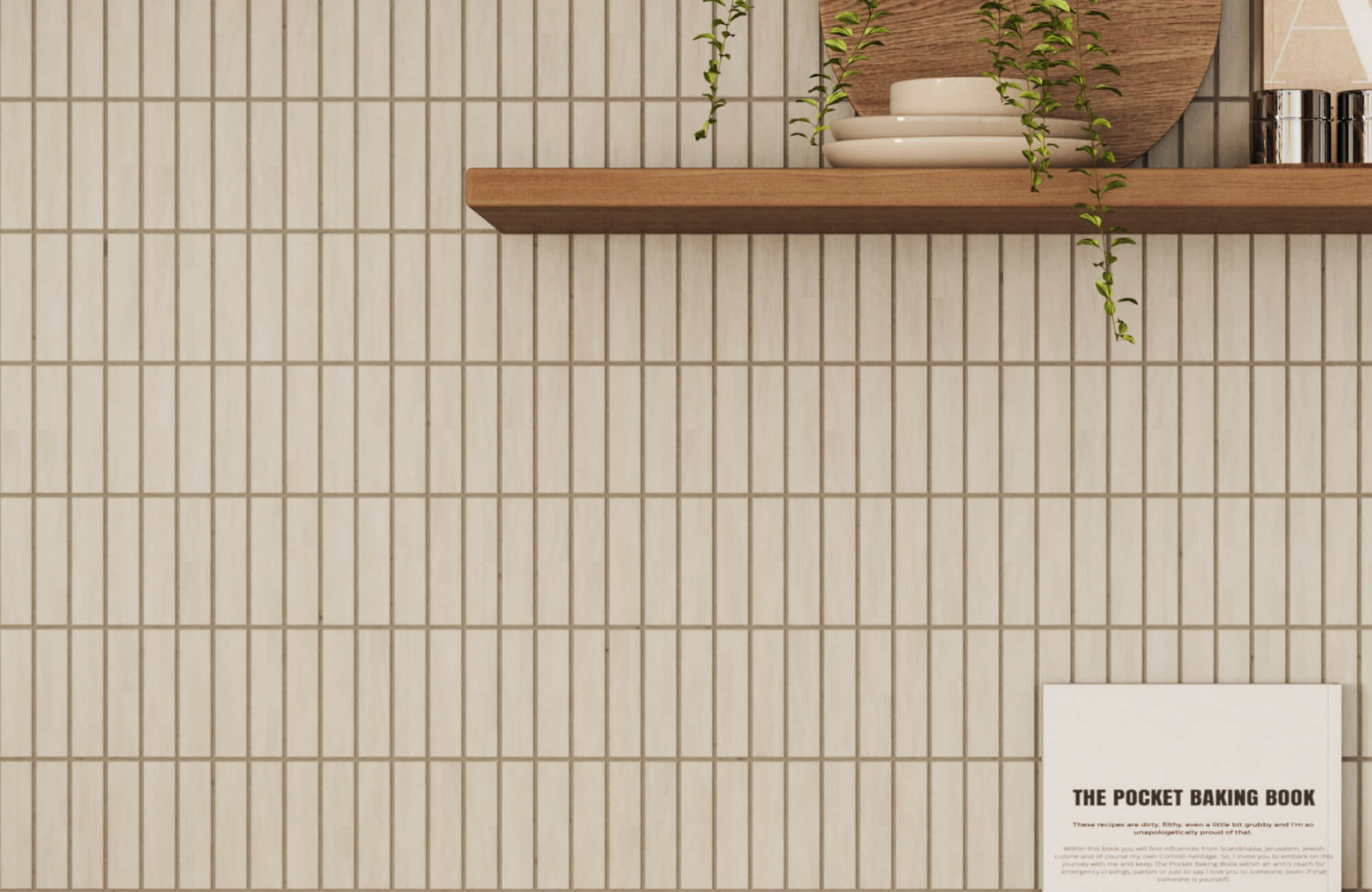
An excellent example of this practicality in design is the Miley 4.5x9.1 Glossy Porcelain Tile in Ivory, as shown in the picture above. With its sleek, glazed finish and soft, neutral tone, the Miley tile not only elevates aesthetic appeal but also adds a second layer of water resistance through its glass-like surface coating. It’s also particularly well-suited for shower walls, backsplashes, and other splash-prone areas where frequent moisture contact is expected. The glossy glaze enhances cleanability and stain resistance, further underscoring the tile's real-world functionality in high-humidity environments.
Limitations in System Integrity
Although porcelain tile itself may meet impervious criteria, system-wide failures often occur at joints, edges, or substrate levels. Water can infiltrate through cracked grout lines, unsealed perimeters, or improperly installed membranes, compromising walls and floors over time. For areas requiring true waterproofing, like spa decks or shower pans, it is critical to use liquid or sheet membranes beneath the tile to protect underlying structures. Builders must also consider thermal expansion and contraction, which can cause movement and breaches in the tiling system. Therefore, while the tile resists water inherently, only a complete, well-executed waterproofing assembly ensures long-term protection.
Impact of Grout, Joints, and Seams
The durability of a tiled surface in wet environments depends heavily on the integrity of the joints and surrounding materials. Even impervious tile can fail to protect against moisture if seams and gaps are not properly managed.
Grout Porosity and Sealing
Traditional cementitious grout is porous by nature and can absorb water, which undermines the overall water resistance of the tile installation. Over time, unsealed or poorly maintained grout can degrade, crack, and allow moisture to penetrate to the substrate. To enhance performance, professionals often use epoxy grout, which is denser, less porous, and resistant to both moisture and staining. Alternatively, grout sealers can be applied periodically to reinforce moisture resistance, although this requires ongoing maintenance. Regardless of the approach, grout must be treated as a potential vulnerability in the waterproofing system.
Expansion and Movement Joints
All tile installations experience some degree of movement due to thermal expansion, vibration, or substrate shifting. To accommodate this movement and prevent stress-related cracking, installers include flexible movement joints at specified intervals. These joints, often filled with silicone or urethane-based sealants, prevent tiles from cracking and forming leak pathways. Without them, pressure builds within the rigid tile surface, causing fissures that compromise both appearance and water resistance. Thoughtful placement and detailing of these joints are also essential in moisture-prone areas, especially near corners, transitions, and perimeter edges.
Waterproof Underlayments and Membranes
To create a truly waterproof assembly, tiles must be installed over an approved waterproofing underlayment. This can be a liquid-applied elastomeric coating, a fabric-reinforced membrane, or a pre-formed sheet system that blocks water from reaching the substrate. These systems are often installed over cement backer board or other stable substrates before tiling begins. By sealing the surface beneath the tile, these membranes also offer redundancy in case grout lines crack or tile edges chip. Their use is considered essential in showers, wet rooms, balconies, and any area subject to continuous water exposure.
Industry Standards and Water Absorption Ratings
Porcelain tile's resistance to water is verified through rigorous industry testing and classification systems. These metrics help designers, builders, and consumers select materials appropriate for wet or submerged environments.
ASTM C373 Absorption Testing
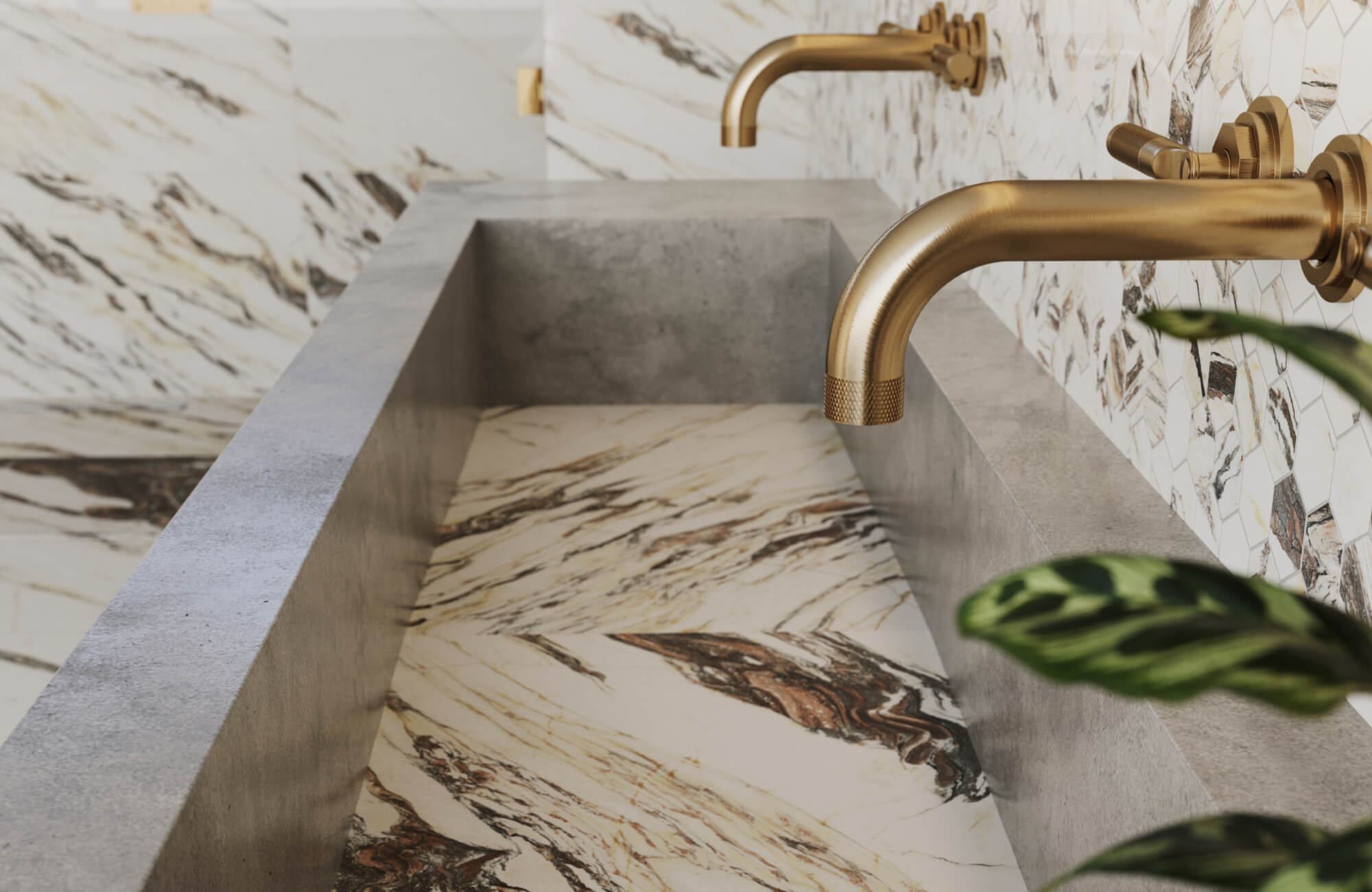
ASTM C373 is the primary method used to measure a tile's water absorption by determining how much moisture it can retain by weight. The test involves boiling a tile sample and measuring its weight gain, which reflects the volume of water it has absorbed. Porcelain tiles consistently test below the 0.5% threshold, certifying them as impervious and suitable for submerged applications like pools and spas. This low absorption level makes them resistant not only to liquid moisture but also to damage from freeze-thaw cycles in outdoor environments. For consumers, ASTM ratings also assure that the tile can perform well in wet and fluctuating conditions.
Classification by Porosity Group
Tiles are classified into four groups based on water absorption: impervious (≤0.5%), vitreous (0.5–3%), semi-vitreous (3–7%), and non-vitreous (>7%). Only impervious tiles, such as porcelain, are suited for wet and submerged environments. Vitreous and semi-vitreous tiles may perform well in intermittent moisture but are not reliable for constant exposure. This classification system allows architects and contractors to match materials to site conditions with greater precision. Porosity also impacts longevity and maintenance needs directly, so selecting the appropriate group ensures optimal performance and safety.
ANSI A137.1 and ISO Certifications
ANSI A137.1 and ISO 10545-3 set global benchmarks for water absorption and durability in ceramic and porcelain tile. These standards involve precise laboratory methods to evaluate how well a tile resists water and chemical degradation. Certified tiles are tested not only for absorption but also for frost resistance, surface hardness, and coefficient of friction. By choosing tiles with these certifications, professionals ensure compliance with local codes and long-term performance in demanding installations. Manufacturers who meet these criteria typically mark products clearly, making it easier for specifiers to identify tiles suitable for water-exposed environments.
Best Applications of Porcelain Tile in Wet and Outdoor Environments
The most definitive proof of porcelain tile's waterproofing capacity lies in its performance across varied applications. From kitchens to pools, its adaptability to water-rich environments is well documented.
Kitchens and Bathrooms
In homes, porcelain tile is widely used for bathroom floors, shower walls, backsplashes, and kitchen countertops. Its impervious surface resists water splashes, humidity, and steam without warping or staining, even after years of use. When combined with proper installation techniques, such as sloping toward drains and sealing edges, it forms an almost water-tight surface. In addition, porcelain does not harbor bacteria or mold, making it a hygienic choice for wet environments. Homeowners benefit from both peace of mind and reduced maintenance compared to vinyl or laminate materials.
A perfect example of this balance between style and practicality is the Brody 24x24 Checkerboard Matte Porcelain Tile in Sand and Dune. Its subtle checkerboard pattern adds classic charm with a modern twist, while the matte finish and impervious construction make it an ideal surface underfoot in moisture-rich spaces. This tile not only enhances visual warmth and depth but also delivers exceptional durability and slip resistance for everyday bathroom use.
Swimming Pools
Porcelain tile is exceptionally well-suited for use in and around swimming pools due to its low water absorption and high durability. Its ability to resist chemical exposure from pool treatments such as chlorine, as well as thermal expansion from sun exposure, makes it ideal for waterline and deck applications. Specialized pool-rated porcelain tiles, specifically, often feature textured surfaces to improve slip resistance and meet safety regulations. Unlike natural stone, which may require sealing or deteriorate over time, porcelain maintains its structure and appearance even under continuous submersion. It’s a top choice for luxury pools and spas where aesthetic longevity and performance are essential.
Porcelain Pavers for Patios and Walkways
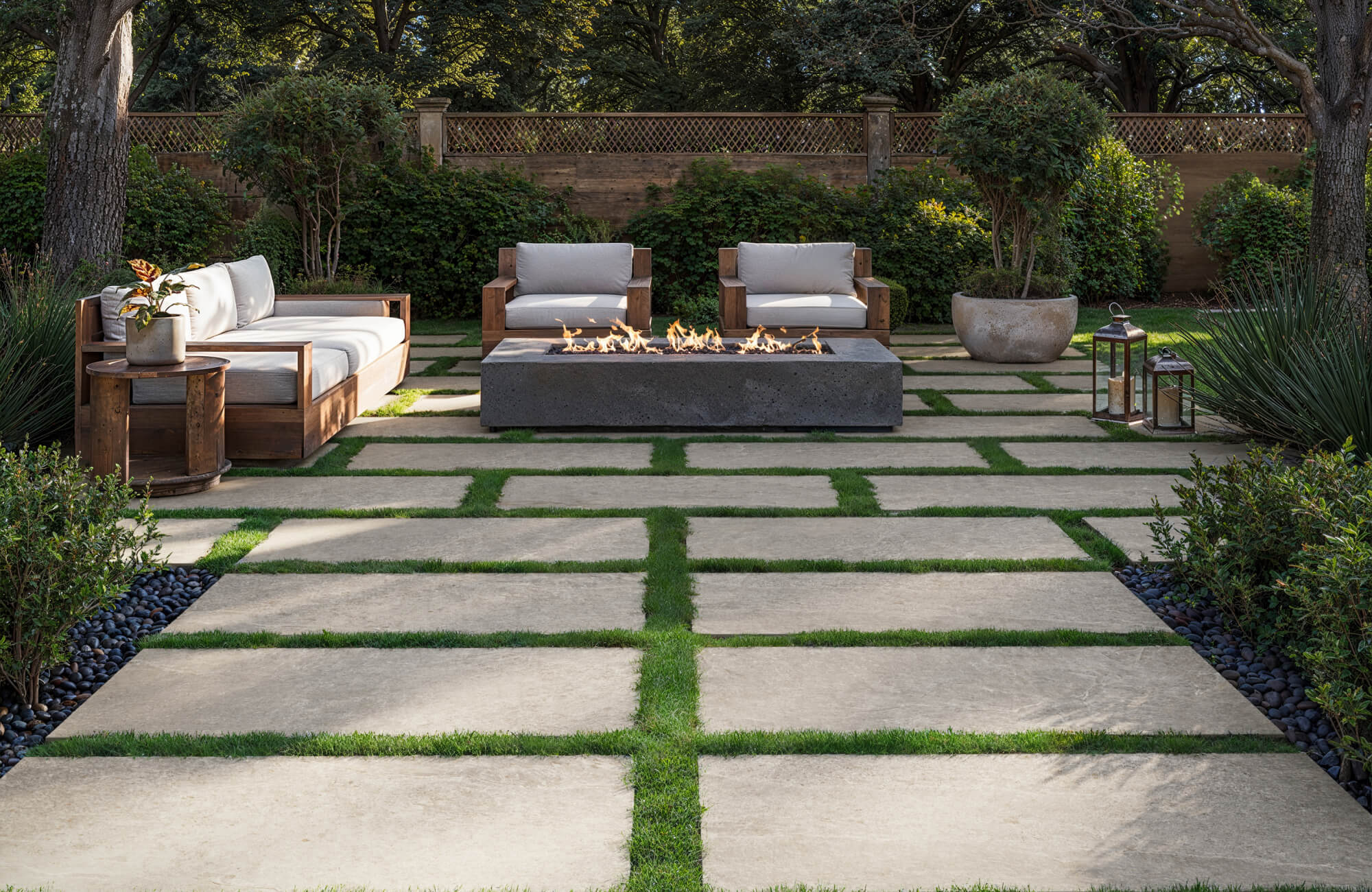
Porcelain pavers are a newer yet increasingly popular solution for outdoor hardscapes such as patios, walkways, and driveways. These tiles are thicker, typically 20mm, and engineered to handle heavy loads, freeze-thaw cycles, and extreme weather without cracking or deteriorating. Their impervious surface also prevents water infiltration, reducing the risk of efflorescence and weed growth compared to concrete or natural stone.
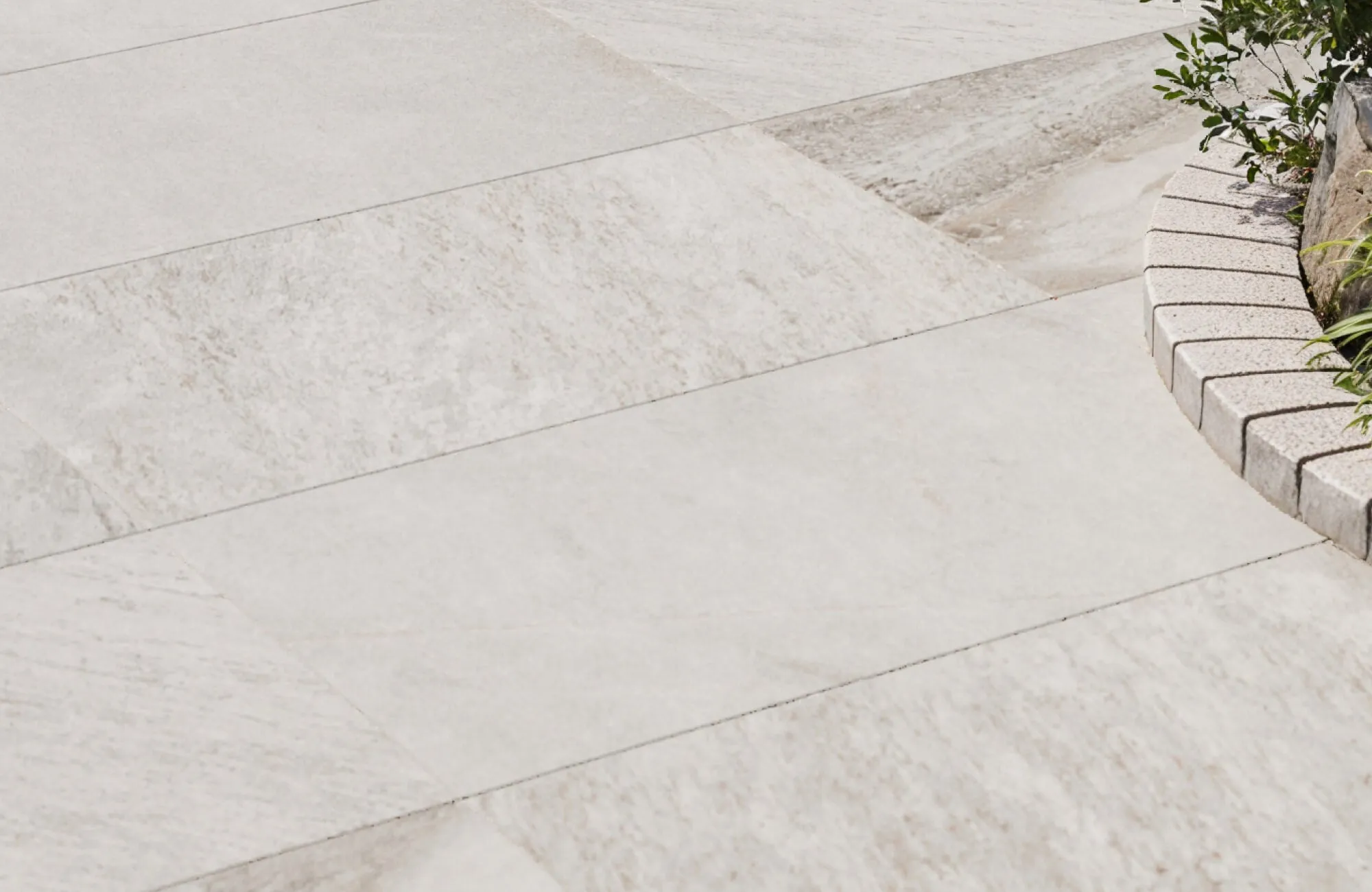
A standout in this category is Edward Martin’s Dawson 24x48 Grip Porcelain 2cm Paver Tile in Pewter, as depicted in the photo above, which combines rugged outdoor durability with refined visual appeal. Its textured grip finish enhances slip resistance, while its warm, dune-toned stone aesthetic seamlessly integrates with garden paths, pool decks, or modern patio layouts. Designed for pedestal systems or dry-set installations over gravel, the Dawson tile also ensures both drainage and stability, delivering long-term performance in any climate.
For homeowners and professionals seeking to make confident design choices, Edward Martin offers an intuitive augmented reality (AR) tool. This technology allows users to virtually place tiles like those used in kitchens, bathrooms, pools, or patios within their actual spaces, helping to visualize scale, color, and pattern in context before committing to installation.
Long-Term Maintenance Considerations
While porcelain tile is low maintenance, ongoing care is essential to preserve its waterproofing capabilities. Grout lines should be inspected regularly for cracks or wear, and resealed as needed to maintain water resistance. Epoxy grout installations typically require less maintenance but still benefit from periodic checks. Cleaning with non-acidic, pH-neutral products helps preserve the tile’s glaze and prevents chemical damage.
Following the manufacturer’s care and maintenance guidelines is also highly recommended to ensure optimal performance and product longevity. These instructions are tailored to the specific tile finish, setting, and installation method, helping you avoid common pitfalls and maintain the tile's appearance and integrity over time. By addressing these elements, building owners can extend the life of the tile system and avoid costly repairs related to water damage.
Final Thoughts on Porcelain Tile and Waterproofing
Porcelain tile is inherently water-resistant due to its dense, vitrified structure, qualifying it as impervious by industry standards. However, its performance as a waterproof system depends on the integration of proper grout, underlayments, and detailing techniques. When installed with precision and paired with suitable waterproofing methods, porcelain tile can provide lasting protection in even the most demanding wet environments. For architects, builders, and homeowners, it remains one of the most reliable and versatile materials in moisture-prone areas.
To support confident selection, Edward Martin offers high-quality 4" x 4" porcelain tile samples, allowing you to evaluate texture, tone, and finish in your own space. These tactile samples are an essential step toward ensuring that performance, aesthetics, and project requirements are all perfectly aligned.
Follow us on Instagram
@EDWARD.MARTIN
)
)
)
)
)
)
)
)
)
)
)
)
)
)
)
)