Subway tile's clean lines and timeless appeal make it a popular choice for kitchen backsplashes, bathroom walls, and even showers. However, before committing to this stylish upgrade, it’s essential to consider the overall cost, including both materials and installation. While subway tile is a budget-friendly option in many cases, its installation expenses can vary. How does it compare to other tile choices? As with most home improvement projects, the answer depends on several factors. Here’s a closer look at the key factors influencing installation costs and how subway tile compares to alternative choices.

Factors Affecting Subway Tile Installation Costs
Subway tile is often considered one of the more affordable tile options, but the final installation cost depends on much more than the tile itself. Material choice, layout complexity, surface conditions, and labor requirements can all influence what you ultimately pay. Before comparing quotes or setting a budget, it helps to understand which factors have the biggest impact on installation costs and where expenses can start to add up.
Material
The material you choose is one of the biggest factors affecting both the upfront cost of subway tile and the overall installation budget. While some options are naturally more affordable, others may require additional handling, maintenance, or installation expertise that increases the total investment. Below, we'll take a closer look at the most common subway tile materials and how each one can influence project costs.
Ceramic
Ceramic subway tile is often the option homeowners choose when they want a balance between style, practicality, and cost. It is widely available in a variety of colors and finishes, making it easy to find something that suits both traditional and contemporary spaces. Because ceramic is generally more affordable than materials like natural stone or glass, it can be a cost-effective choice for larger projects where material costs quickly add up. It is also easy to clean and maintain, which makes it especially appealing for kitchens, bathrooms, and laundry rooms. While specialty glazes, handcrafted finishes, or decorative details can increase the price, ceramic remains one of the most accessible ways to achieve the timeless look of subway tile.
As shown above, our Polly 3x10 Satin Ceramic Tile in White offers a great example of how ceramic can deliver a polished, elevated look without stretching the budget. Its elongated format brings a fresh take to the classic subway tile shape, while the velvety white satin finish creates a softer, more refined appearance than a traditional glossy surface. Because ceramic is durable, easy to clean, and suitable for a variety of indoor wall applications, it continues to be a practical choice for everyday spaces. It also works beautifully as a standalone installation or as part of a mixed-color layout, giving homeowners plenty of flexibility without significantly increasing project costs.
Glass
Glass subway tile is often chosen for its ability to reflect light and bring a brighter, more polished look to a space. Its reflective surface can make smaller kitchens, bathrooms, and backsplashes feel more open, which is one reason it remains a popular design choice. Glass is available in a range of finishes, from clear and frosted to more decorative mosaic styles, giving homeowners plenty of flexibility. However, that visual appeal comes with additional installation considerations, as glass can be more delicate to cut and handle than ceramic or porcelain. Because installers often need to work more carefully and account for potential breakage, both labor and material costs can end up being higher.
Natural Stone
Natural stone subway tile offers a level of variation and character that many manufactured materials simply cannot replicate. Whether you choose marble, granite, or another stone, each tile brings its own veining, texture, and natural movement to the space. This unique appearance is often what attracts homeowners looking for a more luxurious or high-end finish. However, natural stone typically comes with a higher upfront cost, both for the material itself and the installation process. Many stone tiles also require periodic sealing and ongoing maintenance to help protect against stains, moisture, and daily wear, which should be factored into the long-term investment.
Porcelain
Many homeowners turn to porcelain subway tile when they want the look of a premium material without committing to the cost or maintenance that often comes with it. Thanks to advances in manufacturing, porcelain can convincingly replicate the appearance of marble, stone, and other natural surfaces while offering excellent durability for everyday use. Its dense, low-porosity composition also makes it a strong choice for bathrooms, showers, kitchen backsplashes, and other areas exposed to moisture. While porcelain may cost slightly more upfront than ceramic, its longevity and low-maintenance nature often make it a smart long-term investment. For homeowners looking to balance practicality with a more elevated aesthetic, porcelain is often one of the most versatile options available.
If achieving the look of marble is the goal, our Aniston 3x12 Polished Porcelain Tile in Calacatta Top offers a compelling alternative to the real thing. Its polished surface and marble-inspired veining capture the elegance associated with Calacatta stone, but without the sealing requirements and ongoing upkeep that natural marble demands. This allows homeowners to enjoy a more luxurious appearance while keeping both installation and long-term maintenance costs easier to manage. For many projects, that balance between visual appeal, durability, and value is exactly what makes porcelain such a popular choice.
Tile Size
Tile size influences more than just the final look of your installation. It can affect cutting requirements, installation speed, material waste, and the level of skill needed to achieve a clean result. While the differences may seem minor at first, size can have a noticeable impact on both labor costs and overall project efficiency.
Smaller Tiles (e.g., 2x4 inches)
Smaller subway tiles are often chosen for their classic look and ability to create more detailed layouts, but they can also increase installation costs in ways homeowners do not always anticipate. Because more individual tiles need to be placed, aligned, and grouted, installers typically spend more time completing the project compared to larger formats. Smaller tiles also tend to require additional cuts around outlets, corners, and transitions, which can further extend labor time. While the material itself may be relatively affordable, the added installation effort can narrow the gap between smaller and larger tile options. If you're working within a strict budget, it is worth considering how labor costs may offset some of the savings on materials.
Larger Tiles (e.g., 3x6 inches or 12x12 inches)
Larger subway tiles can help streamline installation because they cover more surface area with fewer individual pieces. With fewer grout joints and less repetitive placement work, installers can often complete portions of the project more efficiently than they would with smaller formats. That said, larger tiles are not always the cheaper option, as proper alignment becomes increasingly important and any irregularities in the wall may be more noticeable. Their size can also make cutting and handling more challenging, particularly in tight spaces or around fixtures. Although larger tiles may reduce installation time in some situations, it is still important to factor in potential material waste and the level of expertise required to achieve a professional finish.
Grout Lines
Grout lines may seem like a small design detail, but they can affect both the appearance of your subway tile and the amount of labor involved during installation. The width you choose influences how precise the layout needs to be, how much grout is required, and how much time an installer spends achieving a consistent finish. Because of this, grout line decisions can have a subtle but meaningful effect on project costs.
Narrow Grout Lines (1/16 inch or less)
Narrow grout lines are often preferred by homeowners who want a cleaner, more seamless look that places greater emphasis on the tile itself rather than the grout. This approach works especially well in modern, contemporary, and minimalist spaces where crisp lines and visual continuity are part of the overall design. However, achieving that refined appearance requires a higher level of precision during installation, as even slight variations in spacing can become more noticeable. Installers typically need to spend additional time aligning tiles and maintaining consistent joints throughout the surface. While the result can feel more polished and high-end, the extra labor involved may contribute to higher installation costs.
Wider Grout Lines (1/8 inch or more)
Wider grout lines are often a more forgiving option, both visually and during the installation process. They can help accommodate minor variations in tile size and alignment, which may reduce the amount of precision required compared to very narrow joints. Because the installation tends to move more efficiently, wider grout lines can sometimes help keep labor costs more manageable, particularly on larger projects. They also work well in design styles that embrace a bit more texture and definition between individual tiles. Although they create a more noticeable grid pattern than narrow grout lines, many homeowners find the balance of practicality, cost savings, and easier maintenance well worth the tradeoff.
Pattern
The installation pattern you choose can dramatically change both the visual impact of subway tile and the amount of work required to install it. Some layouts are straightforward and installer-friendly, while others demand more cutting, planning, and precision. As patterns become more complex, labor costs often increase alongside them.
Simple Brick Pattern
The traditional brick pattern remains one of the most popular subway tile layouts because it strikes a balance between visual appeal and affordability. By offsetting each row, it creates subtle movement without requiring complicated cuts or extensive layout planning. Most installers are highly familiar with this pattern, which can help keep labor time and installation costs under control. It also works well across a wide range of design styles, from traditional kitchens to modern bathrooms. If budget is a priority, this is often one of the most cost-effective subway tile layouts to consider.
Herringbone or Basketweave Patterns
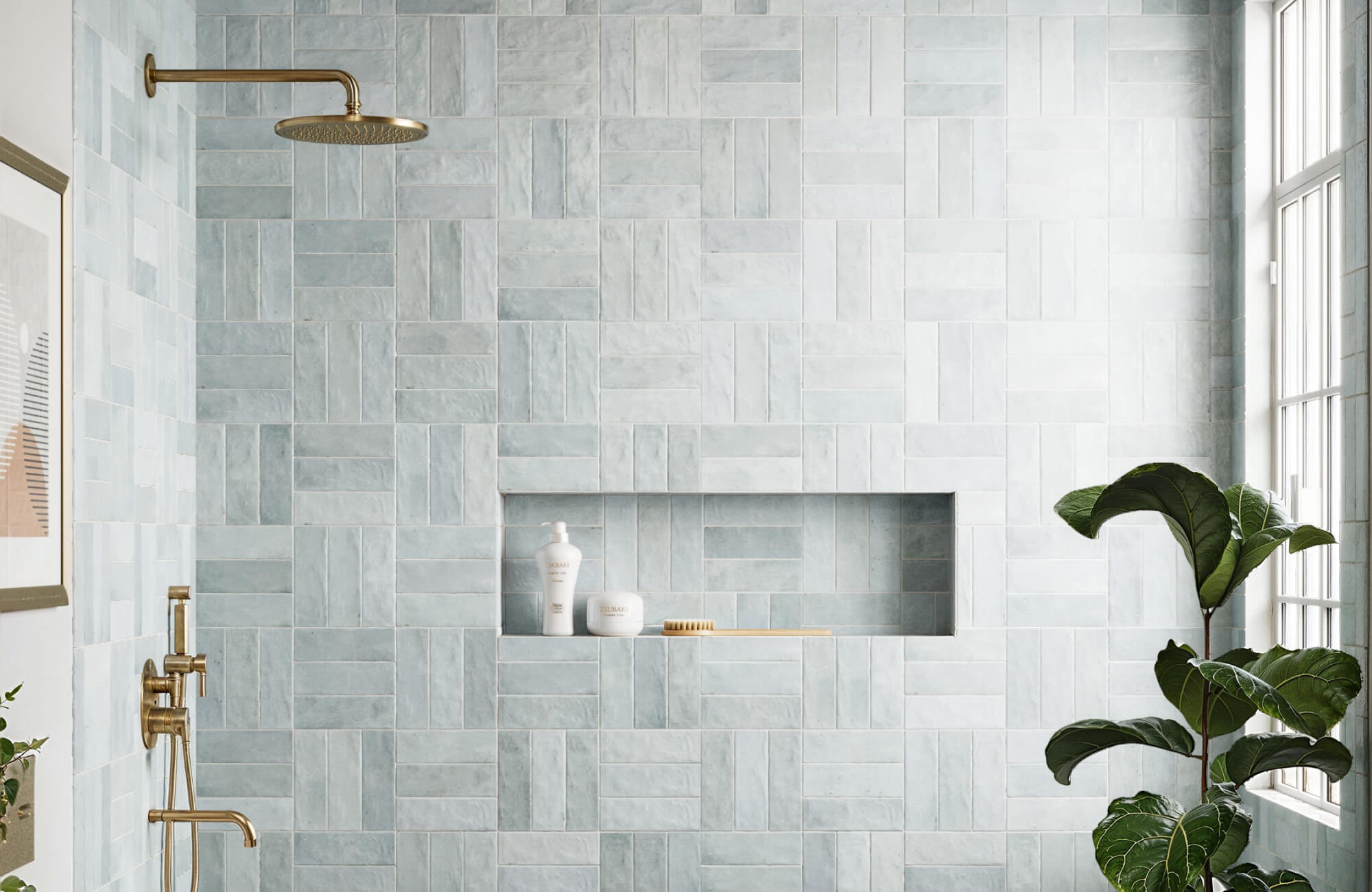
Patterns like herringbone and basketweave introduce significantly more visual interest than a standard brick layout, making them a popular choice for homeowners who want their tile to become a focal point. However, the added detail comes with additional installation challenges. These layouts require more precise measurements, more frequent cuts, and greater attention to alignment throughout the project. Even small mistakes can become noticeable, which is why these patterns typically demand a higher level of expertise. As a result, labor costs are often noticeably higher than they would be for simpler subway tile installations.
Vertical Stack Pattern
A vertical stack pattern creates a clean, contemporary look by aligning subway tiles directly above one another in straight columns. While the layout itself may appear simple, achieving perfectly straight lines across an entire wall requires careful planning and precise installation. Any inconsistencies in spacing or alignment tend to be more noticeable than they would be in offset patterns. This can slightly increase labor requirements, particularly on larger surfaces where maintaining uniformity becomes more challenging. For homeowners seeking a modern aesthetic, the added attention to detail is often worth the investment.
Horizontal Stack Pattern
Unlike the classic brick layout, a horizontal stack pattern positions each tile directly in line with the one above and below it. The result is a cleaner, more structured appearance that works especially well in contemporary interiors. Because there is no offset to help disguise uneven spacing, installers must pay close attention to alignment throughout the project. While it is generally less labor-intensive than herringbone or basketweave layouts, it often requires more precision than a traditional brick pattern. Installation costs typically fall somewhere between the two, depending on the size and complexity of the space.
Chevron Pattern
Chevron layouts offer a similar sense of movement to herringbone but create a more continuous zigzag effect through angled cuts and carefully aligned tile edges. This distinctive look can make a backsplash, shower wall, or feature area feel more custom and visually dynamic. However, the pattern often requires extensive planning, additional material waste, and a higher number of precise cuts. Installers must also spend more time ensuring the pattern remains consistent across the entire surface. Because of these factors, chevron is usually among the more expensive subway tile patterns to install.
Surface Preparation
What sits behind the tile is just as important as the tile itself. Even the most beautiful subway tile installation can run into problems if the surface underneath is not properly prepared. Depending on the condition of the wall or existing substrate, preparation work can range from minimal touch-ups to more extensive repairs that add time and cost to the project.
Existing Flat Surface
A smooth, level surface is one of the best-case scenarios for any subway tile installation. Whether you're working with properly prepared drywall or an existing backsplash that remains in good condition, less preparation typically means less labor and lower overall costs. Installers can spend more time focusing on layout and tile placement rather than correcting underlying issues before the project even begins. A well-prepared surface can also help reduce installation delays and improve the quality of the finished result. If your walls are already in good shape, you may be able to avoid some of the additional expenses that often arise during renovation projects.
Uneven Surface
Uneven walls, damaged drywall, or existing tile that needs to be removed can quickly increase the cost of a subway tile installation. Before a new tile can be installed, the surface often needs to be repaired, leveled, or rebuilt to create a stable foundation. This may involve demolition work, patching damaged areas, applying leveling compounds, or installing additional underlayment, depending on the condition of the substrate. These extra steps require additional materials, labor, and time, which can noticeably affect the final project budget. While it may be tempting to cut corners during preparation, a properly leveled surface is essential for achieving a clean and professional-looking installation.
Labor Costs
Labor is often one of the largest portions of a subway tile installation budget, sometimes rivaling or even exceeding the cost of the tile itself. Rates can vary significantly depending on where you live, the complexity of the project, and the experience level of the installer you hire.
Geographic Location
Where you live can have a significant impact on what you pay for subway tile installation. Labor rates are often higher in major cities and metropolitan areas, where operating costs and demand for skilled trades tend to be greater. In smaller towns or rural locations, installers may charge lower rates, which can make the same project noticeably more affordable. Local market conditions, project demand, and even the availability of qualified installers can all influence pricing. Because of these regional differences, labor quotes that seem expensive in one area may be completely normal in another.
Experience Level of Installer
Hiring an experienced tile installer often comes with a higher upfront cost, but many homeowners find the added investment worthwhile. Skilled professionals are typically better equipped to handle challenging layouts, maintain consistent spacing, and identify potential issues before they become costly problems. Their experience can also help reduce material waste and minimize the likelihood of repairs or rework later on. While a lower quote may seem appealing initially, installation quality can have a lasting impact on both the appearance and durability of the finished project. In many cases, paying more for experience can lead to better long-term value.
Minimum Service Fee
Many tile contractors charge a minimum service fee regardless of the project's size, which can surprise homeowners planning a smaller installation. These fees often help cover consultation time, transportation, equipment setup, and other costs associated with taking on the job. As a result, a small backsplash installation may not cost proportionally less than a larger project when labor is factored in. Understanding these minimum charges ahead of time can help you set more realistic expectations when gathering quotes. It is also one reason why labor costs can represent a larger portion of the budget on smaller tile projects.
By understanding how these factors influence labor costs, you can approach contractor quotes with greater confidence and a clearer sense of what drives pricing. Comparing multiple estimates is often one of the best ways to determine whether a quote is competitive for your area and project scope. Beyond the final number, it is also worth considering an installer's experience, reputation, and attention to detail, as these factors can significantly affect the quality of the finished result. Taking the time to evaluate both cost and expertise can help you make a more informed decision and avoid unexpected issues during installation.

Comparison to Other Tile Options
Subway tile remains one of the most popular choices for kitchens, bathrooms, and backsplashes, but it is far from the only option available. Depending on your budget, design goals, and installation priorities, other tile styles may offer advantages that make them worth considering. Below, we'll compare subway tile to several popular alternatives to help you understand how they differ in cost, appearance, maintenance, and overall practicality.
Large Format Tiles
Large format tiles are often chosen for their clean, modern appearance and ability to make a space feel more open. Because they cover more surface area with fewer individual pieces, they can create a more seamless look than traditional subway tile. This is especially appealing in contemporary bathrooms, showers, and open-concept spaces where minimizing visual interruptions is a priority. Many homeowners are also drawn to the reduced number of grout lines, which can make maintenance feel simpler over time.
From an installation standpoint, large-format tiles can sometimes reduce labor because fewer pieces need to be placed across the surface. However, the installation itself often requires greater precision, particularly when working with uneven walls, tight corners, or larger wall expanses. Their size can also make them more difficult to transport, cut, and position, which may offset some of the labor savings depending on the project's complexity. As a result, installation costs can vary significantly based on both the tile size and the conditions of the space.
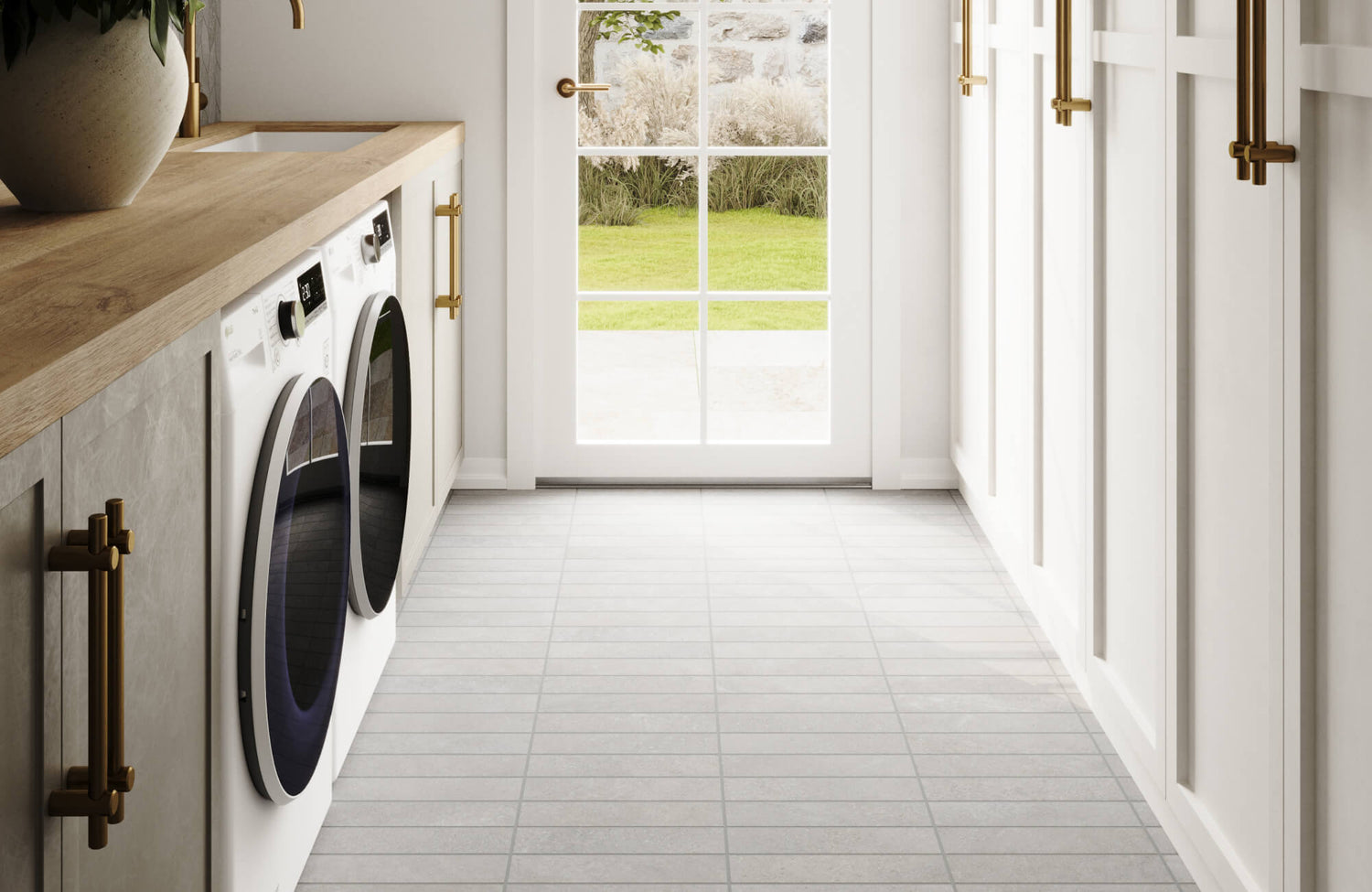
The visual impact of fewer grout lines is one of the biggest advantages of large-format tile. Our Brody 24x24 Matte Porcelain Tile in Sand demonstrates how larger tiles can create a cleaner, more uninterrupted surface that allows the tile itself to take center stage. Its expansive format helps reduce visual breaks throughout the installation, while the matte finish contributes to a softer, more natural appearance. For homeowners seeking a streamlined and contemporary look, large-format tile can be a compelling alternative to traditional subway tile.
Mosaic Tiles
Mosaic tiles offer a completely different design experience from subway tile, bringing intricate patterns, texture, and visual detail into a space. They are often used to create feature walls, decorative backsplashes, shower floors, or accent areas where homeowners want something more artistic and eye-catching. Because mosaics are available in a wide range of materials, including ceramic, porcelain, glass, and metal, they provide considerable design flexibility. This level of detail is often what makes mosaic tile feel more custom and distinctive.
That added visual complexity typically comes with higher installation costs. Since mosaic installations involve many more individual pieces and grout joints, they require significantly more time and attention to detail than standard subway tile layouts. Installers must carefully align patterns, maintain consistent spacing, and manage a larger number of cuts throughout the project. The increased labor involved is one of the primary reasons mosaic tile installations tend to be more expensive than traditional subway tile applications.
Maintenance is another factor worth considering. The greater number of grout lines can add texture and character to the finished design, but it also means there is more grout to clean and maintain over time. For homeowners who prioritize visual impact and decorative detail, the additional upkeep may be a worthwhile tradeoff. However, those seeking a lower-maintenance surface may find subway tile or large-format tile to be the more practical choice.
Peel-and-Stick Tiles
Peel-and-stick tiles appeal to homeowners looking for a fast, affordable way to refresh a space without committing to a full renovation. Because they do not require mortar, grout, or specialized installation tools, they can often be installed in a fraction of the time required for traditional tile. This makes them especially popular for rental properties, temporary updates, and budget-conscious projects. For many DIYers, the simplicity of installation is their biggest selling point.
Cost is another area where peel-and-stick products often stand out. Basic vinyl options are typically among the least expensive wall-covering solutions available, making them attractive for small projects and cosmetic upgrades. However, lower costs often come with limitations in durability, heat resistance, and overall longevity. While premium versions made with stone or metal finishes offer a more realistic appearance, they still may not perform as well as ceramic or porcelain tile in demanding environments.
For homeowners seeking a long-term solution, traditional subway tile usually offers greater durability and design flexibility. Peel-and-stick products can work well for quick updates, but they are generally better suited to short-term applications than permanent installations. Understanding the intended lifespan of the project can help determine whether the convenience of peel-and-stick tile outweighs its limitations.
Choosing the Right Tile
The best tile choice ultimately depends on the priorities of your project. If affordability, timeless appeal, and versatility are at the top of your list, subway tile remains one of the most balanced options available. Its straightforward installation, wide range of styles, and enduring popularity make it suitable for a variety of spaces and budgets. For many homeowners, it offers the ideal combination of practicality and visual appeal.
However, every tile type comes with its own strengths. Large format tiles may be better suited for creating a sleek, contemporary look, while mosaics excel at adding decorative detail and visual interest. Peel-and-stick products can provide a quick refresh for spaces where cost and convenience are the primary concerns. Understanding how each option aligns with your design goals, maintenance expectations, and budget can help you make a more confident decision.
It's also important to consider who will be installing the tile and how demanding the project will be. More intricate layouts often require greater expertise, while simpler installations may be more approachable for experienced DIYers. Taking all of these factors into account can help ensure you select a tile that not only looks great but also performs well for years to come.
By carefully weighing these factors against your budget and aesthetic goals, you can make an informed decision on the best tile for your space. While subway tile remains a timeless and versatile choice, exploring alternative options may open up new design possibilities. To visualize different tile choices in your space before committing, Edward Martin's AR tool provides a helpful preview of how each style will look in your home.

Additional Cost Factors
While the installation process accounts for most of the project cost, several additional expenses can impact the final budget. Here are some factors to keep in mind when planning your subway tile project:
Removal of Existing Tile
If you're replacing an existing tile installation, removal costs should be included in the budget from the start rather than treated as an afterthought. The amount you'll pay largely depends on how the old tile was installed, the condition of the underlying surface, and how difficult it is to access the area being renovated. Tiles set with mortar typically take longer to remove than those attached with lighter adhesives, and the process can become even more labor-intensive if wall repairs are needed afterward. In many markets, homeowners can expect tile removal costs to range from roughly $2 to $8 per square foot, though heavily bonded materials or more complicated demolition work can push that number higher. Before approving a quote, it is worth asking whether removal costs include surface repairs, cleanup, and debris handling, as these items are not always bundled together.
Disposal Fees
Once the old tile has been removed, it still needs to be transported and disposed of properly, which can add another expense to the project. Disposal costs often depend on the volume and weight of the material being removed, with heavier products such as natural stone generally costing more to haul away than ceramic or porcelain tile. Some contractors include disposal fees within their demolition pricing, while others list them separately, making it important to review estimates carefully. Homeowners can typically expect disposal costs to fall somewhere between $50 and $300 for smaller residential projects, although larger renovations may exceed that range. Clarifying these costs upfront can help prevent unexpected charges from appearing once demolition work begins.
Sealing (for natural stone)
Natural stone subway tile requires a level of maintenance that ceramic and porcelain alternatives generally do not. Because materials such as marble, travertine, and limestone are naturally porous, they need to be sealed to help protect against moisture penetration, staining, and everyday wear. Professional sealing not only improves durability but also helps preserve the appearance of the stone over time, particularly in kitchens, bathrooms, and shower environments. Initial sealing costs typically range from $1 to $3 per square foot, depending on the type of stone and sealant being used, and periodic resealing may be needed every few years. While this additional expense increases the overall cost of choosing natural stone, many homeowners consider it a worthwhile investment for maintaining the beauty and longevity of the material.

DIY vs. Professional Installation
One of the biggest decisions you'll make during a subway tile project is whether to install it yourself or hire a professional. While subway tile is often considered one of the more DIY-friendly tile options, the right choice depends on your budget, experience level, available time, and expectations for the finished result.
DIY Considerations
Installing subway tile yourself can be a rewarding way to reduce project costs, especially for smaller spaces such as backsplashes or accent walls. However, successful DIY tile installation requires more than just enthusiasm, as proper preparation, patience, and attention to detail all play an important role in achieving a professional-looking result.
Cost Savings on Labor
One of the biggest advantages of a DIY installation is eliminating labor costs, which can account for a significant portion of the overall project budget. This can make subway tile particularly attractive for homeowners tackling smaller renovations or looking to stretch their budget further. The money saved on labor can often be redirected toward higher-quality tile, upgraded materials, or other improvements within the space. For projects with relatively straightforward layouts, the savings can be substantial. However, it is important to weigh those savings against the time and effort required to complete the work properly.
Requires Time, Tools, and Proper Technique
Although subway tile is generally considered beginner-friendly, achieving a clean and professional finish still requires a fair amount of skill and preparation. Tasks such as measuring layouts, cutting tiles, mixing mortar, applying adhesive, and maintaining consistent grout lines all require patience and attention to detail. Most DIYers also spend time researching installation methods, watching tutorials, and learning best practices before beginning the project. Even relatively small installations can take significantly longer for a first-time installer than they would for a professional. As a result, time commitment should be considered alongside potential cost savings.
Potential for Mistakes Leading to Wasted Materials and Rework
Mistakes are a common part of any DIY project, but they can become expensive when working with tile. Incorrect cuts, uneven spacing, poorly aligned layouts, or grout application issues may require sections to be removed and redone. These setbacks can increase both material costs and project timelines, especially if additional tile needs to be ordered. In some cases, correcting mistakes may end up costing more than hiring a professional from the beginning. Understanding the risks involved can help you decide whether a DIY approach is the right fit for your skill level.
Professional Installation Benefits
Hiring a professional installer often comes with a higher upfront cost, but it can provide added confidence throughout the project. For homeowners seeking a polished finish, faster completion times, and fewer potential headaches, professional installation may offer significant value beyond the installation itself.
Expertise Ensures a Flawless Finish
Professional tile installers bring years of experience to every stage of the project, from surface preparation to final grouting. They understand how to handle challenging layouts, work around obstacles, and maintain consistent spacing across the entire installation. Their expertise helps minimize errors while producing a cleaner and more refined finished result. This can be particularly valuable when working with specialty patterns, premium materials, or highly visible areas of the home. For many homeowners, the quality of the final appearance justifies the added expense.
Saves Time and Effort
Professional installation can dramatically reduce the amount of time and effort required from the homeowner. Experienced installers have the tools, equipment, and workflow needed to complete projects efficiently while maintaining a high level of precision. What might take a DIYer several weekends to finish can often be completed in a matter of days by a skilled professional. This can be especially beneficial for busy households or projects involving kitchens, bathrooms, and other frequently used spaces. Faster completion often means less disruption to daily routines.
Warranty on Workmanship
Many professional installers offer workmanship warranties that provide additional peace of mind after the project is completed. If installation-related issues arise within the warranty period, they may be corrected without additional labor costs. This added protection can be particularly valuable for larger projects where repairs could otherwise become expensive. A workmanship warranty also demonstrates confidence in the quality of the installation and the contractor's work. For homeowners investing in a long-term renovation, that extra reassurance can be a meaningful benefit.
Ultimately, the decision between DIY and professional installation comes down to balancing budget, skill level, available time, and project complexity. Homeowners comfortable with basic renovation work may find subway tile manageable enough to install themselves, particularly in smaller spaces with straightforward layouts. On the other hand, larger projects, intricate patterns, or premium materials often benefit from the expertise of a professional installer. Taking an honest look at your goals and experience can help determine which approach offers the best value for your specific project.
Balancing Cost and Style with Subway Tile
Subway tile continues to be a popular choice because it offers something many homeowners are looking for: a balance of style, versatility, and value. While installation costs can vary based on material, tile size, pattern selection, surface preparation, and labor rates, understanding these factors makes it much easier to plan a realistic budget and avoid surprises along the way. Whether you're designing a simple backsplash or tackling a larger renovation, weighing both the upfront investment and long-term maintenance requirements can help you determine which option makes the most sense for your space.
The right tile is not always the least expensive option, but the one that best aligns with your design goals, lifestyle, and budget. Taking the time to compare materials, installation methods, and alternative tile styles can help you make a more confident decision before work begins. If you'd like help narrowing down your options, visualizing different tile styles, or selecting a product that suits your project, our Personalized Design Consultation is here to help. Working with experienced guidance can make the process feel far less overwhelming while helping you create a space you'll enjoy for years to come.